Production lines · Peanut & nut butter
Peanut Butter Making Plant: How to Plan a Nut Butter Factory
Plan a peanut or nut butter plant: roasting, peeling, grinding, mixing and filling, sizing on nut input, food safety layout and quotation checklist.
- Prepared by
- HNFODA Applications Engineering
- Topic
- Production lines · Peanut & nut butter
- Published
- Reading time
- 6 min read · 3 sources
On this page
Short answer: A peanut butter making plant roasts and cools the nuts, removes skins and defects, grinds them to a smooth or crunchy paste, mixes in any salt, sugar, oil or stabiliser, deaerates and cools the paste, and fills it into jars or pails. The plant is sized on nut input, the grinding stage is usually the limit because of heat build-up, and most of the food safety effort goes into keeping roasted nuts clean between roaster and filler.
This page covers the plant as a business project. The nut butter production line page describes the line itself in more detail.
What a nut butter plant consists of
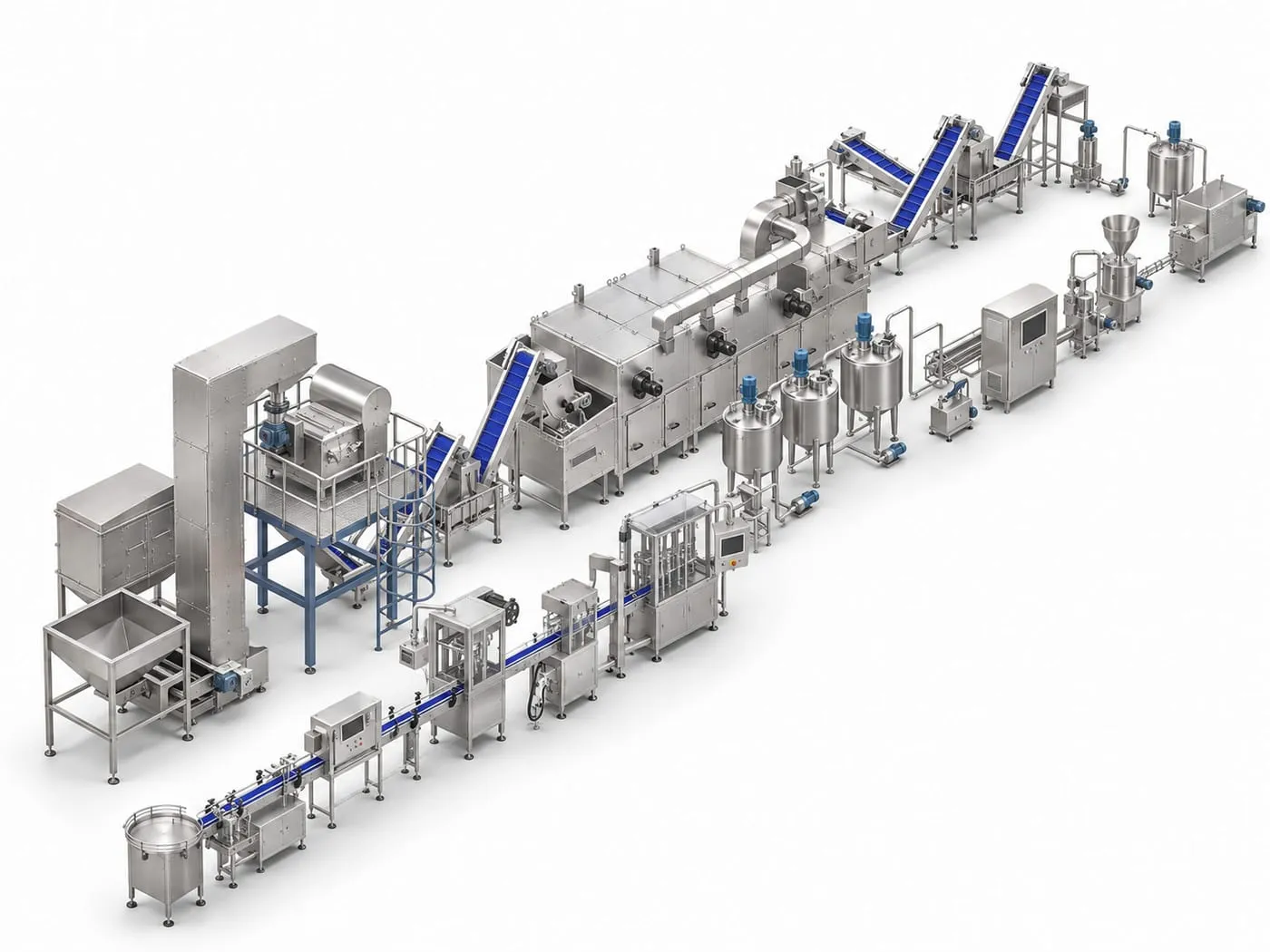
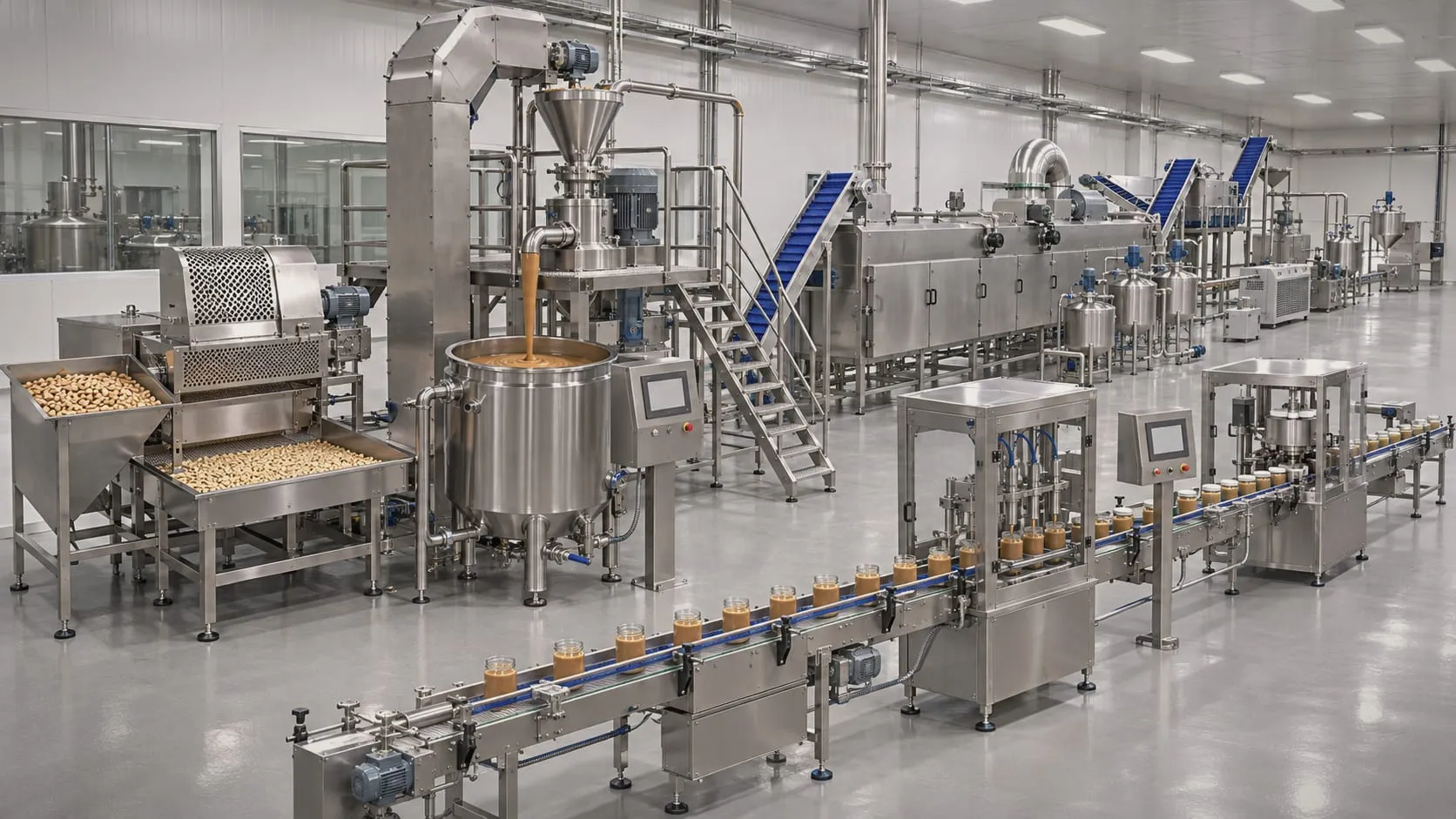
Think of the plant in two halves:
- Dry front end: raw nut intake and storage, cleaning, roasting, cooling, skin removal and inspection. This half handles whole nuts and produces dust and skins.
- Paste back end: coarse grinding, fine grinding, mixing with other ingredients, deaeration, cooling, filling, sealing and labelling. This half is a viscous-product process, closer to a sauce plant than a nut plant.
If you buy roasted, blanched nuts from a supplier, the front end shrinks to intake and inspection. The IFT article describes exactly this kind of operation, where an almond butter maker buys processed almonds with a certificate of analysis for each lot.
Process route and key machines
| Station | Purpose | Key machine |
|---|---|---|
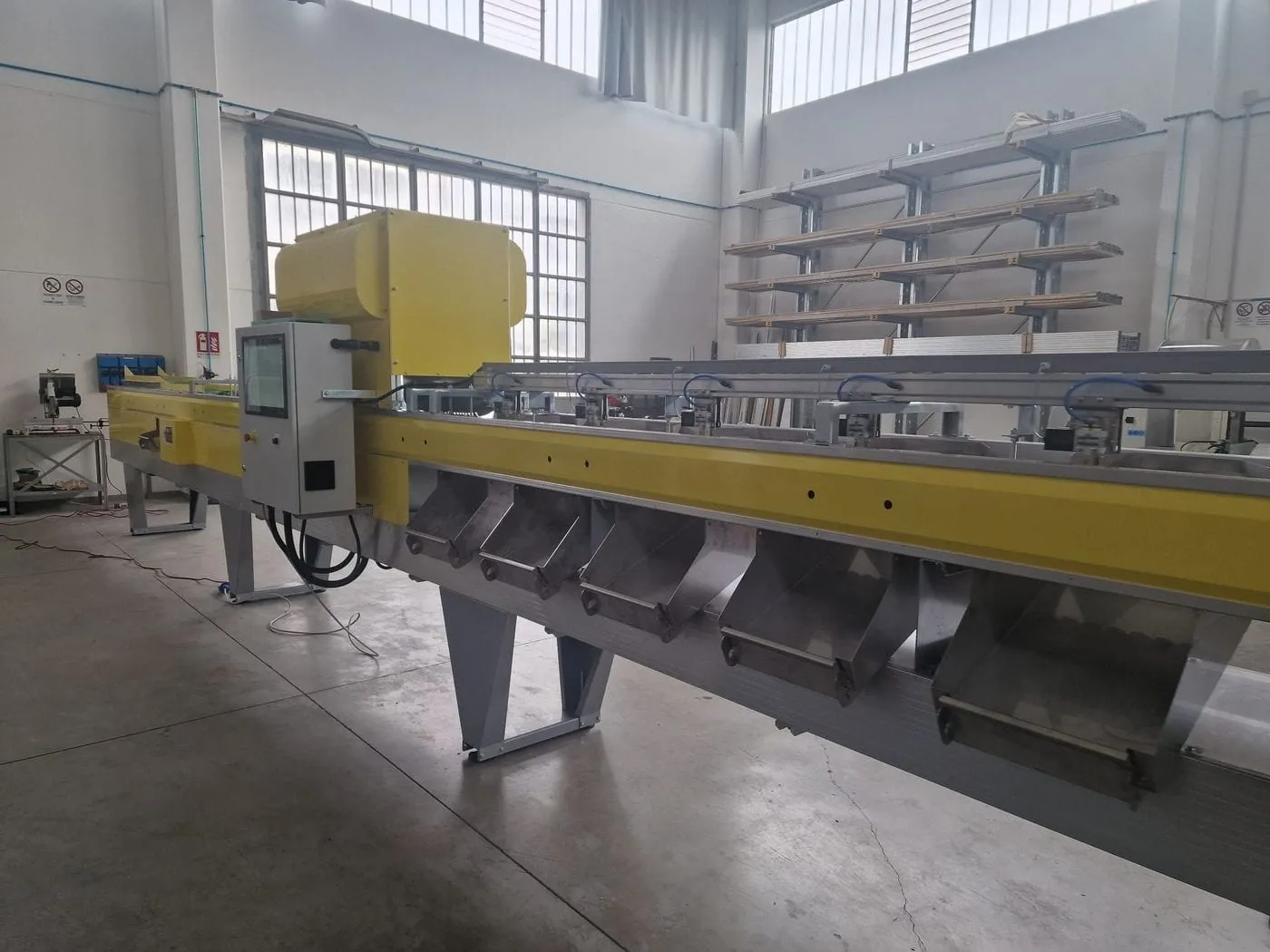
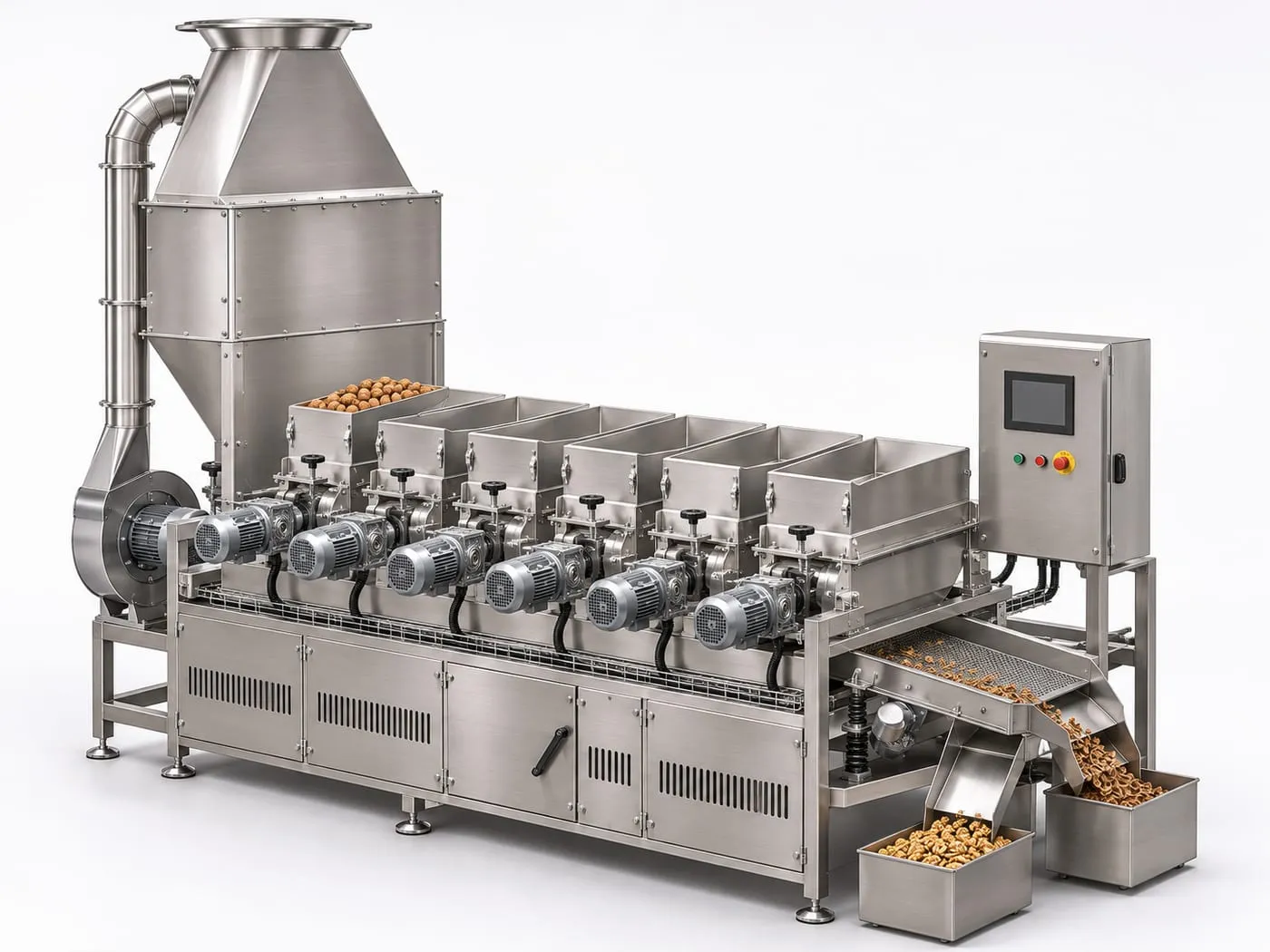
| Cleaning and sorting | Remove stones, shells and defective nuts | Grain optical sorter |
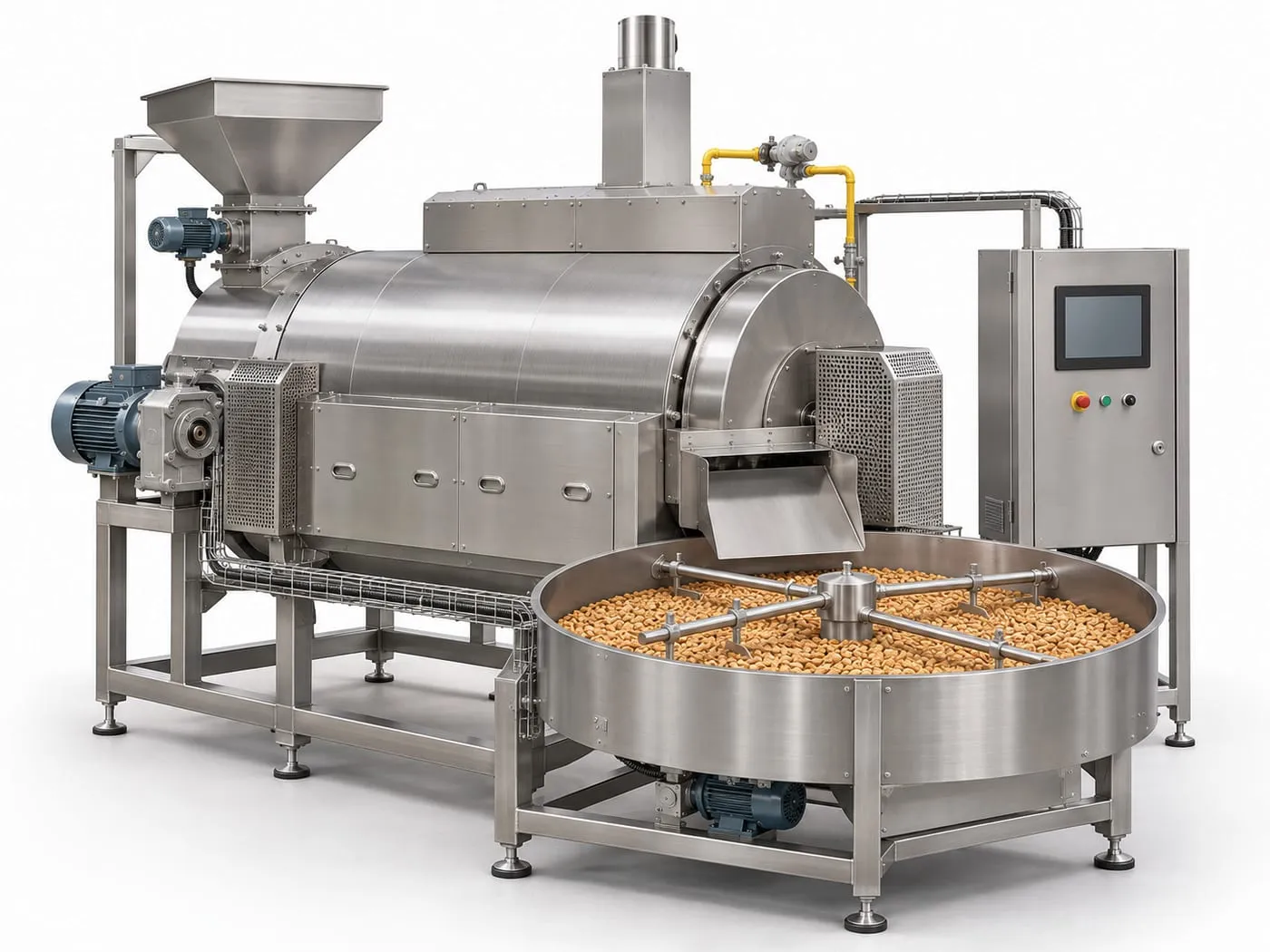
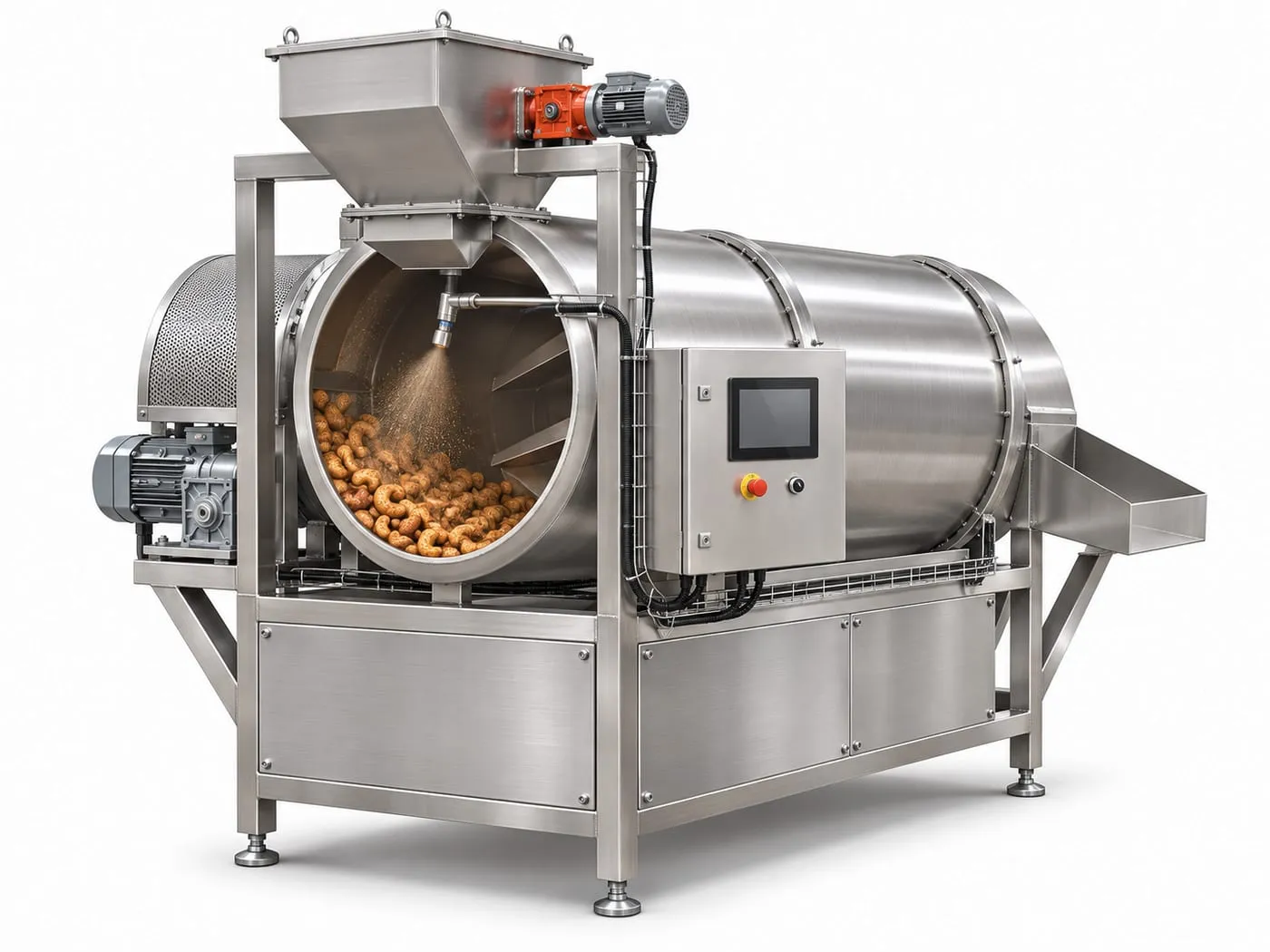
| Roasting | Flavour, colour and microbial reduction | Nut roaster |
| Cooling | Stop the roast quickly and evenly | Cooling section of the roaster or a cooling tray |
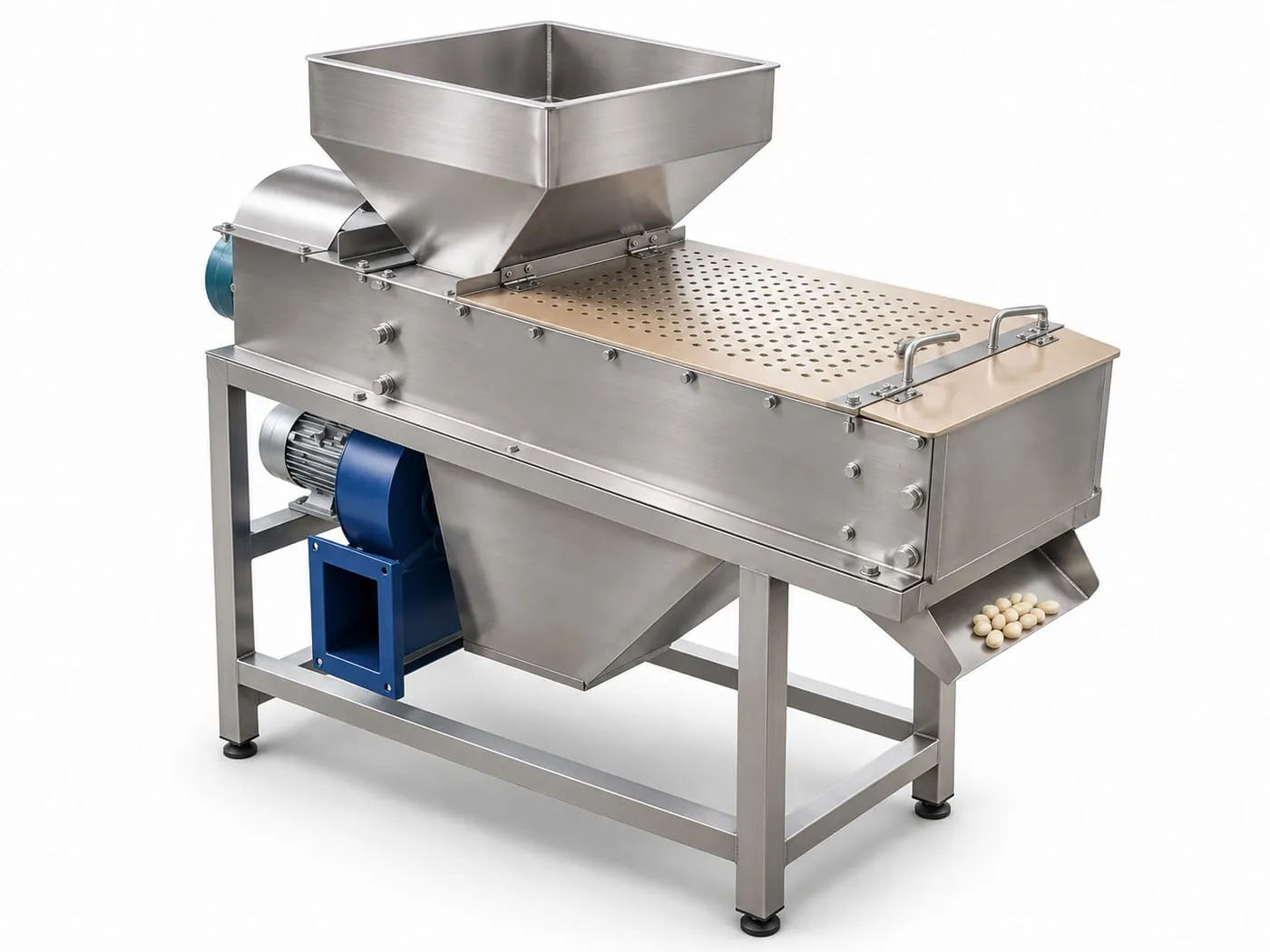
| Skin removal | Remove red skins (peanuts) for a clean colour | Nut skin peeling machine |
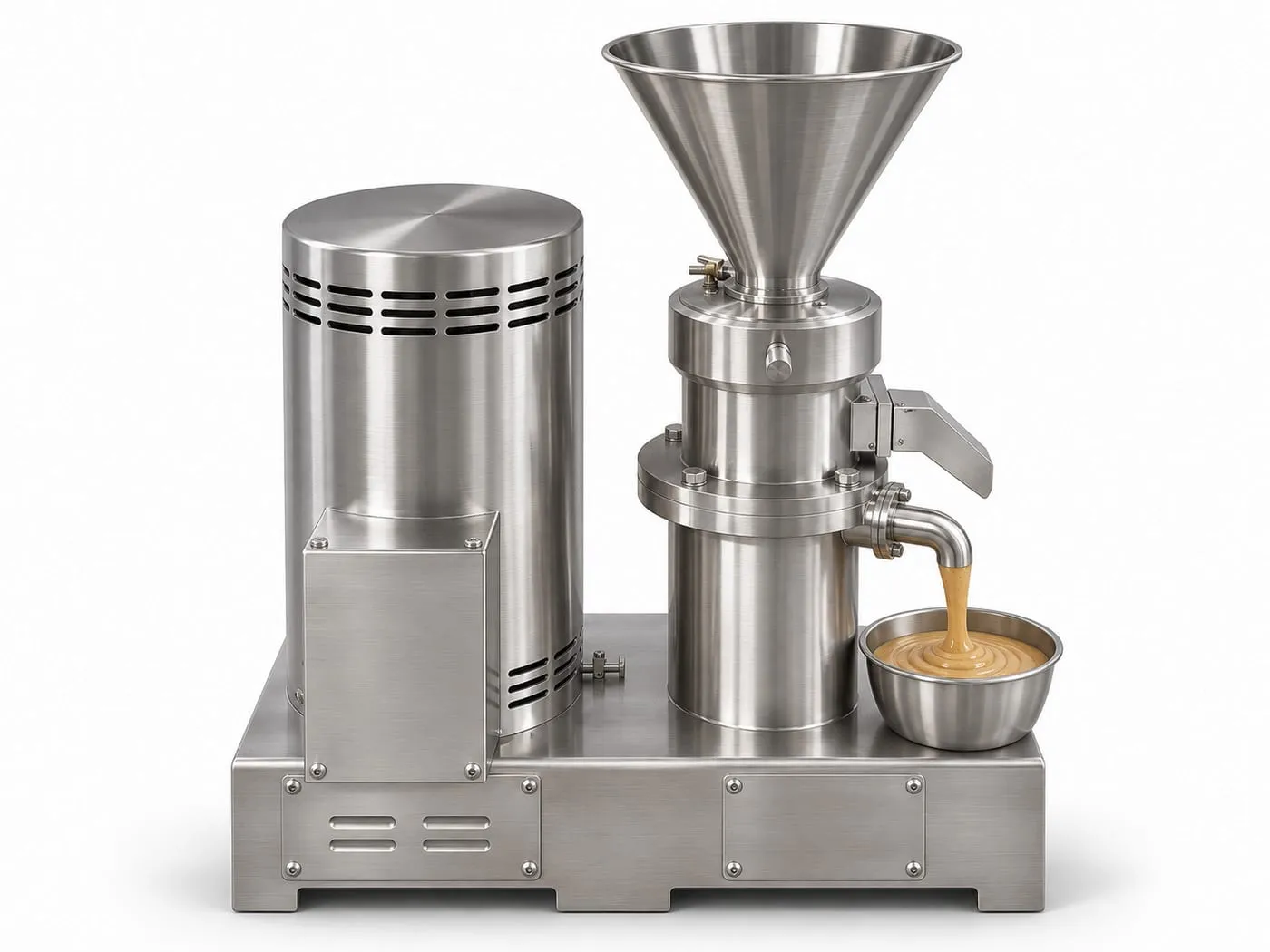
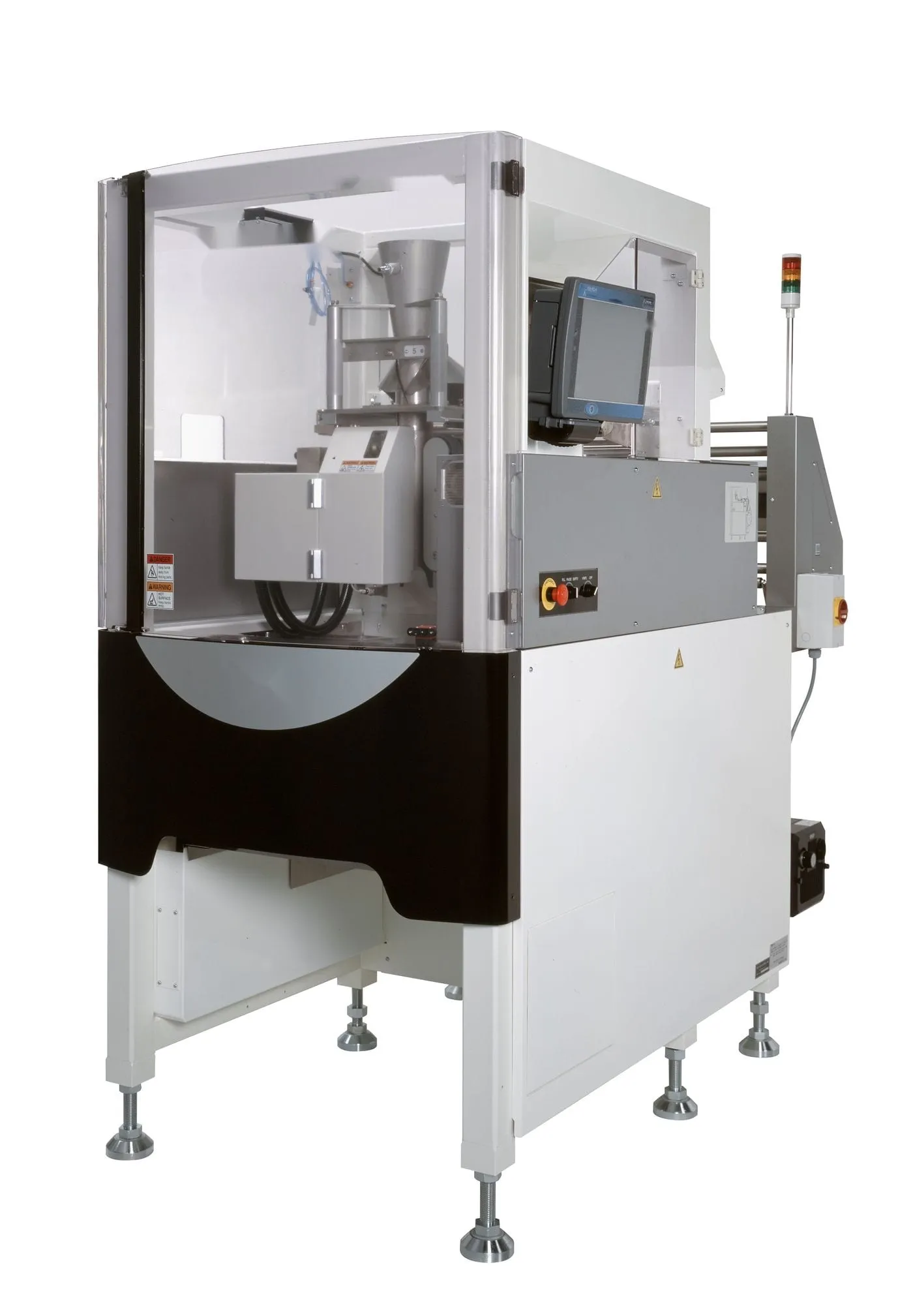
| Coarse and fine grinding | Turn nuts into a smooth paste | Colloid mill |
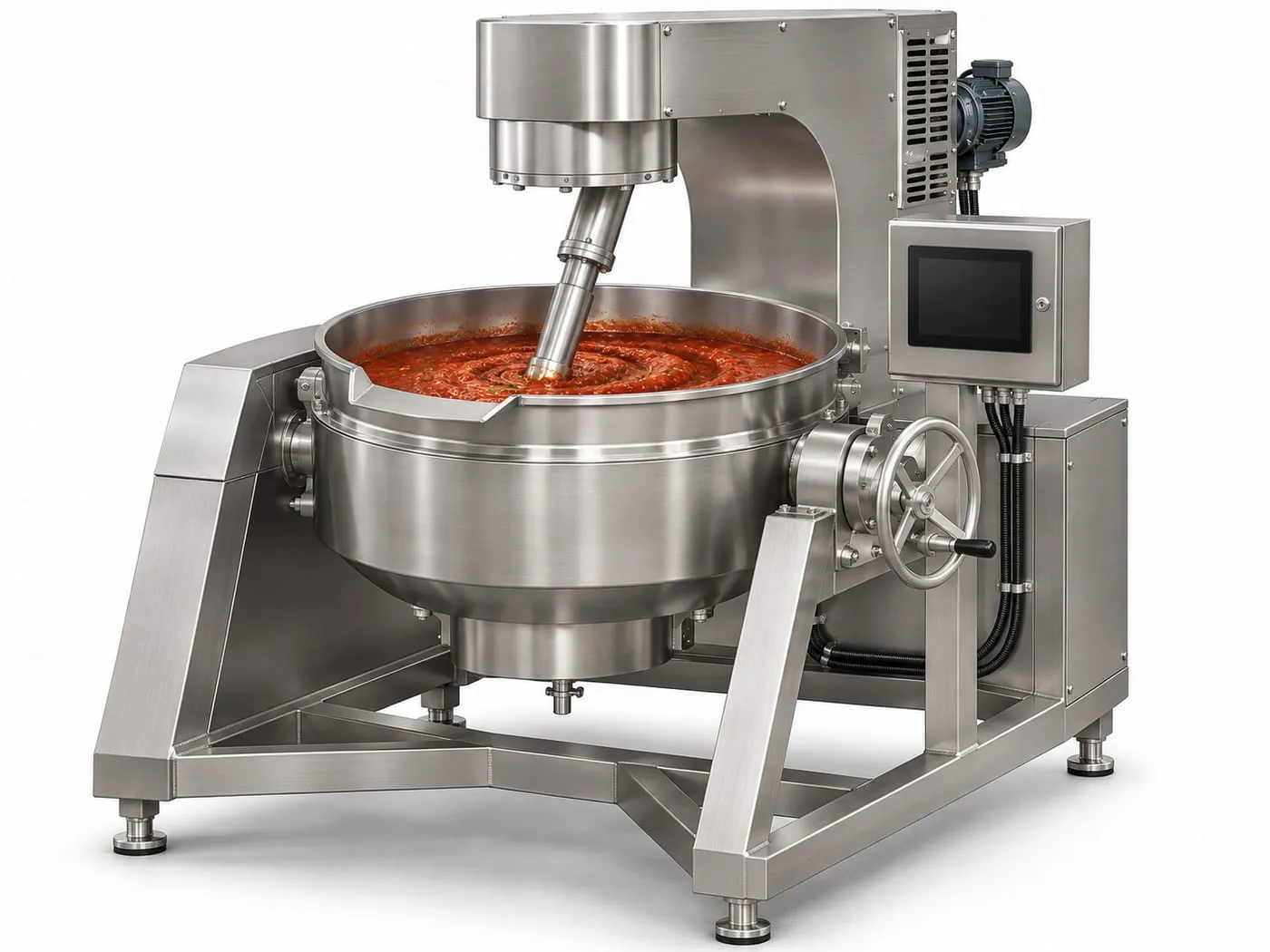
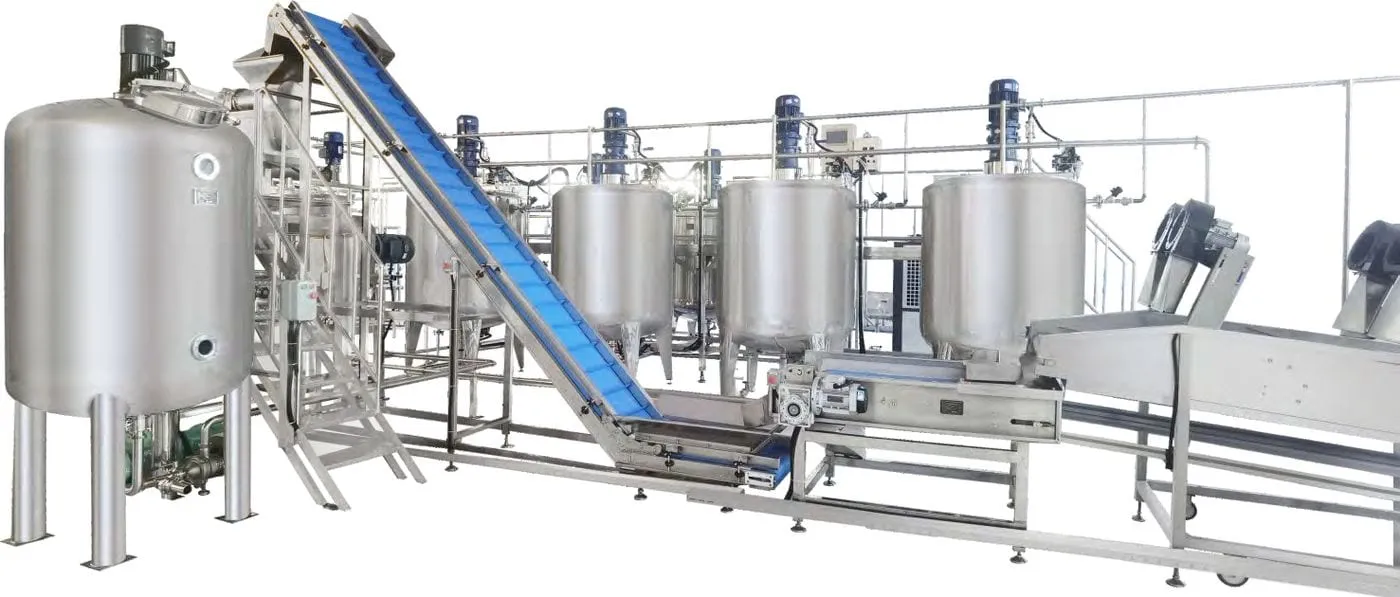
| Mixing | Add salt, sugar, oil, stabiliser or cocoa | Jacketed cooking kettle |
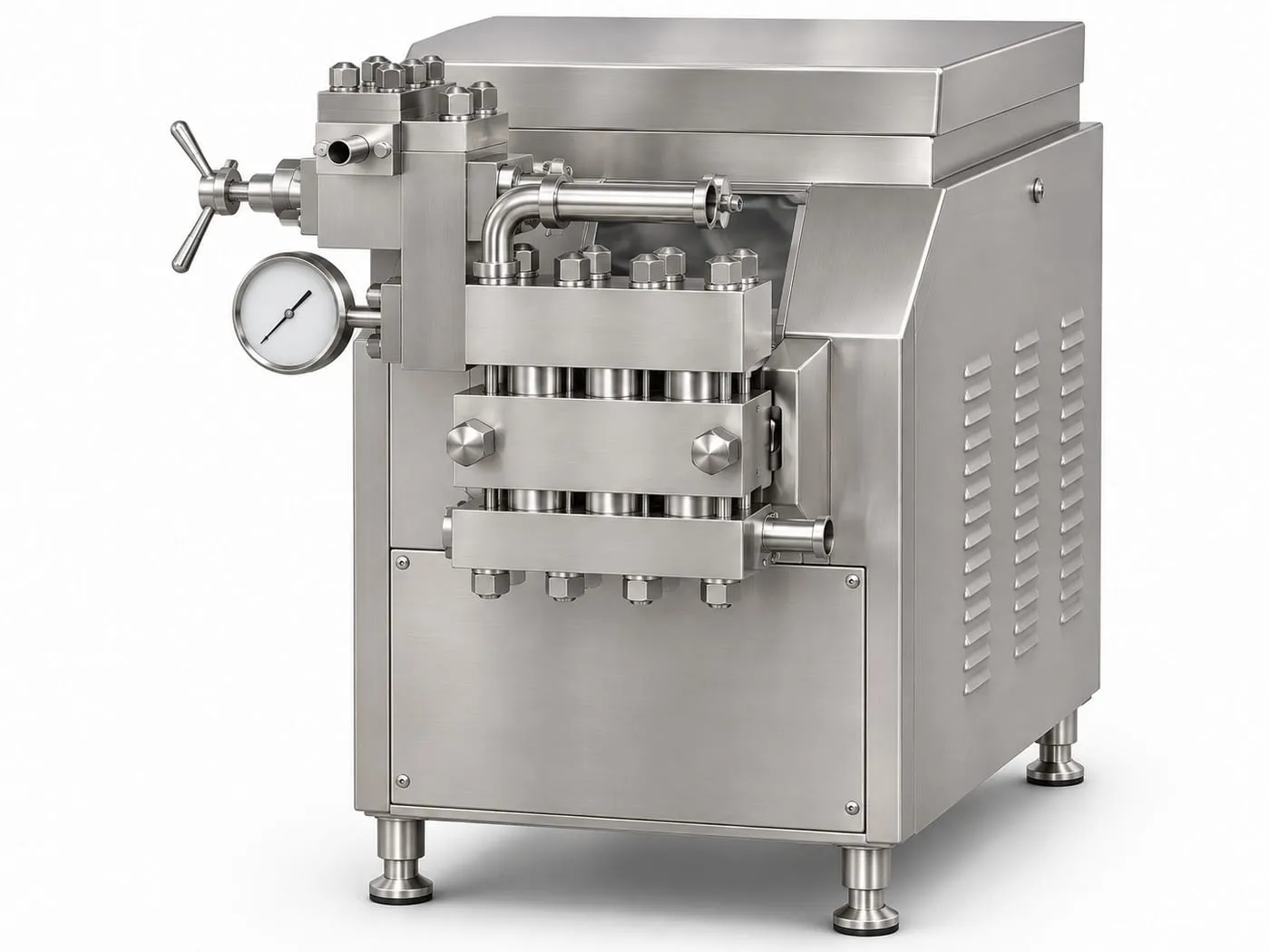
| Homogenising (optional) | Stable texture for blended spreads | Food homogenizer |
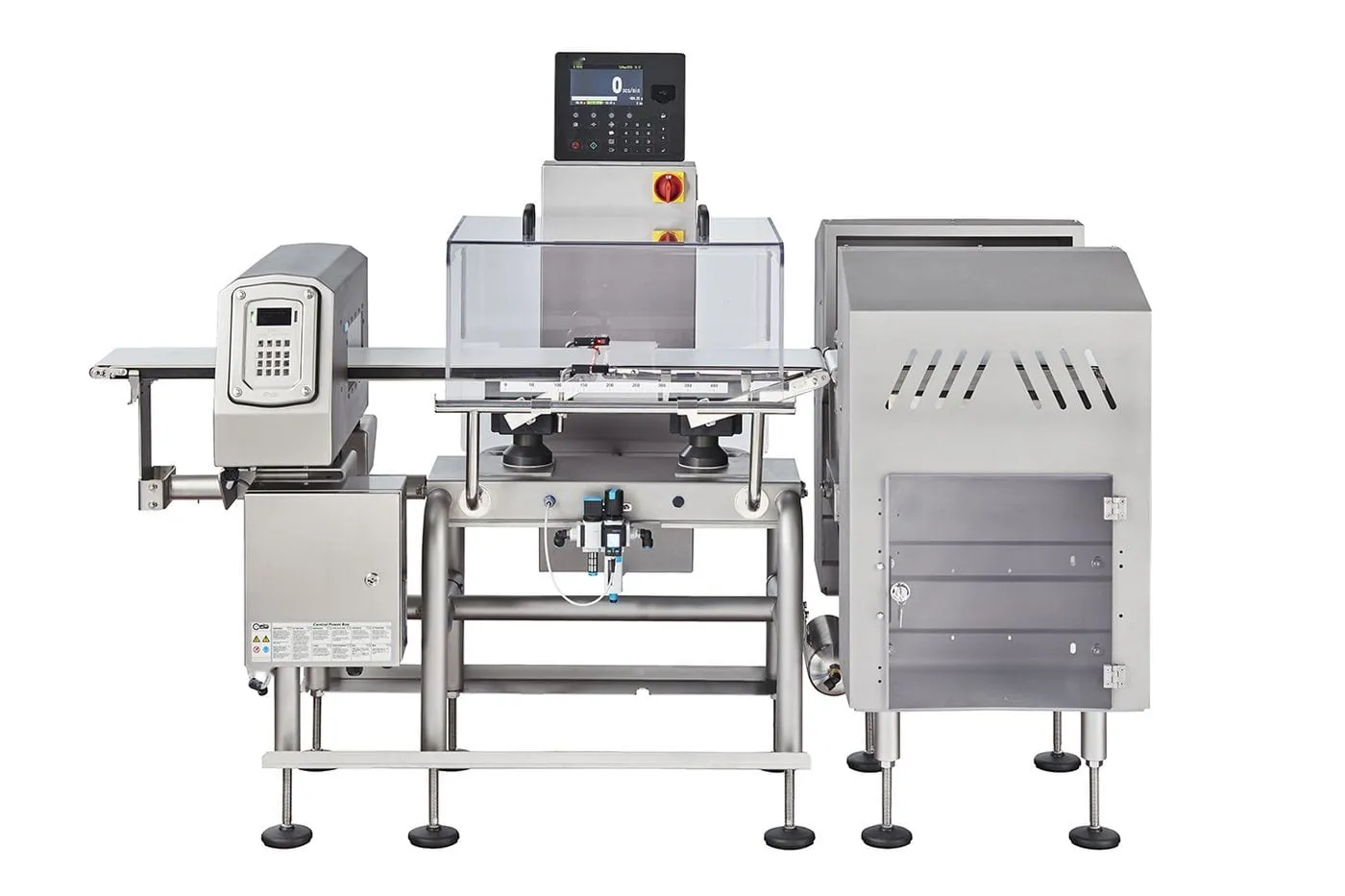
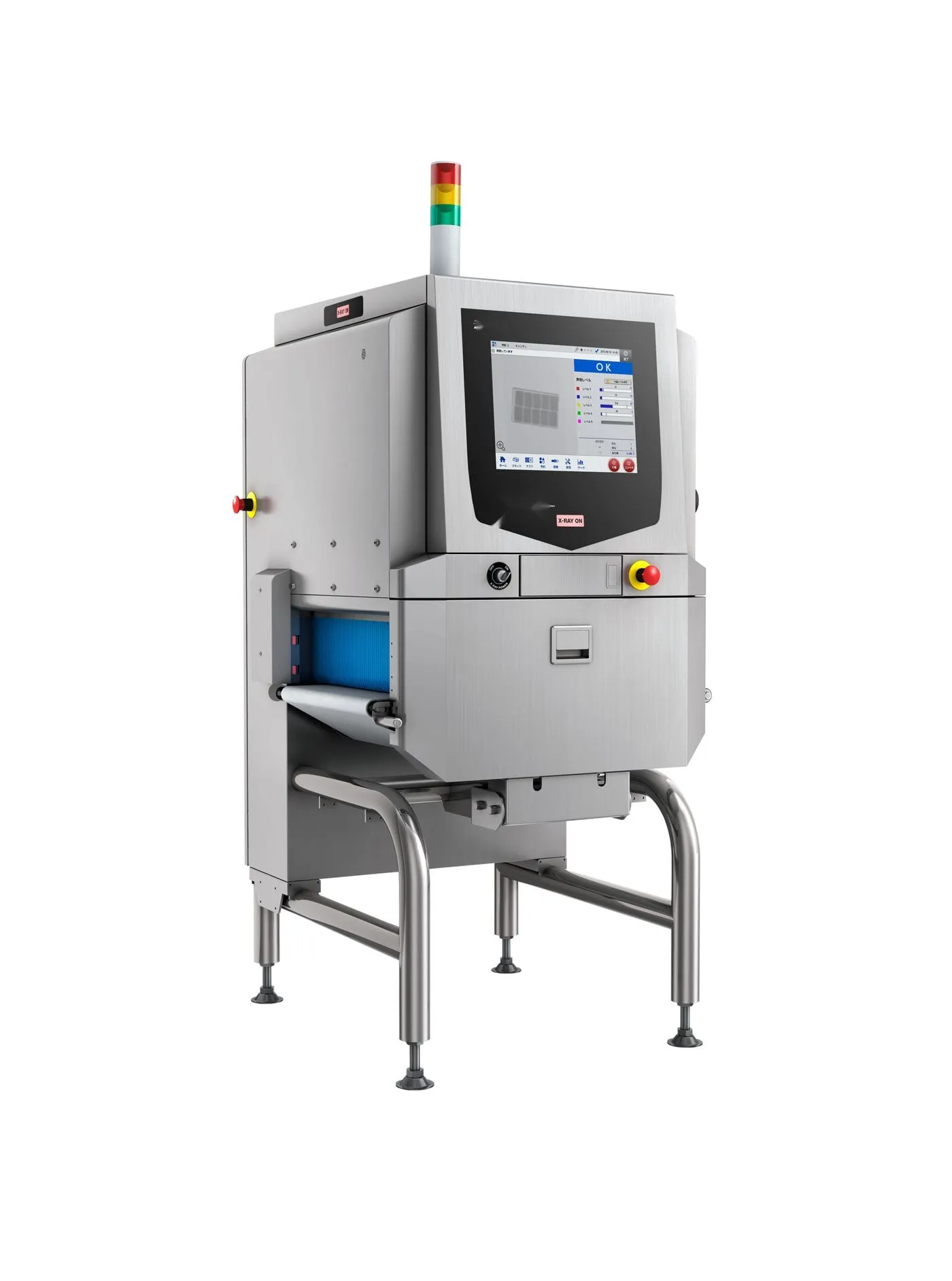
| Metal detection | Find metal before the paste is filled | Food metal detector |
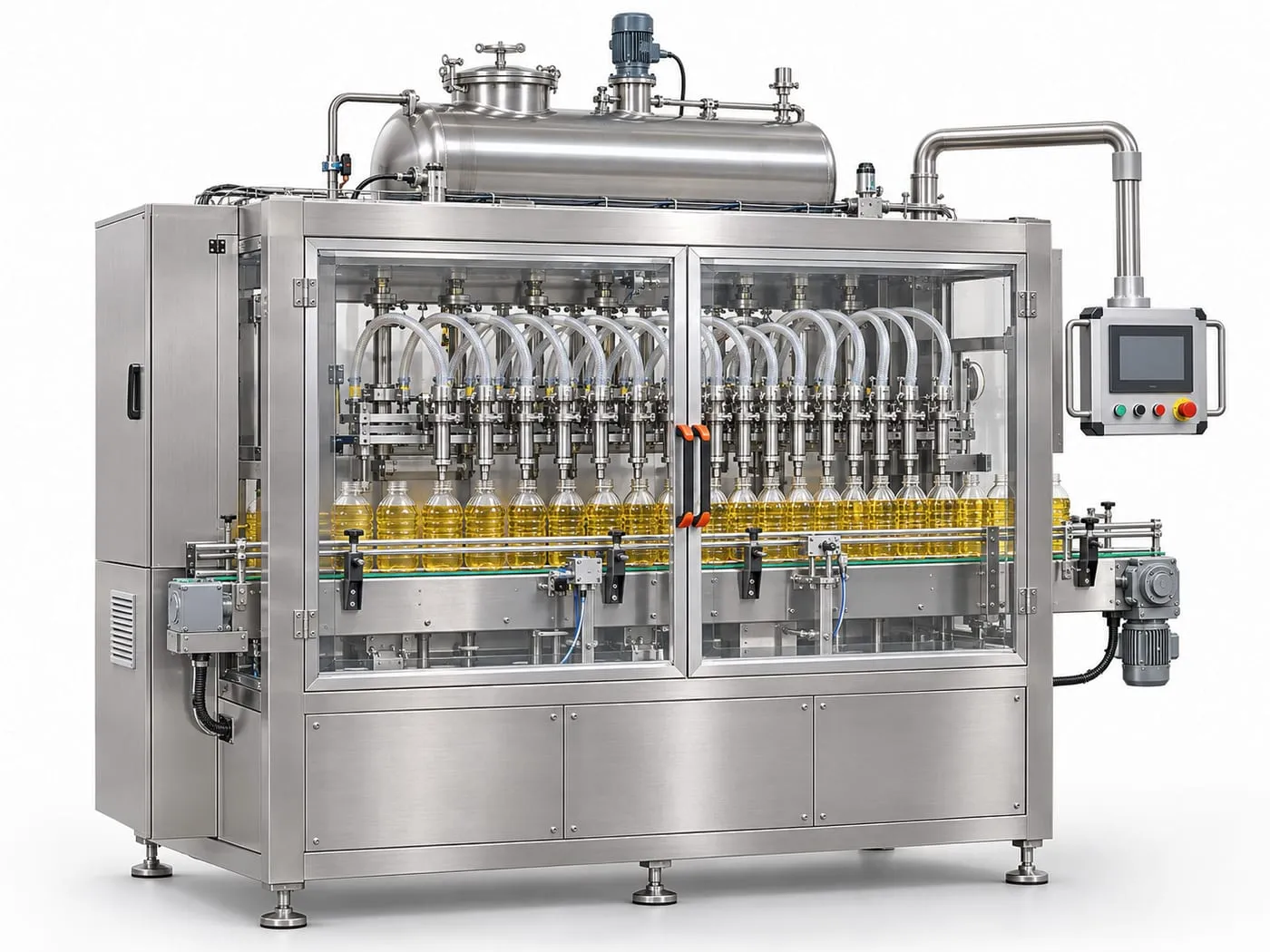
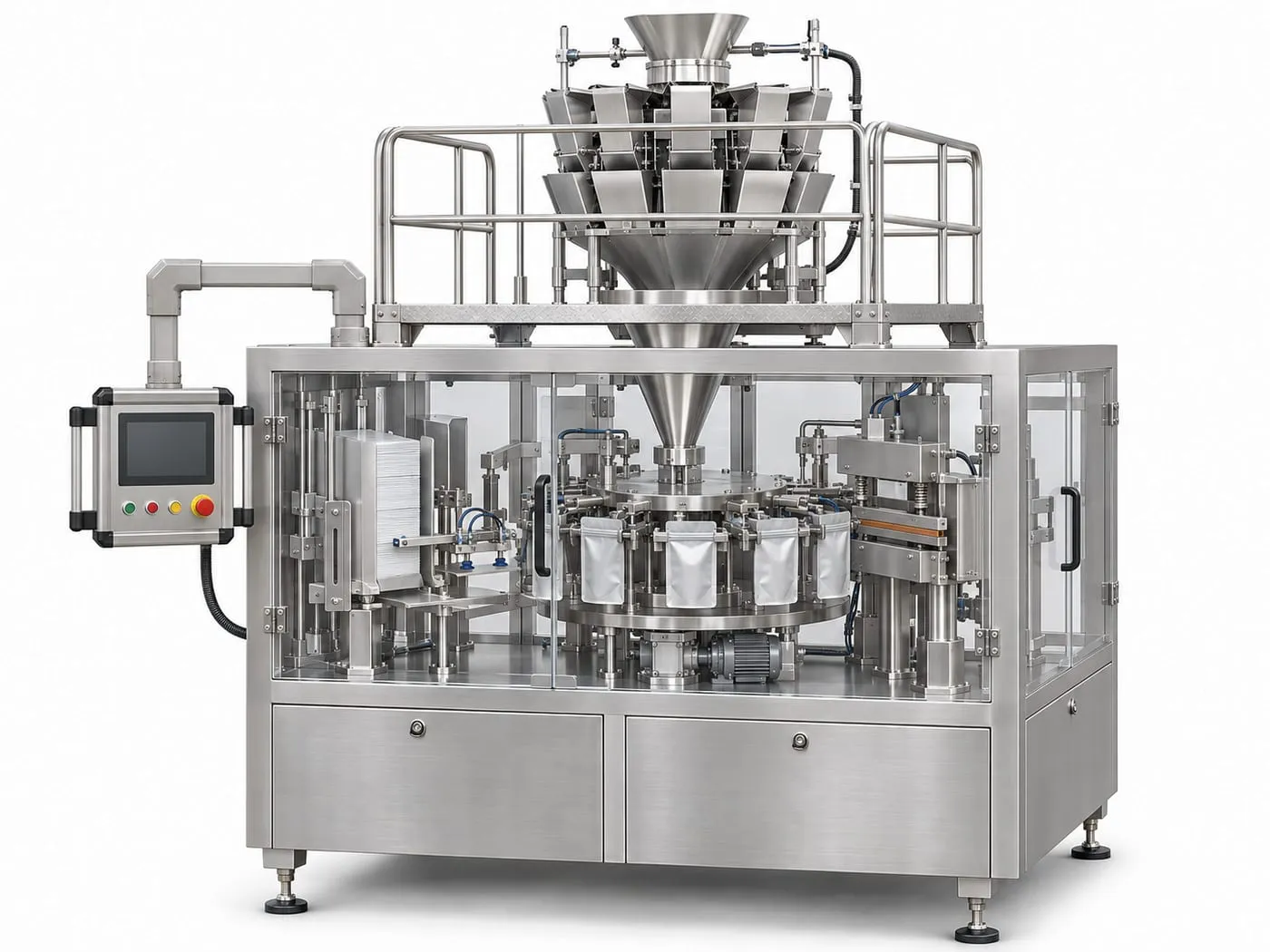
| Filling | Jars, pouches or pails at controlled temperature | Liquid filling machine |
A crunchy product adds a chopper for nut pieces, dosed into the smooth base before filling.
How to size the plant
For pure nut butter (nuts and perhaps salt), finished output is close to roasted nut input, after small losses from skins and rejects. For blended spreads, sugar, oil and other ingredients add to the output, so state both nut input and finished output.
Then check each stage:
- Roaster: batch size and cycle time, including cooling, cover the daily nut demand with margin.
- Peeling and inspection: picking out burnt and defective nuts by hand or by sorter must keep pace with the roaster.
- Grinding: the realistic paste throughput at the outlet temperature you accept. This is where many plants end up slower than planned.
- Mixing and holding: tank volumes for batch mixing and buffer before the filler.
- Filling: containers per minute at your fill weights, with time for container changes.
Plan a second grinding stage or a larger mill into the layout even if you start small; it is the usual first upgrade.
Food safety and layout
Peanut butter has low water activity, so it does not spoil easily, but Salmonella can survive in it. The IFT article reviews several large outbreaks and recalls linked to nut butters and roasted nuts, and lists what processors are expected to do:
- A validated roasting step (or nuts bought from a supplier with one).
- Separation of raw and roasted nuts, including separate storage and staff flow.
- Dry cleaning rather than wet cleaning, because water in the plant lets bacteria establish themselves.
- Pest control, environmental monitoring and positive air pressure in the roasted area.
- Metal detection before filling; the article’s example sets detection levels for ferrous, non-ferrous and stainless steel.
If you export to the United States, the FDA preventive controls rule for human food requires a written food safety plan. Similar requirements apply in many markets. These obligations sit with the food company; our role is to supply equipment designed for dry cleaning and with the inspection points you need.
A worked sizing example
The figures below only illustrate the method; replace them with your own sales plan and trial results.
A new brand plans to sell 5,000 jars a day of 340 g plain peanut butter. Finished output is 5,000 × 0.34 kg = 1,700 kg a day. For a pure product, roasted and peeled peanut input is close to that figure, plus a few per cent for skins, rejects and line losses; raw peanut purchase is higher again because roasting removes moisture. On one 8-hour shift with about 7 effective hours, the grinding stage must deliver roughly 250 kg/h of paste at an acceptable outlet temperature. If the first mill cannot do that without overheating, a second mill or a two-stage set-up is needed. The filler must manage 5,000 ÷ 7 ≈ 715 jars an hour, about 12 a minute, plus capping, sealing and labelling at the same pace.
Which business model fits
- New brands often buy roasted, blanched nuts and invest only in the paste end and filling, then add roasting once volume justifies it.
- Nut processors that already roast and blanch can add a paste line to sell higher-value products from the same nuts.
- Industrial suppliers sell nut butter in pails or drums to bakeries, confectioners and ice cream makers; they need bulk fillers and tight specifications rather than retail packaging.
Supply levels
- Single machine: a colloid mill or filler added to an existing kitchen or plant.
- Section: the paste end from grinder to filler, if you buy roasted, blanched nuts.
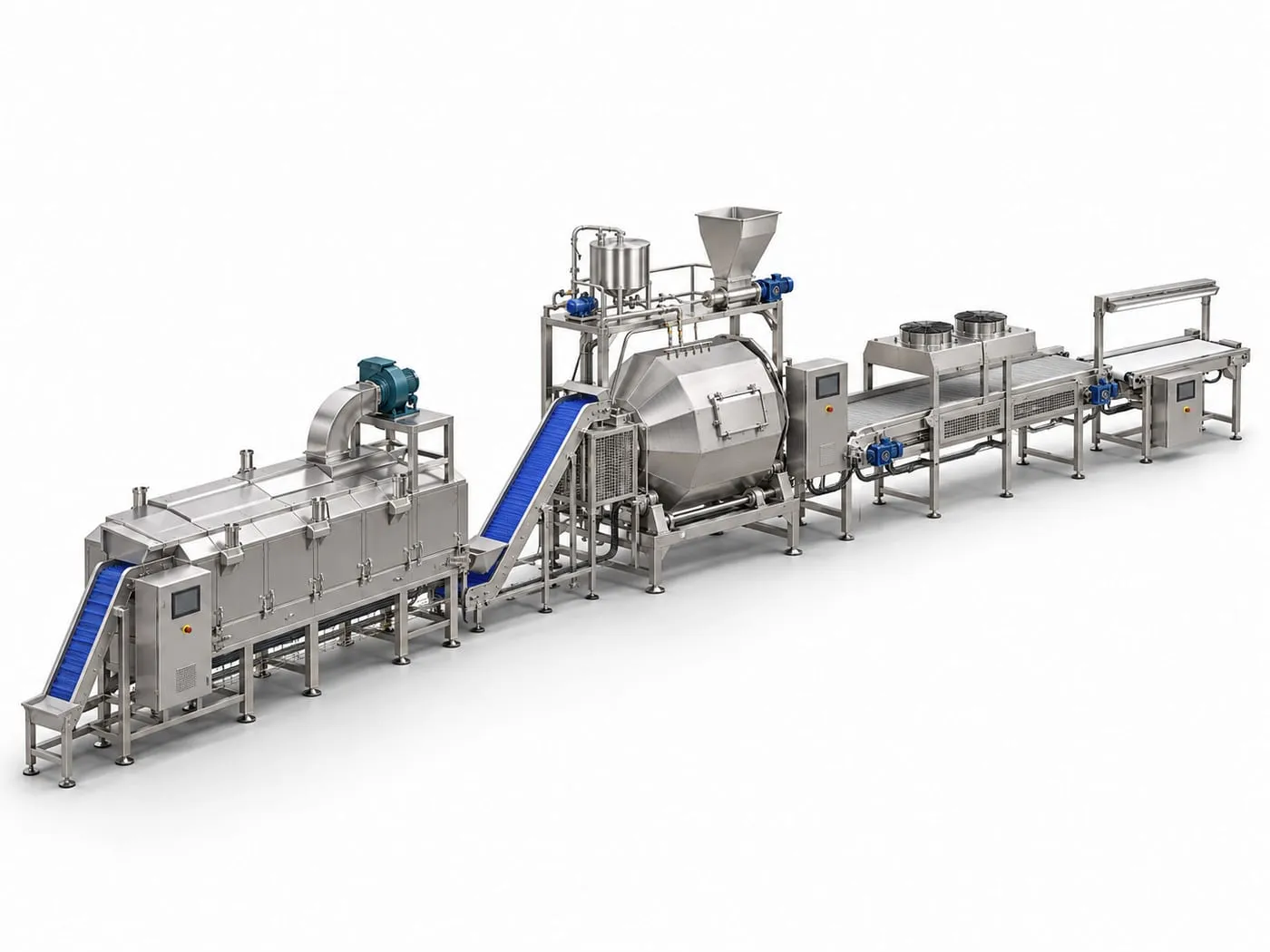
- Complete line: from roaster to filler with layout, controls and test run.
- Turnkey project: complete line with installation, commissioning and training. See turnkey projects.
What drives the cost
- Whether you roast and peel in-house or buy prepared nuts
- Grinding stages and mill cooling
- Recipe complexity: dosing systems for sugar, oil and stabiliser
- Container type and filling speed; capping, induction sealing and labelling
- Stainless steel scope and design for dry cleaning
- Building separation between raw and roasted zones
Common mistakes
- Sizing on nut input but buying a filler matched to a much smaller jar count, or the reverse.
- Single-stage grinding for a product sold as “extra smooth”.
- No cooling after grinding, which leads to oil separation and flavour loss in the jar.
- Wet cleaning in the paste area.
- Mixing several nut types without an allergen plan.
What to send us for a quotation
- Nut types and form you will buy (raw in-shell, raw kernel, roasted, blanched)
- Recipe and target texture (smooth, crunchy, blended), with a reference product if possible
- Target capacity: nut input in kg/h and finished output, hours per day
- Containers: jar, pouch, pail or drum; fill weights; sealing and labelling
- Allergen policy and how many products share the line
- Food safety expectations of your market (validated roasting, metal detection levels)
- Building plan and utilities: power, cooling water, compressed air, heat for roasting
- Samples for grinding trials, where possible
Frequently asked questions
- How big a plant do I need to start a peanut butter business?
- Start from your sales plan: jars per day multiplied by fill weight gives finished output, which for plain peanut butter is close to the roasted peanut input. Many new brands start with a compact line on one shift and size the building for a second grinding stage and faster filler later.
- Can the same plant make almond, cashew or sesame paste?
- The grinding and filling equipment can, but each nut is a separate allergen. You need a validated cleaning procedure between products, or separate lines if you want to claim a product is free of a particular nut.
- Why does my test batch get too hot during grinding?
- Grinding a thick, oily paste turns a lot of mechanical energy into heat. Two-stage grinding, cooling jackets on the mills and a lower feed rate all reduce temperature rise. The IFT article on nut butters describes a scraped surface heat exchanger after grinding for the same reason.
- Do I need jars, pouches or pails?
- Retail usually means jars with induction seals; food service and bakery customers buy pails or drums. Industrial packs need a different filler, so decide your main channel before choosing filling equipment.
Sources
- [1]Spread the Safety: Making Nut Butters — Institute of Food Technologists, Food Technology Magazine
- [2]Processing Tree Nuts — Institute of Food Technologists, Food Technology Magazine
- [3]FSMA Final Rule for Preventive Controls for Human Food — U.S. Food and Drug Administration
HNFODA Applications Engineering
Line design, product trials and commissioning
Engineers who size, build and commission HNFODA food processing lines, writing from the questions buyers ask before a quotation. About HNFODA