Skip to content

02 · Dried Fruit & Nut Processing — Equipment

Nut Skin Peeling Machine

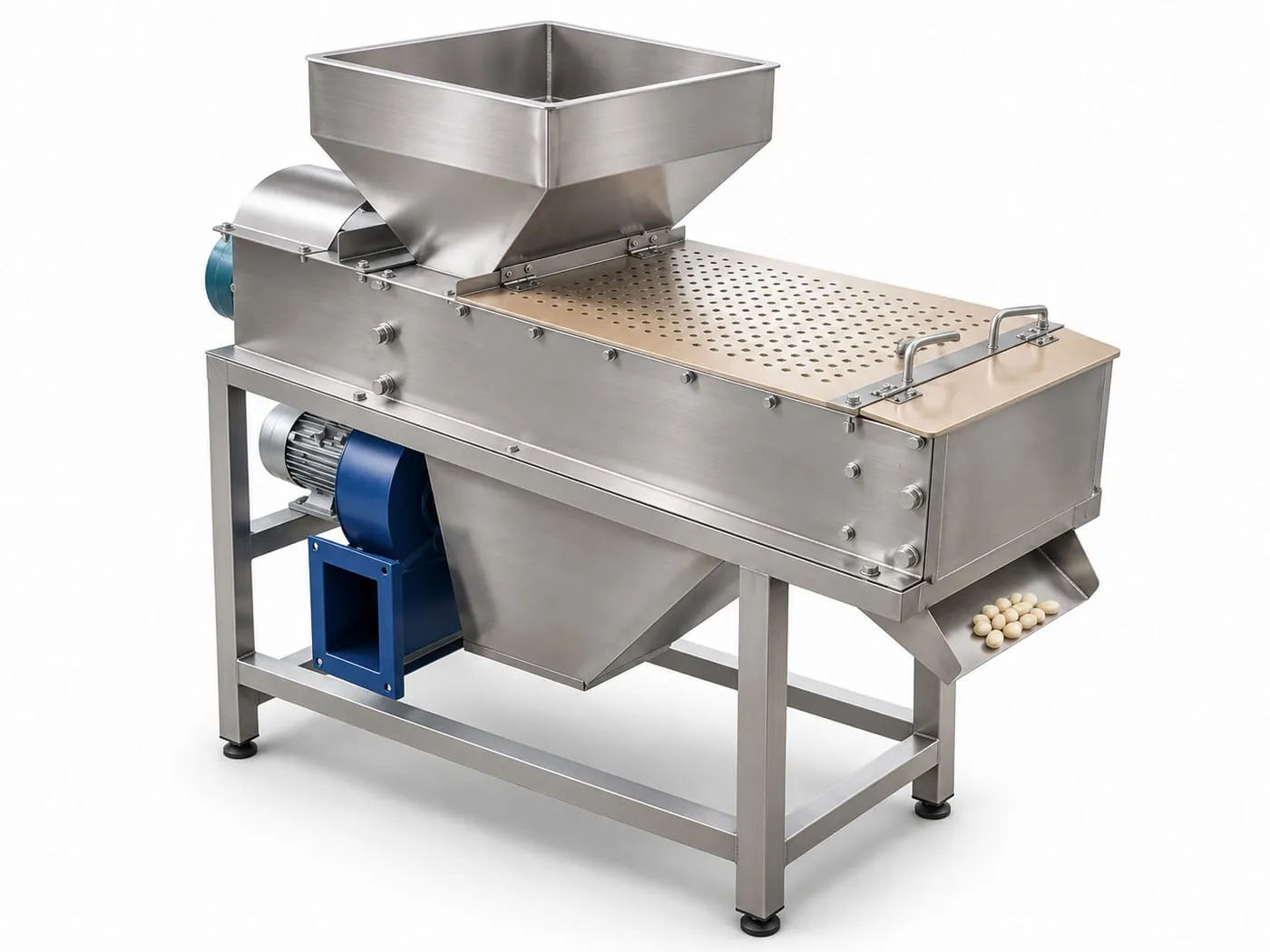
Removes the thin skin from shelled peanuts, almonds and similar nuts by dry friction after roasting or wet peeling after soaking.

Rating
Sized to shelled nut input (kg/h)
Versions
Dry friction peeler · Wet peeler
Best for
Producers of blanched peanuts, blanched almonds, nut butter and peeled nut ingredients
  • Dry or wet peeling to match roasted or raw blanched products
  • Adjustable roller gap for nut size
  • Skins collected by aspiration or water separation
  • Links roasting with grinding, seasoning or packing

Short answer: A nut skin peeling machine removes the thin seed skin from shelled peanuts, almonds and similar nuts. Whether you peel dry after roasting or wet after soaking is the main decision, and it depends on your product; the peeling rate, the split nuts you can accept and how skins are collected then shape the details.

How it works

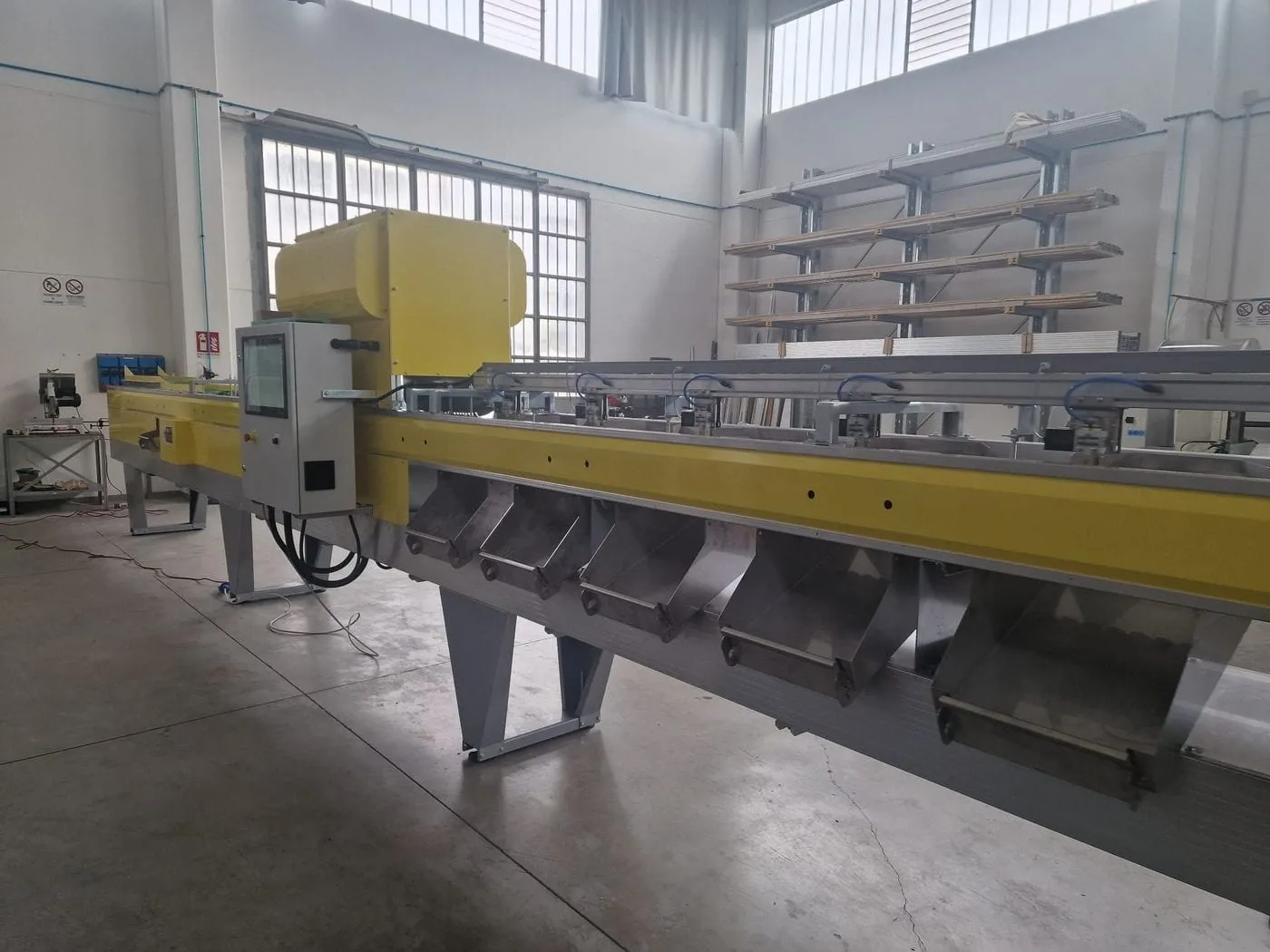
In a dry friction peeler, roasted and cooled nuts fall between pairs of rubber or emery-faced rollers turning at different speeds, or between belts. The rubbing action loosens the brittle skin, and a fan draws the skin flakes away into a cyclone or bag. Peeled nuts leave from a separate outlet, sometimes over a short picking belt so unpeeled nuts can be returned.

For wet peeling, nuts are soaked or briefly blanched in hot water so the skin softens and swells. They then pass through rubber rollers under water sprays; the skin slips off and is washed away into a screen. Peeled nuts must be dried afterwards.

The roller gap and speed are set to the nut size, so grading before peeling usually raises the peeling rate. Dry peeling also splits many peanuts into halves, which is fine for nut butter but not for whole blanched nuts, so tell us which product you are making before we set the machine.

Which configuration fits

Form Suits Watch out for
Dry friction peeler Roasted peanuts for butter, snacks and confectionery Nuts must be roasted and cooled first; dust control
Wet peeler White blanched peanuts and almonds Water use, skin waste water and drying afterwards

What we need from you to quote

  • Nut type and whether it is roasted or raw
  • Your current or planned pre-treatment (roasting, soaking, blanching)
  • Target peeling rate and acceptable split or broken share
  • Throughput measured on shelled nut input (kg/h)
  • How skins should be collected and disposed of
  • Downstream process and drying capacity for wet peeling

Where it sits in a line

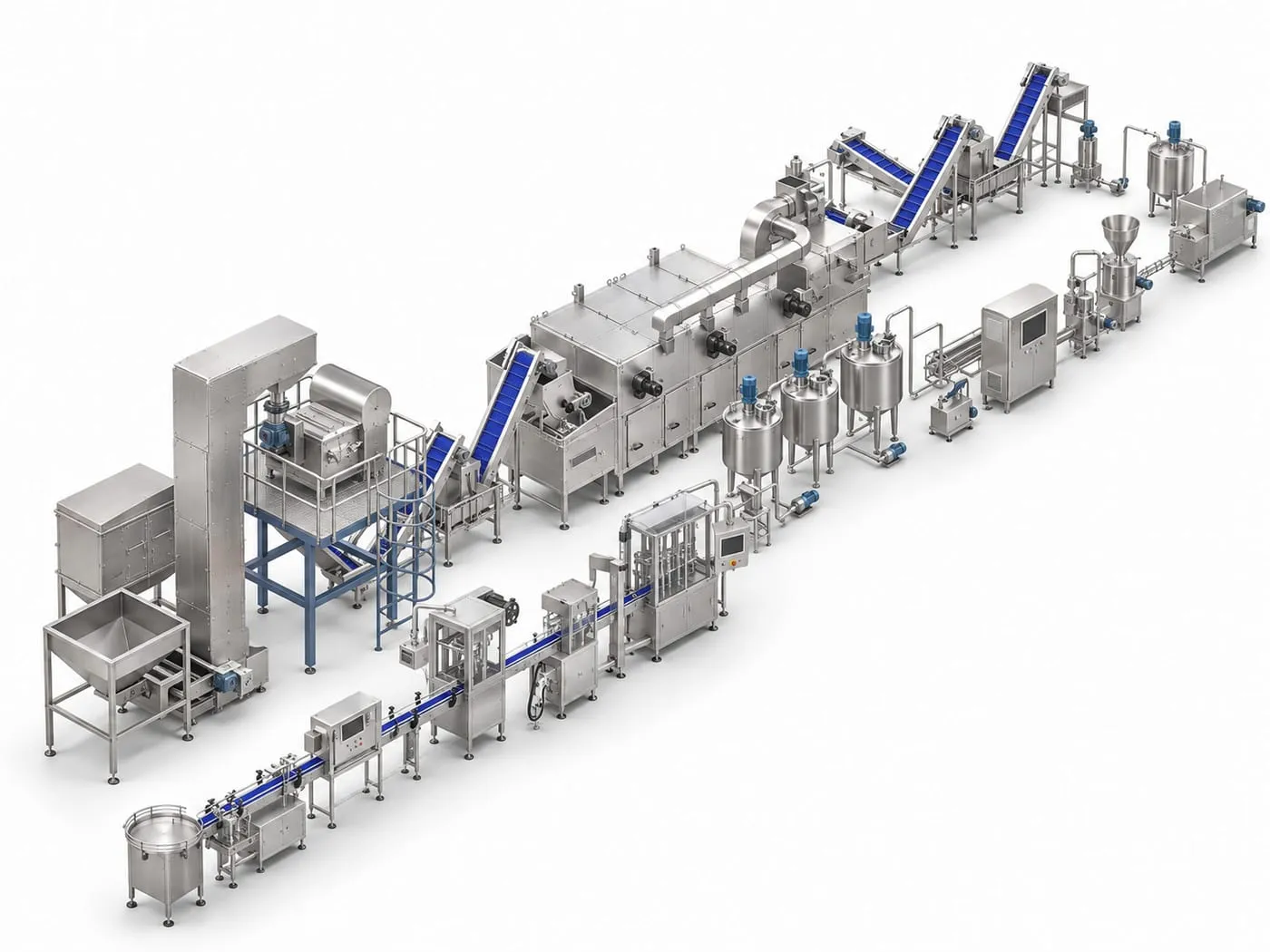
Dry peeling follows a nut roaster and its cooler. Wet peeling follows soaking or blanching and is followed by a hot-air dryer. Peeled nuts then go to a nut butter production line, a nut seasoning line or packing.

Common configurations

  1. Option A

    Dry friction peeler

    roasted nuts are rubbed between rollers or belts and the loose skin is blown off; common for peanuts before nut butter.

  2. Option B

    Wet peeler

    soaked or blanched nuts pass through rubber rollers under water spray; keeps nuts whiter and less roasted.

What we confirm before quoting

Our engineers check these points with you, so the quotation fits your site rather than a catalogue default.

  1. 01Pre-treatment: roasting conditions or soaking and blanching
  2. 02Target peeling rate
  3. 03Acceptable share of split or broken nuts
  4. 04How skins are separated and collected
  5. 05Drying needed after wet peeling

Frequently asked questions

  1. Dry or wet peeling for peanuts?

    Dry peeling after roasting is the usual route for peanut butter and roasted snacks. Wet peeling after soaking suits products that should look white and unroasted, such as blanched peanuts for further processing.

  2. Why do my nuts split during peeling?

    Split nuts are often caused by over-dry nuts, a roller gap set too tight or uneven sizes. For whole blanched nuts, size grading and correct pre-treatment are important.

  3. Do wet-peeled nuts need drying?

    Yes. They carry water from soaking and spraying and must be dried before storage, roasting or packing to prevent mould. A hot-air dryer is normally added after the wet peeler.

Get a quote for the Nut Skin Peeling Machine

Tell us your raw material, finished product and target output. Our engineers reply with a matched configuration and quotation.

What to send with your inquiry

  1. 1Raw material and its condition
  2. 2Finished product and packaging
  3. 3Target output — raw input or finished product
  4. 4Site photos, power supply, utilities

Email sales@hnfoda.com

Send your inquiry

Your details are used only to answer your inquiry — see our Privacy Policy.

Buyer guides

  • Dried Fruit & Nut Processing

    Dried Fruit Processing Line

    Investors and food companies starting or expanding dried fruit, fruit chip or dried fruit snack production.

    Sized to fresh fruit input (kg/h or tonnes per day); dried output depends on moisture removed

  • Dried Fruit & Nut Processing

    Date Processing Line

    Date packers and processors adding value with washed, pitted or paste products for retail and industry.

    Sized to whole date input (kg/h or tonnes per day)

  • Dried Fruit & Nut Processing

    Nut Butter Production Line

    Food companies and brand owners launching peanut butter, almond butter or nut spread products.

    Sized to roasted nut input (kg/h); output is close to input for pure nut butter

  • Dried Fruit & Nut Processing

    Nut Seasoning Line

    Snack nut producers making salted, spiced, honey-roasted or coated nuts.

    Sized to roasted nut input (kg/h) plus the seasoning added

WhatsAppRequest a quote