Instant Noodle & Frozen Food
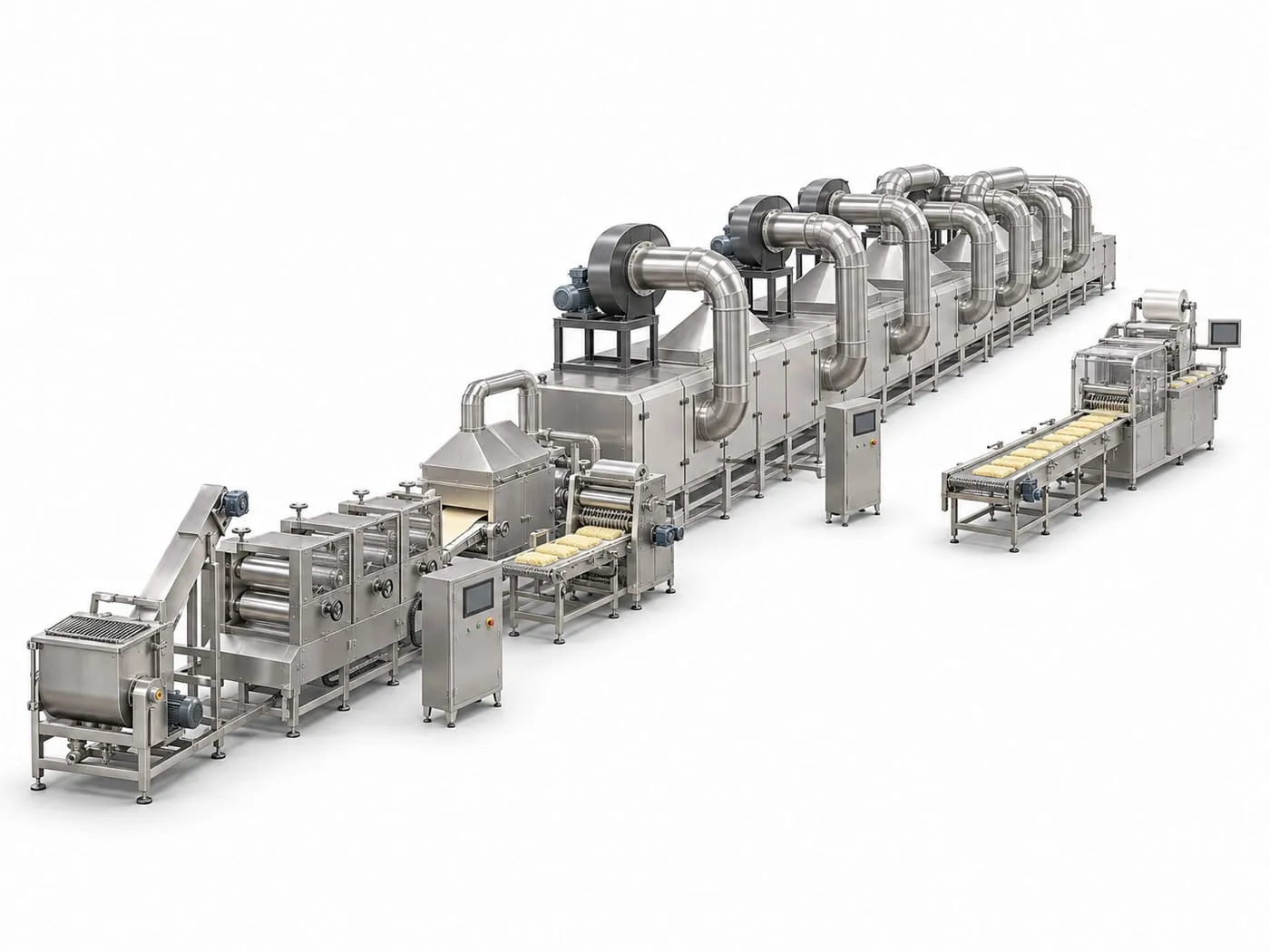
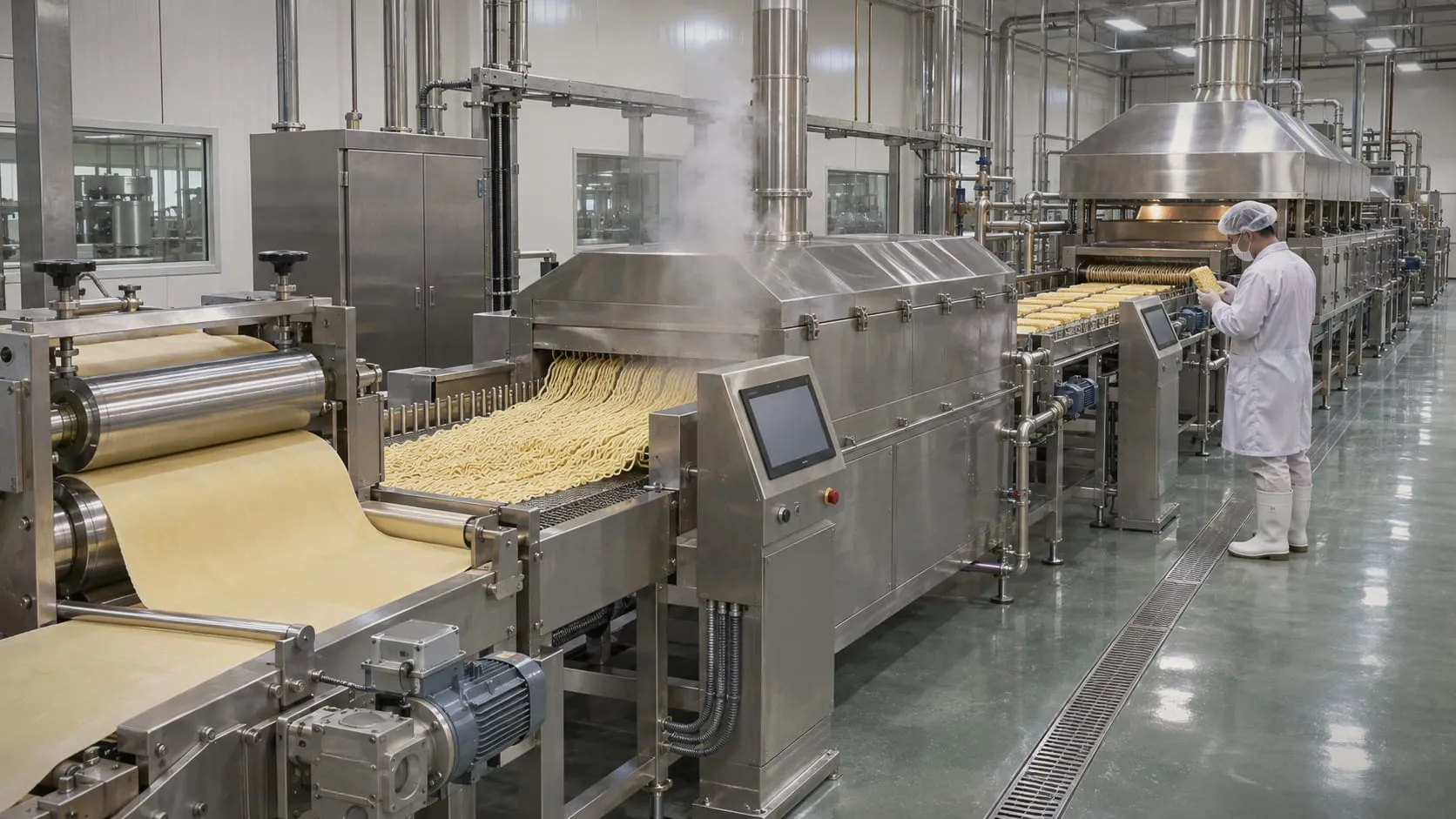
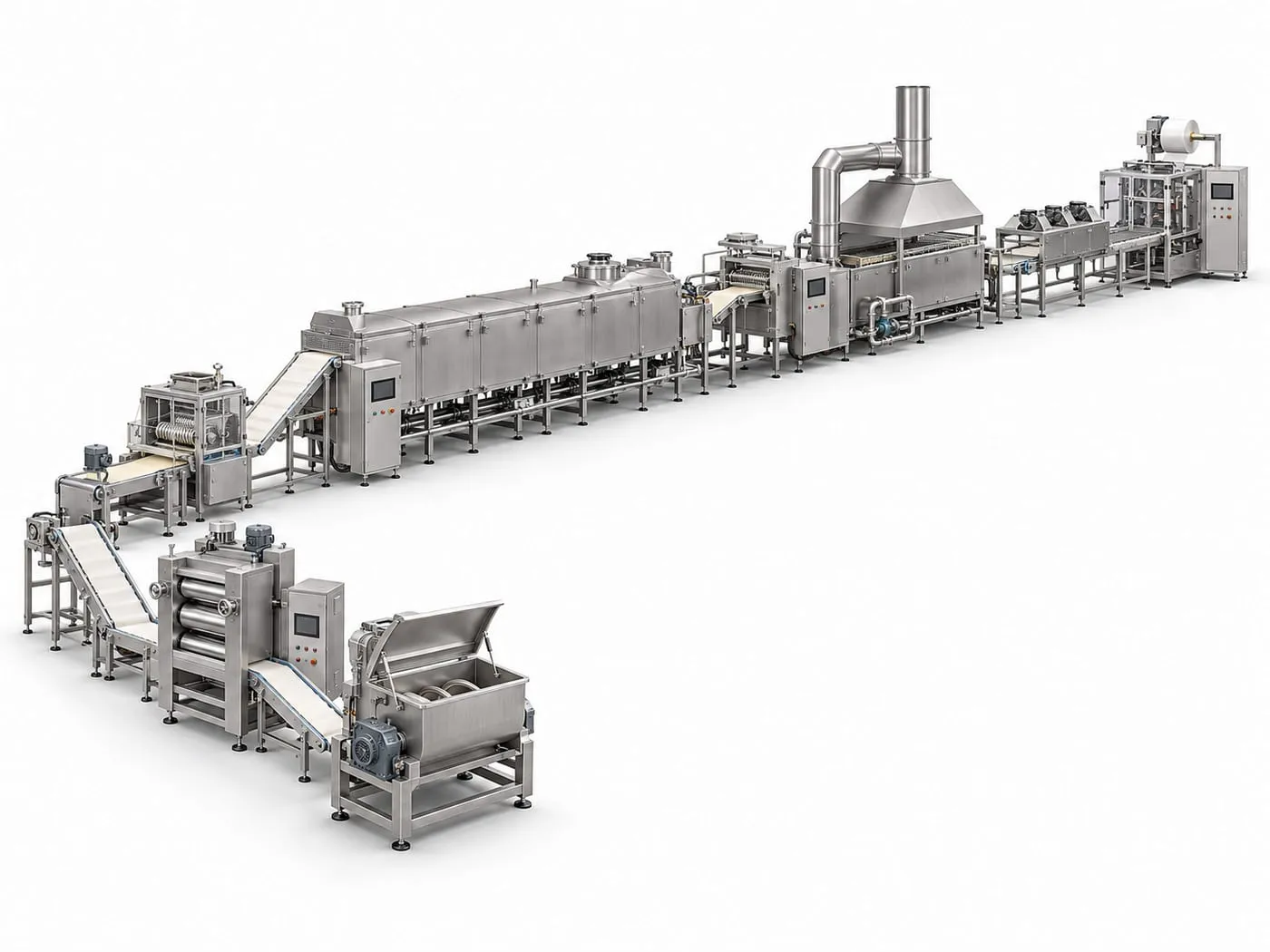
Instant Noodle Production Line
New and expanding noodle brands that need one supplier for the whole line, from dough mixing to packing.
Sized to finished noodle blocks per hour at a set block weight

Equipment group 04
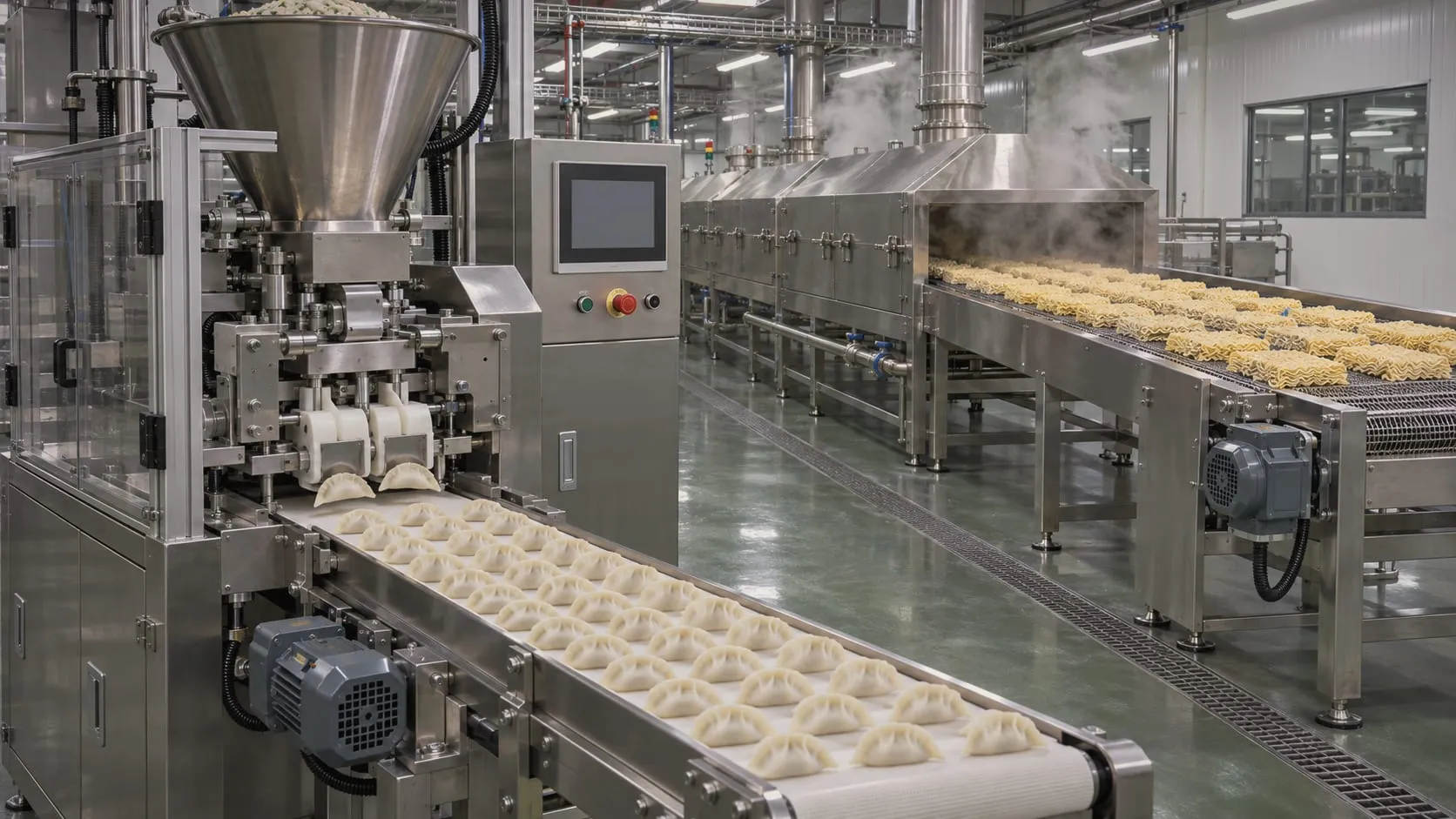
Lines for noodle products, wrappers, dumplings, steamed buns and prepared meals, configured around the product size, cooking route and the freezing or drying step.
Complete lines combine several machines with conveyors and controls. Station count and sizes follow your product and target output.
Instant Noodle & Frozen Food
New and expanding noodle brands that need one supplier for the whole line, from dough mixing to packing.
Sized to finished noodle blocks per hour at a set block weight
Instant Noodle & Frozen Food
Noodle makers adding an air-dried, lower-fat product or building a dedicated non-fried plant.
Sized to dried noodle blocks per hour at a set block weight
Instant Noodle & Frozen Food
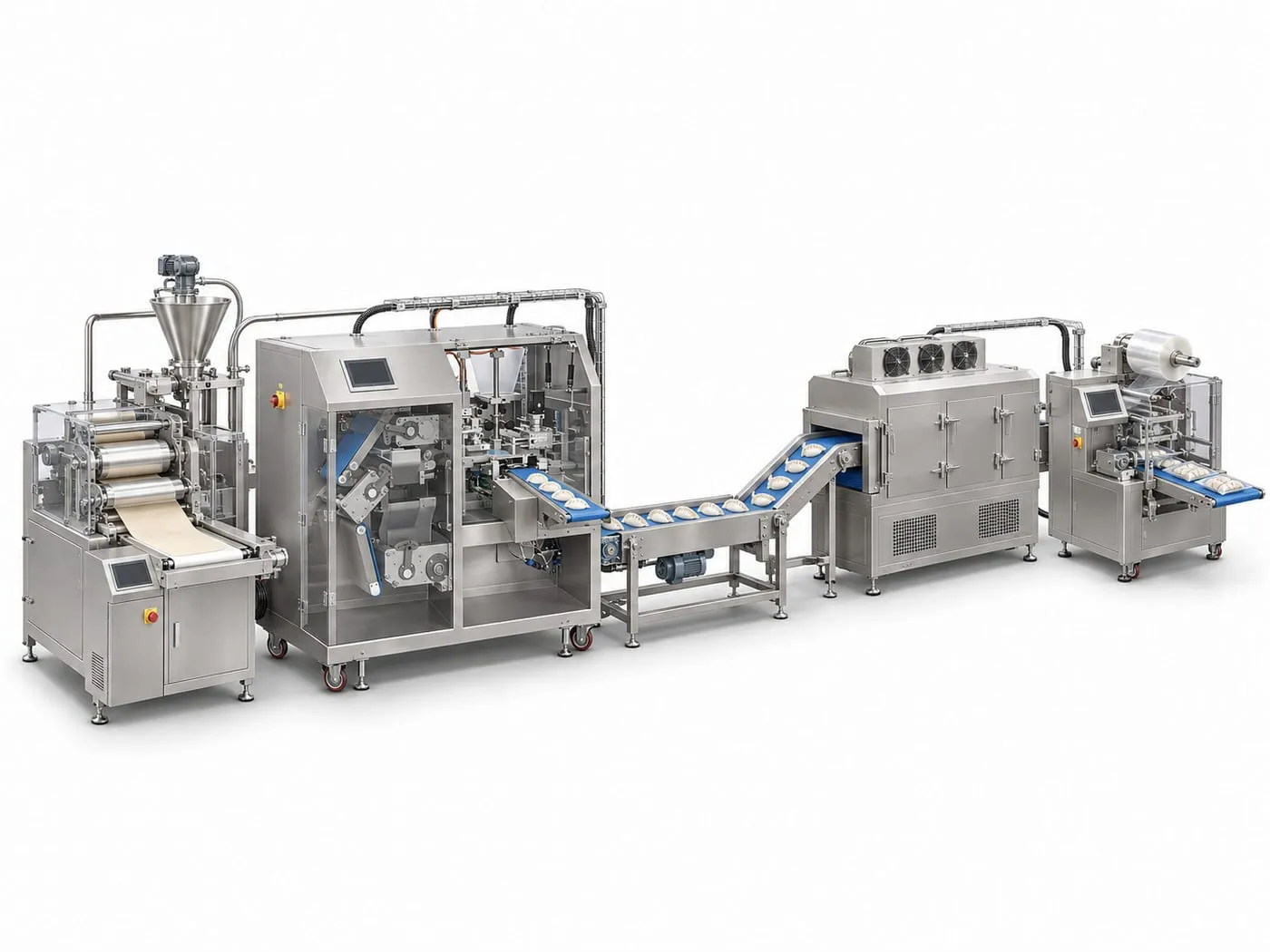
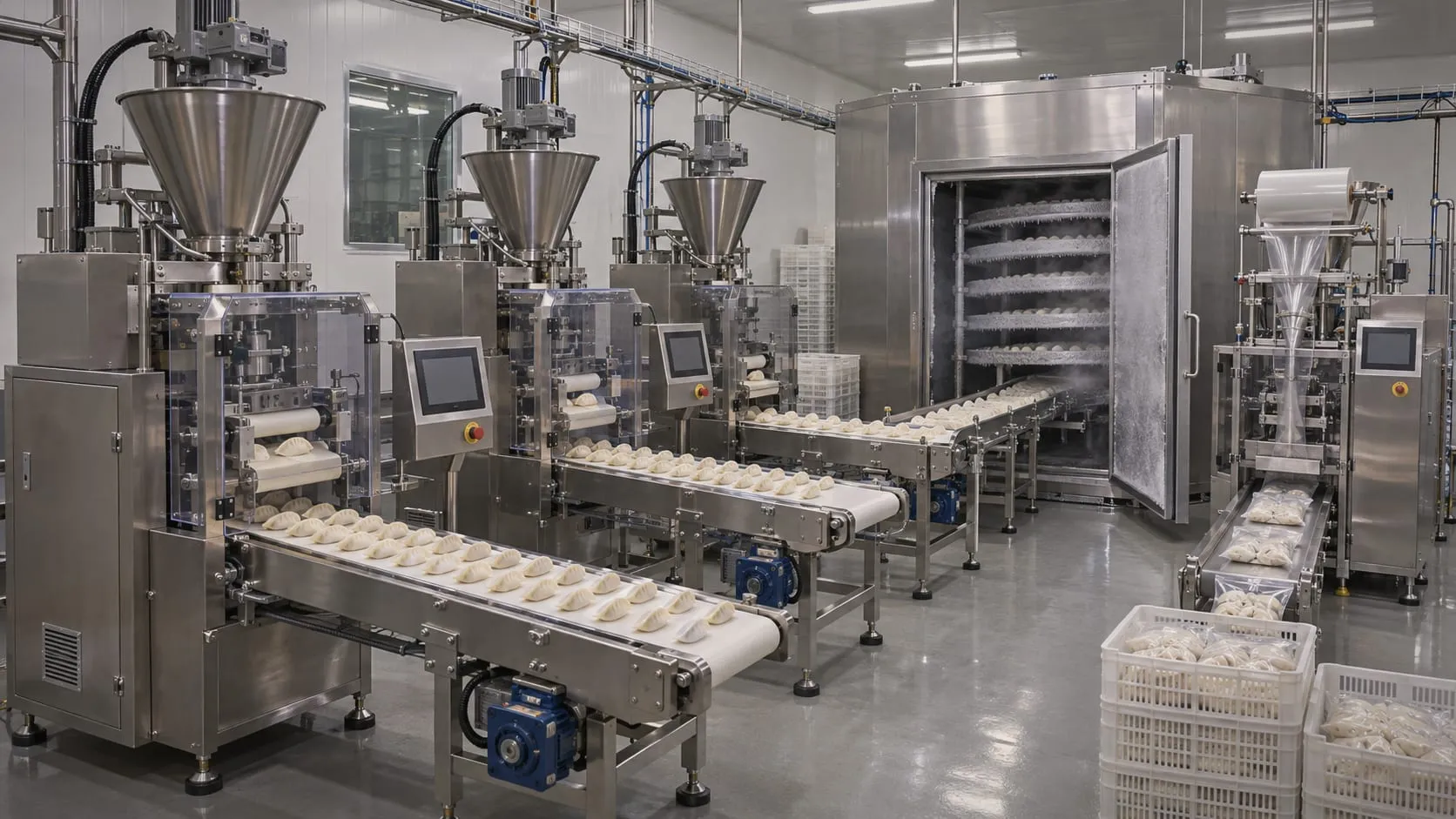
Frozen food factories and new brands moving from hand-made or semi-automatic dumplings to steady machine output.
Sized to finished frozen dumplings per hour at a set piece weight
Instant Noodle & Frozen Food
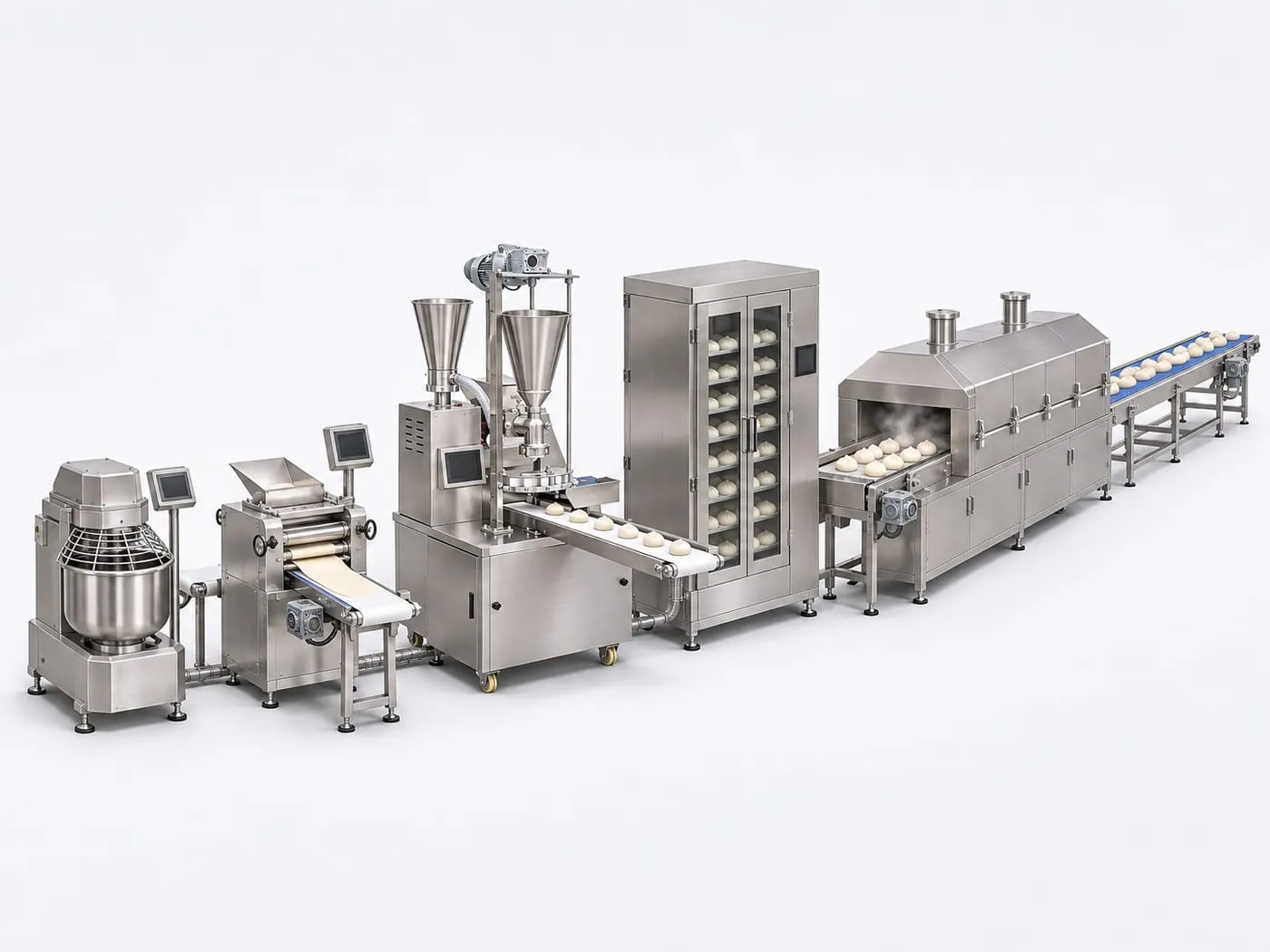
Central kitchens, frozen food plants and bakeries scaling up plain or filled steamed buns.
Sized to finished buns per hour at a set piece weight
Instant Noodle & Frozen Food
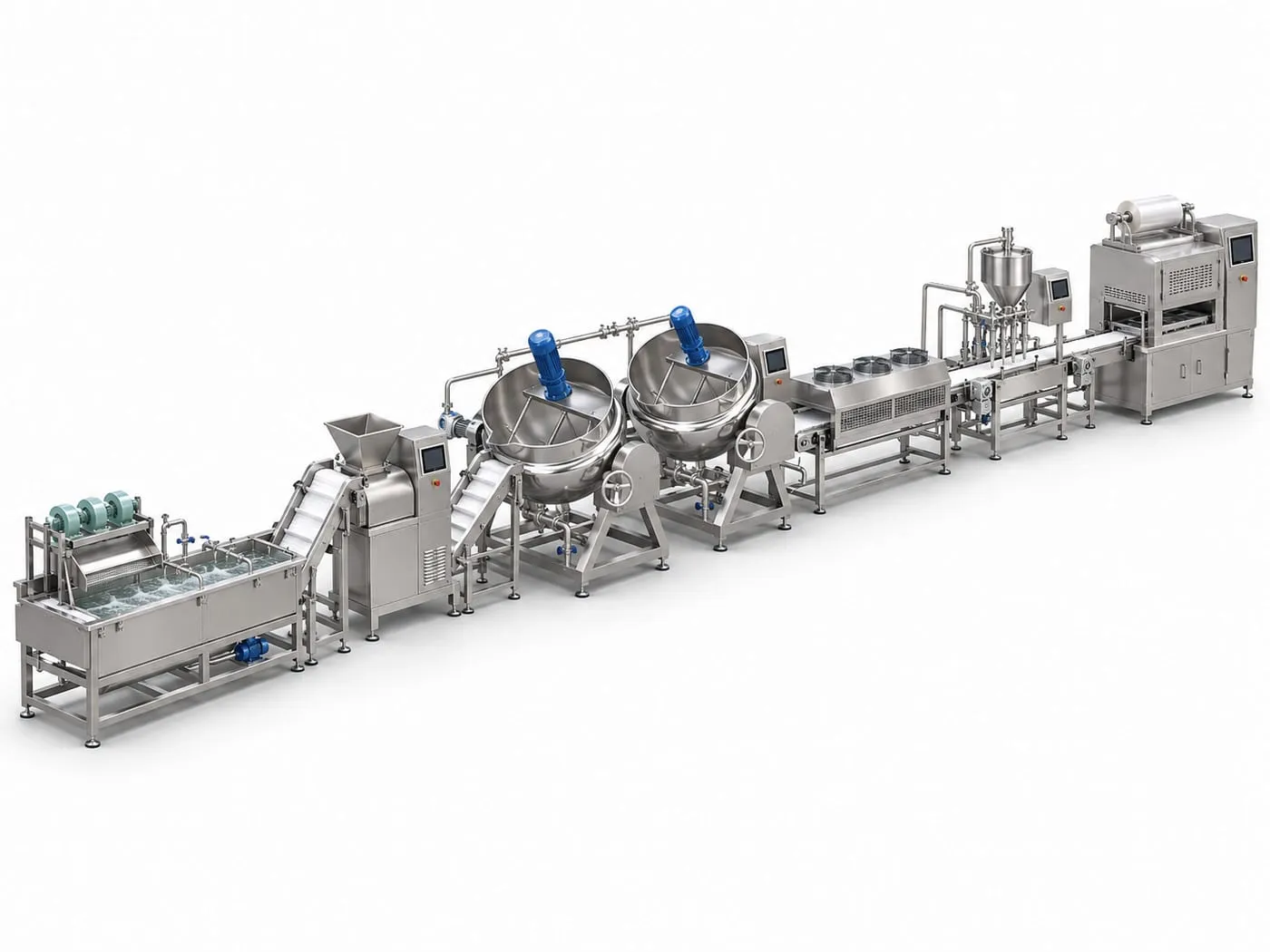
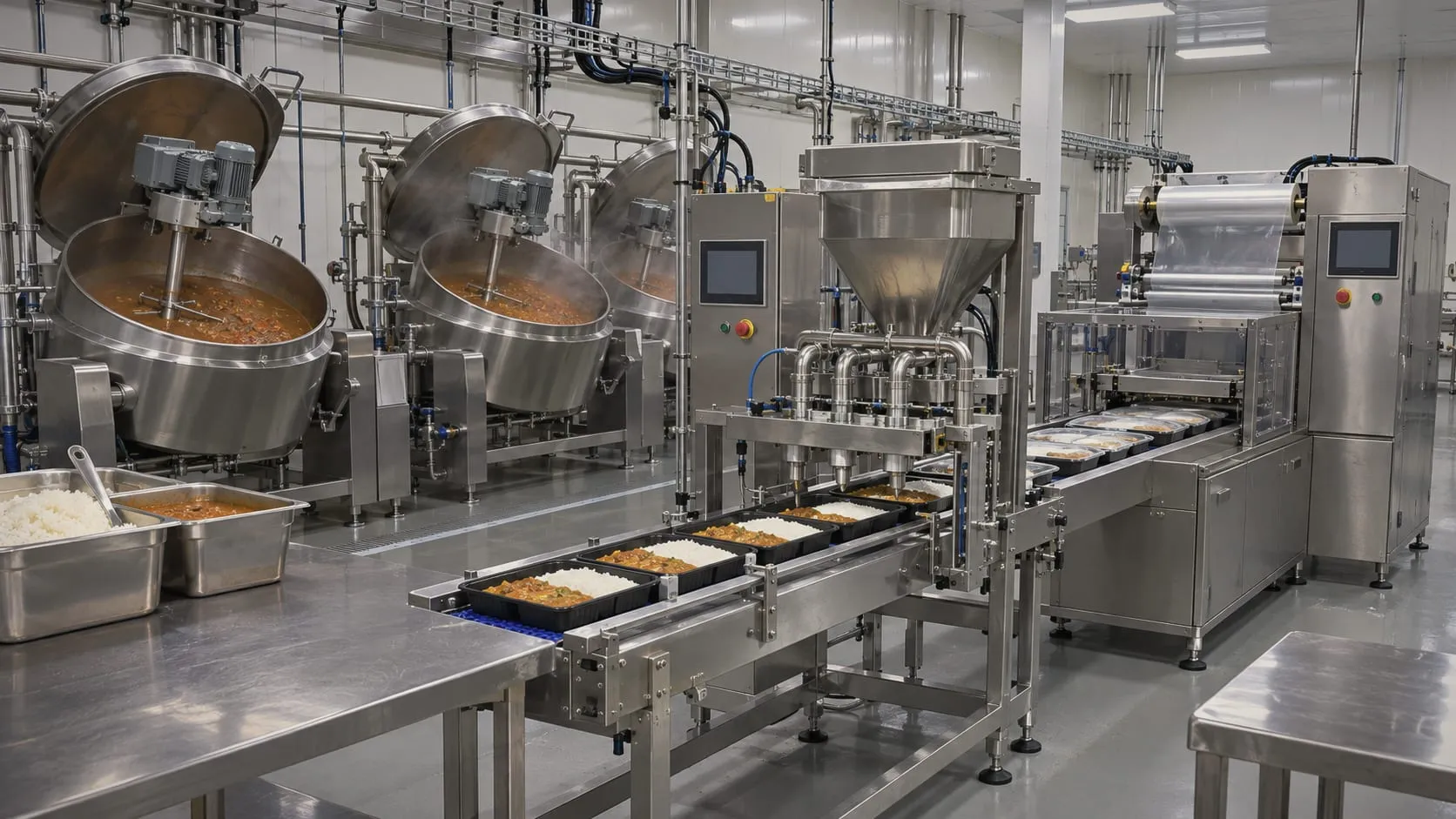
Central kitchens, ready-meal start-ups and food plants supplying retail, catering or airline-style meals.
Sized to packed meal portions per hour at a set portion weight
Instant Noodle & Frozen Food
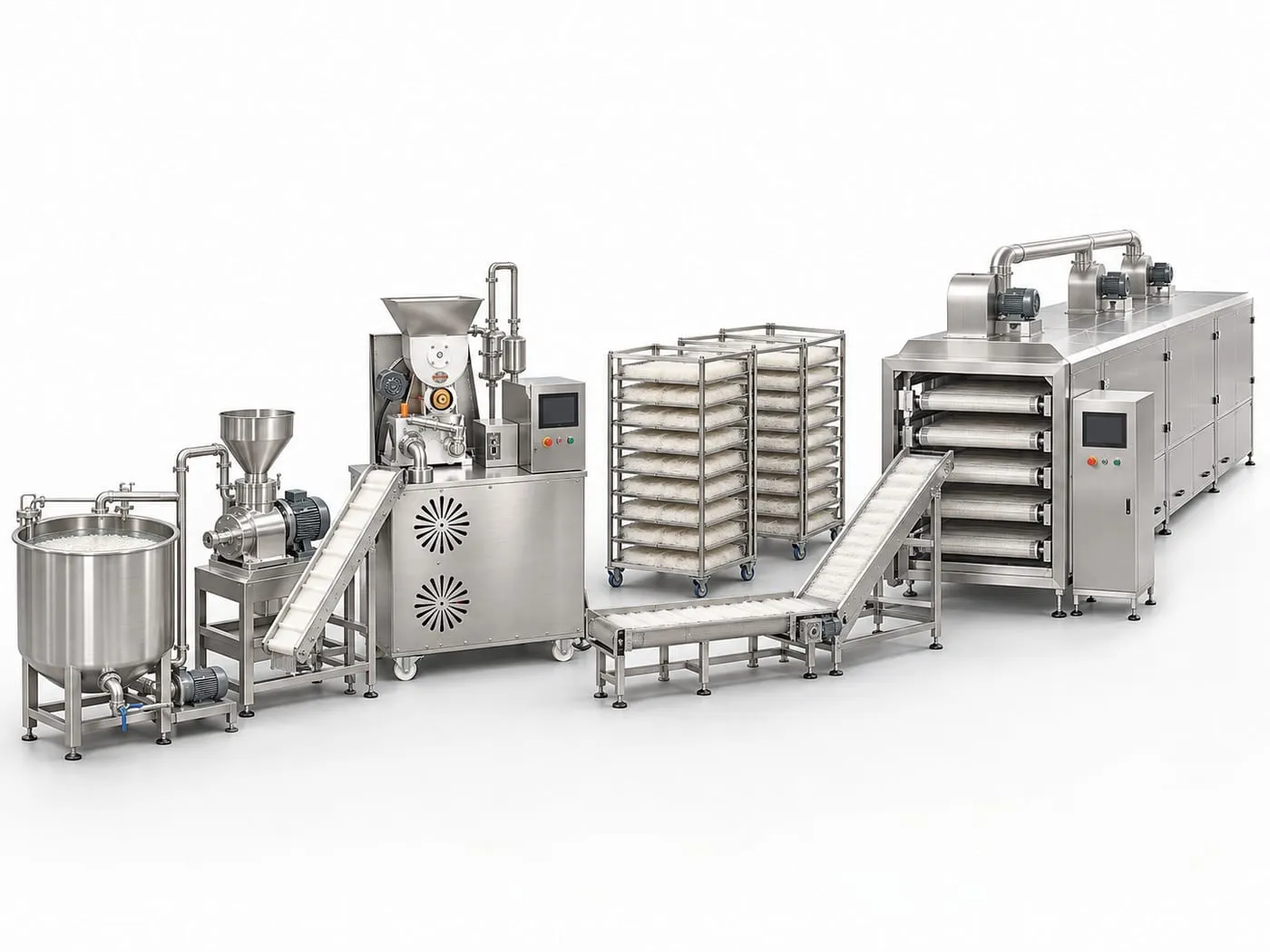
Producers of rice vermicelli, flat rice noodles and fresh rice noodles for local or export markets.
Sized to finished noodles per hour, fresh or dried weight stated separately
Instant Noodle & Frozen Food
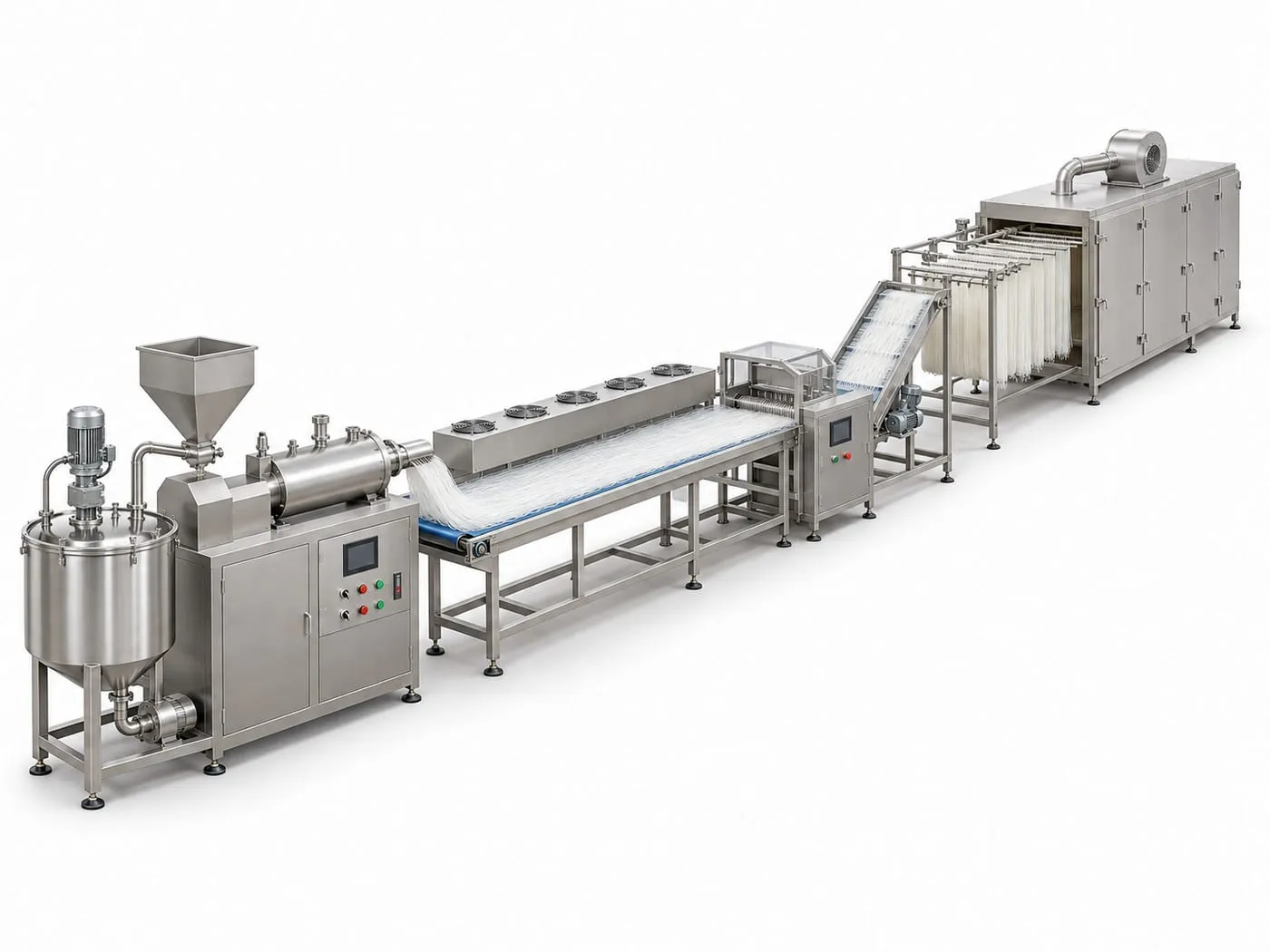
Producers of glass noodles and sweet potato or mung bean vermicelli for retail and food service.
Sized to dried vermicelli output per hour, with starch input stated separately
Instant Noodle & Frozen Food
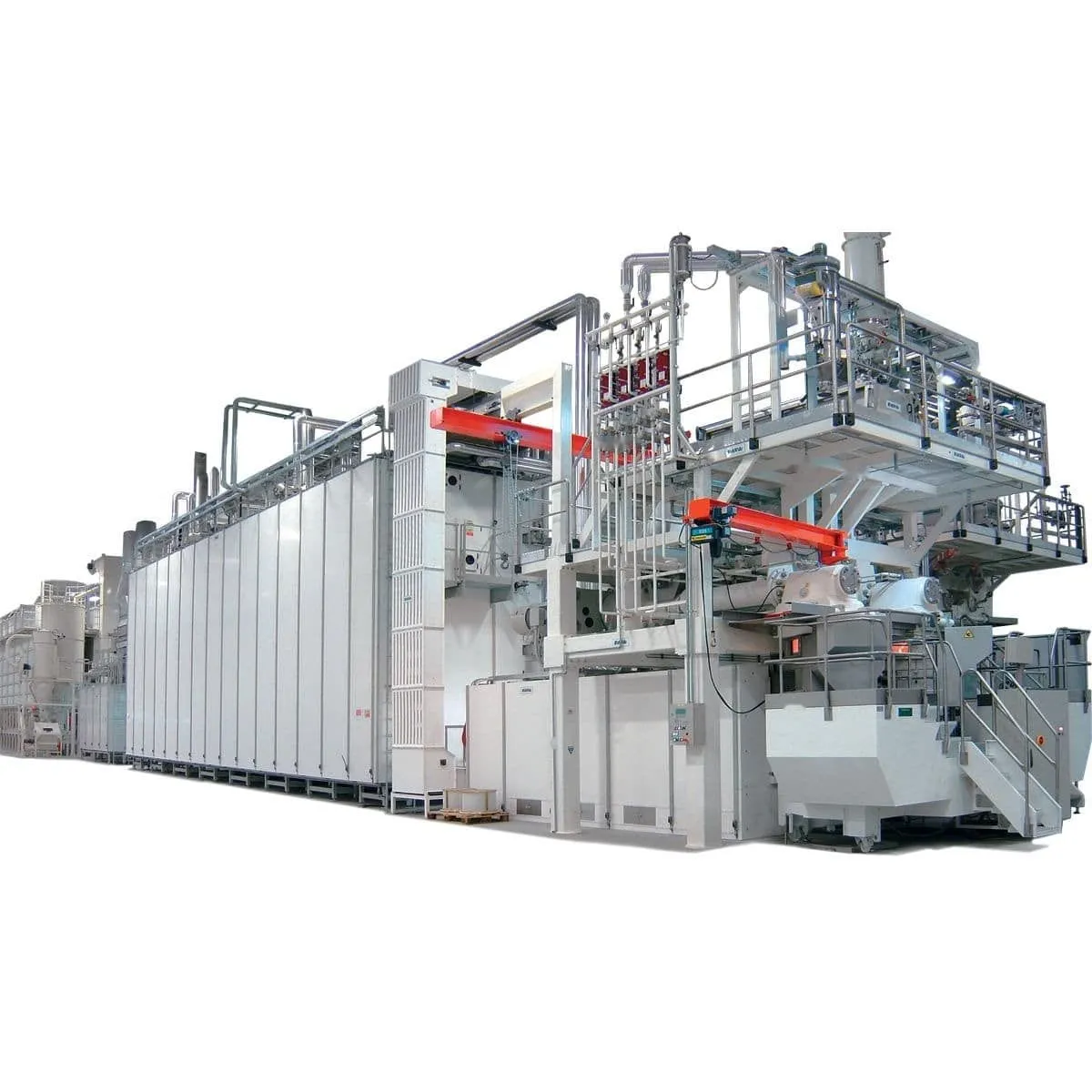
Pasta makers and private-label brands producing macaroni, penne, shells and other short shapes.
Sized to dried pasta output per hour for a given shape
Instant Noodle & Frozen Food
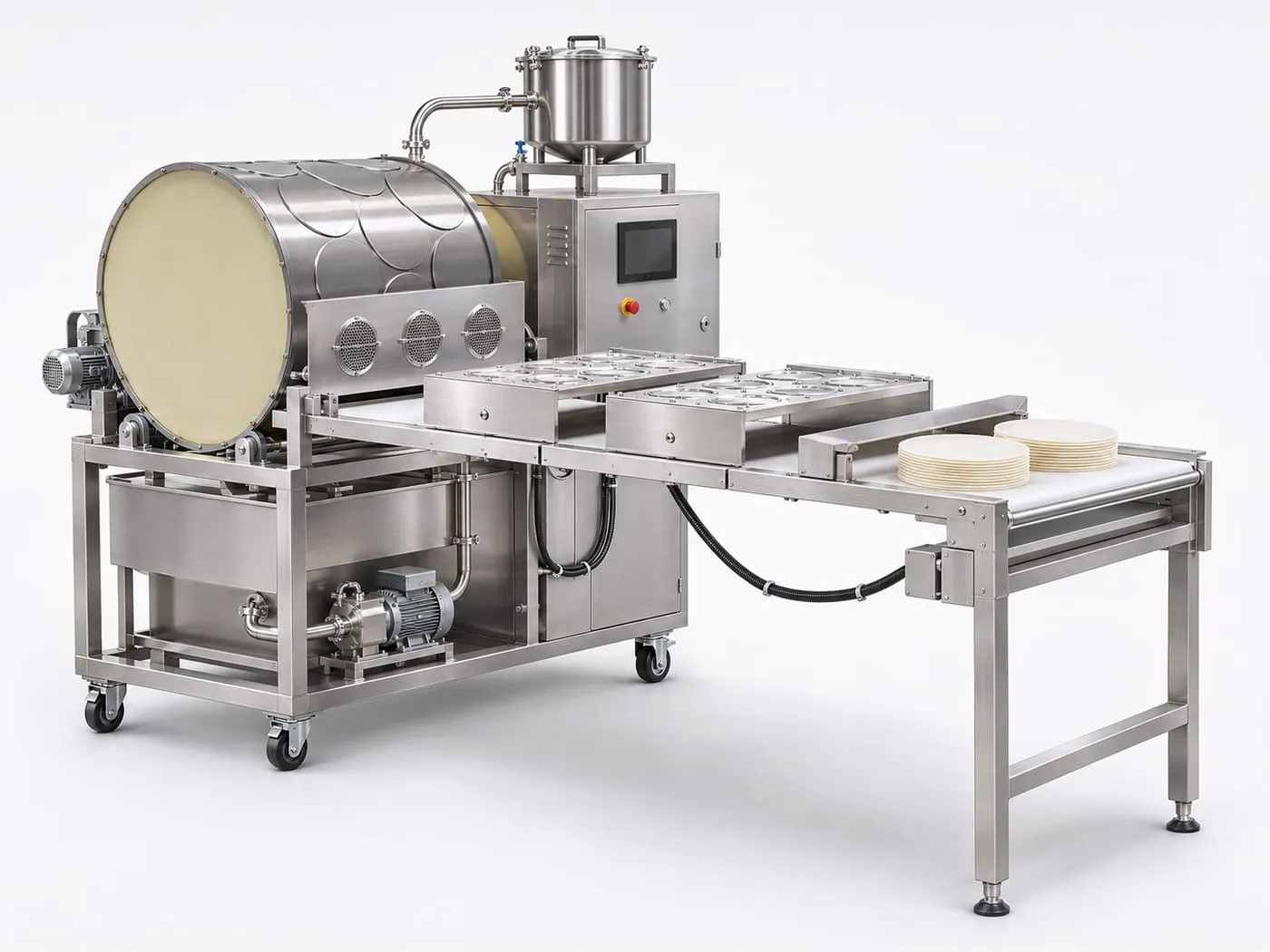
Frozen food plants and pastry producers making spring roll, samosa, crepe-style or egg roll wrappers.
Sized to finished wrapper sheets per hour at a set sheet size
Machines you can buy on their own or add to an existing line. Each page lists the forms available and what we check before quoting.
Instant Noodle & Frozen Food
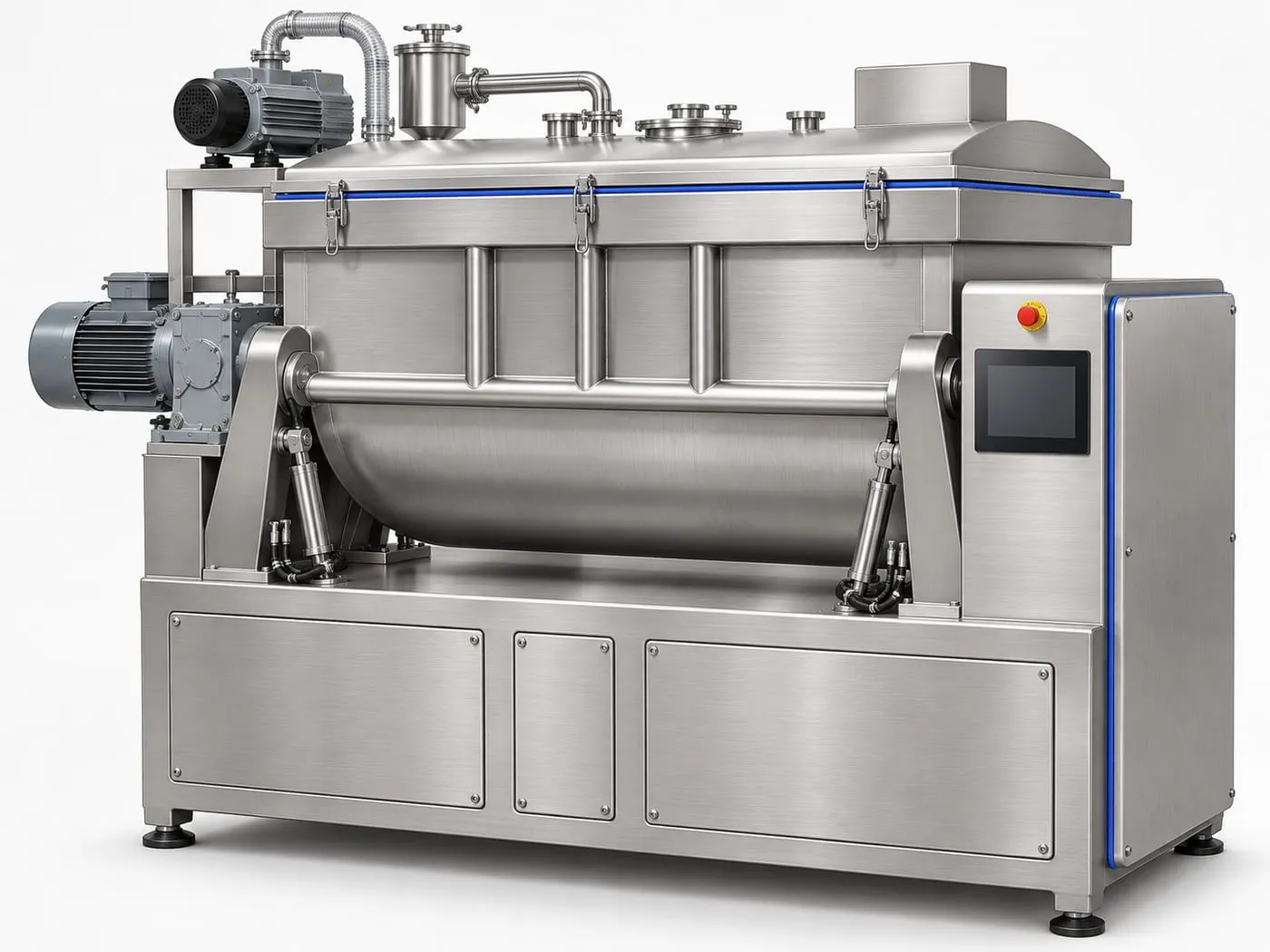
Noodle, dumpling, steamed bun and pasta producers who need consistent dough batch after batch.
Sized to batch weight of flour per mix (kg flour per batch)
Instant Noodle & Frozen Food
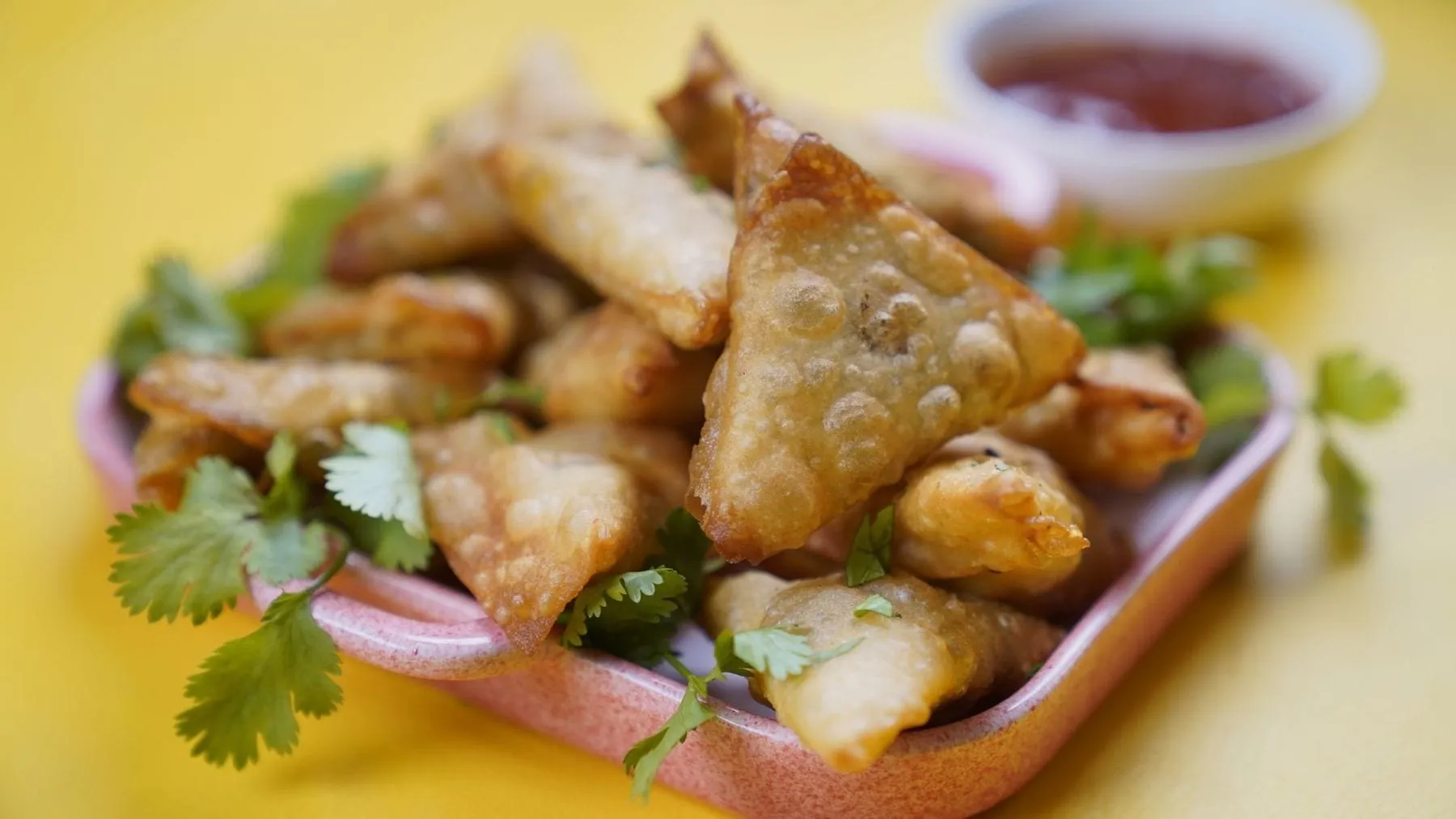
Frozen food plants, snack makers and caterers making samosas and spring rolls in volume.
Sized to finished samosas or rolls per hour at a stated piece weight
Instant Noodle & Frozen Food
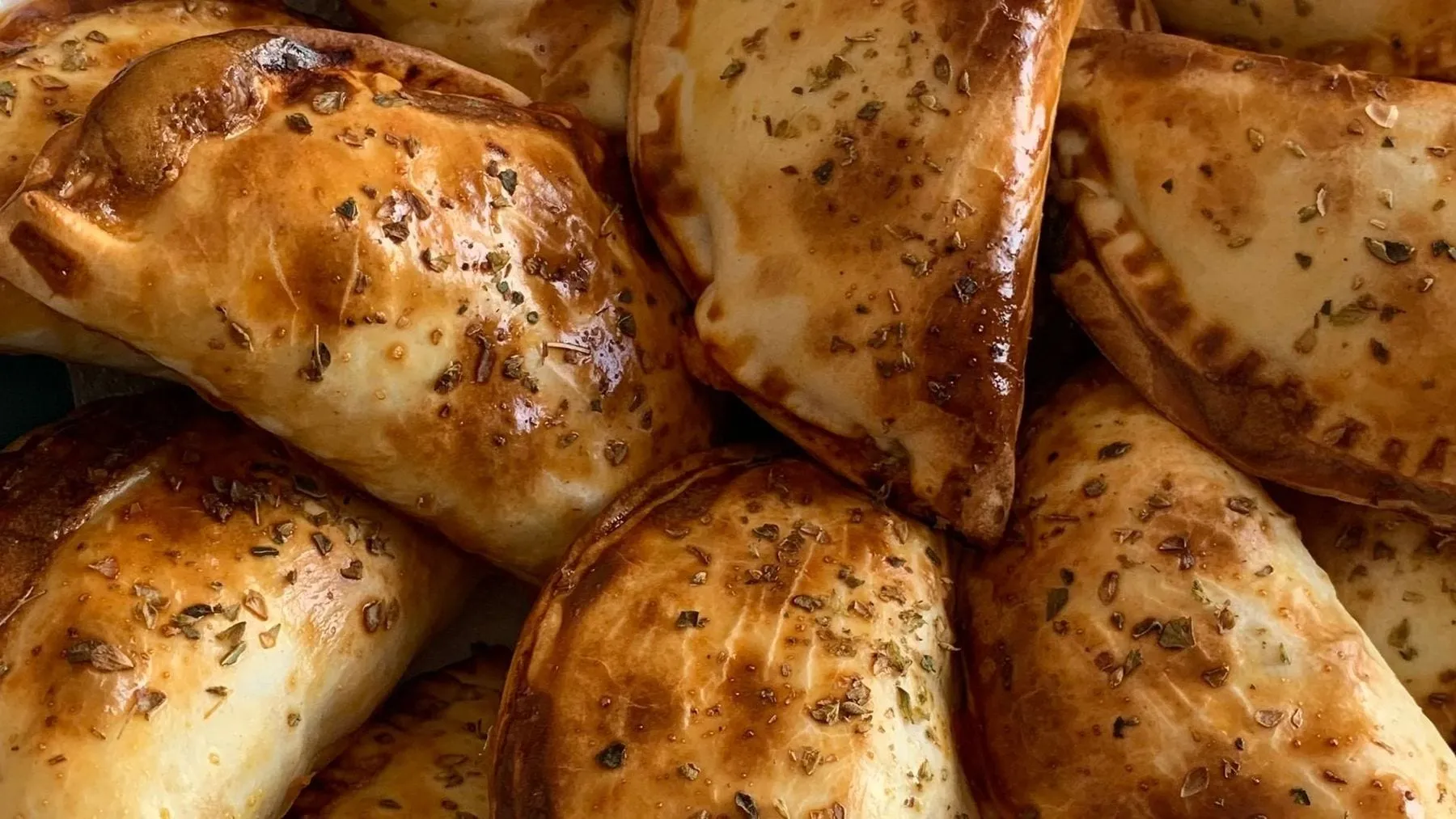
Bakeries, snack makers and frozen food plants making empanadas or Brazilian pastel in volume.
Sized to finished empanadas or pastel per hour at a stated piece size
Short answer: Decide the product first — instant noodles (fried or air-dried), fresh or dried rice noodles, glass noodles, pasta, wrappers, dumplings, buns or complete meals — then the route that preserves it: frying, drying, chilling or quick freezing. That final step usually sets the size of the whole line, so choose it before the forming equipment.
| Machine or line | What it does | Choose it when |
|---|---|---|
| Vacuum Dough Mixer | Mixes flour and water under vacuum into even dough | You need consistent dough for noodles, wrappers or buns |
| Instant Noodle Production Line | Sheets, cuts, steams, fries and packs noodle blocks | Fried instant noodles are your main product |
| Non-fried Instant Noodle Line | Replaces frying with controlled hot-air drying | You want an air-dried, lower-fat instant noodle |
| Rice Noodle Production Line | Turns soaked rice or rice flour into cooked, formed noodles | You make vermicelli, flat or fresh rice noodles |
| Starch Vermicelli Production Line | Forms, cooks, cools and dries starch noodles | You make glass noodles from bean or potato starch |
| Macaroni and Short-cut Pasta Line | Extrudes, cuts and dries short pasta shapes | You make macaroni, penne, shells or similar shapes |
| Spring Roll Wrapper Production Line | Bakes thin sheets on a drum or belt and cuts them | You make spring roll, samosa or crepe-style wrappers |
| Frozen Dumpling Production Line | Makes wrappers, fills, forms and quick-freezes dumplings | Dumplings or similar filled products are your main line |
| Steamed Bun Production Line | Divides, forms, proofs and steams buns | You make plain or filled steamed buns at scale |
| Prepared Meal Production Line | Prepares, cooks, portions, chills or freezes and seals meals | You supply ready meals to retail, catering or food service |
For complete plants, see the instant noodle plant, the frozen dumpling plant and the ready meal plant.
Some upstream equipment can be shared — flour handling, dough mixers, filling preparation and the freezer — but forming, cooking and drying are product-specific. A practical approach is one shared dough and filling area feeding separate forming lines, with the freezer or packing hall sized for all of them. We can lay out the hall so a second product line can be added later.
If you already sell the product and have steady orders, a complete line gives balanced output and less handling. If you are testing a market, start with the mixer, the forming machine and a basic cooking or freezing step, and plan the hall so automatic transfer, a larger freezer and packing can be added. Ask for the full line layout even if you buy in stages.
Protein content, gluten strength, starch type and particle size change how dough sheets, how noodles hold together and how much water the recipe takes. A line set up on one flour may need different mixing time, water dosing or rolling settings for another. Send the raw materials you will actually buy, or test them with us, before fixing the configuration.
Share your raw material, finished product, target output and site — our engineers reply with a matching line configuration.
Request a quote →What to send with your inquiry