Fruit & Vegetable Processing
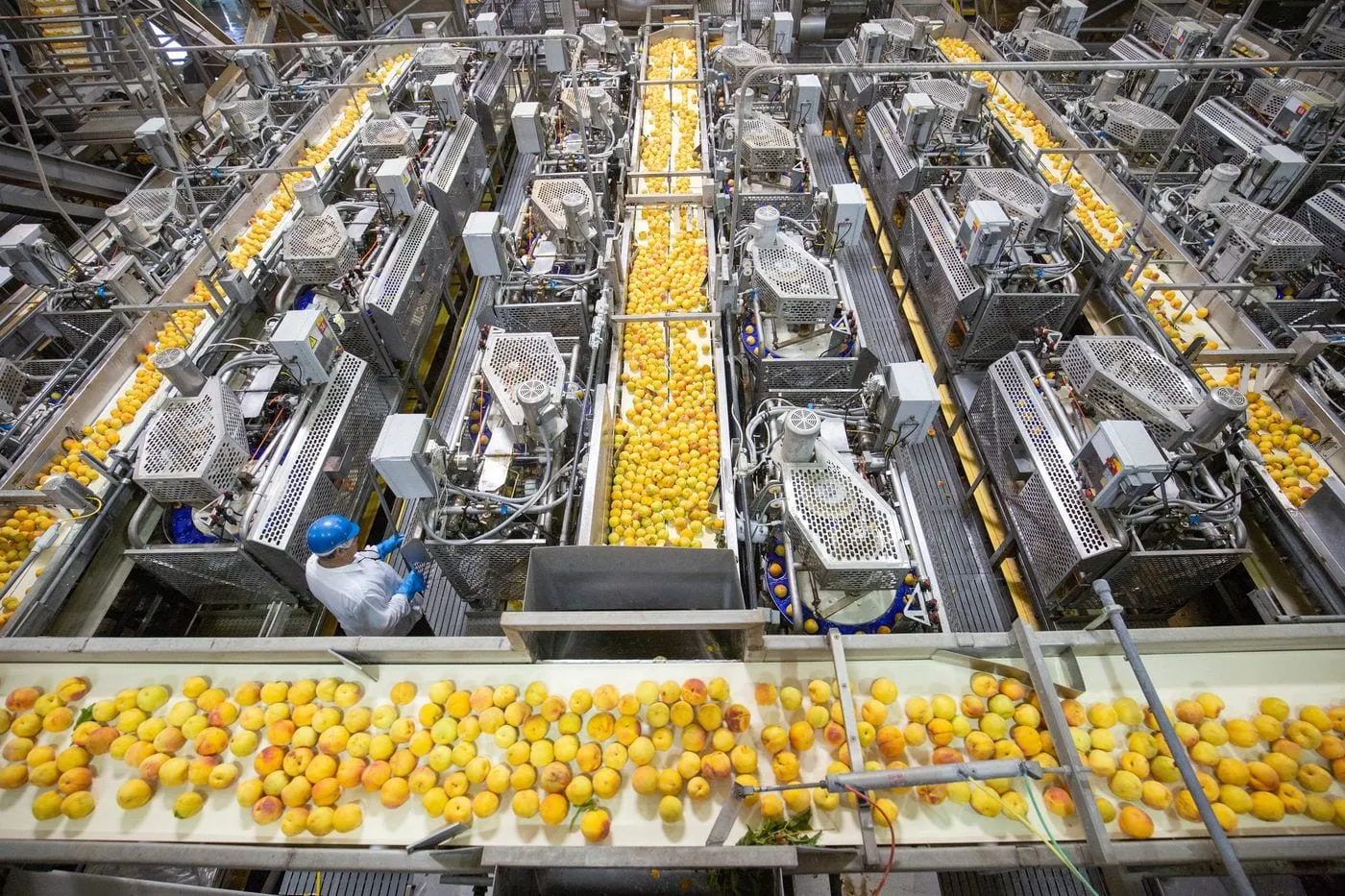
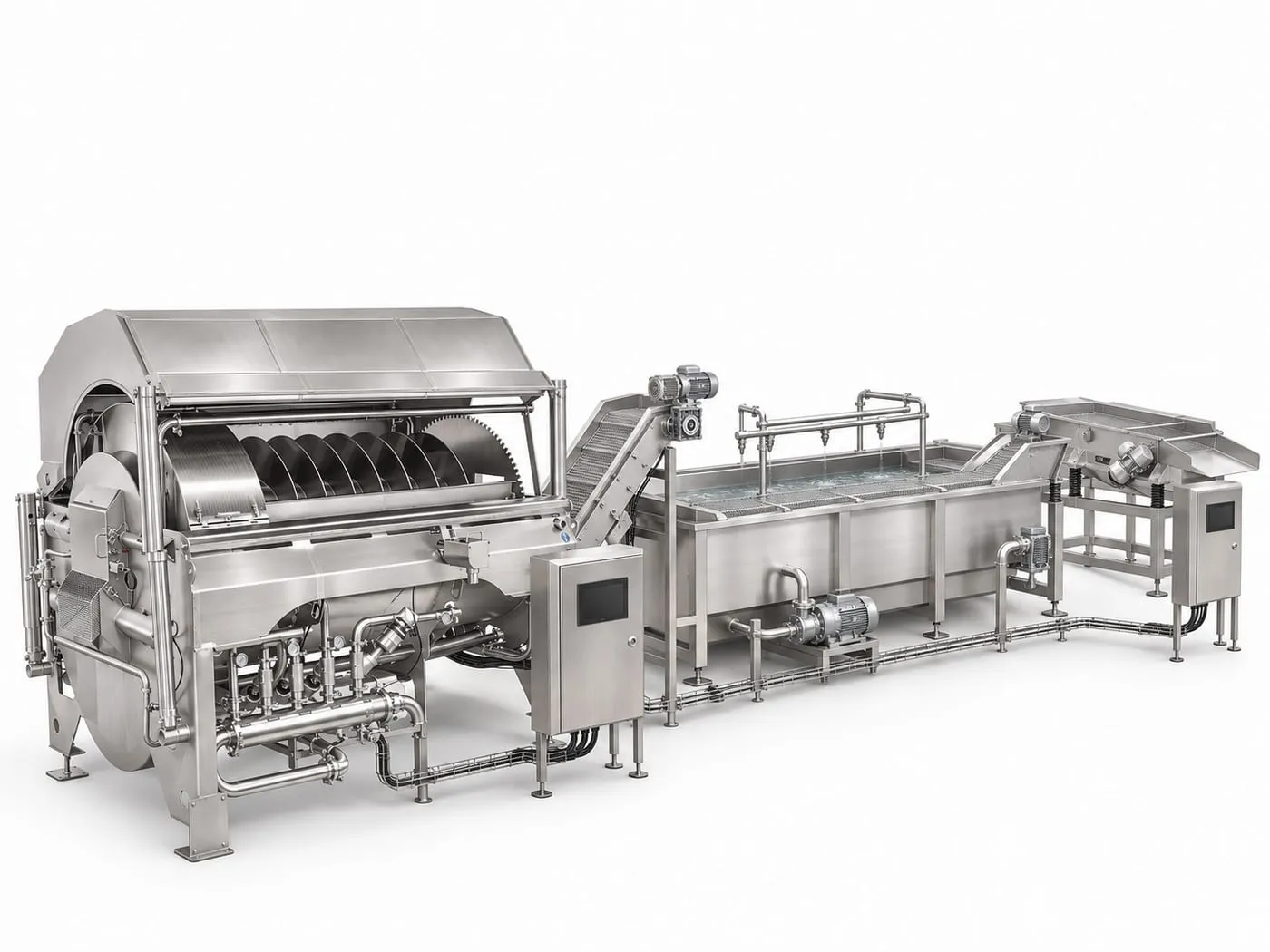
Blanching and Cooling Line
Frozen vegetable, dehydrated vegetable and canning plants that need controlled heat treatment before the next step.
Sized to product input (kg/h) at your residence time and piece thickness

Equipment group 01
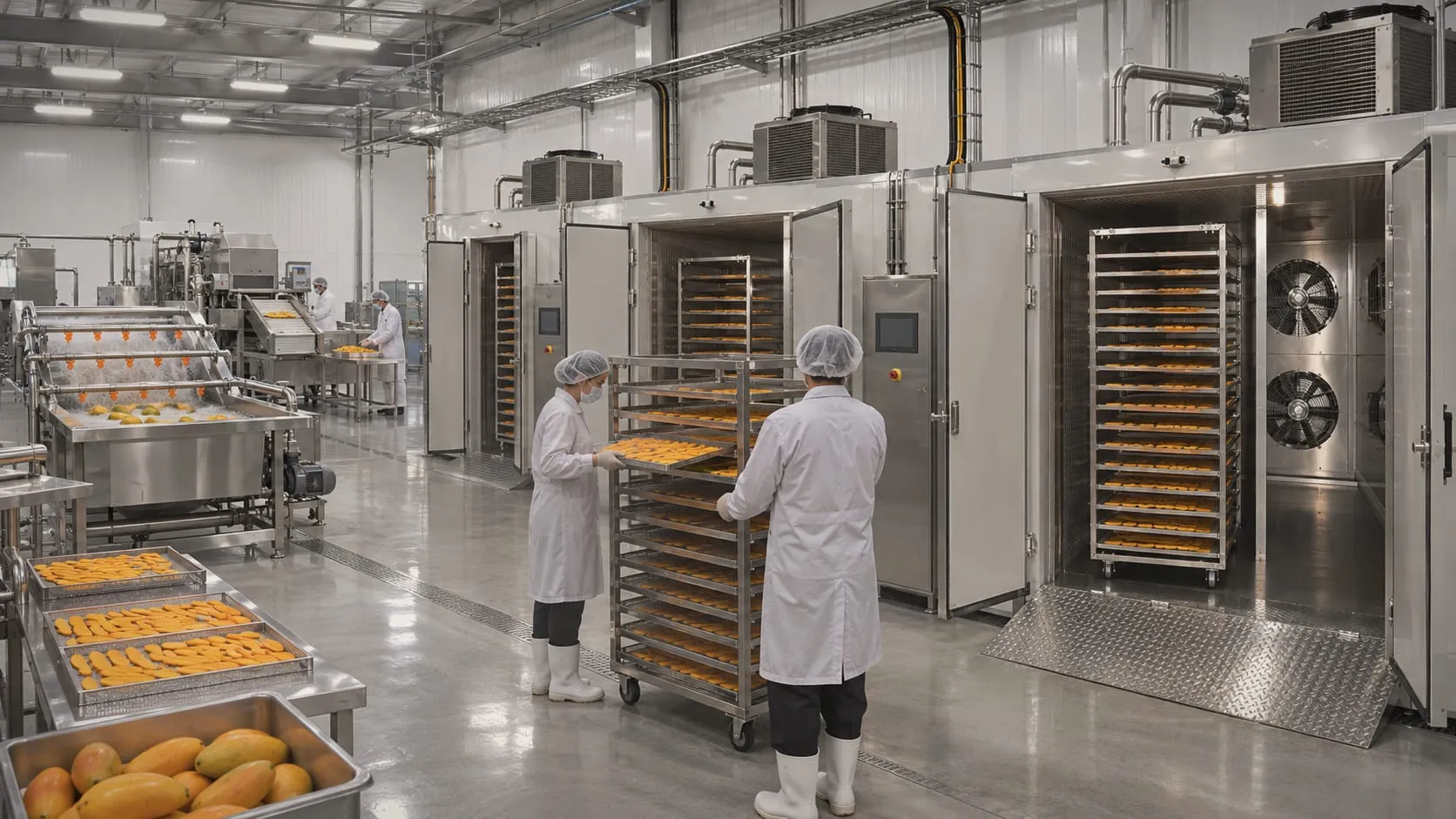
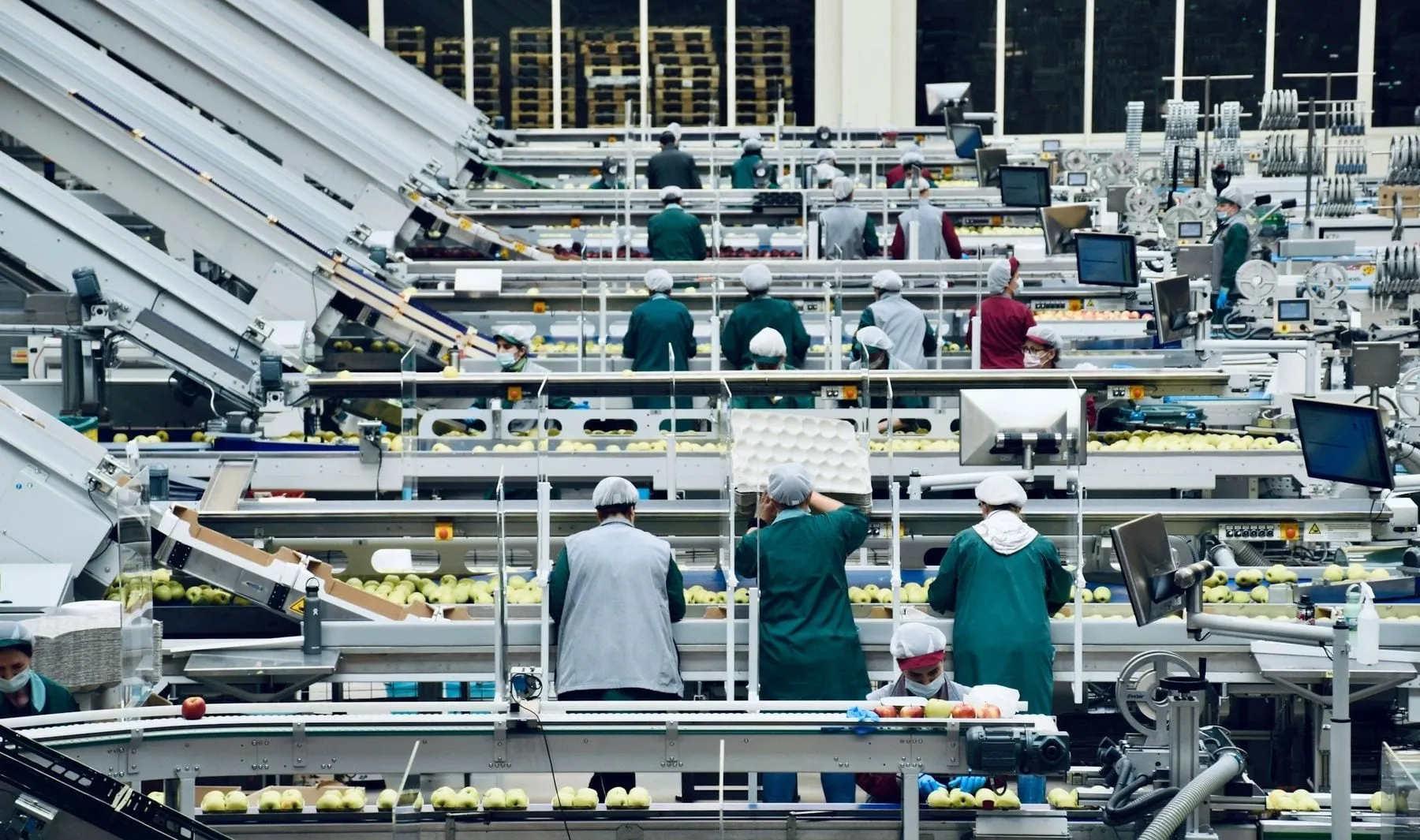
The front end of almost every fruit and vegetable plant: machines that clean, grade, peel, cut and pre-treat fresh produce before it is dried, frozen, juiced or packed.
Complete lines combine several machines with conveyors and controls. Station count and sizes follow your product and target output.
Fruit & Vegetable Processing
Frozen vegetable, dehydrated vegetable and canning plants that need controlled heat treatment before the next step.
Sized to product input (kg/h) at your residence time and piece thickness
Fruit & Vegetable Processing
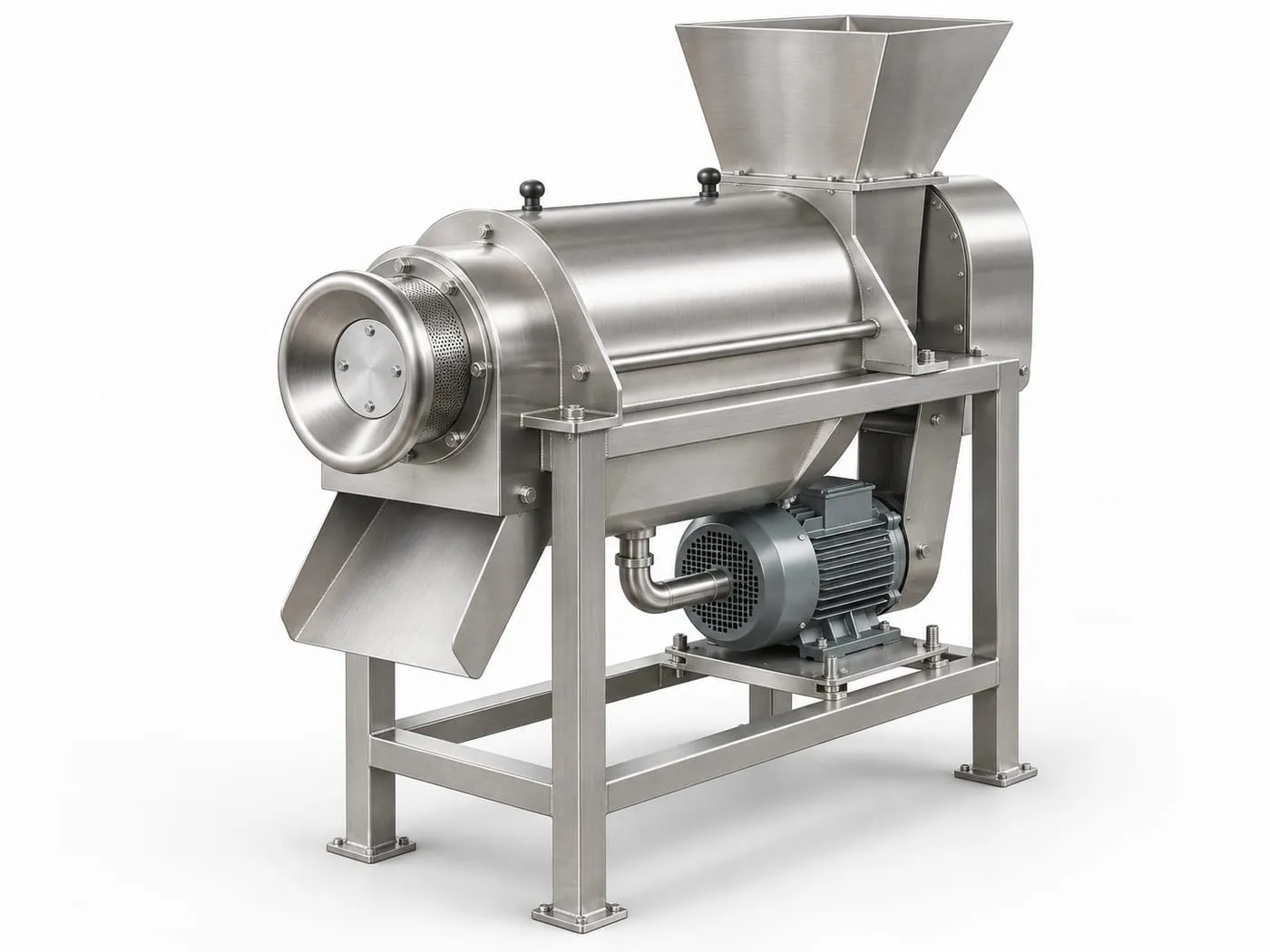
Plants producing fruit puree, tomato paste base, jam, baby food, nectar or sauce bases.
Sized to raw fruit input (kg/h); pulp output depends on fruit and screen size
Machines you can buy on their own or add to an existing line. Each page lists the forms available and what we check before quoting.
Fruit & Vegetable Processing
Plants washing fresh produce before peeling, cutting, blanching, drying or packing.
Sized to raw produce input (kg/h), not finished product
Fruit & Vegetable Processing
Potato, carrot, cassava, ginger and taro processors who wash and peel before cutting.
Sized to raw root crop input (kg/h or kg per batch)
Fruit & Vegetable Processing
Packing houses and processors that sell or process produce in defined size or quality grades.
Sized to produce input (kg/h or pieces per minute), depending on grading method
Fruit & Vegetable Processing
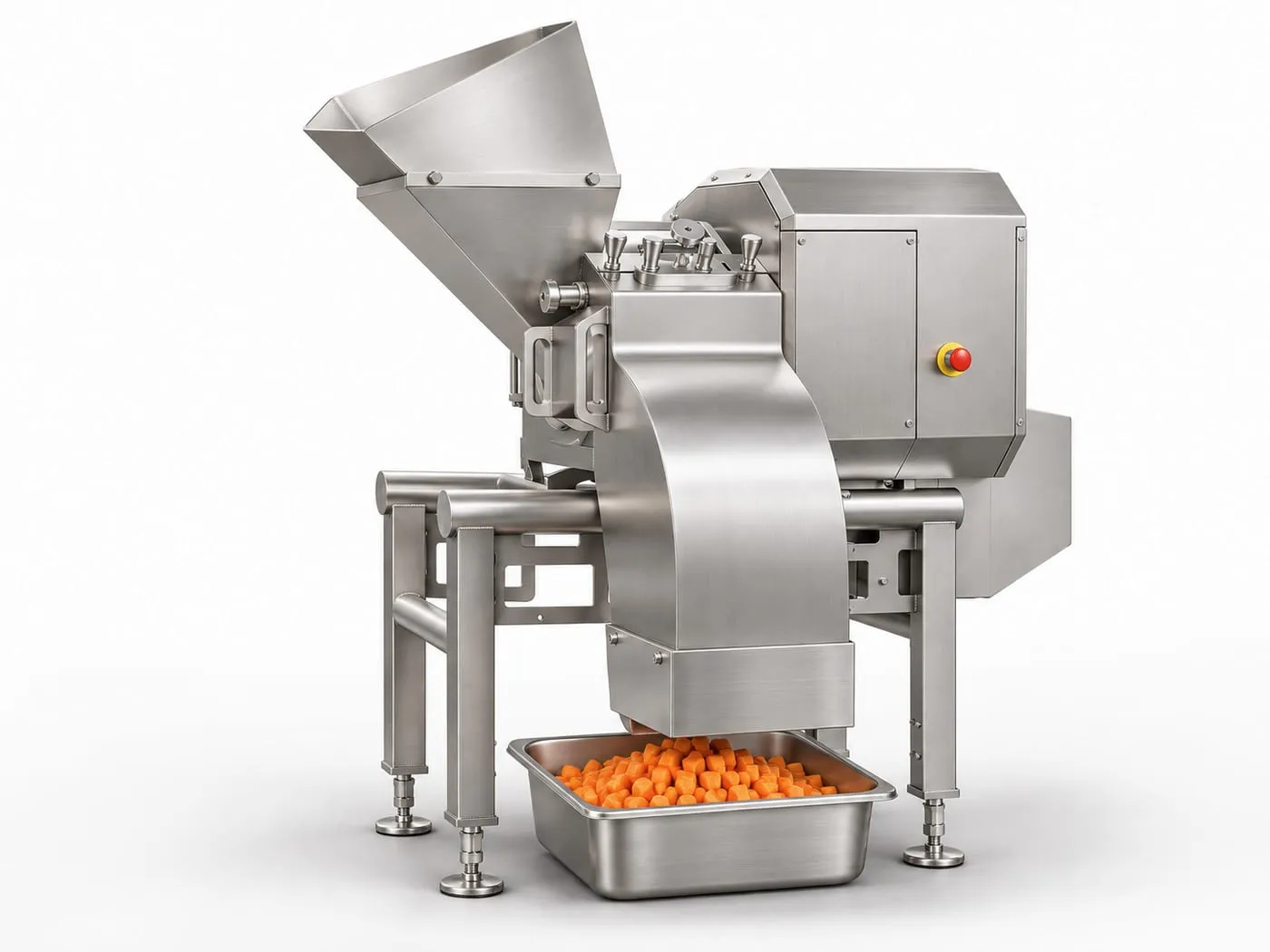
Frozen vegetable, dehydrated vegetable, central kitchen and ready-meal plants needing consistent cuts.
Sized to raw vegetable input (kg/h) at your cut size
Fruit & Vegetable Processing
Date, cherry, plum, apricot and jujube processors producing pitted whole fruit, slices or paste.
Sized to whole fruit input (kg/h), which depends on fruit size and lane count
Fruit & Vegetable Processing
Juice, cider, vegetable juice and beverage base producers extracting their own juice.
Sized to fruit input (kg/h); juice output depends on fruit and yield
Fruit & Vegetable Processing
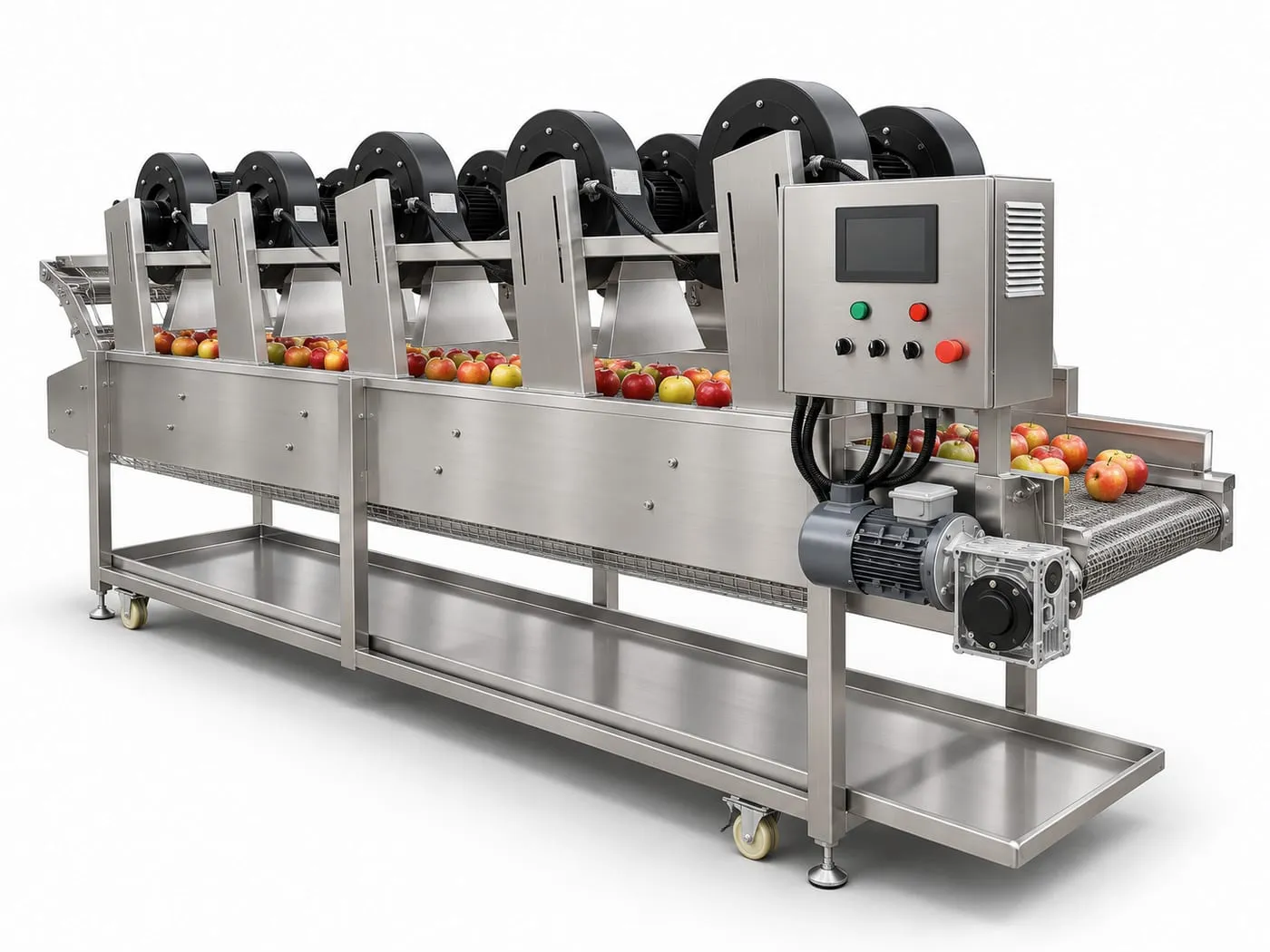
Washing, fresh-cut, frozen and dehydrated produce lines that need dry surfaces before the next step.
Sized to wet product input (kg/h) and the residual water you can accept
Short answer: Work backwards from the product you will sell — frozen dice, dried slices, puree, juice or fresh-cut packs — and from the crops you will run through the year. That tells you which pre-treatment steps are essential, which can stay manual for now, and which station sets the pace of the whole front end.
| Machine or line | What it does | Choose it when |
|---|---|---|
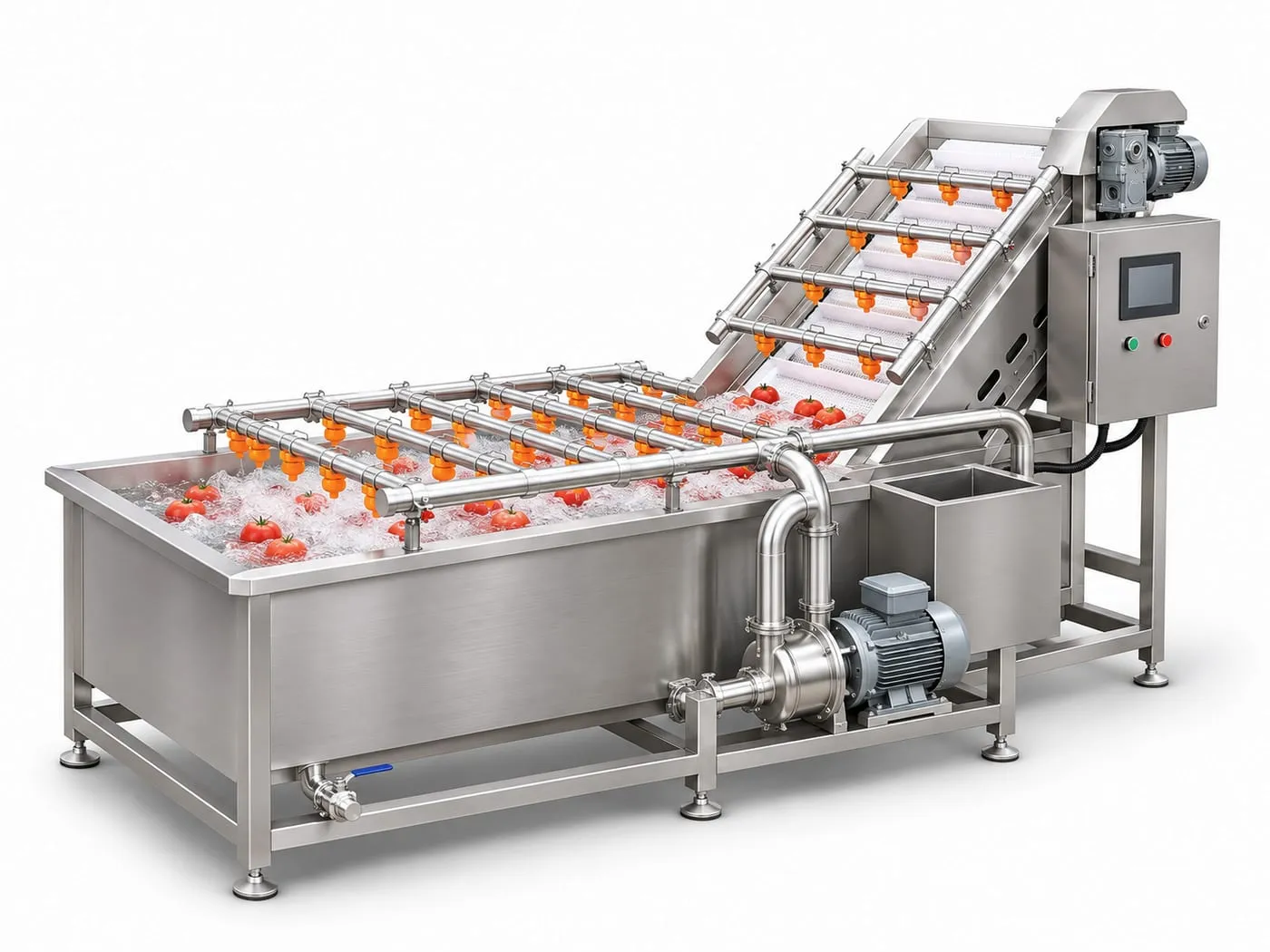
| Fruit and Vegetable Washer | Removes soil, debris and surface residues with water, bubbles, brushes or sprays | Produce arrives from the field and every later step needs it clean |
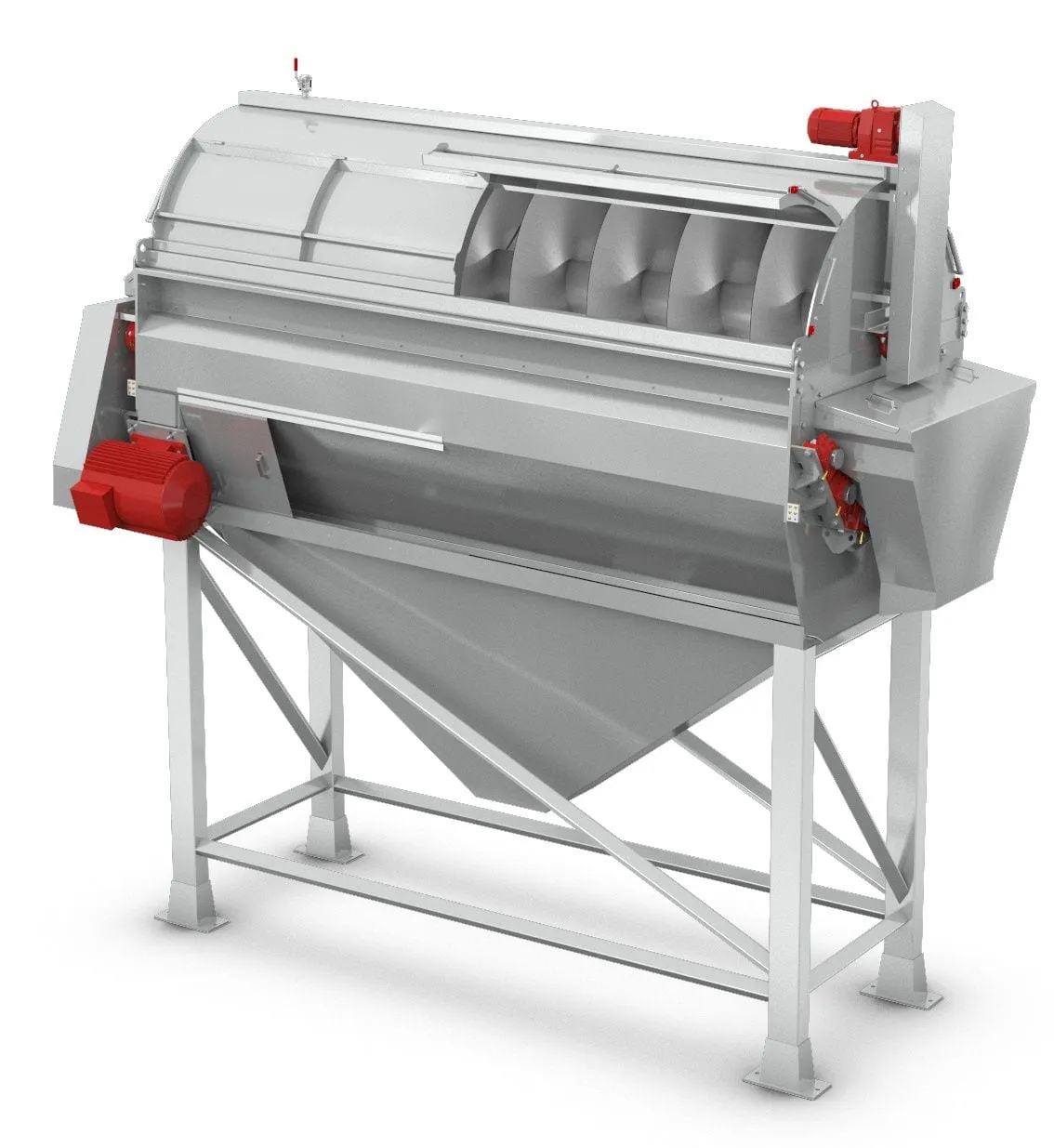
| Brush Roller Washer and Peeler | Scrubs and abrades the skin of firm roots and tubers | You handle potatoes, carrots, cassava, ginger or taro before cutting |
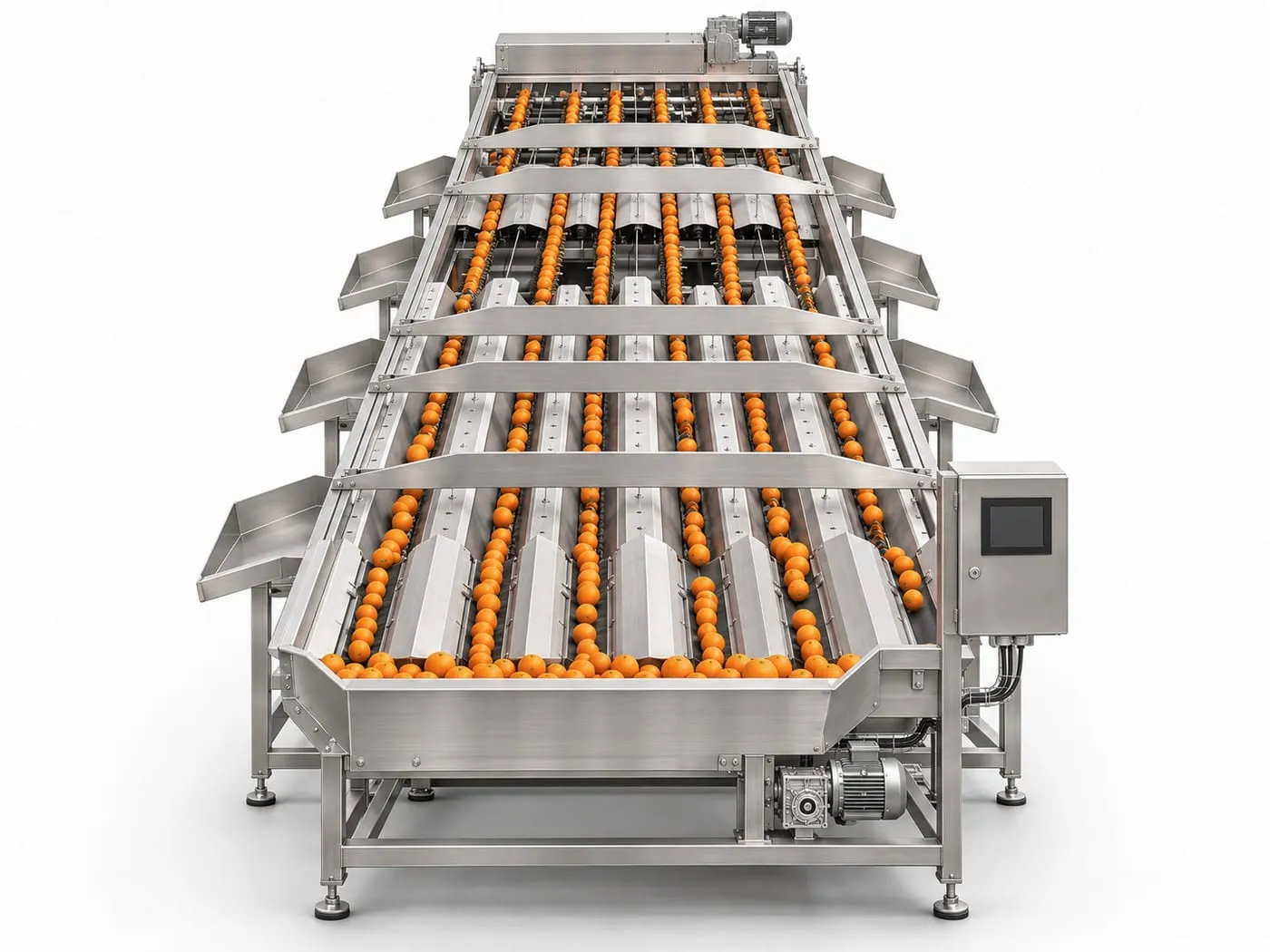
| Fruit and Vegetable Sorter | Grades by size, weight or appearance | Buyers pay by grade, or later machines need uniform pieces |
| Fruit Pitting Machine | Removes stones from dates, cherries, plums and similar fruit | You sell pitted fruit, slices or paste |
| Vegetable Cutting Machine | Slices, dices, strips or shreds to a set size | Piece size matters for freezing, drying, cooking or portion packs |
| Blanching and Cooling Line | Heats pieces briefly, then cools them quickly | The product will be frozen, dried or canned and needs enzyme control |
| Air Knife Dewatering Machine | Blows surface water off washed or blanched pieces | Wet surfaces cause clumping in the freezer or extra load on the dryer |
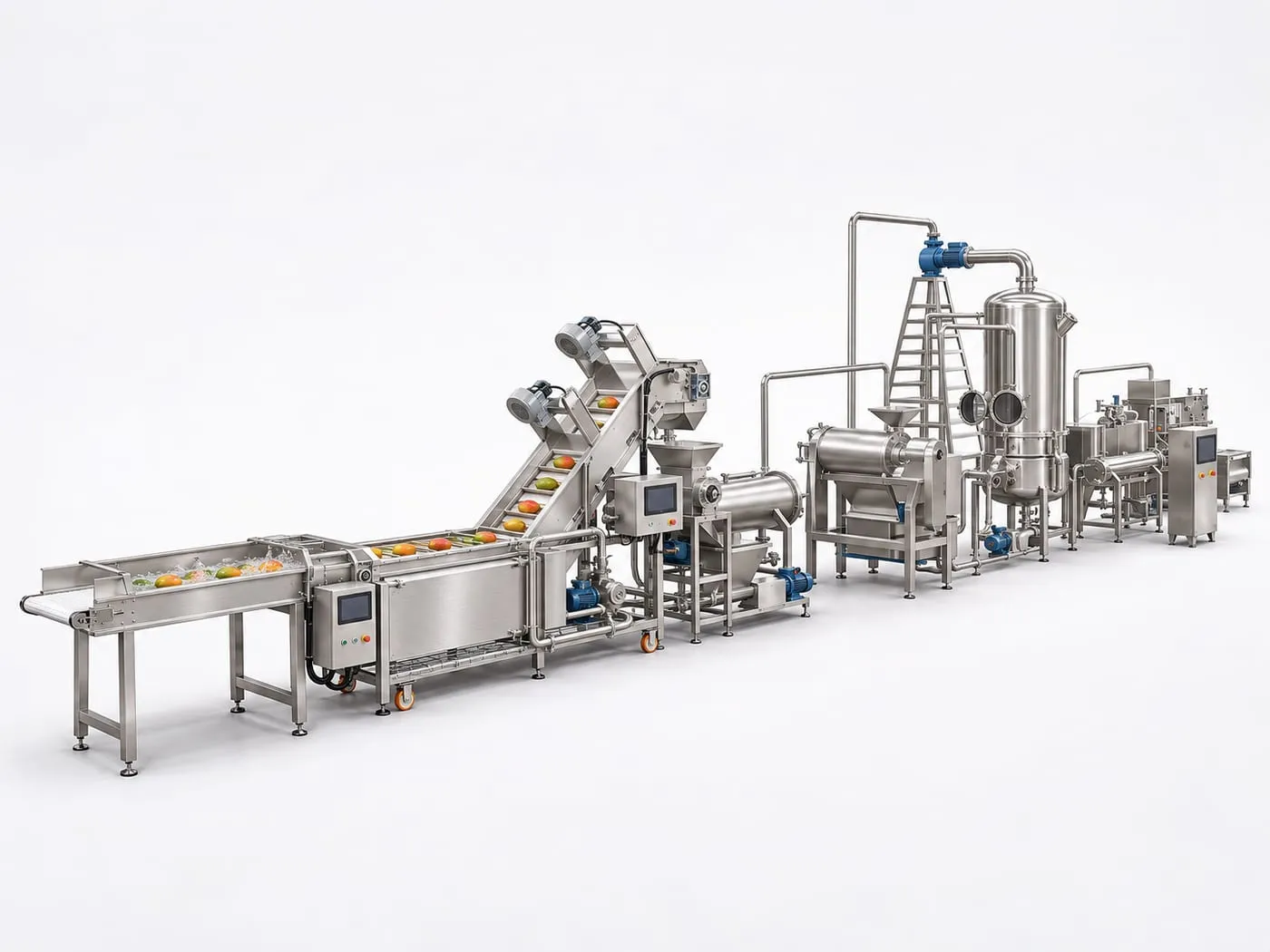
| Fruit and Vegetable Pulping Line | Breaks fruit down and separates skins and seeds from pulp | You make puree, jam bases, sauce bases or nectar |
| Industrial Fruit and Vegetable Juicer | Extracts juice by pressing, crushing or reaming | You want to press your own juice rather than buy concentrate |
For a complete plant built around these steps, see the dried fruit and fruit chips plant or our turnkey projects page.
Start with the station that limits your output or quality today. In many small plants that is washing and peeling, because they are still done by hand and set the pace for everything after them. If your cut pieces are uneven or your frozen product clumps, the cutter or the dewatering step is the better first purchase. Buying a downstream machine before the front end is under control usually leaves it running half empty.
Single machines make sense when you already run part of the process and want to remove one bottleneck, or when your crops change through the year. A complete line pays off when you process one or two main crops for long seasons and need matched throughput, conveyors between stations and one control logic. Many buyers start with two or three linked machines and leave floor space and connections for the rest.
That depends on how different the crops are. Moving from carrots to potatoes on a brush washer may only need cleaning and a speed change, while switching a cutter from dice to slices needs new tooling, and a pulper needs a different screen. Tell us your crop calendar and we will show which parts change, which stay, and where quick-release fittings or spare tool sets make sense.
Share your raw material, finished product, target output and site — our engineers reply with a matching line configuration.
Request a quote →What to send with your inquiry