Skip to content

Equipment group 02

Dried Fruit & Nut Processing

Equipment and lines for dried fruit, fruit and vegetable chips, roasted and seasoned nuts and nut butter — chosen by raw material and the finished product you sell.

5 production lines ↓6 single machines ↓

Production lines

Complete lines combine several machines with conveyors and controls. Station count and sizes follow your product and target output.

  • Dried Fruit & Nut Processing

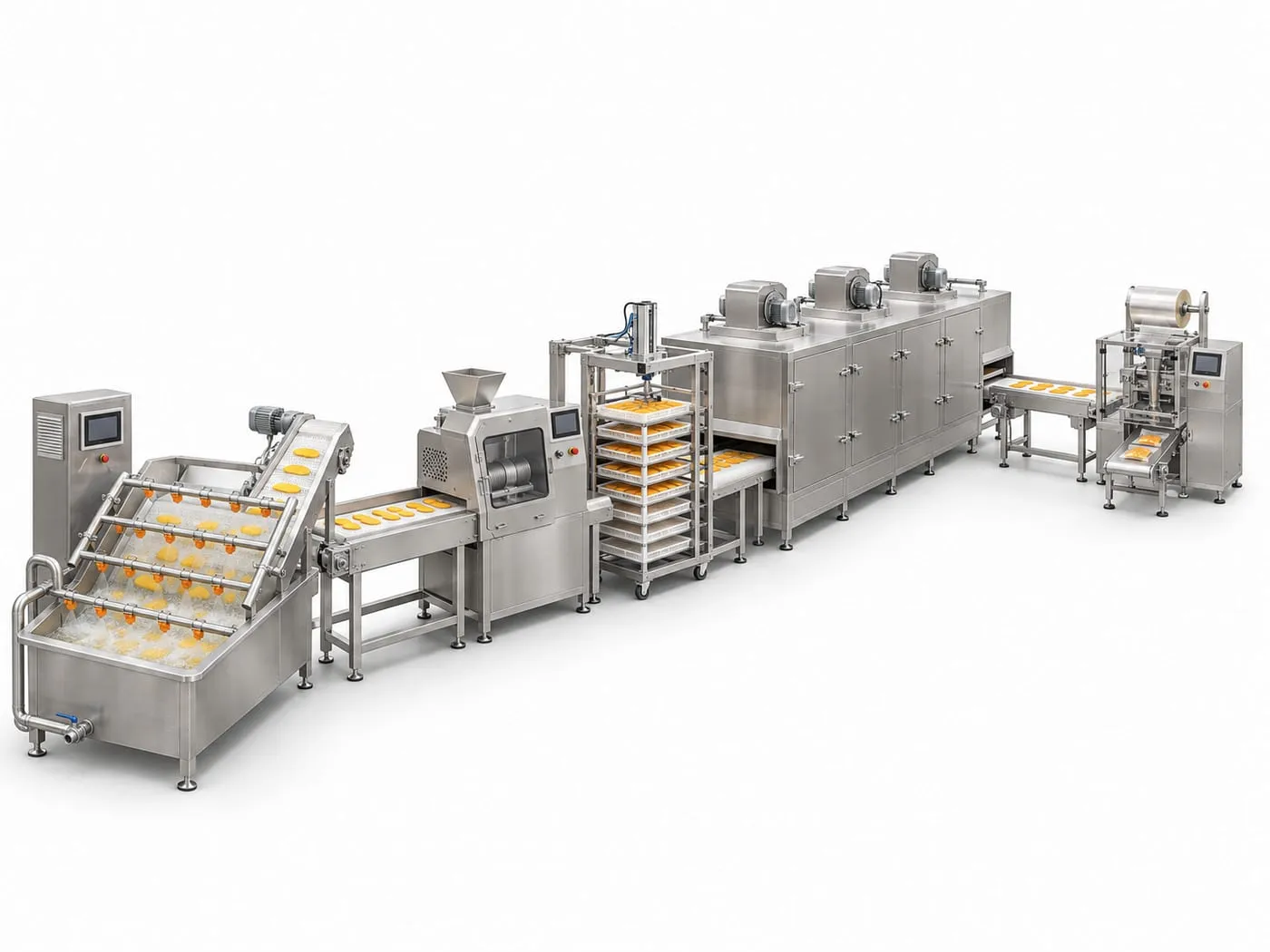
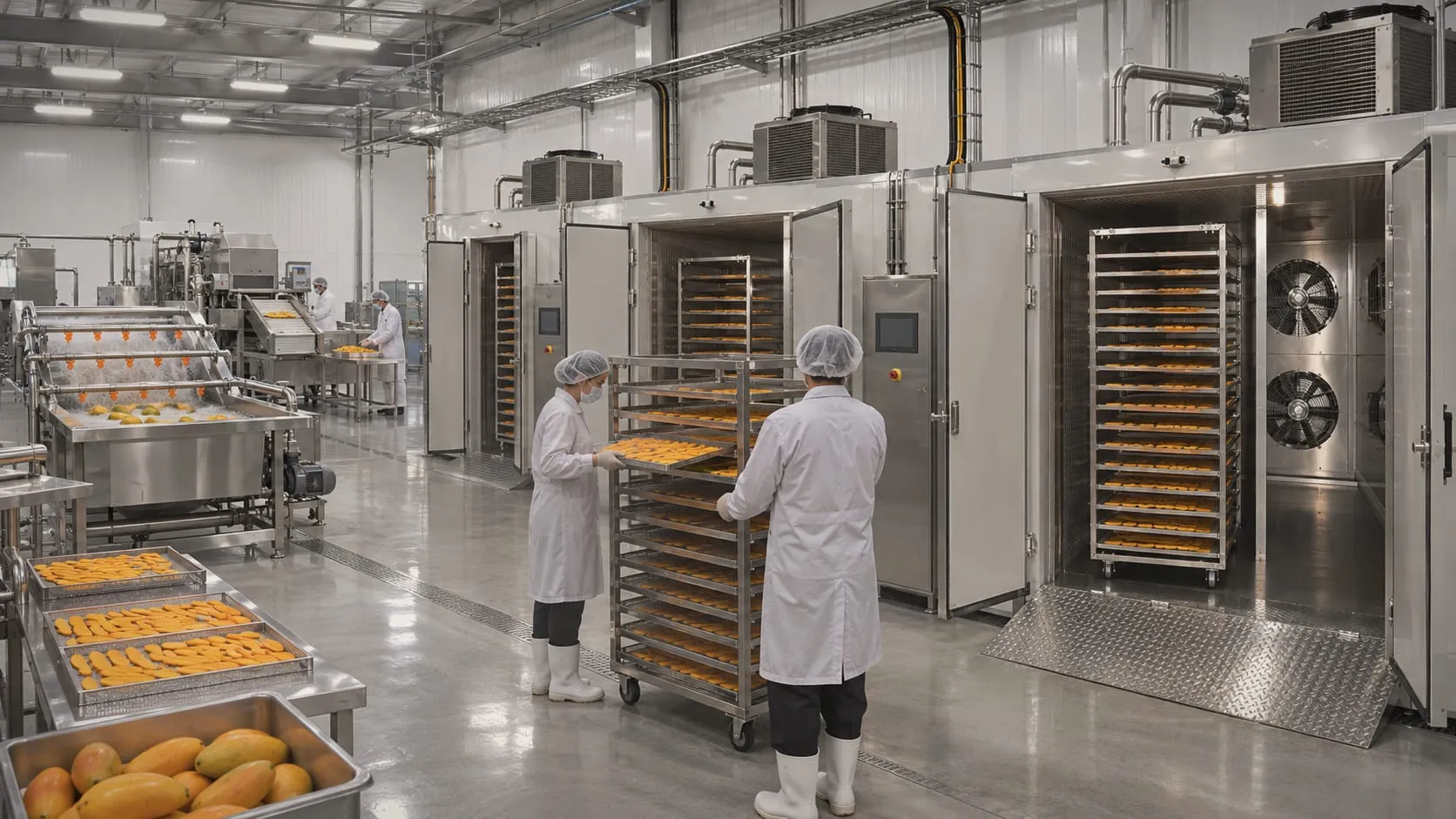
    Dried Fruit Processing Line

    Investors and food companies starting or expanding dried fruit, fruit chip or dried fruit snack production.

    Sized to fresh fruit input (kg/h or tonnes per day); dried output depends on moisture removed

  • Dried Fruit & Nut Processing

    Date Processing Line

    Date packers and processors adding value with washed, pitted or paste products for retail and industry.

    Sized to whole date input (kg/h or tonnes per day)

  • Dried Fruit & Nut Processing

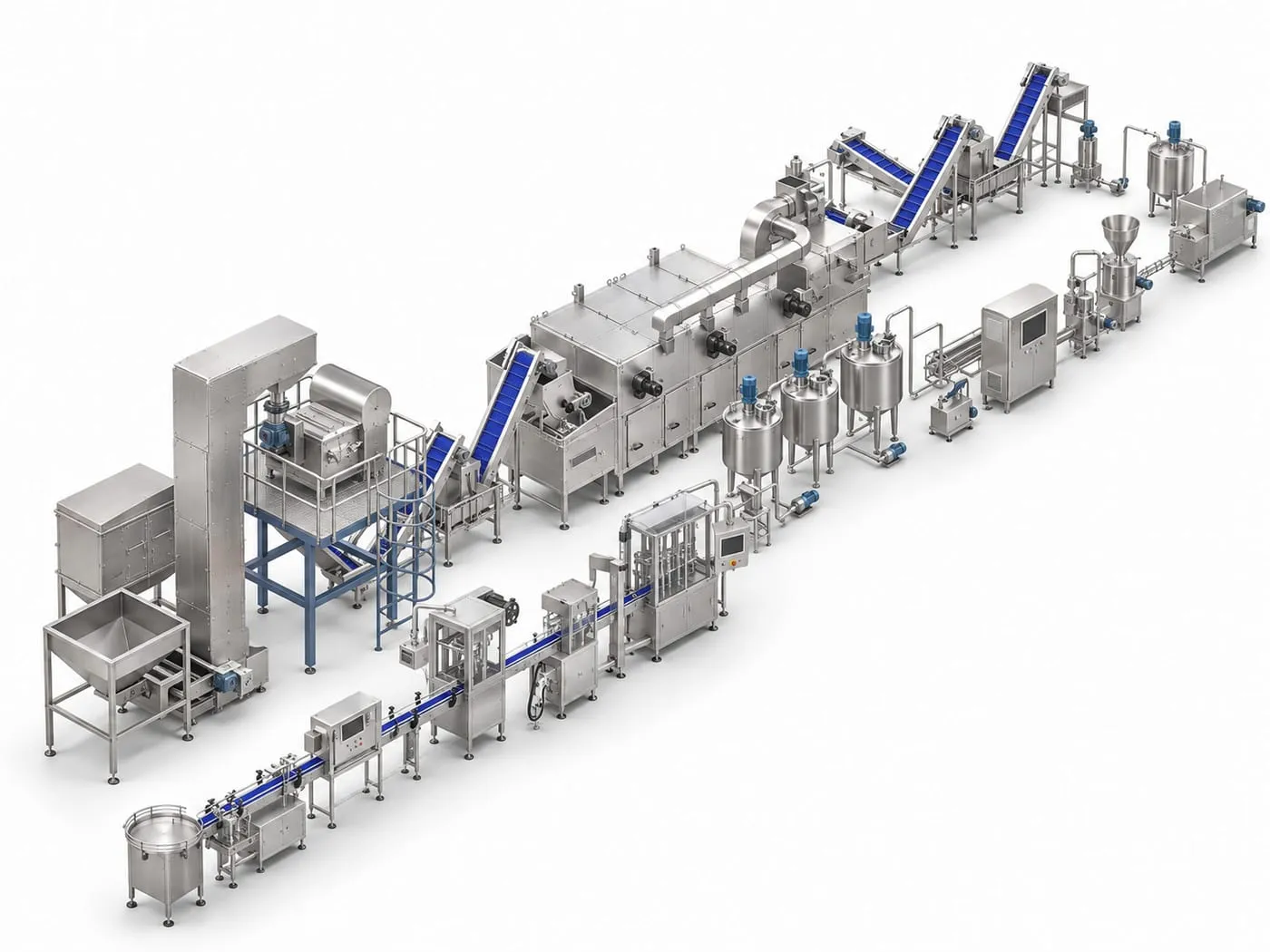
    Nut Butter Production Line

    Food companies and brand owners launching peanut butter, almond butter or nut spread products.

    Sized to roasted nut input (kg/h); output is close to input for pure nut butter

  • Dried Fruit & Nut Processing

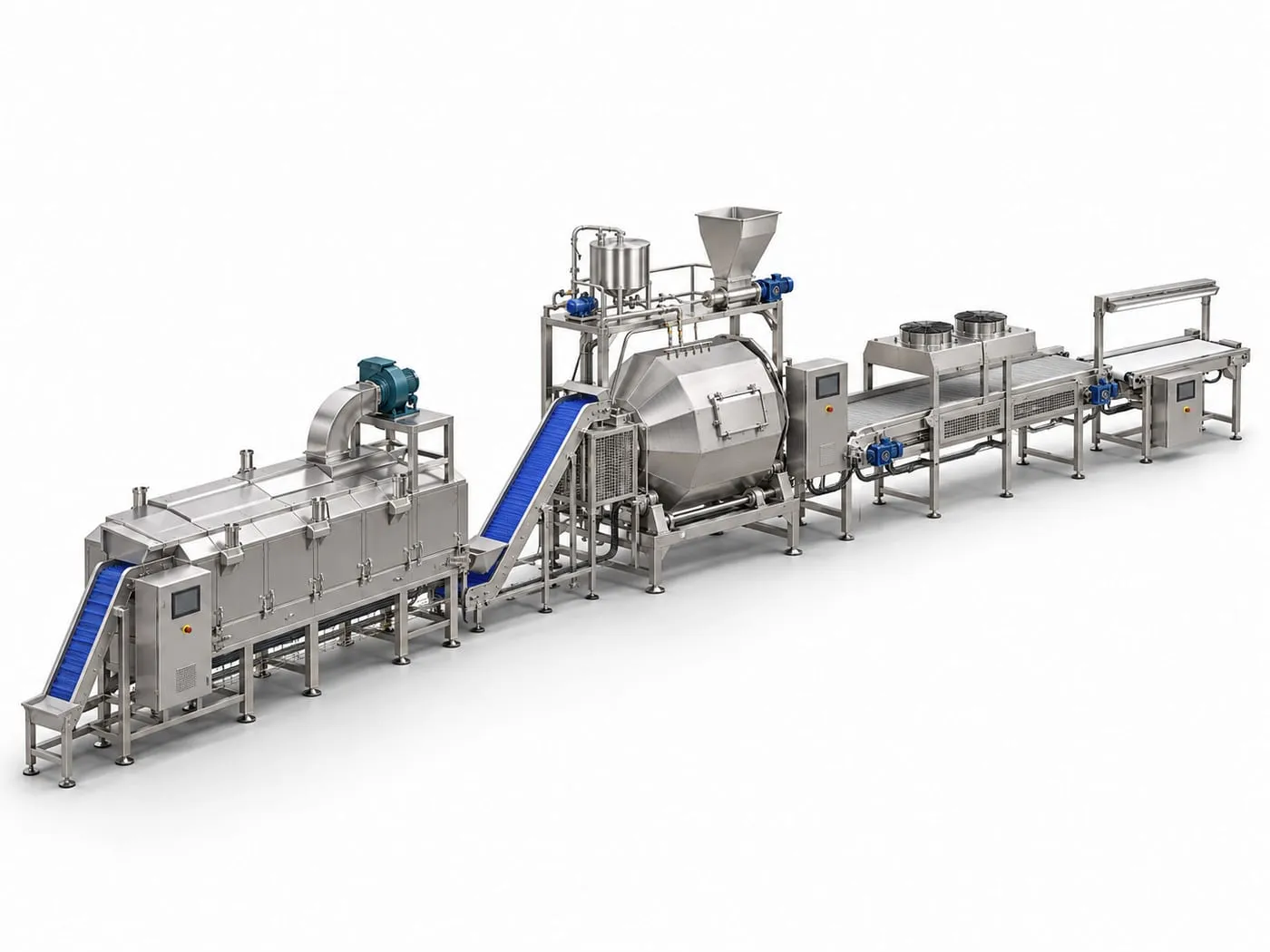
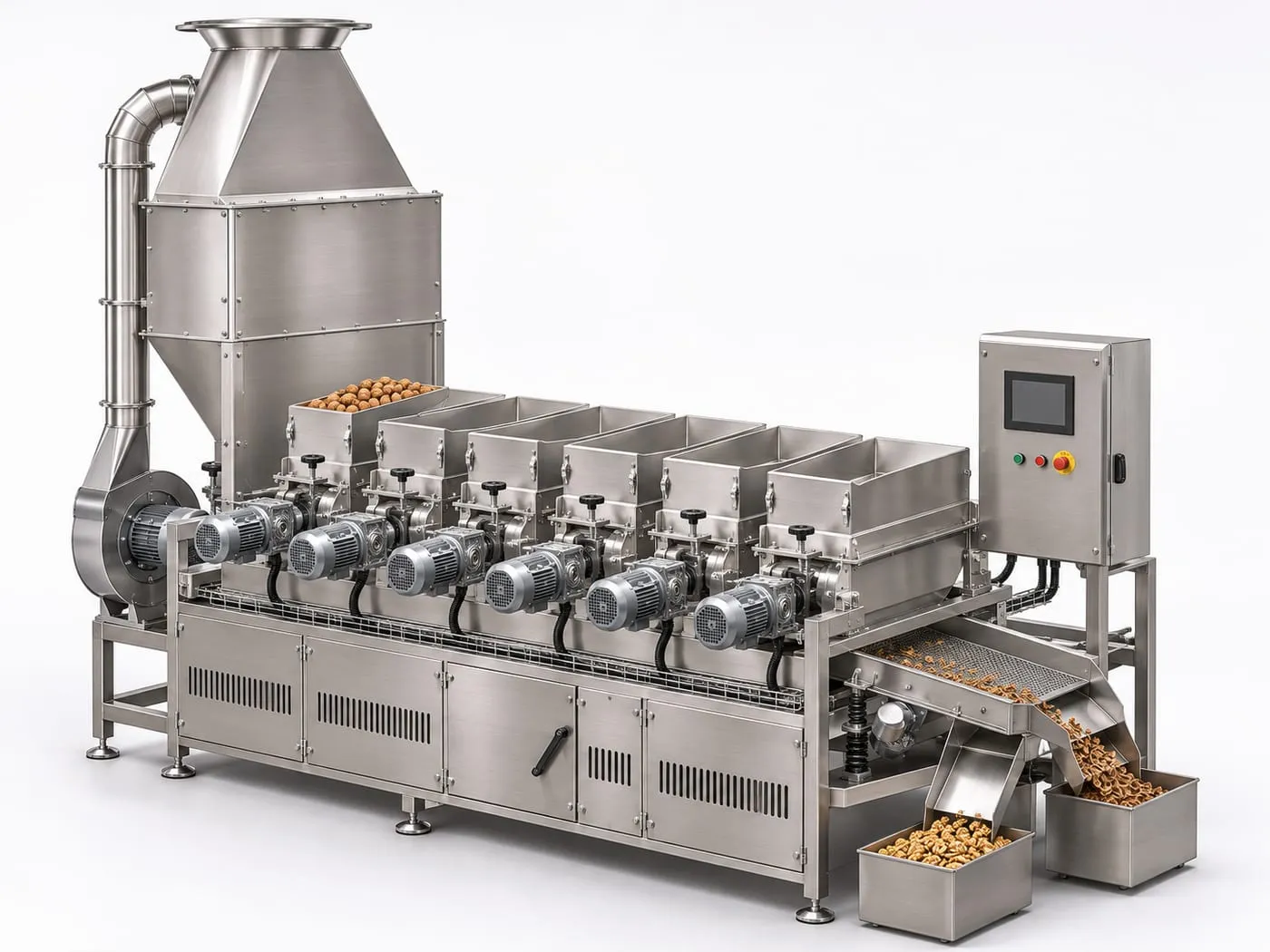
    Nut Seasoning Line

    Snack nut producers making salted, spiced, honey-roasted or coated nuts.

    Sized to roasted nut input (kg/h) plus the seasoning added

  • Dried Fruit & Nut Processing

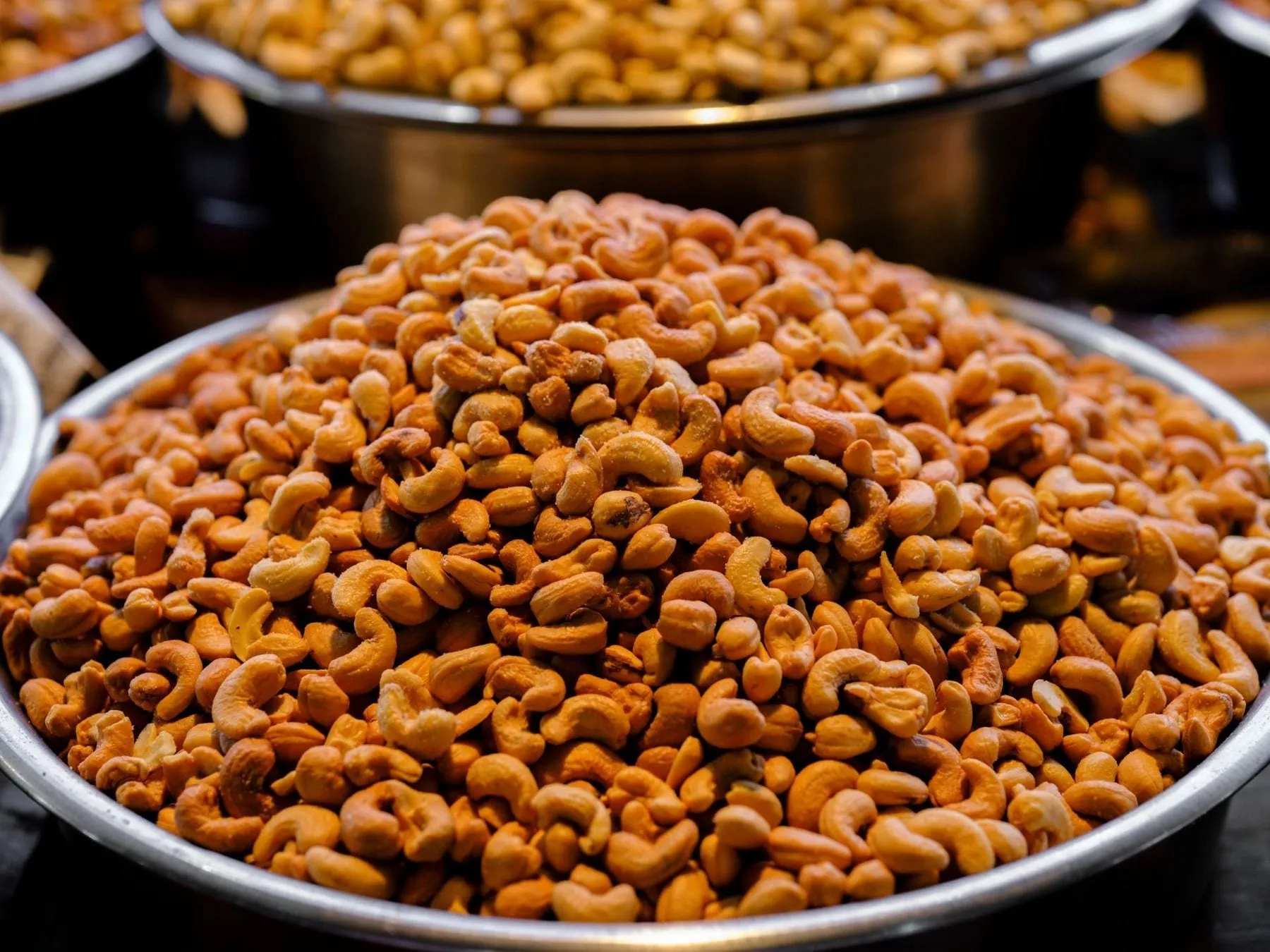
    Cashew Processing Line

    Cashew processors and exporters who want to sell kernels instead of raw nuts.

    Sized to raw cashew nut input (kg/h), at a stated nut size and moisture

Single machines

Machines you can buy on their own or add to an existing line. Each page lists the forms available and what we check before quoting.

  • Dried Fruit & Nut Processing

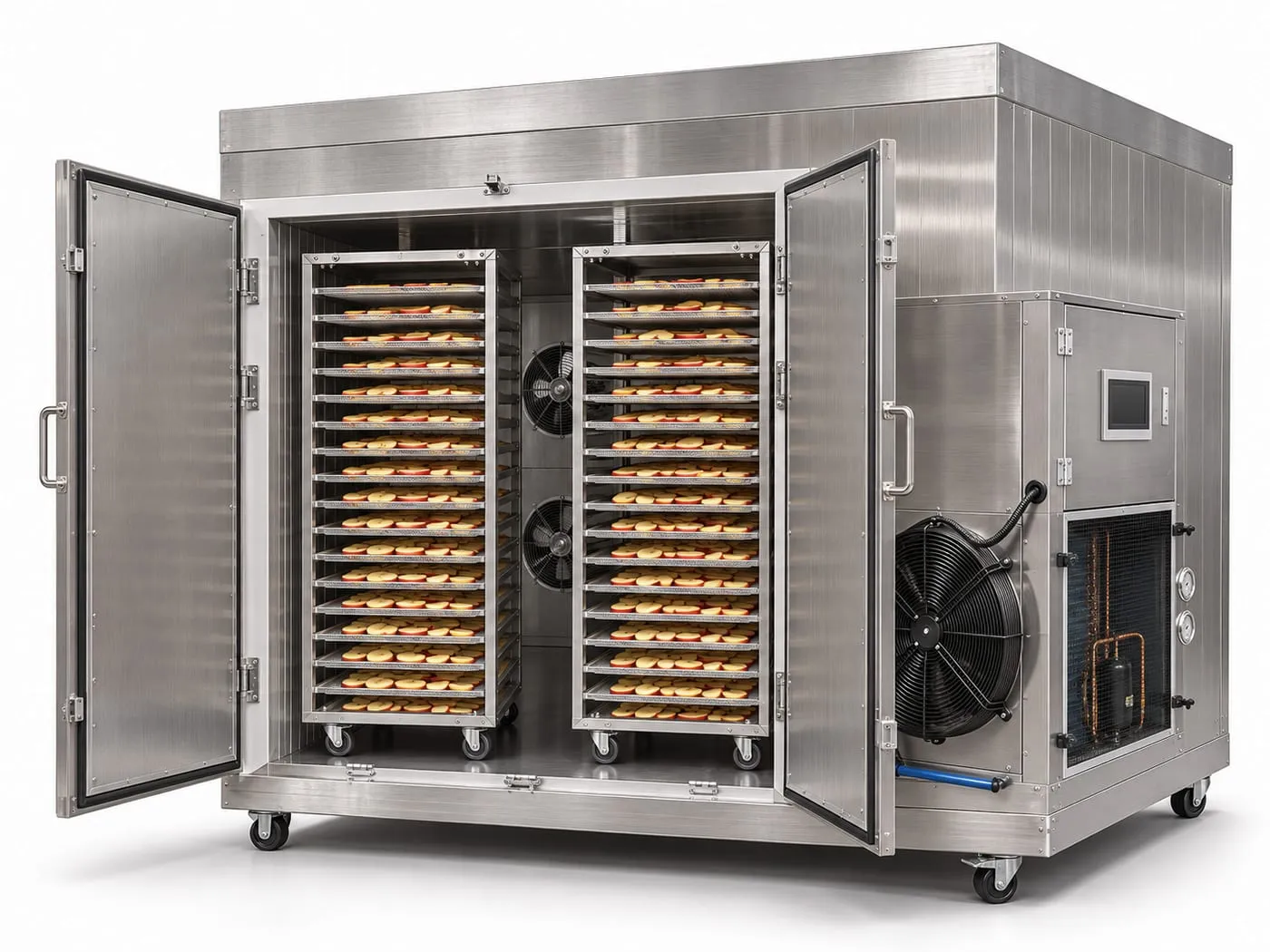
    Hot-Air Dryer

    Dried fruit, dehydrated vegetable, herb, spice and nut processors from small batches to continuous plants.

    Sized to wet product loading (kg per batch or kg/h) and the moisture to remove

  • Dried Fruit & Nut Processing

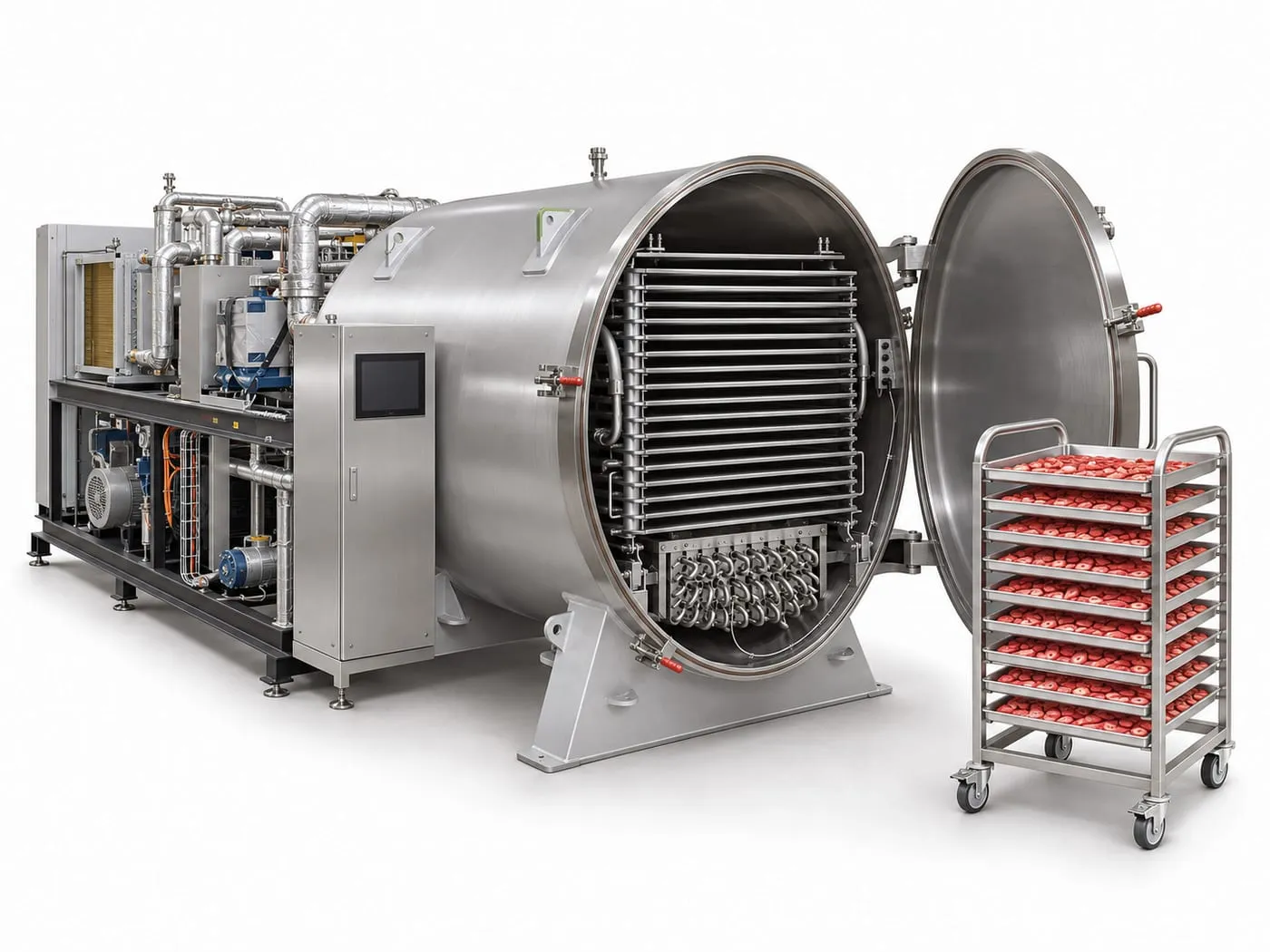
    Freeze Dryer

    Producers of freeze-dried fruit, vegetable snacks, instant food ingredients and other high-value dried products.

    Sized to fresh product loading per batch (kg or tray area) and cycle time

  • Dried Fruit & Nut Processing

    Nut Shelling Machine

    Nut processors and traders who buy in-shell nuts and sell kernels.

    Sized to in-shell nut input (kg/h), depending on nut type and size grade

  • Dried Fruit & Nut Processing

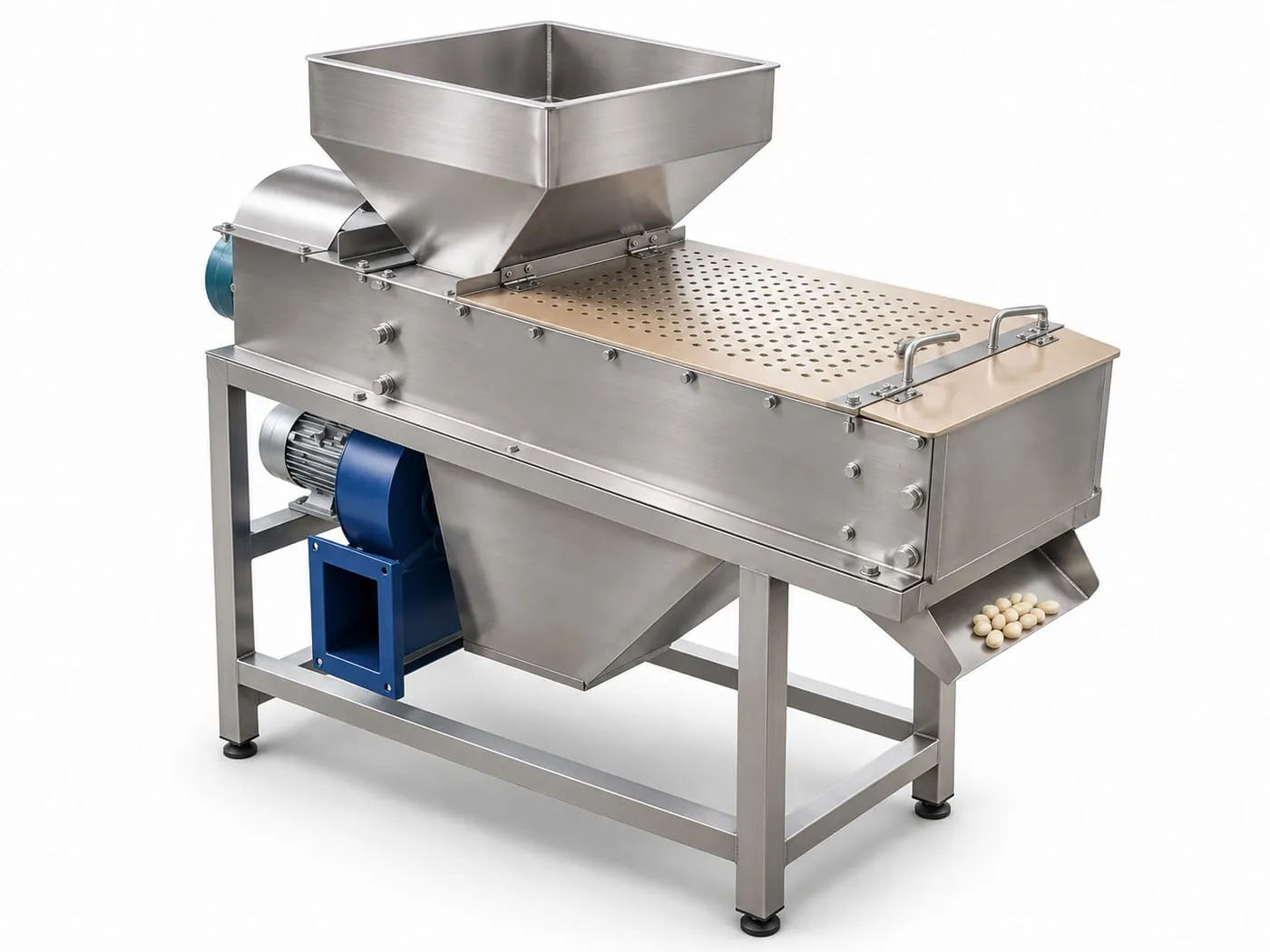
    Nut Skin Peeling Machine

    Producers of blanched peanuts, blanched almonds, nut butter and peeled nut ingredients.

    Sized to shelled nut input (kg/h)

  • Dried Fruit & Nut Processing

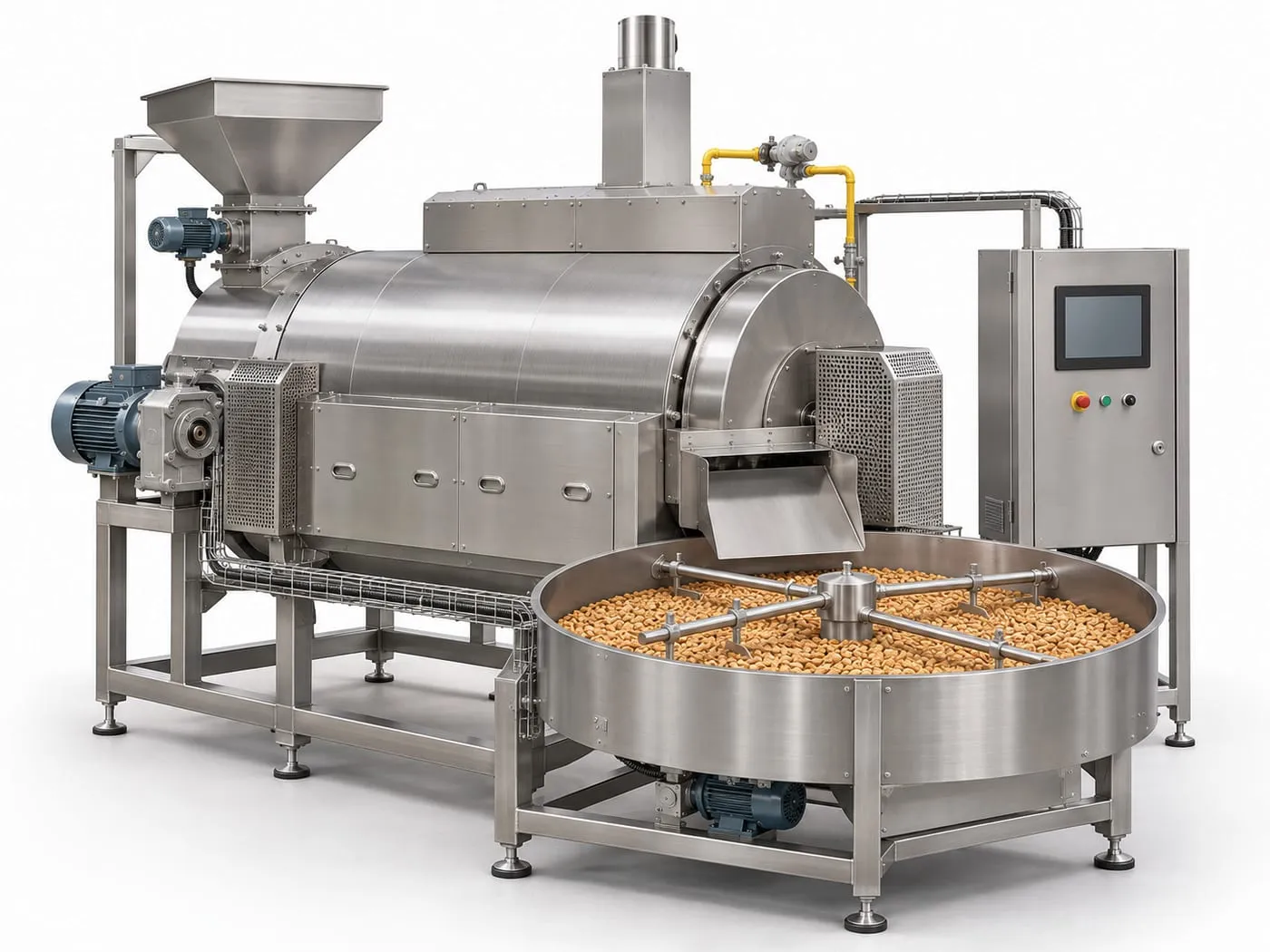
    Nut Roaster

    Snack nut, nut butter, confectionery and bakery ingredient producers.

    Sized to raw nut input per batch or per hour

  • Dried Fruit & Nut Processing

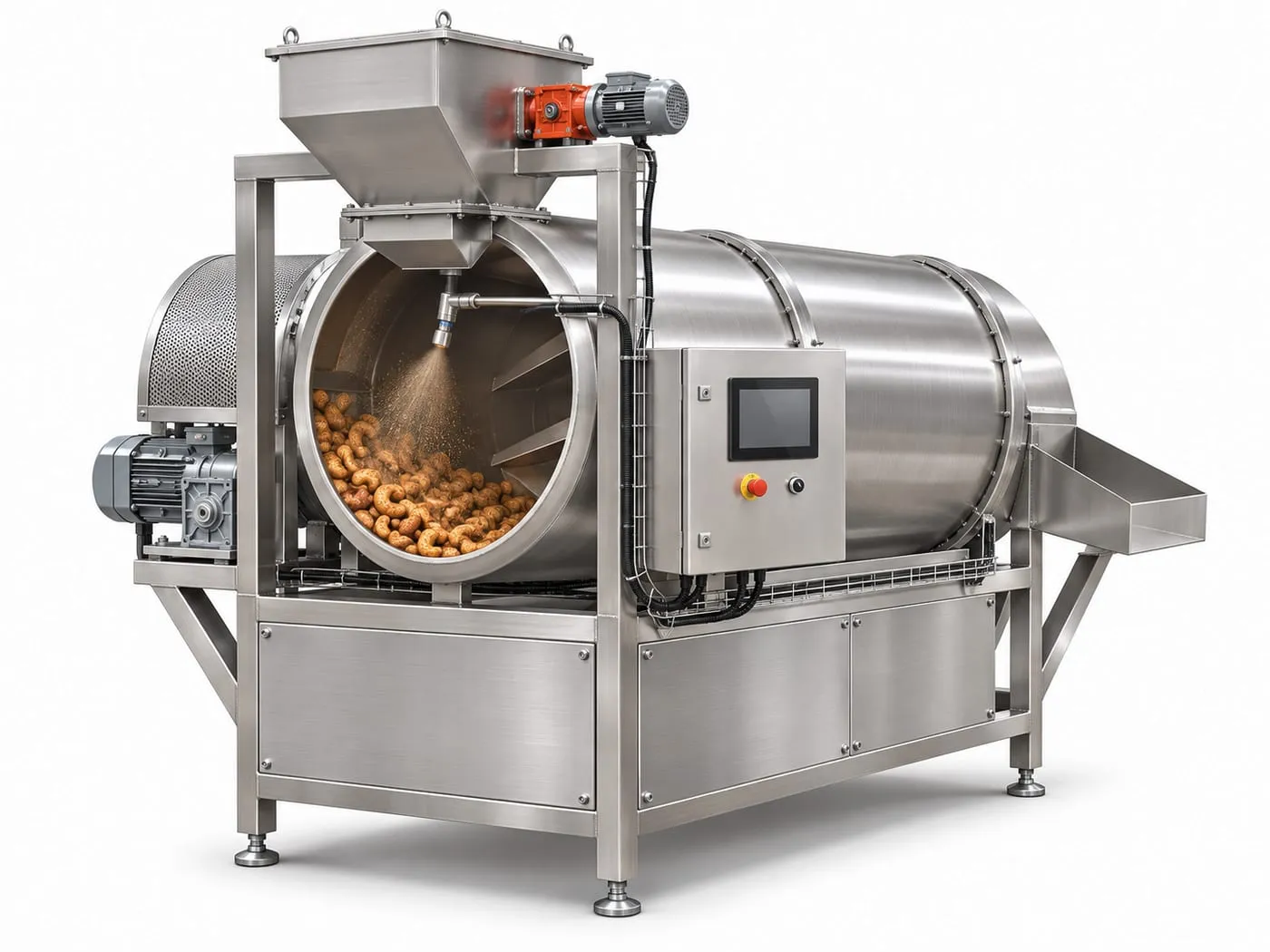
    Rotary Coating Drum

    Nut and snack producers making coated peanuts, sugar-coated nuts, seasoned snacks and layered products.

    Sized to base product input (kg per batch or kg/h) and the coating weight added

How to choose dried fruit and nut processing machines

Short answer: Choose by the product you will sell and the raw material you buy. Dried fruit and fruit chips are built around the drying method, while nut products are built around roasting and what follows it — peeling, seasoning, coating or grinding. Settle that core step first, then size the preparation and finishing machines to it.

Machines and lines in this group

Machine or line What it does Choose it when
Dried Fruit Processing Line Links washing, cutting, pre-treatment, drying and packing You are starting or scaling dried fruit or fruit chip production
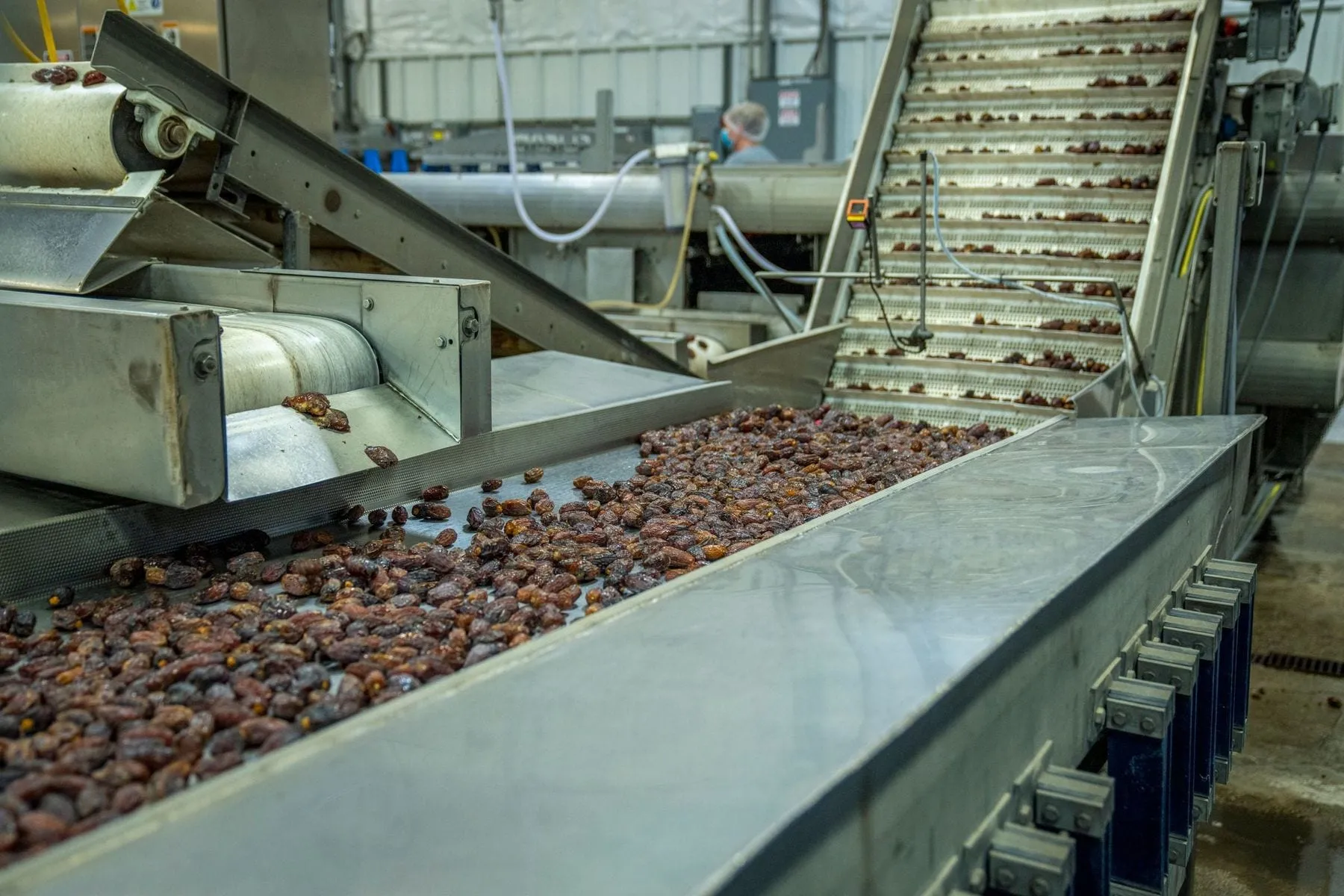
Date Processing Line Cleans, grades, pits and packs dates or turns them into paste Dates are your main raw material
Hot-Air Dryer Removes water with heated air in batch or continuous form You make conventional dried fruit, vegetables, herbs or nuts
Freeze Dryer Dries frozen product under vacuum Shape, colour and rehydration justify a higher-value product
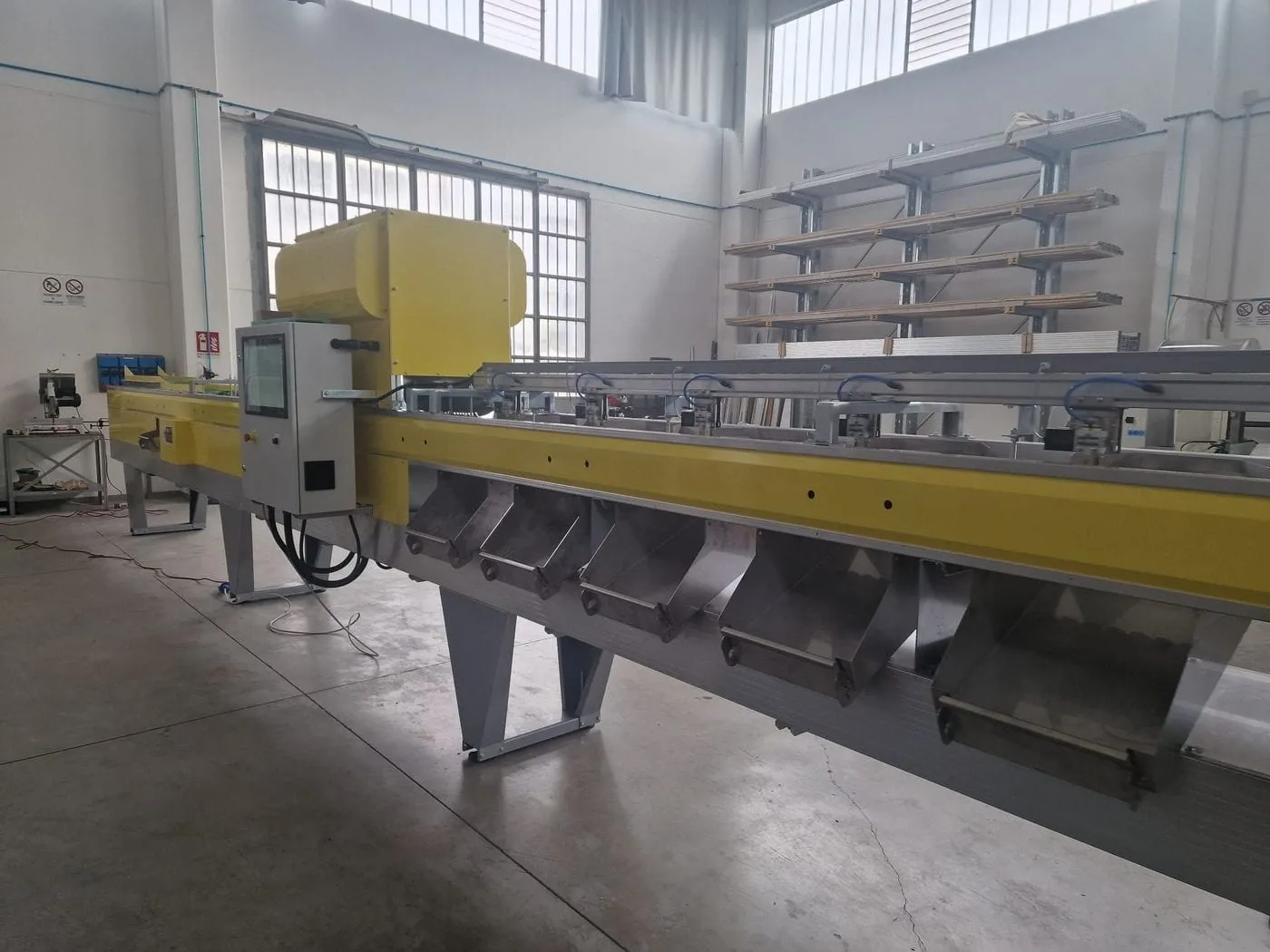
Nut Shelling Machine Cracks shells and separates kernels You buy in-shell nuts and sell kernels
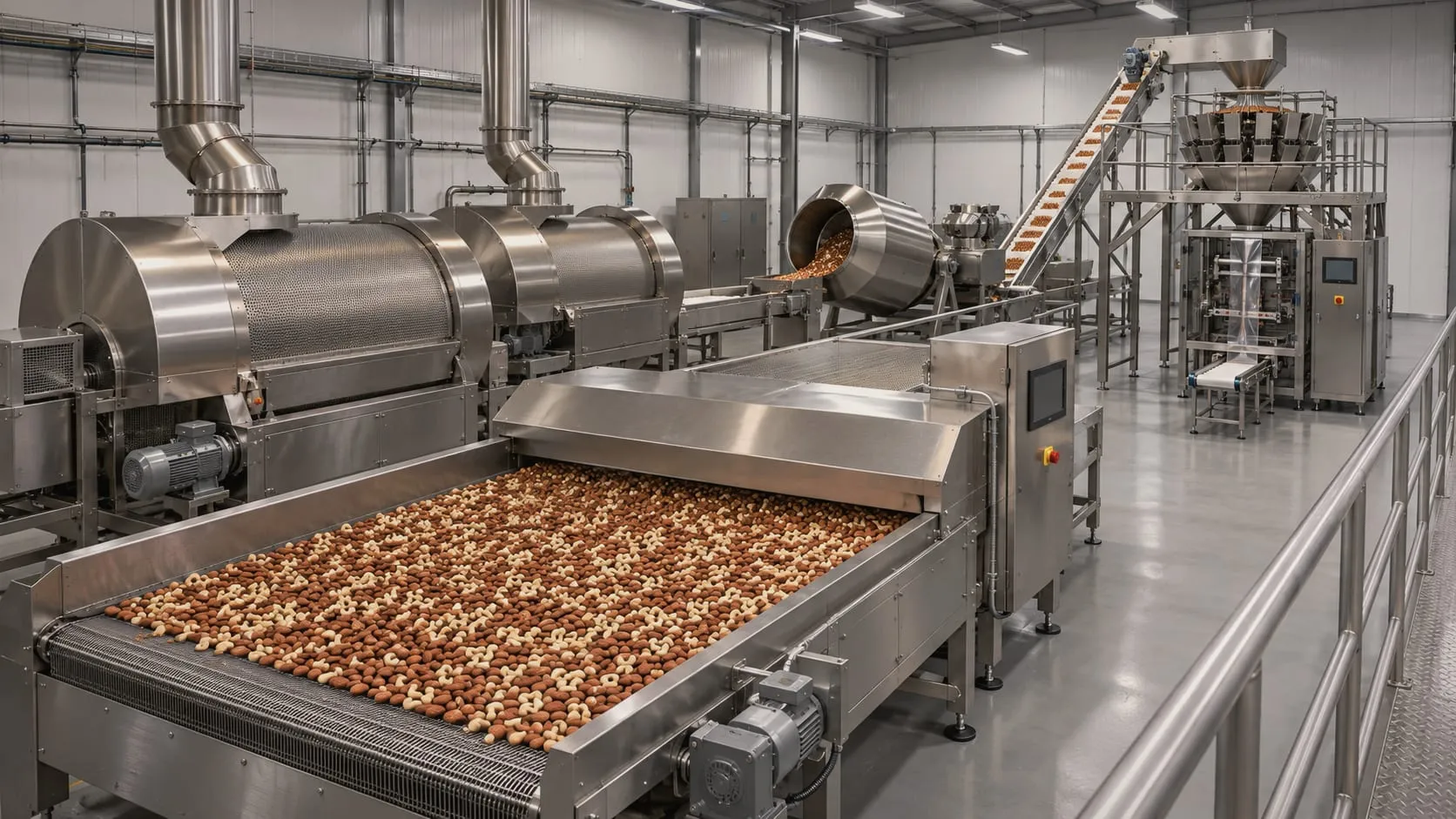
Nut Roaster Roasts nuts and seeds to a set colour and flavour Roasted nuts are sold directly or feed peeling, seasoning or grinding
Nut Skin Peeling Machine Removes the thin skin by dry or wet methods You sell blanched kernels or make light-coloured nut butter
Nut Seasoning Line Applies oil, salt, spices or syrup coatings You sell flavoured snack nuts
Rotary Coating Drum Builds up layers of batter, sugar or powder on nuts and snacks You make coated peanuts or layered products
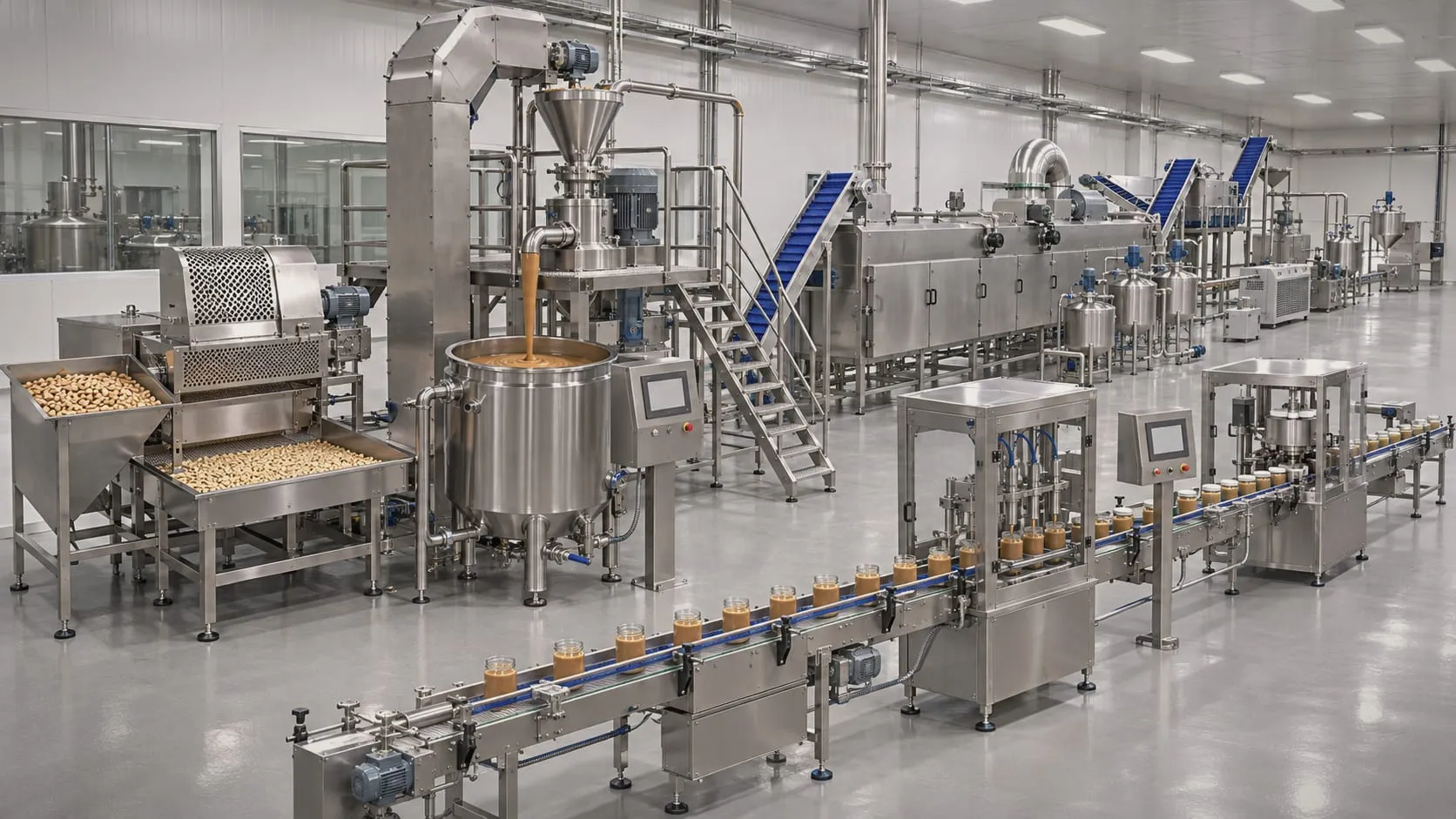
Nut Butter Production Line Roasts, cools, peels, grinds, mixes and fills nut pastes You are launching peanut, almond or other nut butters

How to choose

  1. Fix the finished product. Soft dried fruit, crisp fruit chips, freeze-dried pieces, salted nuts, coated nuts and nut butter each lead to a different core machine.
  2. Choose the core process. For fruit, that is the drying method: hot air for most conventional products, freeze drying where the premium product justifies the energy and cycle time. For nuts, it is the roast: batch or continuous, and the cooling that must follow it.
  3. Convert your sales target to the right basis. Fruit lines are sized on fresh input because drying removes most of the weight. Nut lines are usually sized on raw nut input, with some loss in roasting and peeling.
  4. Size the bottleneck. In fruit plants this is almost always the dryer; in nut plants it is often the roaster and its cooler. Size preparation equipment so the bottleneck never waits.
  5. Add finishing steps one at a time. Peeling, seasoning, coating and grinding can come later if you leave space and conveyor connections.
  6. Plan moisture and hygiene control. Dried products pick up moisture after drying, and roasted nuts need clean handling, so packing should follow quickly in a dry, separate area.

Common mistakes

  • Choosing a dryer by tray count or chamber size without knowing the fresh load and drying time for your product.
  • Buying a large roaster and a small cooler, so hot nuts wait and keep cooking.
  • Treating freeze drying as a faster form of hot-air drying; it is a different product with different costs.
  • Running nut and fruit products through shared equipment without an allergen cleaning plan.

For complete plants, see the dried fruit plant, the roasted and seasoned nut plant and the nut butter plant.

Questions about this equipment group

  1. Can the same plant handle dried fruit and nuts?

    Some equipment can be shared — hot-air dryers, conveyors, sorting tables and packing machines — but the core stations differ. Fruit needs washing, cutting and pre-treatment before drying; nuts need shelling, roasting, cooling and often peeling or seasoning. If you plan both, keep the wet fruit preparation area apart from dry nut handling and plan allergen control for the nut side from the start.

  2. Should capacity be quoted on fresh fruit, raw nuts or finished product?

    Ask which basis each quote uses. Dryers and freeze dryers are usually sized on the fresh or prepared wet load, roasters on raw nut input, and packing on finished weight. Because drying removes most of the water and roasting removes some, the same plant can look very different depending on the basis. We state the basis for every station so the line balances.

  3. What utilities should I check before choosing a dryer or roaster?

    Confirm the heat source you can use (electricity, gas, steam or biomass), the electrical supply for vacuum pumps and refrigeration if you consider freeze drying, exhaust routes for moist air and roasting fumes, and space for cooling after roasting. These often decide between two otherwise suitable machines.

Sources

  1. [1]Processing Tree Nuts— Institute of Food Technologists
  2. [2]Fruit and vegetable processing (FAO Agricultural Services Bulletin 119)— Food and Agriculture Organization of the United Nations

Tell us about your project

Share your raw material, finished product, target output and site — our engineers reply with a matching line configuration.

Request a quote →

What to send with your inquiry

  1. 1Raw material and its condition
  2. 2Finished product and packaging
  3. 3Target output — raw input or finished product
  4. 4Site photos, power supply, utilities
WhatsAppRequest a quote