Beverage, Dairy & Sauce
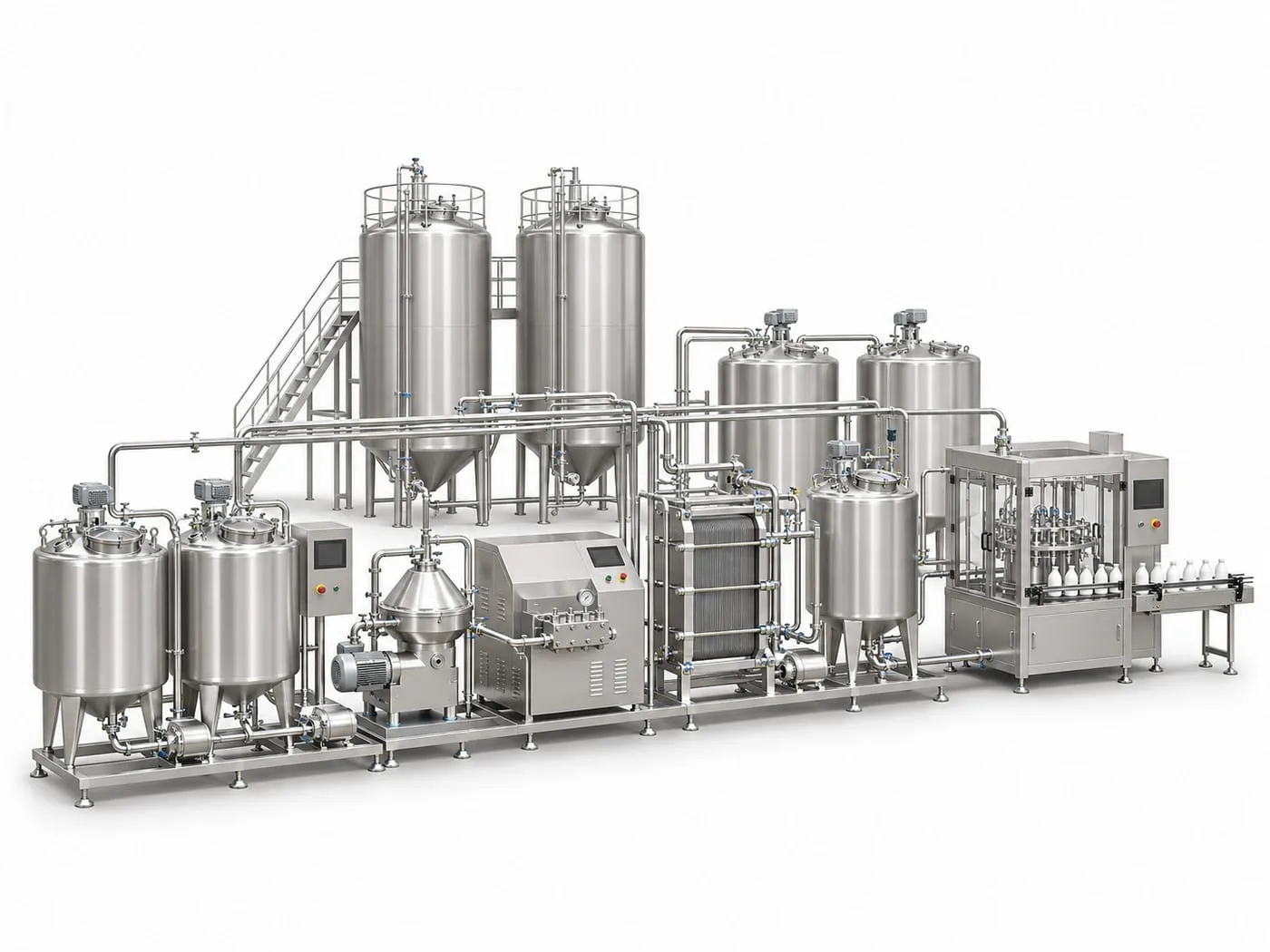
Dairy Processing Line
Dairies, cooperatives and investors starting or expanding fresh milk, yogurt or long-life milk production.
Sized to raw milk received per day and finished product filled per hour

Equipment group 07
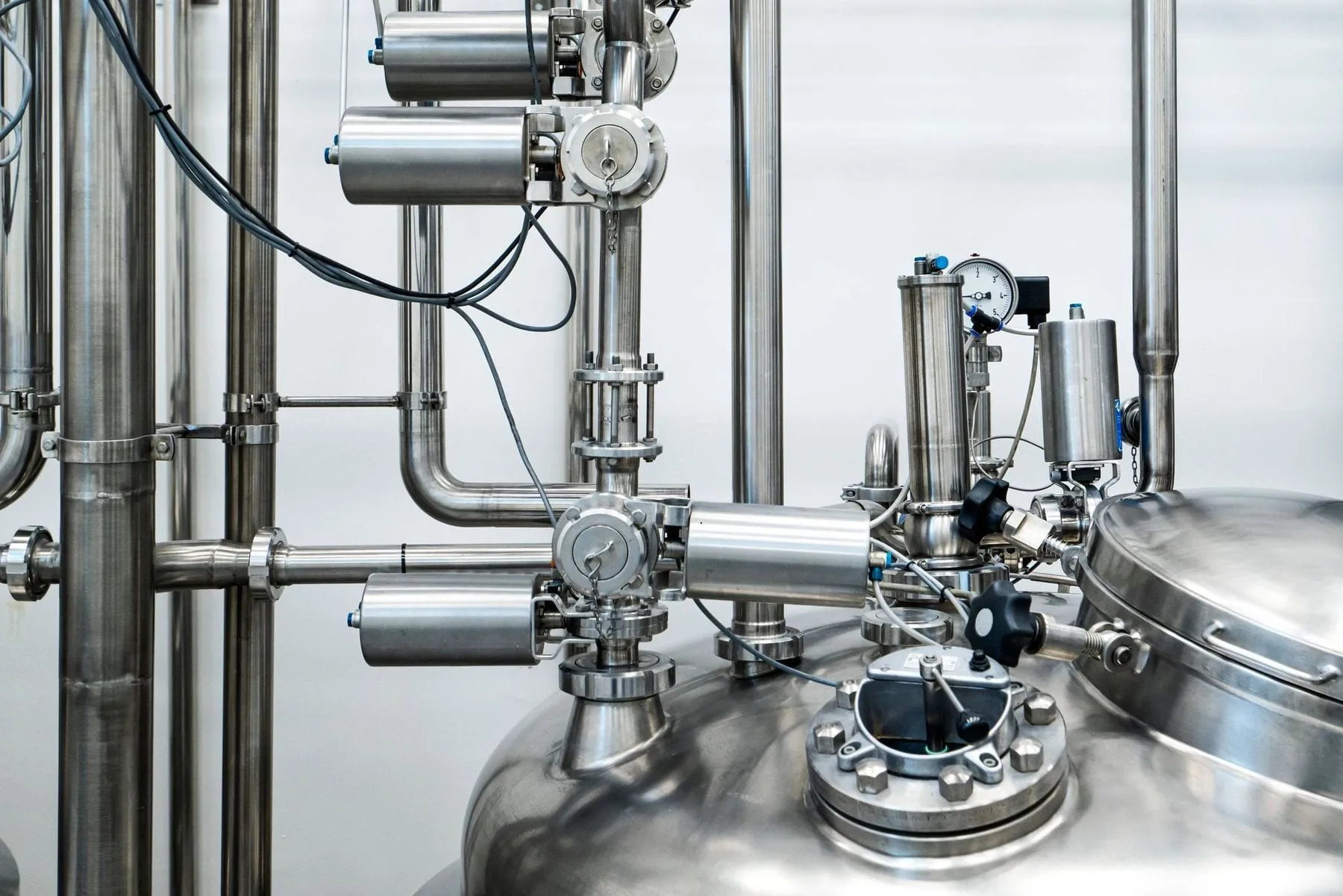
Mixing, cooking, homogenising and heat-treatment equipment and liquid processing lines for juice, dairy, soy products and sauces.
Complete lines combine several machines with conveyors and controls. Station count and sizes follow your product and target output.
Beverage, Dairy & Sauce
Dairies, cooperatives and investors starting or expanding fresh milk, yogurt or long-life milk production.
Sized to raw milk received per day and finished product filled per hour
Beverage, Dairy & Sauce
Fruit processors, beverage start-ups and contract packers making juices, nectars or blended drinks.
Sized to finished beverage filled per hour, with fruit input calculated from your yield
Beverage, Dairy & Sauce
Food companies, brand owners and contract packers producing chilli, tomato or compound seasoning sauces.
Sized to finished sauce filled per hour or per batch (kg)
Beverage, Dairy & Sauce
Soy food workshops scaling up, plant-based drink brands and tofu factories supplying retail or food service.
Sized to dry soybean input (kg/h) and the finished product it turns into
Machines you can buy on their own or add to an existing line. Each page lists the forms available and what we check before quoting.
Beverage, Dairy & Sauce
Dairies, juice and beverage plants and sauce makers that need controlled, recorded heat treatment.
Sized to product flow (L/h) for continuous units, or batch volume for tank and in-pack units
Beverage, Dairy & Sauce
Dairies, plant-based drink makers, juice plants and sauce producers who need stable emulsions.
Sized to product flow (L/h) at the required homogenising pressure or shear
Beverage, Dairy & Sauce
Producers of canned foods, ready meals in pouches, sauces in jars and shelf-stable drinks.
Sized to containers per batch, set by pack size, basket loading and cycle time
Beverage, Dairy & Sauce
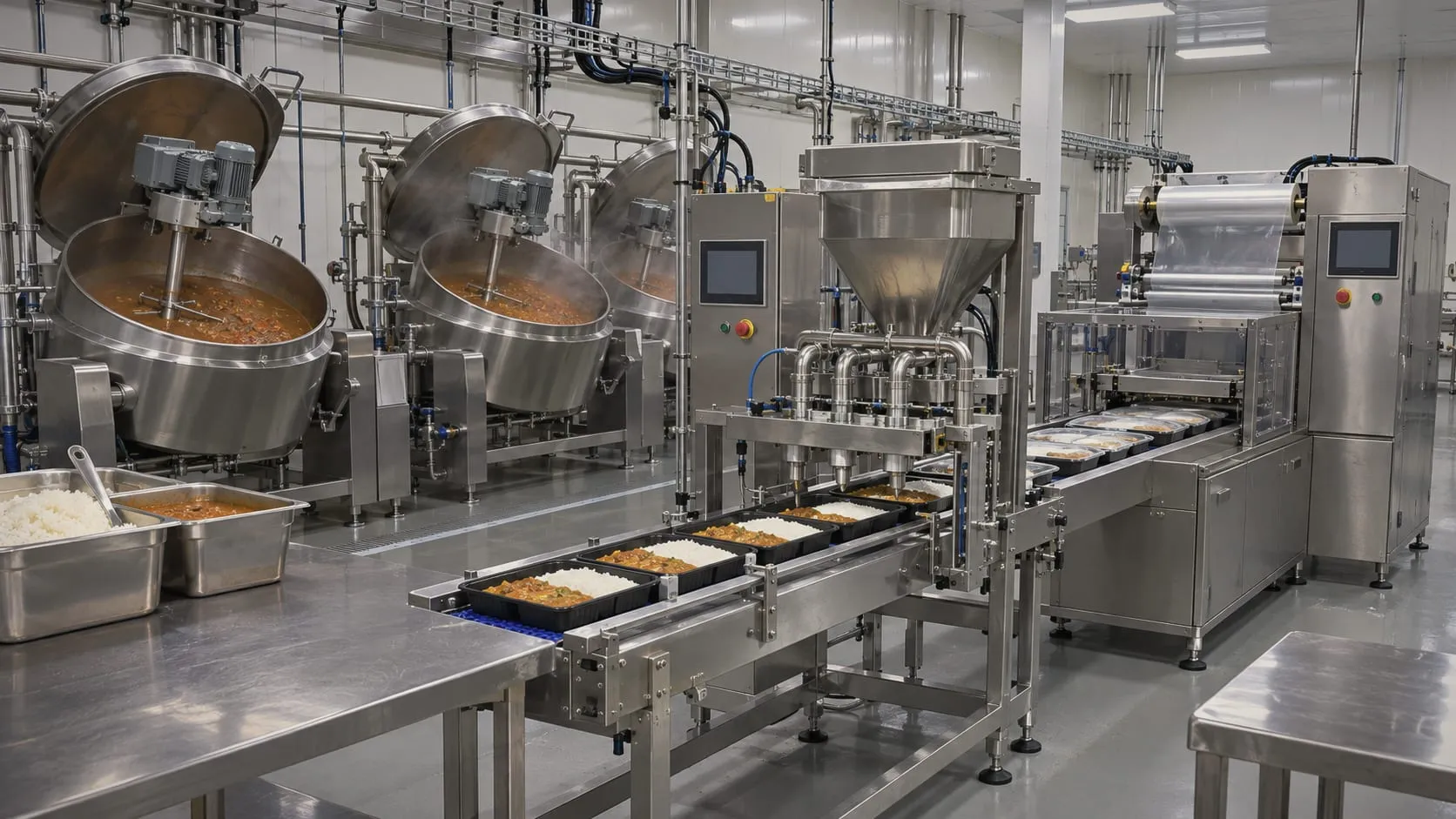
Sauce, jam, soup base and filling producers, central kitchens and ready-meal plants.
Sized to working volume per batch (L), below the kettle total volume
Beverage, Dairy & Sauce
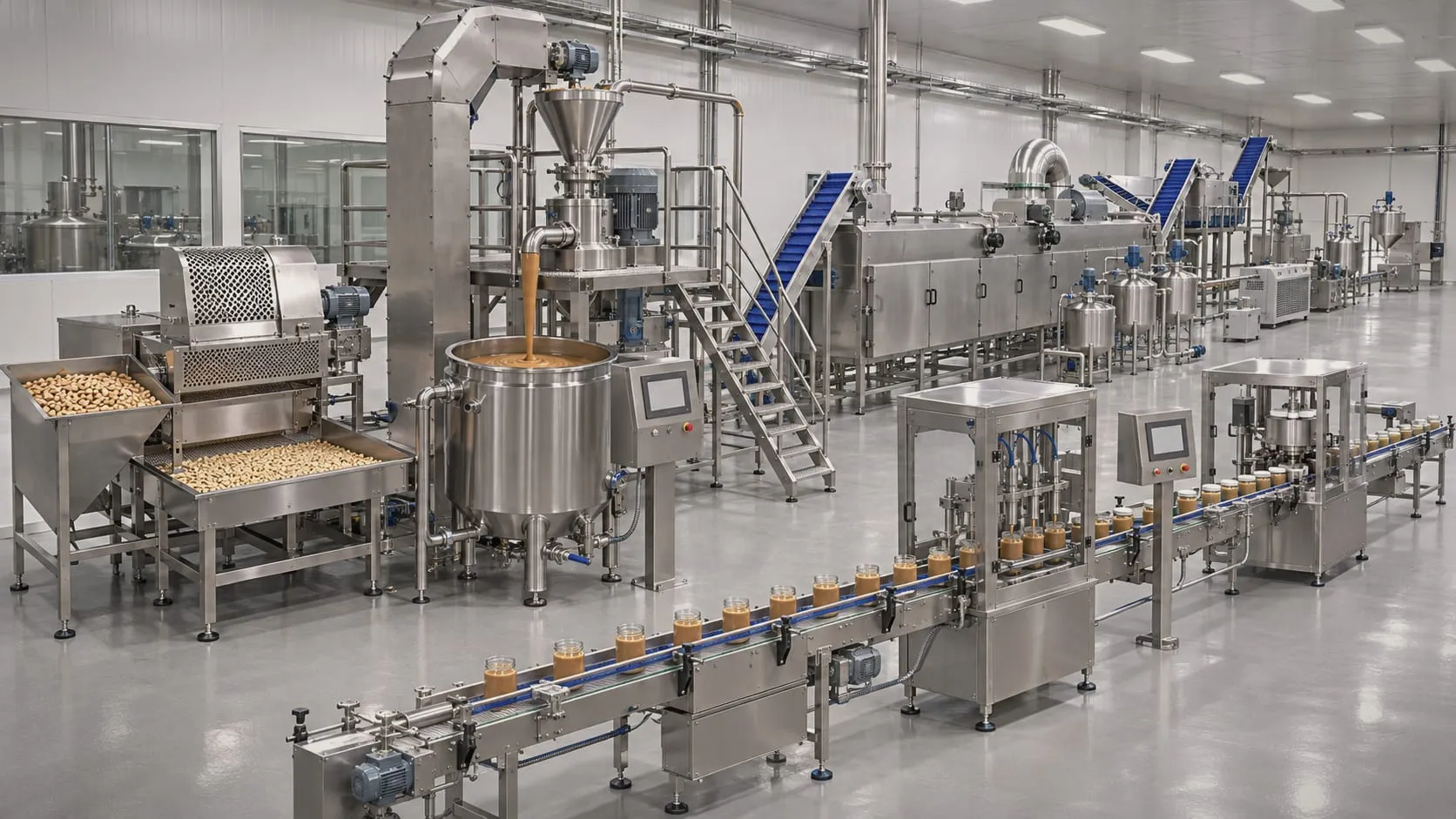
Nut butter, sesame paste, chilli sauce and seasoning paste producers who need a smooth texture.
Sized to product flow (kg/h) at the target fineness for your recipe
Short answer: Start from the product, its shelf life and the market it is sold in: chilled or ambient, thin or thick, with or without pieces. That sets the heat treatment and filling route, and the heat treatment step — pasteuriser, retort or cooking kettle — usually decides how the rest of the line is sized.
| Machine or line | What it does | Choose it when |
|---|---|---|
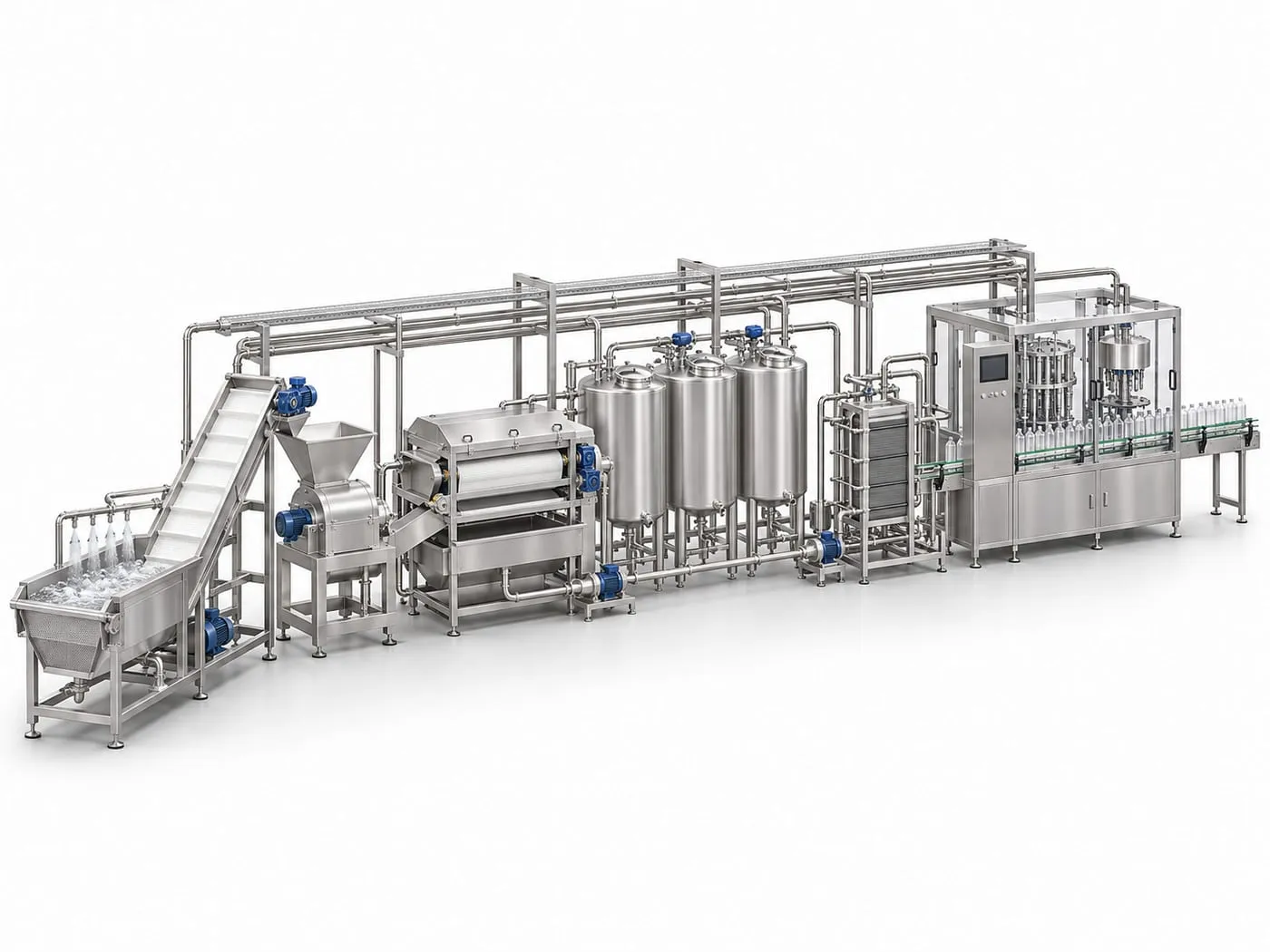
| Juice and Beverage Processing Line | Extracts or blends, treats, heats and fills juices and drinks | You make juices, nectars or blended drinks |
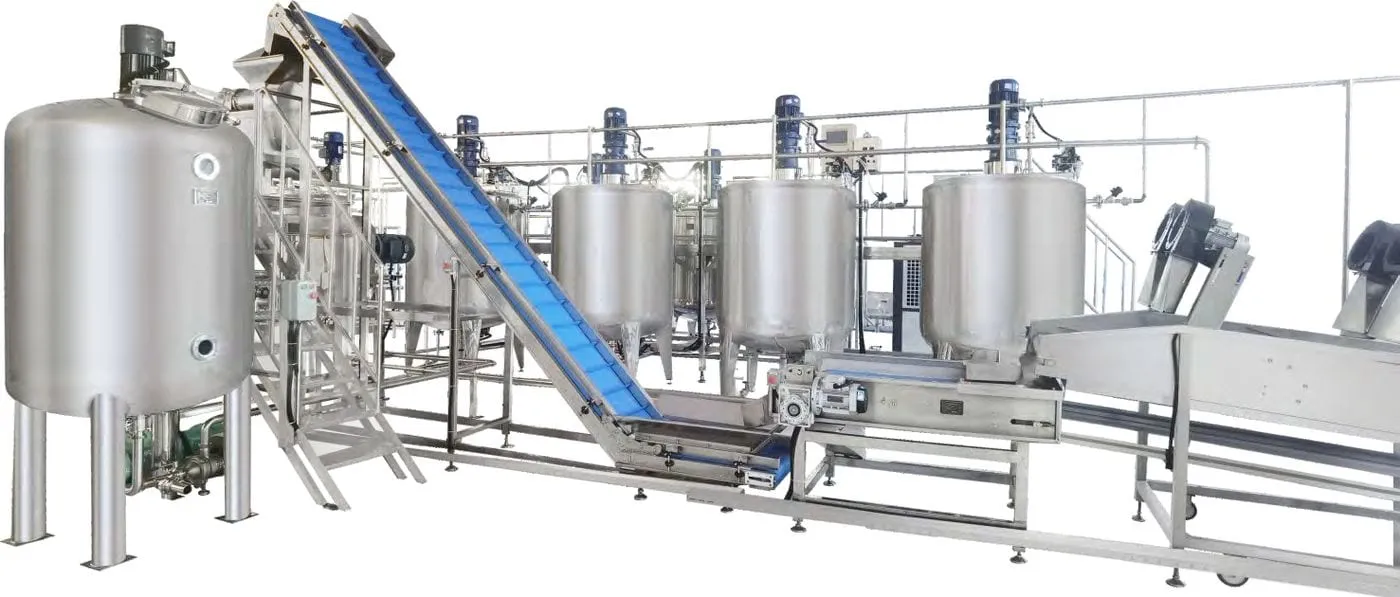
| Dairy Processing Line | Receives, standardises, heats, cultures and fills milk products | You make fresh milk, yogurt or long-life milk |
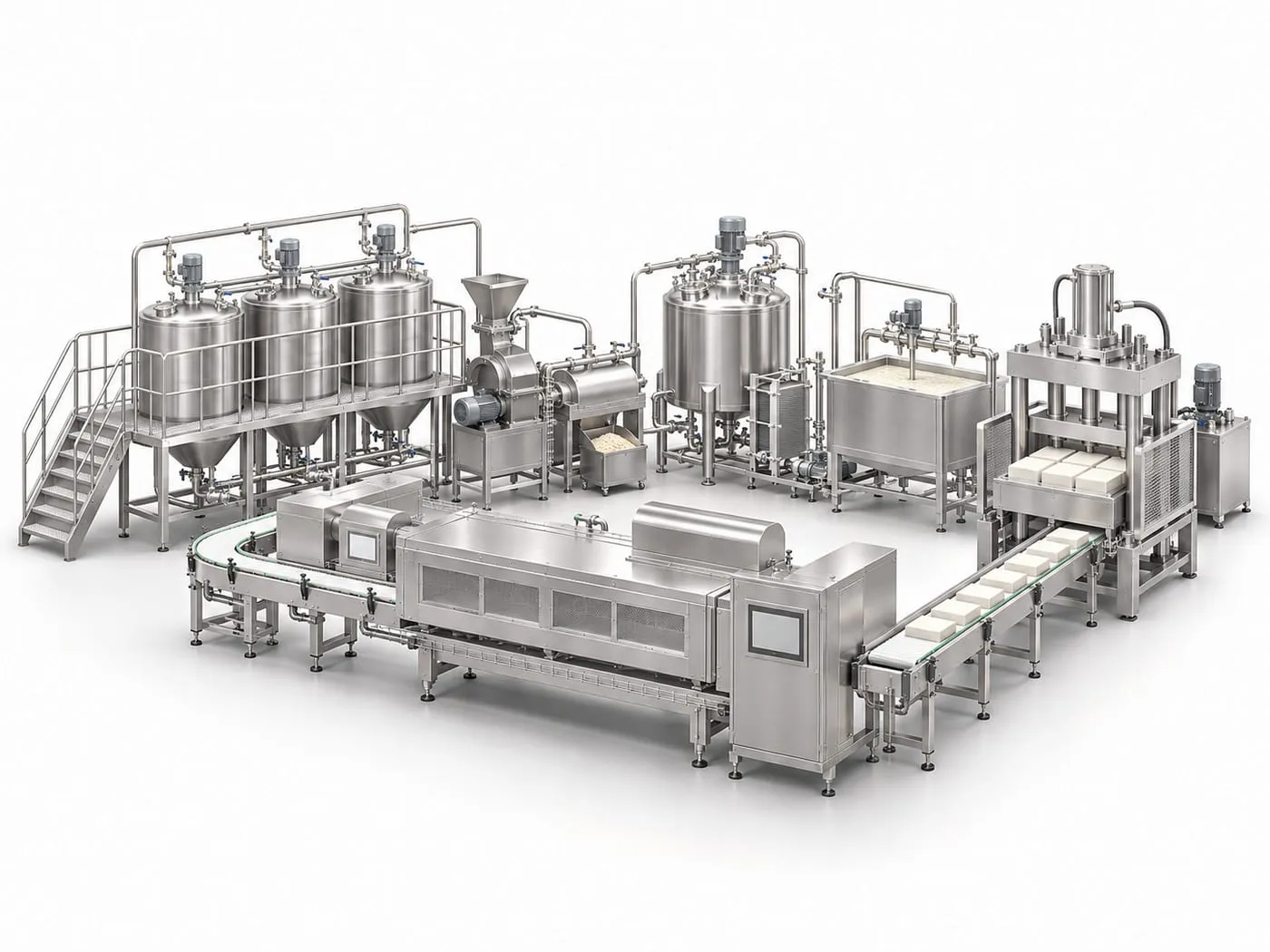
| Soy Milk and Tofu Processing Line | Soaks and grinds beans, cooks soy milk and forms tofu | You make soy drinks, tofu or both |
| Sauce Processing Line | Prepares, cooks, mixes and fills sauces | You make chilli, tomato or seasoning sauces |
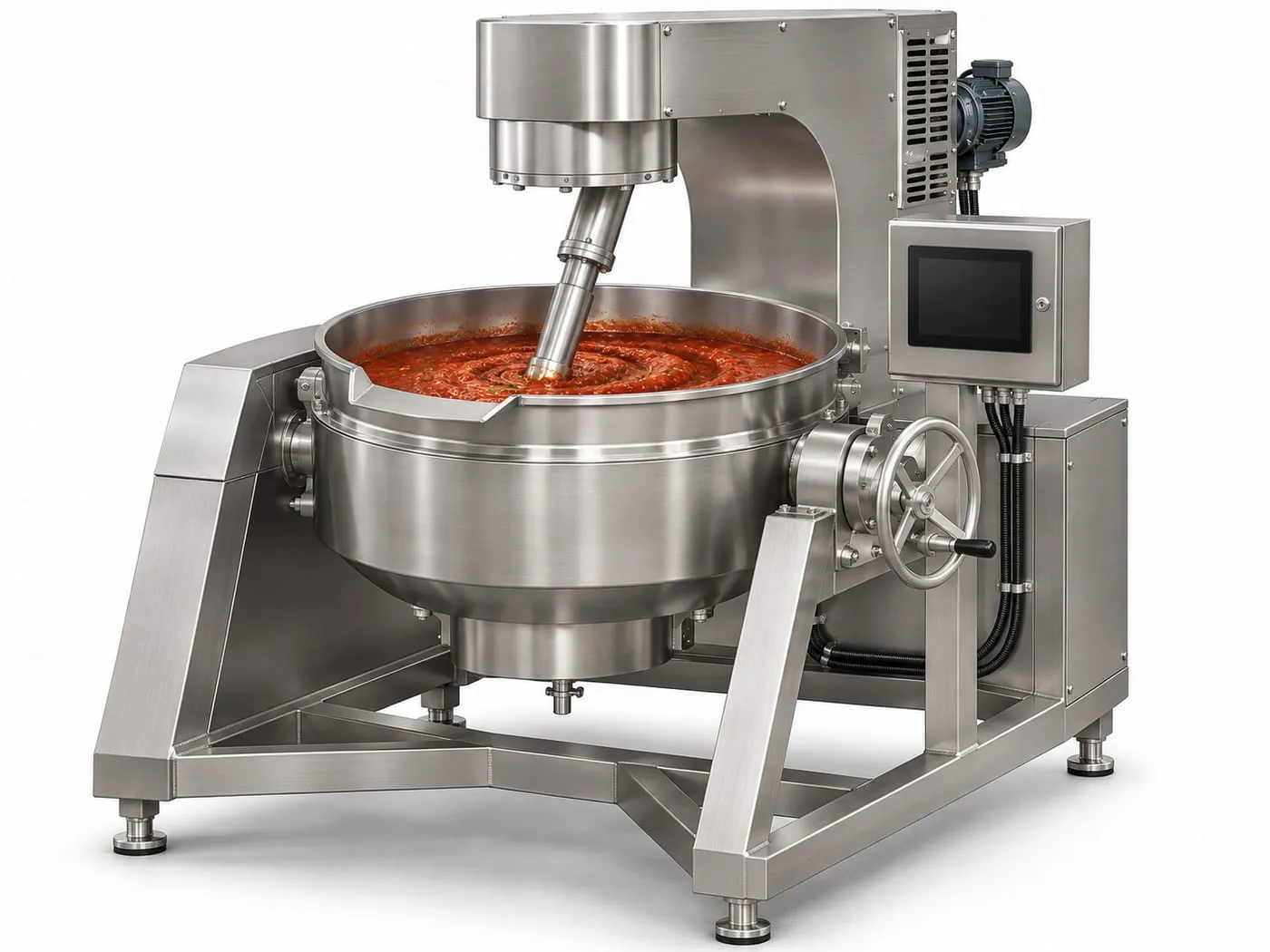
| Jacketed Cooking Kettle | Cooks and stirs batches with an indirect heating jacket | You cook sauces, jams, fillings or soup bases in batches |
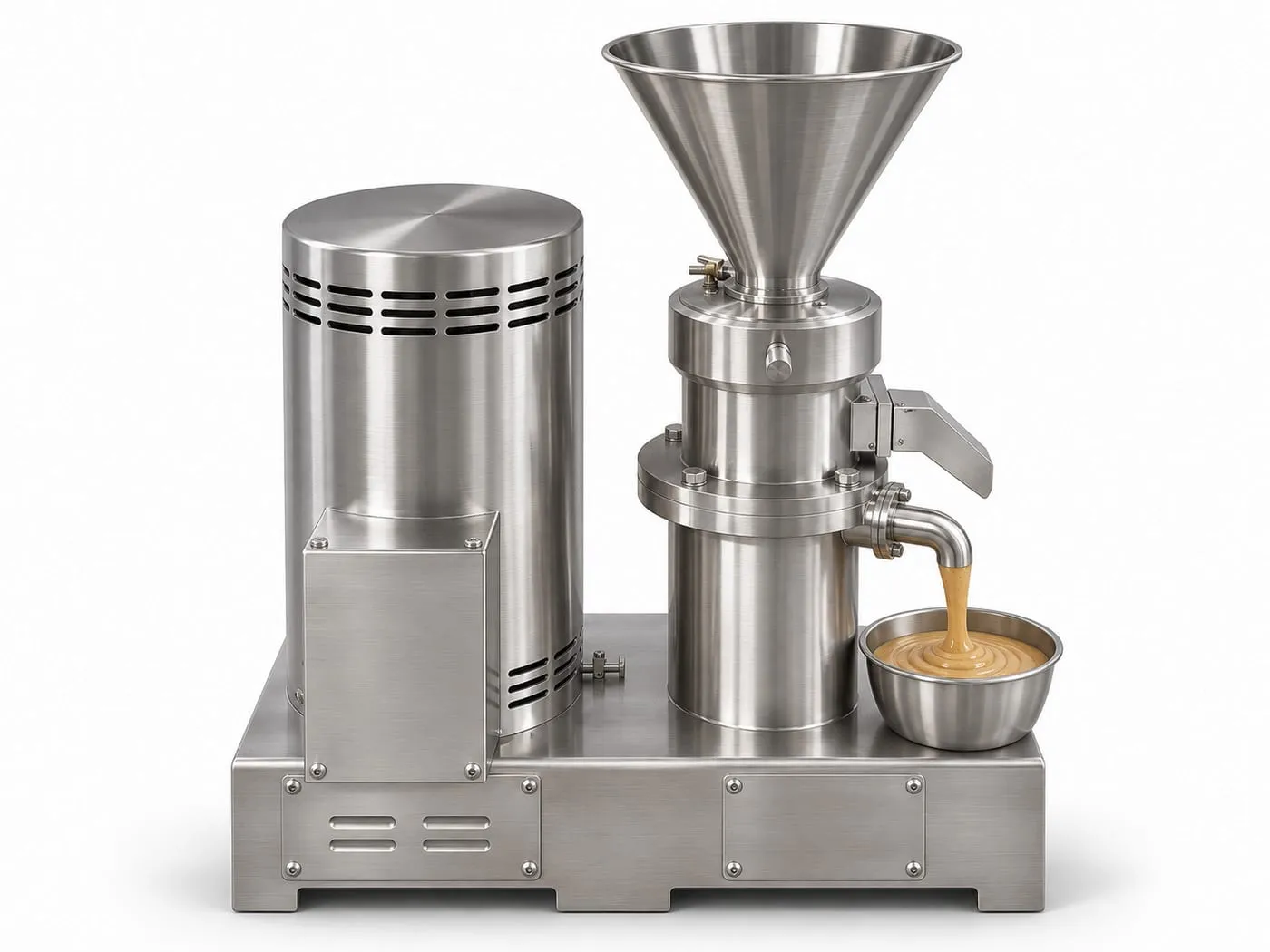
| Colloid Mill | Grinds wet products into fine pastes | You need smooth nut pastes, sesame paste or sauces |
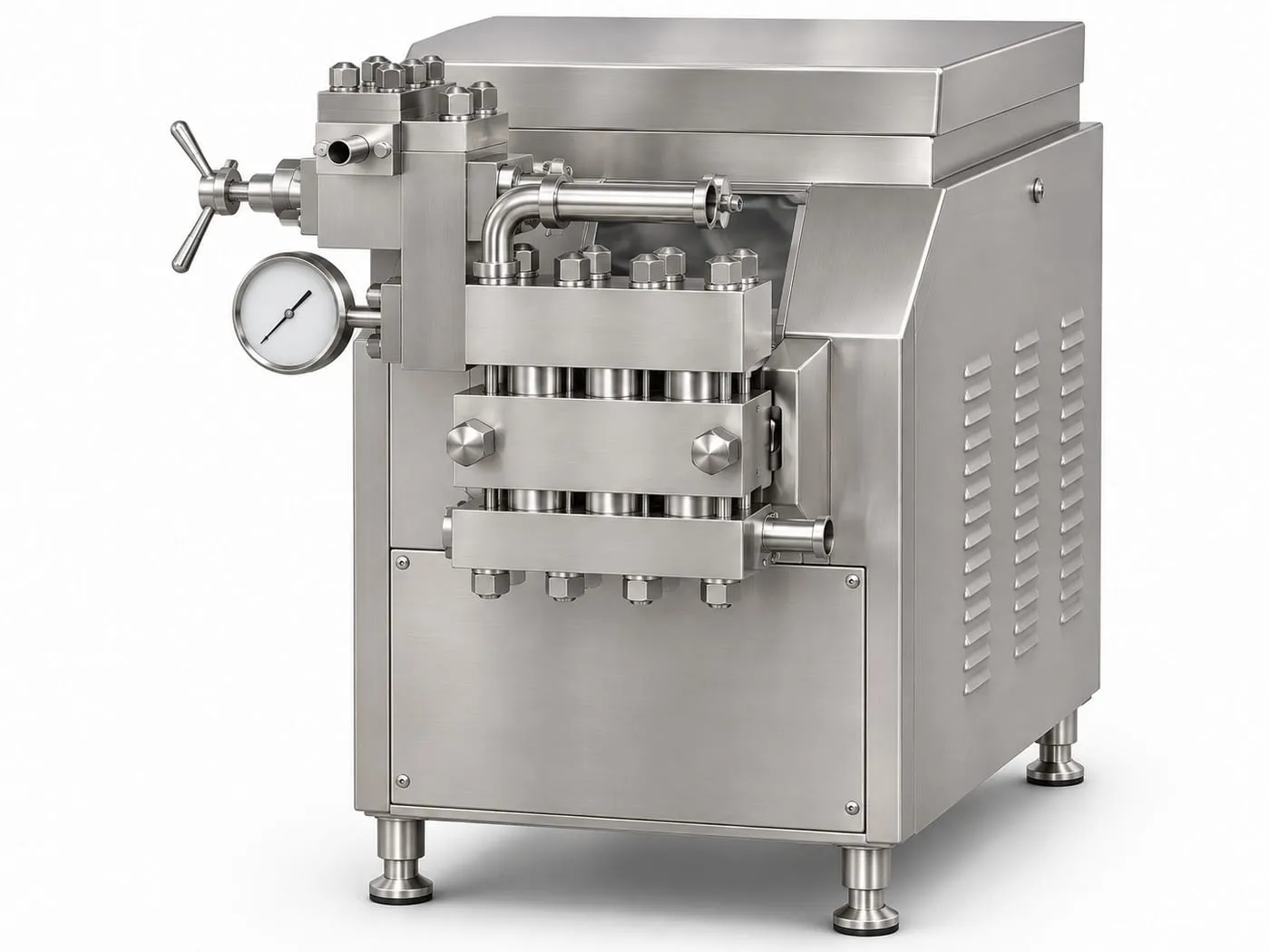
| Food Homogenizer | Breaks fat droplets and particles under pressure | Your drink or sauce must stay stable without separating |
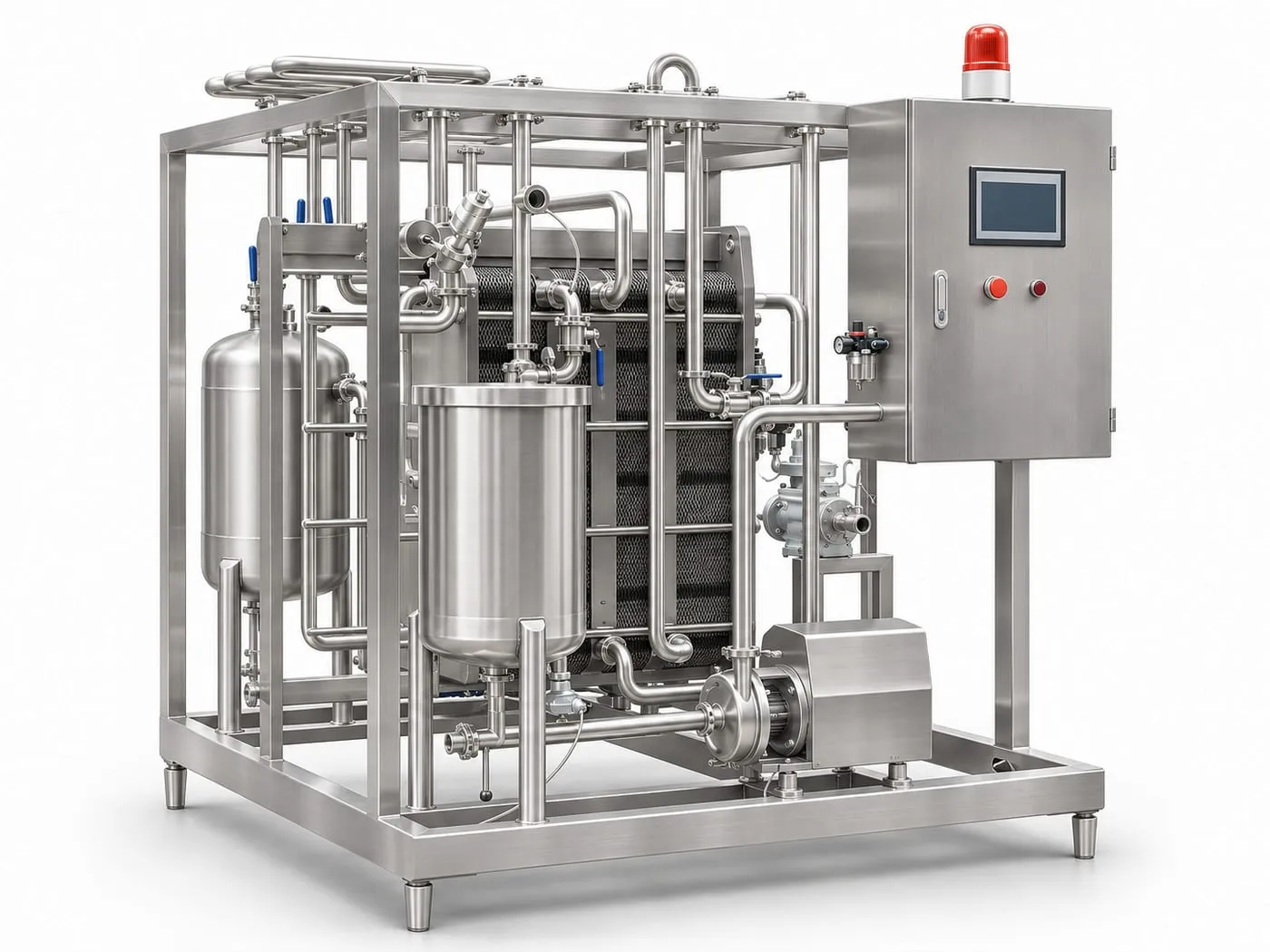
| Pasteurizer | Heats and holds liquids, then cools them | You need controlled, recorded heat treatment of flowing products |
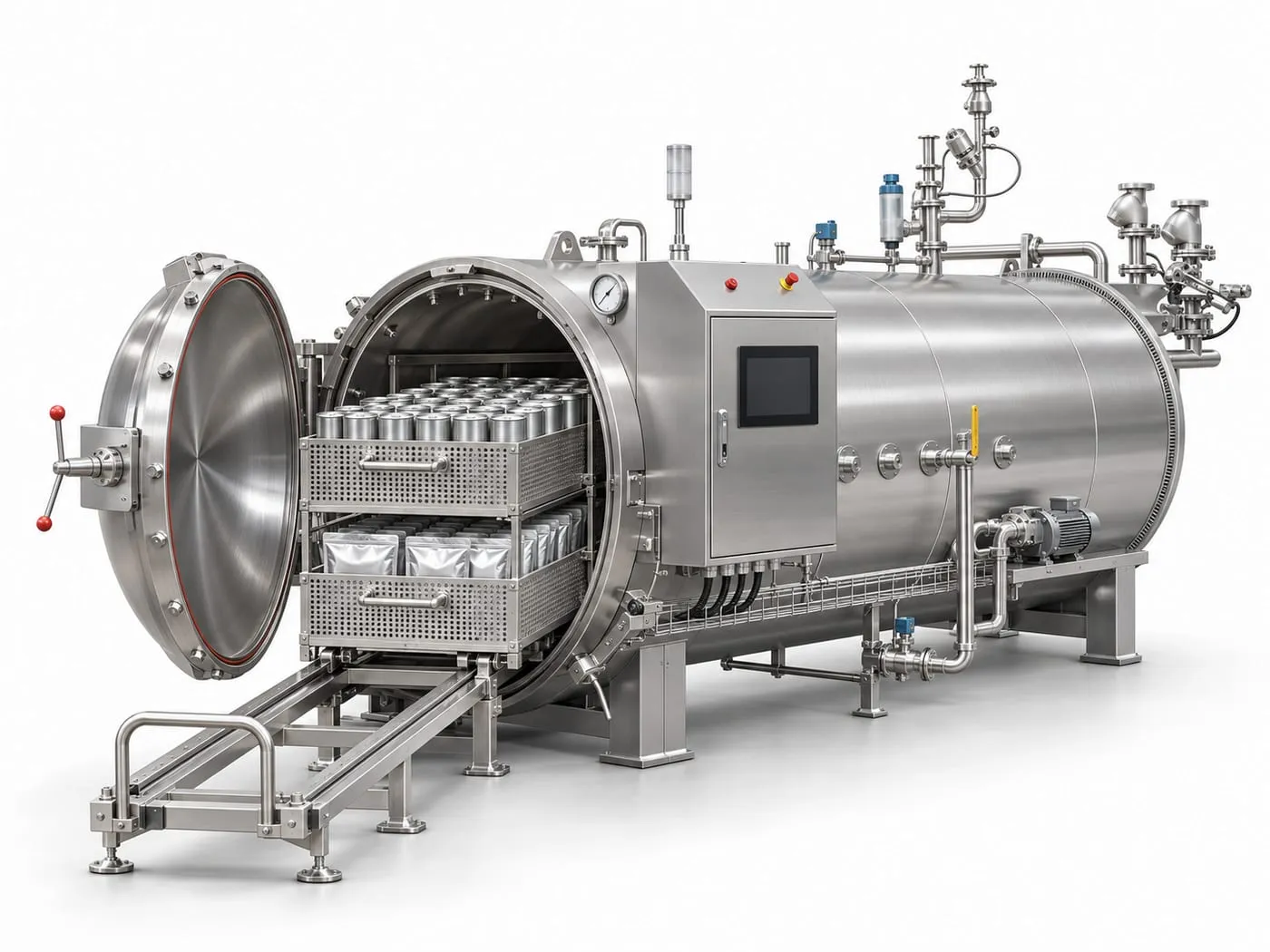
| Food Retort | Sterilises sealed containers under pressure | You sell shelf-stable products in cans, jars or pouches |
If you combine several of these products in one plant, our turnkey projects page explains how we design and supply complete lines.
Some equipment can be shared in principle — tanks, pumps, homogenisers and heat exchangers — but product viscosity, particles, acidity and allergen rules limit it. Dairy is often kept on its own line for hygiene and allergen reasons, and thick sauces with pieces need different pumps and heating than thin drinks. Tell us every product you plan, and we will show which parts can be shared and what cleaning that requires.
Separate machines suit a plant that already has tanks, piping and cleaning in place and needs one step upgraded, such as a new pasteuriser or homogeniser. A complete line suits a new plant or a new product, because tanks, heat treatment, filling and clean-in-place must be designed together for flow rate, temperature and hygiene. Liquid lines that are assembled piece by piece often end up with mismatched flow rates and areas that are hard to clean.
Most need steam or hot water for heating and cleaning, chilled water or refrigeration for cooling, compressed air for valves and filling, treated process water, and drainage for cleaning solutions. Heat treatment and clean-in-place are usually the largest users. We list utility demands with the line proposal so you can size the boiler, chiller and water treatment.
Share your raw material, finished product, target output and site — our engineers reply with a matching line configuration.
Request a quote →What to send with your inquiry