Packaging & Inspection
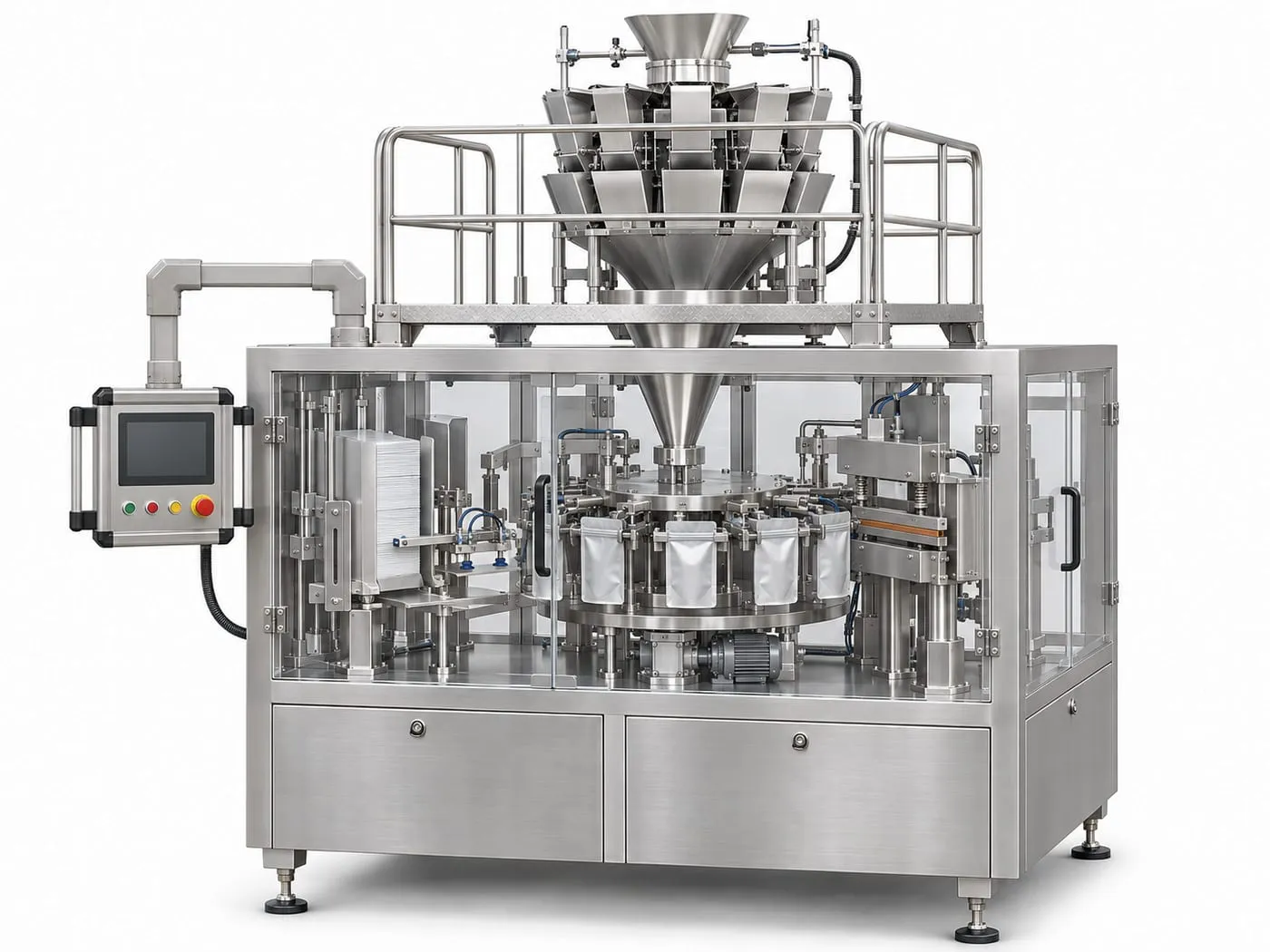
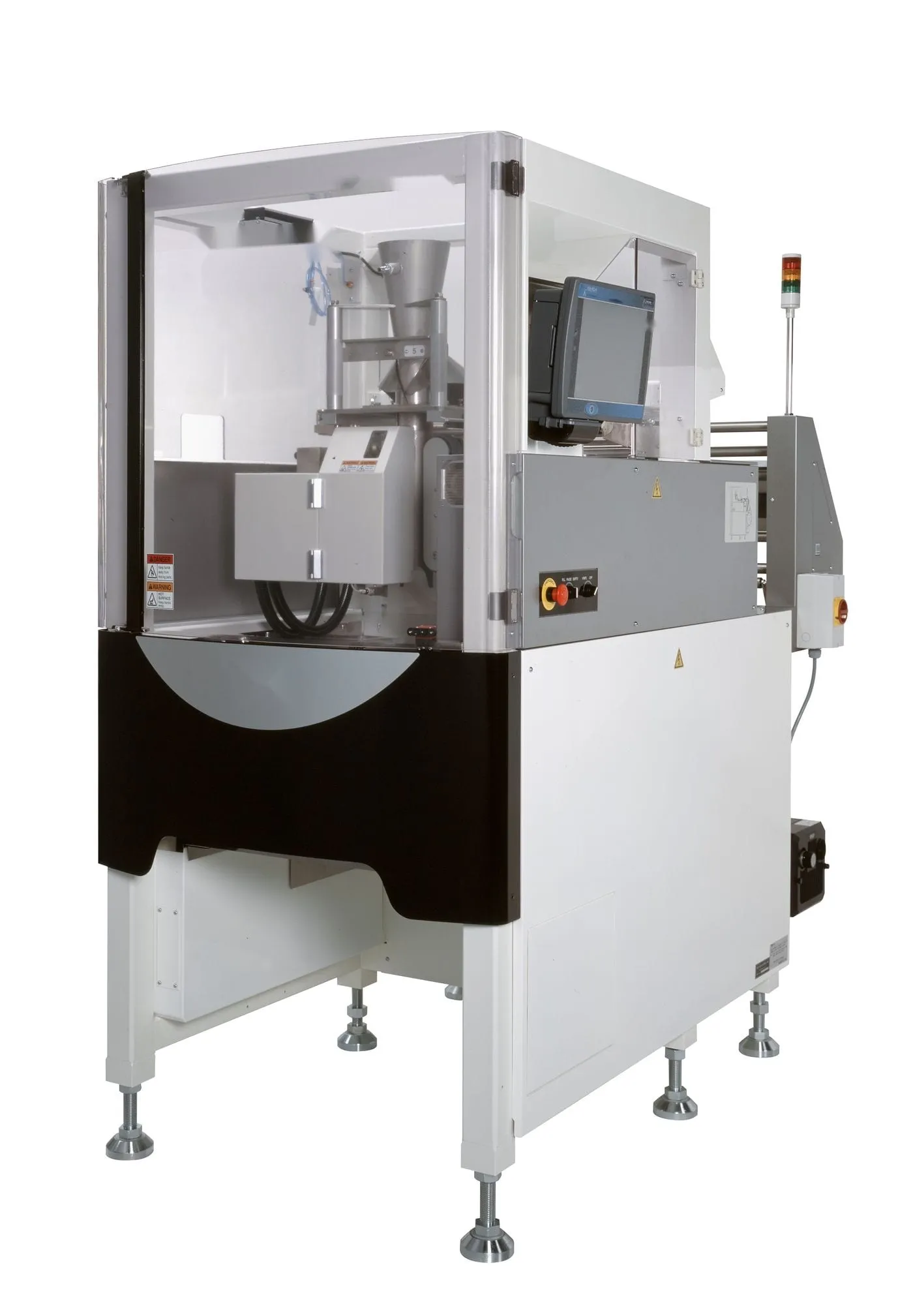
Vertical Form Fill Seal Machine
Snack, nut, frozen food, grain and powder producers moving from manual bagging to automatic packing.
Rated in finished bags per minute, set by bag length, fill weight and film

Equipment group 09
The end of the line: weighing, bagging, pouch and tray packing, liquid filling, and inspection with metal detectors, X-ray systems and checkweighers.
Machines you can buy on their own or add to an existing line. Each page lists the forms available and what we check before quoting.
Packaging & Inspection
Snack, nut, frozen food, grain and powder producers moving from manual bagging to automatic packing.
Rated in finished bags per minute, set by bag length, fill weight and film
Packaging & Inspection
Brands and co-packers selling snacks, nuts, spices, sauces or pet food in stand-up and zipper pouches.
Rated in filled pouches per minute, set by pouch size, product and dosing
Packaging & Inspection
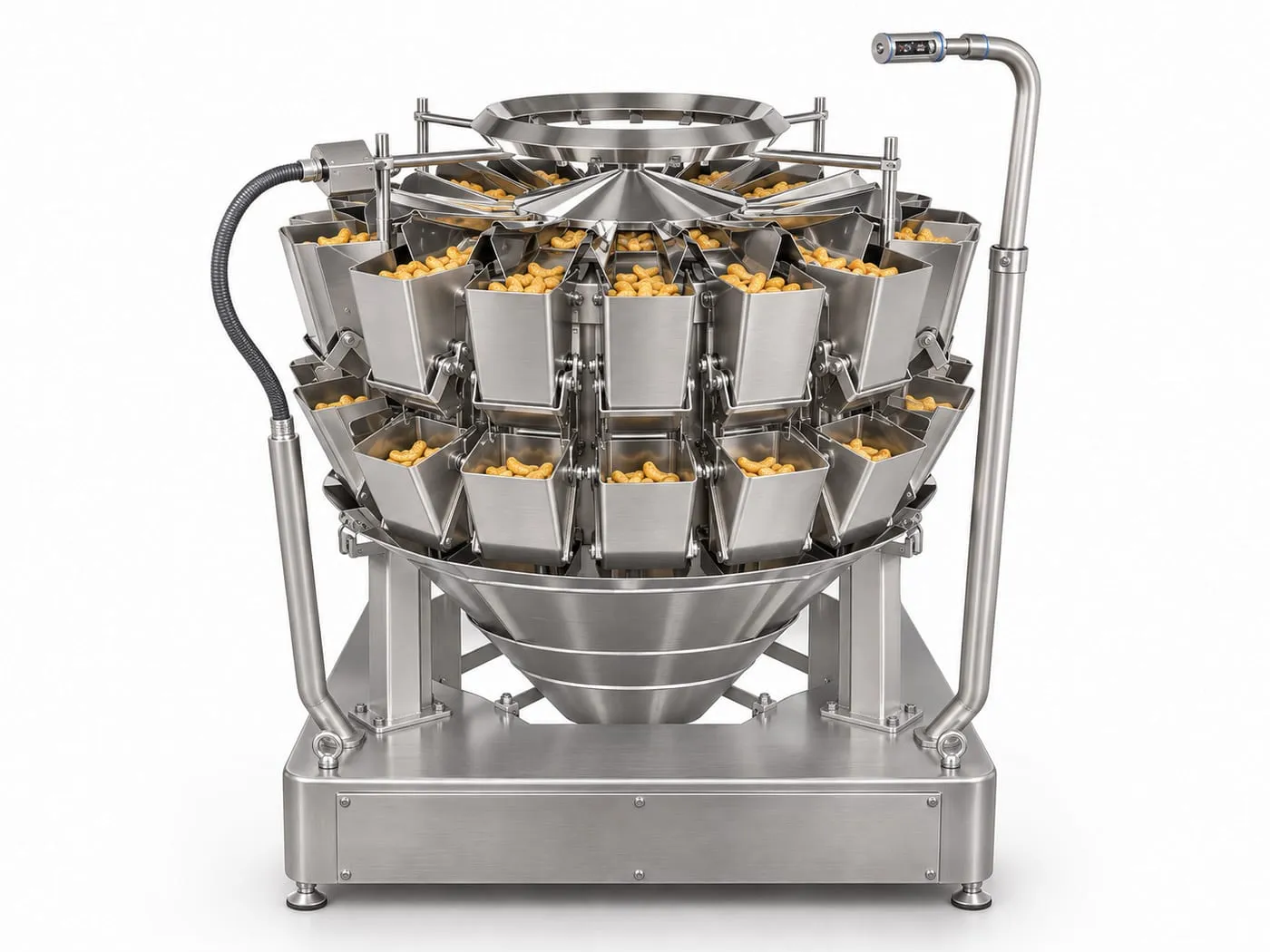
Snack, nut, confectionery, frozen and fresh food packers who need fast, accurate portions.
Rated in weighments per minute, matched to the packing machine
Packaging & Inspection
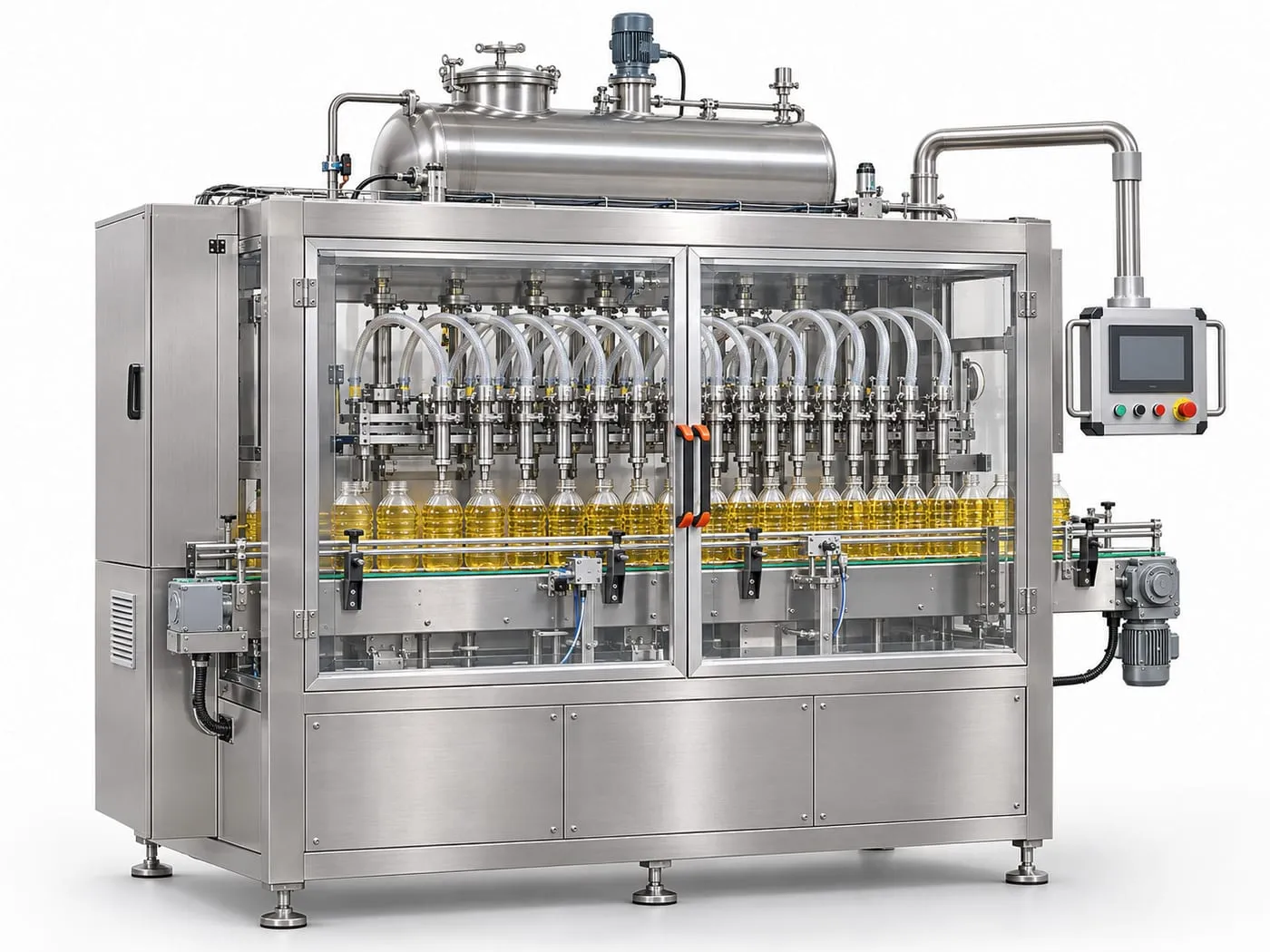
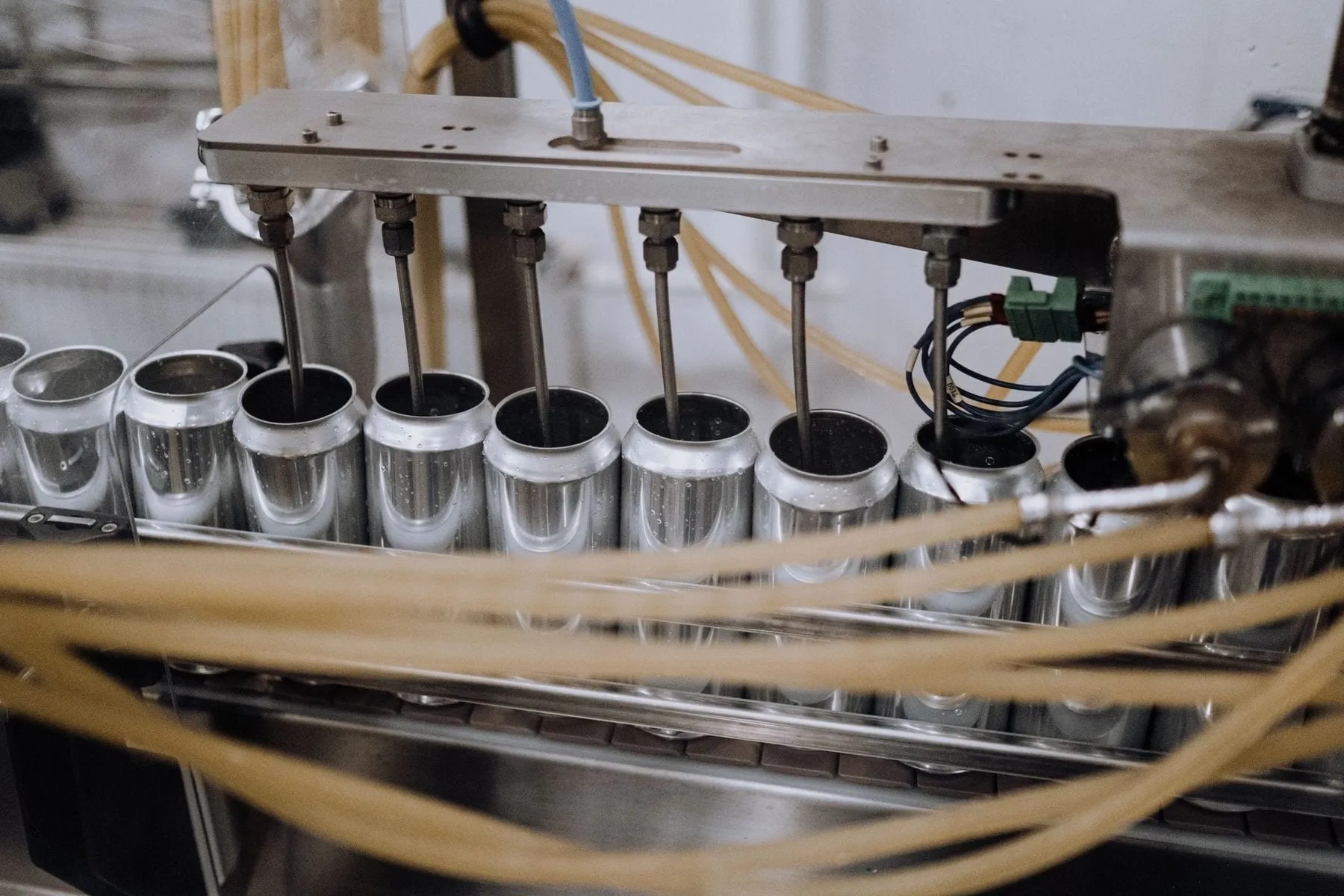
Beverage, edible oil, sauce and condiment producers filling bottles, jars or cans.
Rated in filled containers per hour, set by fill volume and container
Packaging & Inspection
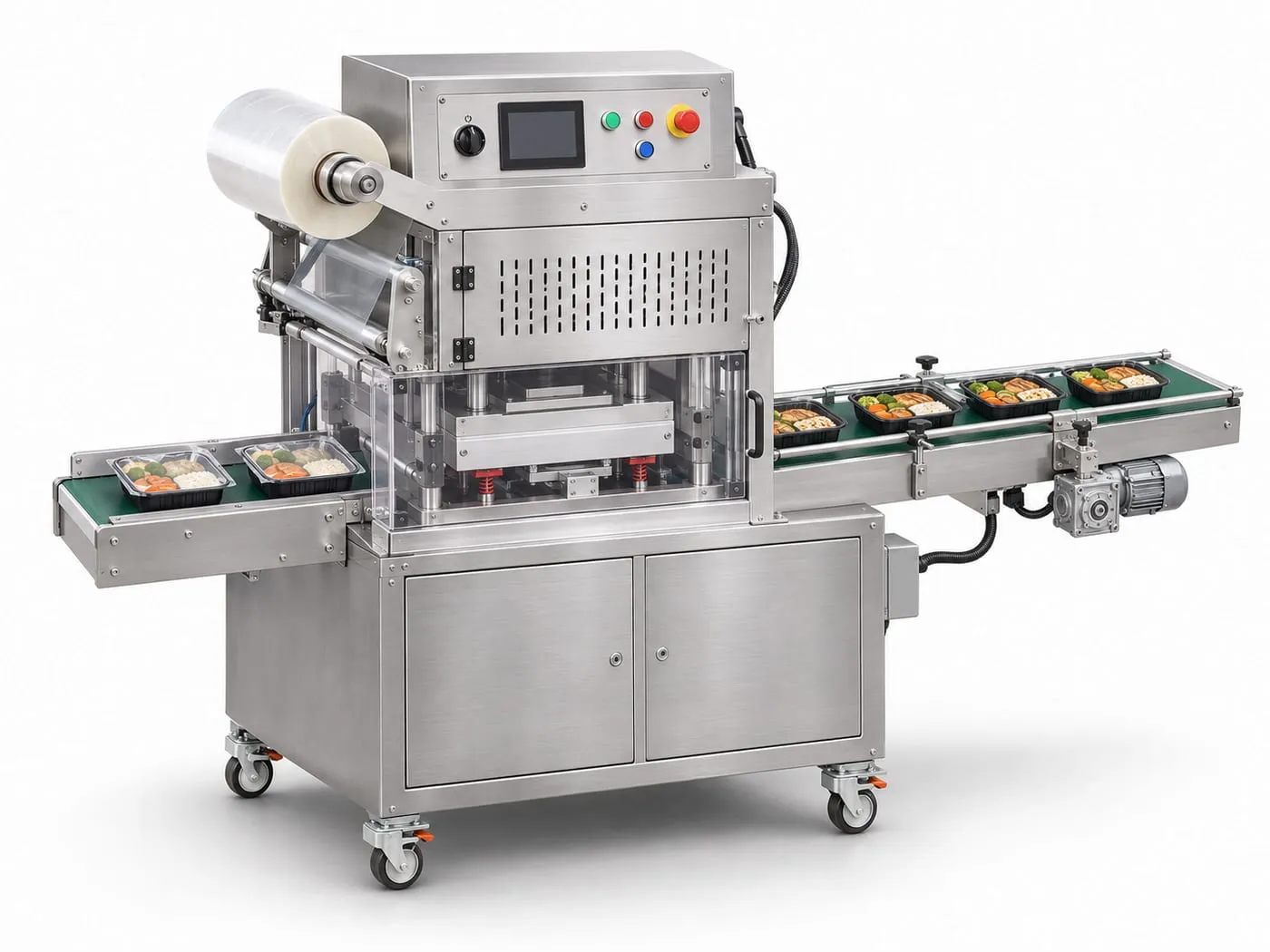
Ready meal, fresh-cut, meat and central kitchen operations packing in trays.
Rated in sealed trays per minute, set by tray size and sealing cycle
Packaging & Inspection
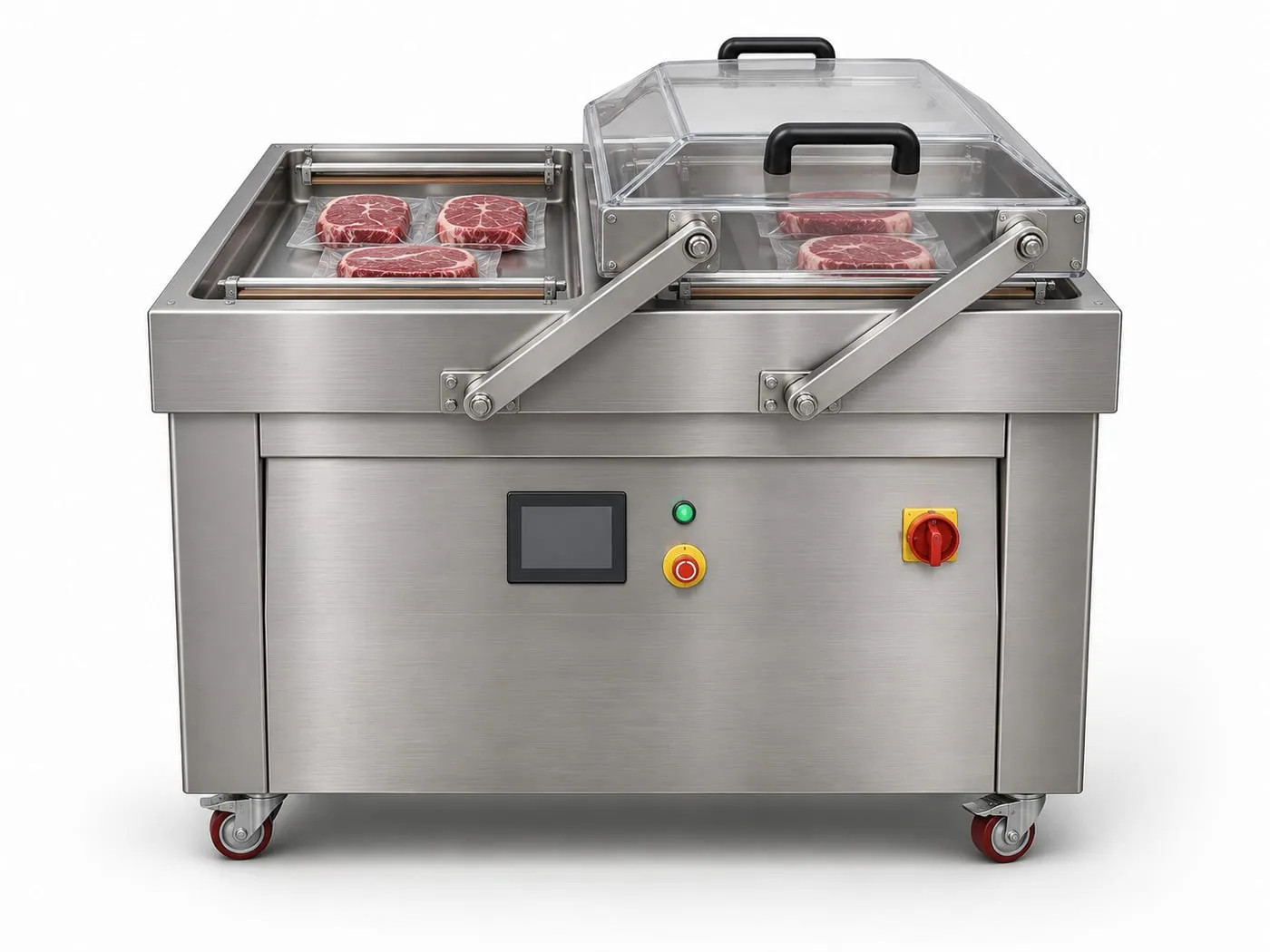
Meat, sausage, cheese, nut and rice processors packing in vacuum bags.
Rated in sealed bags per cycle and cycles per minute, set by bag size and vacuum level
Packaging & Inspection
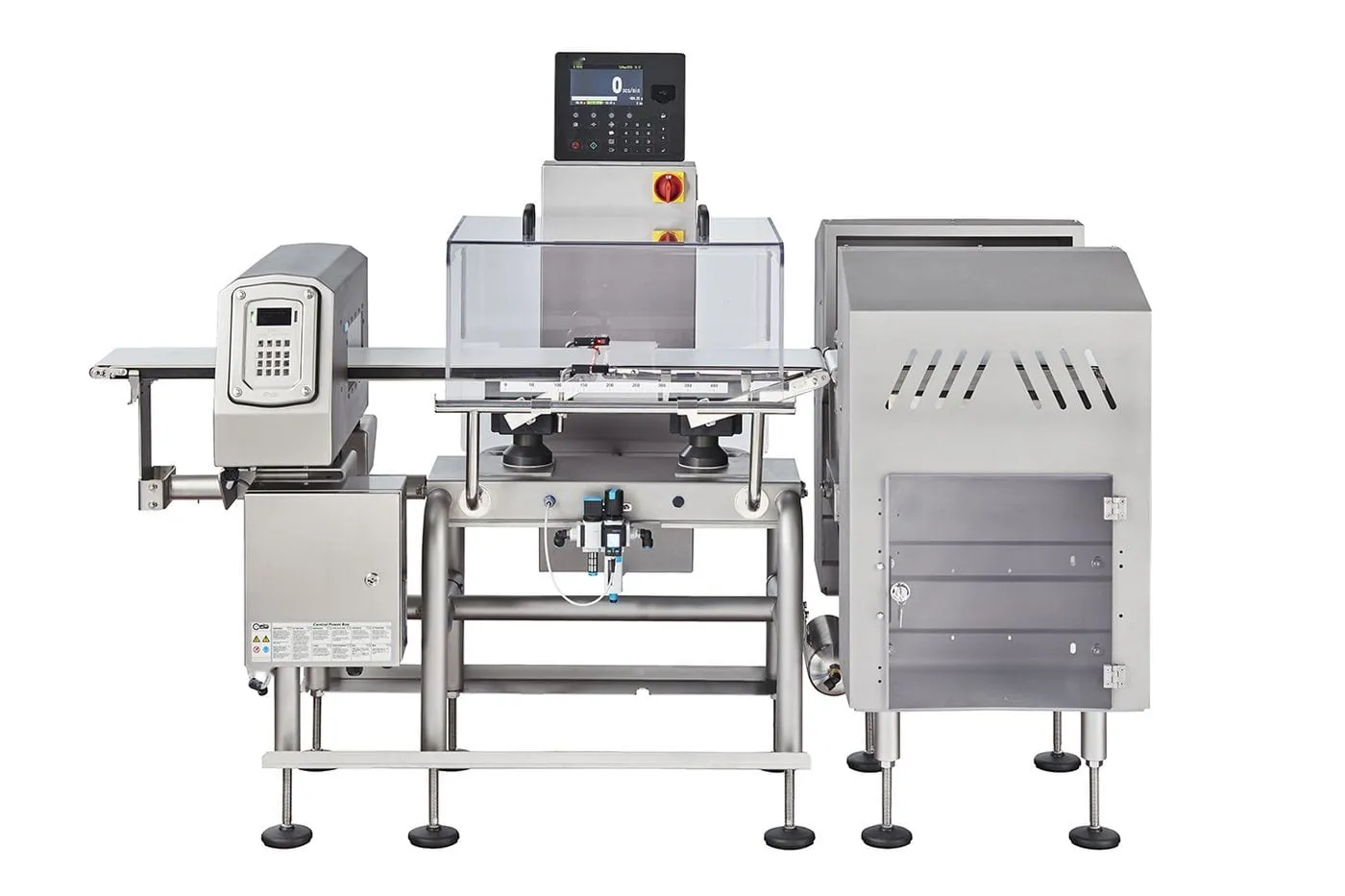
Food plants that must screen products for metal before shipping or before critical machines.
Matched to line speed (m/min or pieces/min); sensitivity depends on product and aperture
Packaging & Inspection
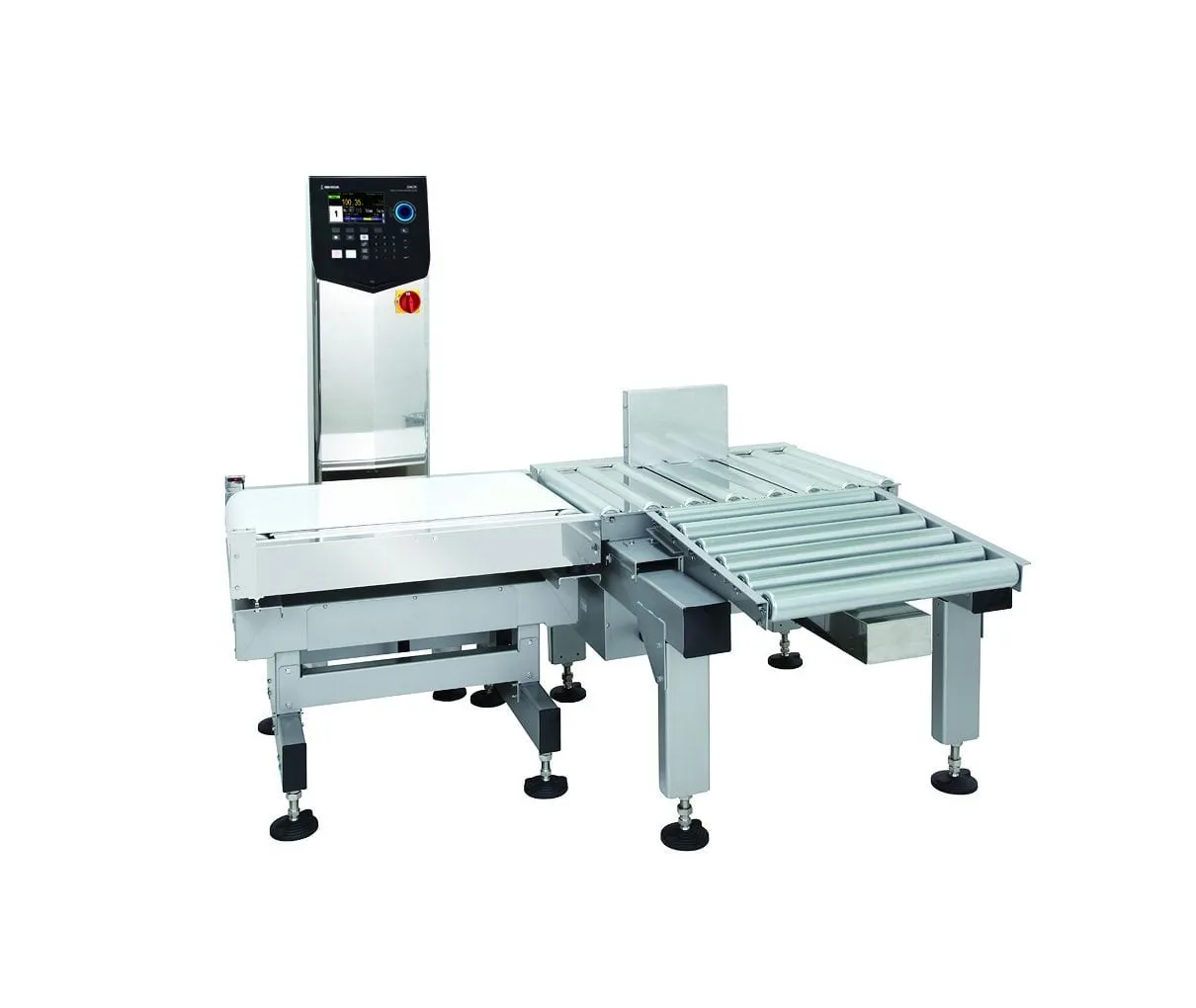
Packers who need to prove net contents and catch underfilled or overfilled packs.
Rated in packs per minute; accuracy depends on pack weight and speed
Packaging & Inspection
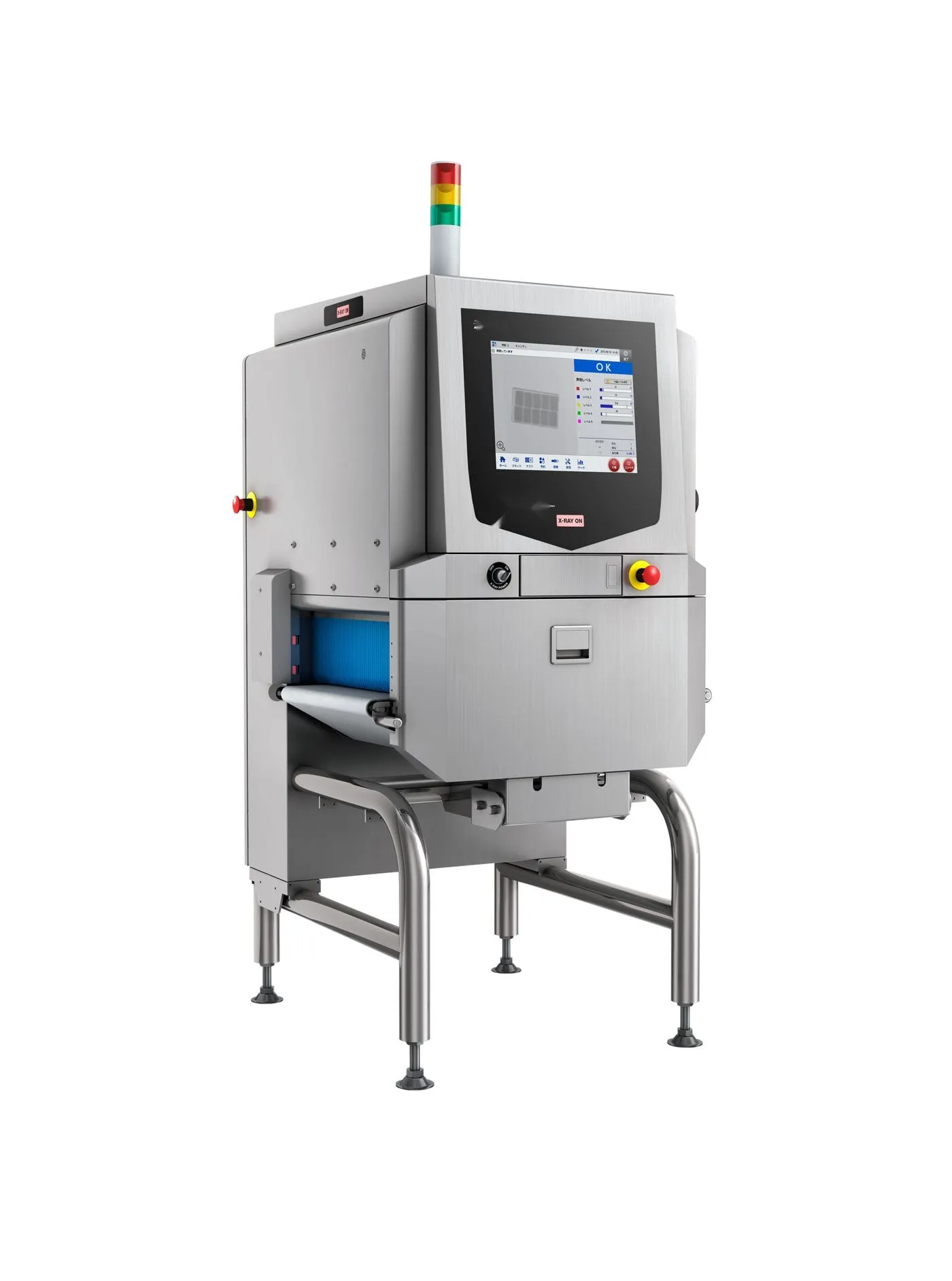
Food plants with foil packs, bone or stone risk, or customers who require X-ray inspection.
Matched to line speed; detection depends on product thickness and contaminant
Short answer: Start from the pack your customers buy — bag, pouch, tray, bottle, jar or vacuum pack — and the product going into it. That decides the packing machine and the weigher or filler that feeds it; inspection is then chosen from your food safety plan and your buyers’ requirements, not added as an afterthought.
| Machine or line | What it does | Choose it when |
|---|---|---|
| Multihead Weigher | Combines weigh hoppers to hit a target pack weight | You pack loose solids such as snacks, nuts or frozen pieces |
| Vertical Form Fill Seal Machine | Forms bags from roll film, fills and seals them | You sell pillow or gusset bags and want low pack cost |
| Premade Pouch Packaging Machine | Opens, fills and seals ready-made pouches | You sell stand-up or zipper pouches |
| Liquid Filling Machine | Doses liquids and pastes into bottles, jars or cans | You pack drinks, oils, sauces or condiments |
| Tray Sealer | Seals film onto trays, with modified atmosphere or skin options | You pack ready meals, fresh-cut produce or meat in trays |
| Vacuum Packaging Machine | Removes air from bags and seals them | You pack meat, cheese, sausages, rice or nuts under vacuum |
| Food Metal Detector | Detects and rejects packs or product containing metal | Metal is a hazard in your plan or your buyers require detection |
| Food X-ray Inspection System | Finds dense foreign bodies and checks fill or shape | You pack in foil, need bone or stone detection, or customers require X-ray |
| In-line Checkweigher | Weighs every pack and rejects out-of-limit ones | You must prove net content and control giveaway |
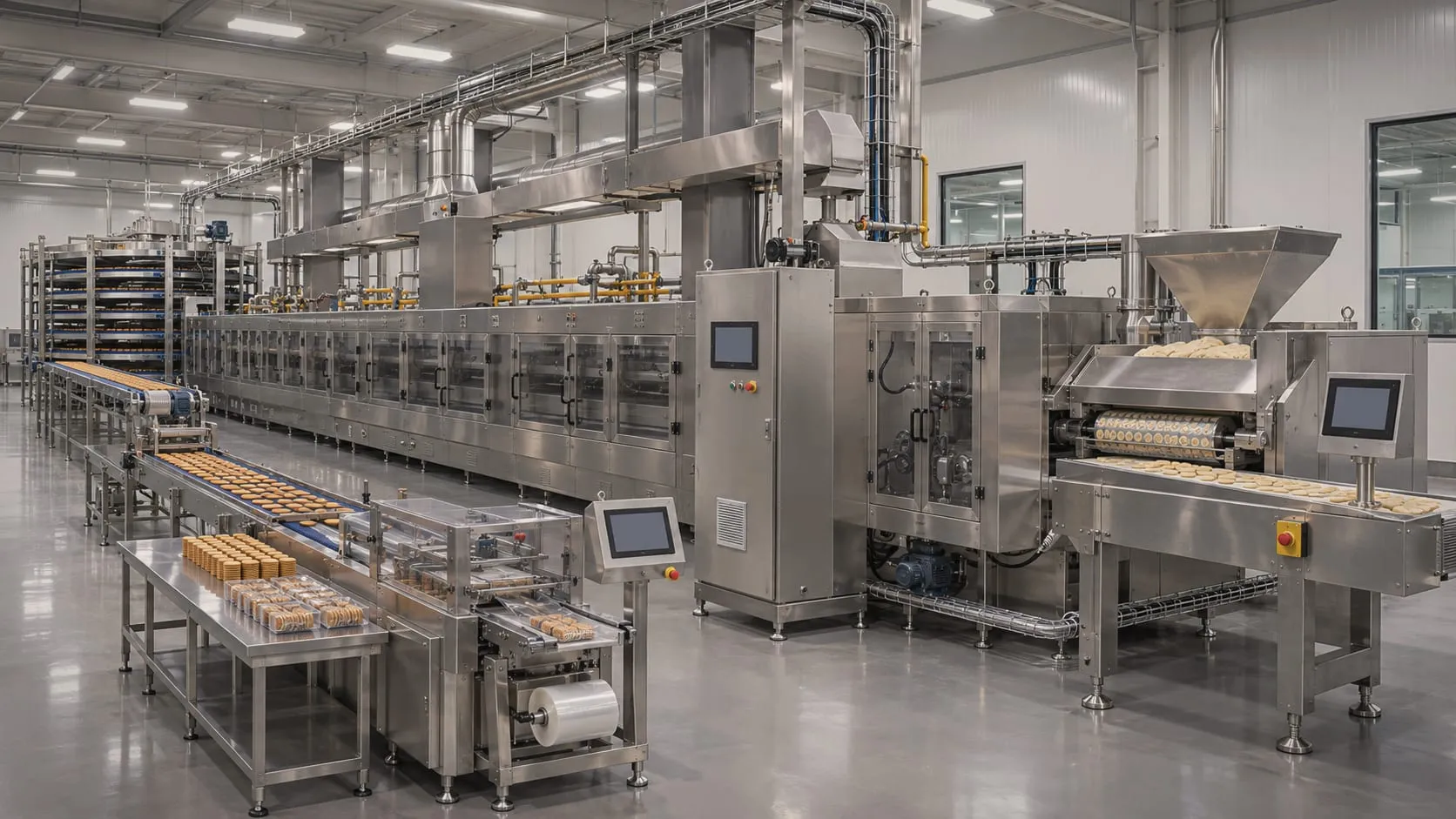
For complete lines that include packing and inspection, see the roasted nut plant, the biscuit and snack plant or our turnkey projects page.
A common order is product feed, weigher or doser, packing machine, then metal detector or X-ray, then checkweigher, then case packing. Some plants also inspect bulk product before packing, which finds contaminants earlier and allows a more sensitive setting. The right order depends on your hazard analysis, pack type and line speed, so we confirm it with your quality team.
It is not required, but one supplier for the end of the line makes signals, reject systems, conveyor heights and speeds easier to match. If you already own some packing machines, send their details — speed, infeed height, control signals — so new equipment fits them. Either way, ask for a single layout drawing of the whole packing area.
Packing machines rarely run at their nameplate speed all day because of film changes, product changes and short stops. Size the packing line with some reserve above average processing output, or add a buffer such as a holding hopper or accumulation table, so the process line does not have to stop when the packer does.
Share your raw material, finished product, target output and site — our engineers reply with a matching line configuration.
Request a quote →What to send with your inquiry