Packaging & Inspection
Vertical Form Fill Seal Machine
Snack, nut, frozen food, grain and powder producers moving from manual bagging to automatic packing.
Rated in finished bags per minute, set by bag length, fill weight and film

09 · Packaging & Inspection — Equipment
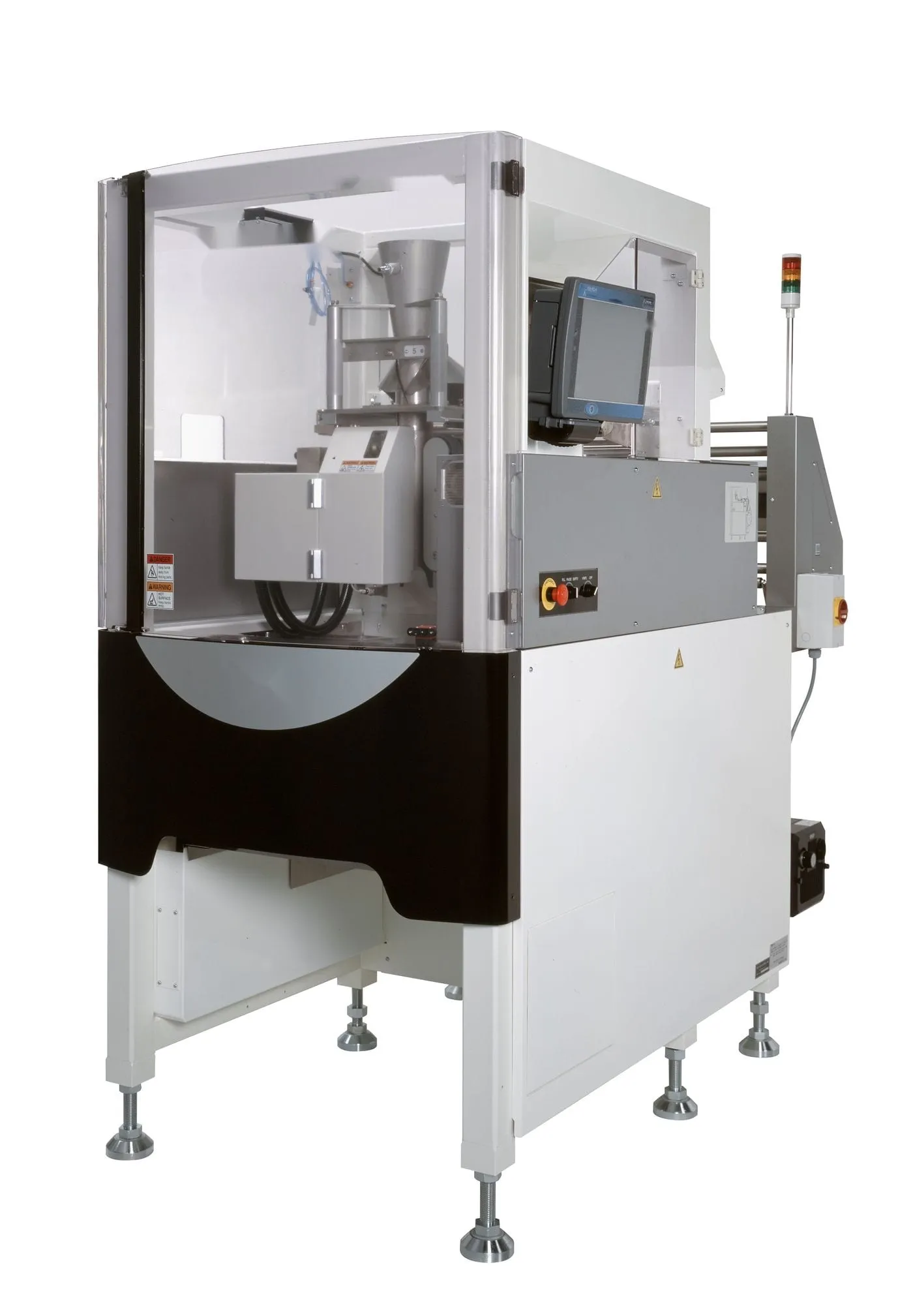
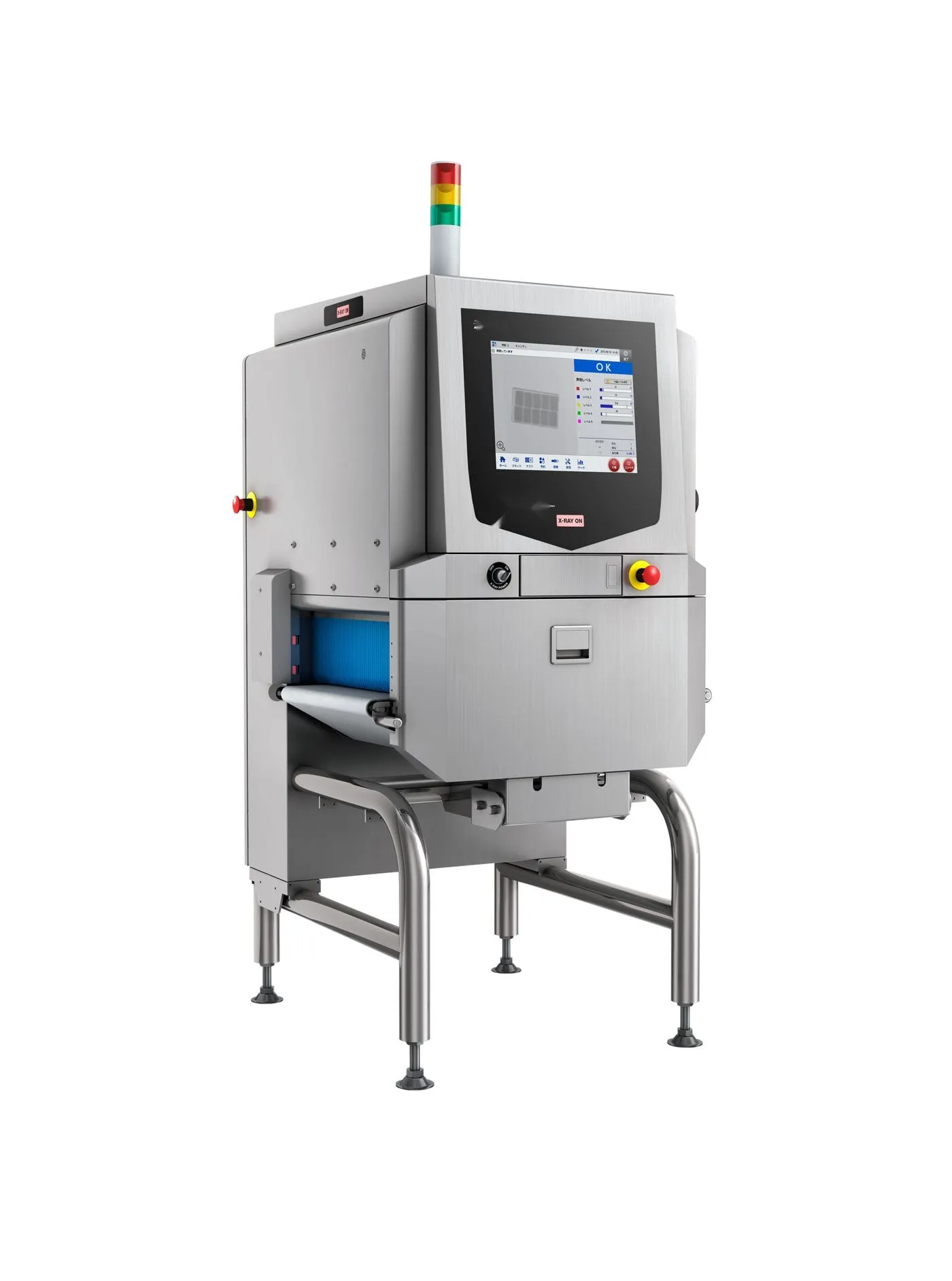
An X-ray inspection machine that finds dense foreign bodies, missing pieces and some pack defects in packed or loose food, and rejects them inline.
Short answer: A food X-ray inspection system passes product through a low-energy X-ray beam and builds an image in which dense foreign bodies, missing pieces or irregular fill stand out, then rejects affected items. The configuration depends on what you need to find, how thick and even the product is, and whether you inspect packs, loose product or pumped masses.
Product travels on a belt or through a pipe into a shielded cabinet. An X-ray generator above sends a beam through the product to a line detector below. Denser or thicker areas absorb more of the beam and appear darker in the image. Software compares each image with the expected pattern for that product, picking out small, dense points (metal, glass, stone, calcified bone) and checking features such as piece count or fill level. Items that fail are rejected downstream by an air blast, pusher or diverter, and images can be stored for review.
Lead curtains and interlocks keep radiation inside the cabinet during operation.
| Form | Suits | Watch out for |
|---|---|---|
| Packed goods conveyor | Foil packs, cans, trays, cartons | Varying pack thickness reduces sensitivity |
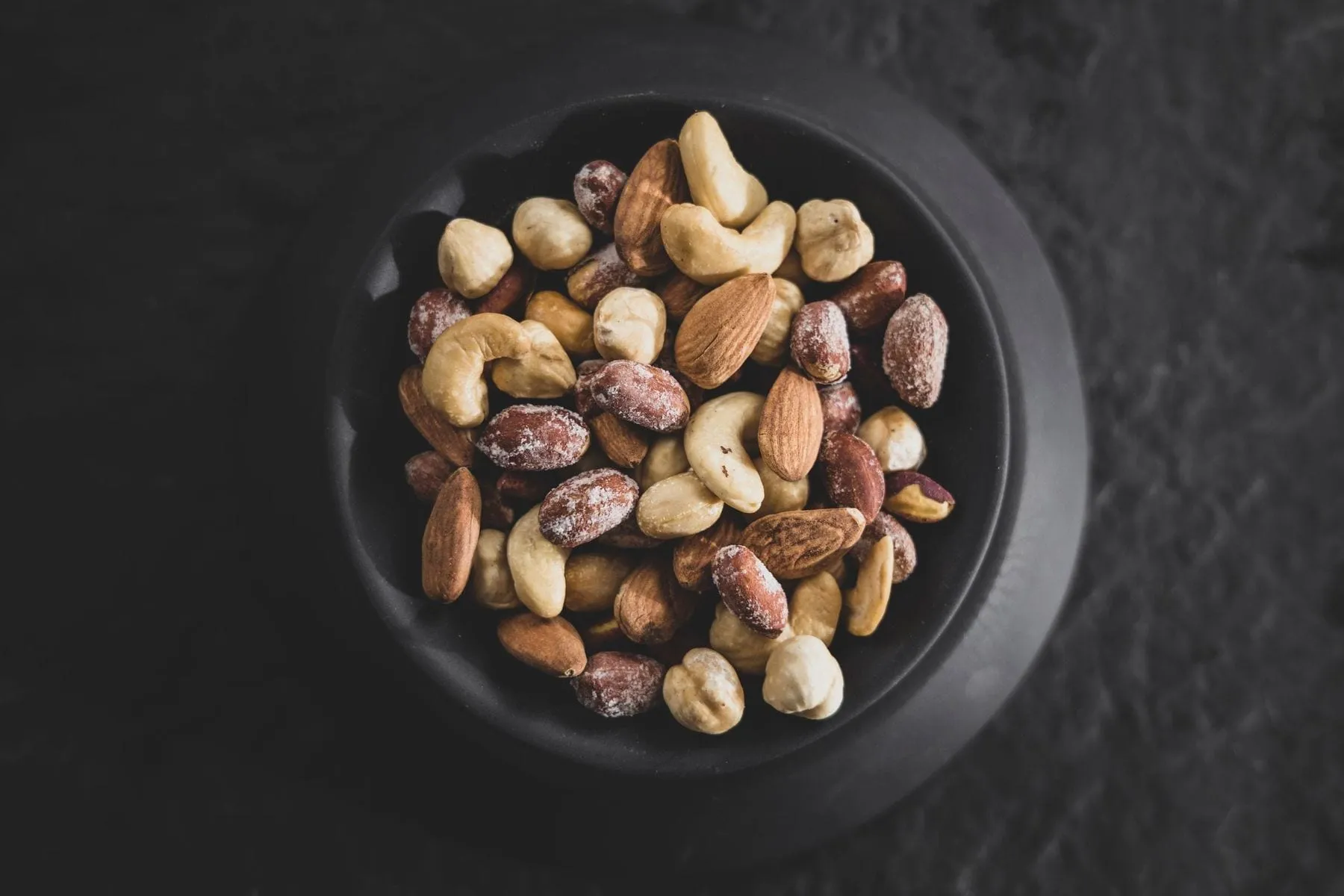
| Bulk product | Nuts, beans, frozen pieces before packing | Product must be spread evenly |
| Pipeline | Minced meat, sauces, pumped products | Pipe size and flow rate must suit the beam |
Thin, uniform products give the clearest images; thick or layered products make small contaminants harder to see.
X-ray machines usually sit at the end of the packing line after a tray sealer, premade pouch packing machine or VFFS packaging machine, next to an in-line checkweigher. Where foil is not involved, a food metal detector may be enough. Bulk units can follow a nut shelling machine to catch shell and stones.
Packed goods conveyor
inspects bags, pouches, trays, cans and cartons, including foil and metallised packs.
Bulk product
inspects loose product spread on a belt, such as nuts, beans or frozen pieces, before packing.
Pipeline
inspects pumped meat, sauces or slurries in a pipe, with a reject valve.
Our engineers check these points with you, so the quotation fits your site rather than a catalogue default.
A metal detector finds metal by conductivity and is less costly. X-ray finds anything clearly denser than the product, including glass, stone and many bones, and works through foil. Which you need depends on your contamination risks, packaging and customer requirements.
No. Detection depends on density difference and size relative to product thickness. Low-density plastics, wood and soft cartilage are hard to see. We agree target contaminants and test samples so expectations are clear before setup.
The dose used for inspection is low, and the machine is shielded with curtains and interlocks. Operation, registration and dosimetry follow your local regulations, which you should check before installation; we provide machine documentation to support this.
Tell us your raw material, finished product and target output. Our engineers reply with a matched configuration and quotation.
What to send with your inquiry
Email sales@hnfoda.com
Packaging & Inspection
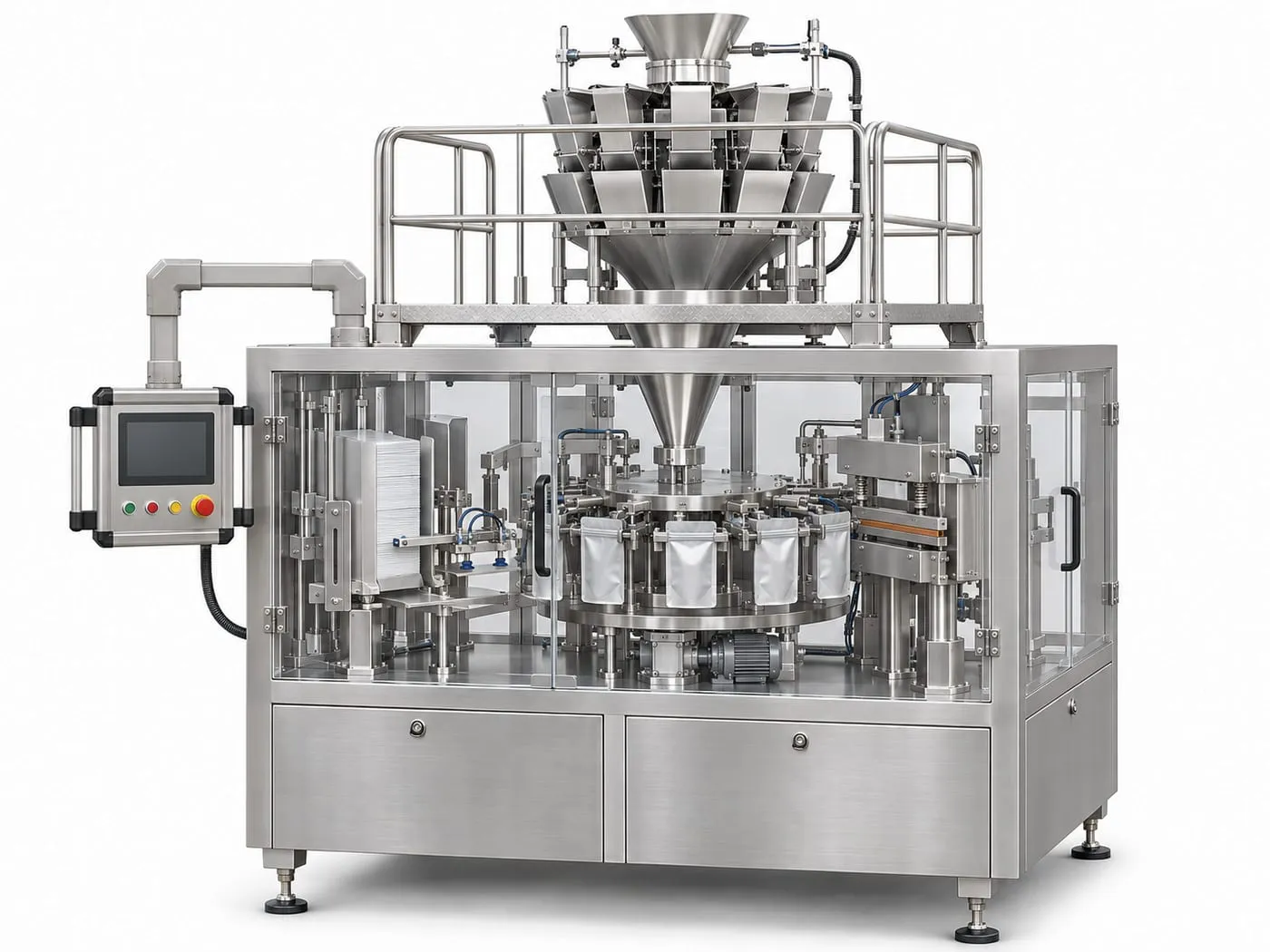
Snack, nut, frozen food, grain and powder producers moving from manual bagging to automatic packing.
Rated in finished bags per minute, set by bag length, fill weight and film
Packaging & Inspection
Brands and co-packers selling snacks, nuts, spices, sauces or pet food in stand-up and zipper pouches.
Rated in filled pouches per minute, set by pouch size, product and dosing
Packaging & Inspection
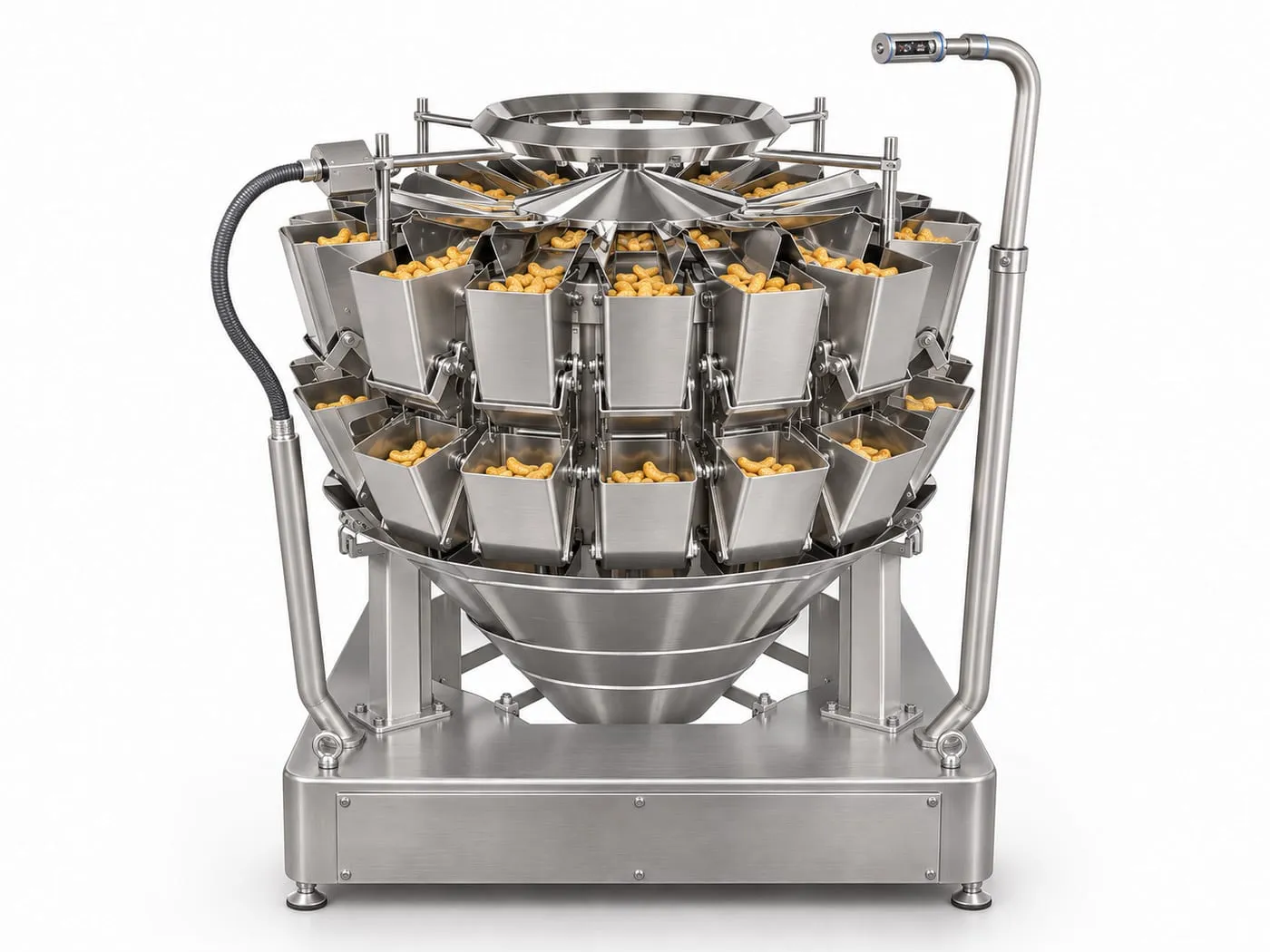
Snack, nut, confectionery, frozen and fresh food packers who need fast, accurate portions.
Rated in weighments per minute, matched to the packing machine
Packaging & Inspection
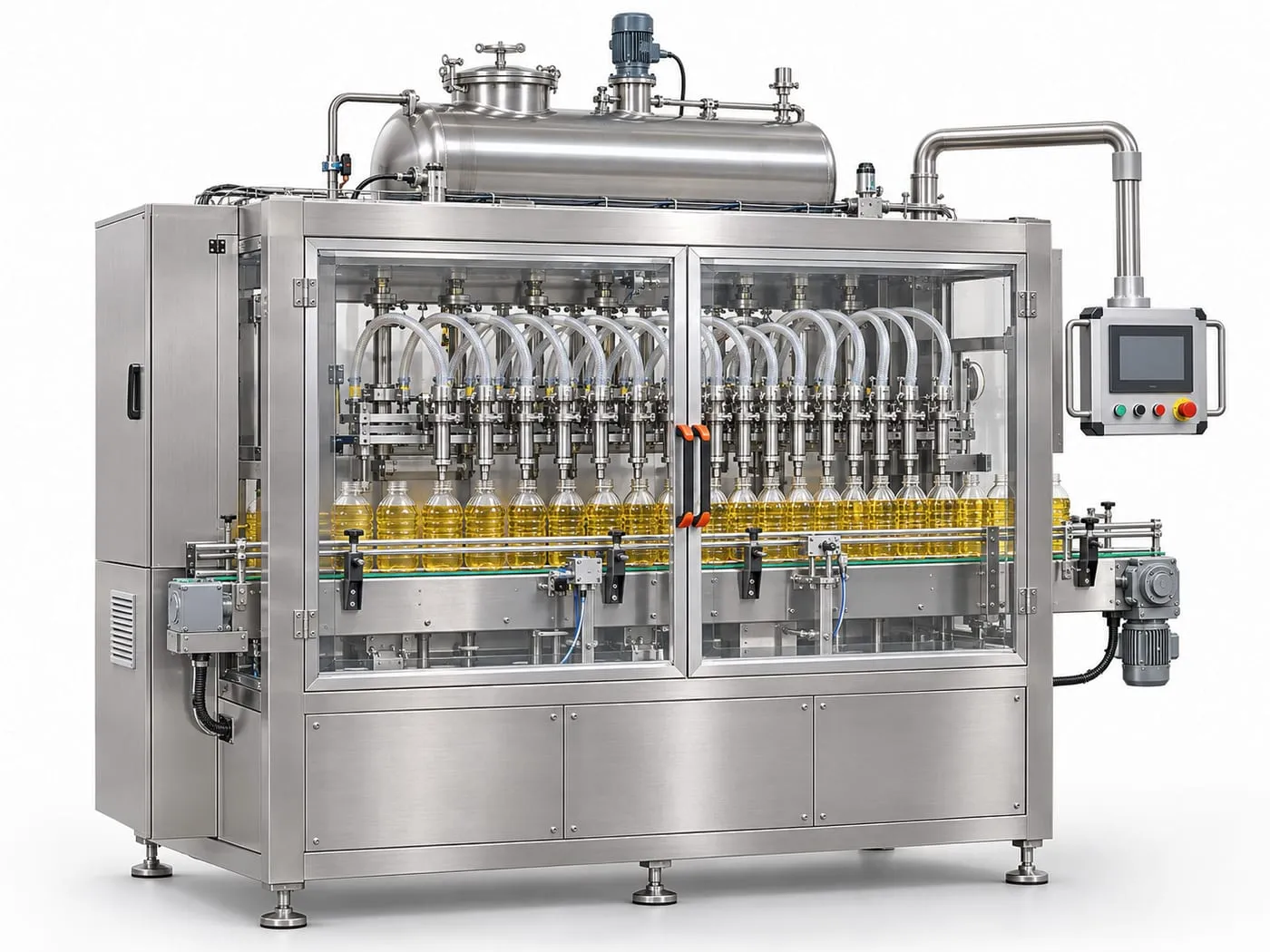
Beverage, edible oil, sauce and condiment producers filling bottles, jars or cans.
Rated in filled containers per hour, set by fill volume and container