Freezing, CIP & Conveying
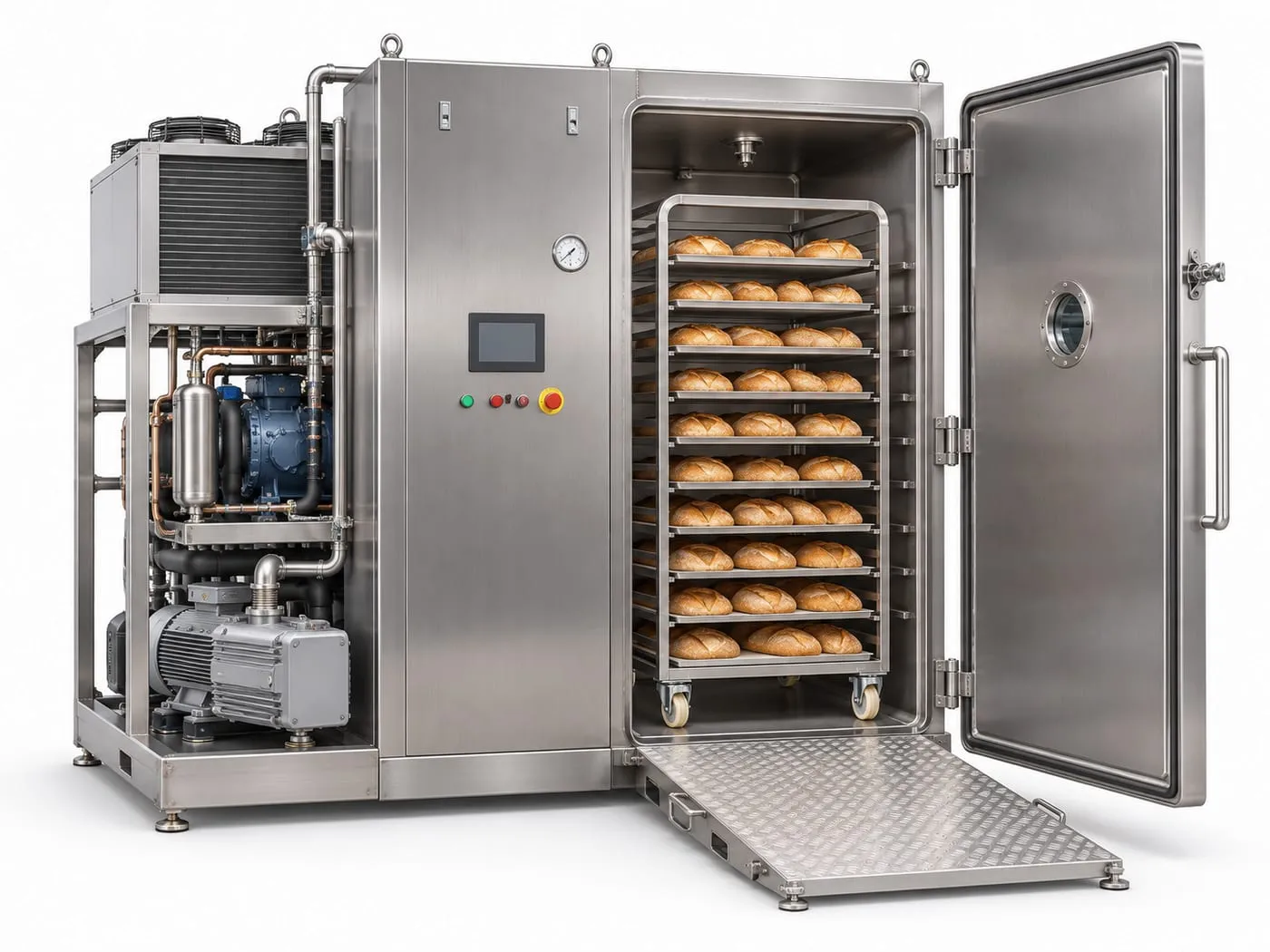
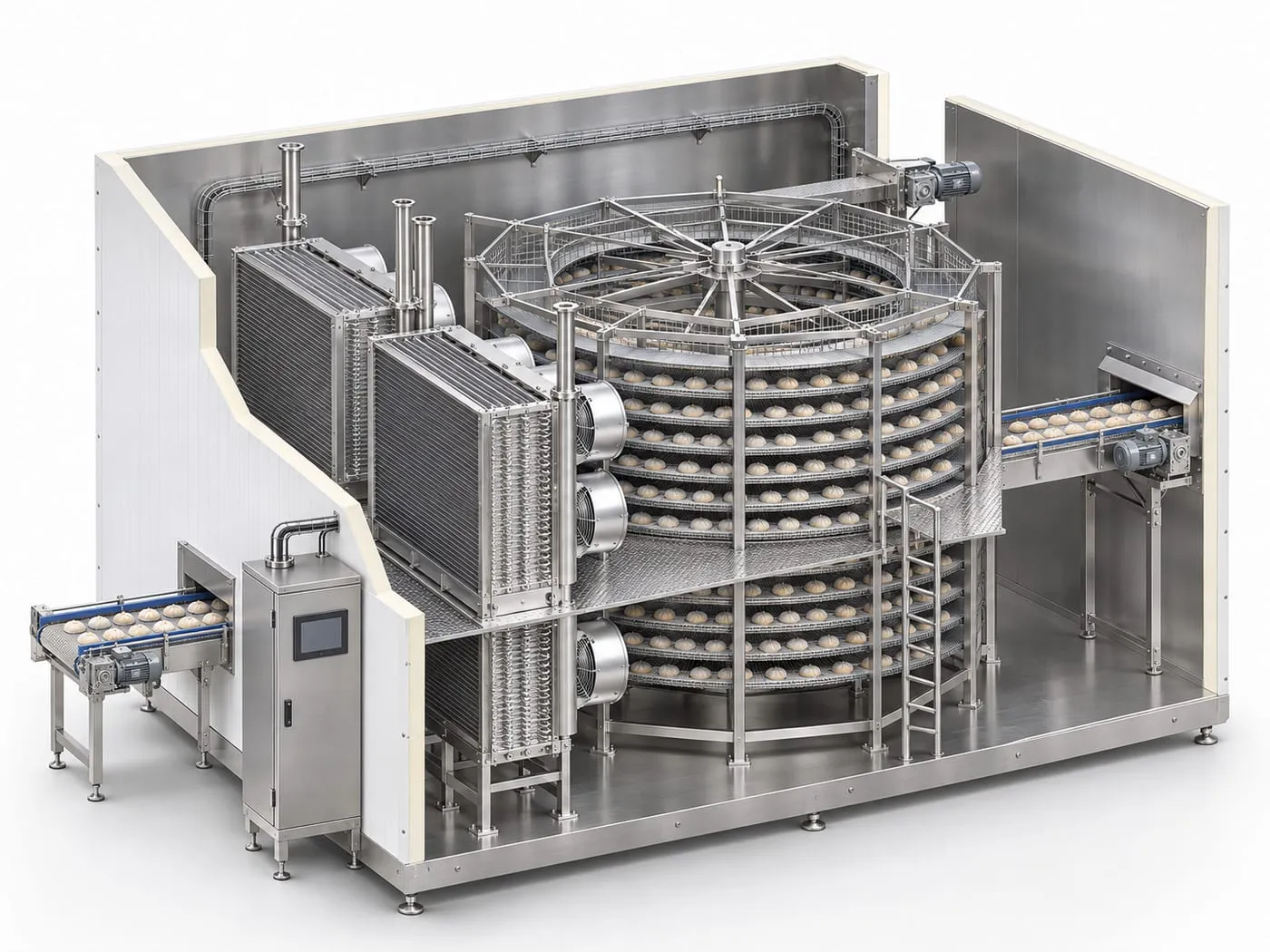
Industrial Food Freezer
Frozen food, meat, seafood and fruit processors adding or expanding quick-freezing capacity.
Sized on product input (kg/h) at stated inlet and outlet temperatures

Equipment group 10
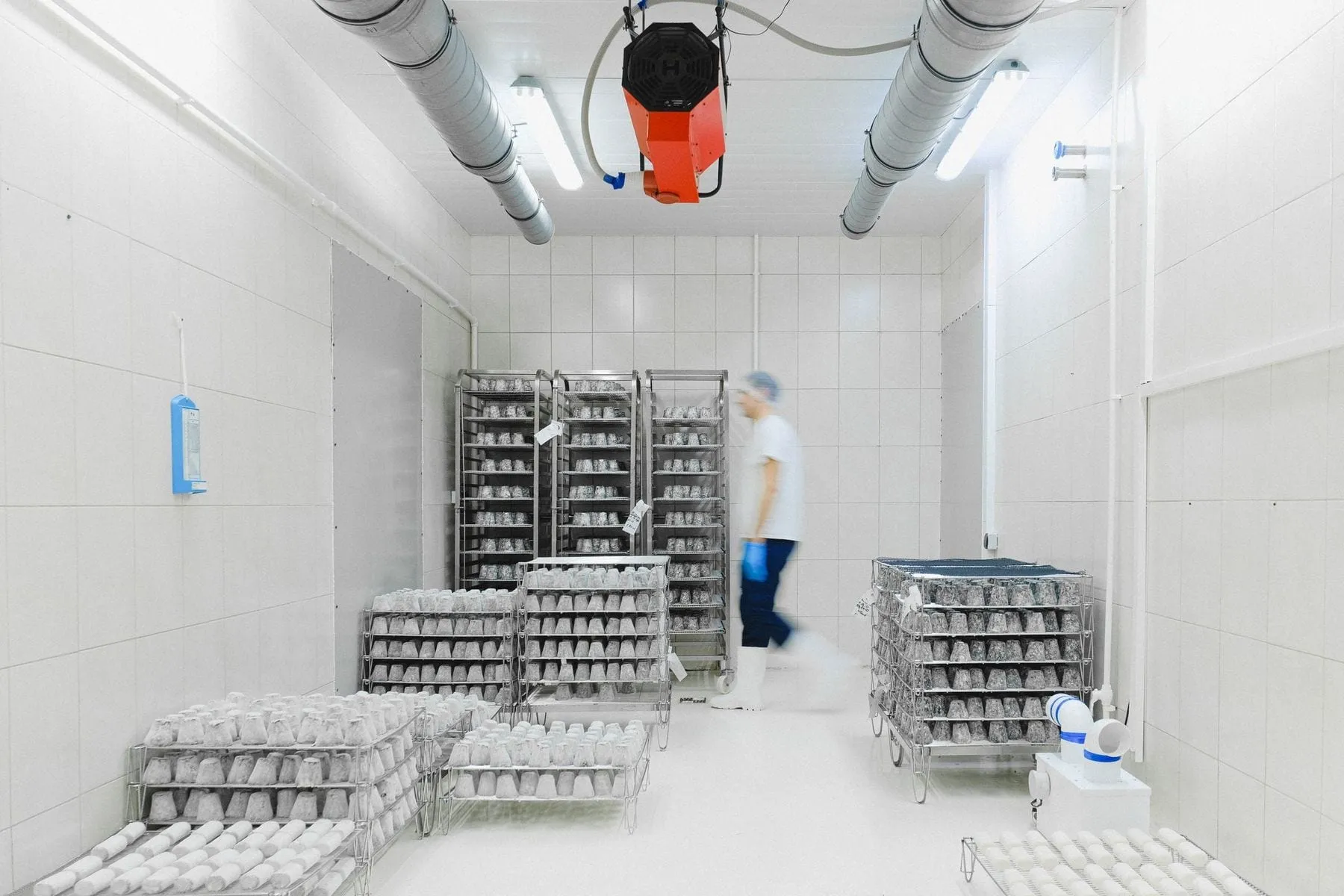
Shared equipment that links and supports a plant: quick freezing and vacuum cooling, clean-in-place, hygienic conveying and process steam.
Machines you can buy on their own or add to an existing line. Each page lists the forms available and what we check before quoting.
Freezing, CIP & Conveying
Frozen food, meat, seafood and fruit processors adding or expanding quick-freezing capacity.
Sized on product input (kg/h) at stated inlet and outlet temperatures
Freezing, CIP & Conveying
Central kitchens, bakeries, ready meal makers and produce packers who need fast cooling before chilling or packing.
Sized on product per batch (kg/batch) and cycle time
Freezing, CIP & Conveying
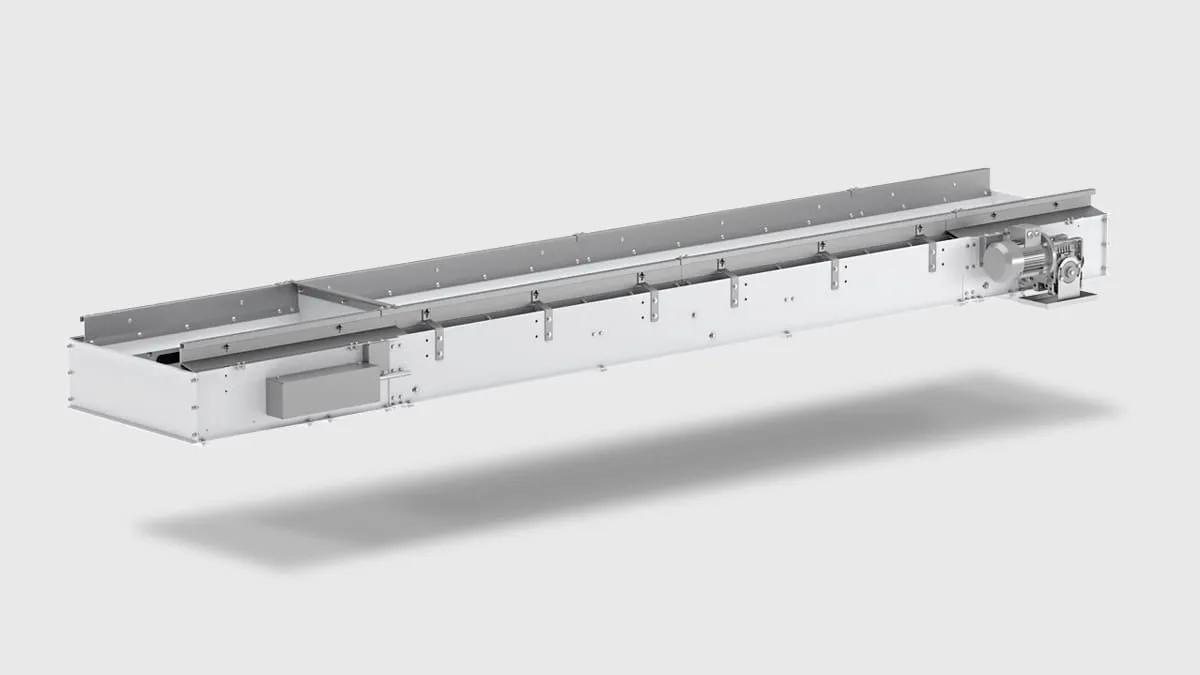
Plants connecting individual machines into a line, or replacing manual transfer between steps.
Sized to the throughput of the machines it links (kg/h or pieces/min)
Freezing, CIP & Conveying
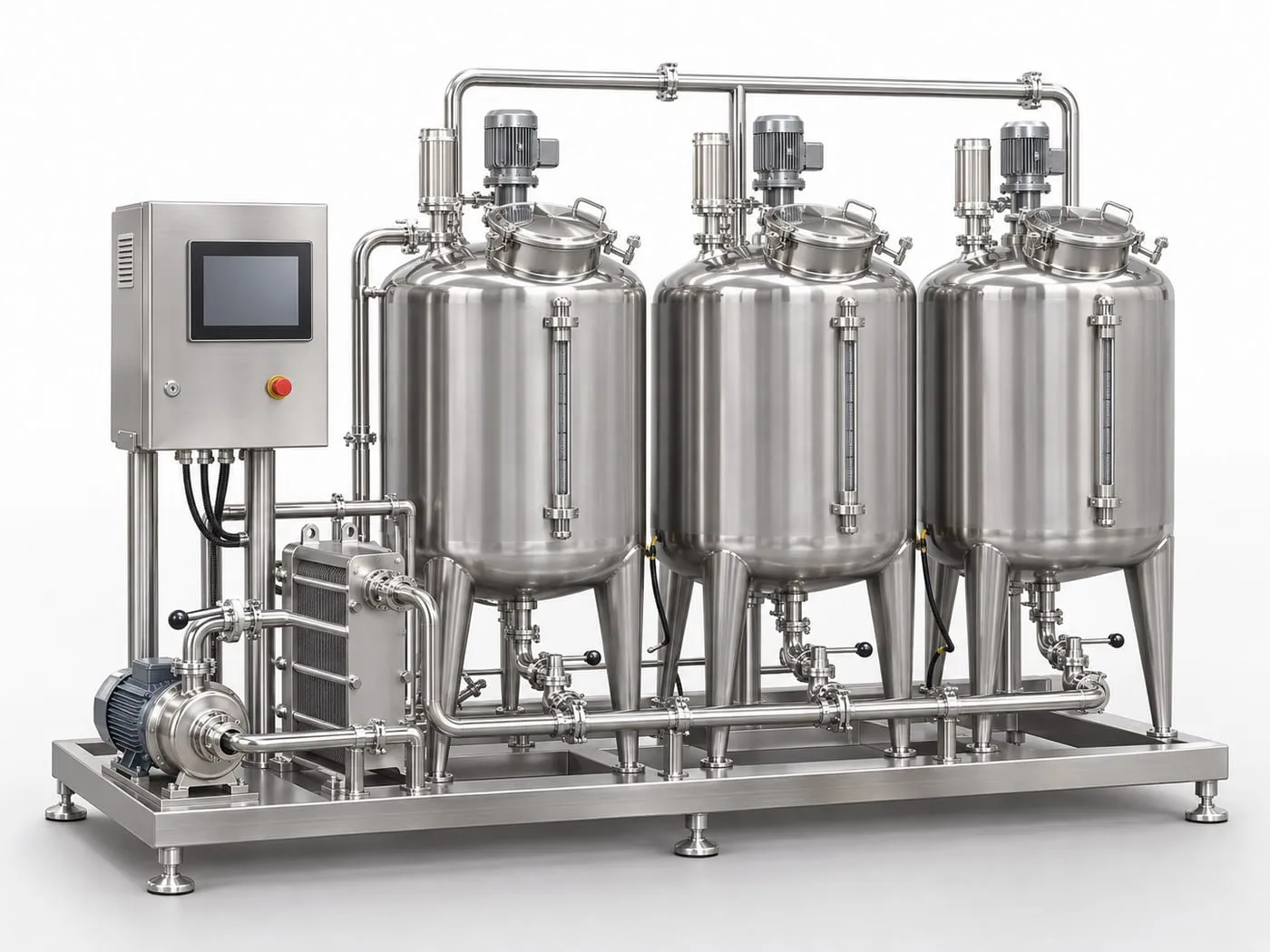
Beverage, dairy, sauce and liquid food plants with closed tanks and pipework.
Sized on circuit flow rate and circuit volume, set by pipe size and tank spray devices
Freezing, CIP & Conveying
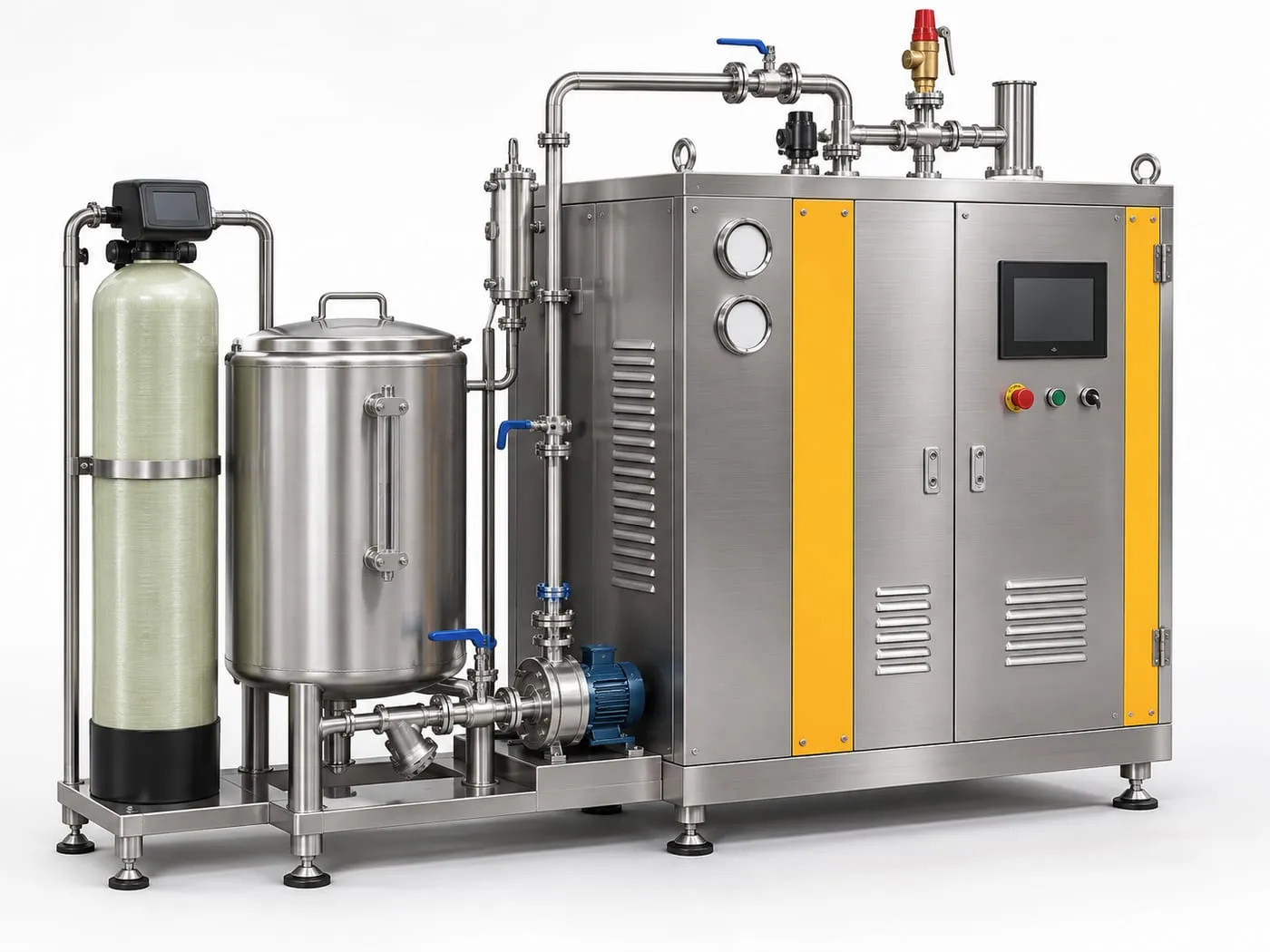
Food plants and kitchens adding steam-heated equipment without a large central boiler house.
Sized on steam output (kg/h) at the working pressure your equipment needs
Short answer: These machines are chosen from the process lines they serve, not on their own. Work out what each line needs — how much product to freeze or cool, which surfaces to clean, how much steam, which machines to connect — and then decide whether each need is met by a dedicated unit or a shared system.
| Machine or line | What it does | Choose it when |
|---|---|---|
| Industrial Food Freezer | Quick-freezes processed food in a spiral, tunnel or fluidised bed | You sell frozen products or need frozen storage before packing |
| Food Vacuum Cooler | Cools suitable foods fast by evaporating some of their water | Cooked foods, baked goods or produce must be cooled quickly before chilling or packing |
| Clean-in-Place System | Circulates cleaning solutions through closed tanks and pipes | You run liquid or semi-liquid products in closed equipment |
| Hygienic Conveyor | Moves product between machines at matched speed | You are linking machines into a line or replacing manual transfer |
| Steam Generator for Food Processing | Supplies steam to kettles, steamers, blanchers and heat exchangers | You need steam without a large central boiler house |
Vacuum cooling and quick freezing are often confused. A vacuum cooler brings warm, porous products such as bread, cooked rice or leafy produce down to chilling temperature quickly, and some product weight is lost as water evaporates. A freezer takes product below freezing for frozen storage. Some plants use both: vacuum cooling after cooking, then freezing or chilled packing. Ask for a trial with your product if you are unsure which suits it.
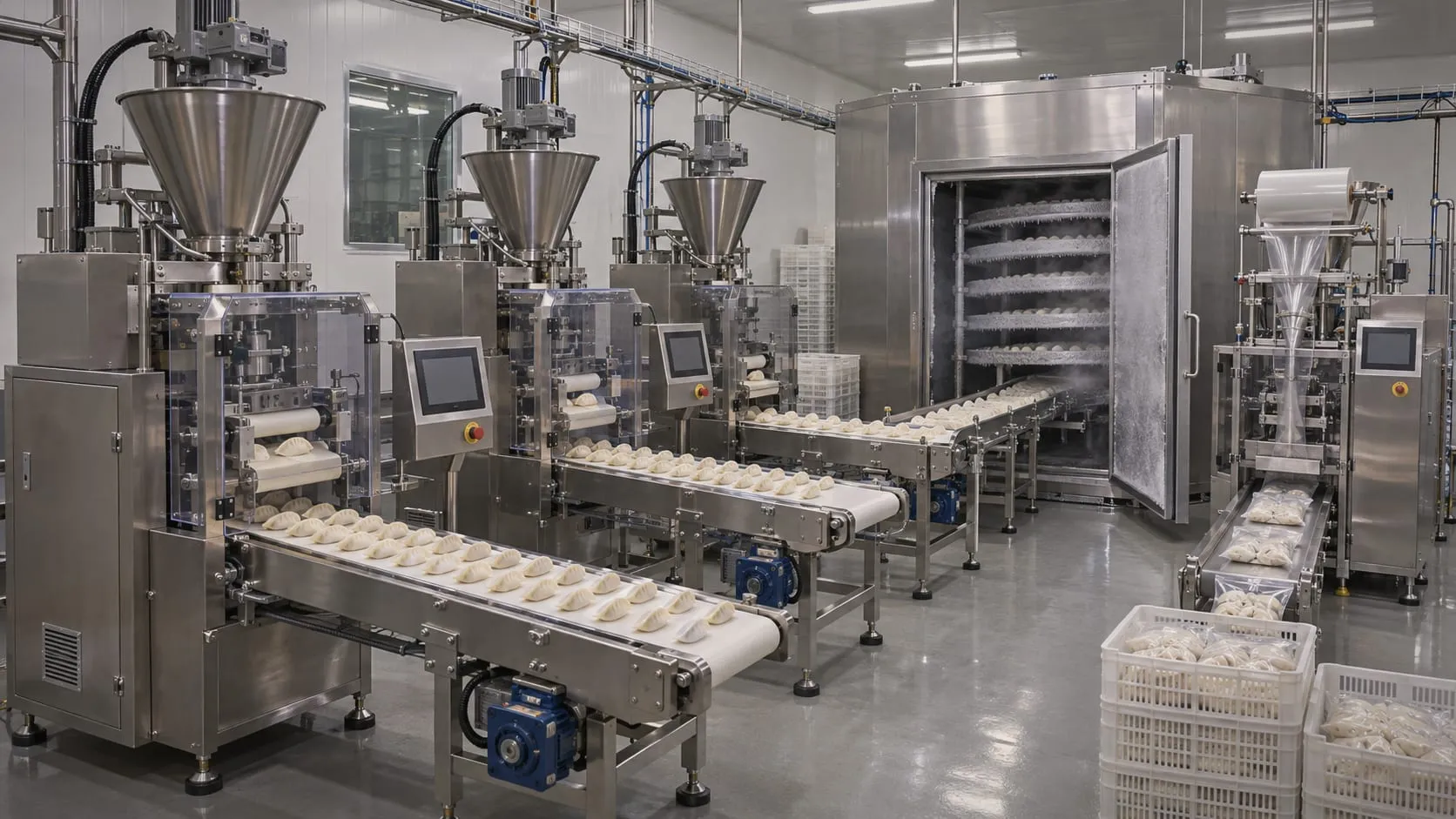
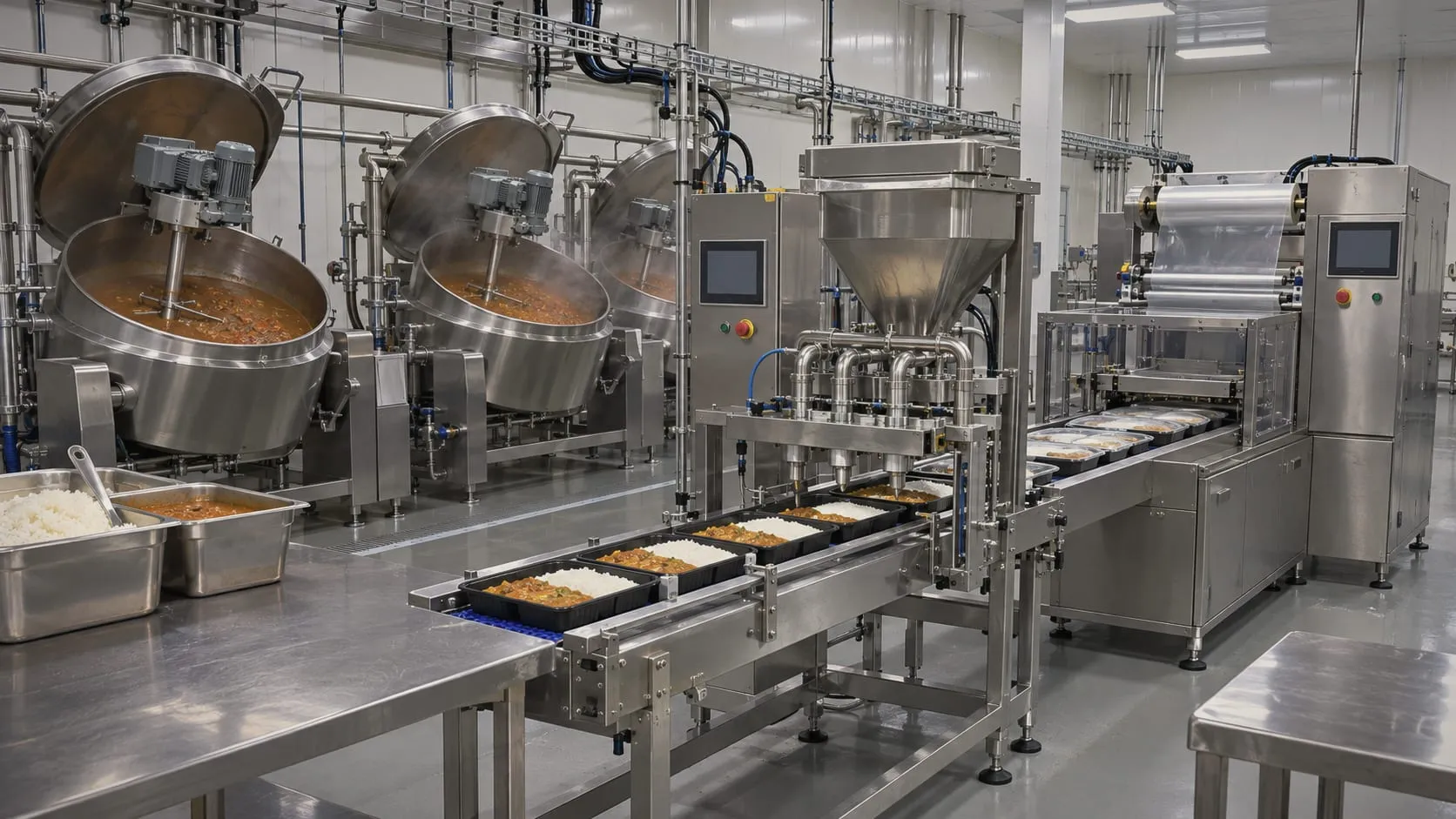
For lines where freezing and utilities are part of the design, see the frozen dumpling plant, the ready meal plant or our turnkey projects page.
At the start, together with the process machines. A freezer needs a refrigeration plant and a cold store, clean-in-place needs return lines and drains, and steam needs a generator, piping and condensate return. These decide floor space, power and water demand, and are much harder to add after the building is laid out.
A central steam supply or CIP station is efficient when several lines run at the same time and are close together. Separate units suit plants built in stages, lines far apart, or products that must be kept apart for hygiene or allergen reasons. Many plants mix both: a central supply for the main lines and local units for later additions.
For freezers and coolers: product, piece size, entry temperature, target temperature and hourly output. For CIP: the tanks, pipe lengths and machines to be cleaned and how often. For steam: every consumer and its demand pattern. For conveyors: the machines to connect, product type and line speed. A process flow diagram with these figures lets us size everything together.
Share your raw material, finished product, target output and site — our engineers reply with a matching line configuration.
Request a quote →What to send with your inquiry