Edible Oil Processing
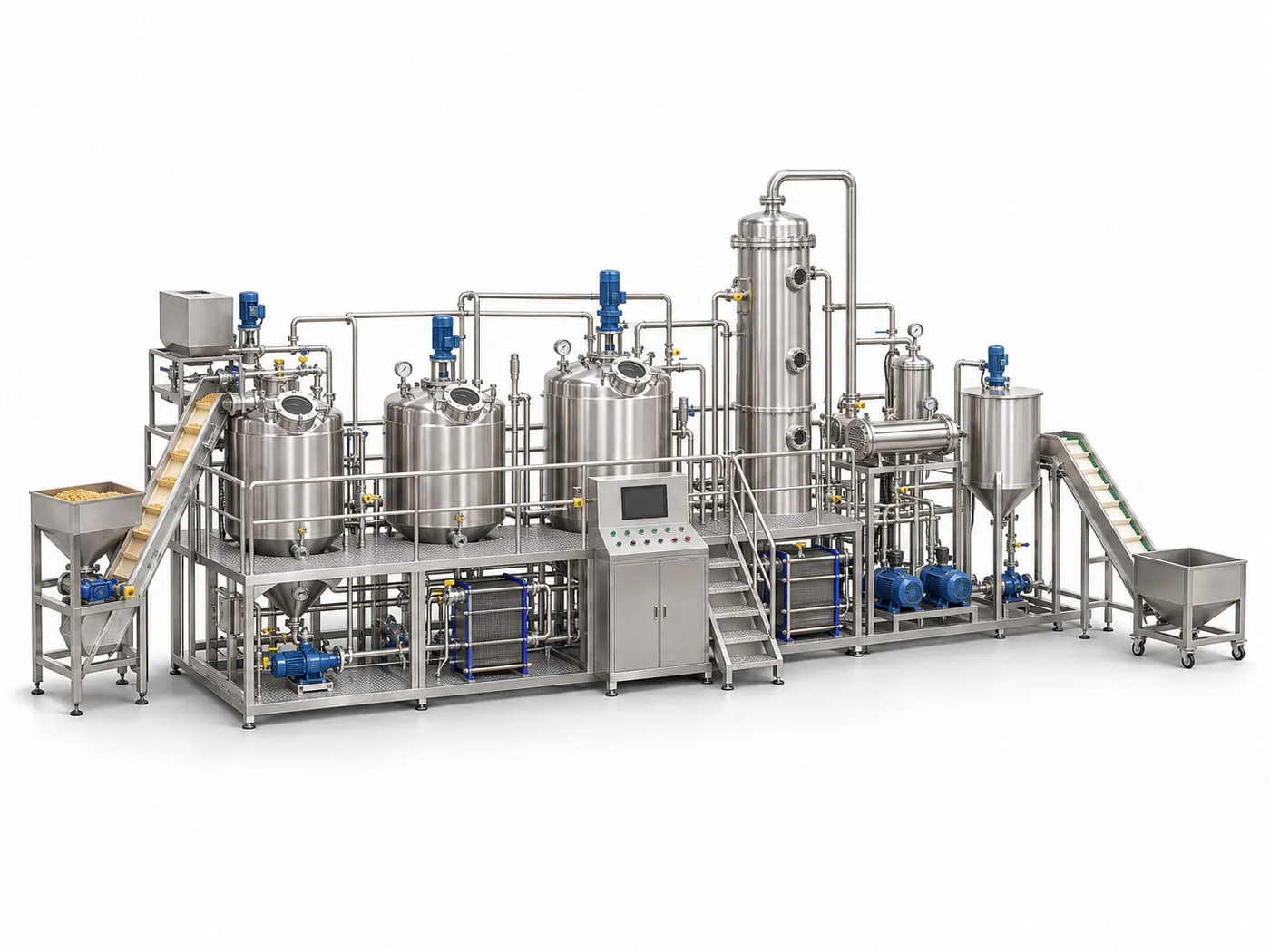
Sesame Oil Production Line
Oil mills and food companies producing roasted sesame oil, cold-pressed sesame oil or traditional sesame aroma oil.
Sized to sesame seed input (kg/h or tonnes per day)

Equipment group 03
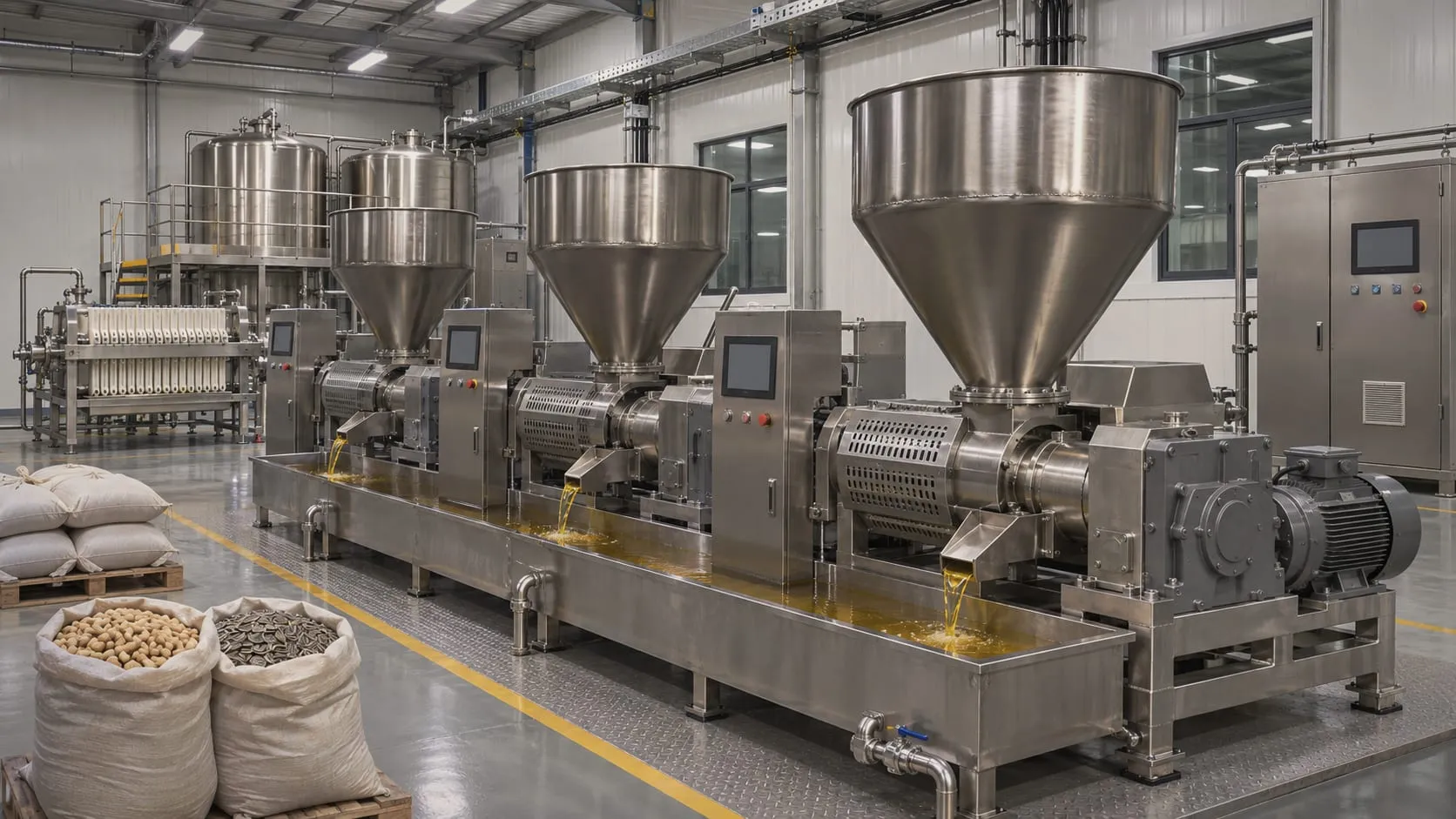
Mechanical pressing plants for peanut, sesame, sunflower, rapeseed and other oilseeds, from seed cleaning and conditioning to crude-oil filtration and refining.
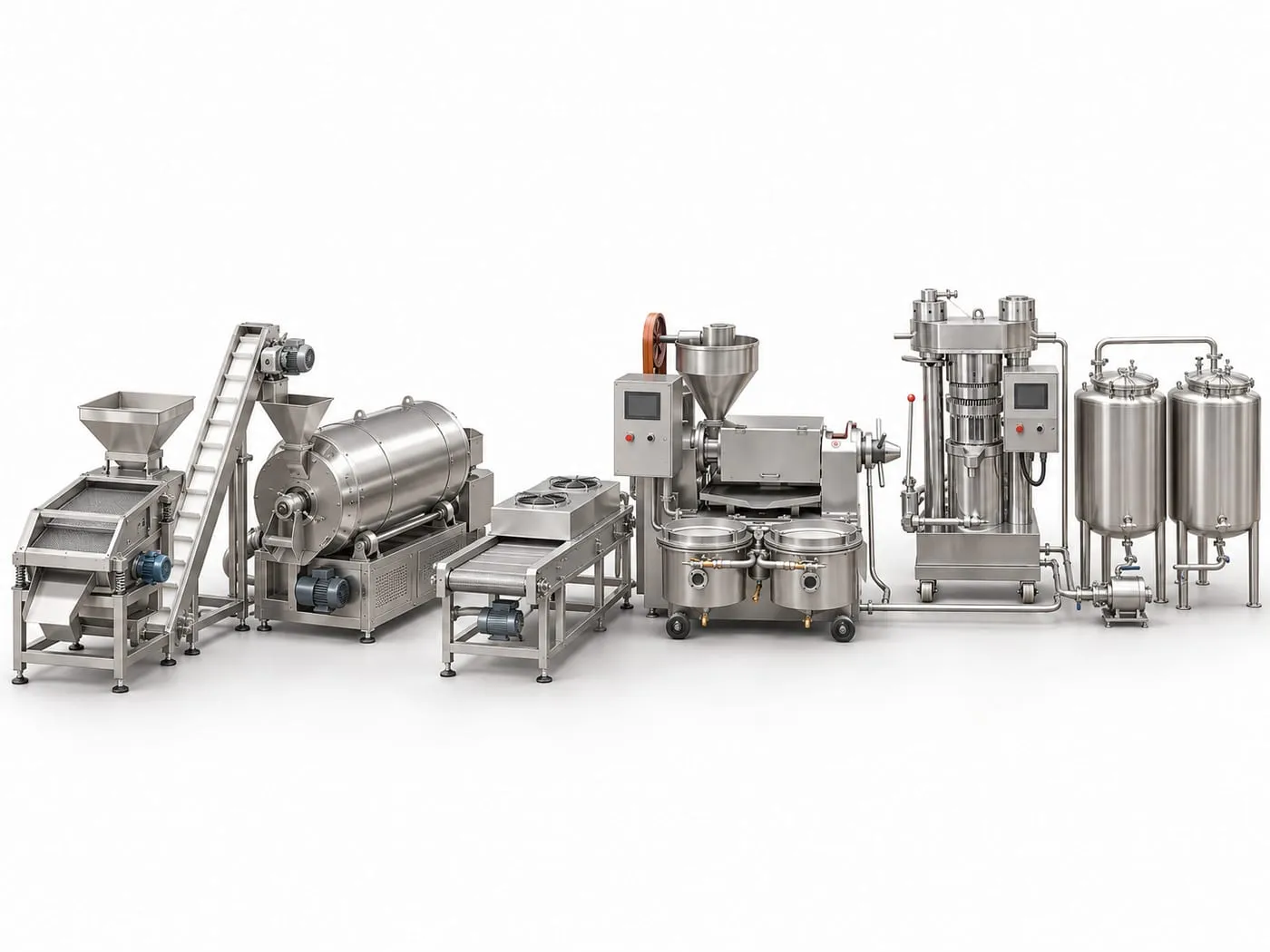
Complete lines combine several machines with conveyors and controls. Station count and sizes follow your product and target output.
Edible Oil Processing
Oil mills and food companies producing roasted sesame oil, cold-pressed sesame oil or traditional sesame aroma oil.
Sized to sesame seed input (kg/h or tonnes per day)
Edible Oil Processing
Oil mills and edible oil brands that buy or press crude oil and sell refined cooking oil.
Sized to crude oil input (tonnes per day)
Edible Oil Processing
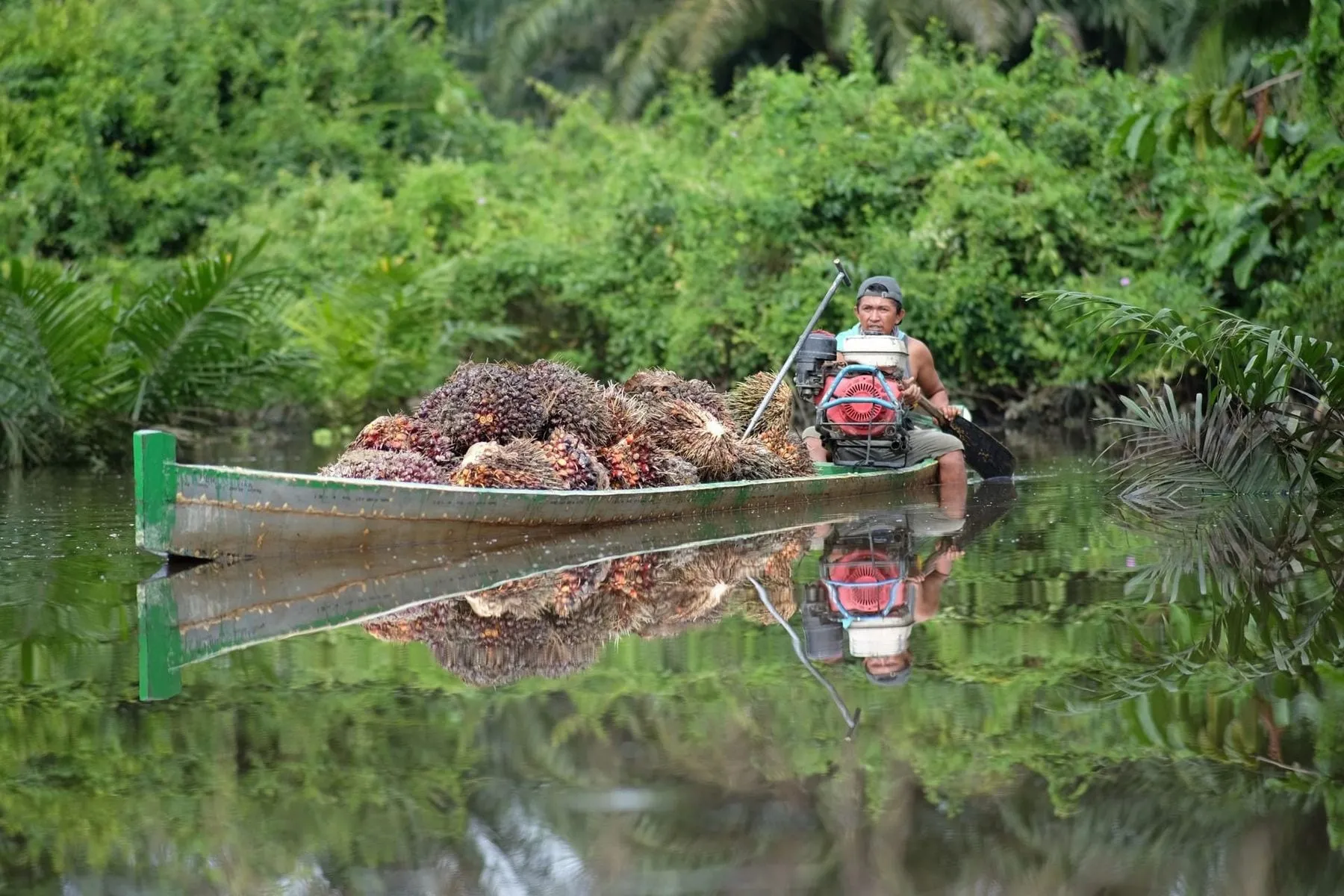
Palm growers, cooperatives and mill investors turning fresh fruit bunches into crude palm oil.
Sized to fresh fruit bunches processed per hour (t/h or kg/h of bunches)
Machines you can buy on their own or add to an existing line. Each page lists the forms available and what we check before quoting.
Edible Oil Processing
Small and medium oil mills, cooperatives and edible oil brands pressing their own oil.
Sized to oilseed input (kg/h or tonnes per day)
Edible Oil Processing
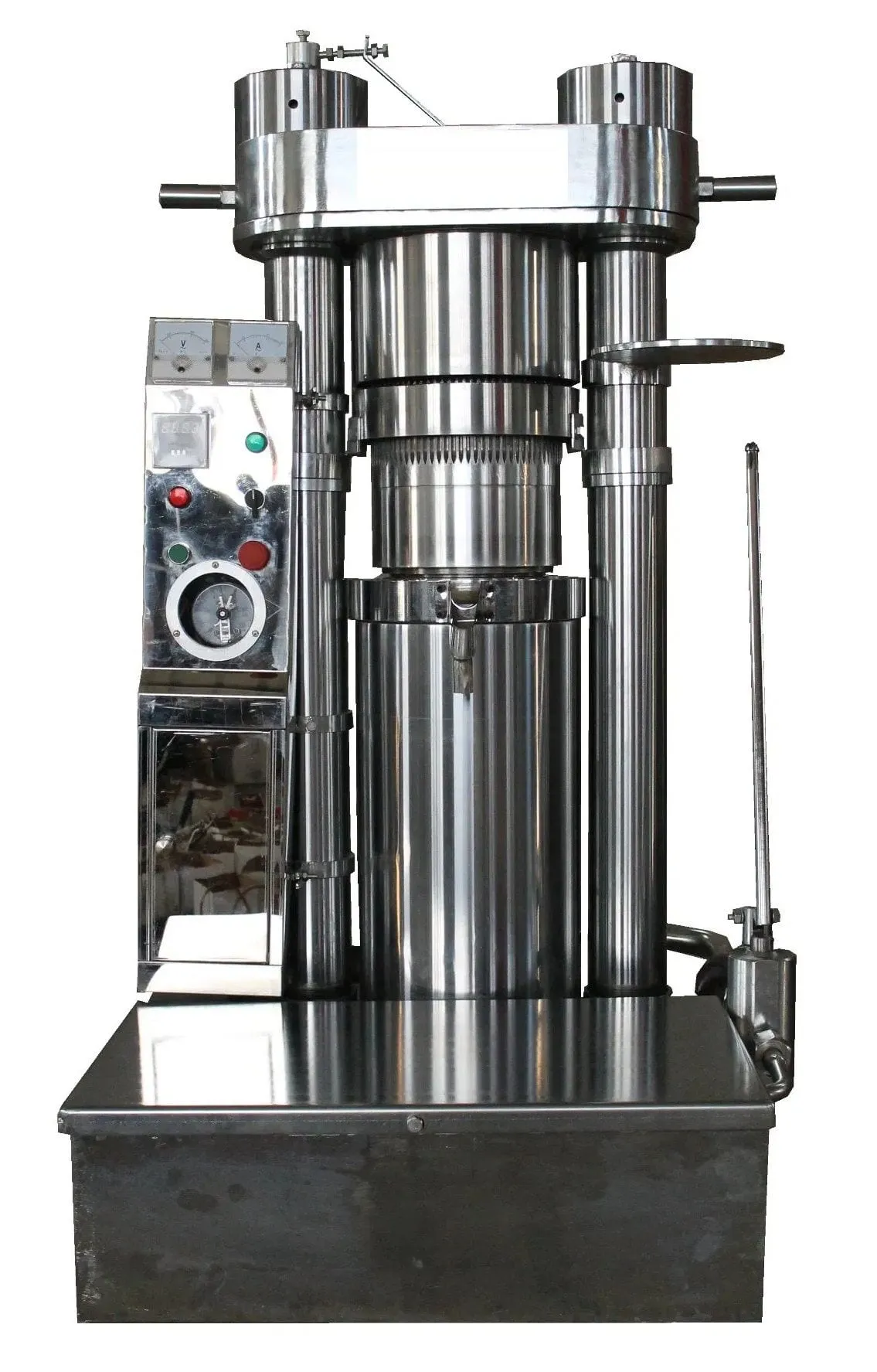
Small oil workshops and specialty oil producers pressing sesame, walnut, cocoa or other high-value oils.
Sized to seed or paste charge per batch (kg) and cycles per hour
Edible Oil Processing
Oil mills and seed processors who need clean seed for pressing, roasting or hulling.
Sized to raw oilseed input (tonnes per day or kg/h)
Edible Oil Processing
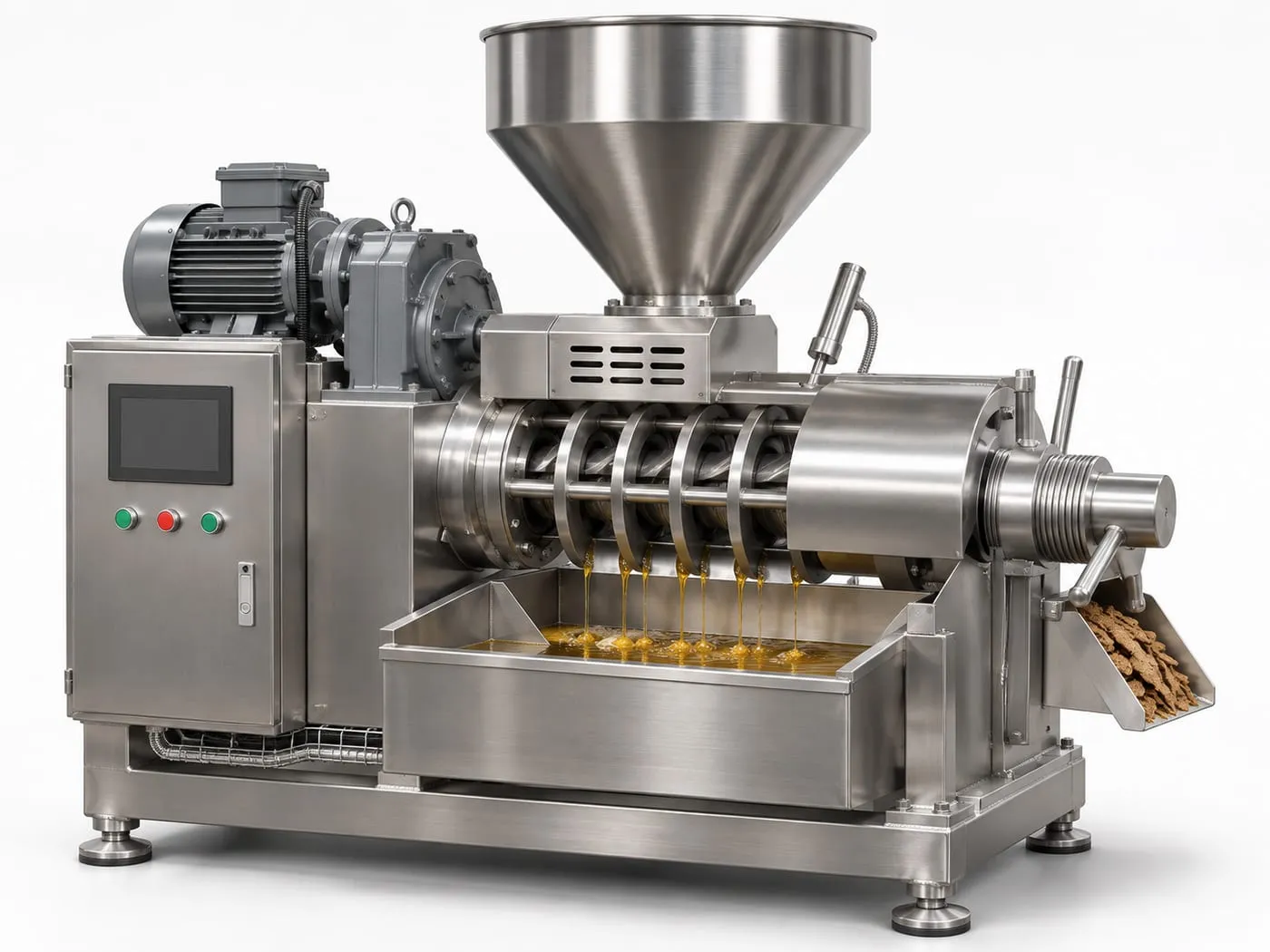
Oil mills hot-pressing groundnut, sesame, rapeseed, sunflower and other oilseeds.
Sized to oilseed input (kg/h or tonnes per day), matched to the press
Edible Oil Processing
Oil mills and press operators that sell filtered pressed oil or feed crude oil to a refinery.
Sized to crude oil flow (kg/h or tonnes per day) and solids content
Short answer: Start from the oil you want to sell and the seeds you can buy. Aromatic pressed oils need careful roasting and gentle filtering; neutral cooking oil needs pressing plus refining. The press is the heart of the plant, but its output depends on how well the seed is cleaned and conditioned before it.
| Machine or line | What it does | Choose it when |
|---|---|---|
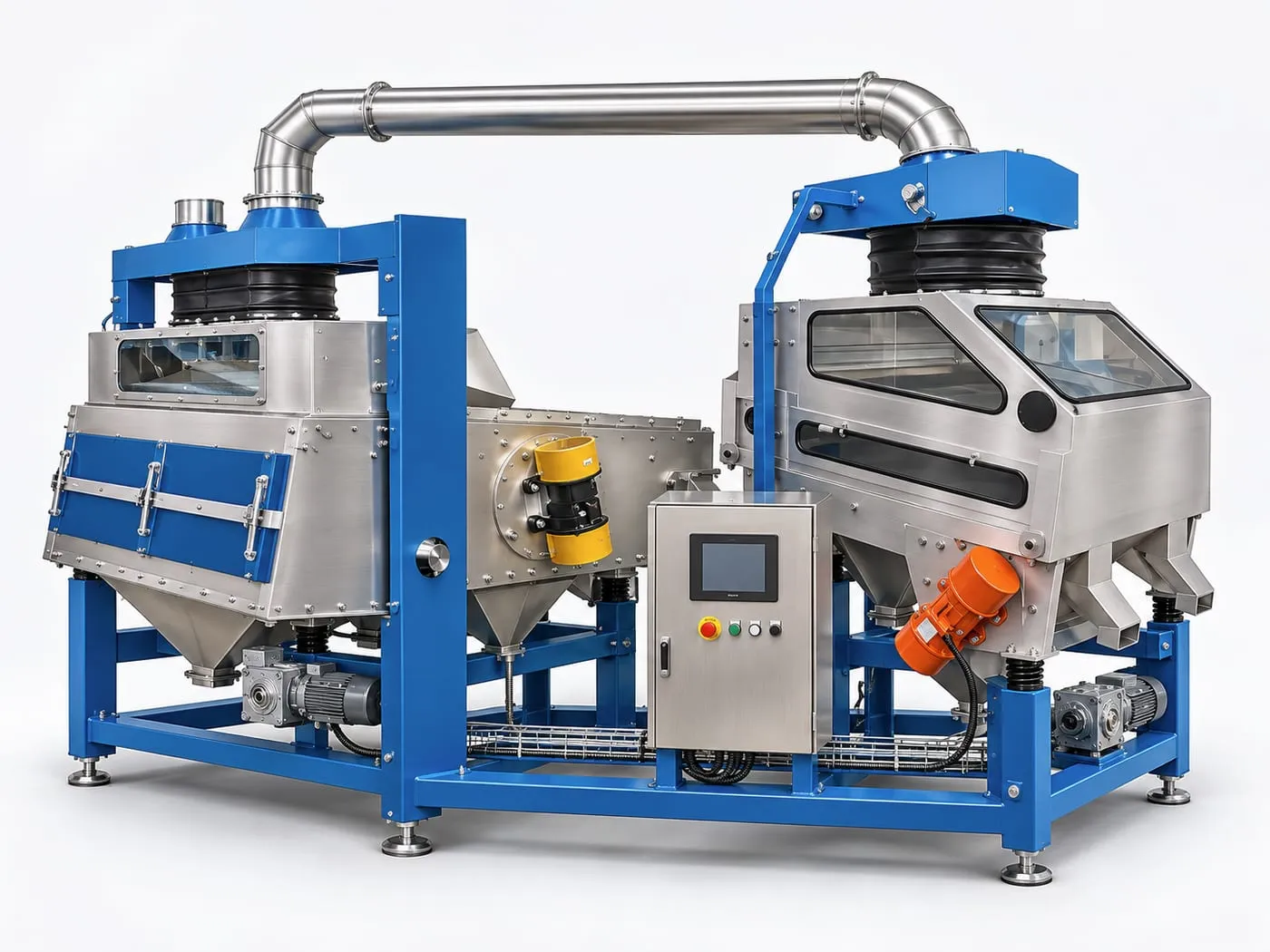
| Oilseed Cleaning Equipment | Removes stones, dust, metal and light impurities from seed | Every pressing plant; it protects the press and the oil quality |
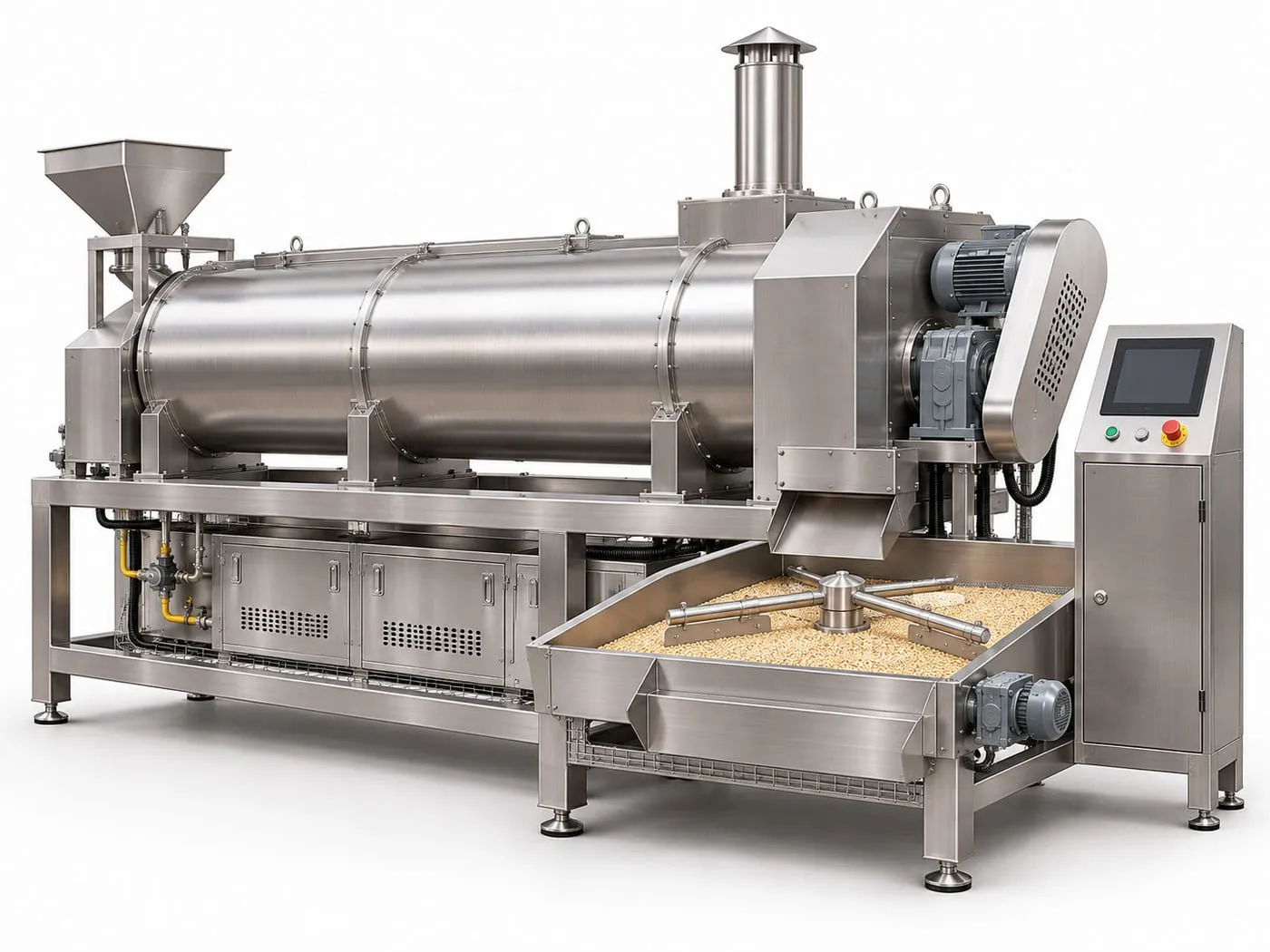
| Oilseed Roaster | Heats and conditions seed before pressing | You hot-press, or roasting flavour is part of the product |
| Screw Oil Press | Presses oil continuously with a rotating screw | You want steady pressing of groundnut, sunflower, rapeseed and similar seeds |
| Hydraulic Oil Press | Presses batches under hydraulic pressure | You make small runs of sesame, walnut, cocoa or other high-value oil |
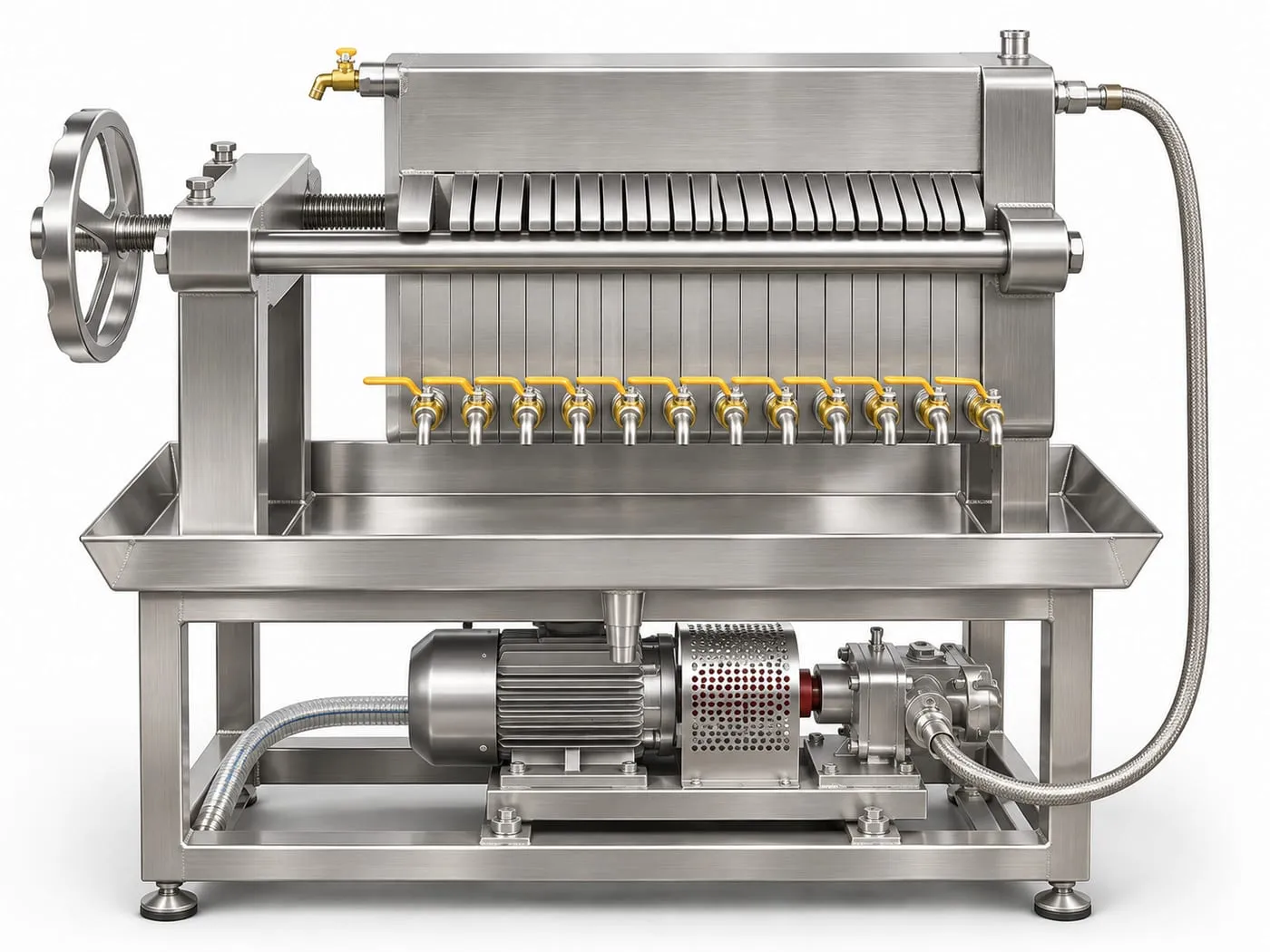
| Edible Oil Filter | Removes solids from crude pressed oil | You sell filtered pressed oil or need clean feed for a refinery |
| Edible Oil Refining Line | Treats crude oil to reduce acidity, colour and odour | You sell refined cooking oil or buy crude oil to process |
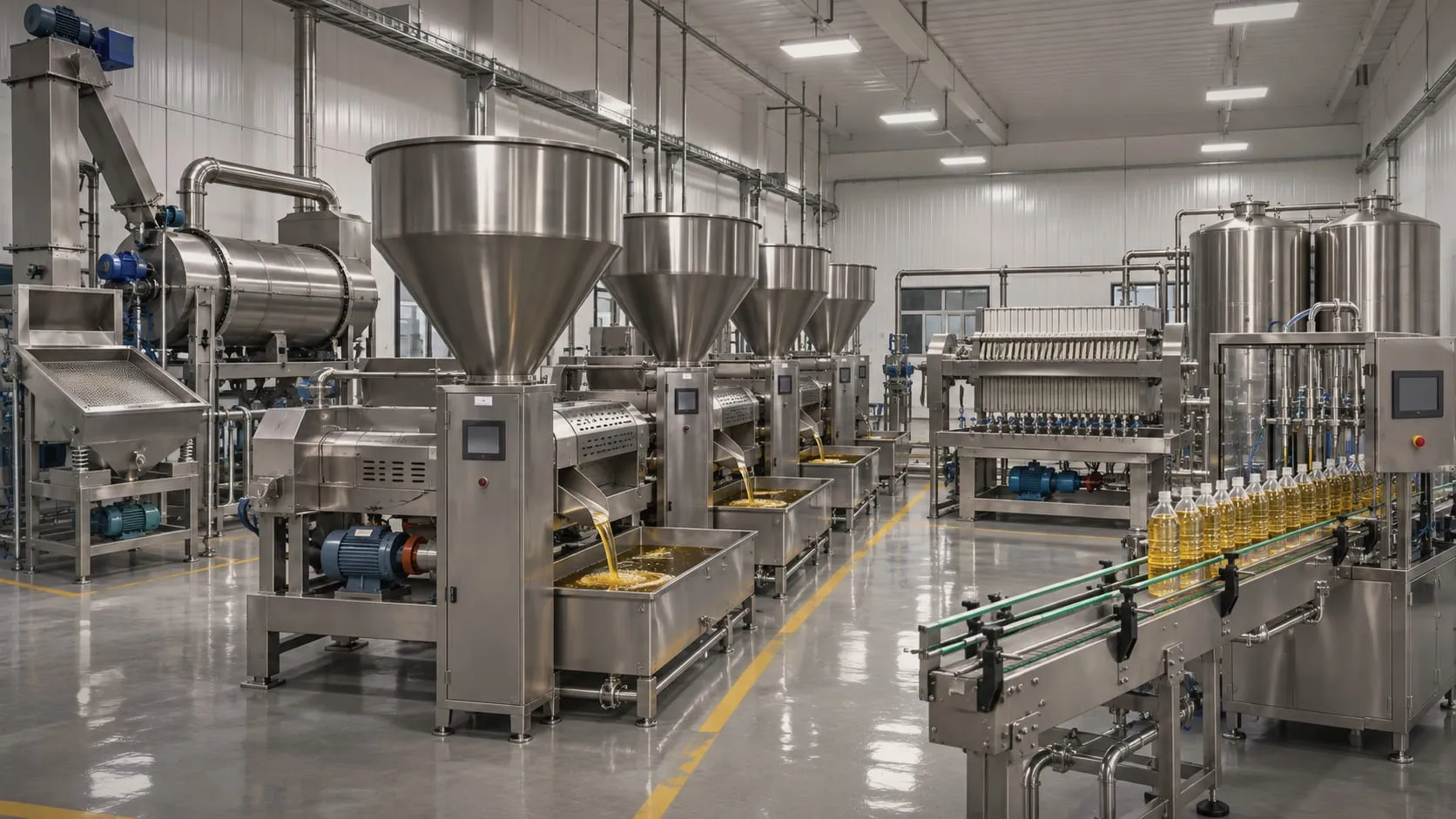
| Sesame Oil Production Line | Combines cleaning, roasting, extraction and filtering for sesame | Sesame oil is your main product |
For a full pressing plant from seed intake to filtered oil, see our edible oil pressing plant guide.
It depends on the oil and the market. Many pressed oils — roasted sesame, cold-pressed groundnut and other aromatic oils — are sold filtered but unrefined, because their flavour is the selling point. Oils sold as neutral cooking oil, or oils that do not meet your market rules for acidity, colour or other quality parameters after pressing, usually need refining. Check the local standard for the oil you plan to sell before deciding.
Often yes, with adjustments. Cleaning equipment and filters can usually be shared, but seed size, hardness and oil content change the roasting or conditioning settings and sometimes the press configuration. Tell us every seed you plan to run and the share of each, so the plant is set up for the main seed and the changeover for the others is planned.
Compare capacity on seed input per hour for the same seed and preparation, and ask for the expected oil content left in the cake under those conditions. A press quoted for a soft, oily seed will not deliver the same throughput on a harder or drier one. Also compare what is included: cleaning, conditioning, filtration and cake handling.
Share your raw material, finished product, target output and site — our engineers reply with a matching line configuration.
Request a quote →What to send with your inquiry