Edible Oil Processing
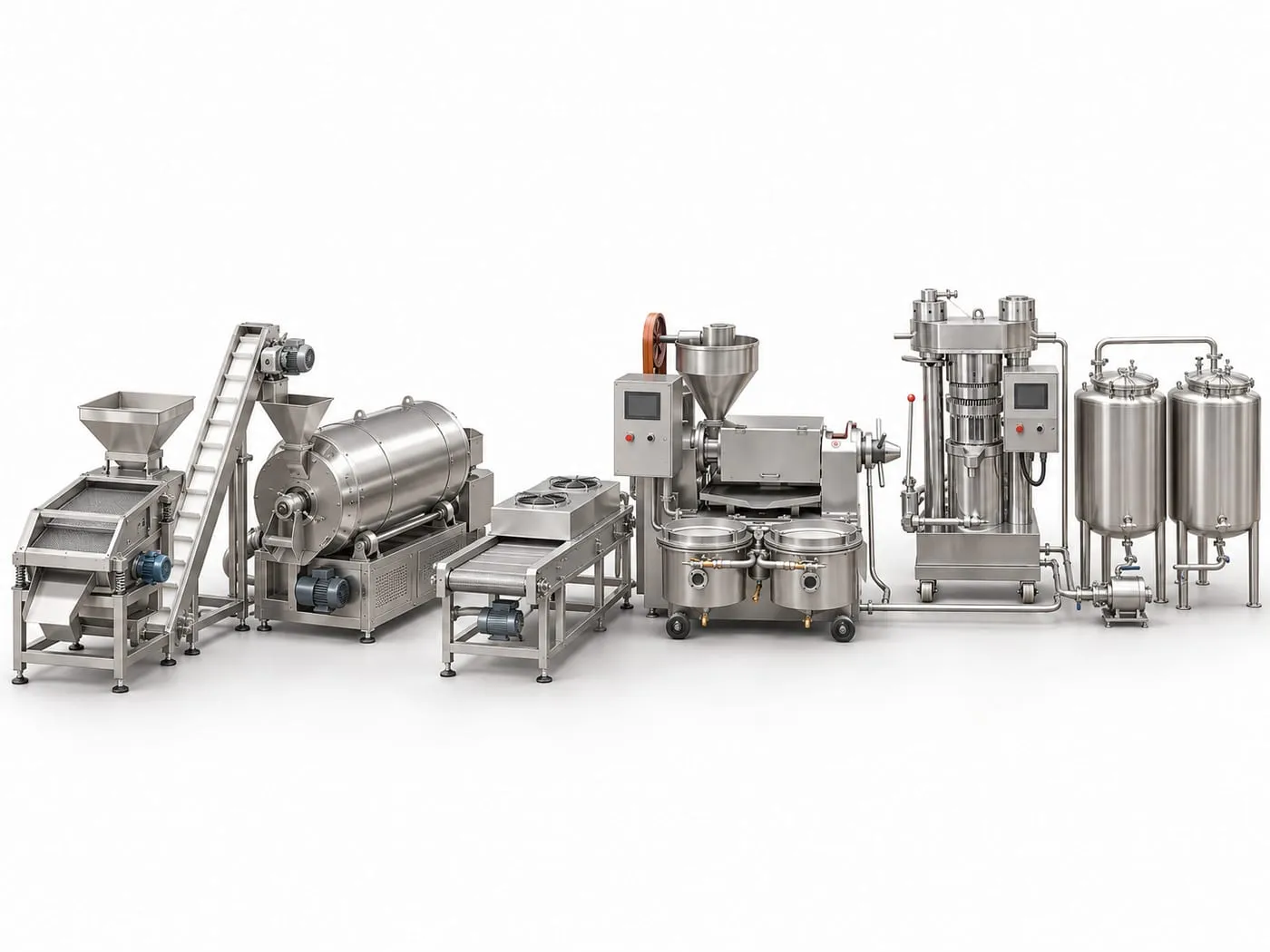
Sesame Oil Production Line
Oil mills and food companies producing roasted sesame oil, cold-pressed sesame oil or traditional sesame aroma oil.
Sized to sesame seed input (kg/h or tonnes per day)

03 · Edible Oil Processing — Production line
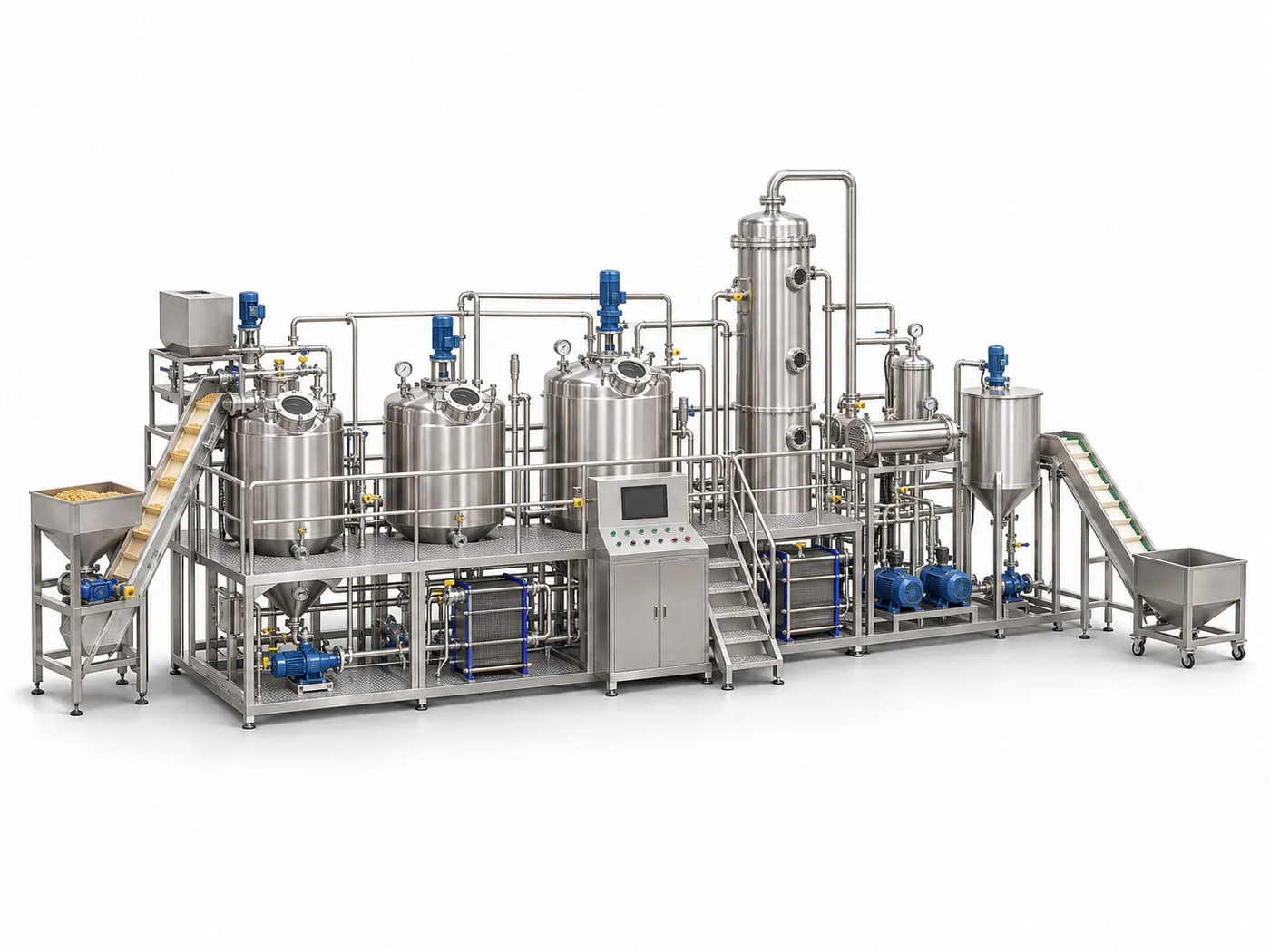
Combines degumming, neutralising, bleaching and deodorising to turn crude edible oil into refined oil, in batch or continuous form.
Short answer: An edible oil refining line removes gums, free fatty acids, colour and odour from crude oil so it can be sold as refined cooking oil. The type of oil and its crude analysis, together with your target quality, decide which units are needed and whether batch, continuous or physical refining fits; steam, vacuum and by-product handling then shape the plant.
Some oils need extra steps, such as winterising to remove waxes so the oil stays clear when cold. Each step also creates a by-product or waste stream, from soapstock to spent bleaching earth, so the refinery layout includes space and handling for these from the start rather than as an afterthought.
| Form | Suits | Watch out for |
|---|---|---|
| Batch chemical refining | Smaller volumes, several oil types | More labour; batch-to-batch variation |
| Continuous refining | Larger daily volumes of one oil | Higher investment; steady crude supply needed |
| Physical refining | Oils with low phosphorus after degumming, such as palm | Degumming must be thorough |
Crude oil comes from a screw oil press and edible oil filter, or is bought in. Steam can be supplied by a food steam generator for smaller plants. Refined oil goes to storage and a liquid filling machine.
Batch chemical refining
each step runs in tanks batch by batch; flexible for smaller volumes and several oil types.
Continuous refining
oil flows through each unit without stopping; suits larger daily volumes of one oil type.
Physical refining
free fatty acids are removed by steam distillation in the deodoriser instead of with alkali; needs well-degummed oil.
Our engineers check these points with you, so the quotation fits your site rather than a catalogue default.
Chemical refining uses alkali to remove free fatty acids and is tolerant of many crude oils. Physical refining removes them by distillation, which reduces soapstock and oil loss, but only works well when gums and phosphorus are removed thoroughly first. Your crude oil analysis decides.
Steam (often at higher pressure for deodorising), a vacuum system, cooling water, compressed air, power and chemical storage. Requirements depend on the route and capacity, and we list them in the proposal.
A batch line can switch oils with cleaning between them. Continuous lines are usually designed around one main oil, with settings adjusted for similar oils.
Tell us your raw material, finished product and target output. Our engineers reply with a matched configuration and quotation.
What to send with your inquiry
Email sales@hnfoda.com
Start a cooking oil business: choose pressing, filtering and refining equipment by scale, plus aflatoxin control, cost drivers and a quote checklist.
What a small palm oil mill needs: sterilising, threshing, digesting, pressing, clarifying, utilities, sizing on fruit bunches and a quote checklist.
Edible Oil Processing
Oil mills and food companies producing roasted sesame oil, cold-pressed sesame oil or traditional sesame aroma oil.
Sized to sesame seed input (kg/h or tonnes per day)
Edible Oil Processing
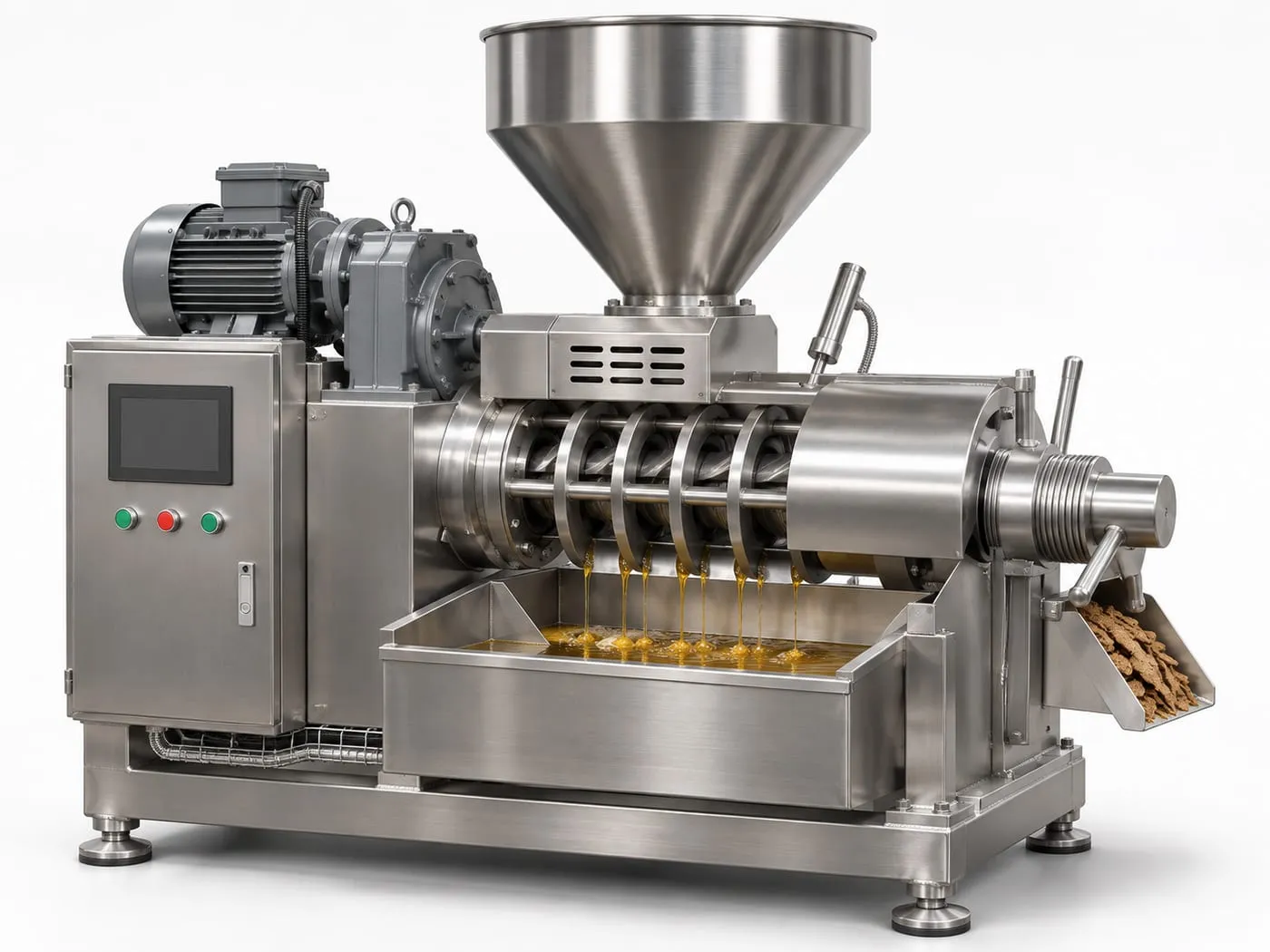
Small and medium oil mills, cooperatives and edible oil brands pressing their own oil.
Sized to oilseed input (kg/h or tonnes per day)
Edible Oil Processing
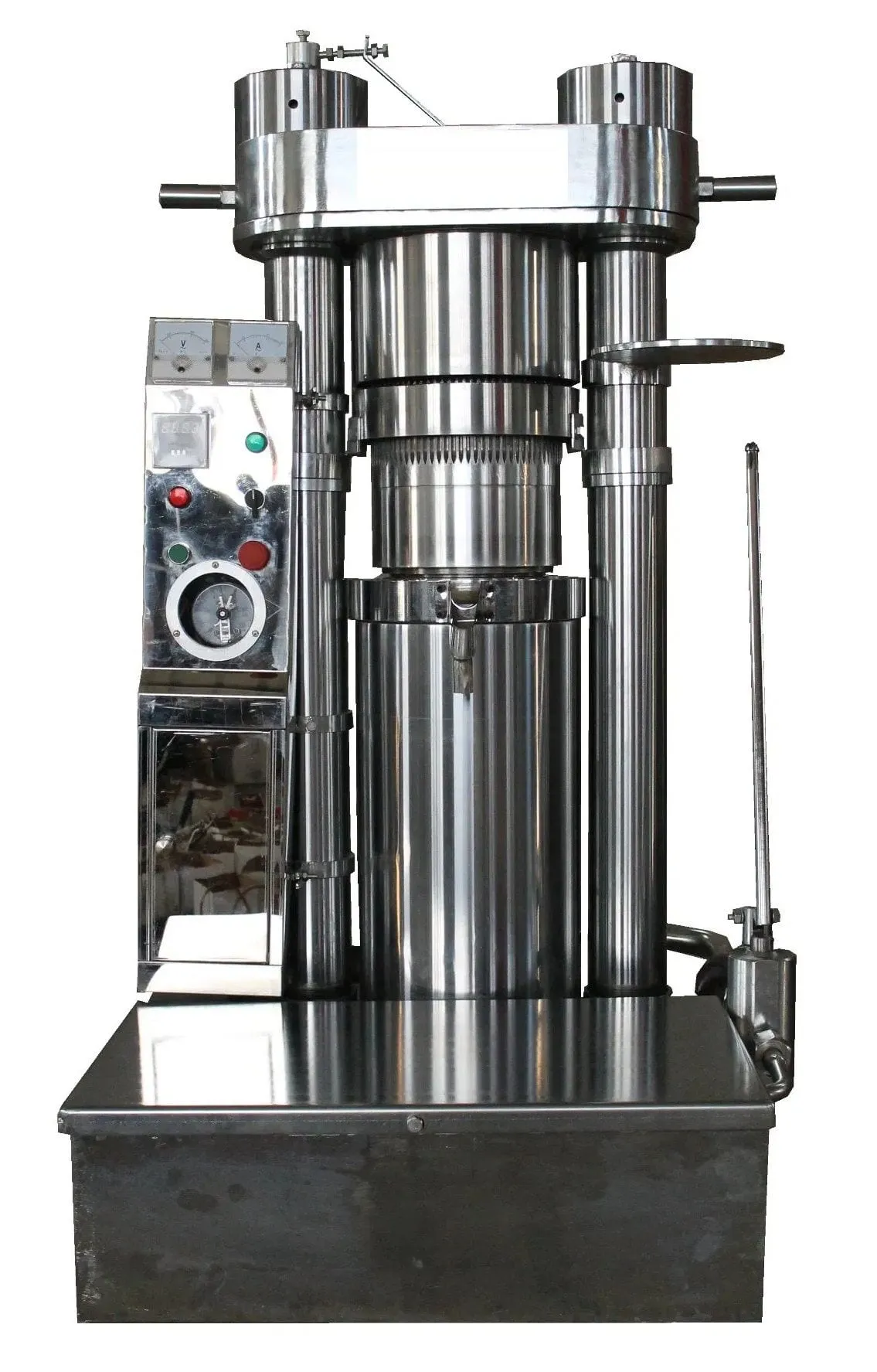
Small oil workshops and specialty oil producers pressing sesame, walnut, cocoa or other high-value oils.
Sized to seed or paste charge per batch (kg) and cycles per hour
Edible Oil Processing
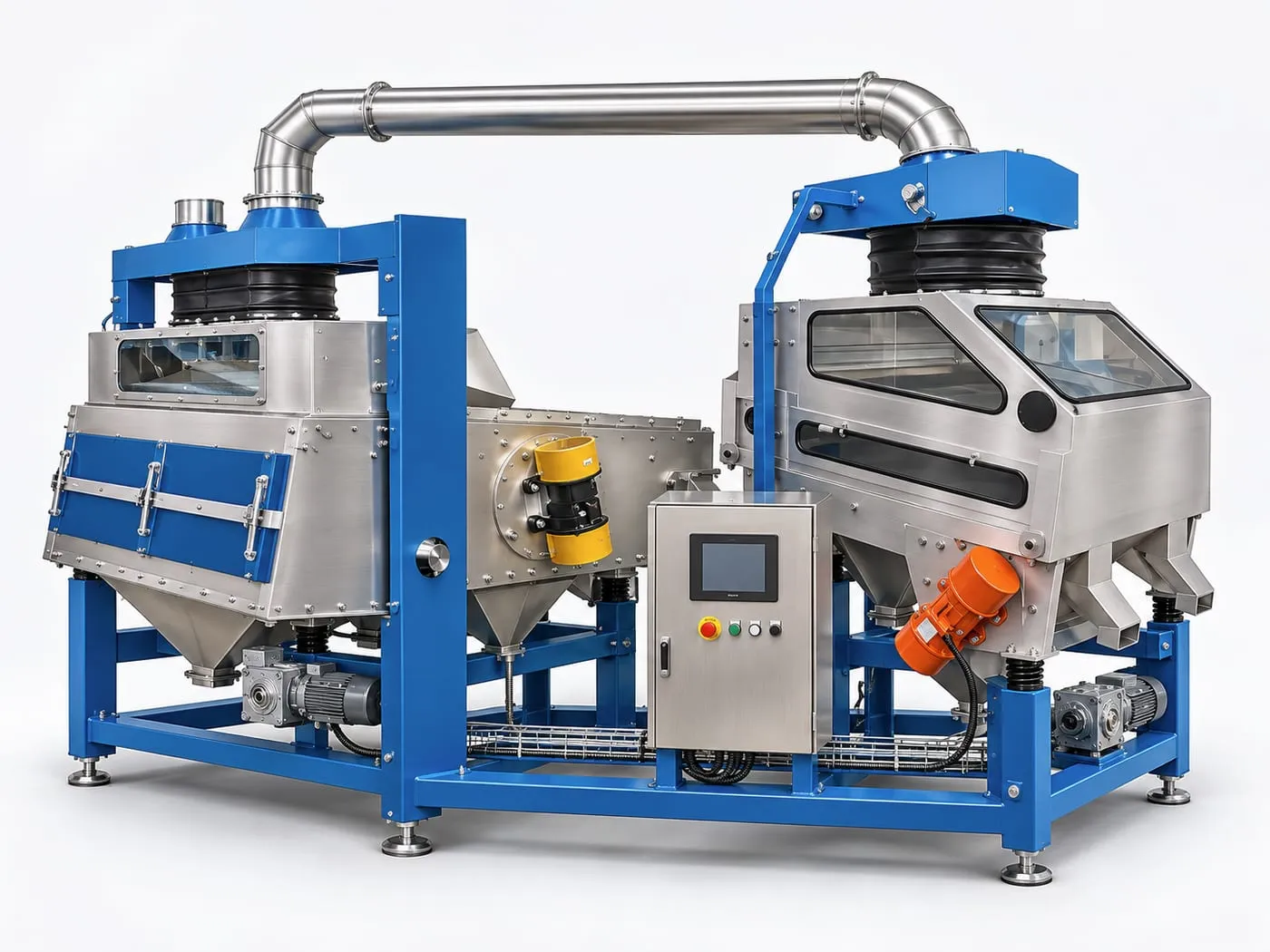
Oil mills and seed processors who need clean seed for pressing, roasting or hulling.
Sized to raw oilseed input (tonnes per day or kg/h)