Guides
Palm Oil Processing Machine for Nigeria and Ghana: What a Small Mill Needs
What a small palm oil mill needs: sterilising, threshing, digesting, pressing, clarifying, utilities, sizing on fruit bunches and a quote checklist.
- Prepared by
- HNFODA Applications Engineering
- Topic
- Guides
- Published
- Reading time
- 6 min read · 1 source
On this page
Short answer: a small palm oil mill turns fresh fruit bunches into clarified crude oil in six steps: sterilising (cooking), threshing, digesting, pressing, clarifying and drying. HNFODA supplies palm oil processing lines. For Nigeria and Ghana the first decisions are how many tonnes of bunches you can collect per day, how fast they reach the mill, and whether you have steam or only hot water. Those answers matter more than the make of the press.
What counts as a small mill
The Food and Agriculture Organization of the United Nations (FAO) groups palm oil processing into four categories: traditional methods, small-scale mechanical units, medium-scale mills and large industrial mills. In its bulletin on small-scale processing in Africa, units handling up to 2 tonnes of fresh fruit bunches (FFB) per hour are small-scale, installations of 3 to 8 tonnes per hour are medium-scale and mills above 10 tonnes per hour are large. FAO also notes that small village and artisanal ventures range from a few hundred kilograms up to 8 tonnes of FFB per day and sell crude oil to the domestic market. The same source says information on small-scale units is scarce, which is one reason buyers are often unsure what a mill really needs.
These definitions help when you compare offers. A supplier who quotes a “1 tonne per hour” line should say whether that is fruit input, oil output or something else. Measure on bunches in, as we do.
The route from bunch to crude oil
- Bunch reception. Bunches are weighed and checked. FAO is blunt about quality here: the mill cannot improve the fruit that arrives, only avoid making it worse.
- Threshing. Fruit is stripped from the stalk, by hand with a machete or in a drum with beater bars.
- Sterilising or cooking. Heat stops the enzymes that split the oil, softens the pulp and helps the oil cells release their contents. High-pressure steam is more effective and loses less water; many small operators cook loose fruit in water instead, because they cannot make steam.
- Digesting. A heated vessel with rotating arms mashes the fruit and breaks open oil cells. FAO notes that most small digesters lack insulation and steam injection, and that iron wear here can speed up rancidity, so material and wear parts matter.
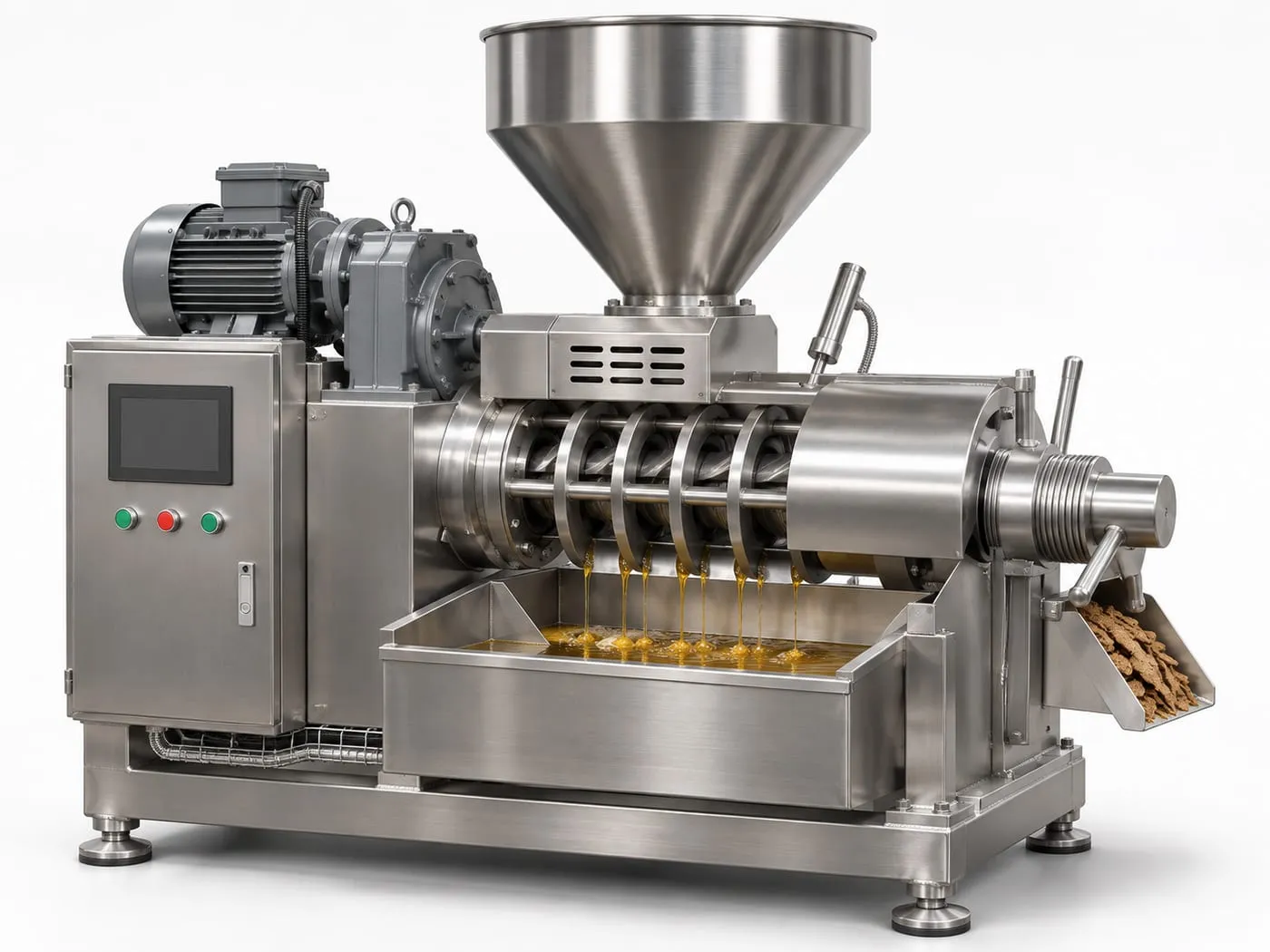
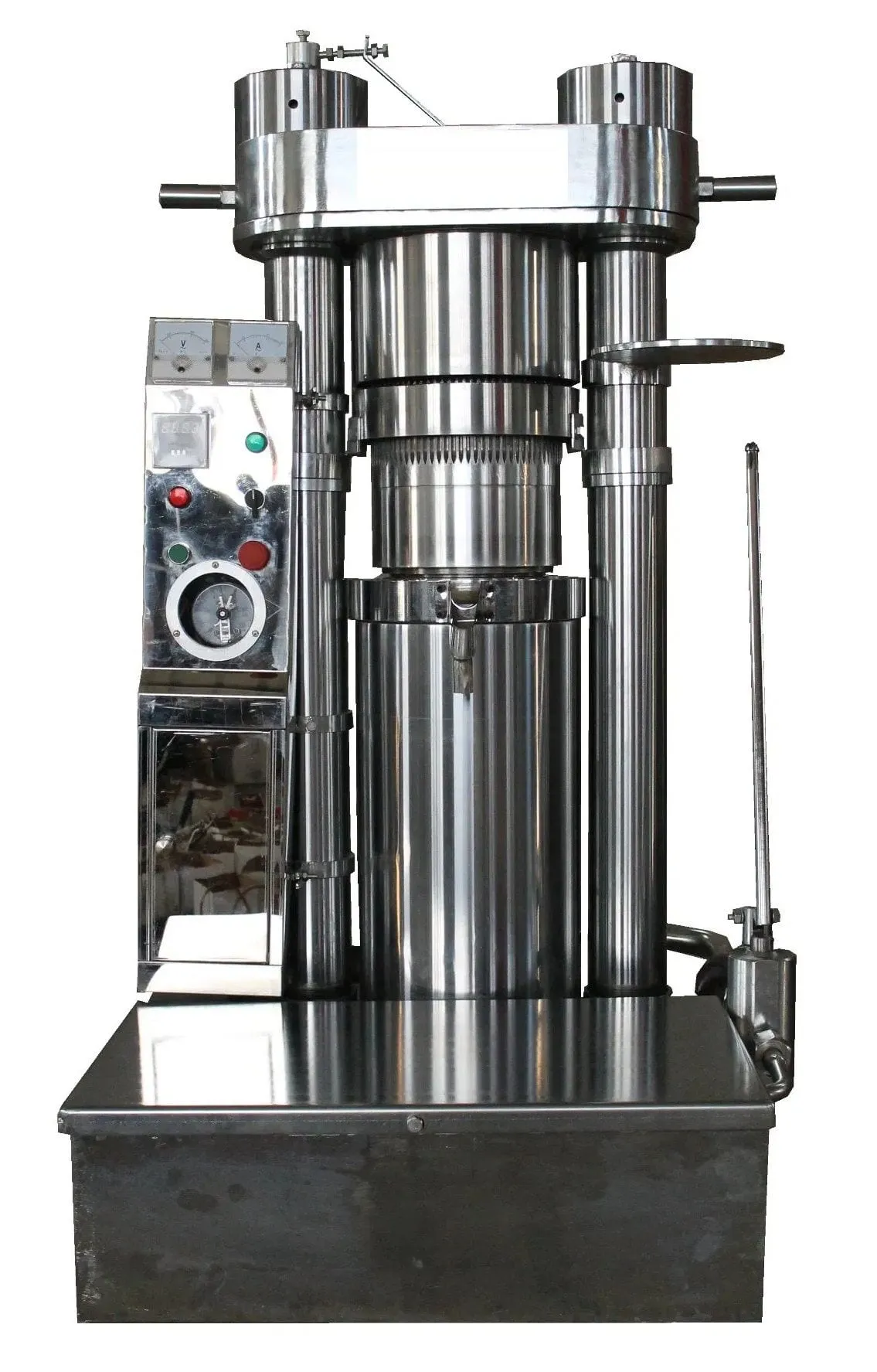
- Pressing. A press squeezes oil out of the mash. Batch spindle or hydraulic presses suit small volumes; continuous screw presses suit steady volume. Our palm oil processing line uses a screw press, and the screw oil press page explains how that kind of press works for other oilseeds.
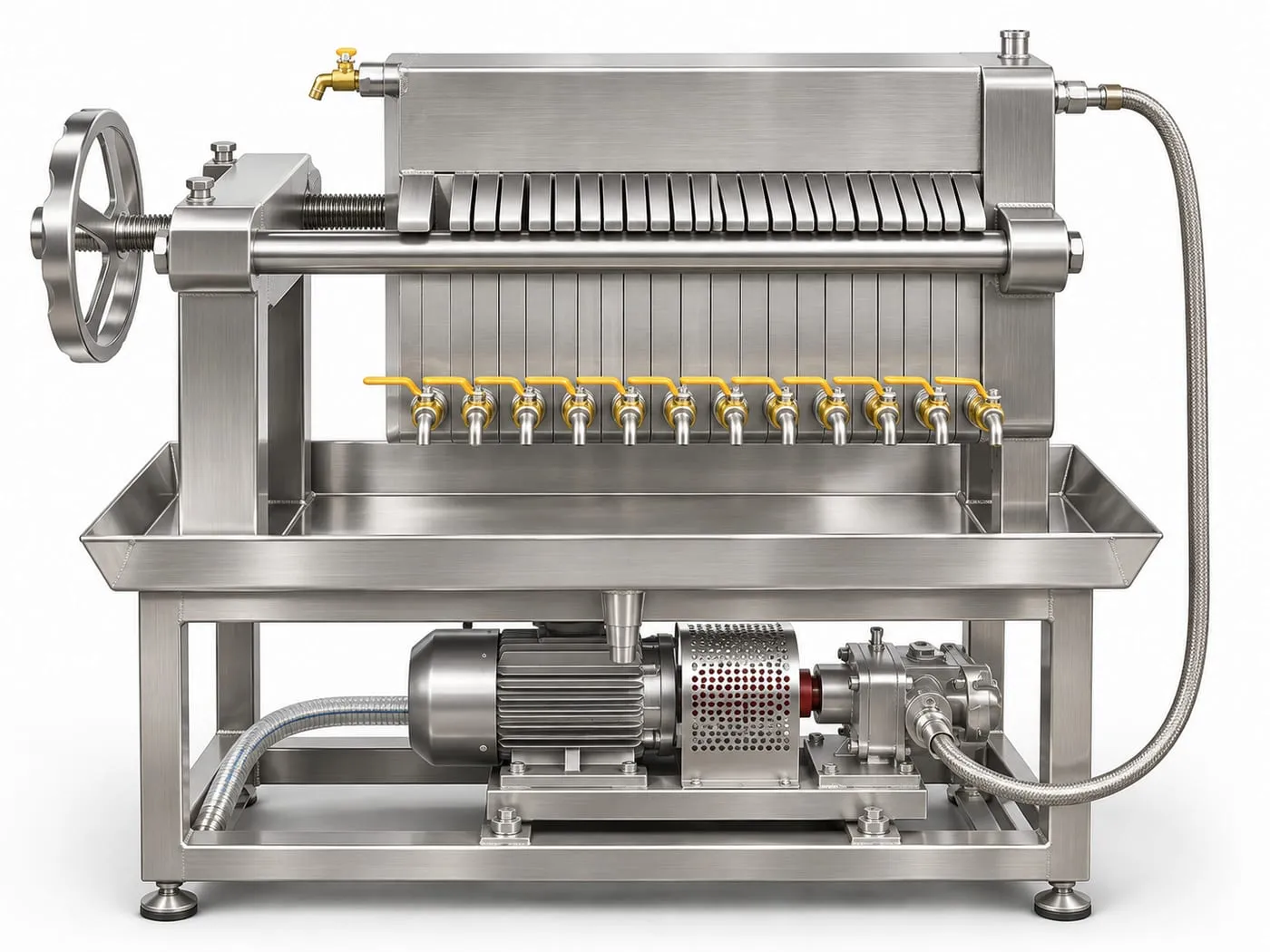
- Clarifying and drying. The press output is a mix of oil, water and solids. FAO describes diluting it with hot water, screening out fibre, boiling for one to two hours and letting the oil settle, then drying the decanted oil to a low moisture content (0.15 to 0.25 percent is the figure it gives) to slow the rise of free fatty acids. A final edible oil filter removes fine solids before storage.
After pressing, fibre and nuts remain. Nuts can be cracked to recover palm kernels, which are sold on or processed separately, and fibre and shell can fire the boiler.
Which configuration fits
| Configuration | Suits | Needs | Watch out for |
|---|---|---|---|
| Small village press | Cooperatives, a few hundred kg of bunches per day | Hot water, basic power, labour for threshing | Low throughput, more manual handling |
| Continuous mid-size line | Steady daily volume, a mill buying from many growers | Steam or strong heating, water, power, trained operators | Needs matching fruit supply every day |
| Line with clarification and kernel recovery | Mills selling oil and kernels | Settling tanks, nut cracking, drying space | Kernel market and extra floor space |
Fruit quality decides the oil
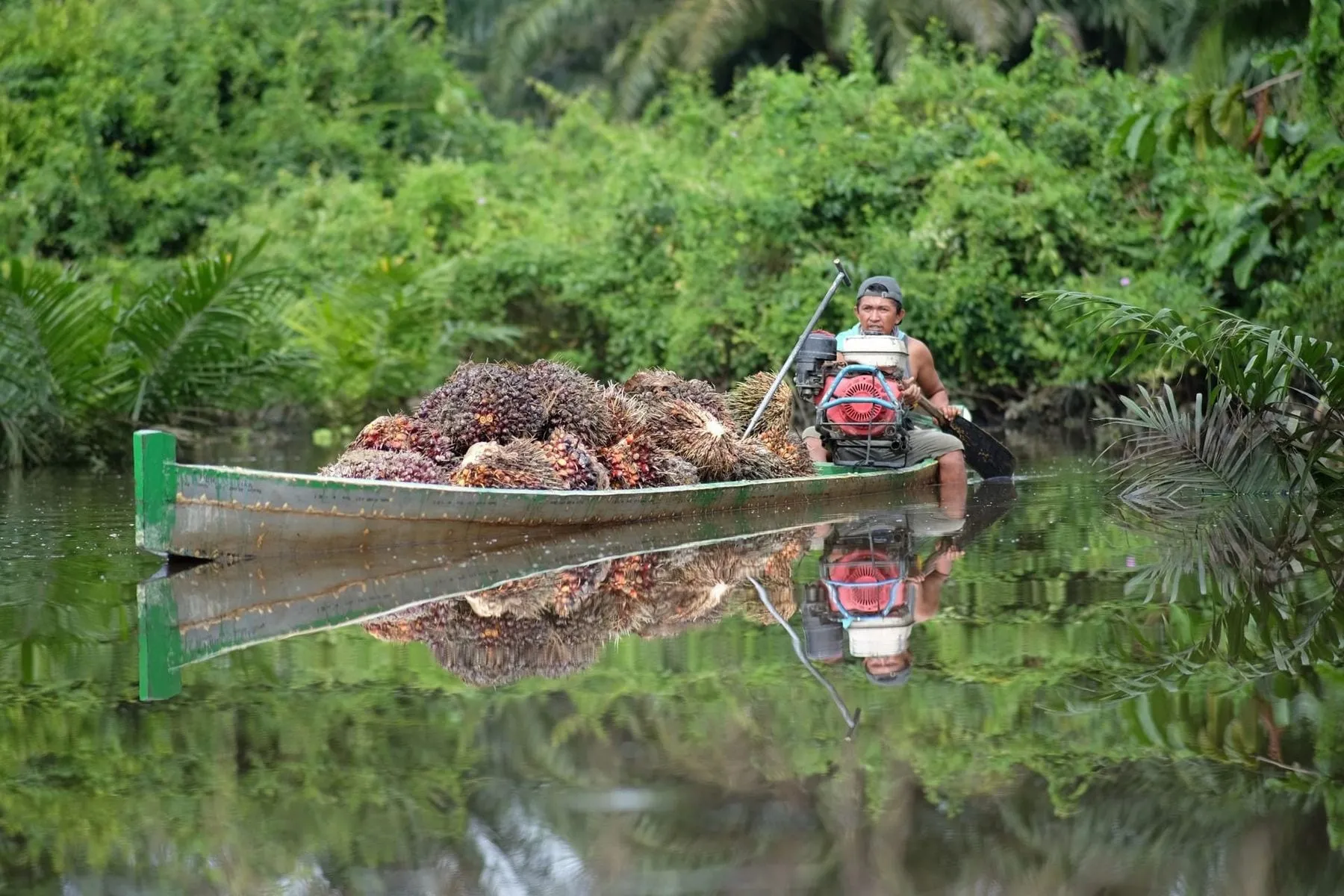
FAO reports that free fatty acid (FFA) in the oil of fresh, ripe, unbruised fruit is below 0.3 percent, that it rises through enzyme action once fruit is damaged, and that FFA in bruised parts of a fruit can climb very quickly. Bunches are often carried in baskets and dropped from vehicles, which bruises the fruit. FAO suggests processing as soon as possible after harvest, for example within 48 hours, while also noting that some local consumers accept higher FFA in crude oil. High FFA is a problem for refiners, so check what your buyers want.
Practical steps: set fast, gentle bunch handling at the mill, buy ripe fruit, avoid long queues of waiting trucks and keep records of delivery time. A bigger press will not repair a slow supply chain.
Utilities and site
Plan these alongside the machines:
- Heat. A boiler or steam source for sterilising and digesting, or hot water and fuel if you cook fruit in vessels.
- Water. Clarification uses hot water. FAO describes adding water at a ratio of 3:1.
- Fuel. Empty bunches, fibre and shell are common fuels.
- Effluent. Wastewater from clarification and sludge need a plan that satisfies the local environment authority.
- Storage. Dry, clean tanks or containers for crude oil. FAO notes that oxidation rises with storage temperature and iron contamination, so protected tanks matter.
- Power. Motors for the thresher, digester and press; ask what your grid and generator can supply.
Figures to treat with care
Extraction rates quoted online vary widely. FAO gives 21 to 23 percent oil in bunches of ideal composition and 23 to 24 percent extraction at large, well-run mills from good Tenera fruit. Treat these as an indicative ceiling for large mills, not a promise for a small plant. Fruit variety, ripeness, delivery time and press settings all change the result. Be wary of any offer that guarantees an extraction rate before seeing your fruit and your site.
Beyond crude oil
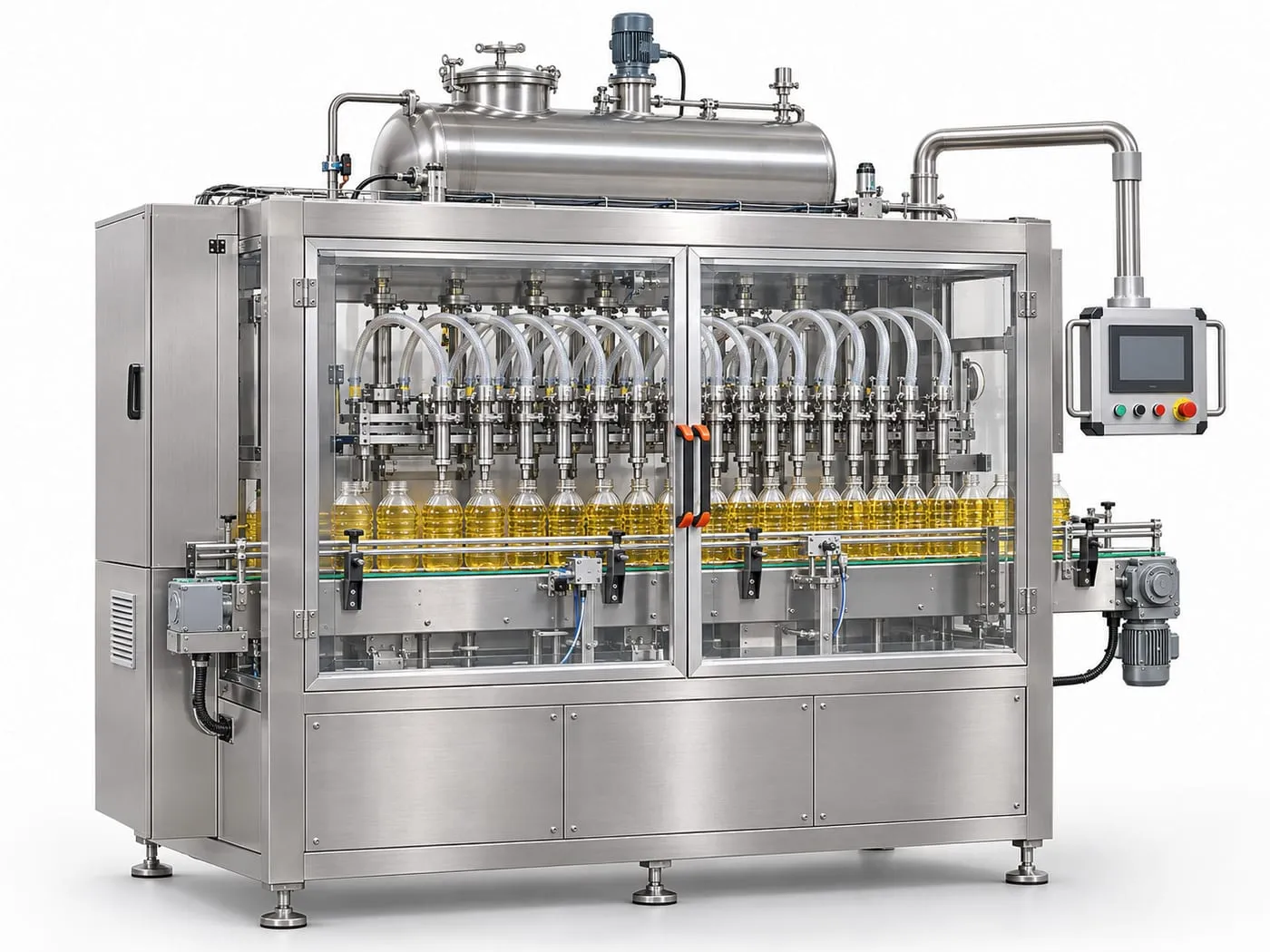
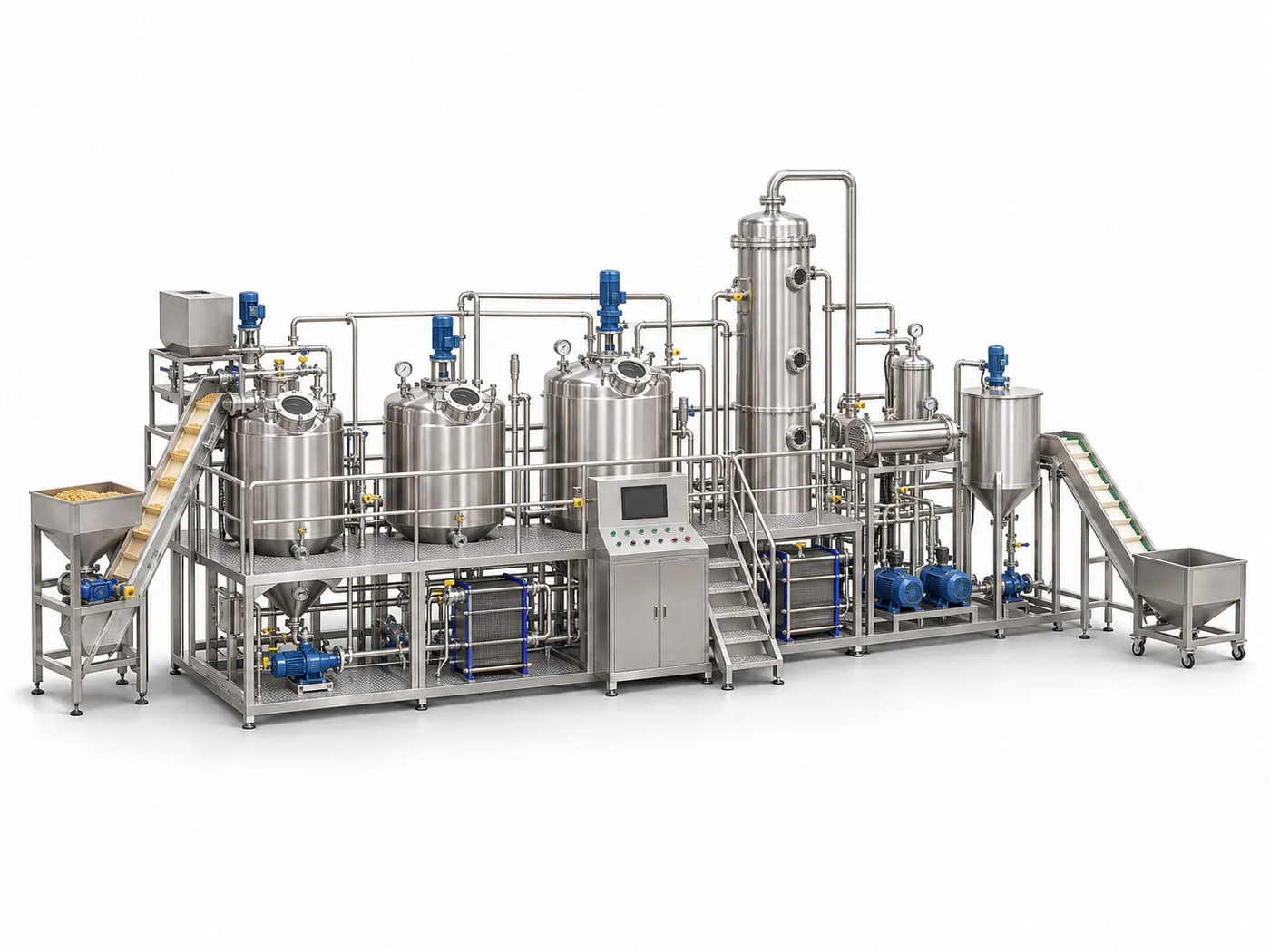
Selling crude palm oil in drums is the simplest route. Selling in retail packs means filtering, filling and labelling: a liquid filling machine handles the filling, and refining, if you want a clear cooking oil, is a separate edible oil refining line. For planning the whole site, see our edible oil plant guide and the edible oil category.
Common mistakes
- Buying a press first and planning heat, water and effluent afterwards.
- Sizing on a nameplate figure instead of the tonnes of bunches you can actually collect every day.
- Letting bunches wait for days because the mill is far from the plantation or the queue is long.
- Choosing a digester or press without asking about wear parts, spare parts and who will service it locally.
- Expecting a large-mill extraction rate from a small mill without trained operators.
What to prepare for a quotation
- Fresh fruit bunches you can receive per hour and per day, and per season.
- Fruit variety if known (Tenera, Dura) and a typical bunch weight.
- Time between harvest and arrival at the mill.
- Whether you can make steam, and what fuel you have.
- Water source and quantity, and how wastewater will be handled.
- Target product: crude oil only, filtered oil, kernels, retail packs.
- Site: floor area, power supply, roof and drainage.
- Preferences between batch and continuous operation, and whether you plan to expand.
Contact us with these details. For larger projects, see our turnkey projects page.
Frequently asked questions
- What machines does a small palm oil mill need?
- A sterilising vessel or cooker, a thresher to strip fruit from bunches, a digester that mashes the fruit, a press, and clarification and drying equipment for the crude oil. Many small mills also add oil filtering, storage tanks and a fibre-nut separation step. A palm oil processing line combines these in a matched flow.
- Is a screw press or a hydraulic press better for palm fruit?
- Both are used. FAO describes batch spindle and hydraulic presses and continuous screw presses; screw presses knead the fruit mass and can break open cells the digester missed, and they suit steady daily volume. Batch presses can suit a cooperative with limited fruit and simple utilities. Tell us your fruit volume per day.
- How much oil will I get from a tonne of bunches?
- It depends on the variety, ripeness, handling and the mill. FAO gives the oil content of ideal Tenera bunches as 21 to 23 percent and reports extraction of 23 to 24 percent in large, well-run mills from good Tenera. These are indicative figures for large mills; small mills usually recover less, and we do not promise a rate before seeing your fruit.
- Do I need a boiler?
- Not always. Many small processors cook threshed fruit in hot water because they cannot generate steam, according to FAO. Steam sterilising is more effective and loses less water, but needs a boiler and a fuel supply; fibre and shell left after pressing are a common fuel. Your site and budget decide.
- Can I sell refined or bottled oil from the same mill?
- The mill produces crude palm oil. Refining is a separate line, and bottling needs a filling machine and a market that accepts your product. Many mills start by selling crude oil and add filtering and filling later.
Sources
- [1]Small-Scale Palm Oil Processing in Africa (FAO Agricultural Services Bulletin 148), chapters 1-3 — Food and Agriculture Organization of the United Nations, 2002
HNFODA Applications Engineering
Line design, product trials and commissioning
Engineers who size, build and commission HNFODA food processing lines, writing from the questions buyers ask before a quotation. About HNFODA