Edible Oil Processing
Sesame Oil Production Line
Oil mills and food companies producing roasted sesame oil, cold-pressed sesame oil or traditional sesame aroma oil.
Sized to sesame seed input (kg/h or tonnes per day)

03 · Edible Oil Processing — Equipment
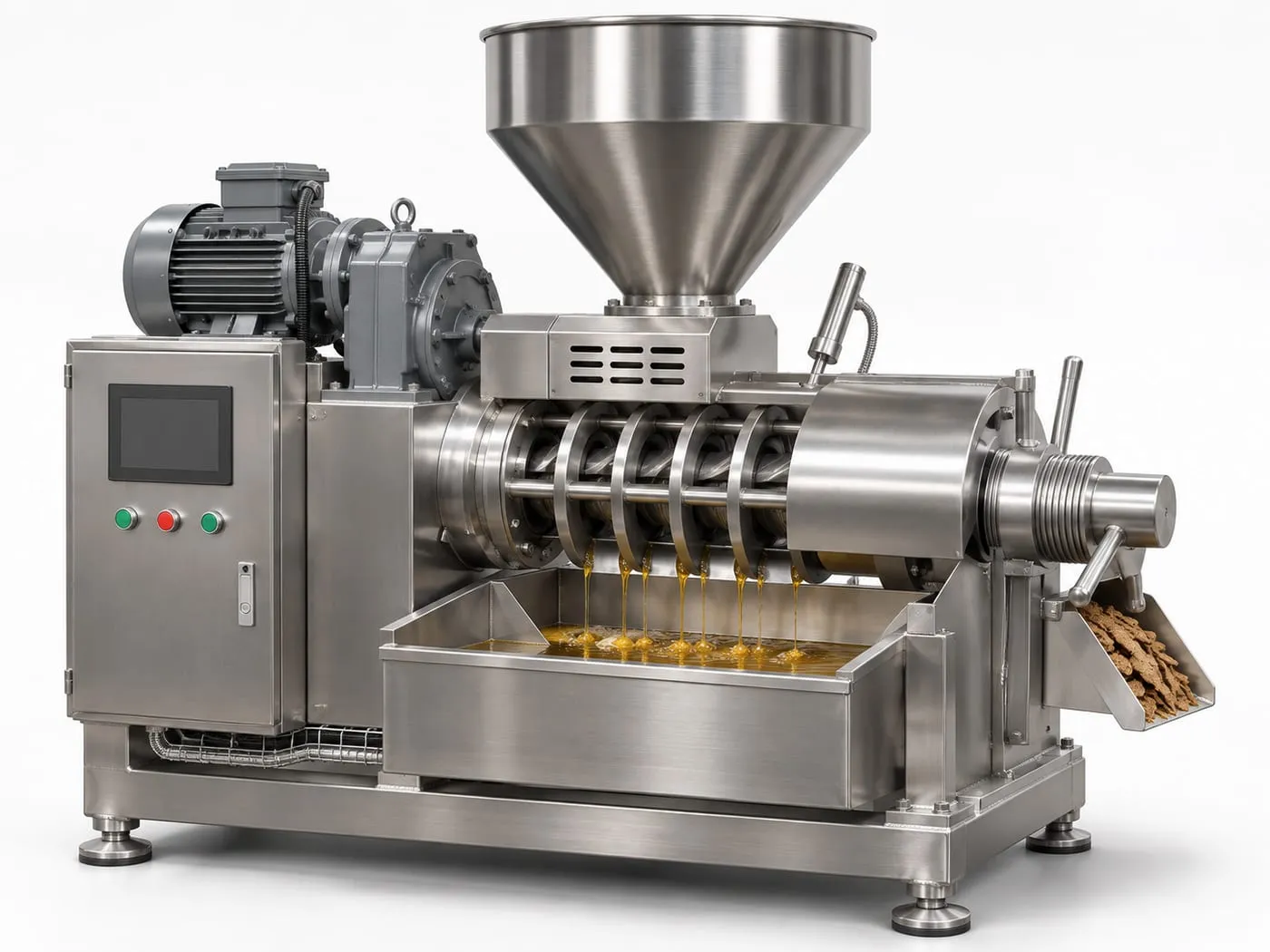
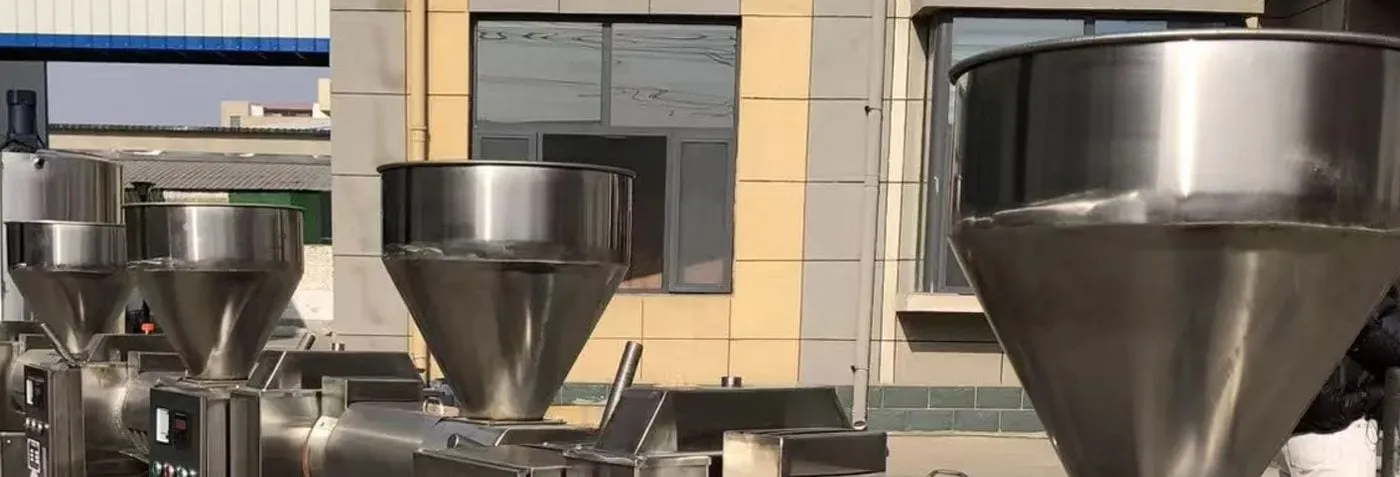
Continuously presses oilseeds and separates crude oil from press cake. Cold press, hot press and pre-press units.
Short answer: A screw oil press squeezes oil out of seeds continuously, separating crude oil from press cake. Its configuration is decided by how the seed enters the press, mainly its moisture and temperature, together with the feed rate you need and the balance you want between oil yield and residual oil in the cake.
Seed enters through a hopper into the pressing chamber, where a rotating shaft carries a series of worm sections. The space between the worms and the cage gets smaller towards the outlet, so pressure on the seed rises as it moves along. Oil is squeezed out and drains through gaps between the cage bars into a tray, while the solid material leaves at the end as press cake. An adjustable choke at the outlet controls back pressure and cake thickness.
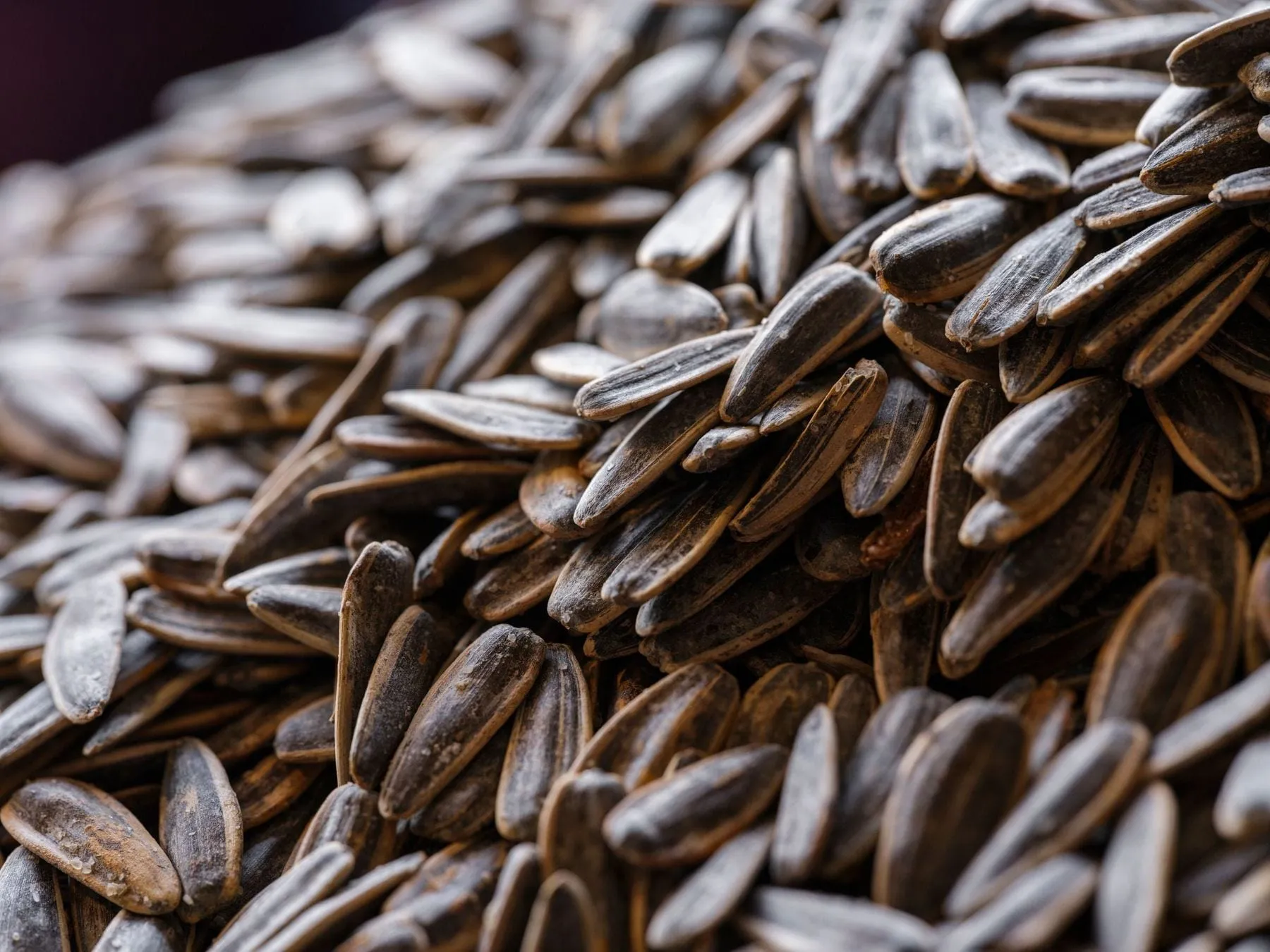
Seed preparation has as much effect as the press itself. Cleaning removes stones and metal that damage the worms; dehulling some seeds reduces fibre; and roasting or conditioning brings moisture and temperature into the range where the cell walls release oil easily. Many presses have a heated chamber for start-up.
| Form | Suits | Watch out for |
|---|---|---|
| Cold press | Premium sesame, flax, walnut, peanut oils | More oil left in the cake |
| Hot press | Groundnut, rapeseed, sunflower cooking oil | Roasting must be controlled to avoid burnt flavour |
| Pre-press unit | Large plants with solvent extraction | Requires downstream extraction plant |
Seed is prepared by oilseed cleaning equipment and, for hot pressing, an oilseed roaster. Crude oil goes to an edible oil filter, and can then be refined in an edible oil refining line. For small batches of high-value oils, compare a hydraulic oil press.
Cold press
seed is pressed without roasting; lower yield but natural flavour and colour for premium oils.
Hot press
seed is roasted or conditioned first; higher oil yield and stronger flavour for mainstream cooking oil.
Pre-press unit
removes part of the oil and forms a cake for solvent extraction in larger plants.
Our engineers check these points with you, so the quotation fits your site rather than a catalogue default.
It depends on seed type and oil content, moisture and temperature when entering the press, pre-treatment and the press setting. We state yield as oil out per seed in, and use your seed analysis rather than a general number.
Cold press keeps natural flavour and colour, which suits premium oils, but leaves more oil in the cake. Hot press yields more oil and suits mainstream cooking oil, usually followed by filtration and sometimes refining.
The press worms (screw sections) and cage bars wear with use, faster with sandy seed or seed with hulls. Good seed cleaning reduces wear; we recommend keeping a spare set.
Tell us your raw material, finished product and target output. Our engineers reply with a matched configuration and quotation.
What to send with your inquiry
Email sales@hnfoda.com
How food machinery distribution works: what dealers get from a factory, what factories expect, territory, spare parts, service and how to start.
Start a cooking oil business: choose pressing, filtering and refining equipment by scale, plus aflatoxin control, cost drivers and a quote checklist.
What a small palm oil mill needs: sterilising, threshing, digesting, pressing, clarifying, utilities, sizing on fruit bunches and a quote checklist.
Edible Oil Processing
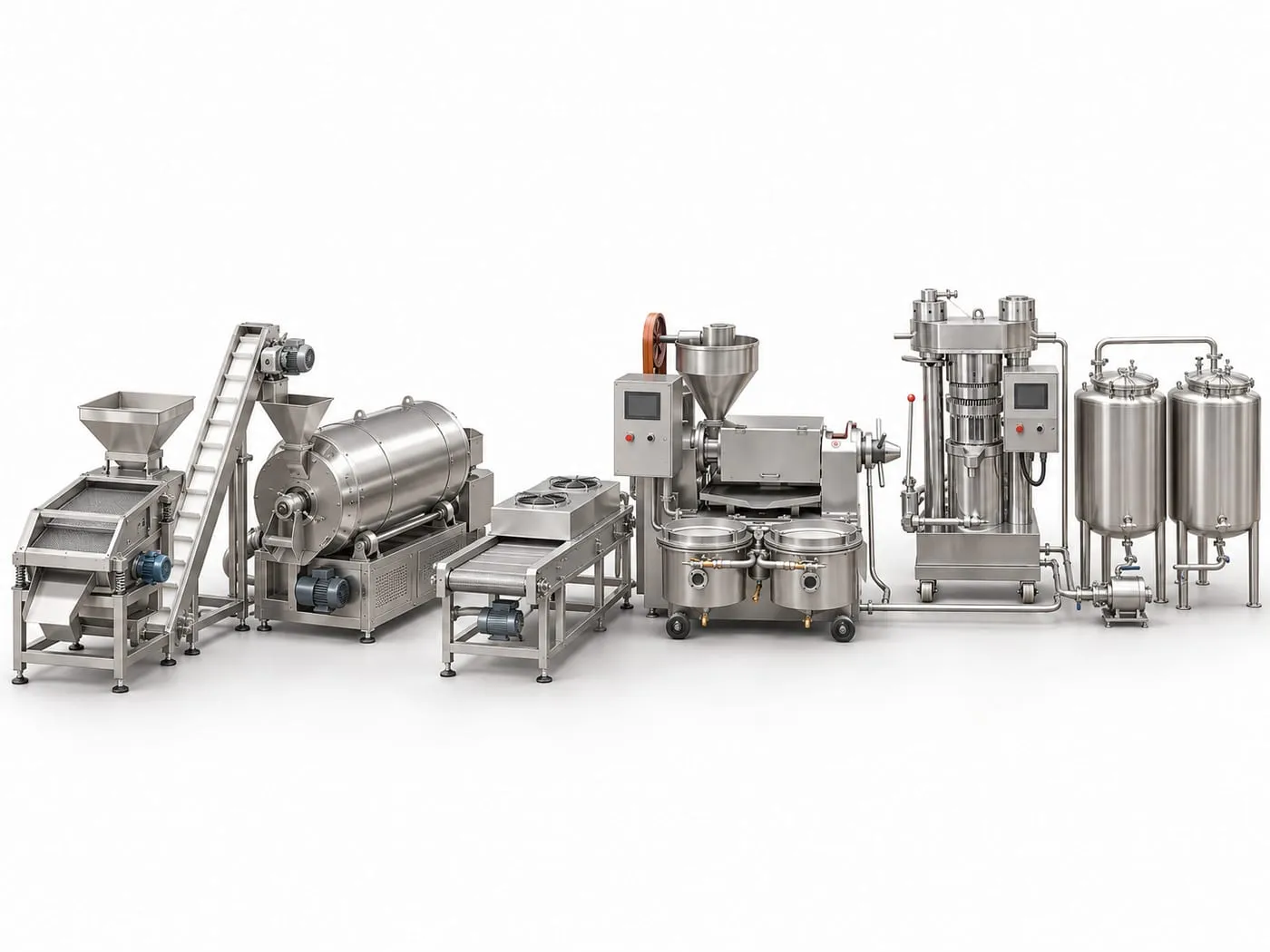
Oil mills and food companies producing roasted sesame oil, cold-pressed sesame oil or traditional sesame aroma oil.
Sized to sesame seed input (kg/h or tonnes per day)
Edible Oil Processing
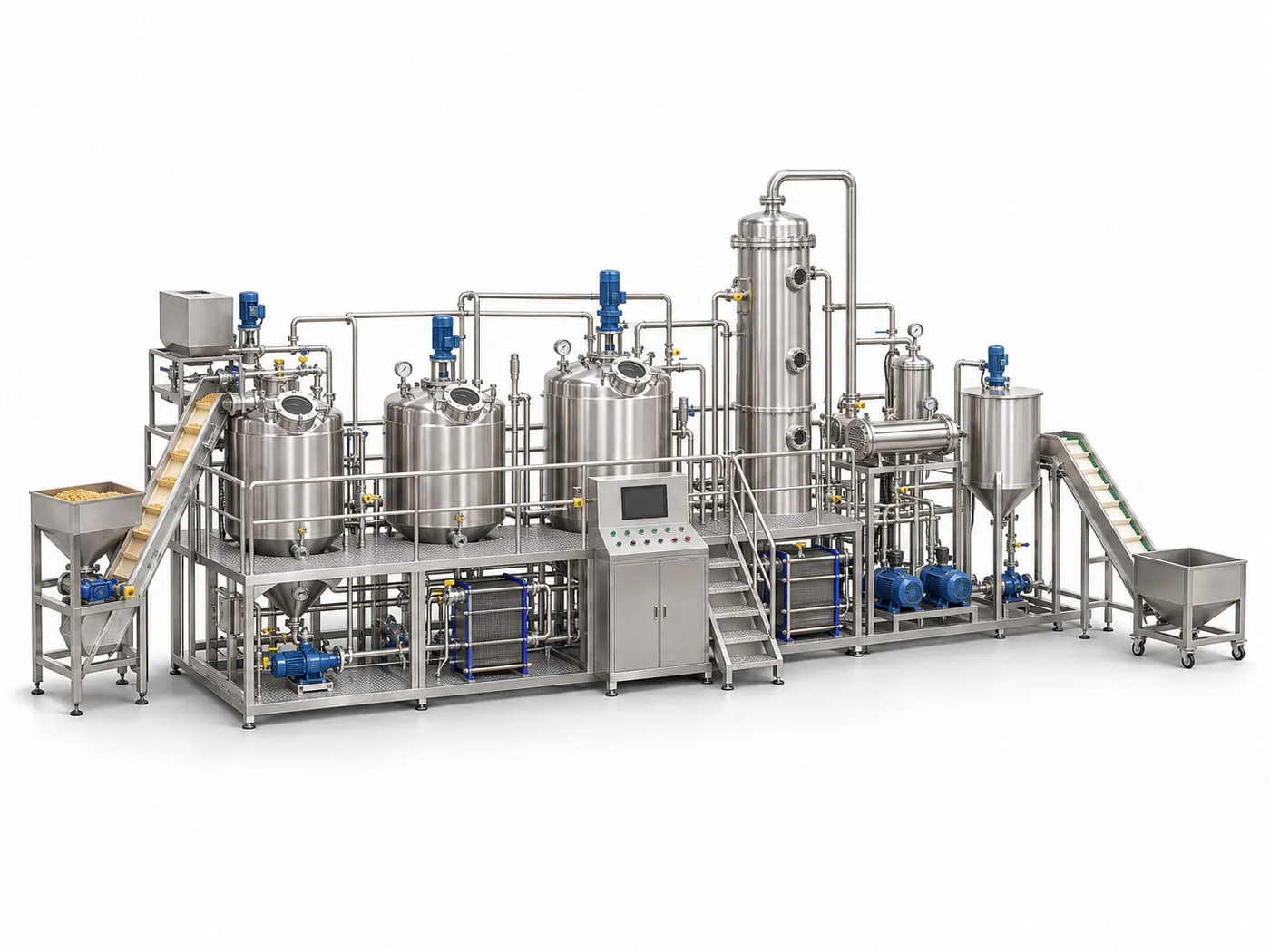
Oil mills and edible oil brands that buy or press crude oil and sell refined cooking oil.
Sized to crude oil input (tonnes per day)
Edible Oil Processing
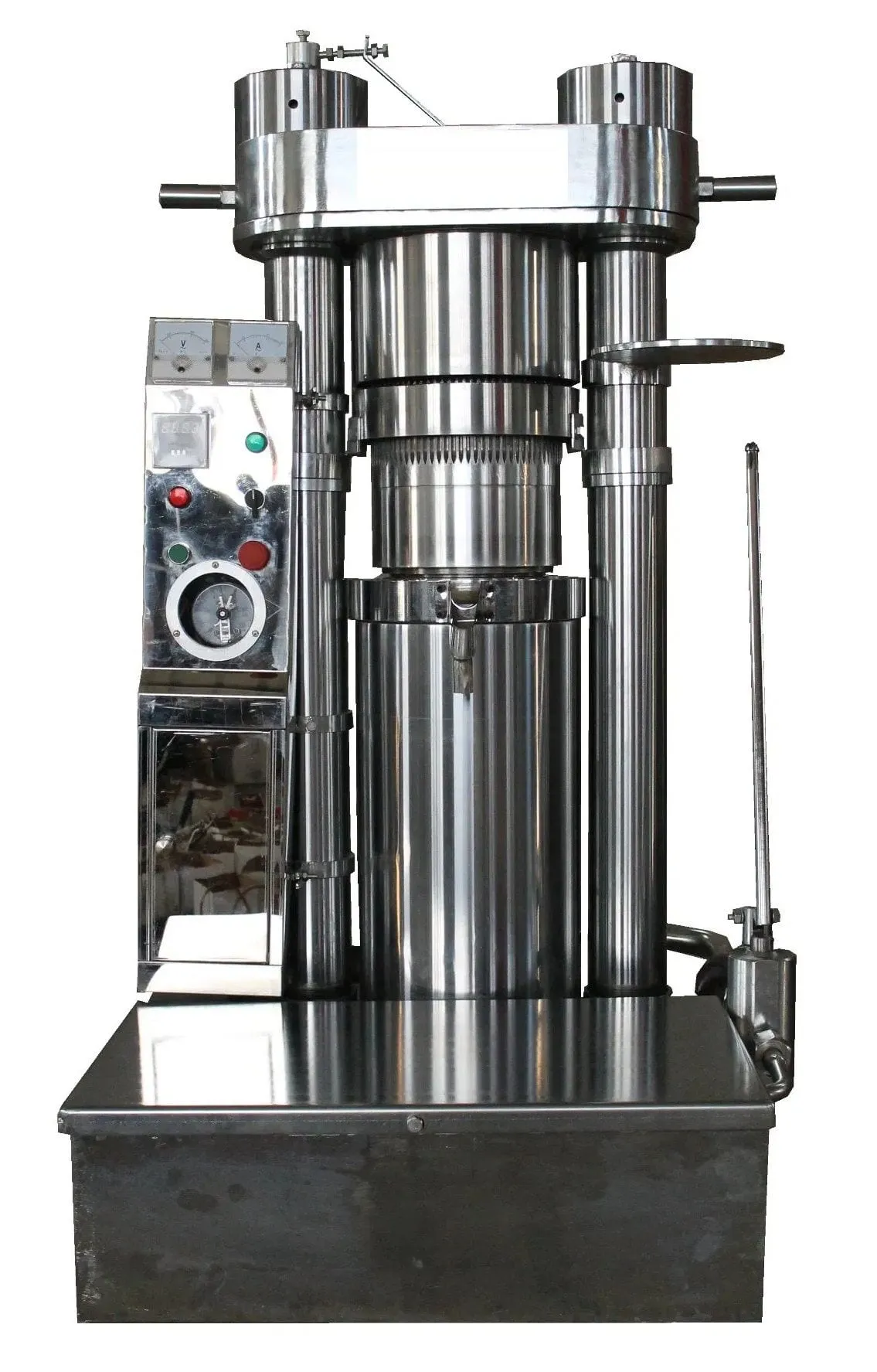
Small oil workshops and specialty oil producers pressing sesame, walnut, cocoa or other high-value oils.
Sized to seed or paste charge per batch (kg) and cycles per hour
Edible Oil Processing
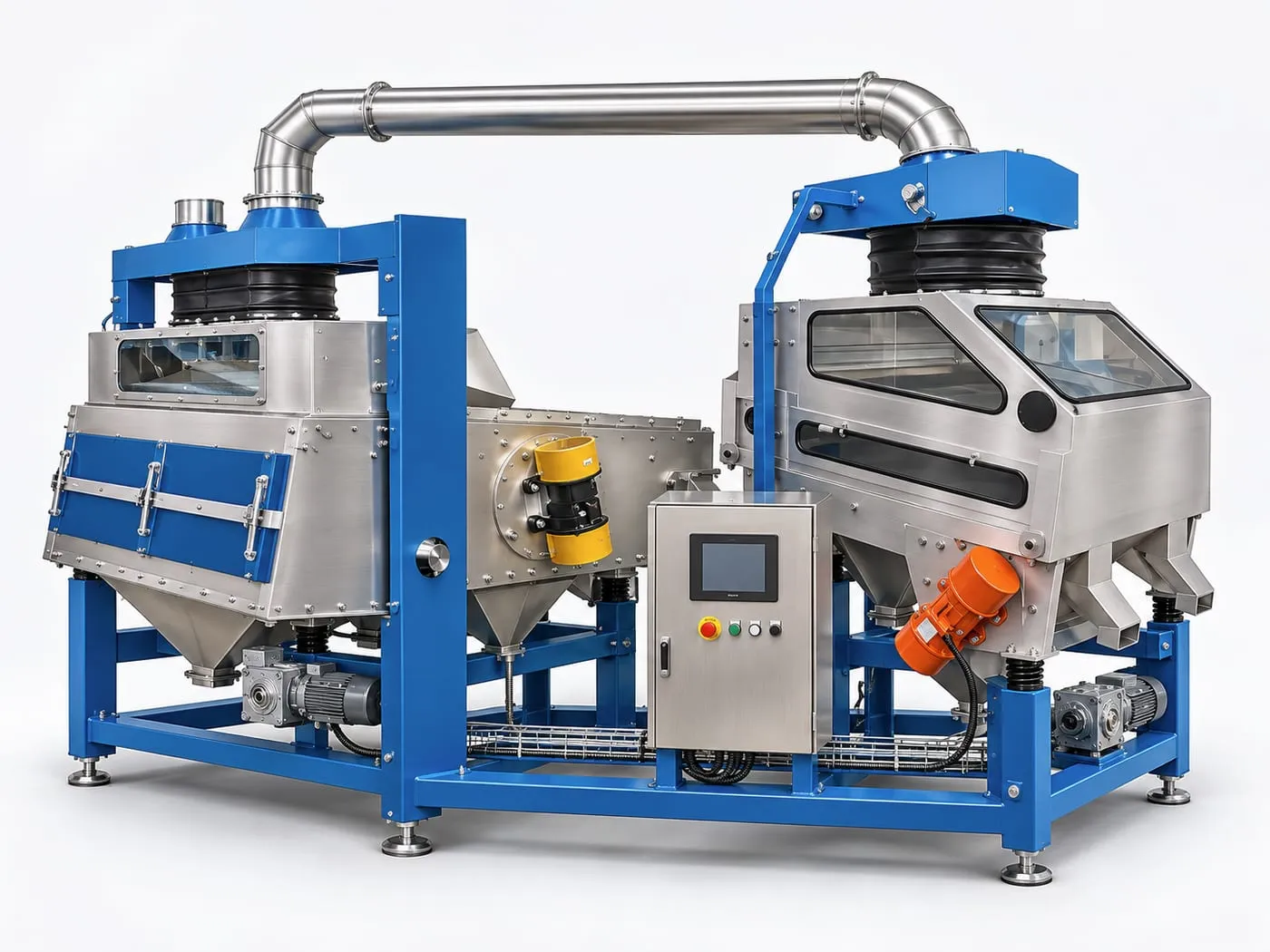
Oil mills and seed processors who need clean seed for pressing, roasting or hulling.
Sized to raw oilseed input (tonnes per day or kg/h)