Guides
How to Become a Food Machinery Distributor: What Dealers Get From a Factory
How food machinery distribution works: what dealers get from a factory, what factories expect, territory, spare parts, service and how to start.
- Prepared by
- HNFODA Applications Engineering
- Topic
- Guides
- Published
- Reading time
- 6 min read · 2 sources
On this page
- 01What the business really is
- 02What a dealer should get from a factory
- 03What a factory expects from you
- 04Choose your product families
- 05Terms worth discussing before you sign
- 06Understand delivery terms
- 07A simple plan for the first six months
- 08How a typical enquiry becomes a sale
- 09What to prepare when you contact a factory
- 10Mistakes to avoid
Short answer: a food machinery distributor advises food producers, sells machines and production lines, and then supports them with installation, spare parts and service. To start, choose two or three product families that match the food businesses around you, find a factory that supports dealers with technical help, training and parts, and agree the terms in writing. The factory should give you product knowledge and supply backup; you bring the market, the customer relationships and the local service.
What the business really is
Food producers rarely buy a machine like a consumer product. They start with a product idea: noodles, biscuits, dried fruit, cooking oil, milk. They need a line, a layout, utilities and after-sales help. A distributor who understands the local market and its raw materials, and who can connect the producer to the right equipment, is useful. FAO points out that food processing can be an excellent source of income for entrepreneurs, which is why there is a steady stream of new buyers.
Revenue sources for a distributor usually include:
- Machine and line margin. The difference between your purchase price and your selling price.
- Spare parts and consumables. Wear parts, moulds, filters, belts.
- Installation and training fees, where you provide the service.
- Project work. Layout, utilities and integration for whole plants.
What a dealer should get from a factory
When you speak to a factory, check that it can offer:
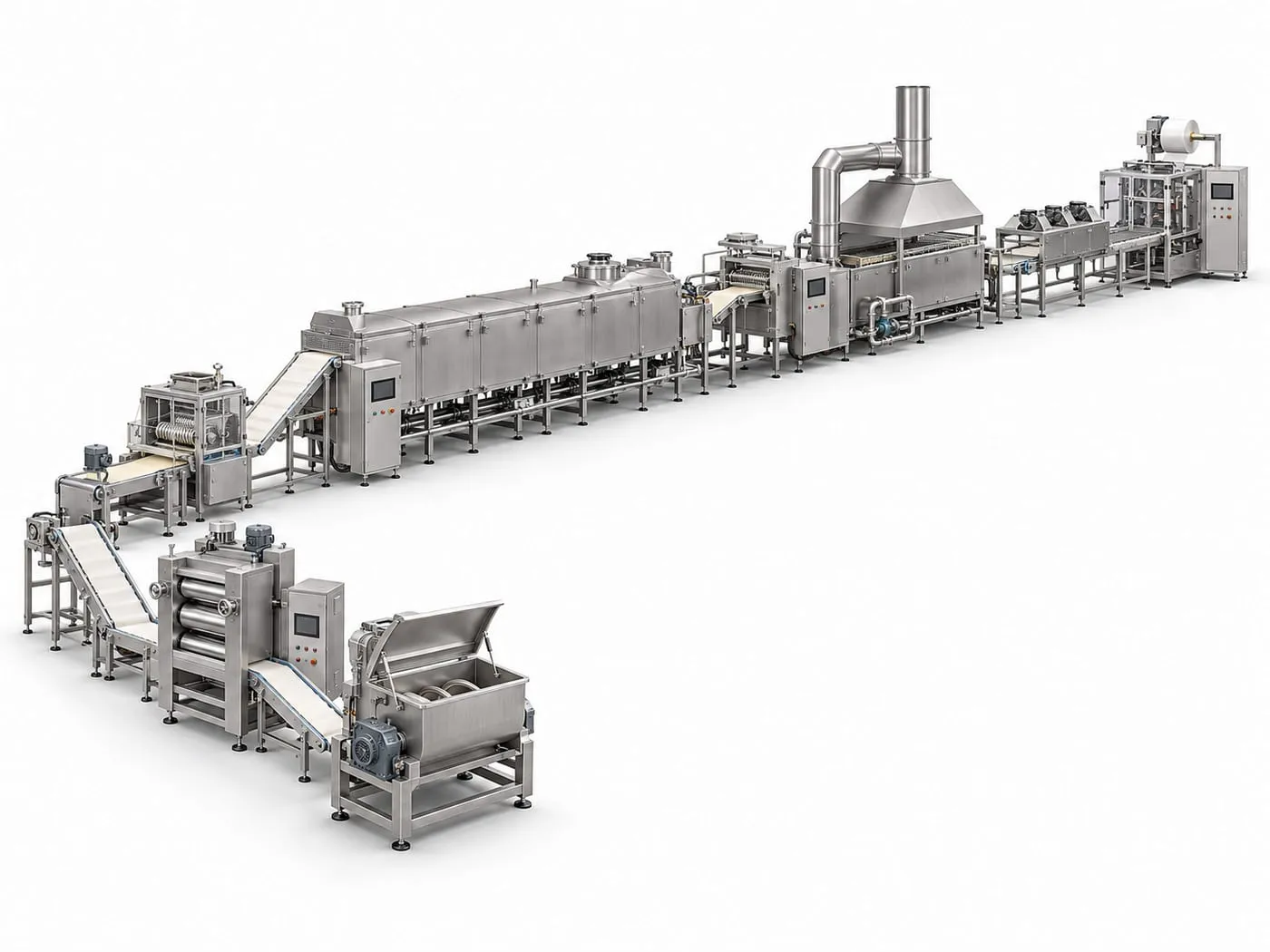
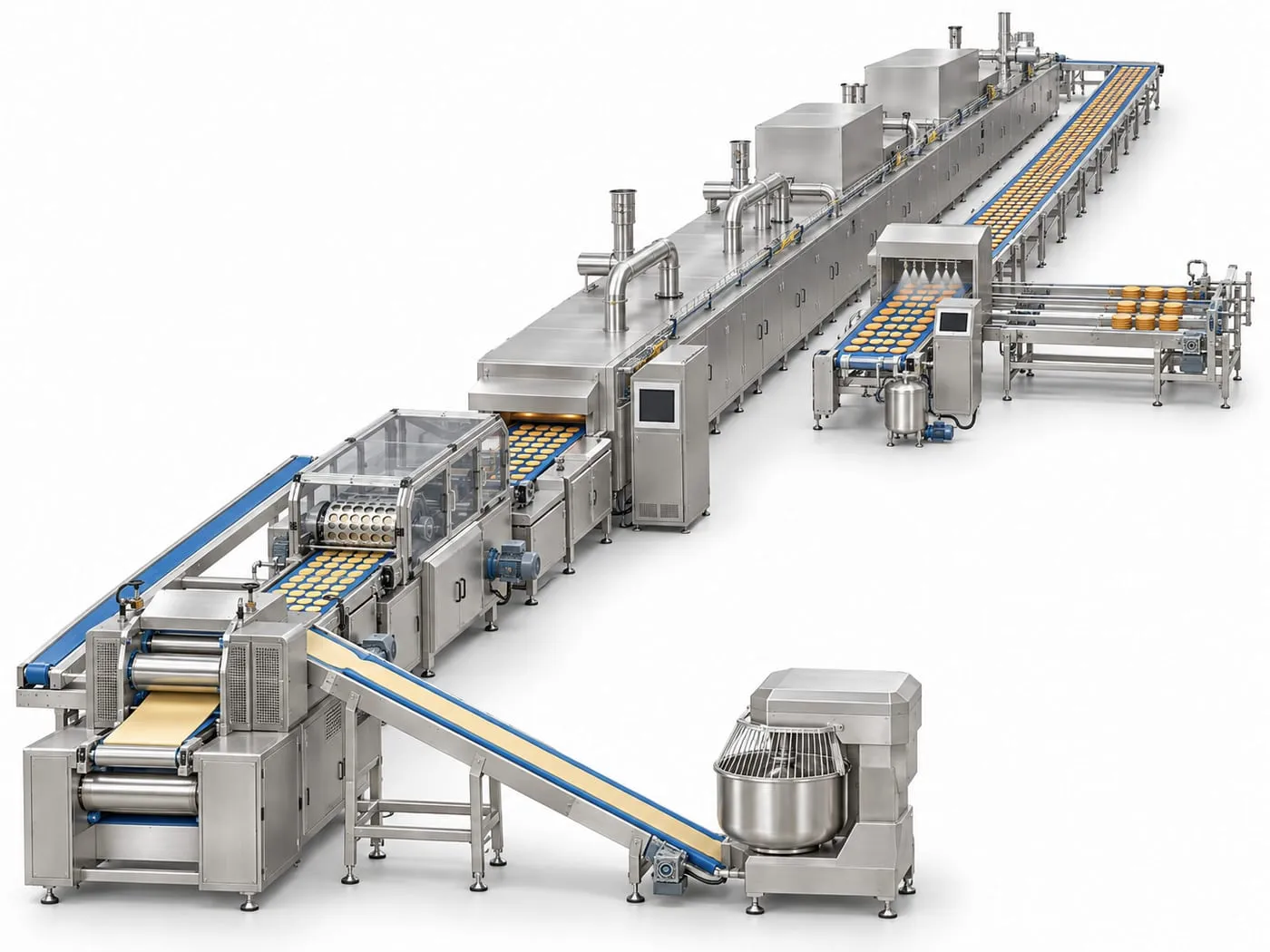
- A clear product range with technical data and selection information, not only a photo catalogue. You can see how we structure ours in the instant noodle production line and biscuit production line pages.
- Technical help with quotations. Engineers who can size a line from the customer’s raw material, output and site.
- Training. Product, selection, installation and maintenance training for your team.
- Spare parts supply. A recommended stock list and a way to reorder quickly.
- Demo or sample machines where agreed, plus sample runs for customer materials.
- Documents. Manuals, drawings, quotations, packing lists and the paperwork your customers’ authorities need.
- Marketing material. Photos, product information and help with trade shows.
- Reliable manufacturing and delivery with updates while a machine is being made.
- A clear warranty and service arrangement. What the factory covers and what you cover locally.
- Delivery terms in writing. See Incoterms below.
HNFODA designs and manufactures industrial food processing machinery. It was founded in 2010, exports to more than 80 countries and supports customers through manufacturing, installation and the warranty period. Concrete dealer terms, such as territory, quantities and prices, are agreed case by case; see our distributor and OEM page.
What a factory expects from you
- Market knowledge. Who are the food producers in your area, and what do they plan to make?
- Technical ability. You can advise on machine selection, or have an engineer who can.
- A service plan. Who installs, trains operators and repairs the machine locally?
- Working capital. Money for stock, demo machines and the time between order and payment.
- A realistic plan. Which products, which customers, how many leads per month.
- Honest communication. Share customer requirements accurately and tell the factory early when a project changes.
Choose your product families
Trying to sell everything dilutes your knowledge. Match families to the producers in your area:
| If your customers are | Start with | Related pages |
|---|---|---|
| Small bakeries and snack makers | Biscuit, chips and extruded snack lines | biscuit production line, vertical form-fill-seal machine |
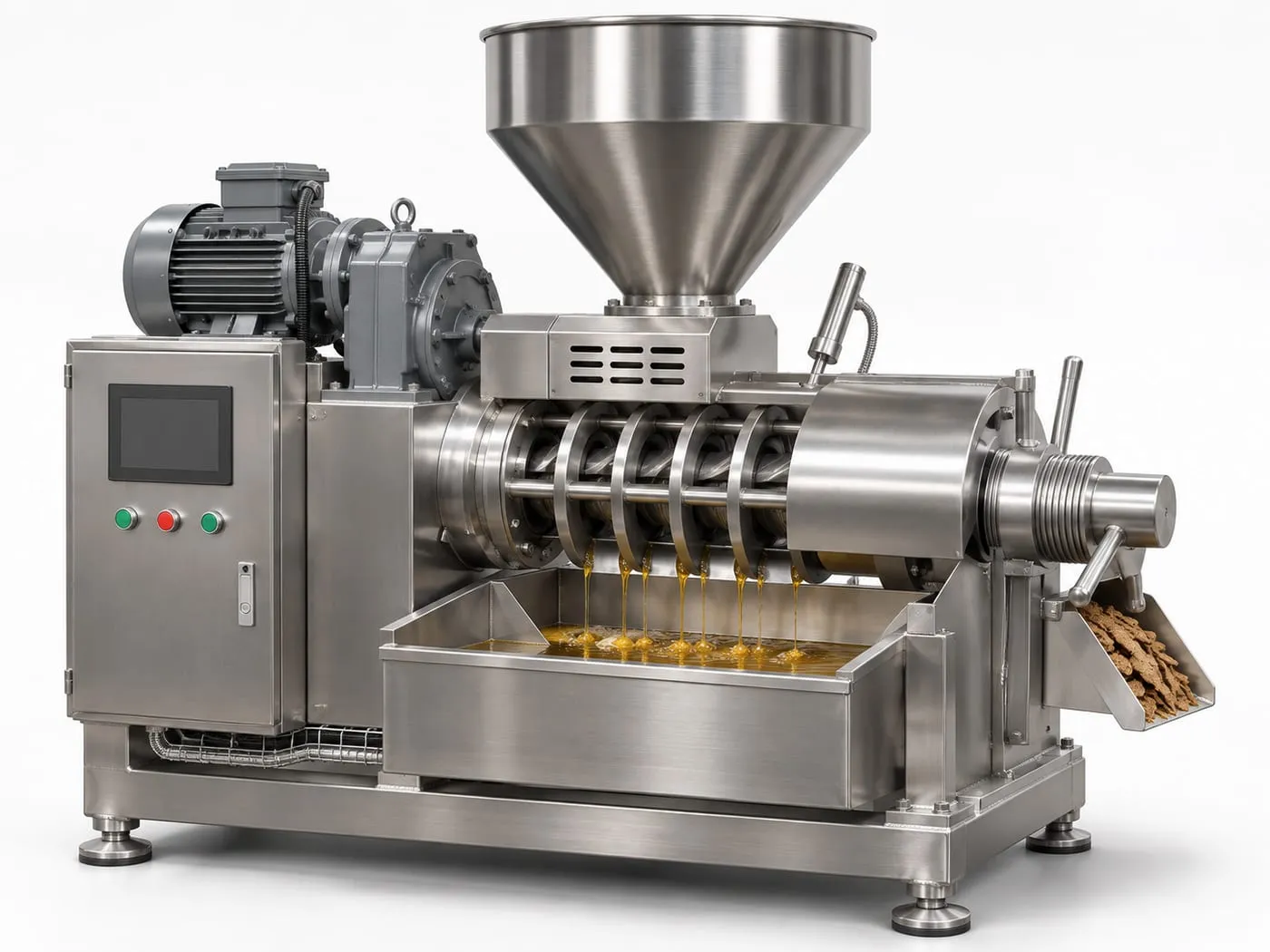
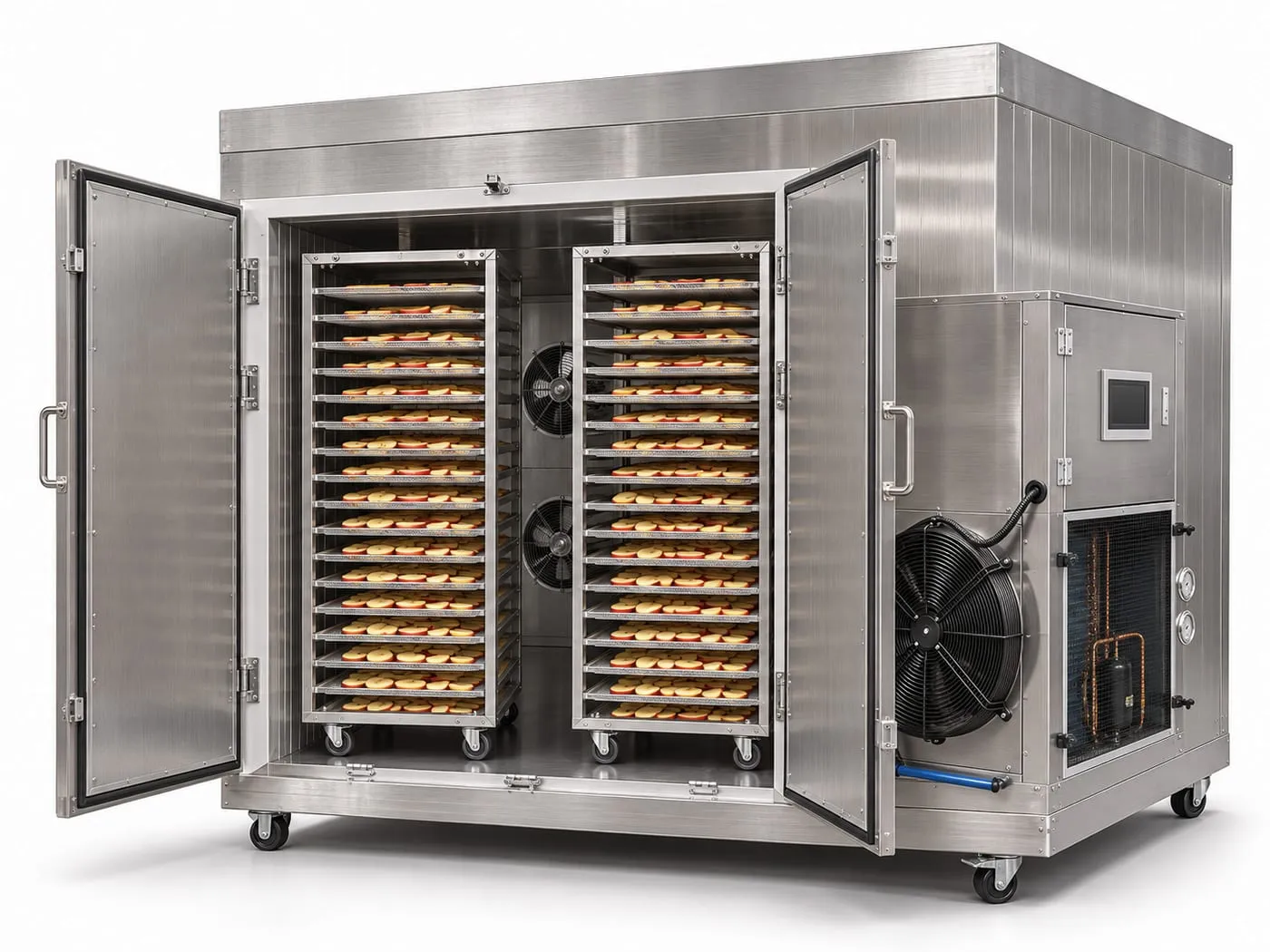
| Farmers and rural processors | Oil presses, dryers, grain milling | screw oil press, hot-air dryer |
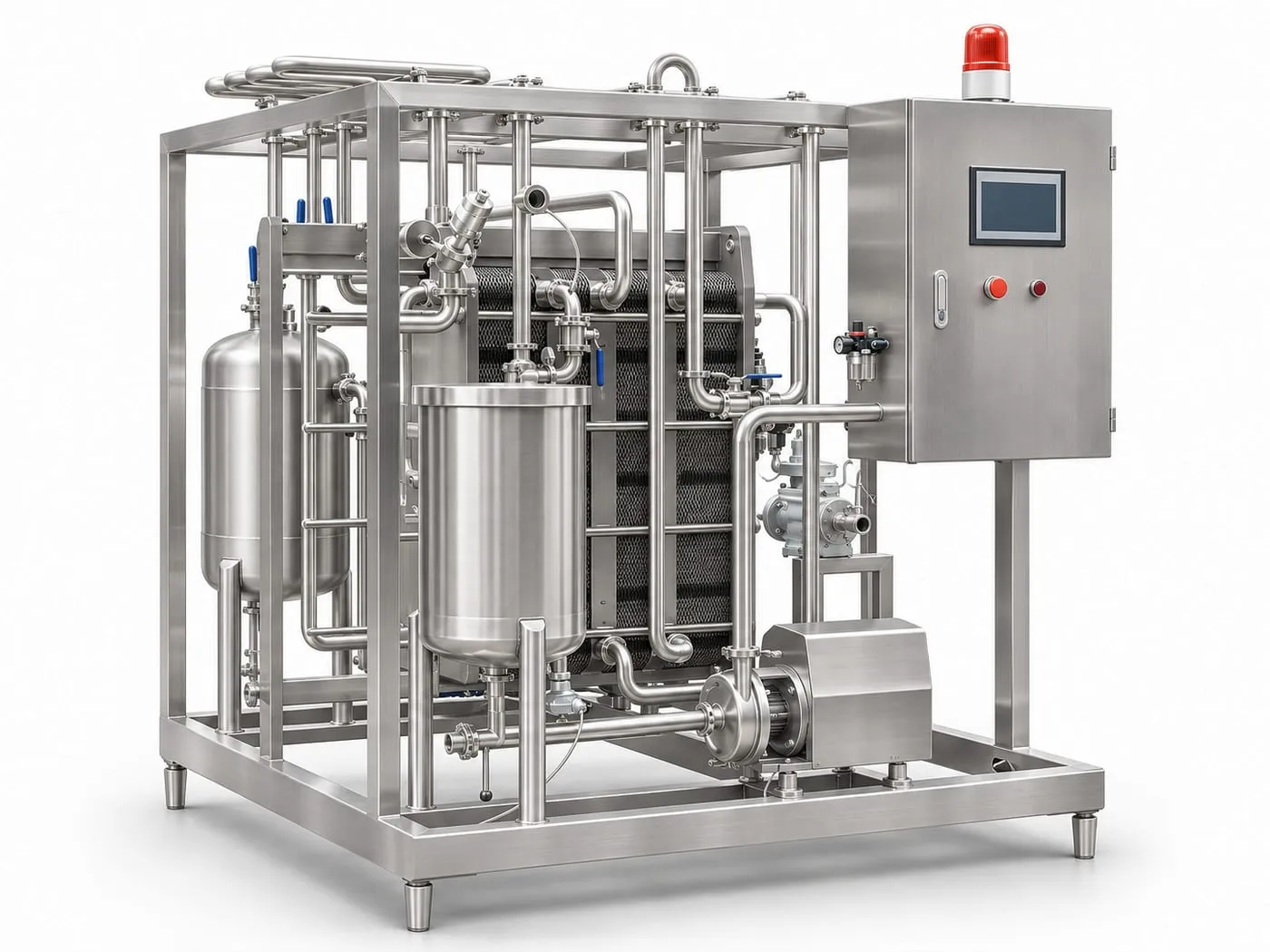
| Dairy cooperatives and beverage startups | Pasteurisers, juice and dairy lines | pasteurizer |
| Noodle and frozen food makers | Instant noodle, dumpling and rice noodle lines | instant noodle production line |
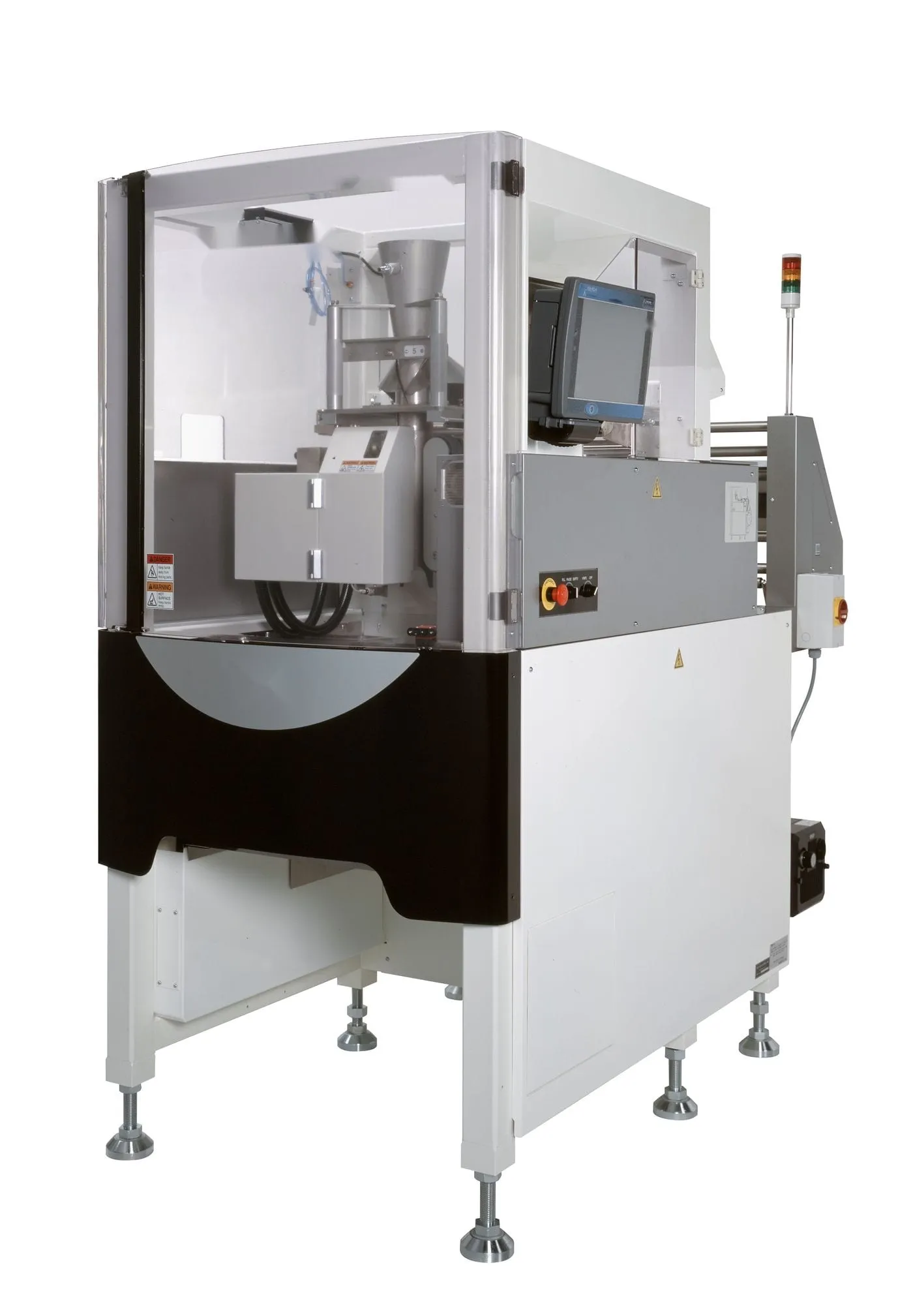
| Established factories adding packaging | Weighers, baggers, inspection | vertical form-fill-seal machine |
A distributor who can talk confidently about two or three families is more trusted than one who sells a catalogue they cannot explain.
Terms worth discussing before you sign
These points are common in machinery distribution; the factory sets the actual terms:
- Territory. Which country or region you cover, and whether it is protected. Local competition law may limit exclusivity.
- Minimums. Whether there is a minimum order, a yearly target or a stocking requirement.
- Pricing. How dealer prices are set, how quotations are protected, and how customers’ requests for direct quotes are handled.
- Demo machines. Who owns them, who pays for freight, and how they are used.
- Spare parts. Stock list, lead times and who carries the stock.
- Warranty. Length, what it covers, how claims are handled and who does the work locally.
- After-sales support. Remote help, engineer visits and response times.
- Brand and OEM. Whether you sell under the factory brand or your own, and who owns the brand.
- Duration and exit. How long the agreement runs, how it can be ended and what happens to stock.
Put the agreement in writing, and ask a local lawyer to review it.
Understand delivery terms
A dealer pays for freight and carries risk on parts of the journey. The International Chamber of Commerce publishes eleven three-letter trade terms called Incoterms rules, which state who arranges transport and insurance and where risk passes. Learn the difference between terms such as FOB and CIF, and ask each quotation to state which one it uses and the named place. Then compare quotes on the same basis.
A simple plan for the first six months
- Choose products and map customers. List food producers in your area and what they make.
- Learn the machines. Visit a factory or run product training online; ask for sample runs.
- Show something real. A demo, video or sample products make selling easier.
- Handle your first project. Use the factory’s engineers for the quotation and layout.
- Build service capacity. Train a technician, stock key spare parts.
- Collect references. Satisfied customers bring the next order.
For whole-plant projects, the distributor handles the customer and local work, and the factory supports the process design; see turnkey projects.
How a typical enquiry becomes a sale
Understanding the sales path helps you plan your time and your cash:
- Lead. A food producer contacts you, or you meet one at a show or by visiting.
- Discovery. You ask about the product, raw material, output, packaging, site and budget. Good questions at this stage save weeks later.
- Quotation. You send the requirements to the factory’s engineers, who propose machines or a line. You add your margin, freight and services.
- Proof. The customer asks for samples, a video, a reference or a visit. Plan for this.
- Order and payment. Terms are agreed in writing, including payment steps, delivery terms and the delivery period.
- Manufacture and delivery. The factory builds the machines and keeps you informed; you arrange customs and transport as agreed.
- Installation and training. Your technician, or the factory’s engineers, install and commission, and train the customer’s staff.
- After-sales. Spare parts, service calls and the next upgrade.
The sale is complete only after step 8 works well. Distributors who prepare for steps 7 and 8 earn repeat orders and referrals. Those who treat the order as the end of the job lose customers to the next dealer.
What to prepare when you contact a factory
- Your company profile and years in business.
- Countries or regions you want to cover.
- Product families you want to sell, and why.
- Your customer base: types of food producers and your existing relationships.
- Your technical and service team.
- Whether you will keep stock and demo machines.
- Expected first-year volume or project pipeline, as an estimate.
- Questions about territory, training, spare parts and OEM.
Send these through our contact page.
Mistakes to avoid
- Signing without reading delivery and warranty terms. Misunderstandings here cost money.
- Selling lines without site data. Always collect raw material, output and utility data before quoting.
- No spare parts stock. Downtime loses customers.
- Promising what the factory has not confirmed. Capacity, lead times and warranty belong in written quotations.
- Too many product lines. Depth beats breadth.
Frequently asked questions
- Do I need technical training to become a distributor?
- You need enough knowledge to ask the right questions about raw material, output and site, and a technician or partner who can handle installation and service. A good factory trains your team on the products you sell.
- Is territory protection normal?
- Territory protection is common in machinery distribution, usually linked to sales and service commitments. Whether it is exclusive, which area it covers and what is expected in return are agreed case by case, and local competition rules may apply.
- How much stock or capital do I need?
- It depends on the products and whether you keep demo machines and spare parts. At minimum plan for a spare parts stock and the cash to cover the time between ordering a machine and being paid by your customer.
- Can I put my own brand on the machines?
- Some factories offer OEM labelling. What can be changed, and in what quantities, depends on the machine. HNFODA discusses it with distributors case by case.
- What delivery terms should I know?
- Learn the Incoterms rules published by the International Chamber of Commerce, such as FOB and CIF. They state who arranges freight and insurance and when risk passes from seller to buyer.
Sources
- [1]Incoterms rules — International Chamber of Commerce
- [2]Processed foods for improved livelihoods (FAO Diversification booklet 5) — Food and Agriculture Organization of the United Nations
HNFODA Applications Engineering
Line design, product trials and commissioning
Engineers who size, build and commission HNFODA food processing lines, writing from the questions buyers ask before a quotation. About HNFODA