Instant Noodle & Frozen Food
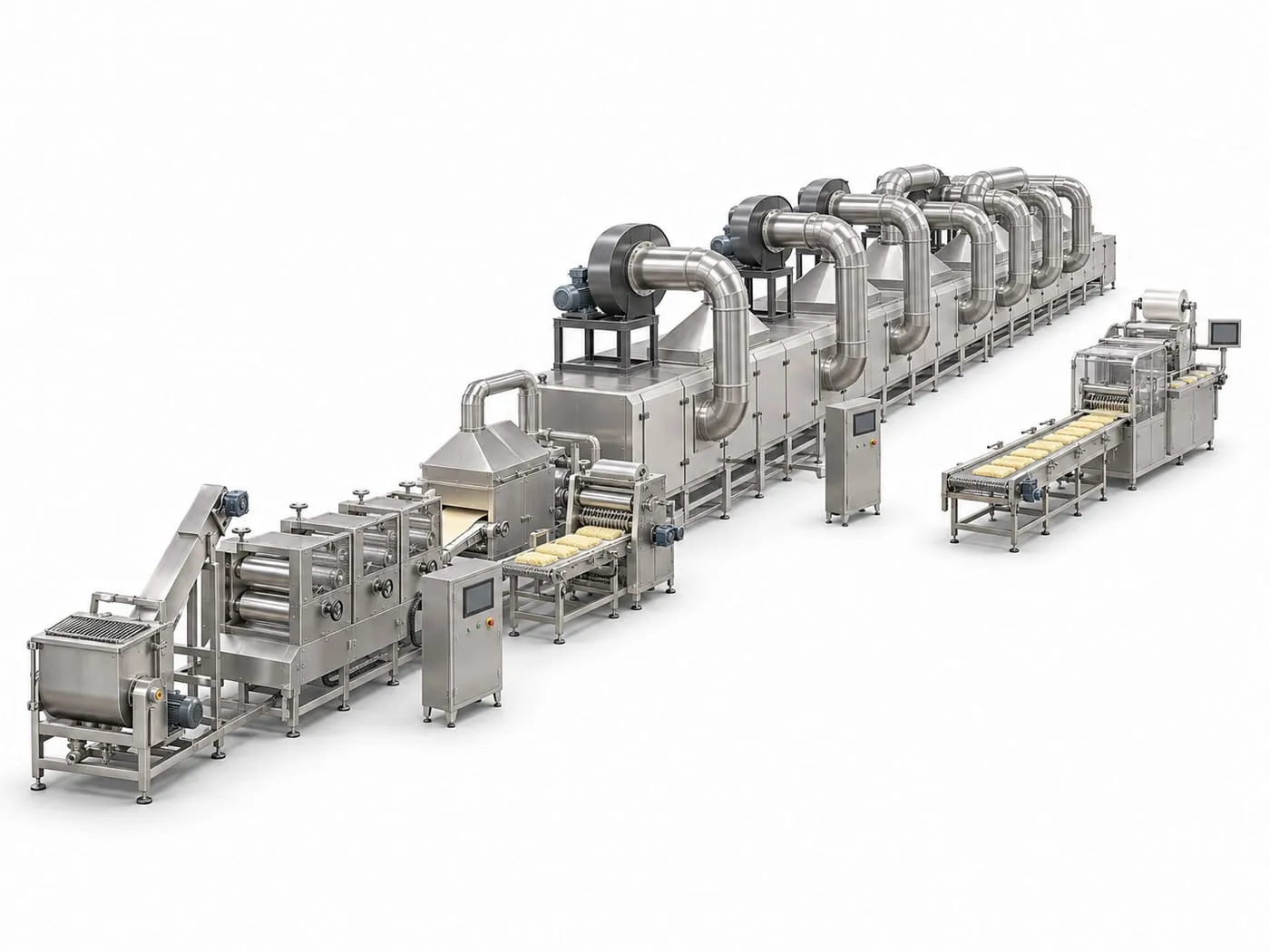
Non-fried Instant Noodle Line
Noodle makers adding an air-dried, lower-fat product or building a dedicated non-fried plant.
Sized to dried noodle blocks per hour at a set block weight

04 · Instant Noodle & Frozen Food — Production line
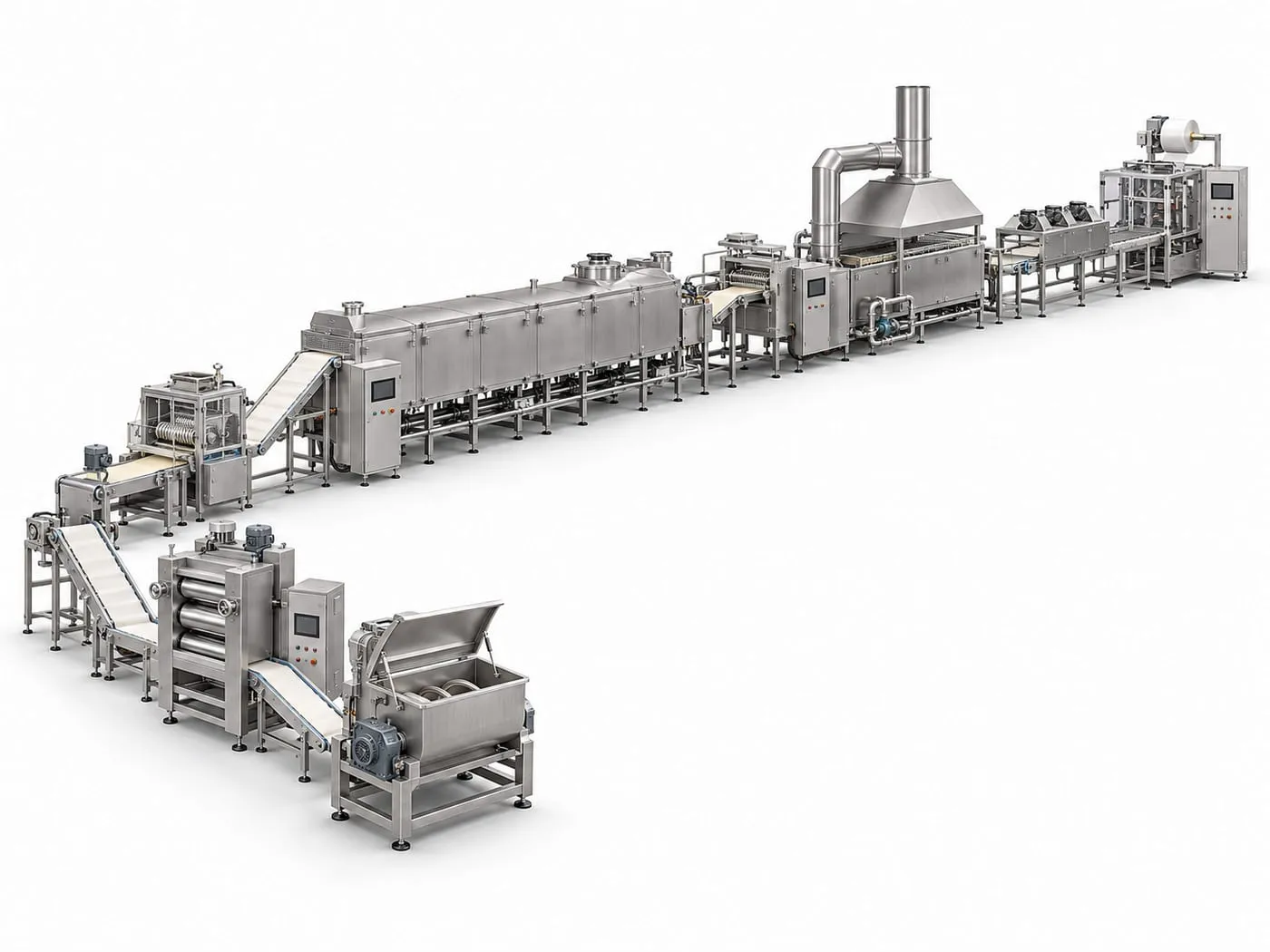
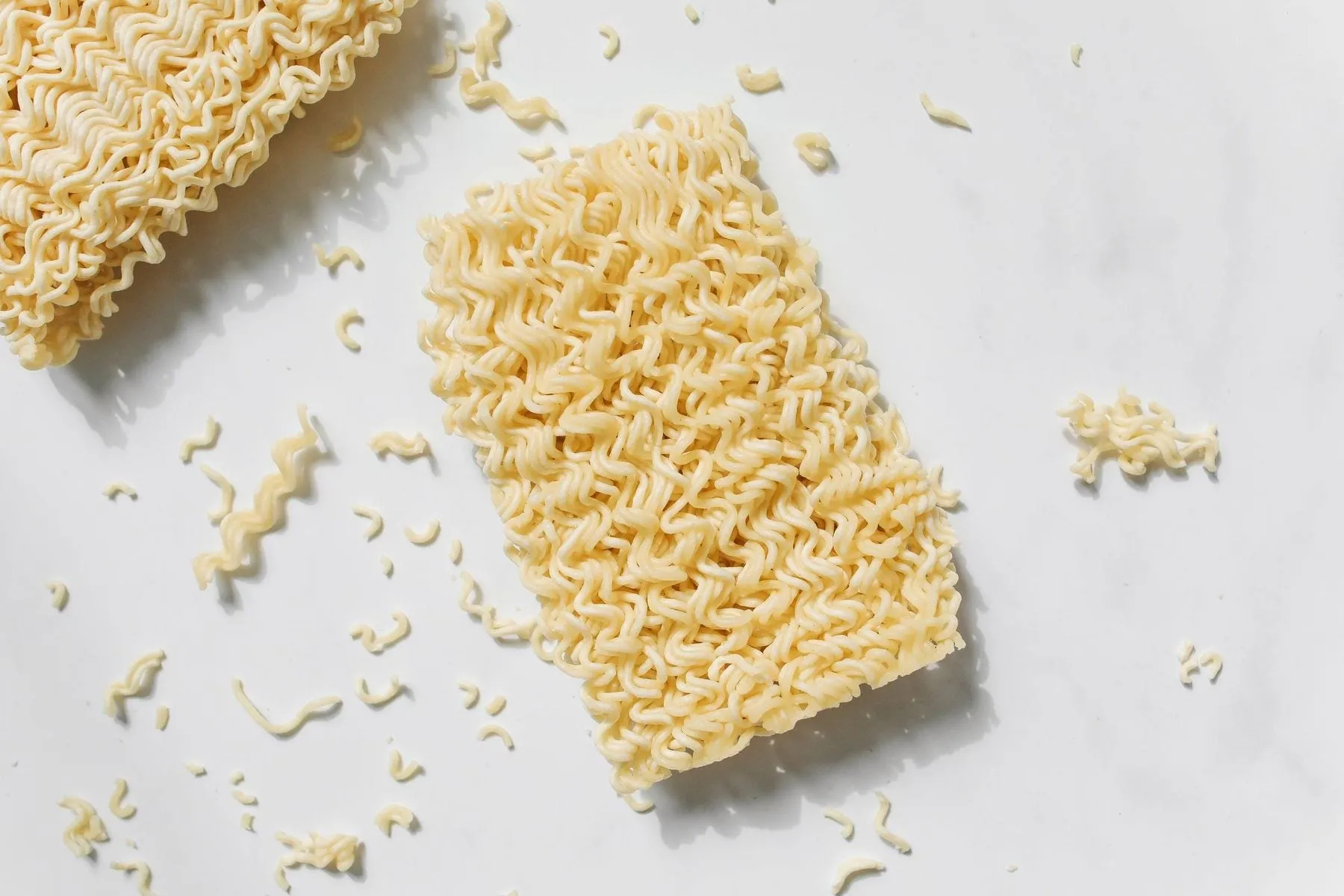
A complete line that turns flour and water into steamed, portioned and dried noodle blocks, finished by frying or hot air, then packed.
Short answer: An instant noodle production line mixes flour and water into dough, sheets it, cuts it into wavy strands, steams it, portions it into blocks and then removes the water by frying or by hot air before cooling and packing. The drying method and the block size you want to sell decide most of the line layout.
| Form | Suits | Watch out for |
|---|---|---|
| Fried line | Mainstream bag and cup noodles, fast drying | Oil consumption, oil quality management, fume extraction |
| Hot-air dried line | Lower-fat or premium products | Longer drying, rehydration time, block breakage |
If you are not sure, start from the product you want to sell and its retail price point; we can explain the trade-offs of each route for that product.
The line starts with a vacuum dough mixer and can be supplied with a food steam generator for the steam tunnel. For a hot-air version see the dedicated non-fried instant noodle line. After cooling, blocks usually pass a food metal detector and an in-line checkweigher before or after the packing machine.
Fried noodle line
blocks are dehydrated in a continuous oil fryer, giving the familiar texture and the shortest drying stage.
Hot-air dried line
blocks are dried with hot air instead of oil, for lower-fat products, with a longer drying section and different cost structure.
Our engineers check these points with you, so the quotation fits your site rather than a catalogue default.
Mainly the output per hour, the drying method (frying or hot air), the pack format and how much packing and inspection is included. A hot-air line needs a longer drying section; a fried line needs oil handling, filtration and fume extraction.
The mixing, sheeting, cutting and steaming sections are similar, but the drying sections are different machines. Some plants install both and switch the route; this has to be planned into the layout from the start.
Samples or a description of the target noodle, the block weight and shape, the pack format, the planned output per shift and the utilities you have on site (power, steam, gas or thermal oil).
Tell us your raw material, finished product and target output. Our engineers reply with a matched configuration and quotation.
What to send with your inquiry
Email sales@hnfoda.com
How food machinery distribution works: what dealers get from a factory, what factories expect, territory, spare parts, service and how to start.
Compare fried and non-fried (hot-air dried) instant noodle lines: product, oil handling, energy, shelf life, equipment and what to prepare before you buy.
Why instant noodle line quotes differ so much: capacity, fried or non-fried drying, automation, packing and site costs, plus what to prepare for a quote.
Instant Noodle & Frozen Food
Noodle makers adding an air-dried, lower-fat product or building a dedicated non-fried plant.
Sized to dried noodle blocks per hour at a set block weight
Instant Noodle & Frozen Food
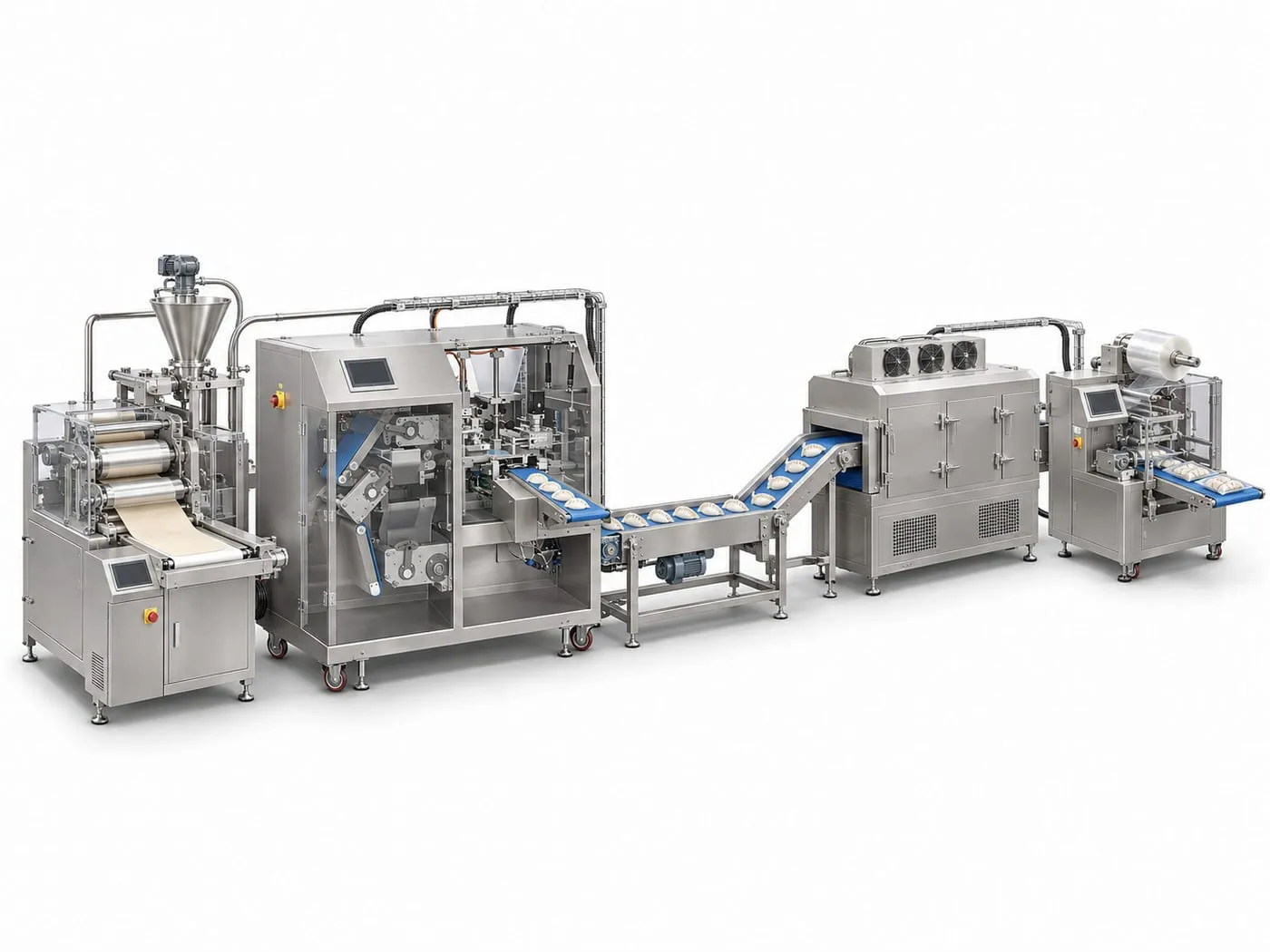
Frozen food factories and new brands moving from hand-made or semi-automatic dumplings to steady machine output.
Sized to finished frozen dumplings per hour at a set piece weight
Instant Noodle & Frozen Food
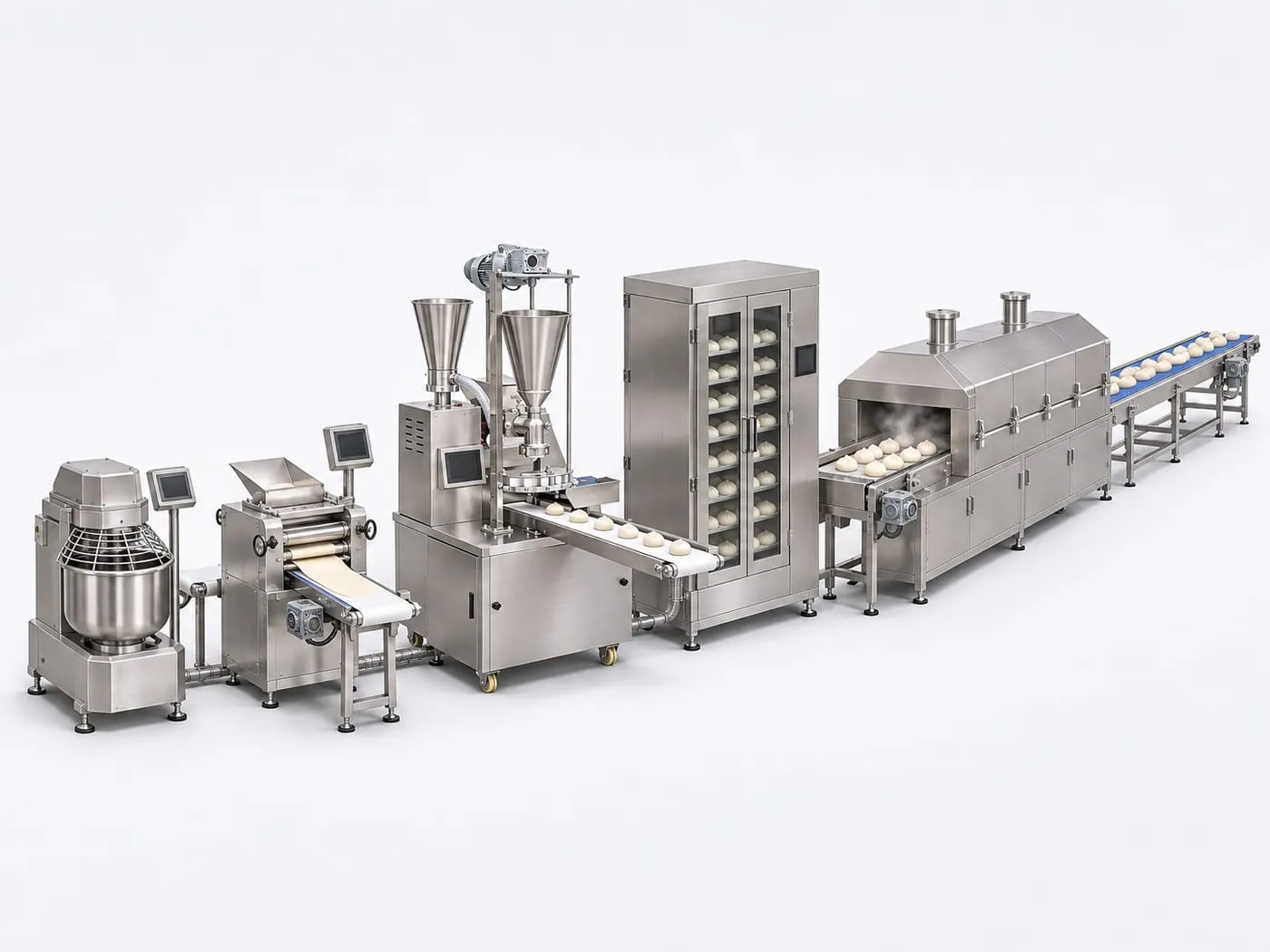
Central kitchens, frozen food plants and bakeries scaling up plain or filled steamed buns.
Sized to finished buns per hour at a set piece weight
Instant Noodle & Frozen Food
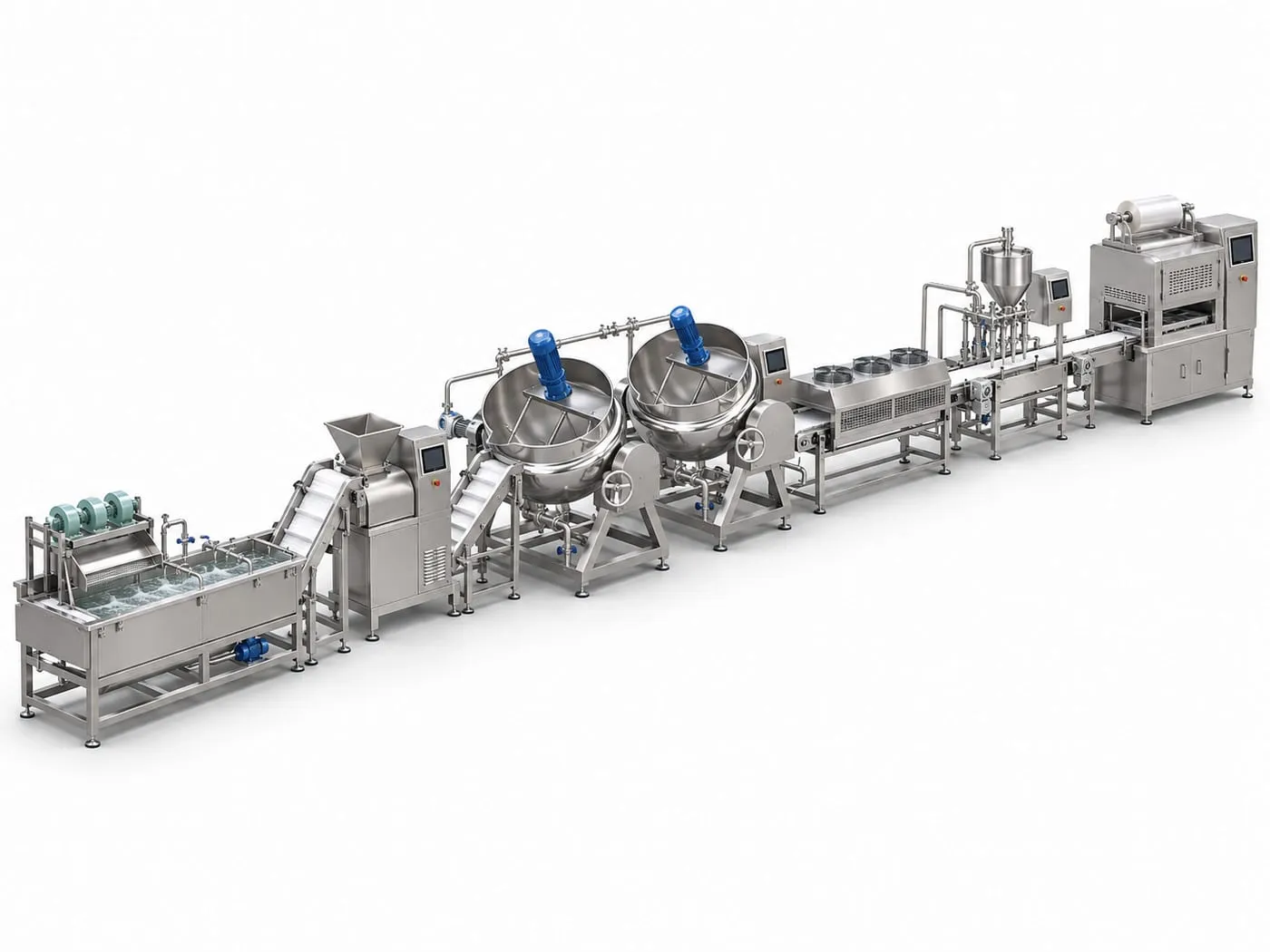
Central kitchens, ready-meal start-ups and food plants supplying retail, catering or airline-style meals.
Sized to packed meal portions per hour at a set portion weight