Guides
What Drives the Price of a Noodle Making Machine: Instant Noodle Line Cost Factors
Why instant noodle line quotes differ so much: capacity, fried or non-fried drying, automation, packing and site costs, plus what to prepare for a quote.
- Prepared by
- HNFODA Applications Engineering
- Topic
- Guides
- Published
- Reading time
- 7 min read · 3 sources
On this page
- 01Start by naming the product, not the machine
- 02The seven things that set the price
- 03Price levels you will see, and why they confuse buyers
- 04Costs outside the equipment price
- 05How the main choices change the budget
- 06A worked way to compare two quotes
- 07What to prepare for a quotation
- 08Common mistakes when comparing quotes
Short answer: the price of a noodle making machine is set mainly by hourly capacity, the drying route (frying or hot air), the packing format and the level of automation. A hand-fed noodle maker, a semi-automatic line and a full instant noodle line are different purchases, so quotes can be far apart even when each is called a “noodle machine”. Ask suppliers to price the same product, the same output and the same delivery terms, and the numbers become comparable.
Start by naming the product, not the machine
“Noodle making machine” covers at least four different things, and prices for them do not overlap:
- Fresh or wet noodle machines that mix, sheet and cut, often sold as one stand-alone unit.
- Dried noodle and vermicelli lines that add a drying room or tunnel.
- Rice noodle and glass noodle lines that start from rice or starch batter instead of wheat dough. See our rice noodle production line.
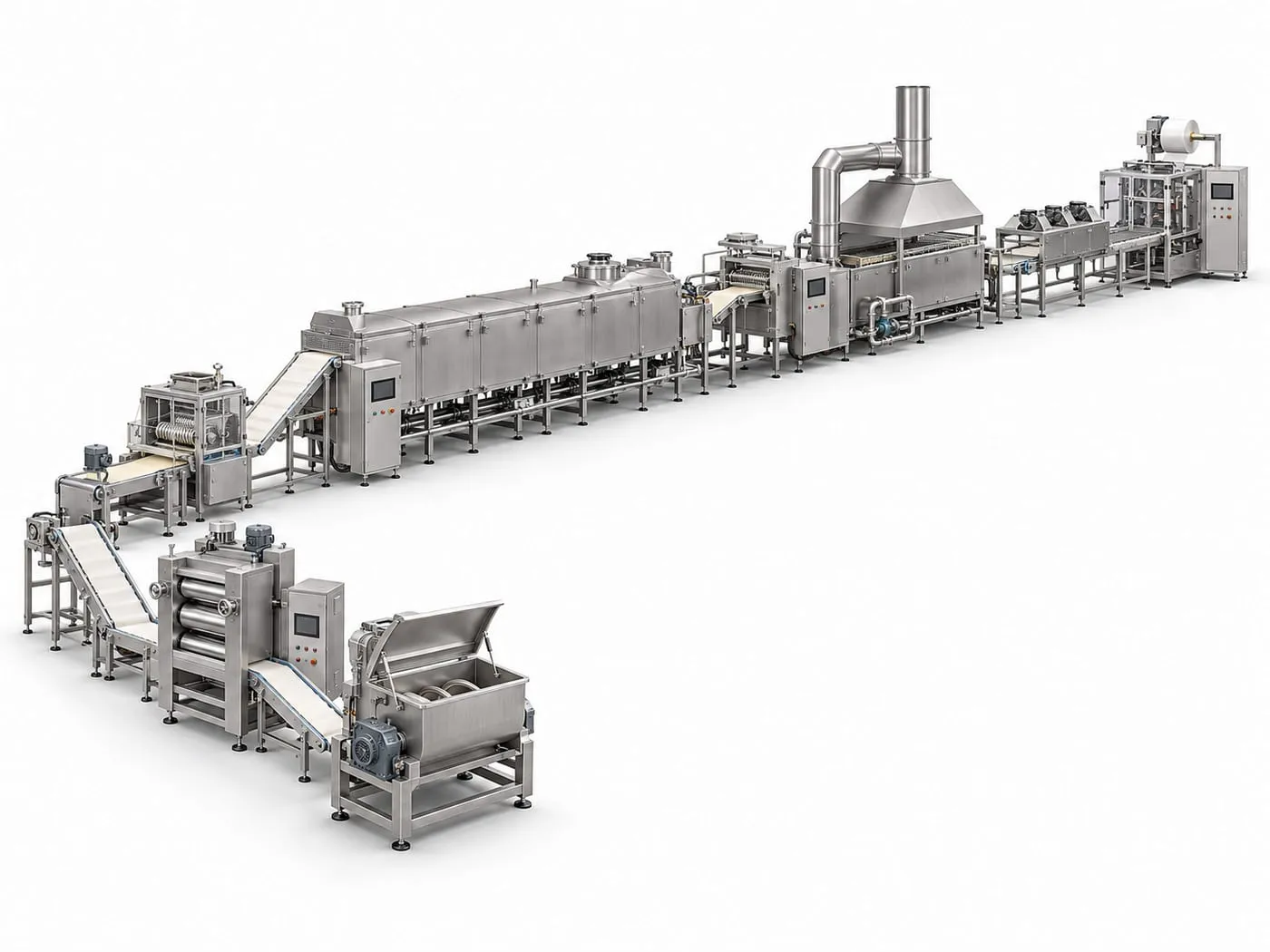
- Instant noodle lines that mix, rest, roll, steam, cut and shape the noodle block, then fry or air-dry it before cooling and packing.
If you are searching for a price for instant noodles, the useful comparison is a complete line against a complete line. A price for one mixer, or one cutter, tells you little. Our instant noodle production line page lists the stations in a typical line, and the instant noodle plant guide shows how they fit together.
The seven things that set the price
- Output per hour. Bigger dough sheets, wider cutting and longer drying or frying sections need more steel, more drive power and a bigger building. Capacity is measured on finished noodle blocks or kilograms per hour, so confirm which unit a supplier is using.
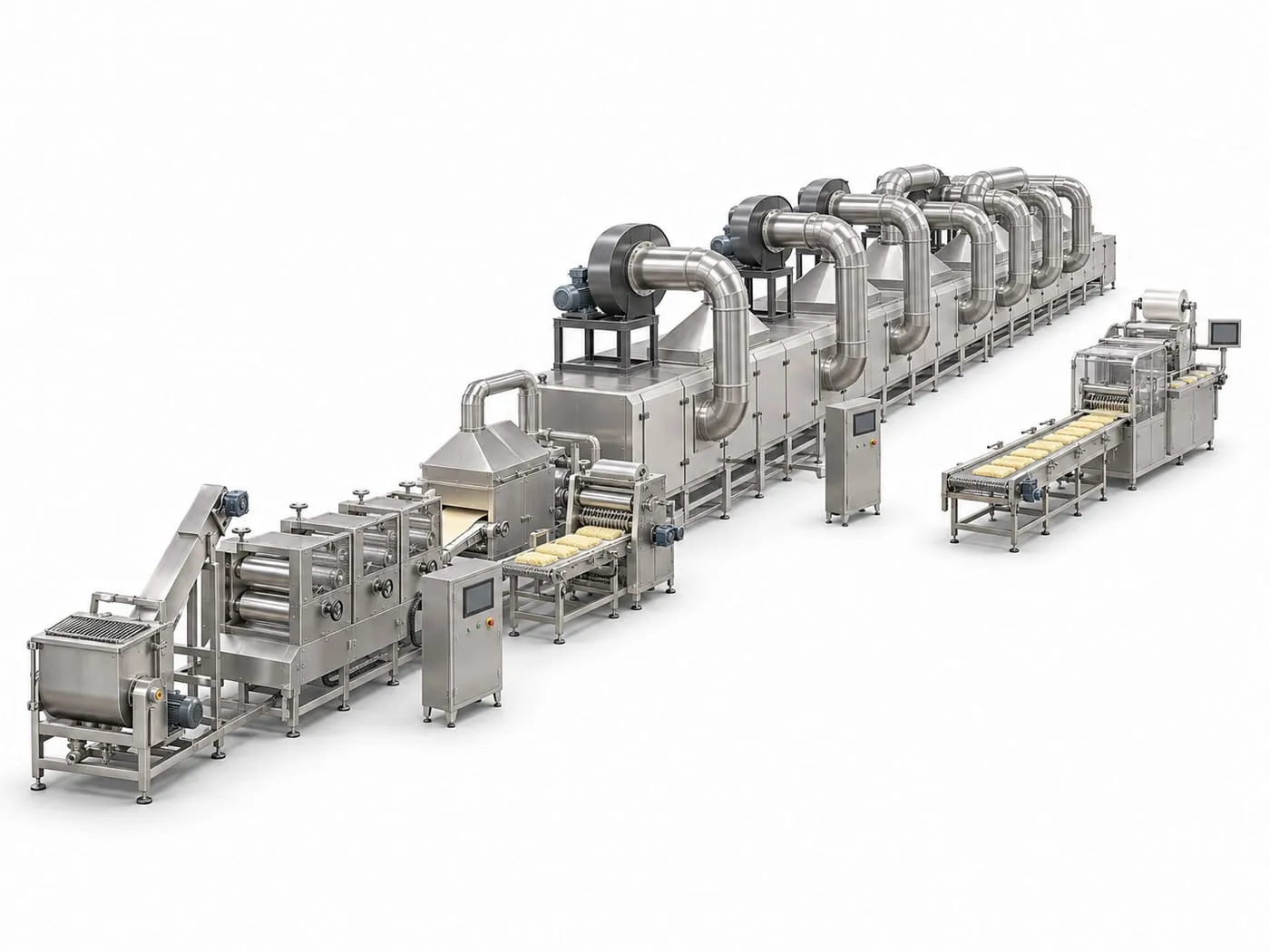
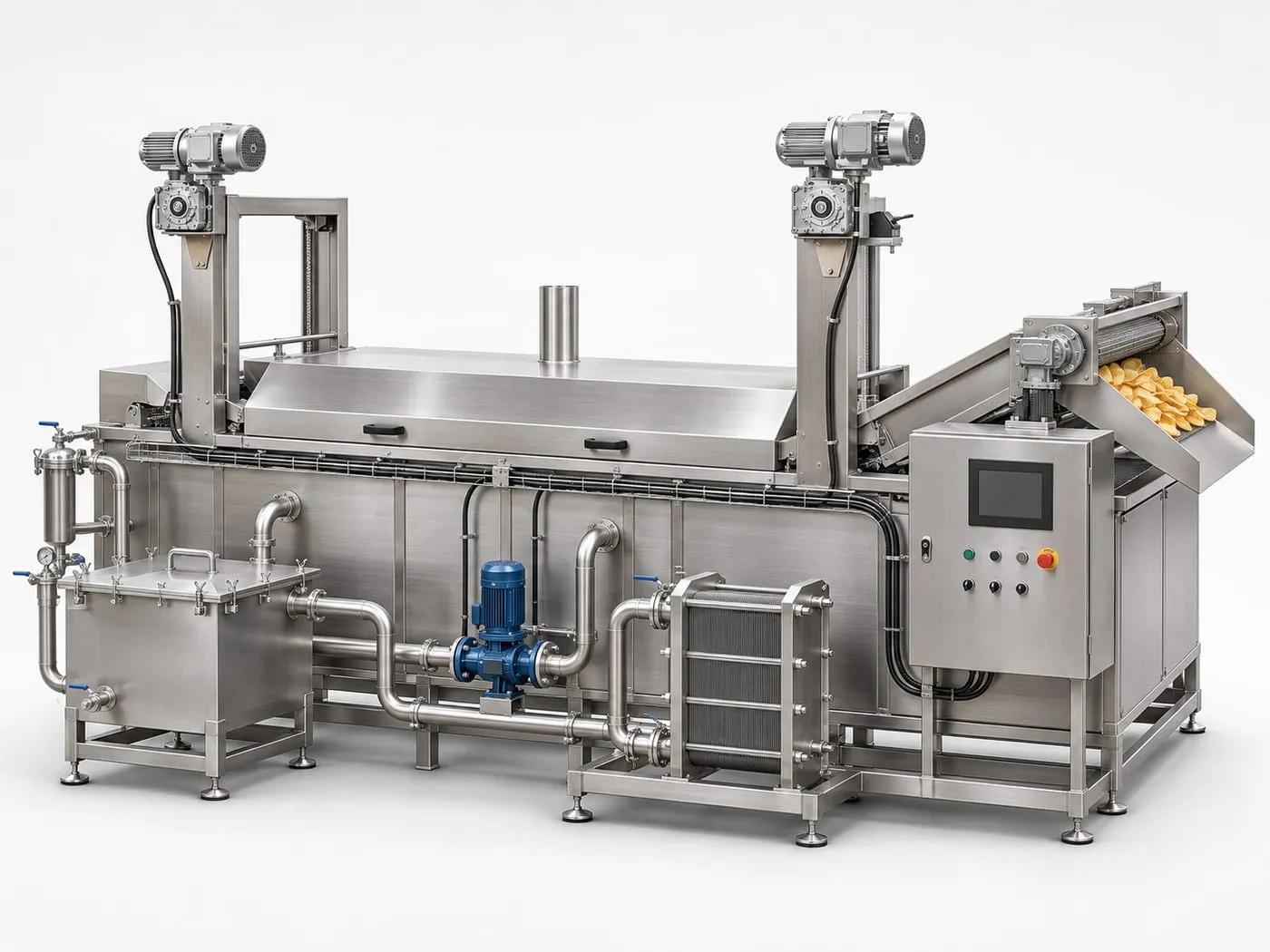
- Drying route. Frying uses a continuous fryer with oil heating, filtration and exhaust handling. Air-dried (non-fried) noodles use a hot-air drying tunnel instead. The routes also change the product: in a published comparison of commercial samples, fried noodles had a higher fat content and better texture, colour and cooking quality, while non-fried noodles had more protein and fibre (Frontiers in Nutrition, 2022). Pick the product first, then price the matching line. We compare the two in fried vs non-fried instant noodle lines.
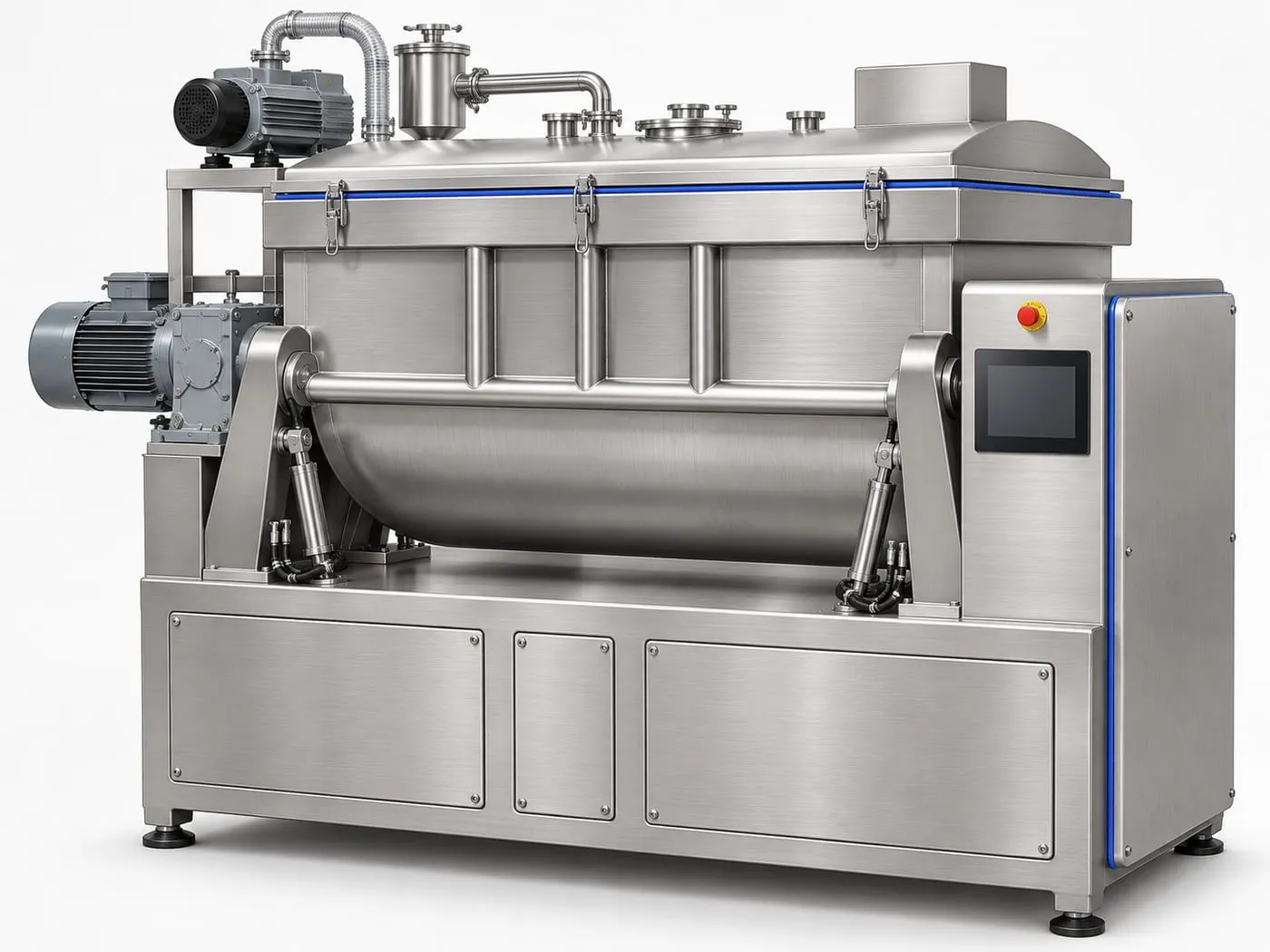
- Dough preparation. A vacuum dough mixer gives more uniform dough than an open mixer and affects noodle texture.
- Steaming and shaping. Steamer length, the cutting and folding unit, and whether the line makes bag noodles or cup and bowl noodles change the design.
- Cooling and packing. Cooling conveyors, flow-wrap bagging, cup filling, seasoning sachet feeding and cartoning can add as much equipment as the noodle section itself. Decide whether you pack by hand at first.
- Automation and controls. Manual feeding, semi-automatic and fully automatic transfers between stations differ in price and in the number of operators needed.
- Materials and build. Stainless steel grade in food-contact parts, motor and electrical brands, and spare parts packages all enter the quote.
Price levels you will see, and why they confuse buyers
When you search for “noodle making machine price in Nigeria, India or the Philippines” you will find marketplace listings that go from very small figures to six-figure line prices. They are not wrong, but they describe different machines: a single wet-noodle unit, a semi-automatic bench, or a continuous industrial line with packing. Listed marketplace prices rarely include the items in the next section, and they seldom state the output basis. Treat them as indicative at best. We do not publish prices for our own lines; each one is configured to your product and quoted in writing.
Costs outside the equipment price
Plan for these before you compare headline figures:
- Utilities: steam supply (boiler, fuel and water treatment), electrical connection, compressed air if used, drainage. See food steam generator for the steam side.
- Building and layout: floor loading, ceiling height for the line, hygienic zoning, a flour store, and space for packing materials.
- Packaging materials: film, cups, lids, cartons, and printing of film or labels.
- Logistics: sea freight, insurance, port charges, import duty and clearing. The delivery term in the contract (for example FOB or CIF, defined in the ICC’s Incoterms rules) decides who pays and who carries the risk at each stage.
- Installation, commissioning and training: who installs, how long, and what operators learn. Check how a line is supported through manufacturing, installation and the warranty period.
- Working capital: flour, oil, seasoning and packaging for the first months, until sales start.
A business plan has to cover the whole operation, not only the machine purchase; FAO’s booklet on processed foods for livelihoods is a useful starting point for small enterprises.
How the main choices change the budget
| Decision | Lower-cost direction | Higher-cost direction | What to check |
|---|---|---|---|
| Output | Small line, one shift | Large line, continuous multi-shift | Real demand and sales channels, not the dream volume |
| Drying | Hot-air tunnel for a lighter-fat product | Continuous fryer for the classic fried block | Target market, shelf life, oil handling |
| Packing | Hand packing or simple bagger | Cup or bowl filling with sachet feeding | Whether your market buys bags or cups |
| Automation | Operators move product between stations | Automatic transfers and controls | Local labour cost and skills |
| Expansion | Fixed layout | Space and utilities reserved for a second dryer or packing line | Growth plan over three years |
A worked way to compare two quotes
Imagine two quotes for an “instant noodle line”. Quote A says 40,000 bags per shift; quote B says 5,000 kg of noodles per hour. They look unrelated until you convert them to the same unit. Check the bag weight, the length of a shift and whether the figure is for dough input or finished packed noodles, then divide everything to finished packs per hour. Only then can you see which line is larger. (These numbers are only an illustration of the method.)
Next, list what each quote includes. A useful side-by-side sheet has one row for each item: mixing, sheeting and cutting, steaming, frying or drying, cooling, packing, seasoning feed, electrical cabinet, spare parts, installation, training and transport. Mark each cell as included, optional or not included. The quote with the lowest headline price often leaves several cells empty, and the empty cells become your costs later.
Finally, ask both suppliers the same four questions in writing:
- What output do you guarantee, on which noodle and at what moisture or fat level?
- Which parts wear first, and how many spares are in the package?
- What utilities does the line need (steam in kilograms per hour, electrical load, water)?
- Who installs and commissions, and how many days of operator training are included?
Answers to these questions tell you more about the real price than the number on the first page.
What to prepare for a quotation
- The noodle type you want to sell (fried block, air-dried block, cup or bowl, flat wide noodle) and the recipe or sample.
- Target output per hour and shifts per day, stated as finished product weight.
- Flour type available locally, and the oil you plan to use if frying.
- Packing format and pack weight, and whether you want seasoning sachets.
- Site details: building size, power supply and voltage, water, steam or boiler fuel, and ceiling height.
- Delivery port or city, and the delivery term you want (for example FOB or CIF).
- Whether you need installation and training at your site, and the number of operators.
- Your budget range and start date, so the line can be phased if needed.
Send these through our contact page and our engineers will propose a line size. If you want a complete plant with building layout and utilities, see our turnkey projects.
Common mistakes when comparing quotes
- Comparing different outputs. One quote is per hour of finished noodles, another is per shift of raw dough. Convert everything to the same unit.
- Leaving out the packing section. A noodle line without packing is only half a line.
- Ignoring steam and electrical load. A cheap line that needs a bigger boiler or transformer is not cheap.
- Buying more than the market can absorb. A line running at 30 percent capacity costs more per pack than a smaller line at full load.
- Skipping a trial. Ask to test your flour and recipe, or at least to see noodle samples made from your formula.
Frequently asked questions
- How much does an instant noodle production line cost?
- It depends on output, whether noodles are fried or air-dried, the packing format (bag, cup or bowl) and how much is automated. Public listings show a very wide spread, from small single machines to full industrial lines, so we quote per project once we know your product, hourly output and site utilities.
- Is a non-fried line more expensive than a fried one?
- Not by rule. Both share the dough, sheeting, steaming and cutting stations. The difference is the drying step: a continuous fryer with oil handling versus a hot-air drying tunnel. Which costs more depends on the output, the dryer size and the energy system you choose.
- What costs people forget when budgeting a noodle plant?
- Steam supply, electrical connection, floor and drainage work, packaging film or cups, spare parts, freight and import duties, installation and operator training. Flour, oil and seasoning stock for the first months also needs cash.
- Can I start with a small machine and upgrade later?
- Yes, many buyers do. Ask for a layout that leaves space and utility capacity for a second dryer or packing line, and check that the dough and cutting section can be extended, so you do not have to replace the first machines.
- Does HNFODA publish prices?
- No. Every line is configured to the product and output, so prices are given in a written quotation after we confirm the requirements.
Sources
- [1]Effect of Frying Process on Nutritional Property, Physicochemical Quality, and in vitro Digestibility of Commercial Instant Noodles — Frontiers in Nutrition, 2022
- [2]Processed foods for improved livelihoods (FAO Diversification booklet 5) — Food and Agriculture Organization of the United Nations
- [3]Incoterms rules — International Chamber of Commerce
HNFODA Applications Engineering
Line design, product trials and commissioning
Engineers who size, build and commission HNFODA food processing lines, writing from the questions buyers ask before a quotation. About HNFODA