Instant Noodle & Frozen Food
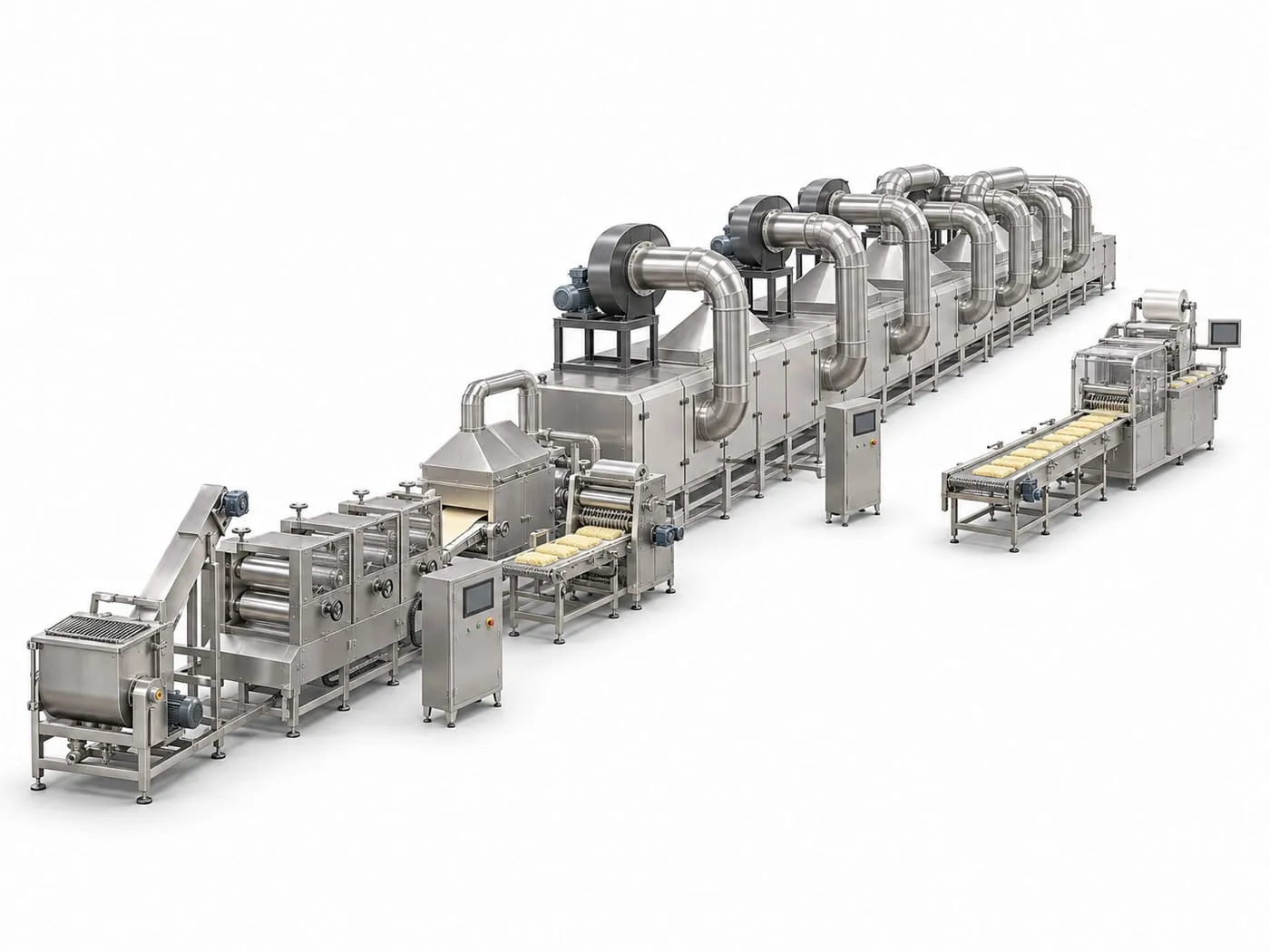
Instant Noodle Production Line
New and expanding noodle brands that need one supplier for the whole line, from dough mixing to packing.
Sized to finished noodle blocks per hour at a set block weight

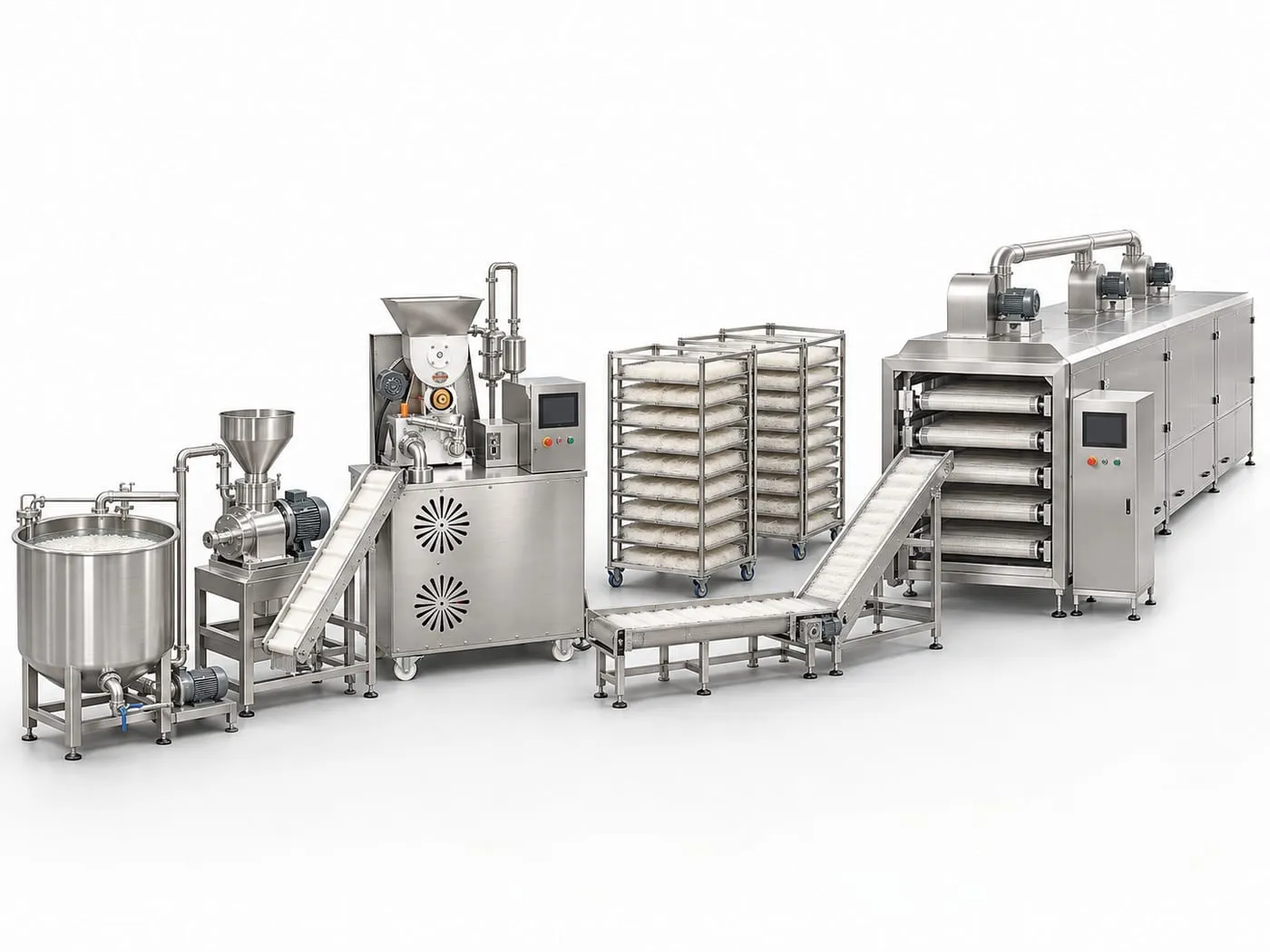
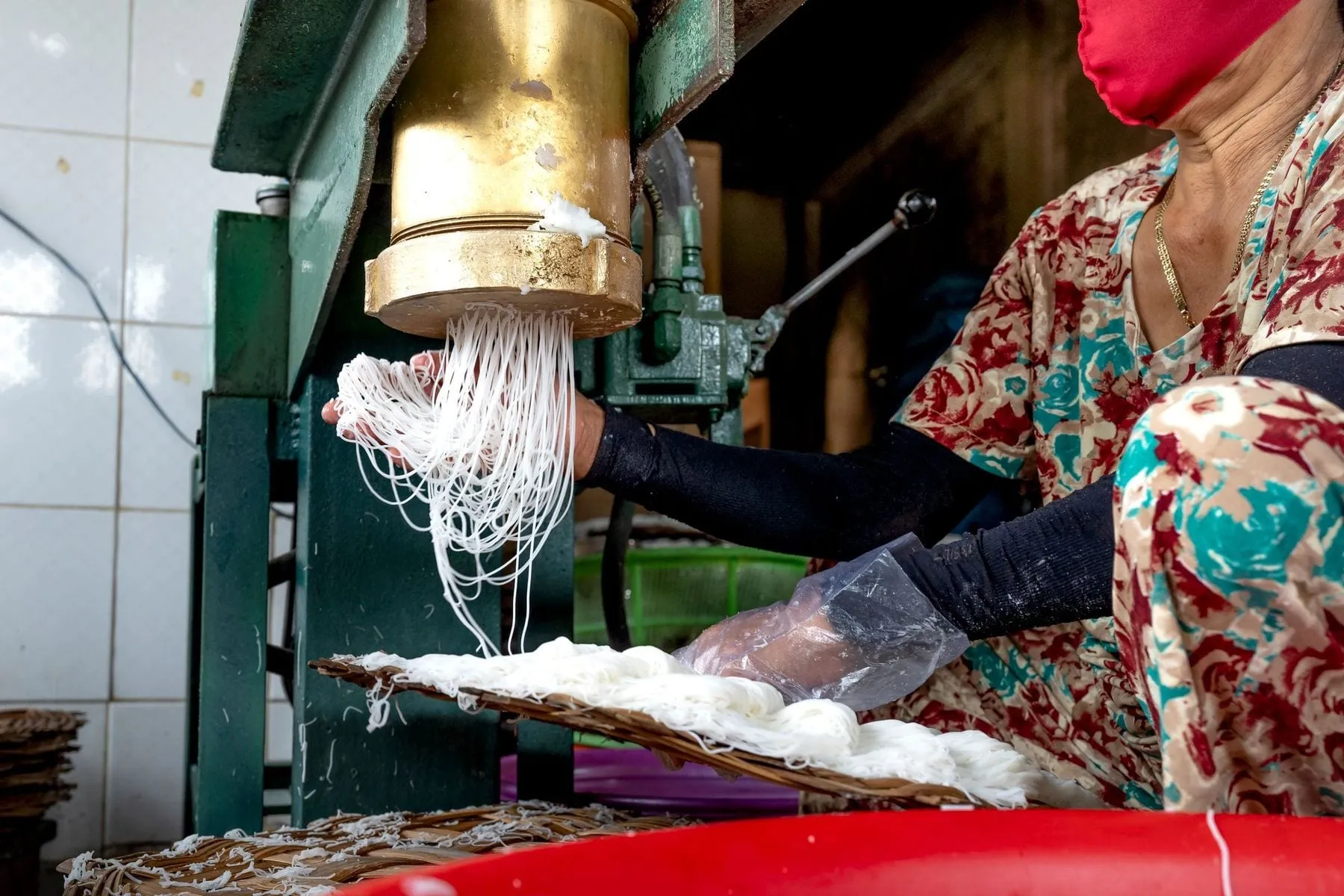
04 · Instant Noodle & Frozen Food — Production line
Turns soaked rice or rice flour into cooked, formed noodles, then cools, dries or packs them as fresh or dried products.
Short answer: A rice noodle production line soaks and grinds rice (or starts from rice flour), cooks the starch, forms the noodles by extrusion or by steaming a sheet and cutting it, then cools, ages, dries or packs them. The rice variety and its starch behaviour, the noodle shape and whether you sell fresh or dried noodles decide the process.
| Form | Suits | Watch out for |
|---|---|---|
| Fresh noodles | Local markets, food service, chilled retail | Short shelf life, hygiene and cold chain |
| Dried noodles | Ambient retail, export | Long drying time, cracking, floor space |
| Extruded forming | Round vermicelli and spaghetti-style noodles | Die wear, strand sticking |
| Sheet-cut forming | Flat noodles and rolls | Sheet thickness control, steam supply |
Starting from rice flour skips soaking and wet grinding and shortens the line, but the flour must suit noodles; wet-ground rice gives more control over texture.
Incoming rice can be cleaned with a grain optical sorter or prepared on a rice milling line. Steam comes from a food steam generator. Dried noodles can use a hot air dryer; fresh noodles go to a tray sealer or vacuum packaging machine. Starch-based glass noodles are covered by the starch vermicelli production line.
Fresh rice noodles
cooked noodles are cooled and packed moist, for short shelf life or chilled distribution.
Dried rice noodles
noodles are aged and dried to a low moisture for ambient storage and export.
Extruded or sheet-cut forming
round strands are pressed through a die, while flat noodles are steamed as a sheet and cut into strips.
Our engineers check these points with you, so the quotation fits your site rather than a catalogue default.
Rice with a relatively high amylose content is usually preferred for firm, non-sticky noodles, and many factories use aged rice. Send us your rice or flour specification and a sample product; we check it before fixing the process.
Fresh noodles carry much more water than dried ones, so the same rice input gives a different finished weight. That is why we always state whether capacity means rice input, fresh noodles or dried noodles.
Usually they need different forming sections: an extruder with dies for round noodles and a steaming and cutting section for flat noodles. Cleaning, soaking and grinding can often be shared.
Tell us your raw material, finished product and target output. Our engineers reply with a matched configuration and quotation.
What to send with your inquiry
Email sales@hnfoda.com
Why instant noodle line quotes differ so much: capacity, fried or non-fried drying, automation, packing and site costs, plus what to prepare for a quote.
Instant Noodle & Frozen Food
New and expanding noodle brands that need one supplier for the whole line, from dough mixing to packing.
Sized to finished noodle blocks per hour at a set block weight
Instant Noodle & Frozen Food
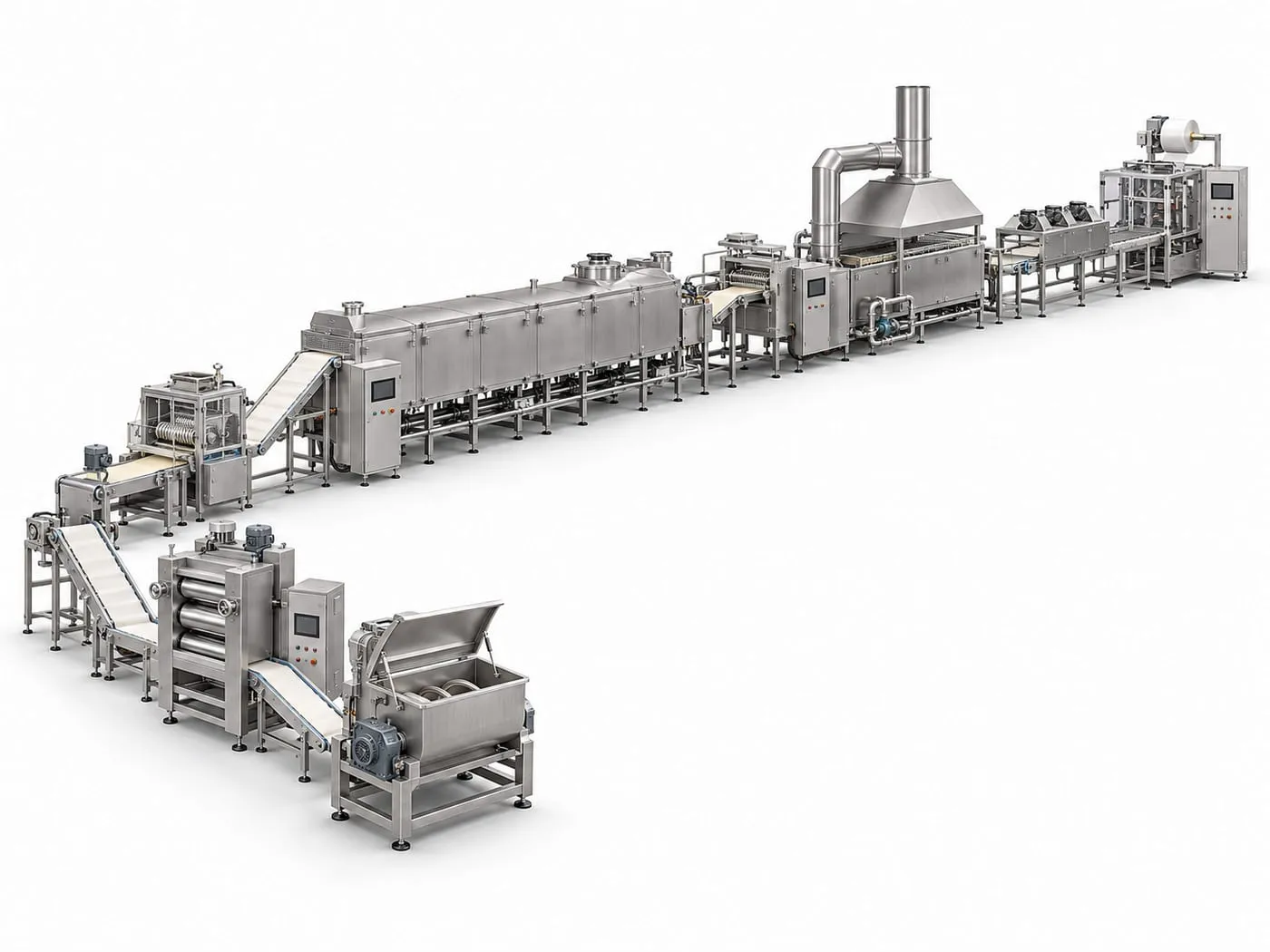
Noodle makers adding an air-dried, lower-fat product or building a dedicated non-fried plant.
Sized to dried noodle blocks per hour at a set block weight
Instant Noodle & Frozen Food
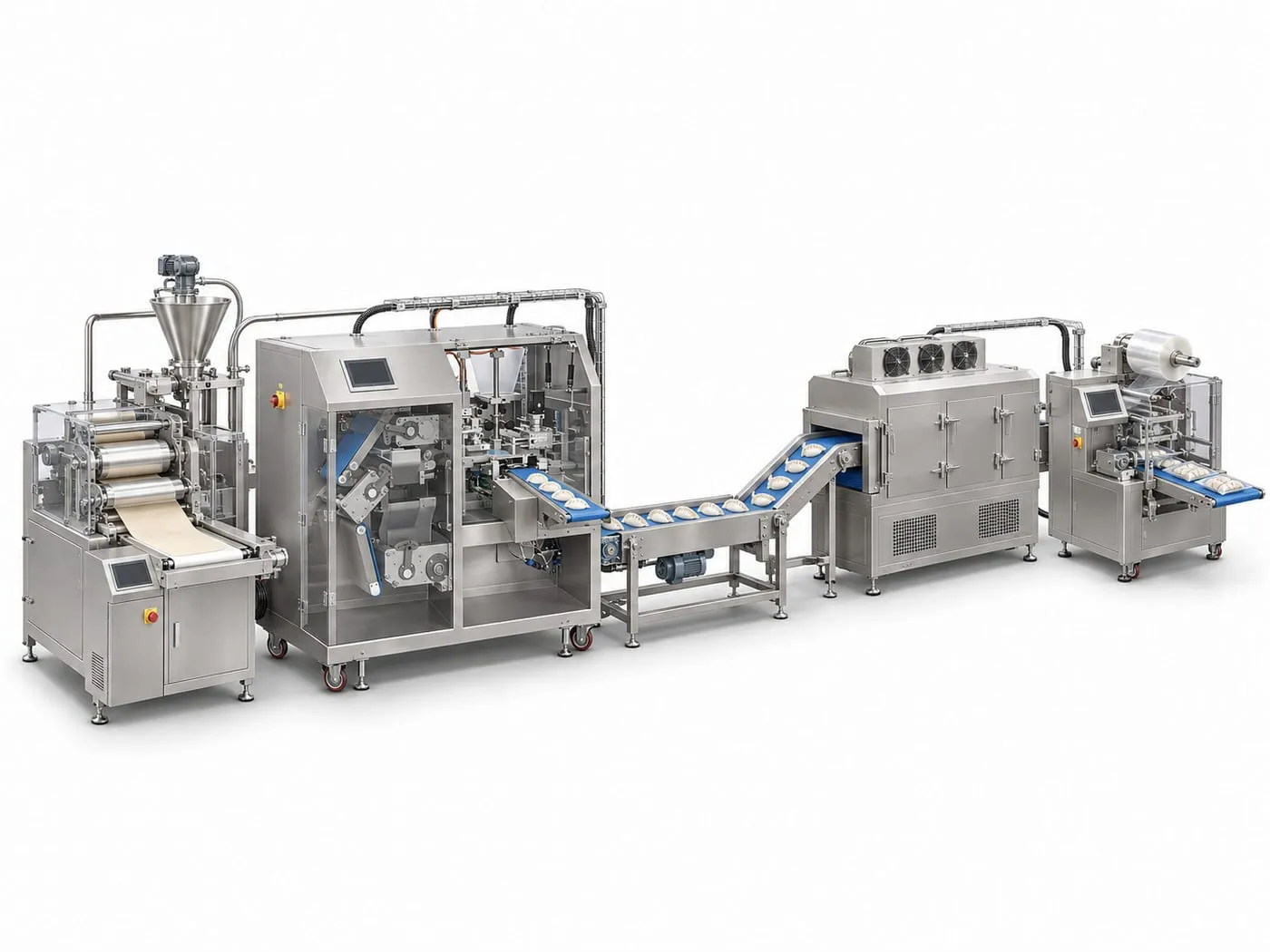
Frozen food factories and new brands moving from hand-made or semi-automatic dumplings to steady machine output.
Sized to finished frozen dumplings per hour at a set piece weight
Instant Noodle & Frozen Food
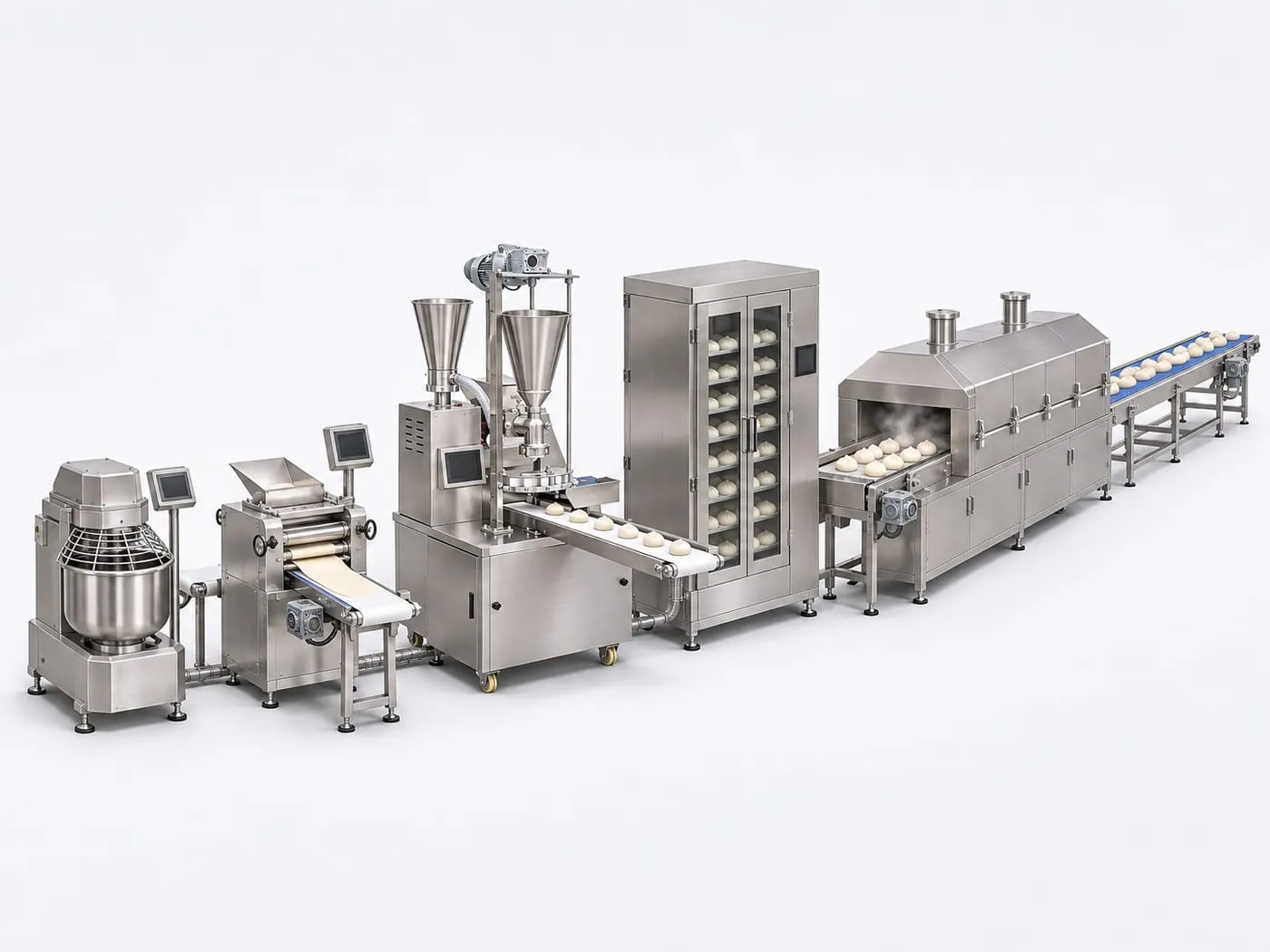
Central kitchens, frozen food plants and bakeries scaling up plain or filled steamed buns.
Sized to finished buns per hour at a set piece weight