Grain & Flour Milling
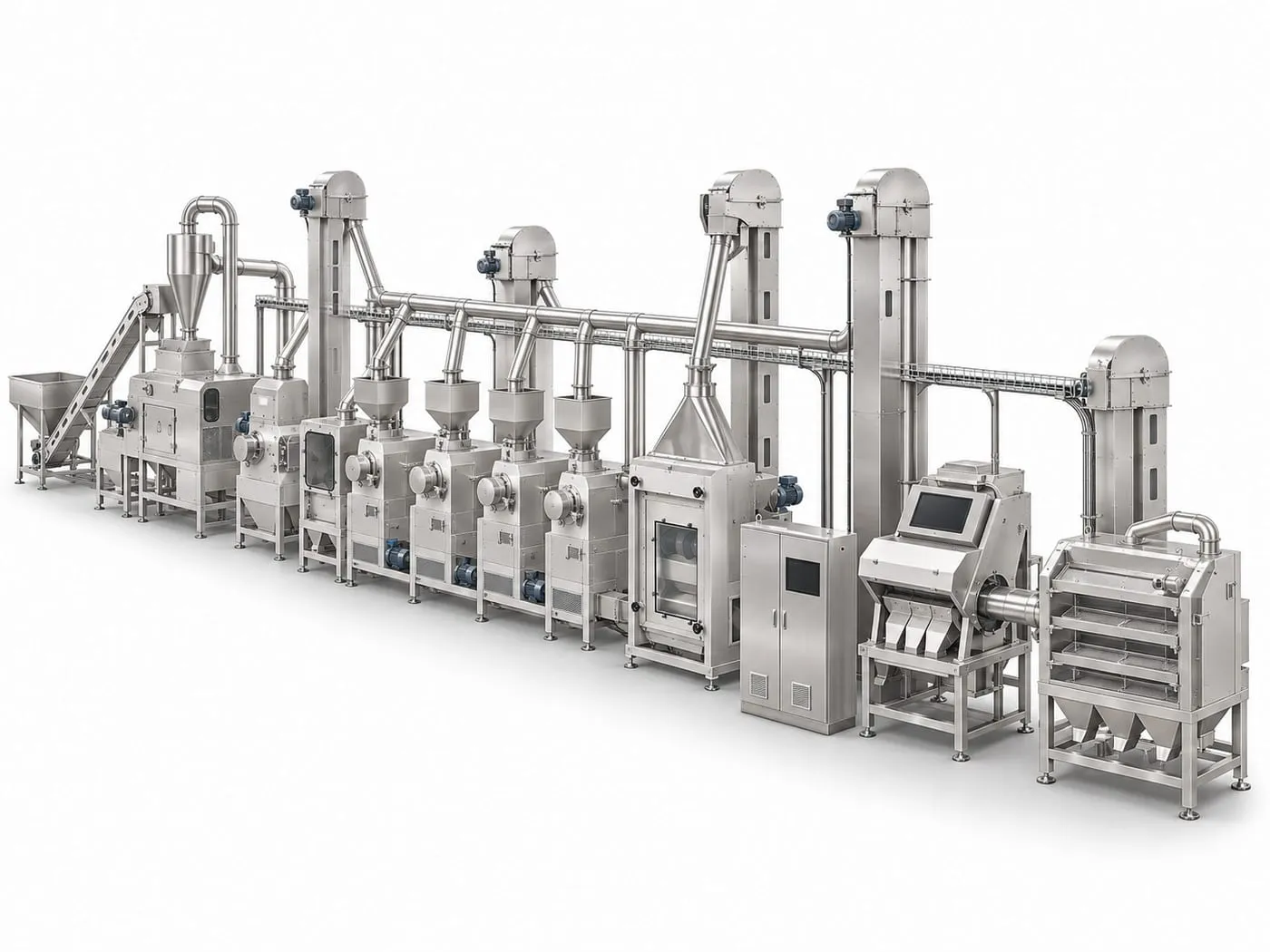
Grain Milling Line
Investors and existing mills setting up or upgrading wheat flour or maize meal production.
Sized on cleaned grain intake per day (t/24 h)

08 · Grain & Flour Milling — Equipment
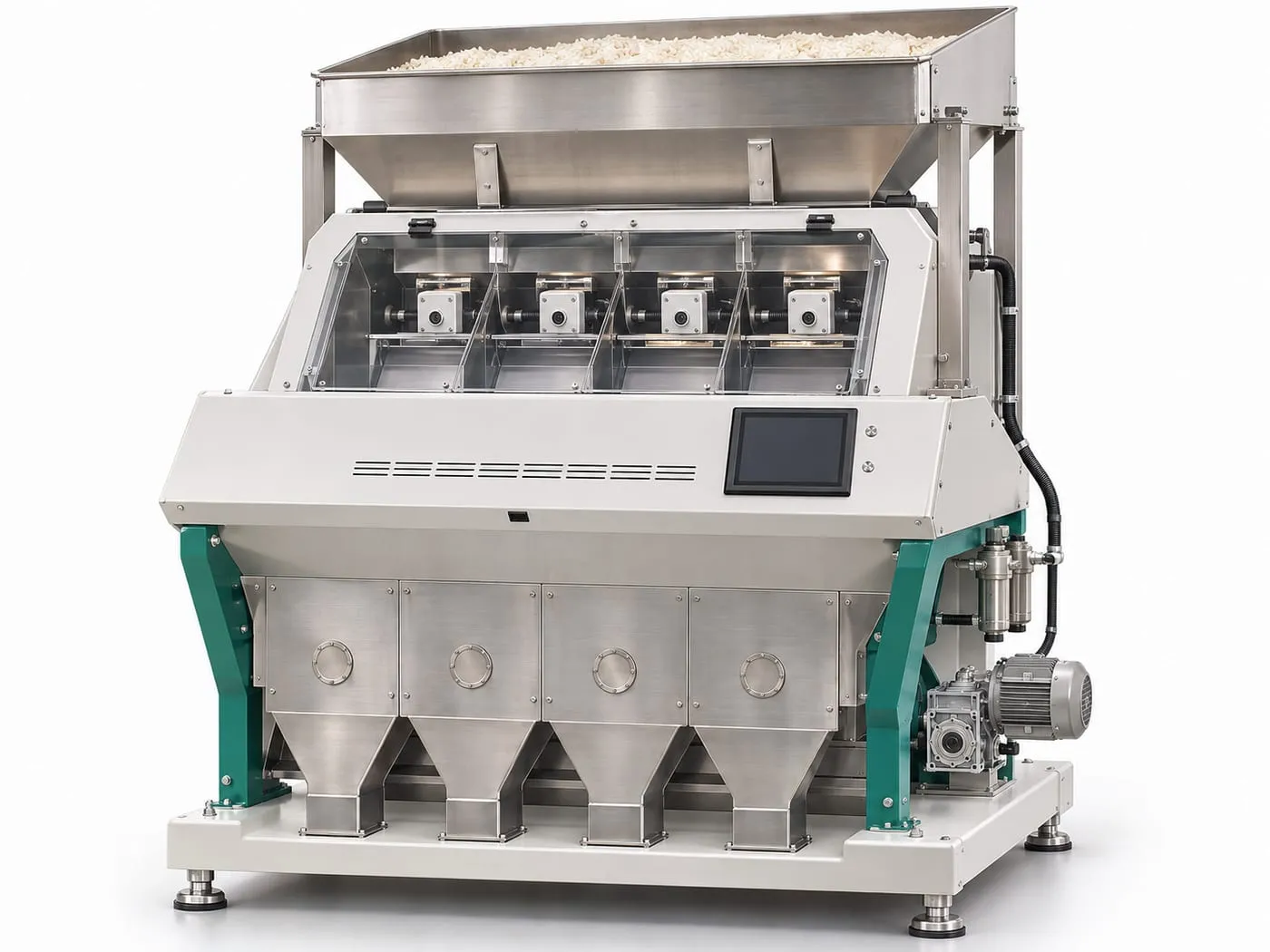
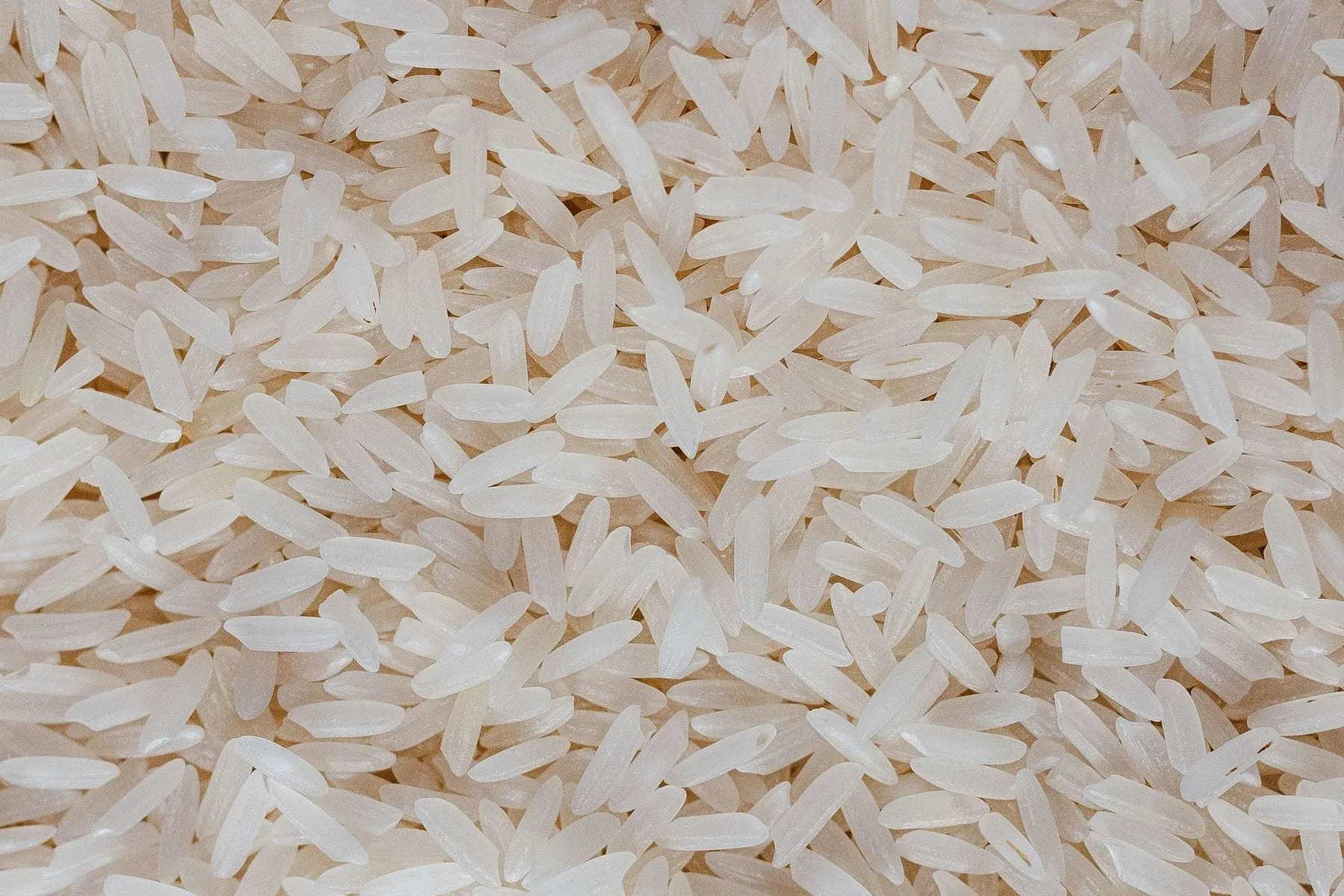
A camera-based colour sorter that removes discoloured grains, stones and foreign particles from rice, beans, seeds and other free-flowing grain.
Short answer: A grain optical sorter feeds kernels in thin streams past high-speed cameras and blows out any particle that does not match the accepted colour or shape. The configuration depends on what you need to reject — colour defects alone, or foreign matter that looks like good grain — and on how much good product you can accept losing in the reject stream.
Grain enters a hopper and a vibrating feeder spreads it evenly onto inclined chutes. The kernels slide down in single layers and fall past an inspection zone where cameras, lit from both sides, capture each particle. Software compares what it sees with the sorting settings. When a particle falls outside the accepted range, a fast air ejector fires a short pulse and pushes it into the reject channel; accepted grain continues to the main outlet.
The machine depends on three things working together: steady, even feeding; clean viewing windows and stable lighting; and a reliable supply of clean, dry compressed air.
| Form | Suits | Watch out for |
|---|---|---|
| Visible light | Rice, beans, seeds with colour or spot defects | Cannot easily separate foreign matter of similar colour |
| Visible light with near-infrared | Products where glass, stones or plastic are a concern | Higher investment; settings need careful validation |
Sorting can be arranged in one pass or as a primary sort followed by a re-sort of the rejects, depending on defect rate and how much good grain you need to recover.
In a rice milling line the sorter usually sits after whitening and polishing, before packing. In a grain milling line it can follow cleaning to remove damaged kernels before grinding. Sorted grain then goes to bins and to a multihead weigher or bagging scale.
Visible light
full-colour cameras detect colour and shape defects such as yellow, chalky or black grains; suits most rice and bean sorting.
Visible light with near-infrared
adds NIR detection for foreign matter that looks similar in colour, such as some stones, glass or plastic.
Our engineers check these points with you, so the quotation fits your site rather than a catalogue default.
Send us samples of good product and of each defect you need to remove. Sorting performance depends on how different the defect looks from good grain, so testing with real samples is the reliable way to judge the result before you order.
Compressed air is the main running cost, and it rises with the defect rate because each rejected particle needs an air pulse. Clean, dry air also protects the valves. Dust control and regular cleaning of the glass windows keep accuracy stable.
Carry-over is the good grain blown out together with defects. Tighter settings remove more defects but lose more good grain. Many plants re-sort the reject stream on a second pass to recover good kernels. We agree the target ratio with you before setup.
Tell us your raw material, finished product and target output. Our engineers reply with a matched configuration and quotation.
What to send with your inquiry
Email sales@hnfoda.com
Grain & Flour Milling
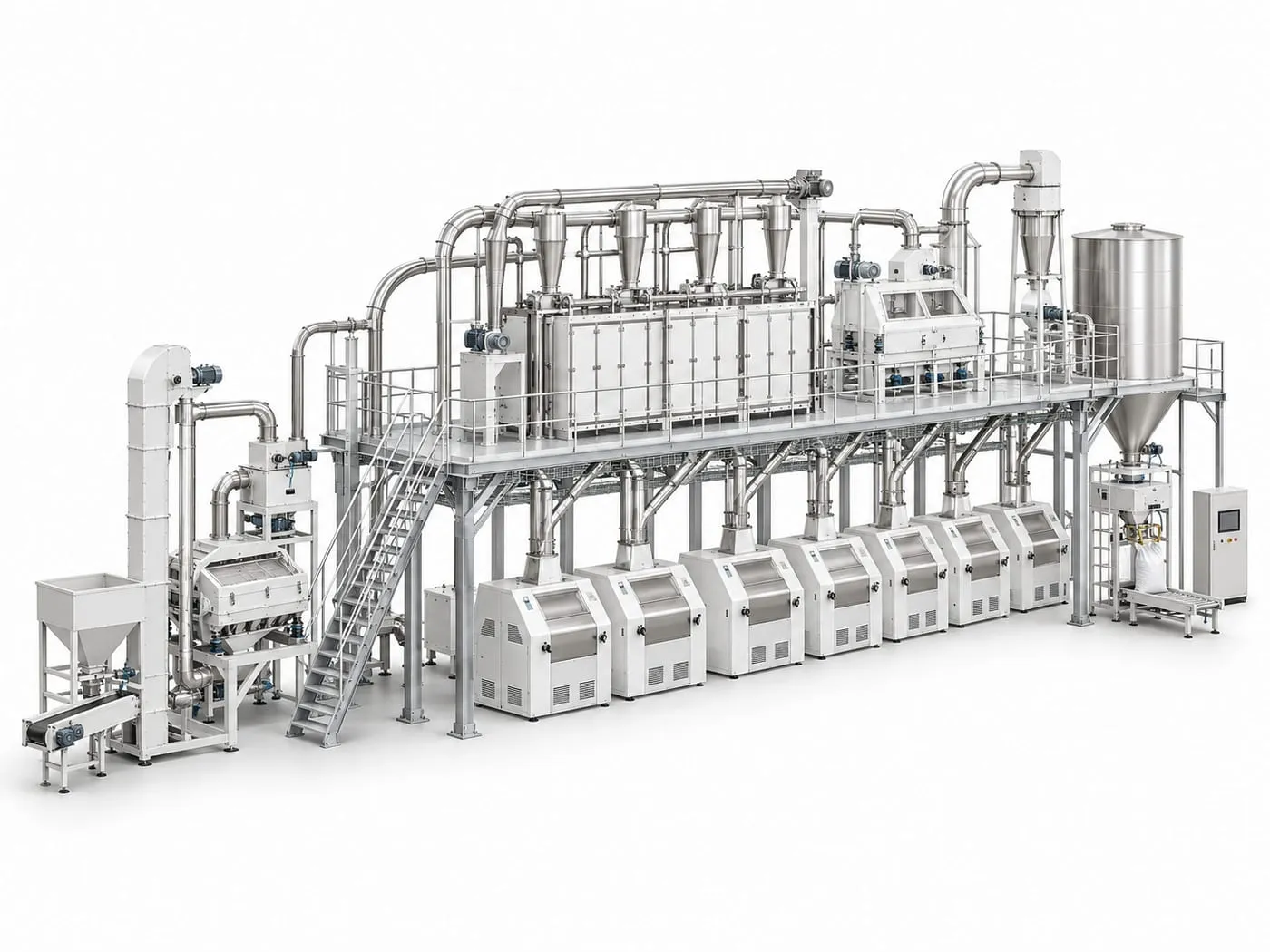
Investors and existing mills setting up or upgrading wheat flour or maize meal production.
Sized on cleaned grain intake per day (t/24 h)
Grain & Flour Milling
Rice traders, cooperatives and processors building or upgrading a commercial rice mill.
Sized on paddy intake (t/day or t/h)
Grain & Flour Milling
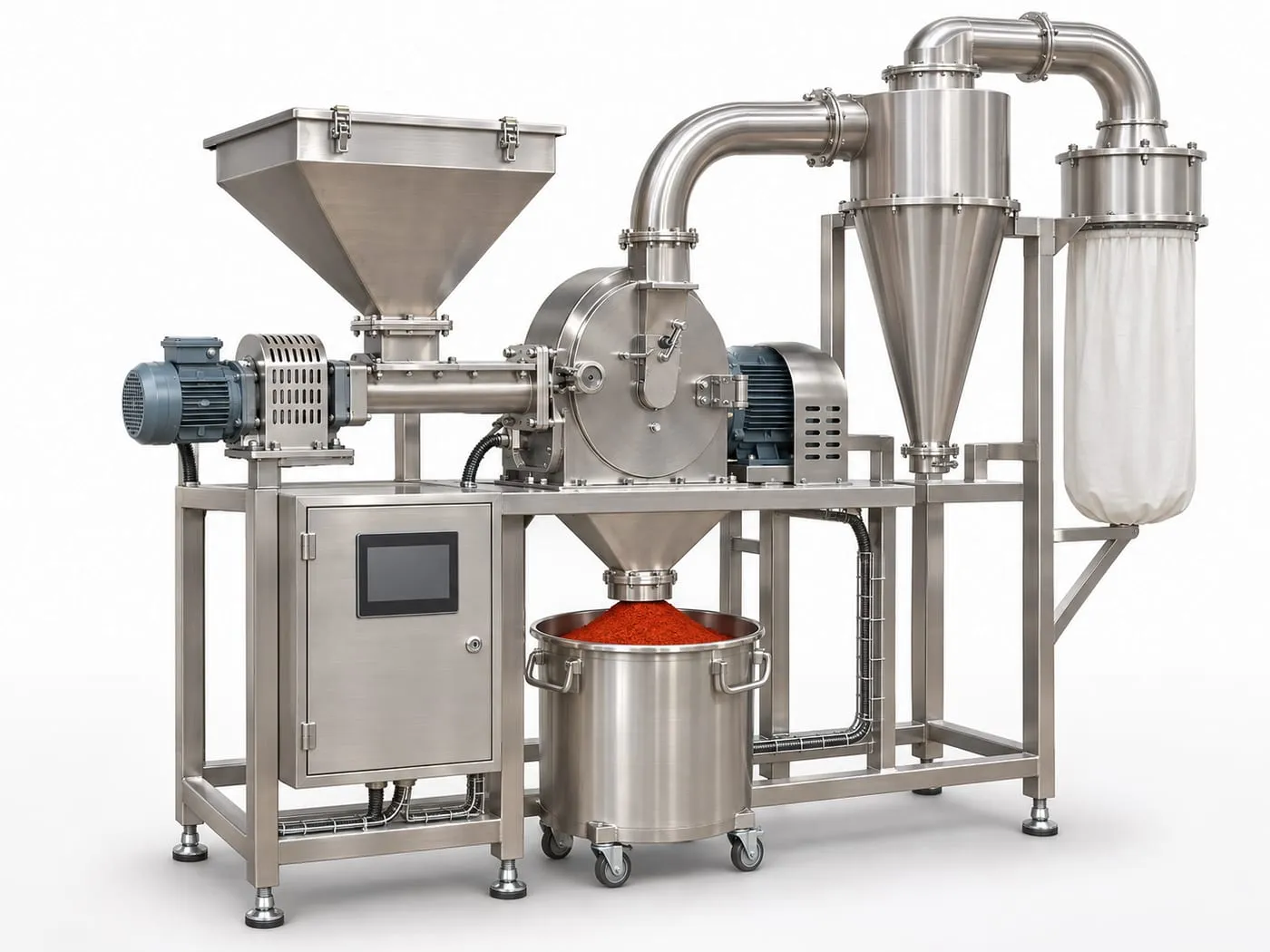
Spice processors, seasoning makers and packers who grind their own powders.
Rated on dried raw spice input (kg/h), depends on material and fineness
Meat & Seafood Processing
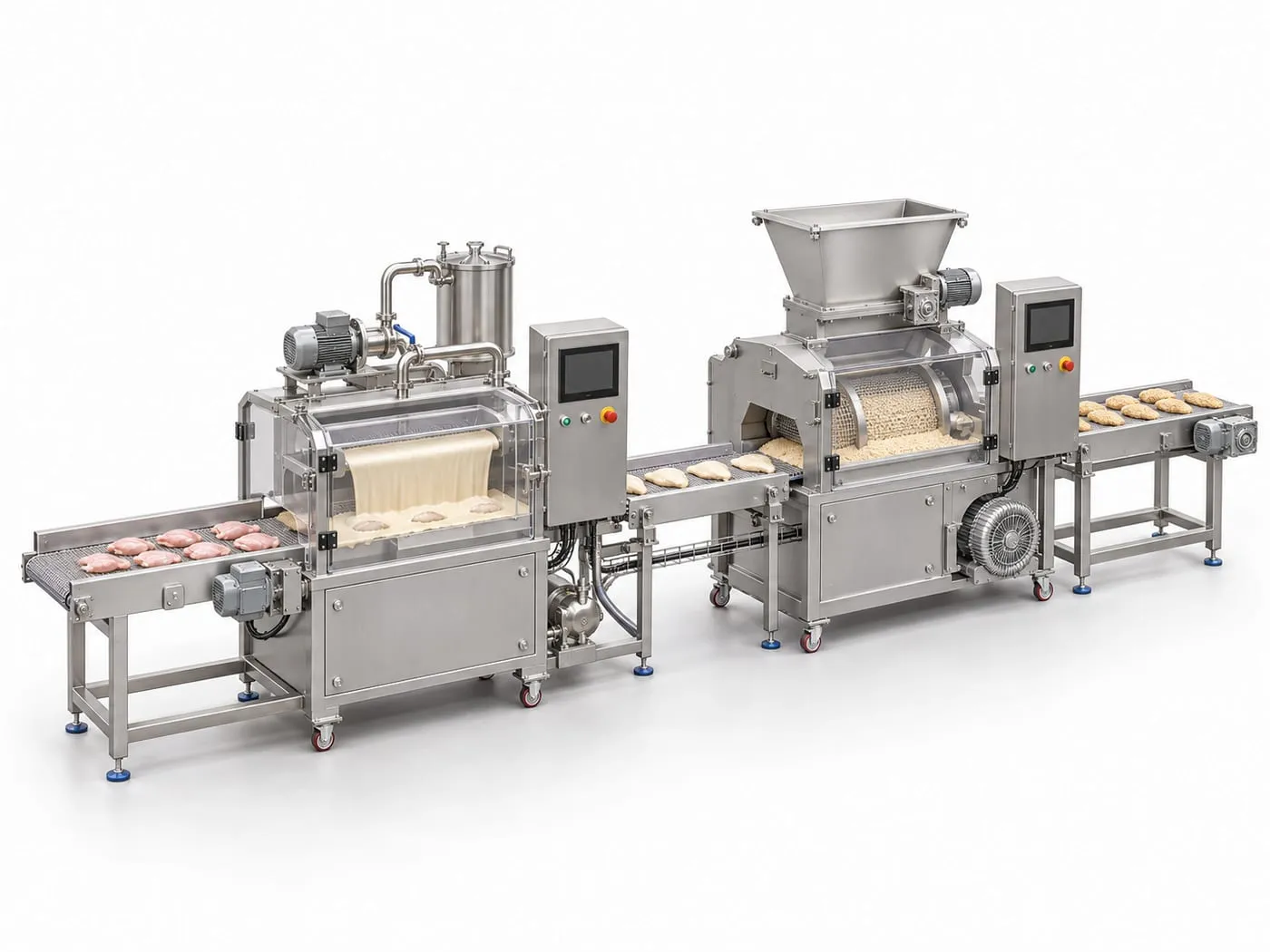
Factories making breaded chicken, fish fingers, coated vegetables or nuggets for frozen and food-service markets.
Sized to belt width and coated product output (kg/h of finished product)