Production lines · Dried fruit & fruit chips
Dried Fruit Processing Plant: Planning a Dried Fruit and Fruit Chips Factory
How a dried fruit and fruit chips plant is built: process route, dryer sizing, utilities, supply levels and what to prepare before asking for a quote.
- Prepared by
- HNFODA Applications Engineering
- Topic
- Production lines · Dried fruit & fruit chips
- Published
- Reading time
- 6 min read · 3 sources
On this page
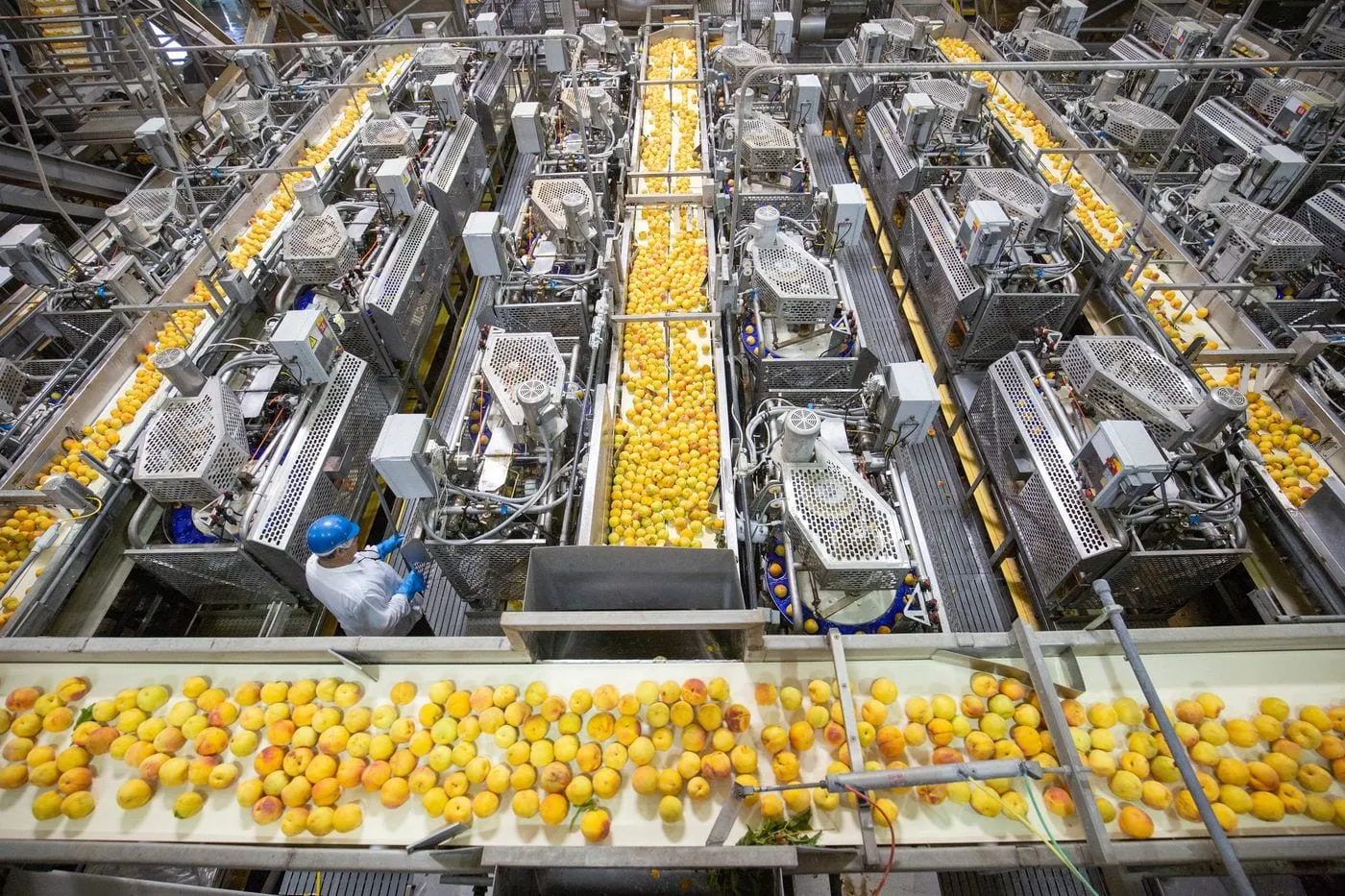
Short answer: A dried fruit processing plant washes, sorts and cuts fresh fruit, dries it to a stable moisture level, then cools, weighs and packs it before it can pick up moisture again. The dryer is the bottleneck, so a plant is sized from the fresh fruit you can buy per day and the drying ratio of each fruit, and the drying method (hot air or freeze-drying) decides most of the investment, energy use and building layout.
This page is for people planning a factory or adding dried fruit to an existing business. If you only need one machine, the dried fruit processing line page and the individual equipment pages go into the details of each unit.
What a dried fruit plant consists of
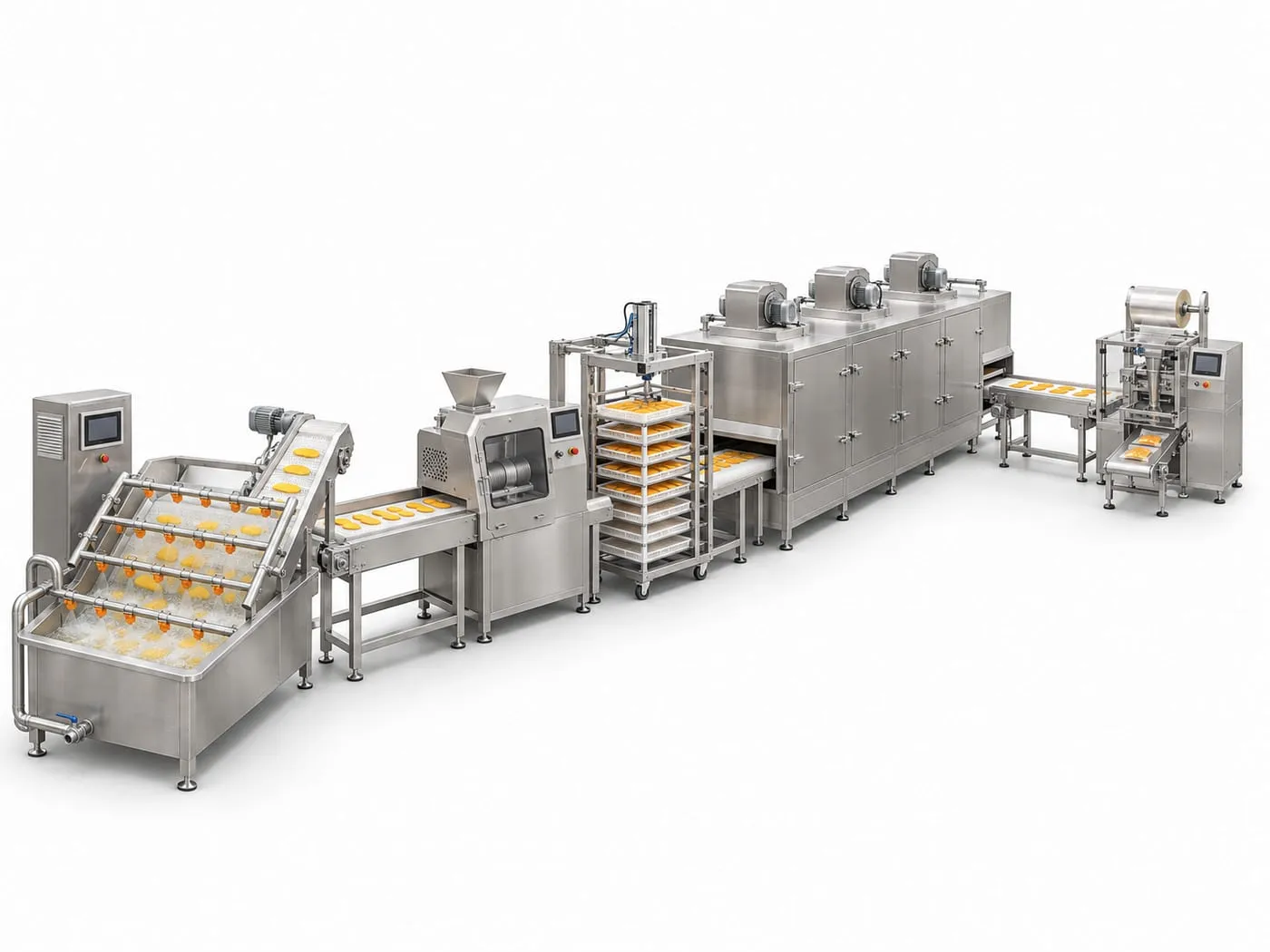
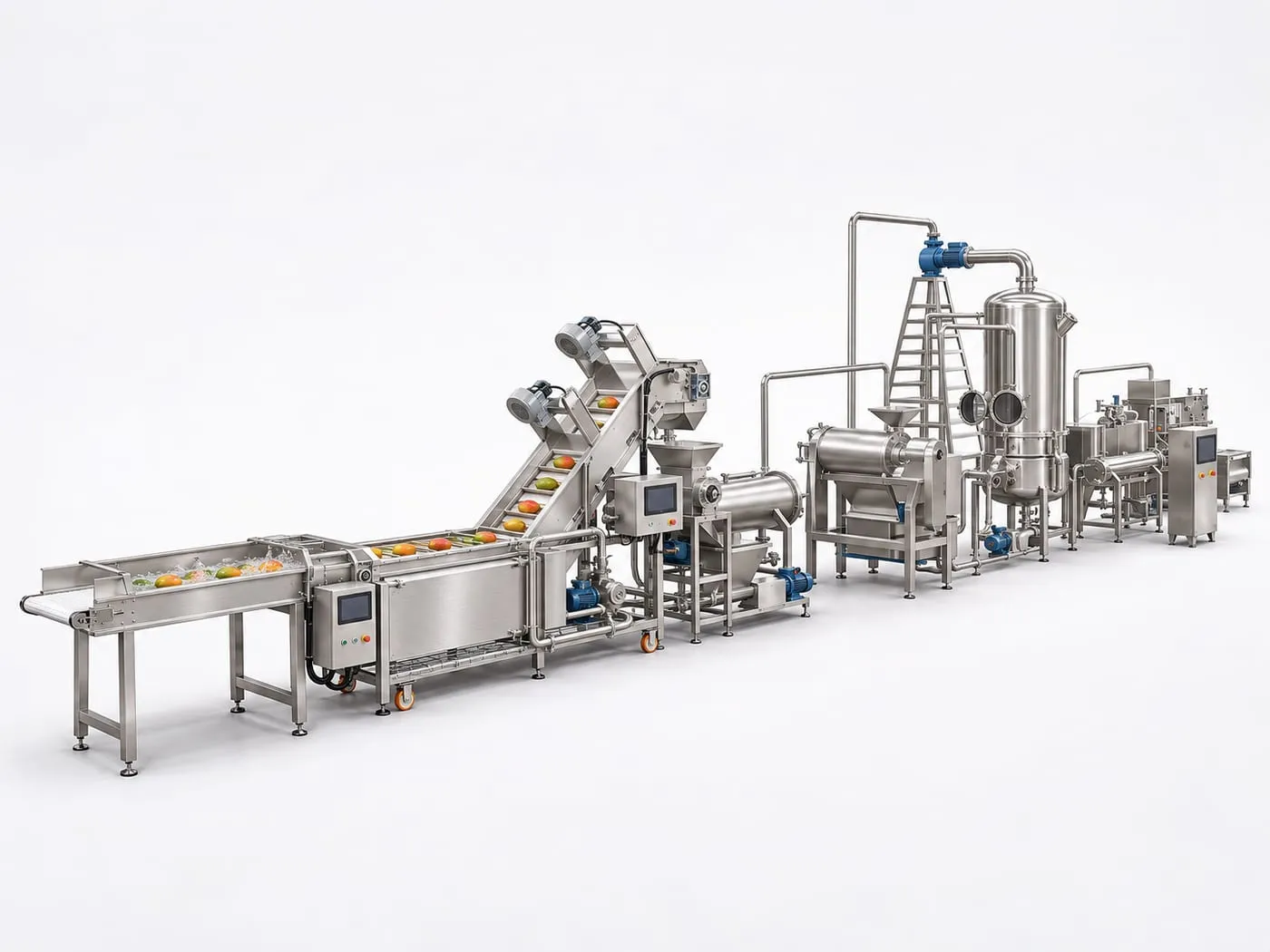
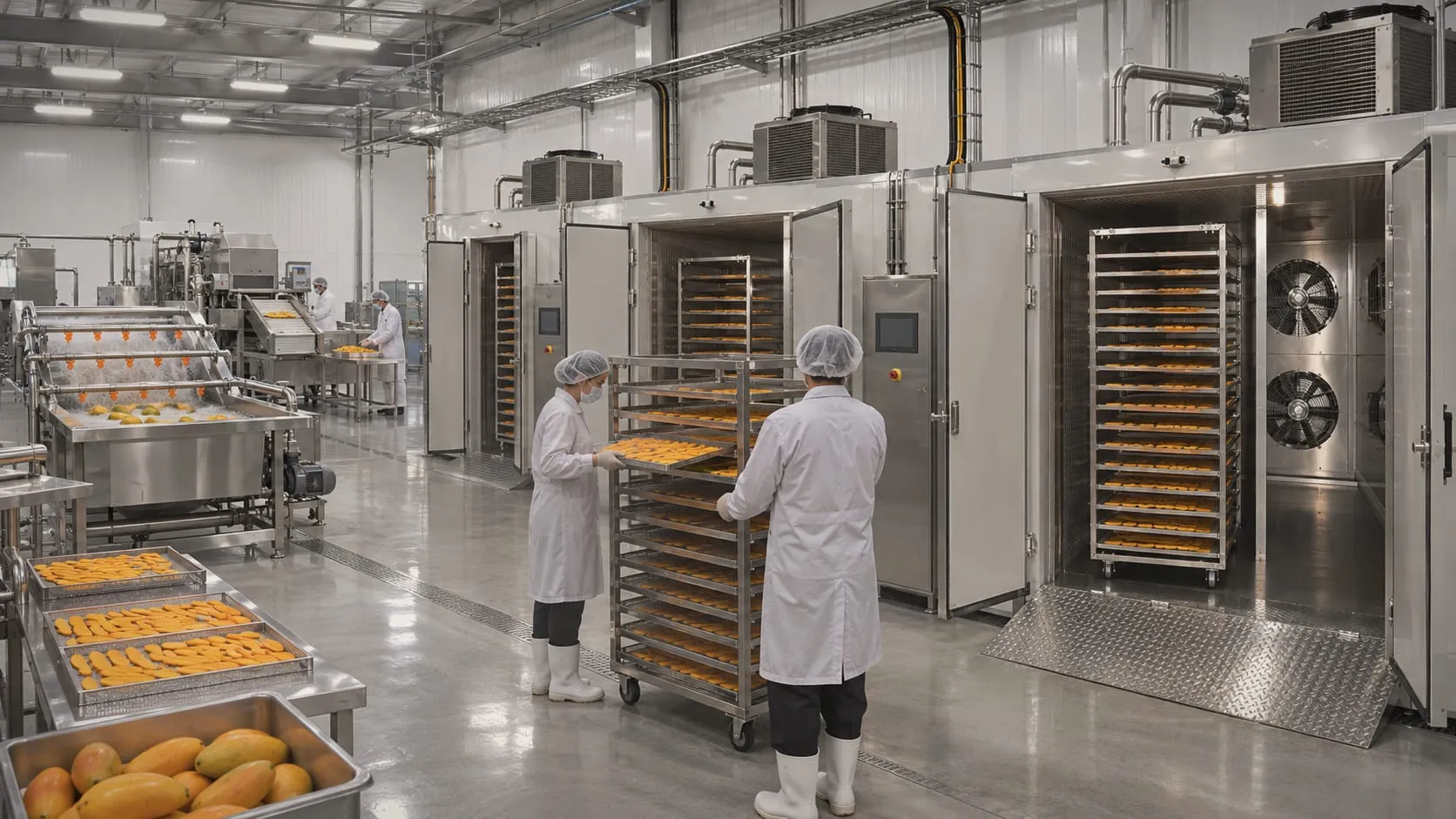
Every plant, from a small farm-gate unit to an export factory, has the same three parts:
- Preparation: receiving, washing, sorting, peeling, pitting or coring, and slicing or dicing. This is where most labour and most yield loss sit.
- Drying: the dryer and its heat source, plus any pre-treatment such as blanching, dipping or sugar infusion.
- Cooling and packing: cooling the dried product, final inspection, weighing, packing and metal detection, in a room kept dry and clean.
Around them sit raw material storage (often chilled), a heat or steam supply, water treatment, a finished goods store and a small lab for moisture checks.
Process route and key machines
| Station | Purpose | Key machine |
|---|---|---|
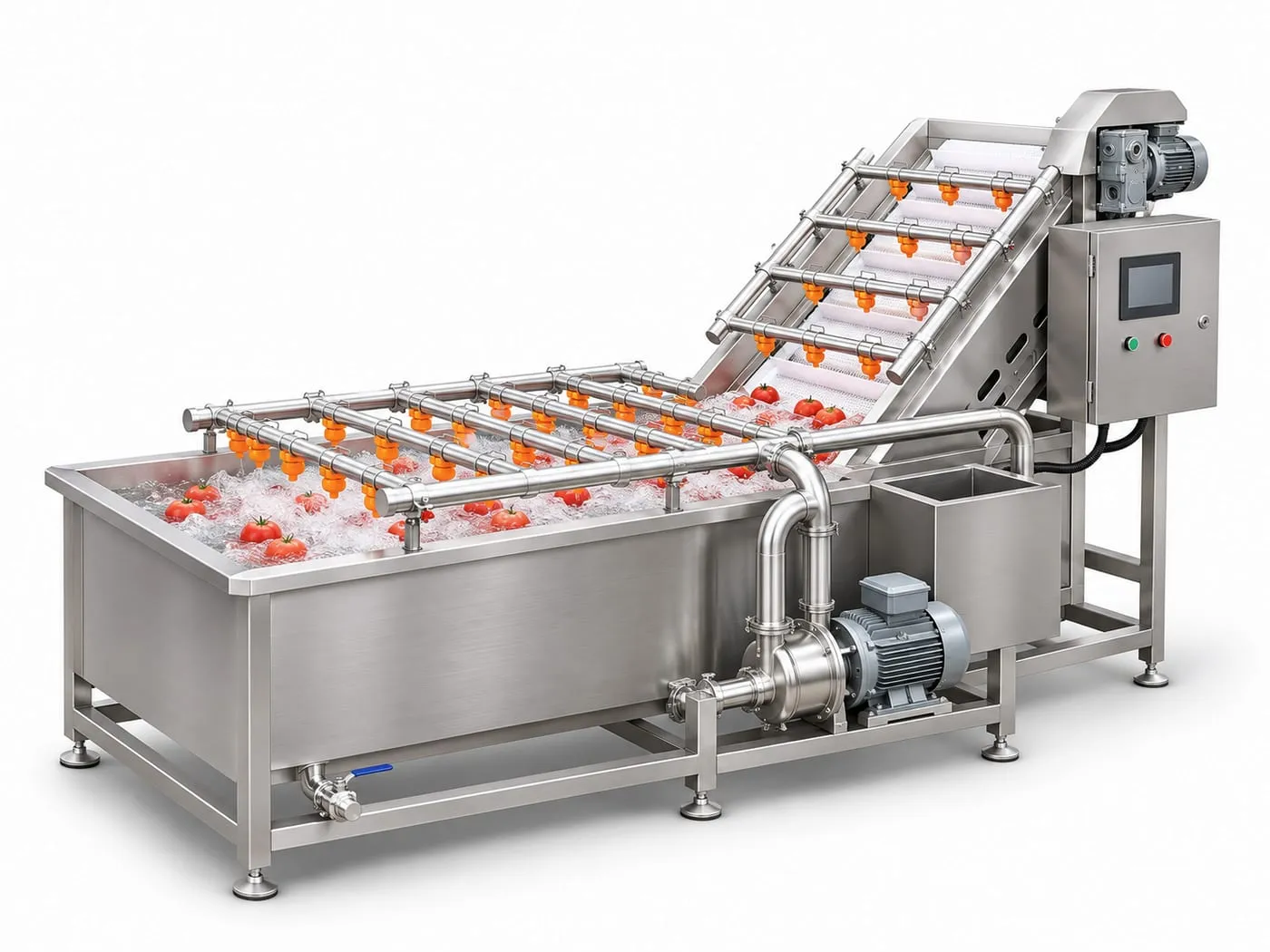
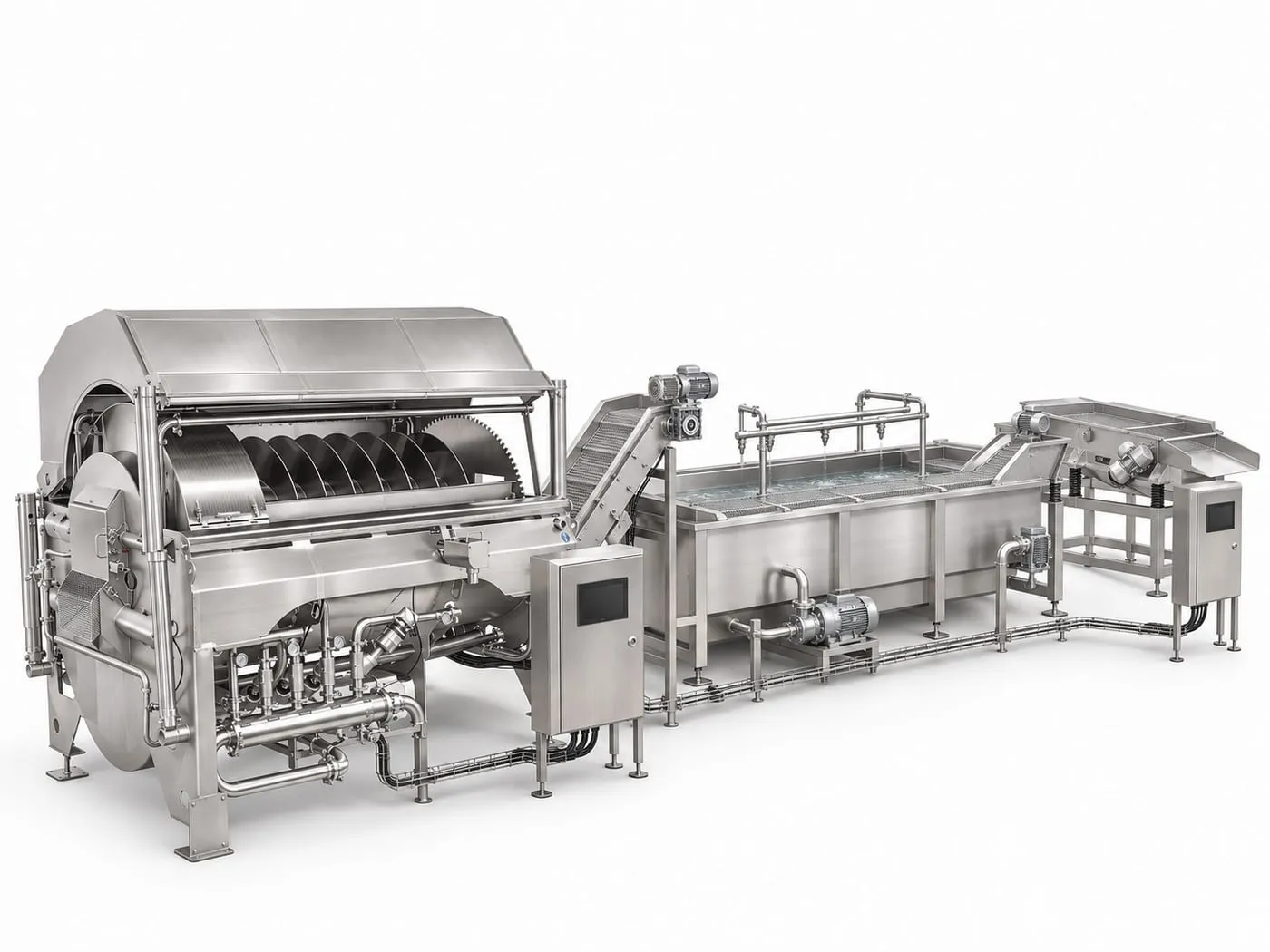
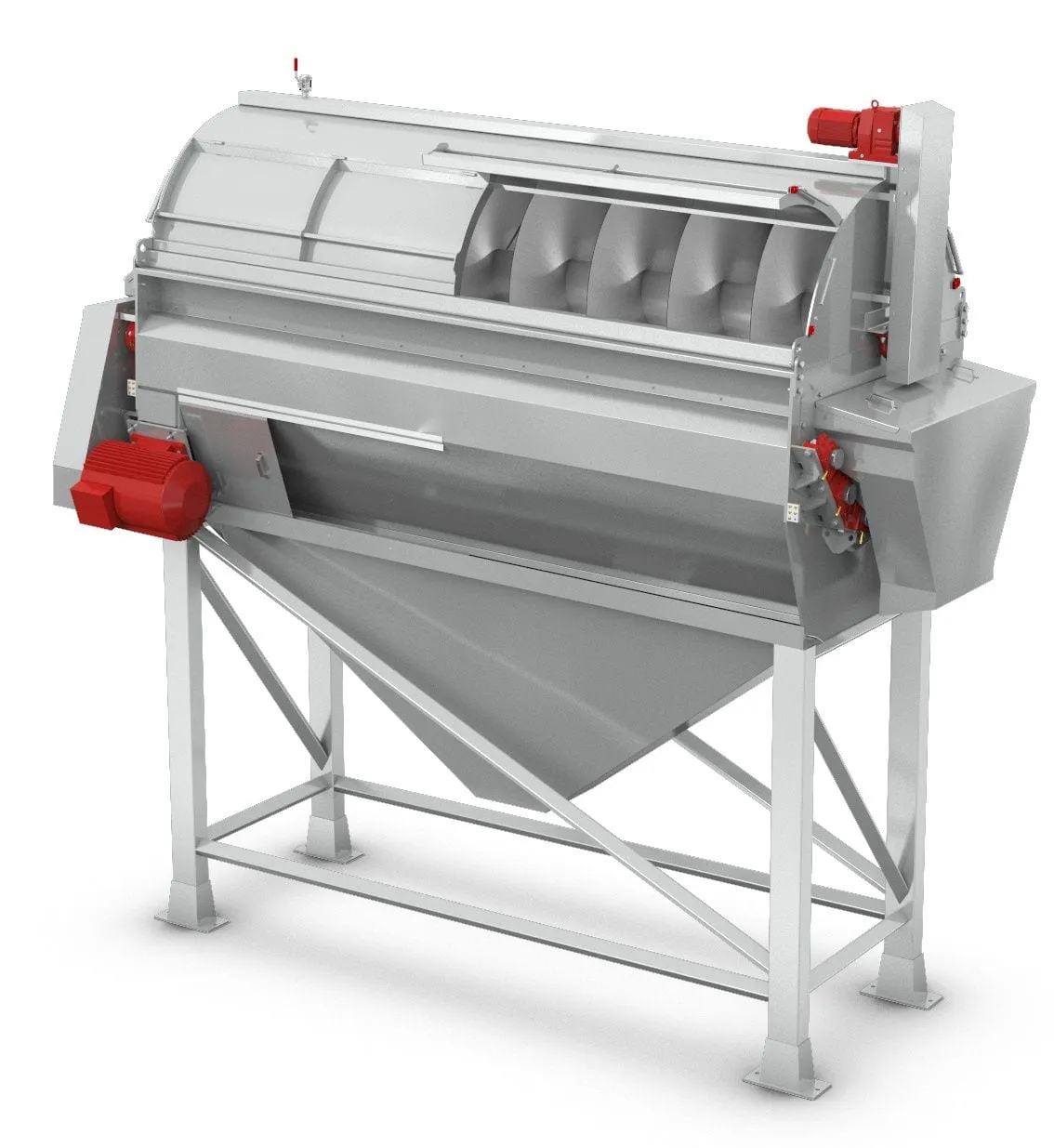
| Washing | Remove soil, leaves and surface dirt before cutting | Fruit and vegetable washer |
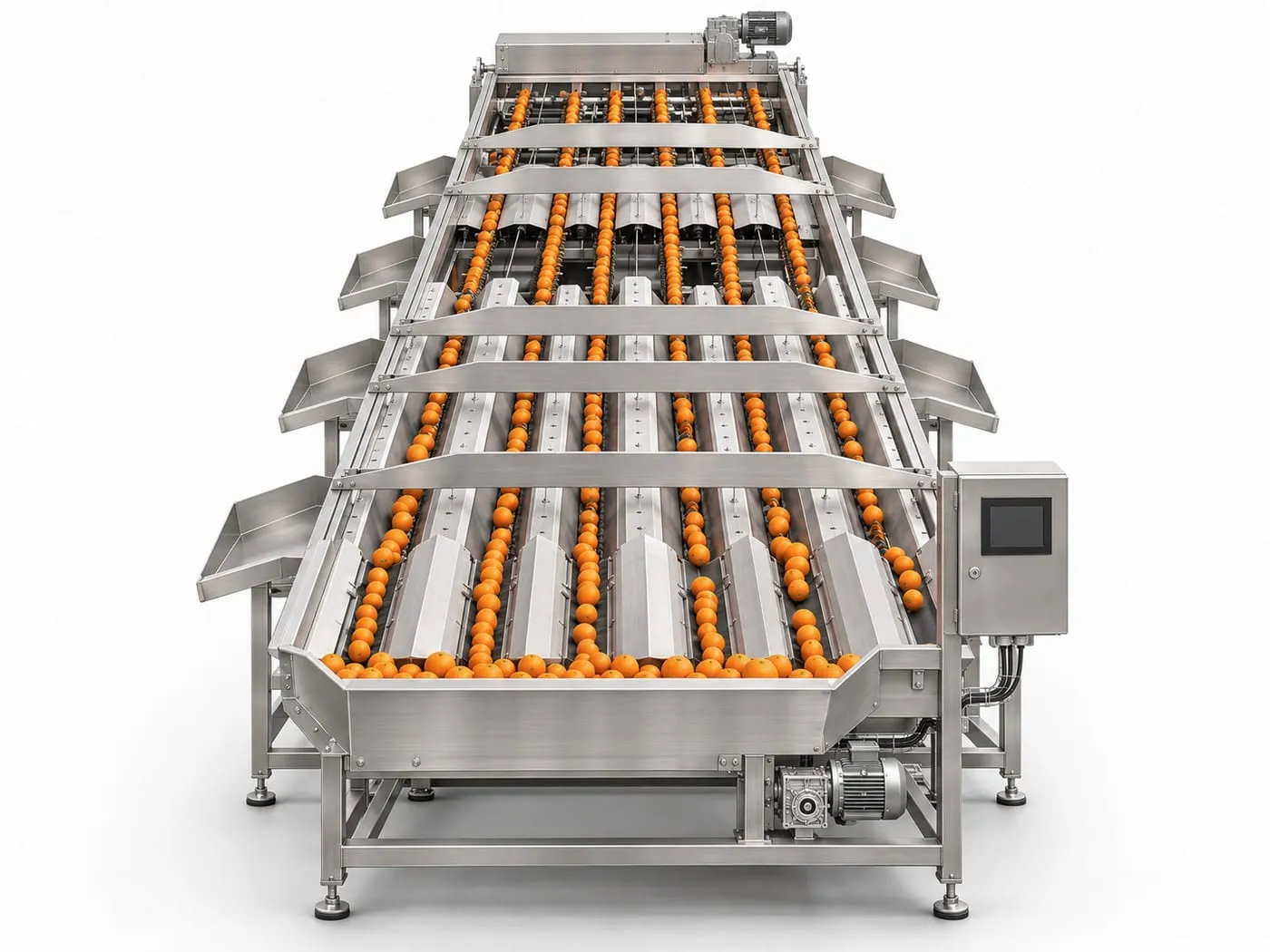
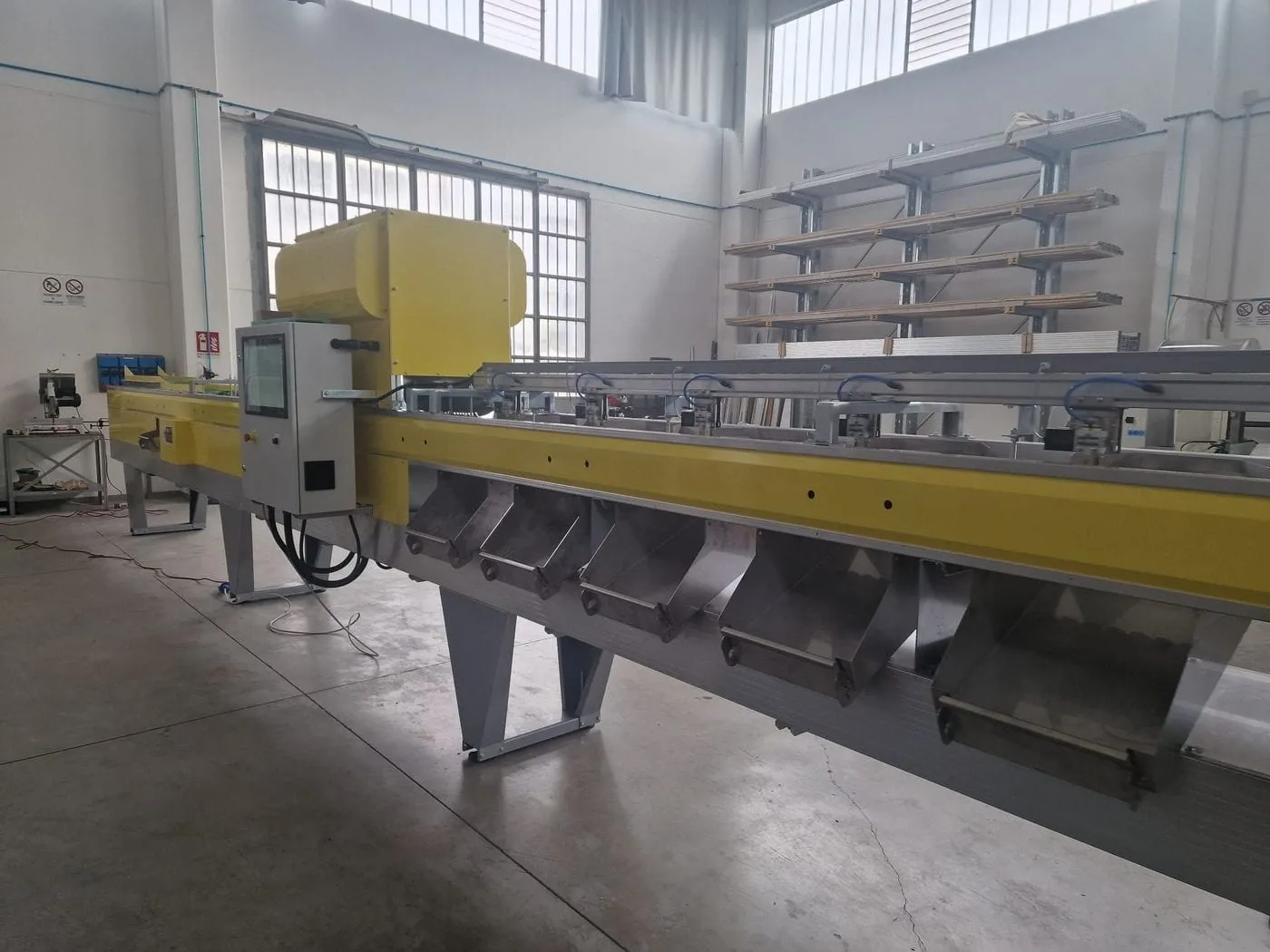
| Sorting | Remove damaged, rotten or under-ripe fruit; grade by size | Fruit and vegetable sorter |
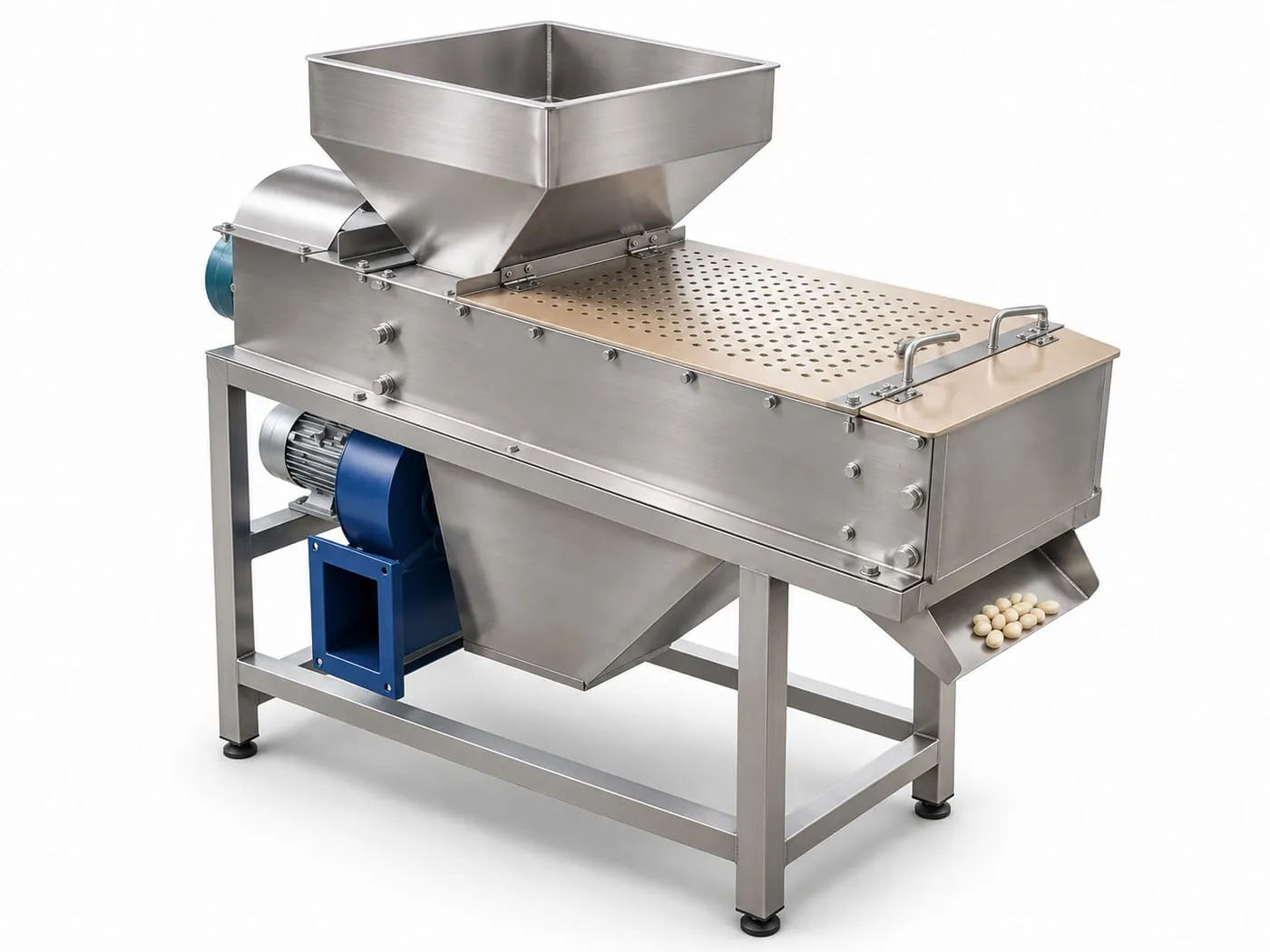
| Peeling (where needed) | Remove skin from roots and some fruit | Brush washer and peeler |
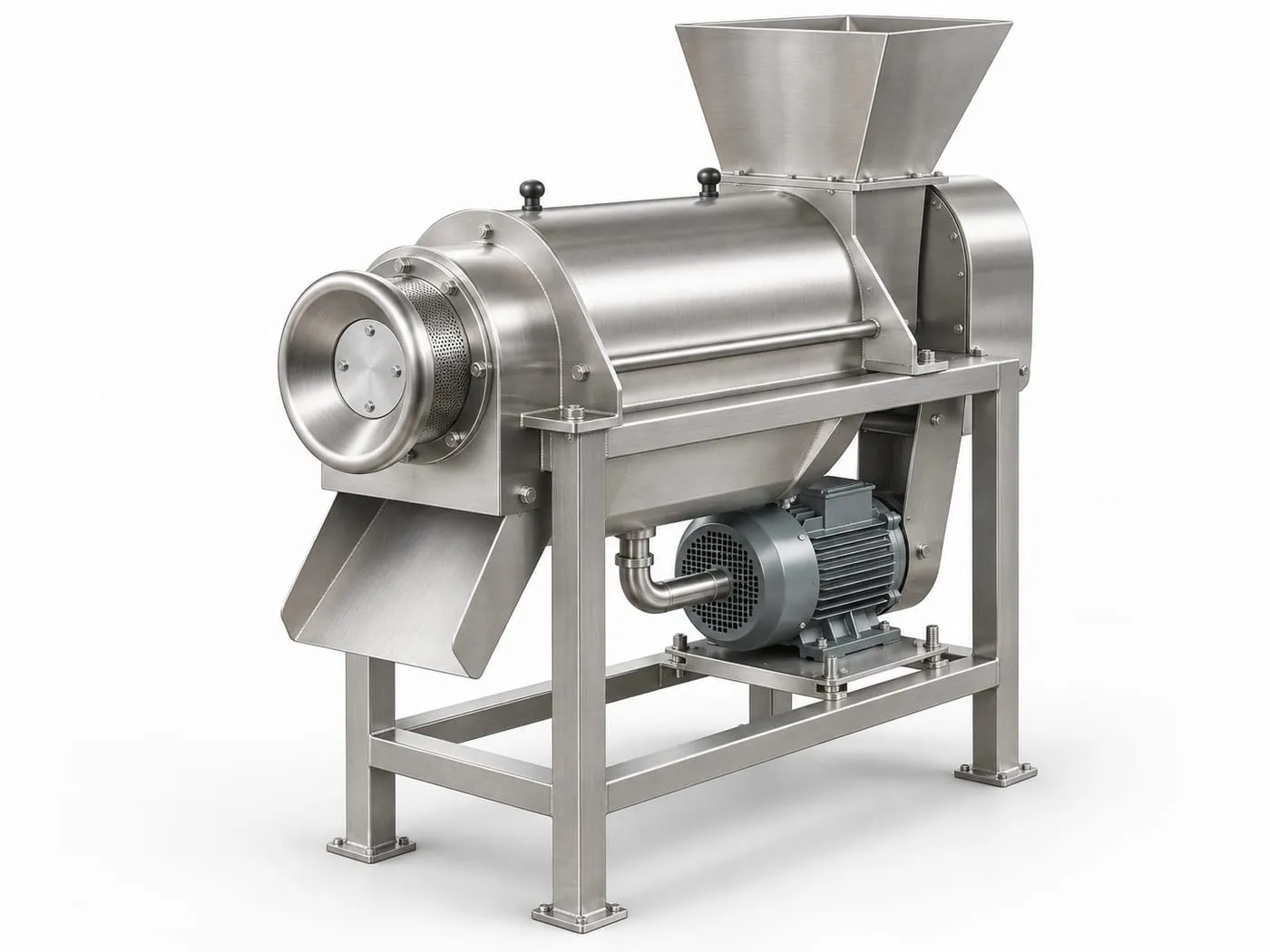
| Pitting or coring | Remove stones, pits or cores | Fruit pitting machine |
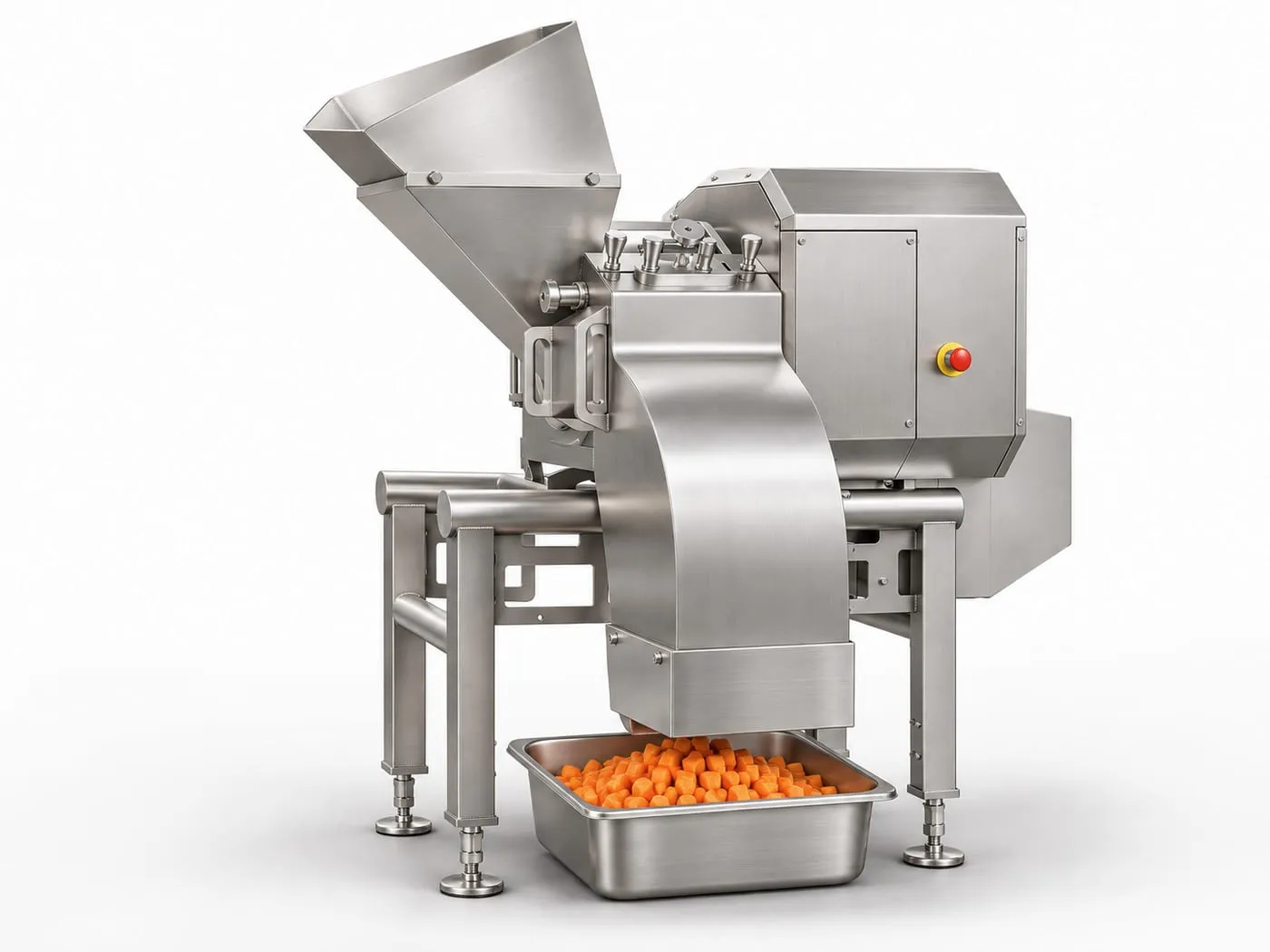
| Cutting | Slices, cubes or strips of even thickness so they dry evenly | Vegetable cutting machine |
| Pre-treatment | Blanching or dipping to protect colour and texture | Blanching and cooling line |
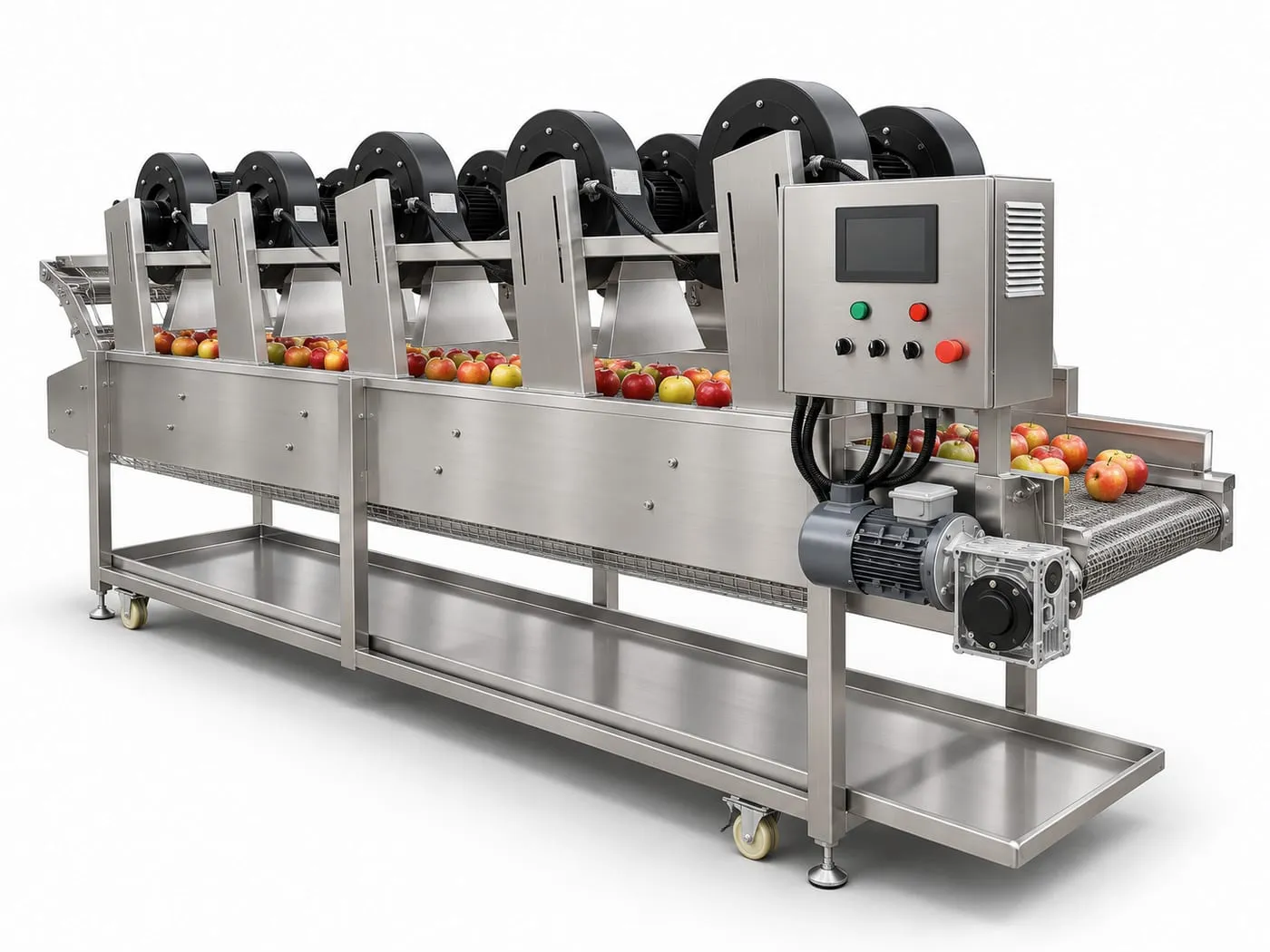
| Surface water removal | Remove free water before the dryer | Air knife dewatering machine |
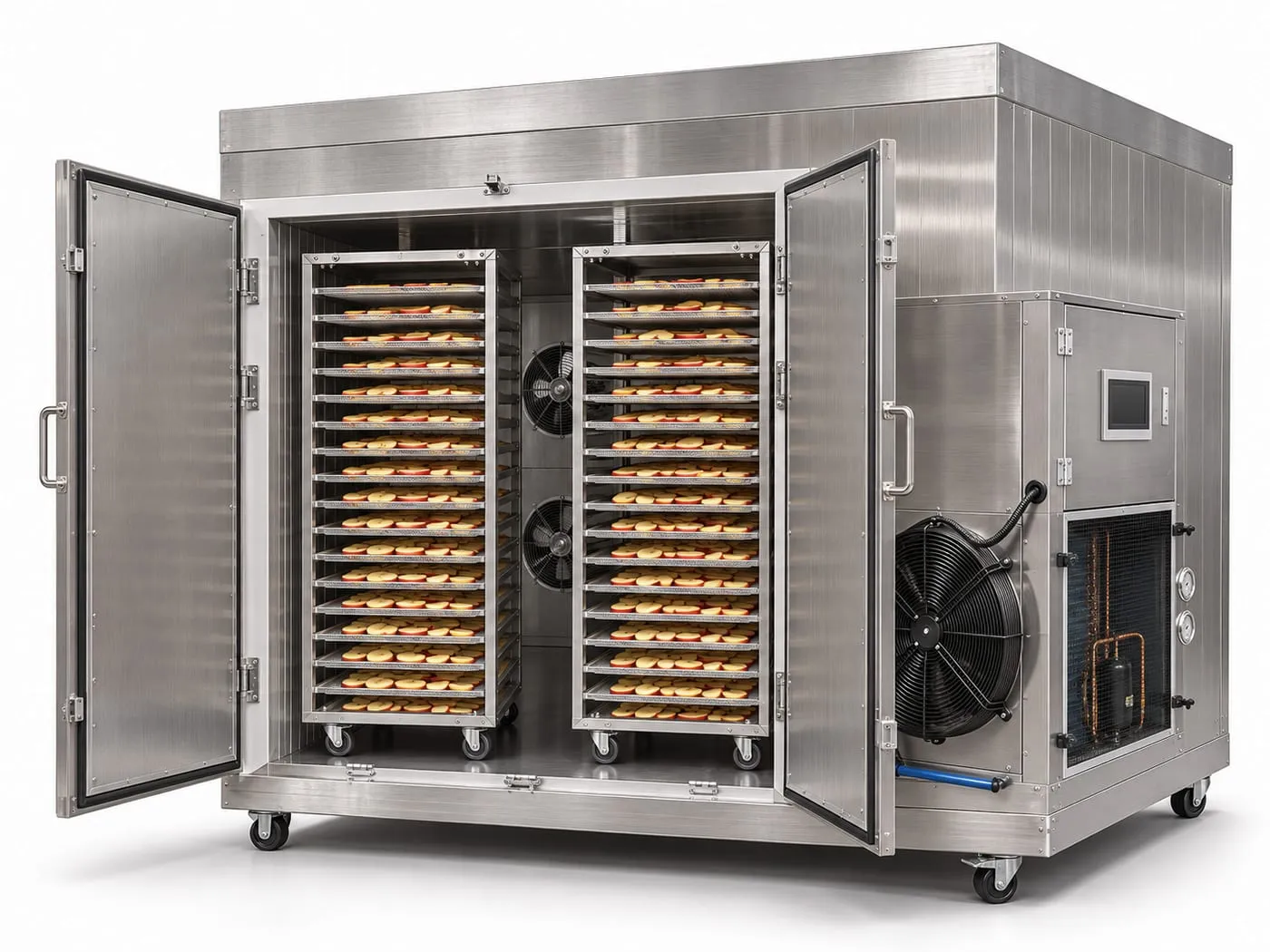
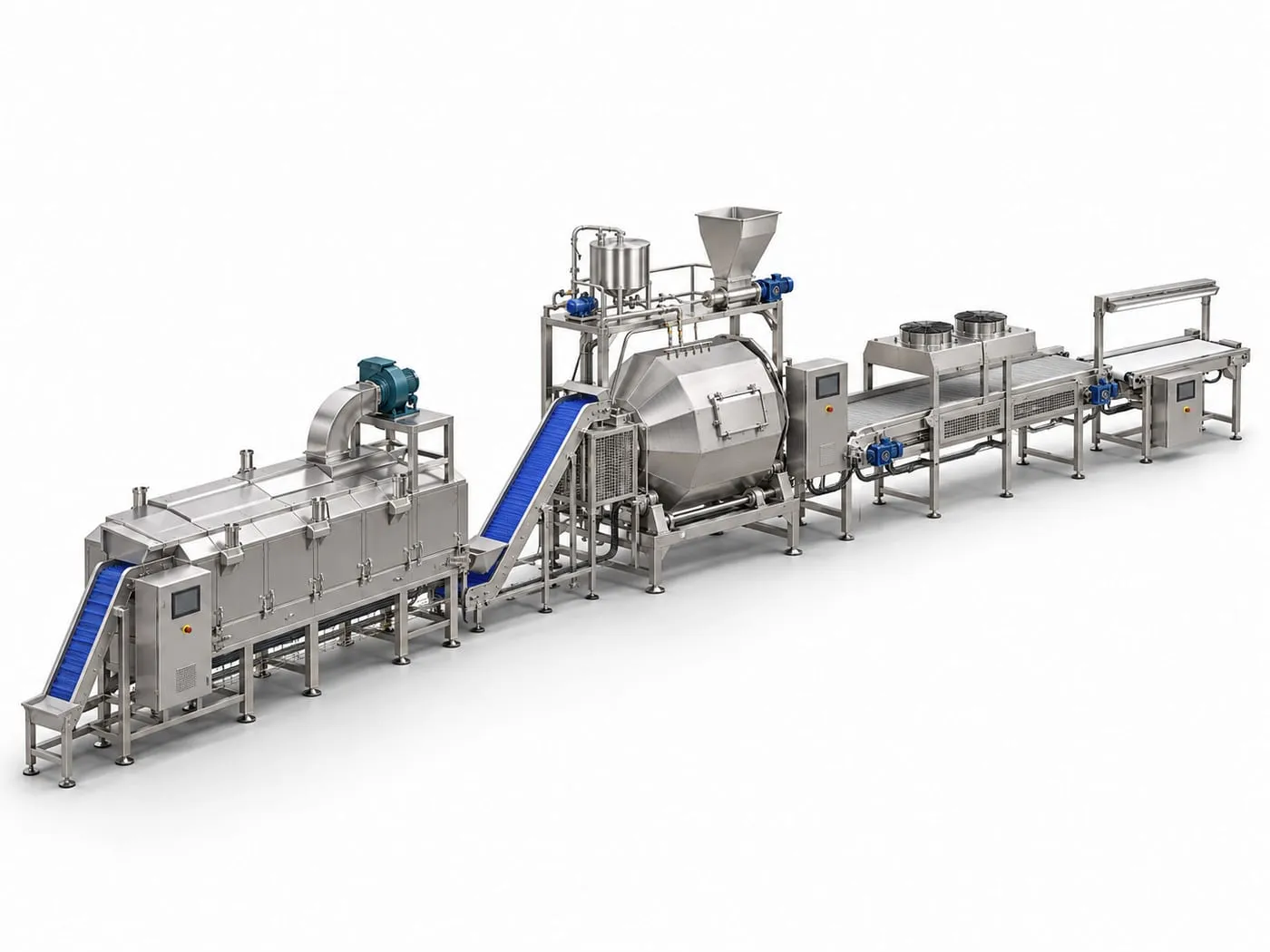
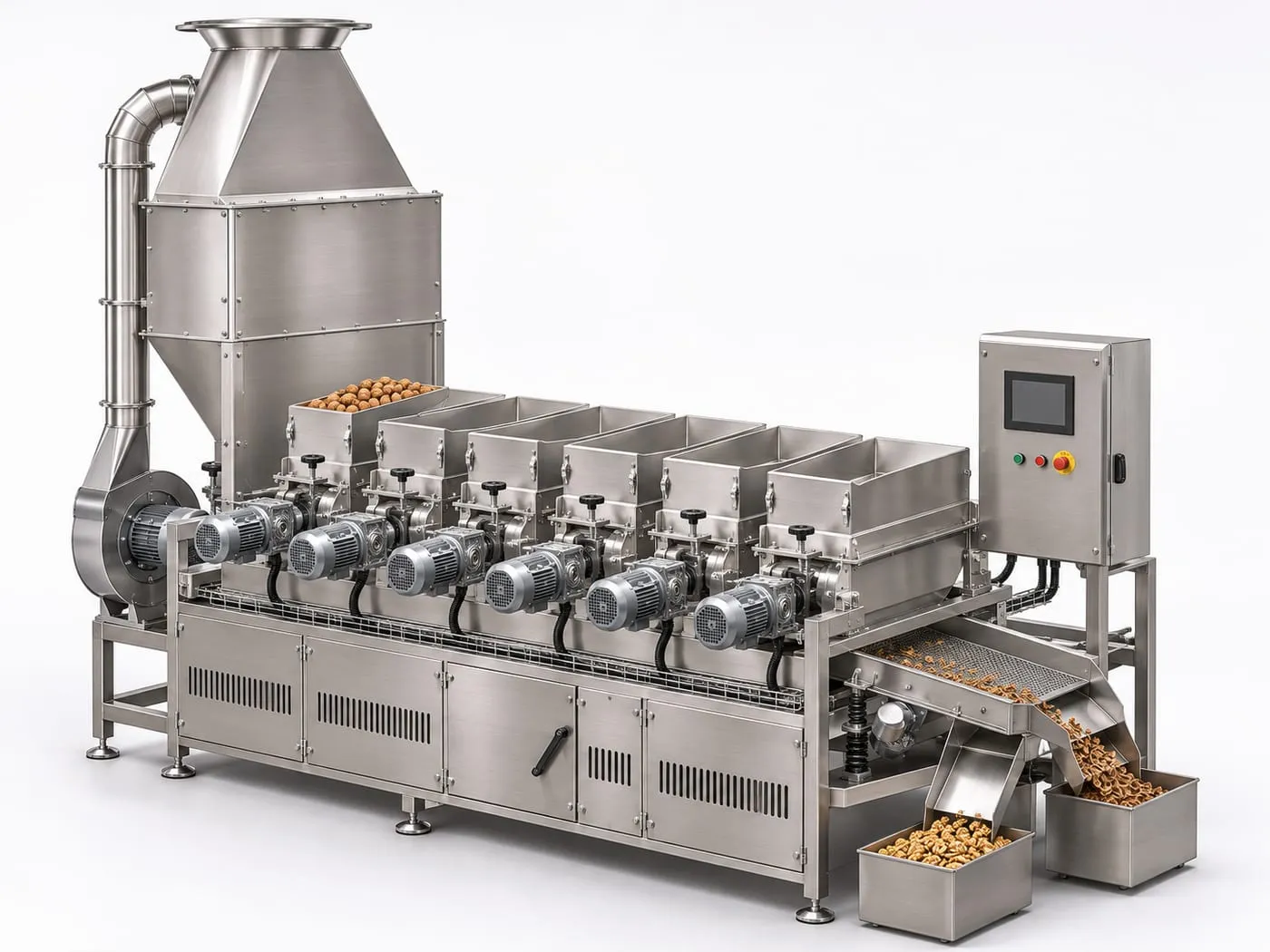
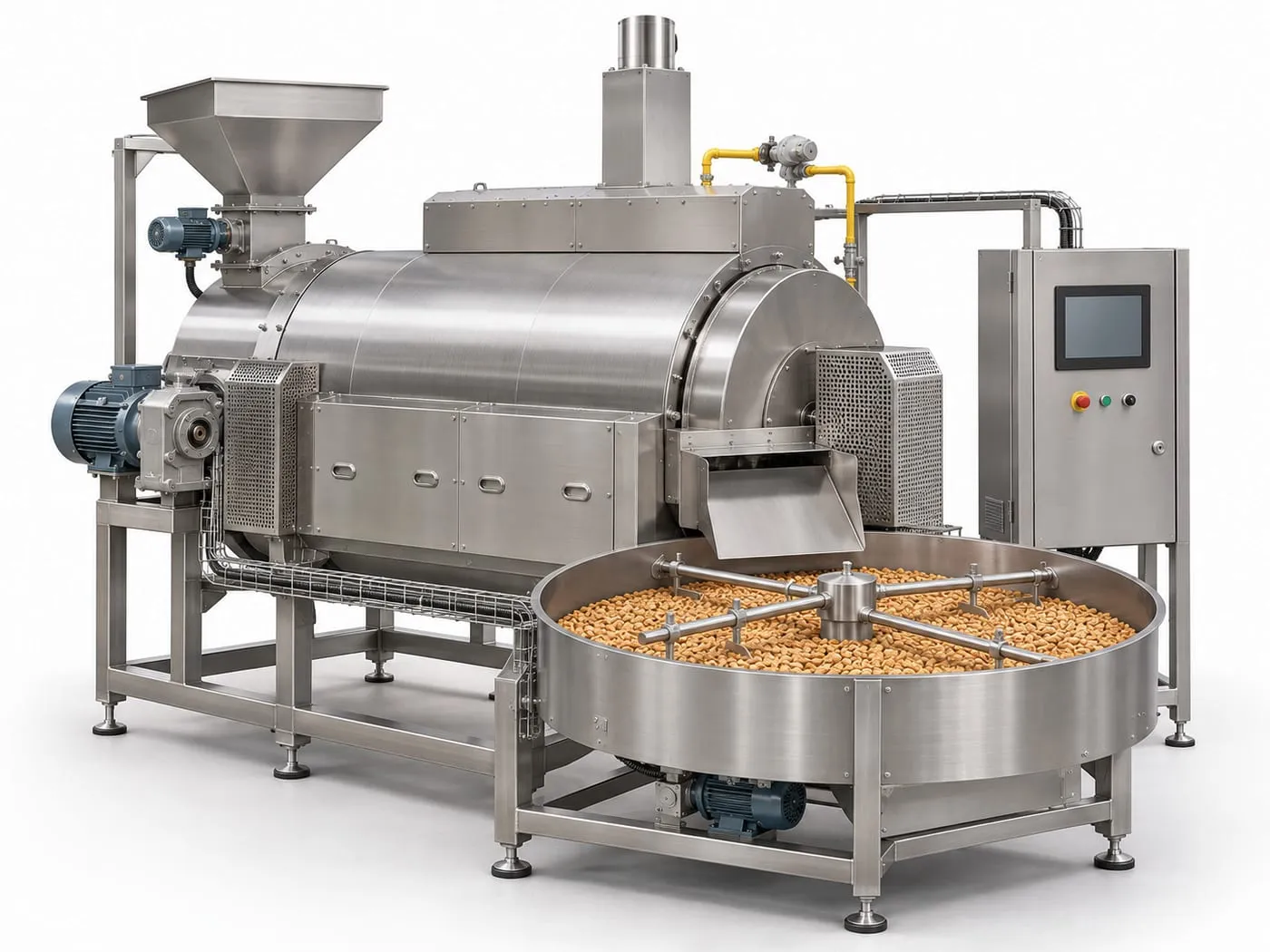
| Drying, hot air | Belt, tray or chamber drying for chewy fruit and chips | Hot air dryer |
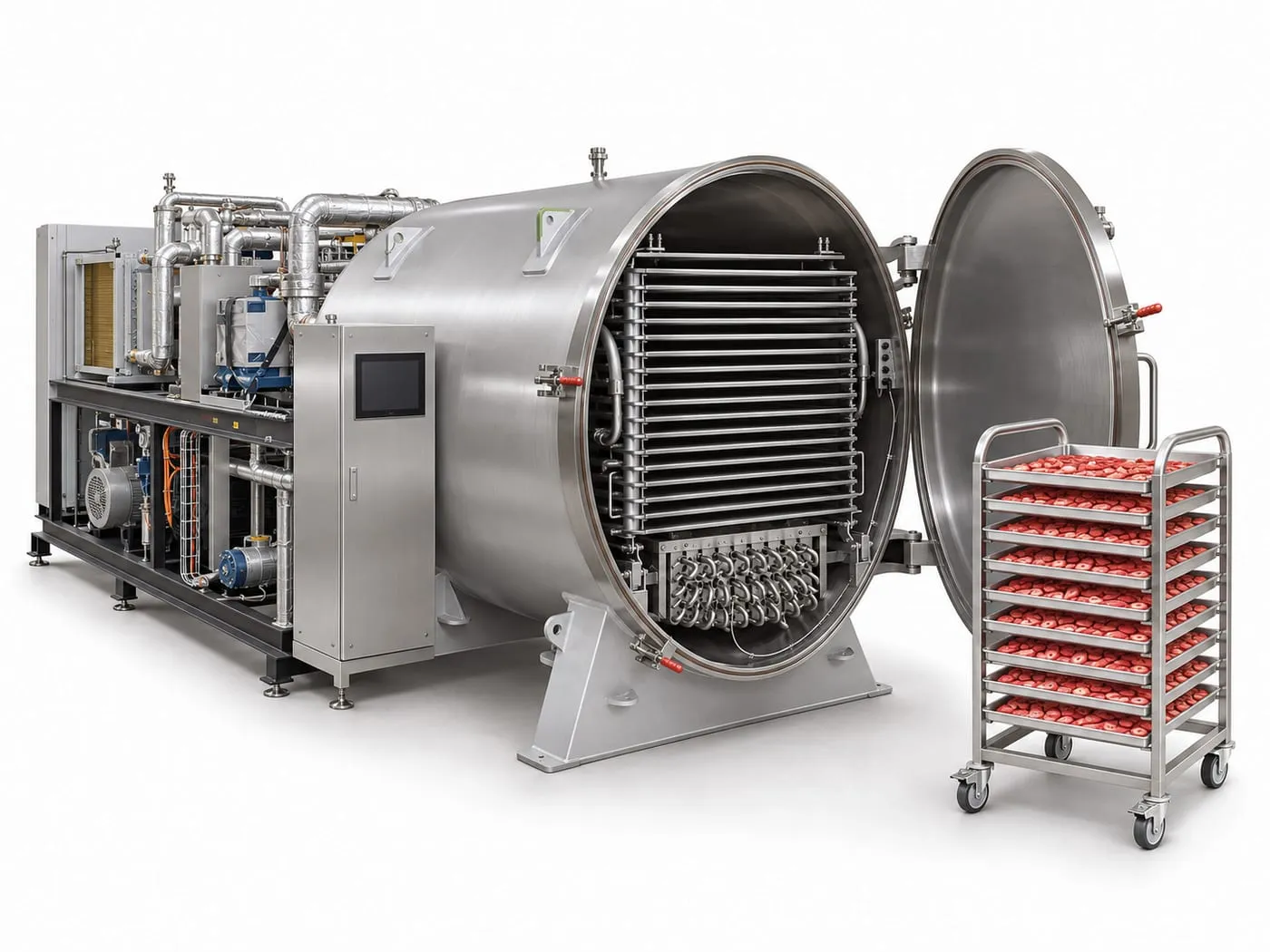
| Drying, freeze | Crisp freeze-dried fruit with shape and colour kept | Freeze dryer |
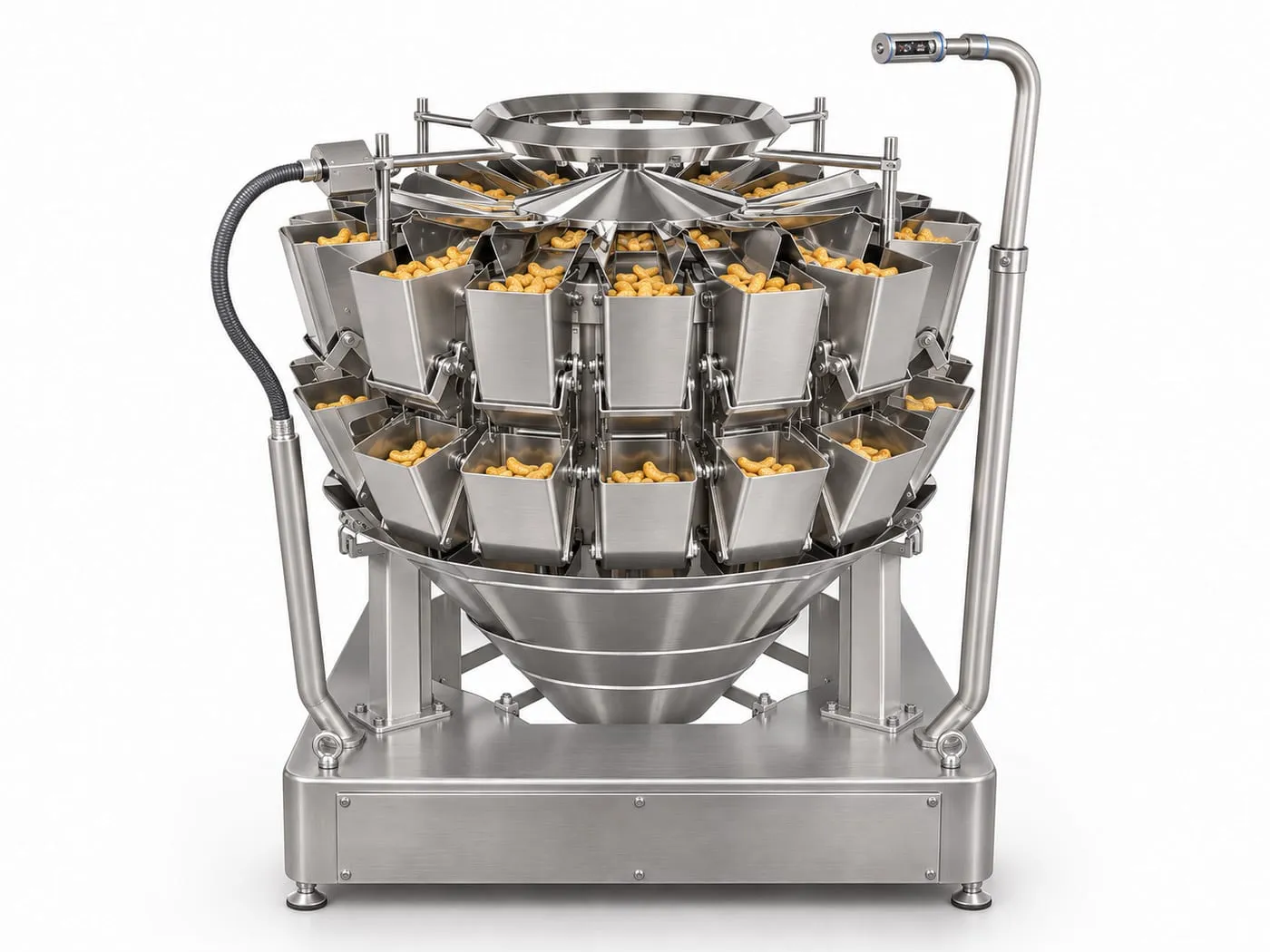
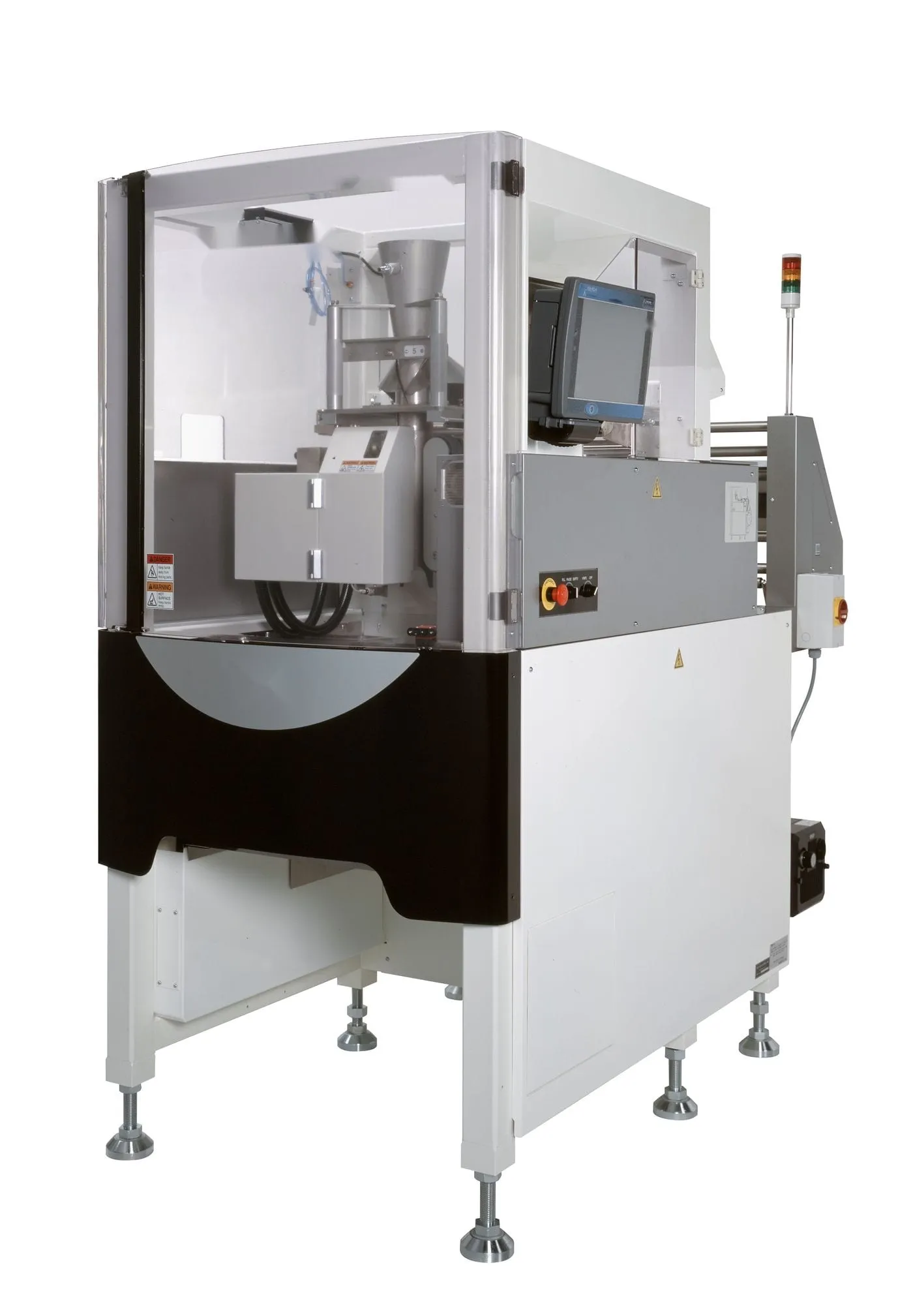
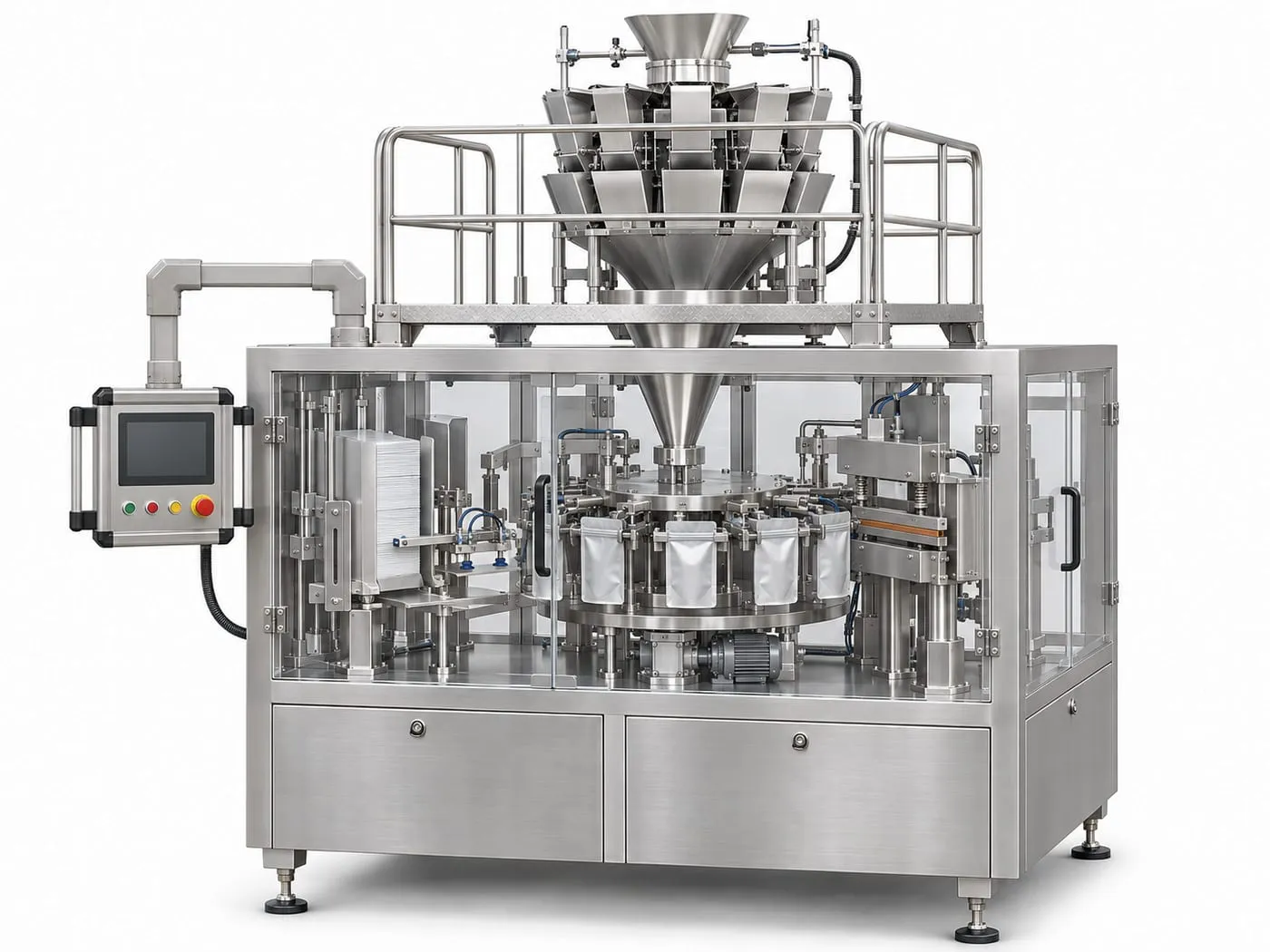
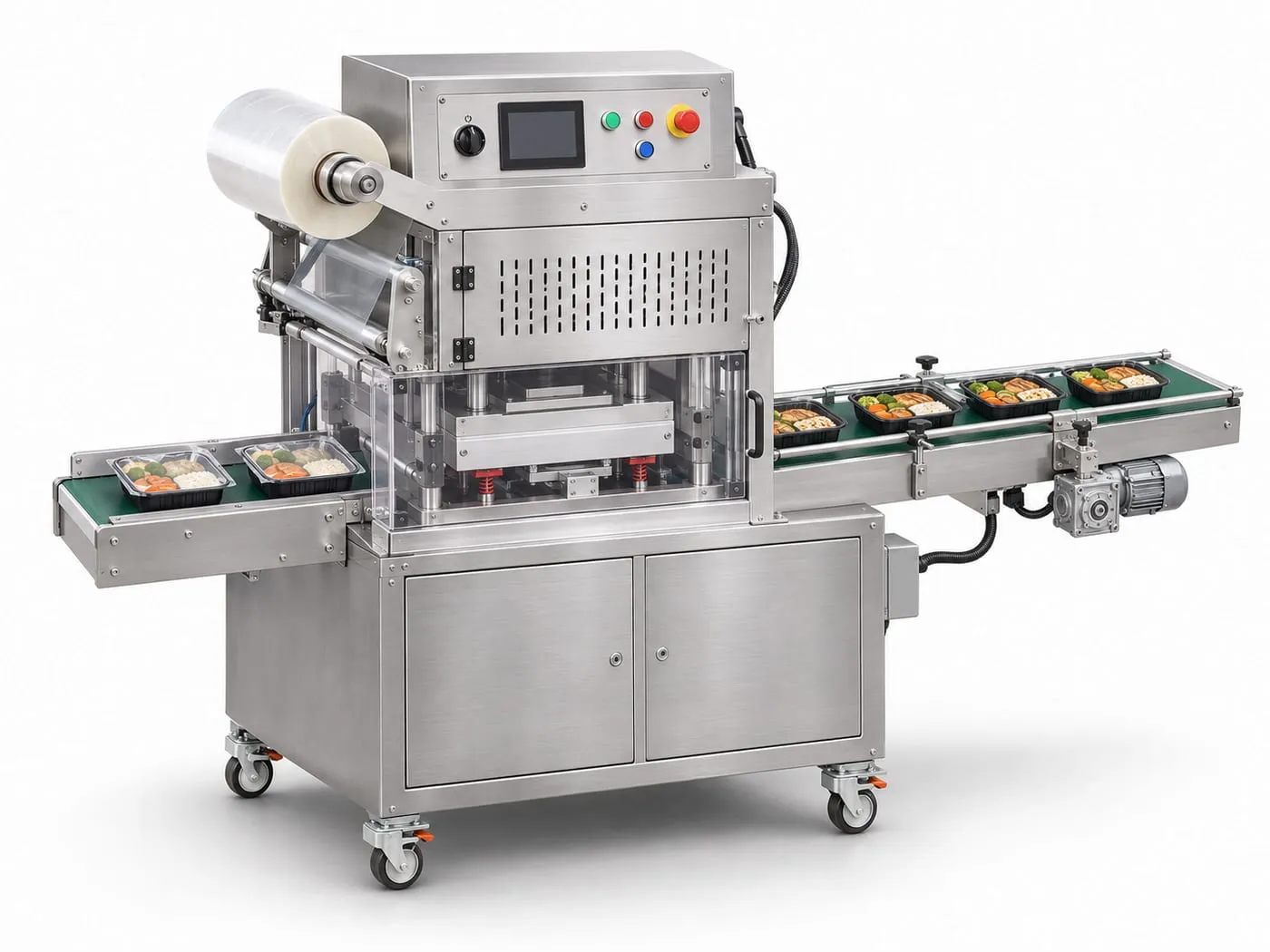
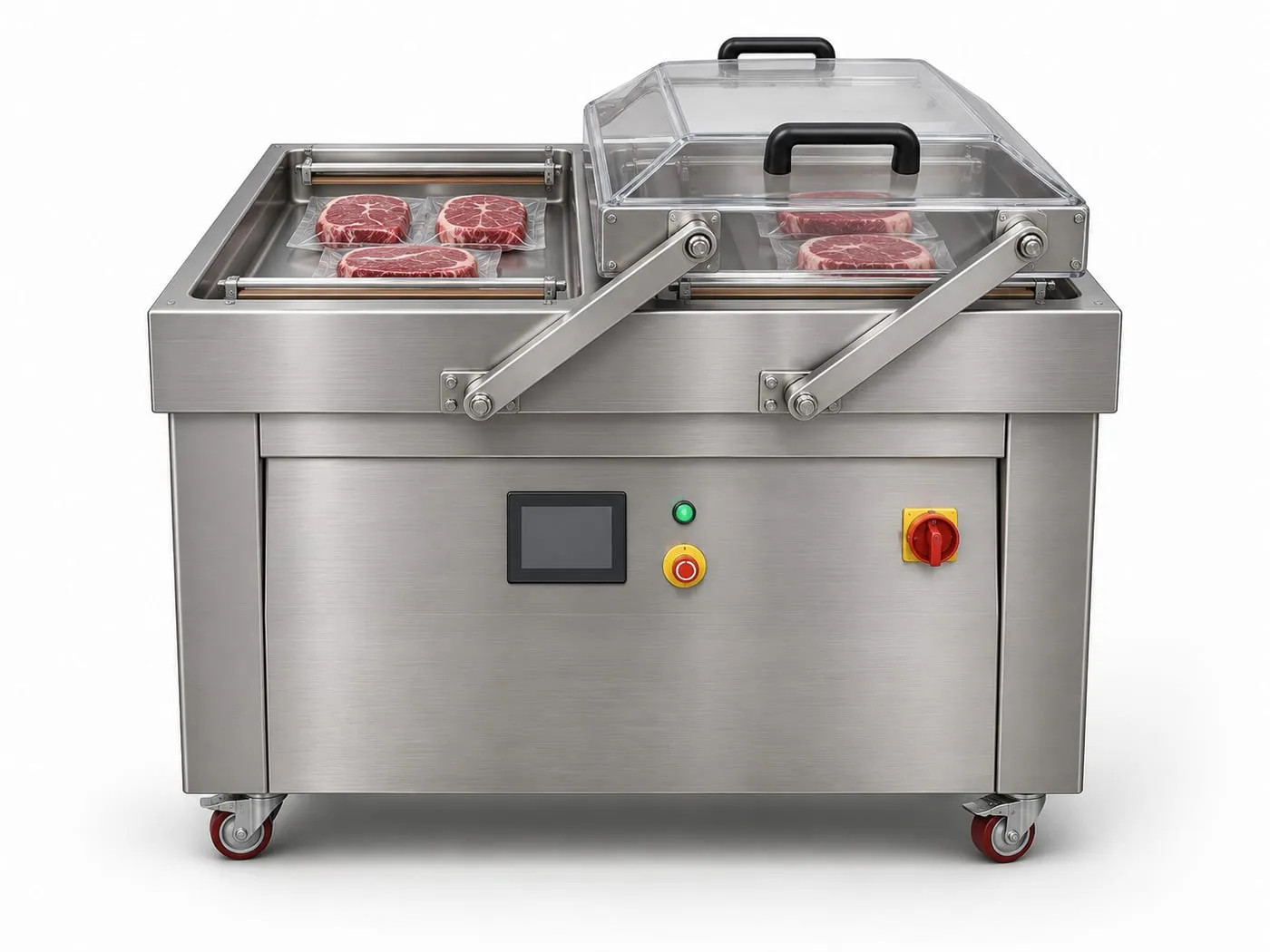
| Weighing and packing | Accurate portions into bags or pouches | Multihead weigher, premade pouch packing machine |
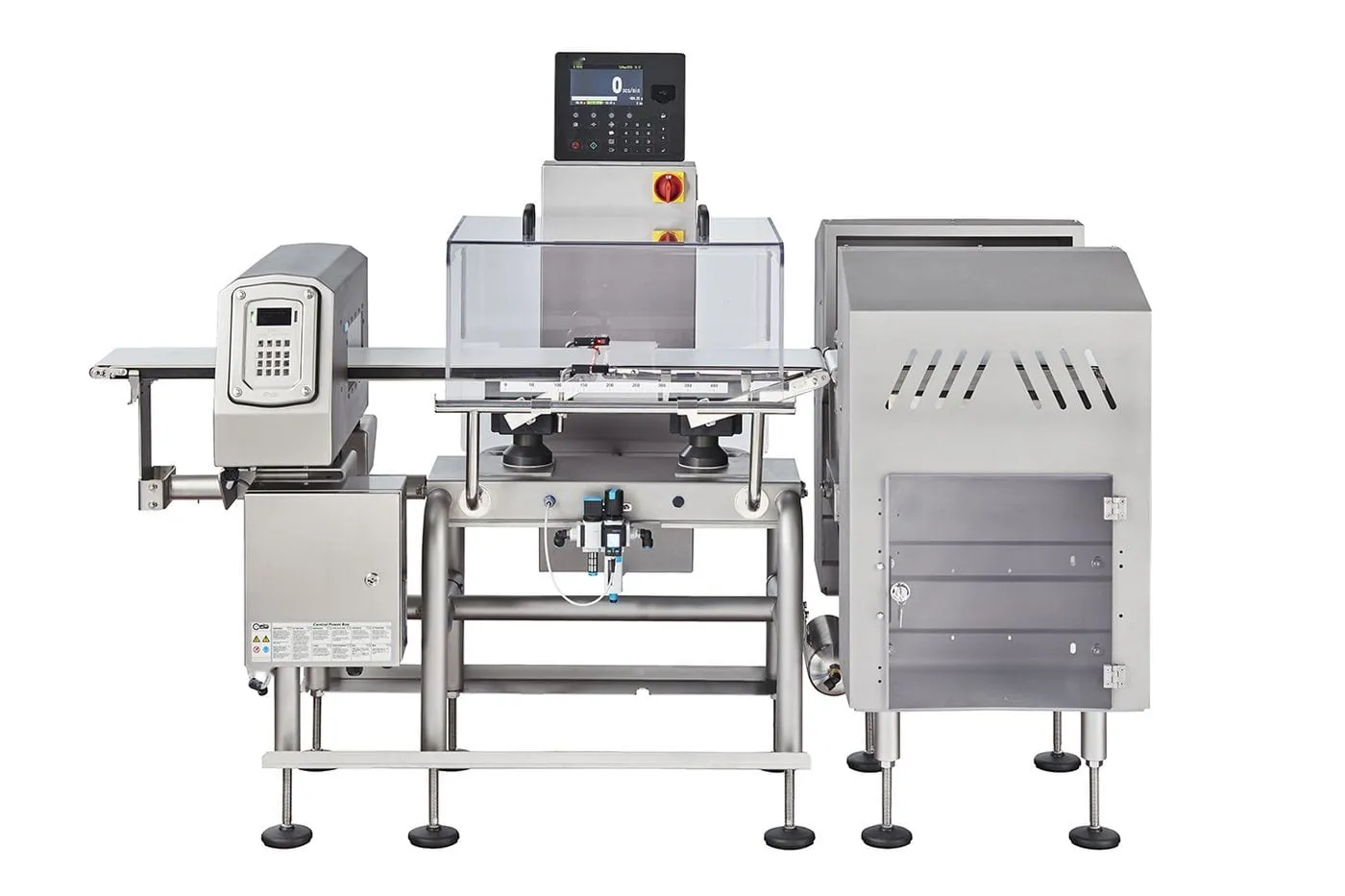
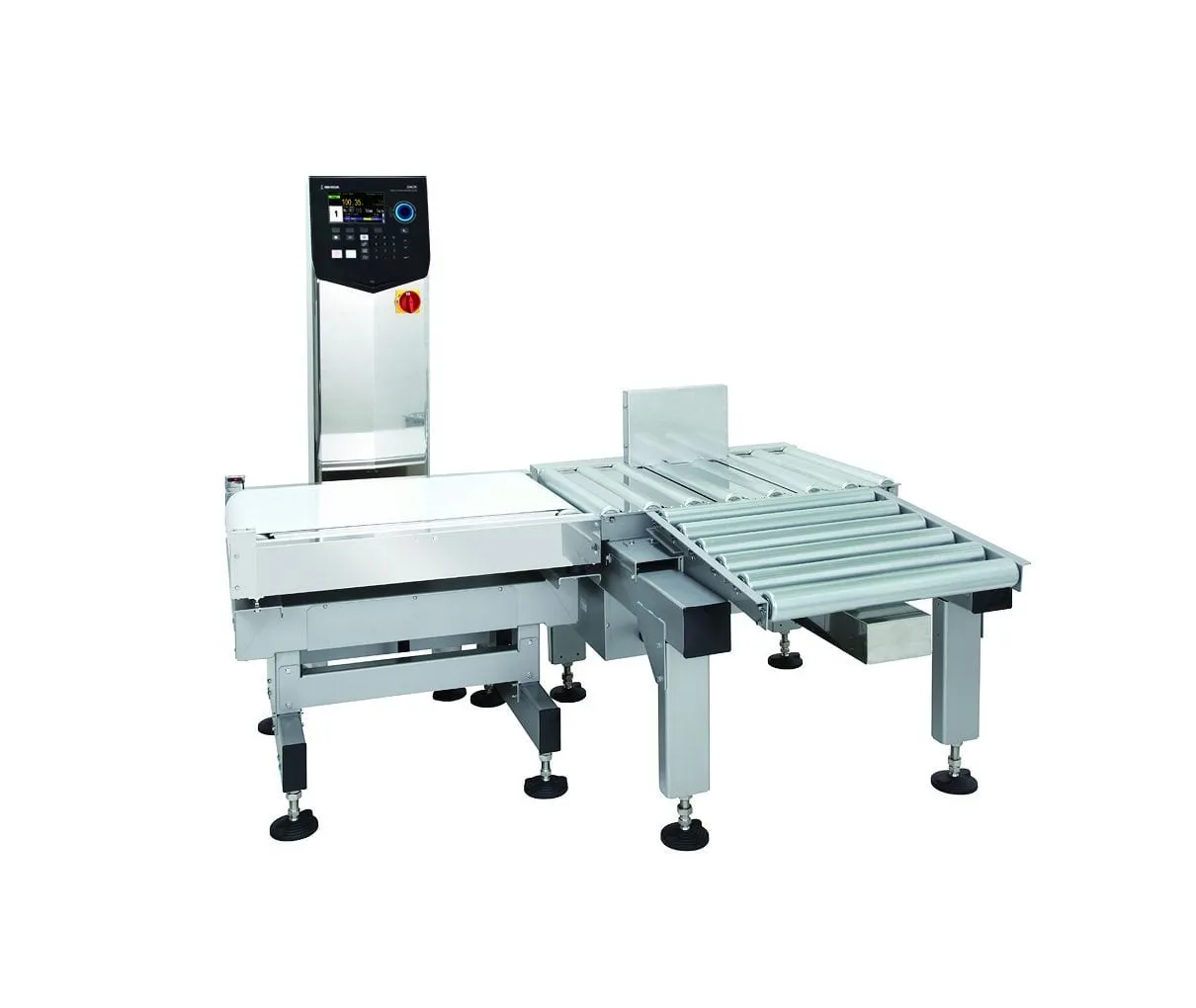
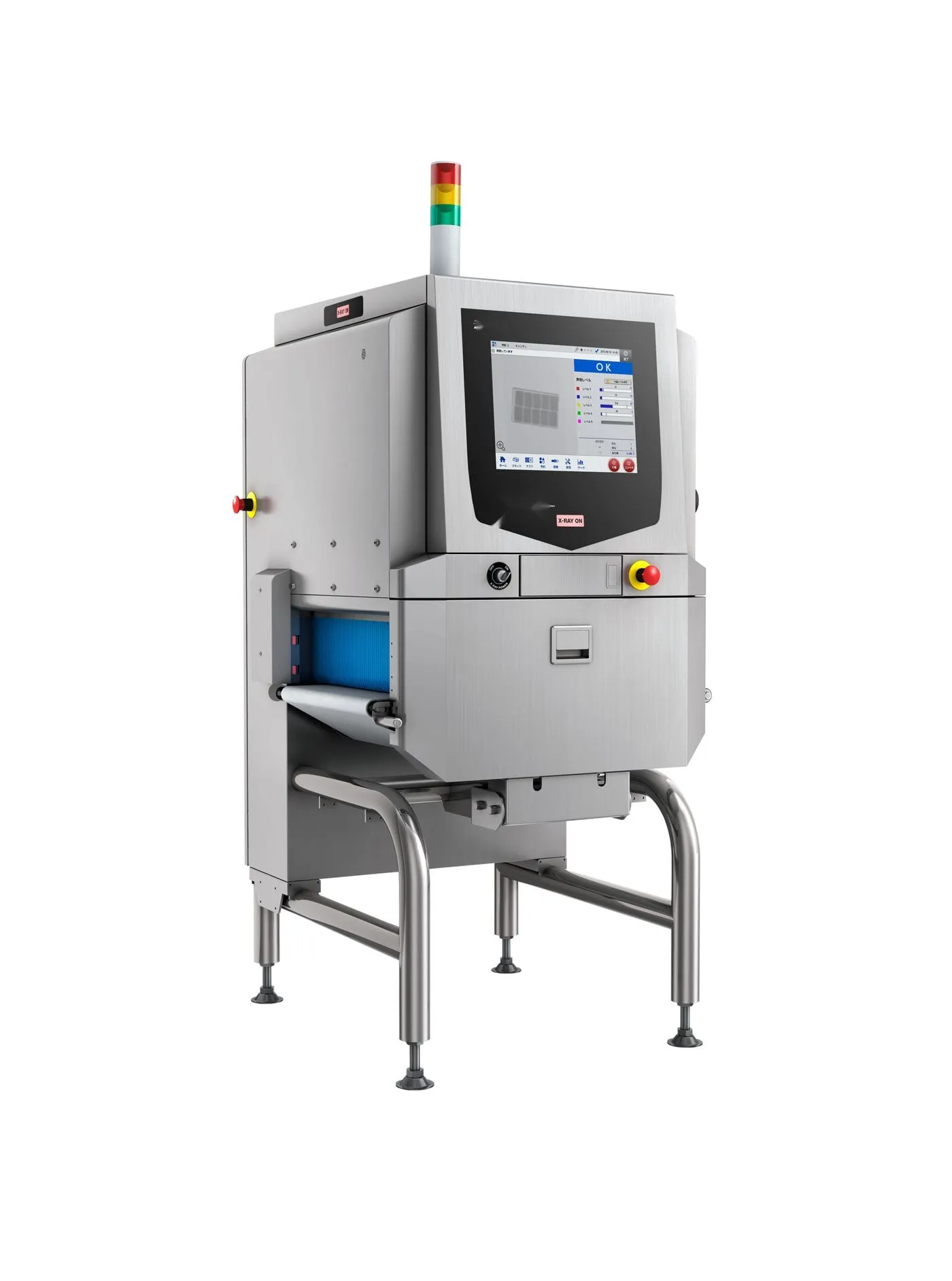
| Inspection | Detect metal and check pack weight | Food metal detector, in-line checkweigher |
Not every fruit needs every station. Grapes and berries skip cutting; dates need pitting and sometimes their own route (see the date processing line); vegetable chips may need blanching where fruit does not.
How to size the plant
The most common planning error is mixing up raw input and finished output. A plant described as “1 tonne per hour” could mean one tonne of fresh fruit going in or one tonne of dried product coming out, and the difference can be several times over.
Work through it in this order:
- Fix the finished product: fruit, cut shape, final moisture and pack size. The FAO technical sheet on dried fruit gives final moisture of roughly 10–15 % for conventionally dried fruit, with semi-moist products such as raisins kept higher; your target market and texture decide the exact figure.
- Measure the drying ratio for each fruit in trials: how many kilograms of fresh fruit (after trimming) give one kilogram of finished product.
- Calculate the daily fresh fruit load: finished output target × drying ratio, plus preparation losses (peel, stones, rejects).
- Size the dryer first, using drying time per batch or belt residence time. The dryer is nearly always the slowest and most expensive station.
- Size preparation and packing around the dryer, with buffer time for loading, unloading and cleaning.
Seasonality matters. If fruit arrives in a six-week harvest, either the dryers must handle the peak, or you need cold storage (or frozen storage for freeze-drying) to spread the load. Plants that dry several fruits across the year use their dryers far better than single-fruit plants.
Hot-air or freeze-drying?
| Route | Suits | Watch out for |
|---|---|---|
| Hot-air belt or tray dryer | Chewy dried mango, apple rings, apricots, many vegetable chips | Even slice thickness and loading; colour change at high temperature |
| Heat-pump dryer | Similar products where energy cost or low-temperature drying matters | Longer drying times; check capacity at your climate |
| Freeze dryer | Crisp, premium fruit chips and powders, strawberries, durian, yogurt bites | Batch process, long cycles, high energy use; fruit is frozen before loading |
The choice also changes the building. Freeze-drying needs freezing capacity before the dryer, a vacuum and refrigeration system, and a dry packing room because freeze-dried fruit absorbs moisture almost immediately.
Utilities and building
Plan these before you finalise the layout:
- Heat for drying: electricity, steam, natural gas, biomass or heat pump. The local price of energy often decides the dryer type.
- Water and drainage for washing, with filtration and sediment handling. Peel and stones need a waste route.
- Power for refrigeration and vacuum pumps if you freeze-dry.
- Separation of wet and dry areas. Washing and cutting are wet; packing must be dry and clean. Hygienic design guidance such as the EHEDG guidelines is a useful reference for floors, drains and equipment layout.
- Humidity control in the packing room and finished goods store. The FAO sheet advises packing straight after drying in moisture-proof material because dried fruit takes up water from the air.
Supply levels: single machine to turnkey
You can buy what you need and no more:
- Single machine: for example, a dryer to add to your existing preparation area. You confirm feed method, power and cleaning.
- Section: for example, preparation from washer to cutter, or packing from weigher to metal detector, with conveyors and controls inside the section.
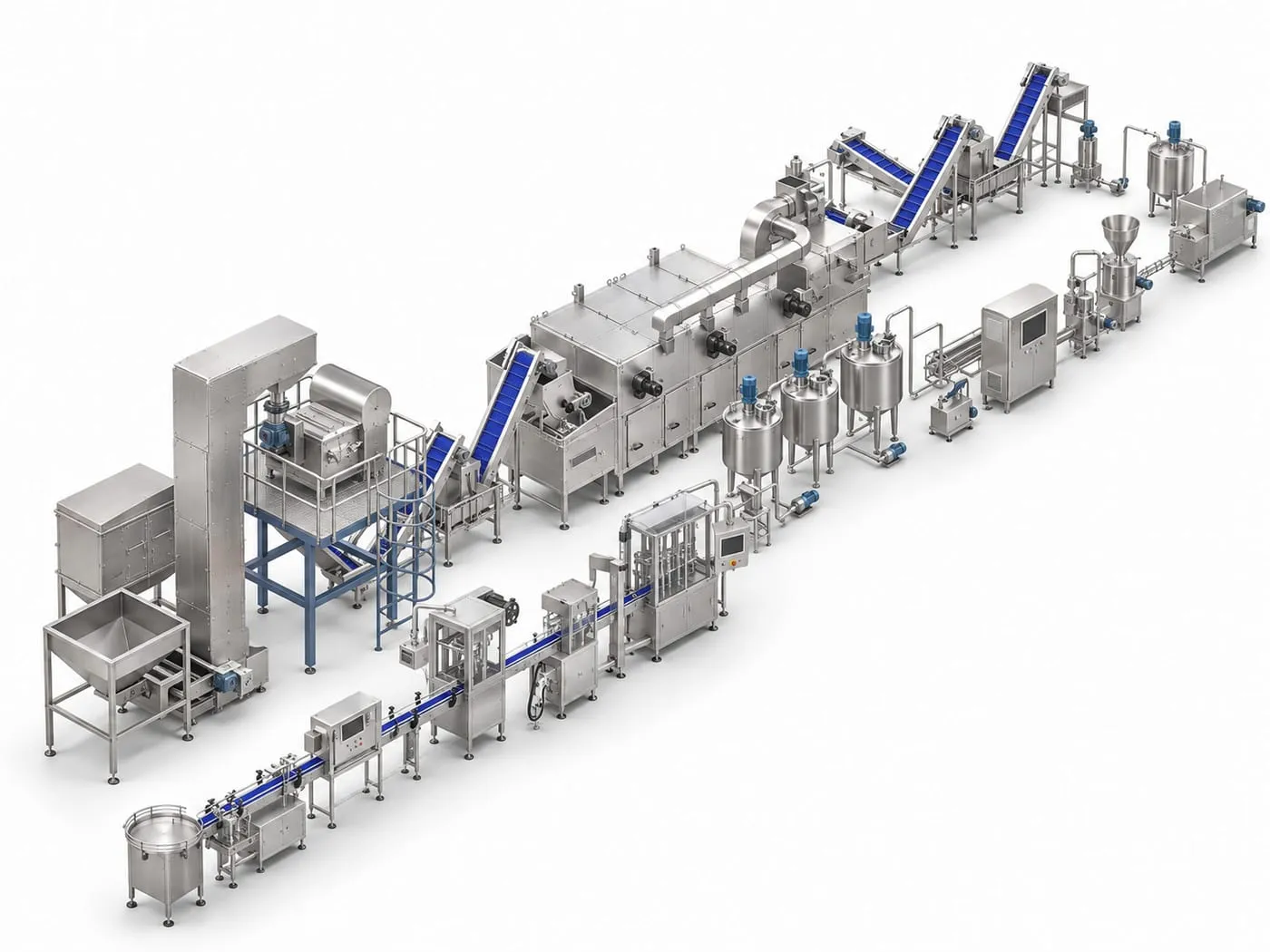
- Complete line: process layout, equipment list, line controls, test run and hand-over.
- Turnkey project: the complete line plus installation, commissioning, training and acceptance runs. See turnkey projects for how responsibilities are split between supplier and buyer.
What drives the cost
We do not publish plant prices, because two “dried fruit plants” can differ by an order of magnitude. The main drivers are:
- Drying method and dryer capacity (the largest single item in most plants)
- Number of fruits and cut shapes, and how much preparation is automated versus manual
- Heat source and energy recovery
- Packing format: bulk cartons are cheap; retail pouches with weighers, nitrogen flushing and checkweighers cost more
- Stainless steel scope, hygiene level and cleaning systems
- Installation, civil works and utilities on your side
Common mistakes
- Sizing the dryer from a finished-output target without testing the drying ratio of your fruit.
- Buying preparation equipment that runs much faster than the dryer can absorb, so cut fruit waits and browns.
- Uneven slicing, which leaves some pieces wet while others overdry.
- Packing in a humid room or leaving dried fruit uncovered between dryer and packer.
- Ignoring seasonality: a dryer that is idle ten months a year rarely pays back.
What to send us for a quotation
- Fruits or vegetables, variety, and photos of typical incoming fruit
- Finished product: cut shape, chewy or crisp, target moisture, any sugar or coating
- Target output in kg/h of finished product and expected fresh fruit input, hours per day, shifts
- Harvest season length and whether you plan cold or frozen storage
- Preferred heat source and the energy available on site (power, steam, gas)
- Packaging: bag or pouch type, net weight per pack, nitrogen flushing, metal detection
- Building plan or dimensions, ceiling height and drainage
- Which sections you want from us, and which you already have
- Samples for trials, where possible
With this information our engineers can propose a route, a dryer size and a layout, and tell you which points need trials before the design is frozen.
Frequently asked questions
- How much fresh fruit do I need for one tonne of dried fruit?
- It depends on the fruit, its starting moisture, how much is lost in peeling and coring, and the final moisture you dry to. Watery fruit such as mango or apple needs many times its dried weight in fresh fruit; the exact ratio for your fruit should be measured in trials before the dryer is sized.
- Should I choose hot-air drying or freeze-drying?
- Hot-air drying has lower investment and running cost and suits chewy dried fruit and many chips. Freeze-drying keeps shape, colour and a crisp texture and sells at a higher price, but it is a batch process with high energy use and long cycles. Many plants start with hot air and add freeze-drying for a premium range.
- Can one plant dry several fruits through the year?
- Yes, and many plants do this to use the dryers outside one harvest. Preparation machines are the part that changes most between fruits, so plan cutting and pitting equipment around your main fruits and confirm drying settings for each one in trials.
- What does a dried fruit plant need besides machines?
- A heat source for the dryers (electricity, steam, gas or a heat pump), water and drainage for washing, a dry and clean packing area, raw material cold storage if fruit arrives in peaks, and a finished goods store protected from humidity.
- Do you supply a complete plant or single machines?
- Both. We quote single machines, sections such as preparation or packing, complete lines, and turnkey projects that include layout, installation, commissioning and training.
Sources
- [1]Dried Fruit (small-scale processing technical sheet) — Food and Agriculture Organization of the United Nations
- [2]Codex Alimentarius: codes of practice — FAO/WHO Codex Alimentarius Commission
- [3]EHEDG guideline catalogue (hygienic design) — European Hygienic Engineering & Design Group
HNFODA Applications Engineering
Line design, product trials and commissioning
Engineers who size, build and commission HNFODA food processing lines, writing from the questions buyers ask before a quotation. About HNFODA