Fruit & Vegetable Processing
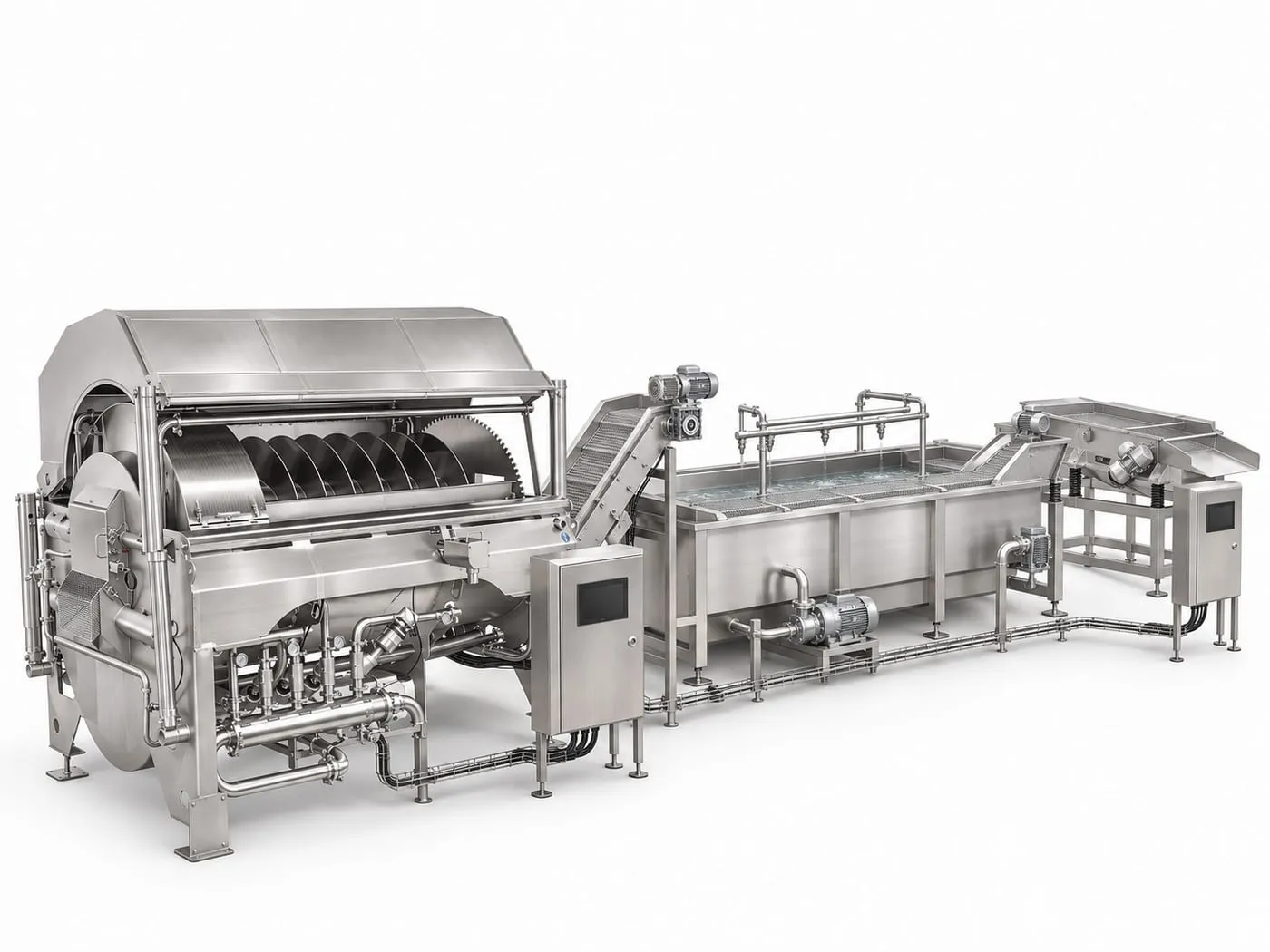
Blanching and Cooling Line
Frozen vegetable, dehydrated vegetable and canning plants that need controlled heat treatment before the next step.
Sized to product input (kg/h) at your residence time and piece thickness

01 · Fruit & Vegetable Processing — Equipment
Uses rotating brush rollers and water sprays to clean root crops and remove part or all of the skin, in batch or continuous form.
Short answer: A brush roller washer and peeler cleans root crops and removes their skin by rubbing them against rotating brushes while water sprays wash the dirt away. How far you want to peel, and how much flesh you can afford to lose, decide the brush type, the residence time and whether a batch or continuous machine fits.
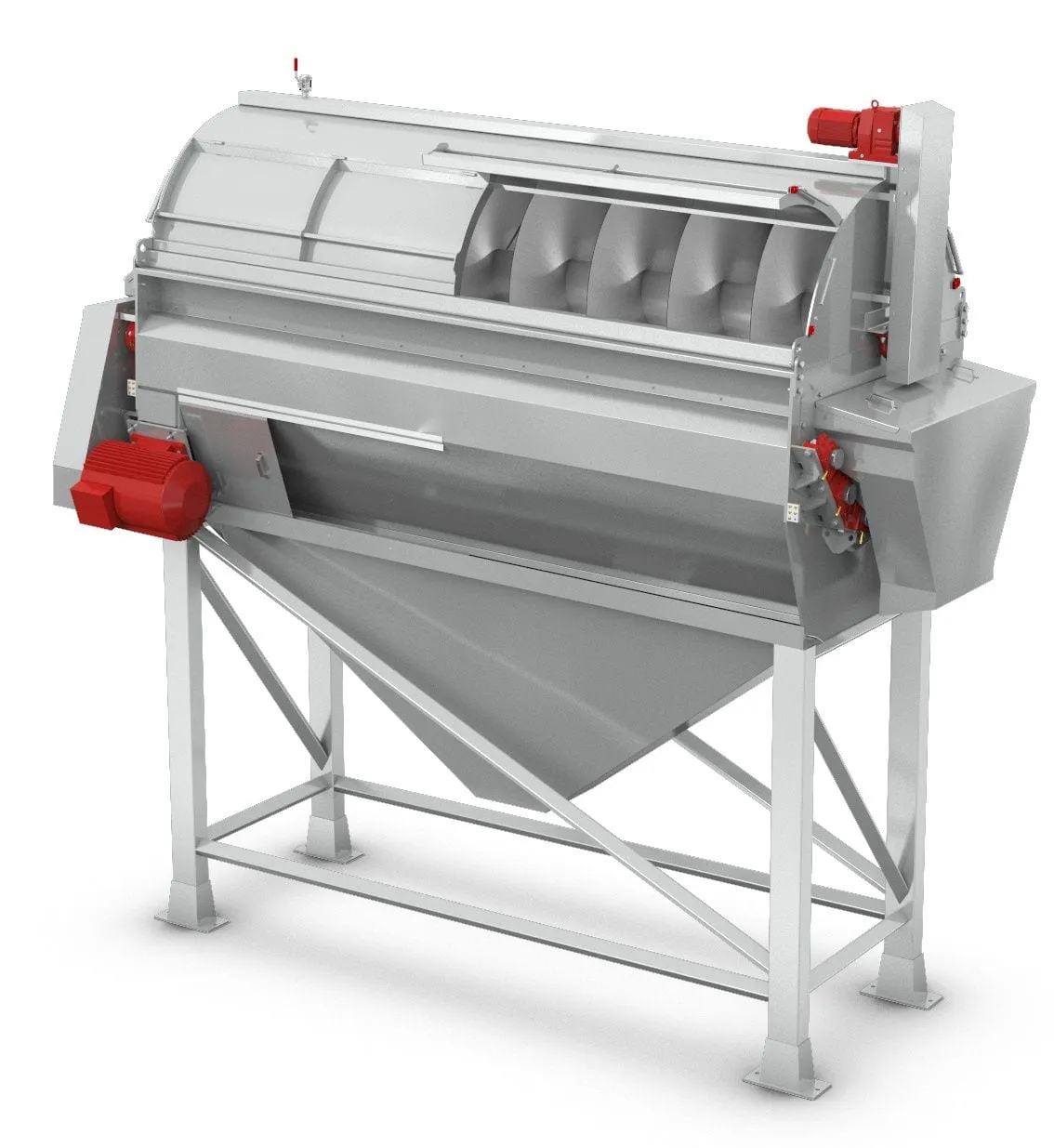
The machine has a row of parallel brush rollers forming a trough. As the rollers turn, product rolls over the bristles and against each other, so soil and loose skin are scrubbed off. Spray pipes above the rollers flush the removed material down through the brush bed into a collecting tray or drain.
In a batch machine, an operator loads the trough, sets the time and opens a door to discharge. In a continuous machine, a spiral above the rollers pushes product from the inlet to the outlet, and the spiral speed sets how long each piece is brushed. Brushes can be mixed along the length: harder bristles in the first section for peeling and softer ones at the end for a final wash. Peeled root crops start to discolour once exposed to air, so the machine should feed the next step without long waiting times.
| Form | Suits | Watch out for |
|---|---|---|
| Batch type | Small plants, central kitchens, mixed crops | Labour for loading and unloading |
| Continuous screw-fed | Steady feed into cutting or frying lines | Needs even infeed from a hopper or elevator |
| Soft and hard brush mix | Washing plus light peeling in one pass | Brush choice is crop-specific |
Heavy soil is often removed first in a fruit and vegetable washer. After peeling, root crops normally go to a picking table, then a vegetable cutting machine. In chip and fries plants the peeler is part of a potato chips and French fries line.
Batch type
product is loaded, brushed for a set time and unloaded; suits small plants and mixed crops.
Continuous screw-fed
a spiral moves product along the brush bed; suits steady throughput into a cutting line.
Soft and hard brush combinations
soft brushes for washing thin-skinned crops, harder brushes for peeling.
Our engineers check these points with you, so the quotation fits your site rather than a catalogue default.
For new or thin-skinned potatoes it can remove most of the skin. For thick-skinned or irregular tubers the result is a partial peel, and plants needing a clean finish often use abrasive or steam peeling instead. We test this with your samples where possible.
Loss depends on skin thickness, tuber shape, brush hardness and how long the product stays in the machine. Longer brushing removes more skin but also more flesh, so the setting is a trade-off we agree with you.
Brushes wear over time and are replaced as sets. Daily cleaning means flushing soil from the trough and checking the spray nozzles. Ask for a spare brush set with the machine if you run long seasons.
Tell us your raw material, finished product and target output. Our engineers reply with a matched configuration and quotation.
What to send with your inquiry
Email sales@hnfoda.com
Fruit & Vegetable Processing
Frozen vegetable, dehydrated vegetable and canning plants that need controlled heat treatment before the next step.
Sized to product input (kg/h) at your residence time and piece thickness
Fruit & Vegetable Processing
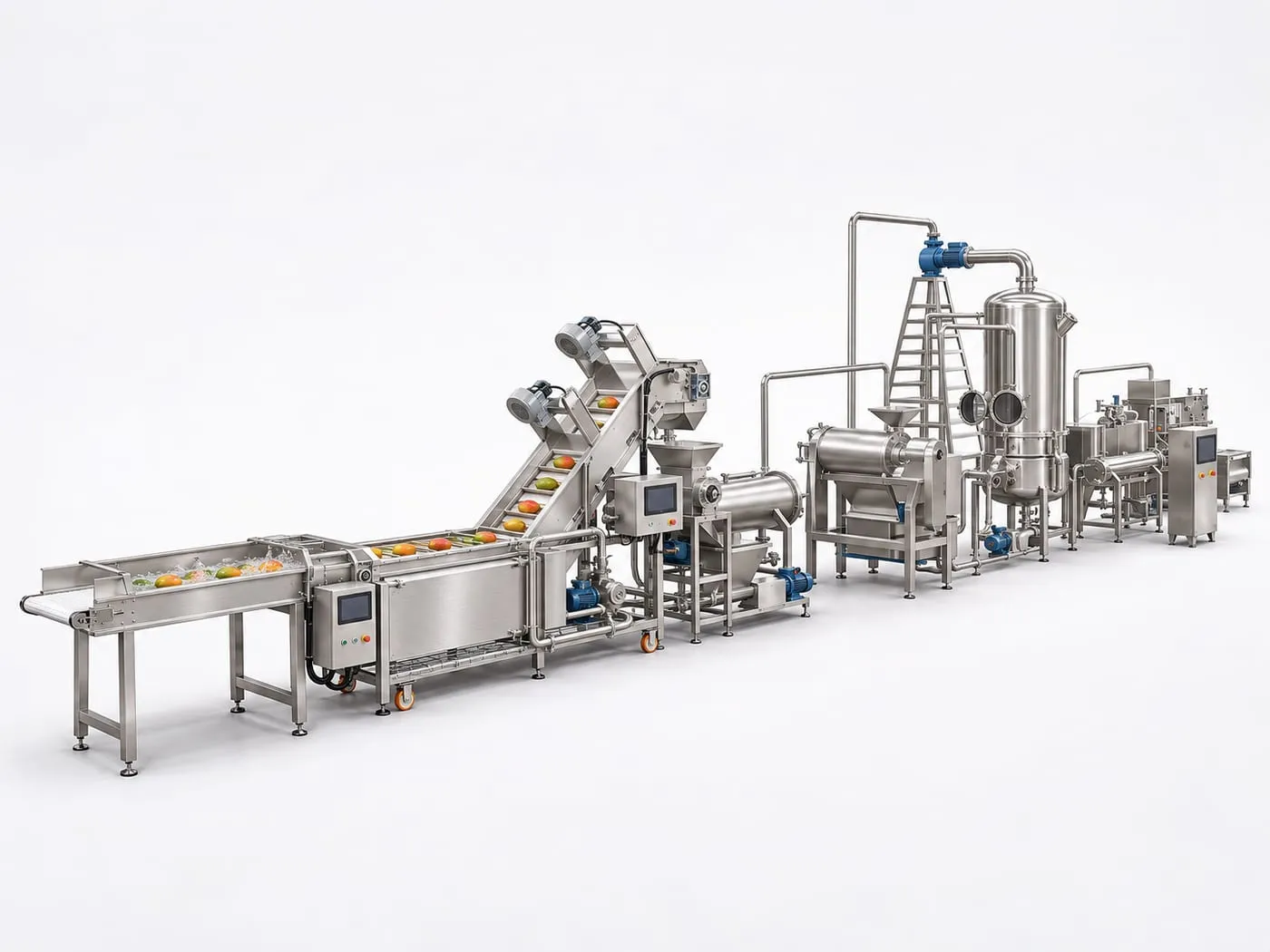
Plants producing fruit puree, tomato paste base, jam, baby food, nectar or sauce bases.
Sized to raw fruit input (kg/h); pulp output depends on fruit and screen size
Fruit & Vegetable Processing
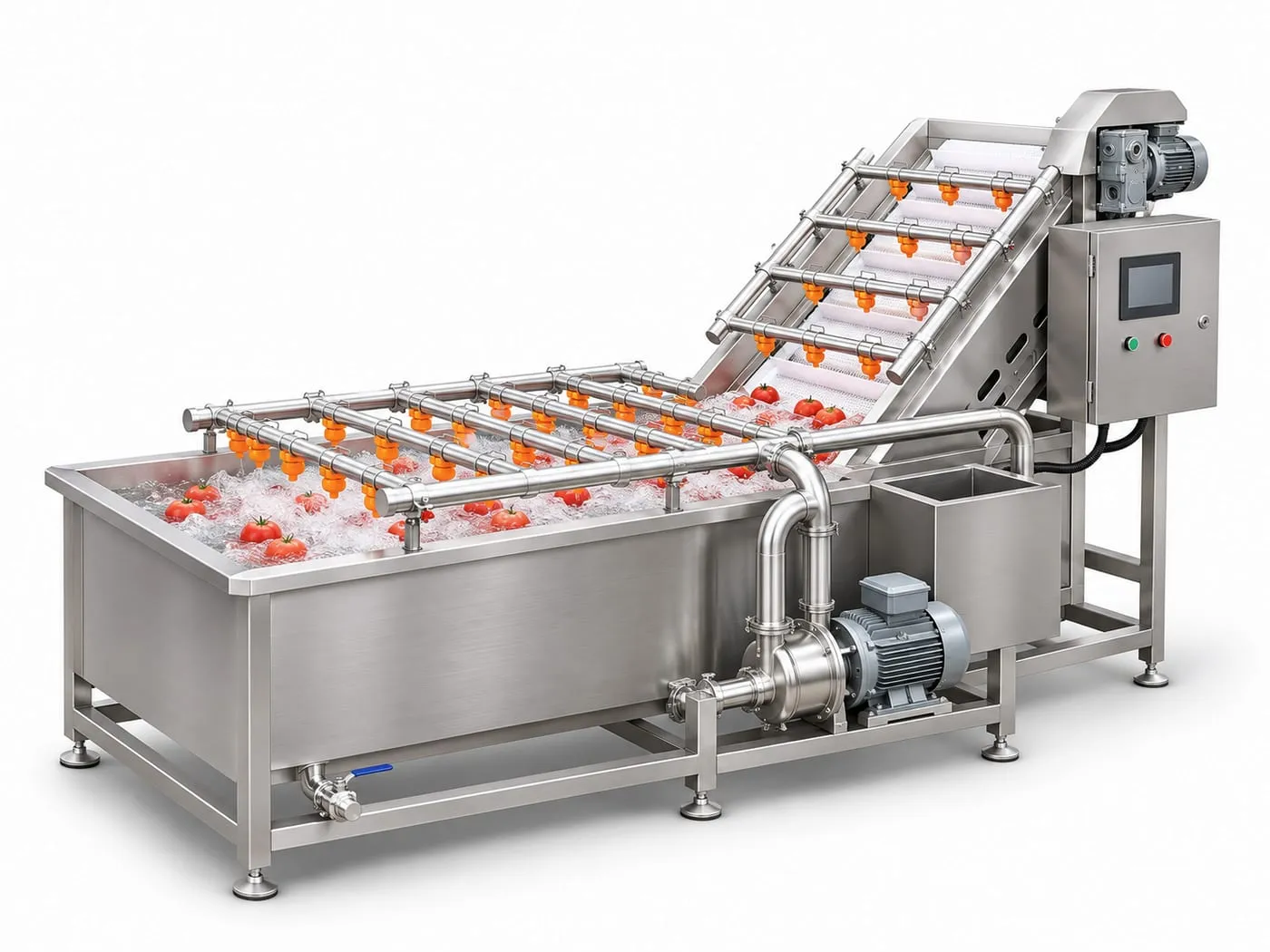
Plants washing fresh produce before peeling, cutting, blanching, drying or packing.
Sized to raw produce input (kg/h), not finished product
Fruit & Vegetable Processing
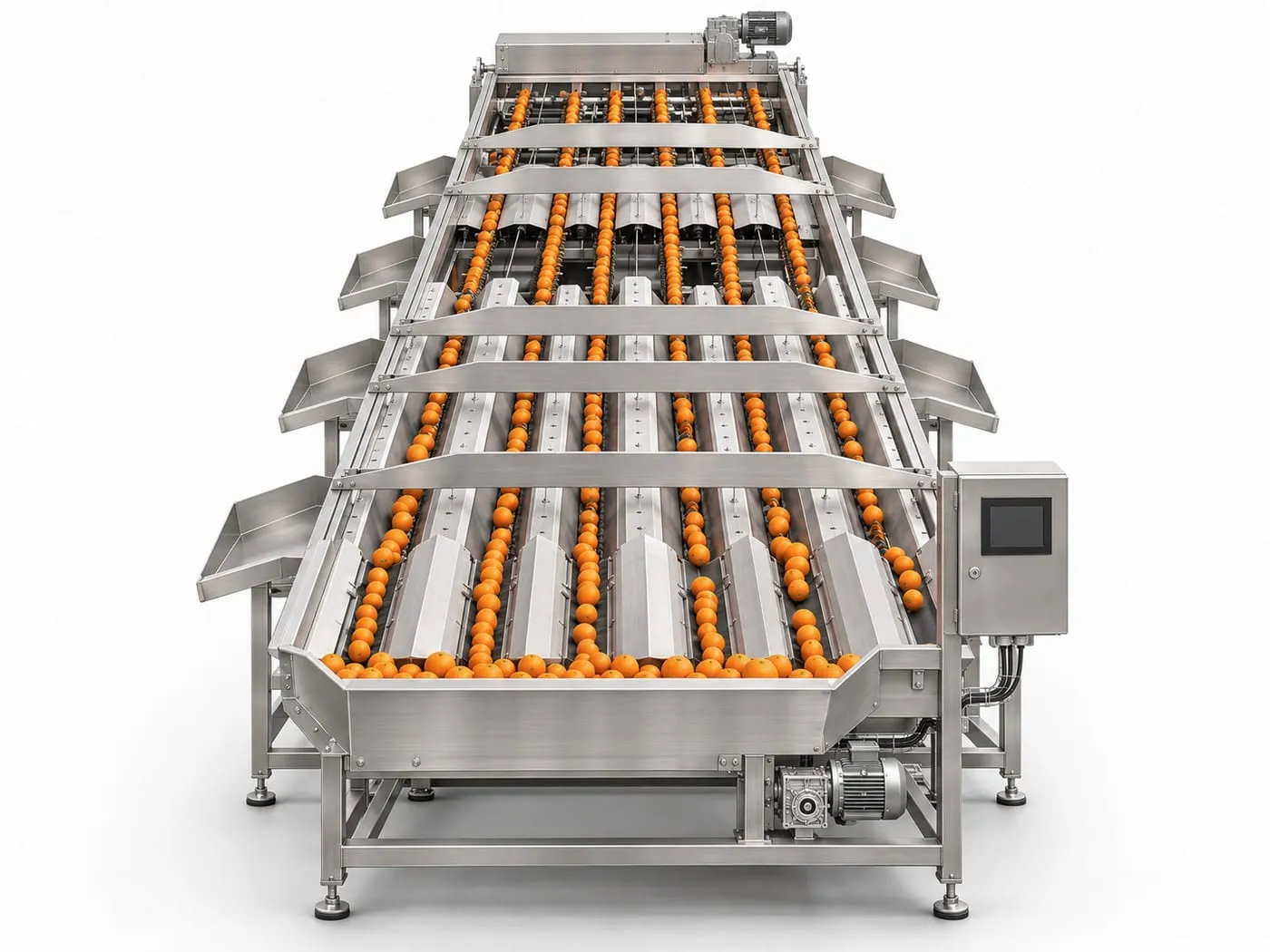
Packing houses and processors that sell or process produce in defined size or quality grades.
Sized to produce input (kg/h or pieces per minute), depending on grading method