Fruit & Vegetable Processing
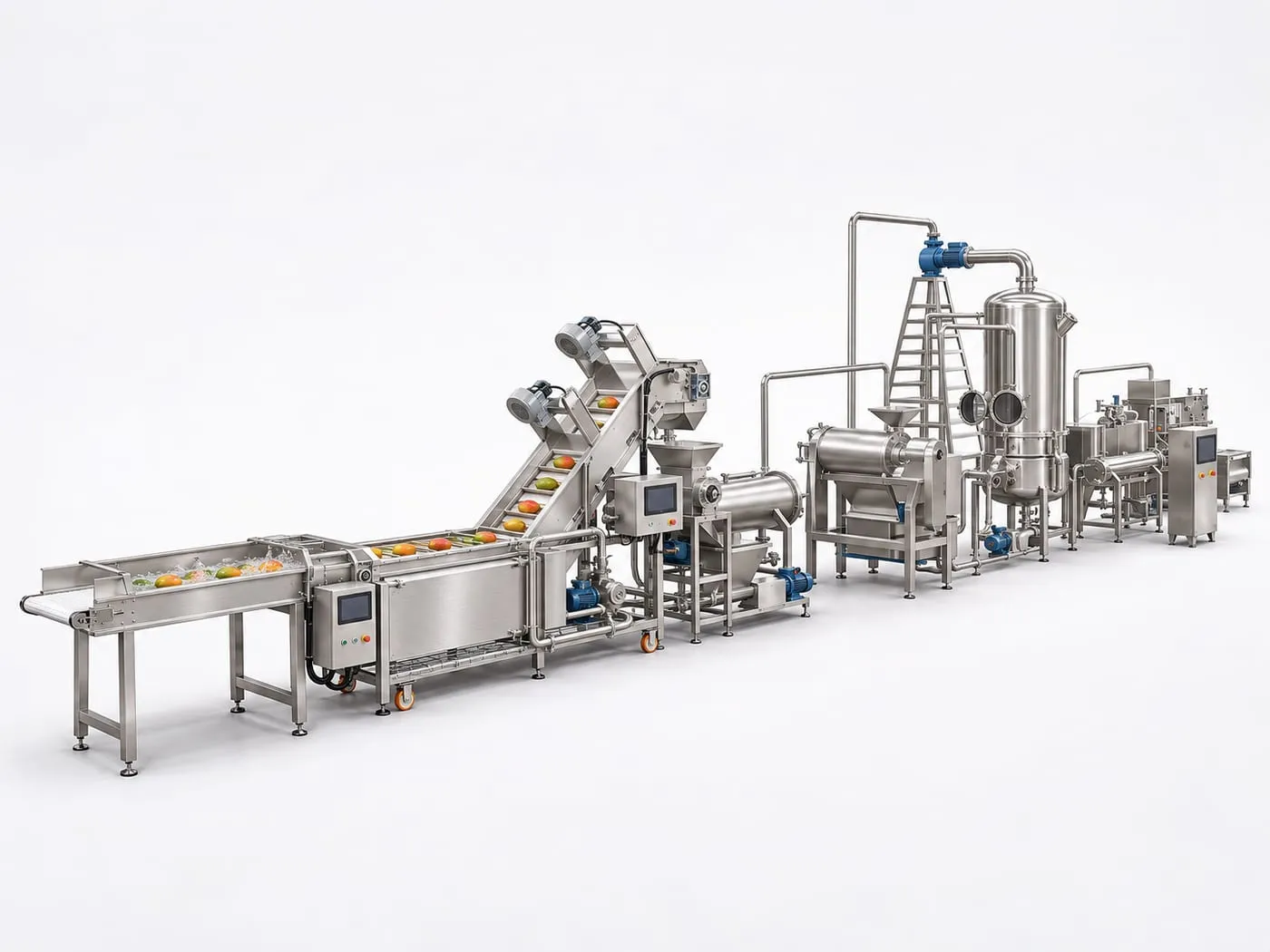
Fruit and Vegetable Pulping Line
Plants producing fruit puree, tomato paste base, jam, baby food, nectar or sauce bases.
Sized to raw fruit input (kg/h); pulp output depends on fruit and screen size

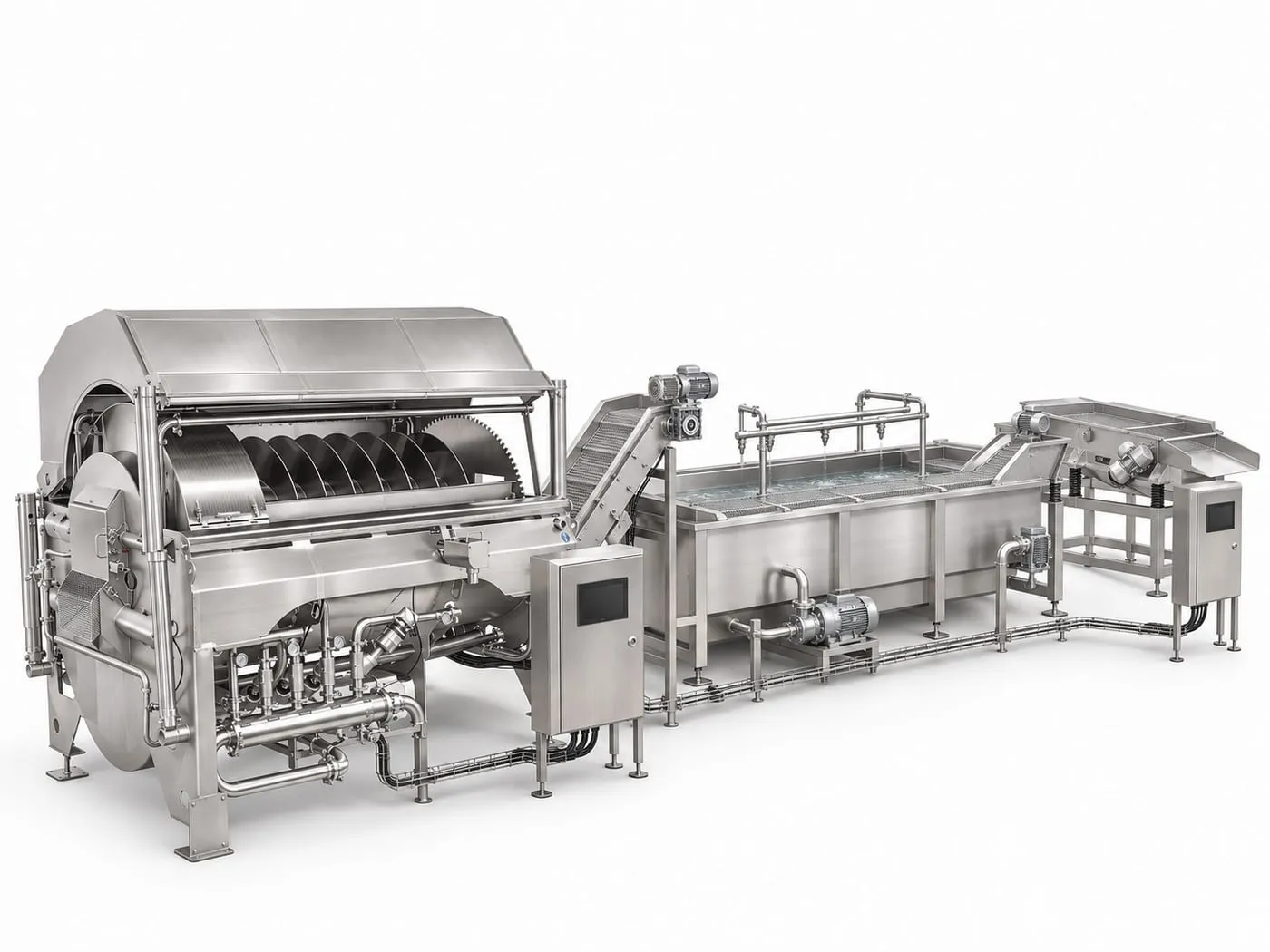
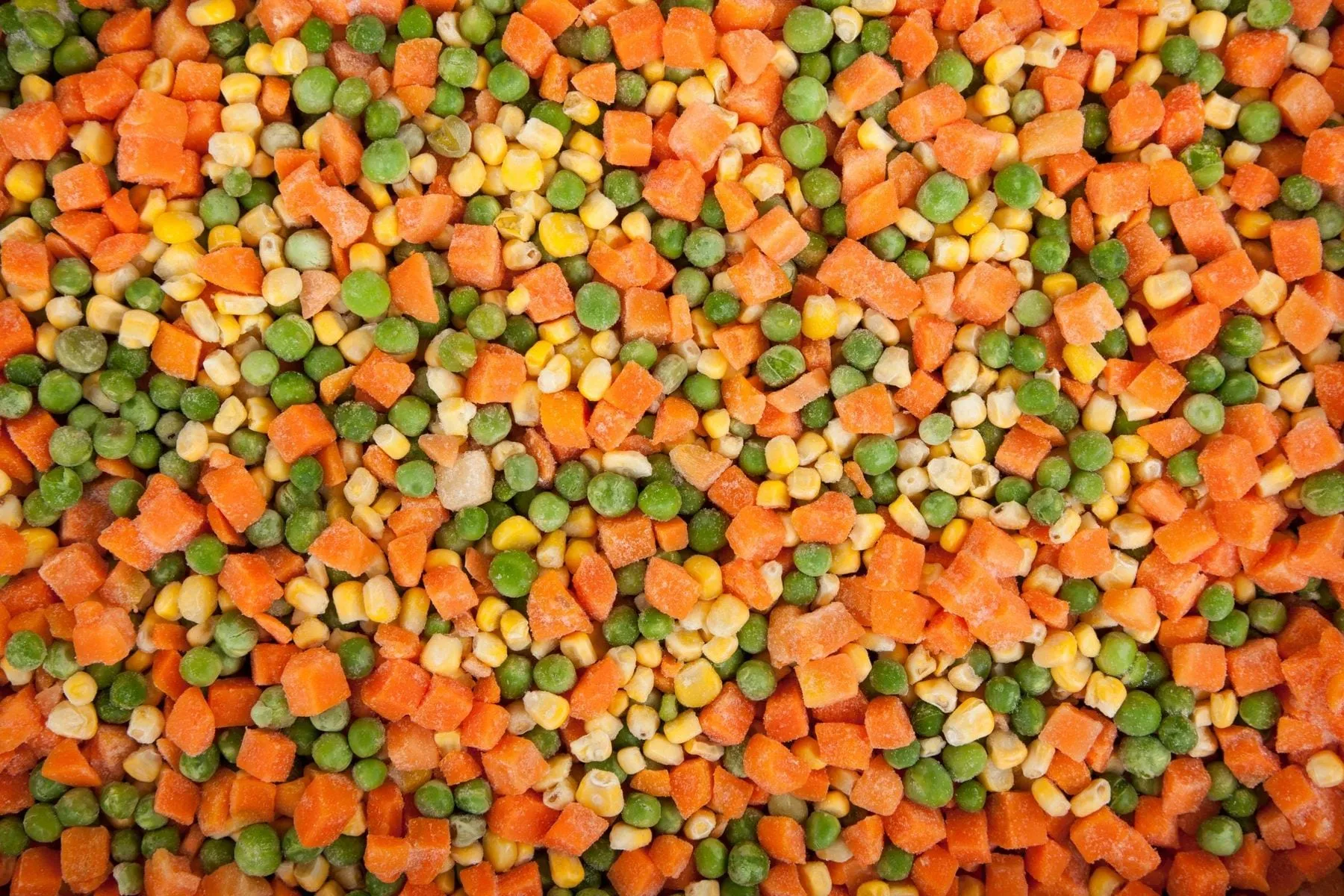
01 · Fruit & Vegetable Processing — Production line
Heats cut vegetables or fruit for a set time and then cools them quickly, ready for freezing, drying or further processing.
Short answer: A blanching and cooling line heats cut vegetables or fruit for a controlled time and then cools them straight away, so the product reaches the freezer, dryer or filler in a stable state. The line is designed around what the blanching is meant to achieve and how thick the pieces are, because those two factors set the temperature, residence time and cooling load.
Steam for heating can come from a site boiler or a dedicated food steam generator.
| Form | Suits | Watch out for |
|---|---|---|
| Hot-water blancher | Diced and sliced vegetables, beans, corn, fruit pieces | Some leaching of soluble solids; water replacement |
| Steam blancher | Leafy greens, products sensitive to leaching | Steady steam supply and even loading needed |
| Belt cooling | Any blanched product before freezing or drying | Cooling water temperature sets section length |
Product reaches the line from a vegetable cutting machine after a fruit and vegetable washer. After cooling, it usually goes through an air knife dewatering machine and into a food freezer, or into a hot-air dryer for dehydrated vegetables.
Hot-water blancher
for most vegetables and fruit pieces where even heating matters more than minimising leaching.
Steam blancher
where you want less loss of soluble solids into water and less waste water, at higher setup complexity.
Belt cooling section
water spray or chilled water cooling on a mesh belt, followed by dewatering, to stop cooking quickly.
Our engineers check these points with you, so the quotation fits your site rather than a catalogue default.
Blanching inactivates enzymes that would otherwise change colour, flavour and texture during frozen storage. It also wilts leafy products and reduces the surface microbial load. The time and temperature depend on the vegetable and piece size.
Water blanching heats evenly and is simpler to run. Steam blanching loses fewer soluble nutrients and creates less waste water, but needs a steady steam supply and careful product distribution. We compare both against your product and utilities.
It depends on how much heat must be removed, the cooling water temperature and the target product temperature at the outlet. Colder water, or chilled water, shortens the cooling section.
Tell us your raw material, finished product and target output. Our engineers reply with a matched configuration and quotation.
What to send with your inquiry
Email sales@hnfoda.com
Fruit & Vegetable Processing
Plants producing fruit puree, tomato paste base, jam, baby food, nectar or sauce bases.
Sized to raw fruit input (kg/h); pulp output depends on fruit and screen size
Fruit & Vegetable Processing
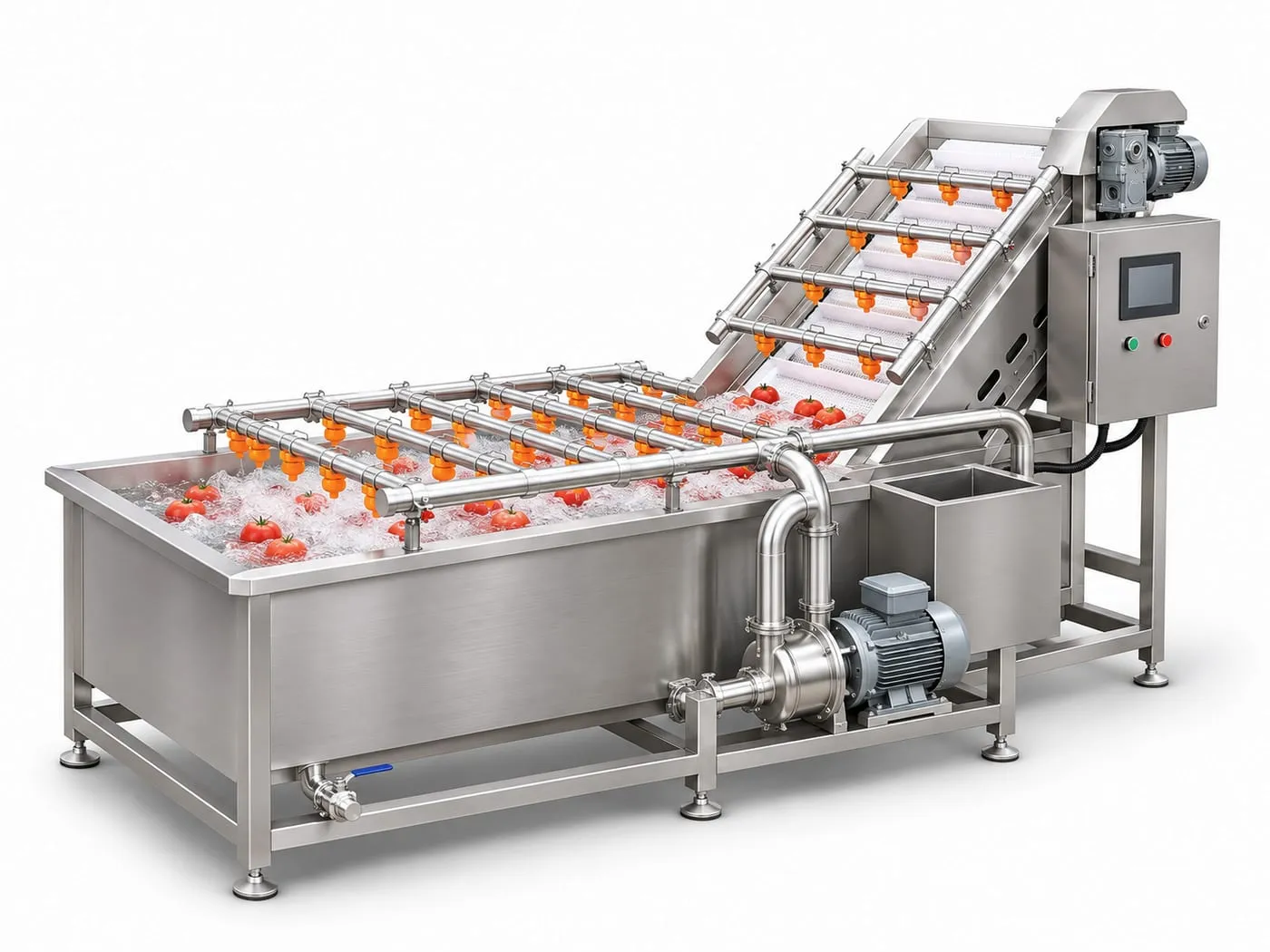
Plants washing fresh produce before peeling, cutting, blanching, drying or packing.
Sized to raw produce input (kg/h), not finished product
Fruit & Vegetable Processing
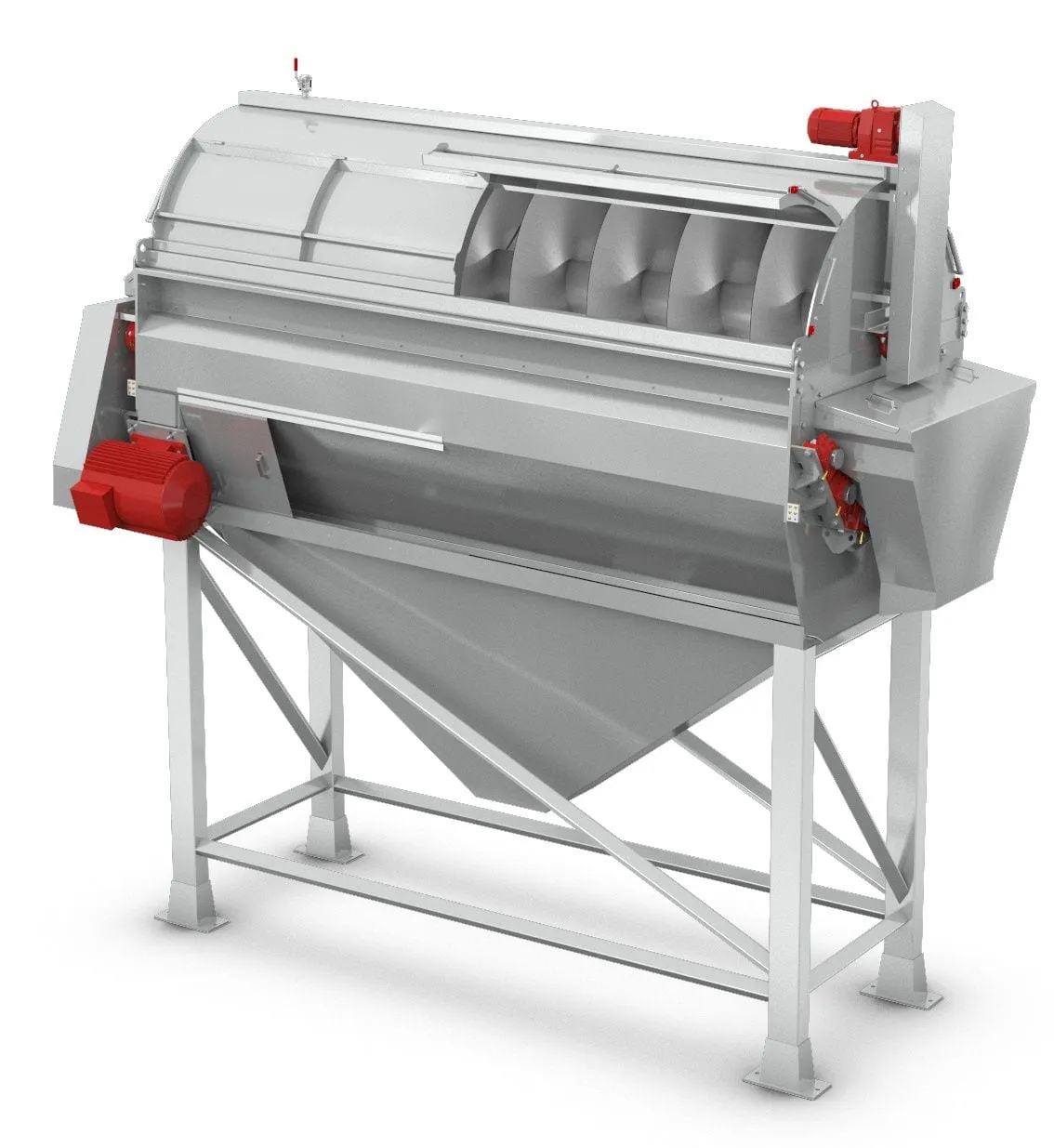
Potato, carrot, cassava, ginger and taro processors who wash and peel before cutting.
Sized to raw root crop input (kg/h or kg per batch)
Fruit & Vegetable Processing
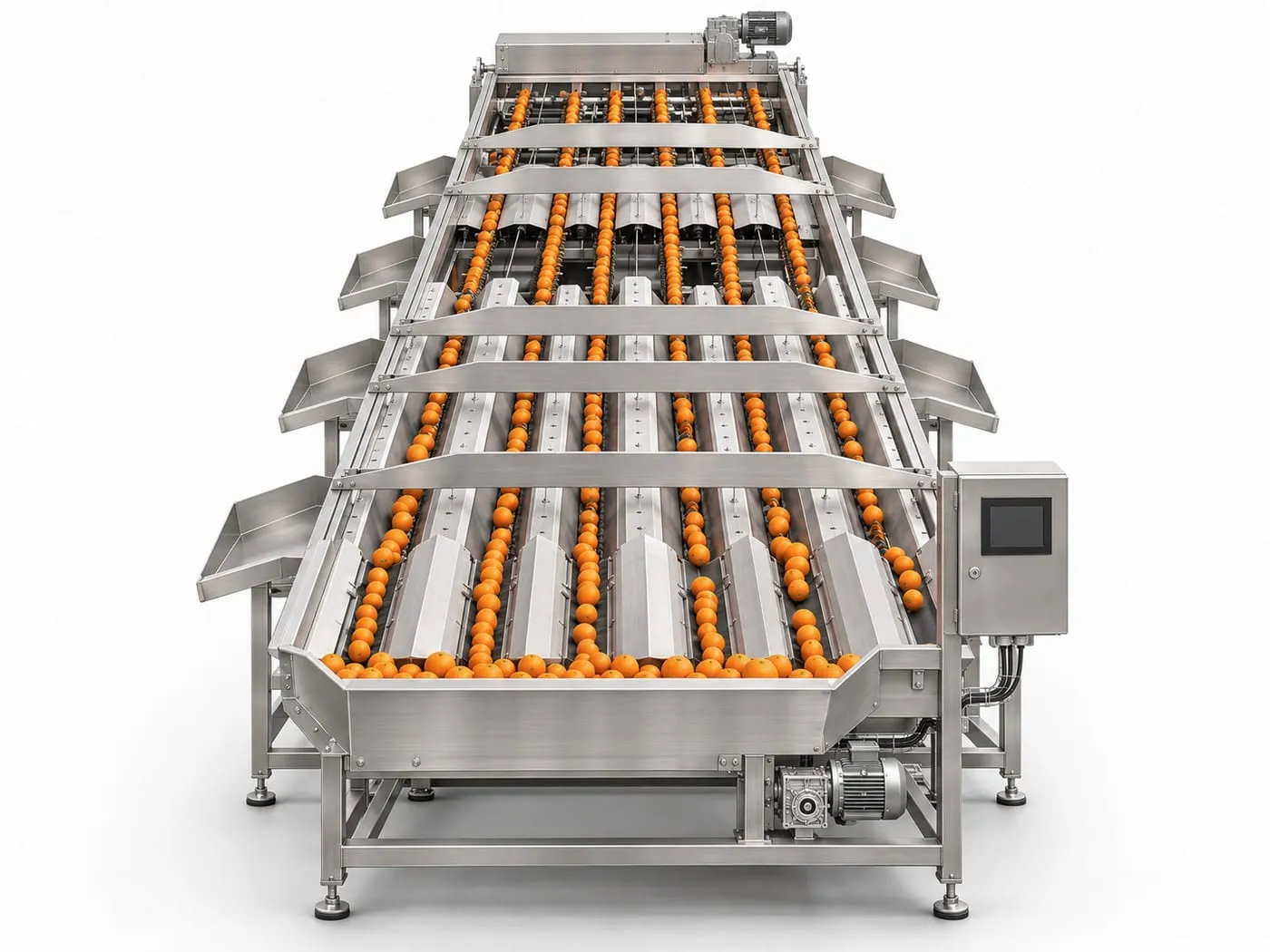
Packing houses and processors that sell or process produce in defined size or quality grades.
Sized to produce input (kg/h or pieces per minute), depending on grading method