Production lines · Roasted & seasoned nuts
Nut Processing Plant: Planning a Roasted and Seasoned Nut Factory
How to plan a roasted and seasoned nut plant: shelling, roasting, seasoning, packing, sizing on kernel input, food safety and what to send for a quote.
- Prepared by
- HNFODA Applications Engineering
- Topic
- Production lines · Roasted & seasoned nuts
- Published
- Reading time
- 6 min read · 3 sources
On this page
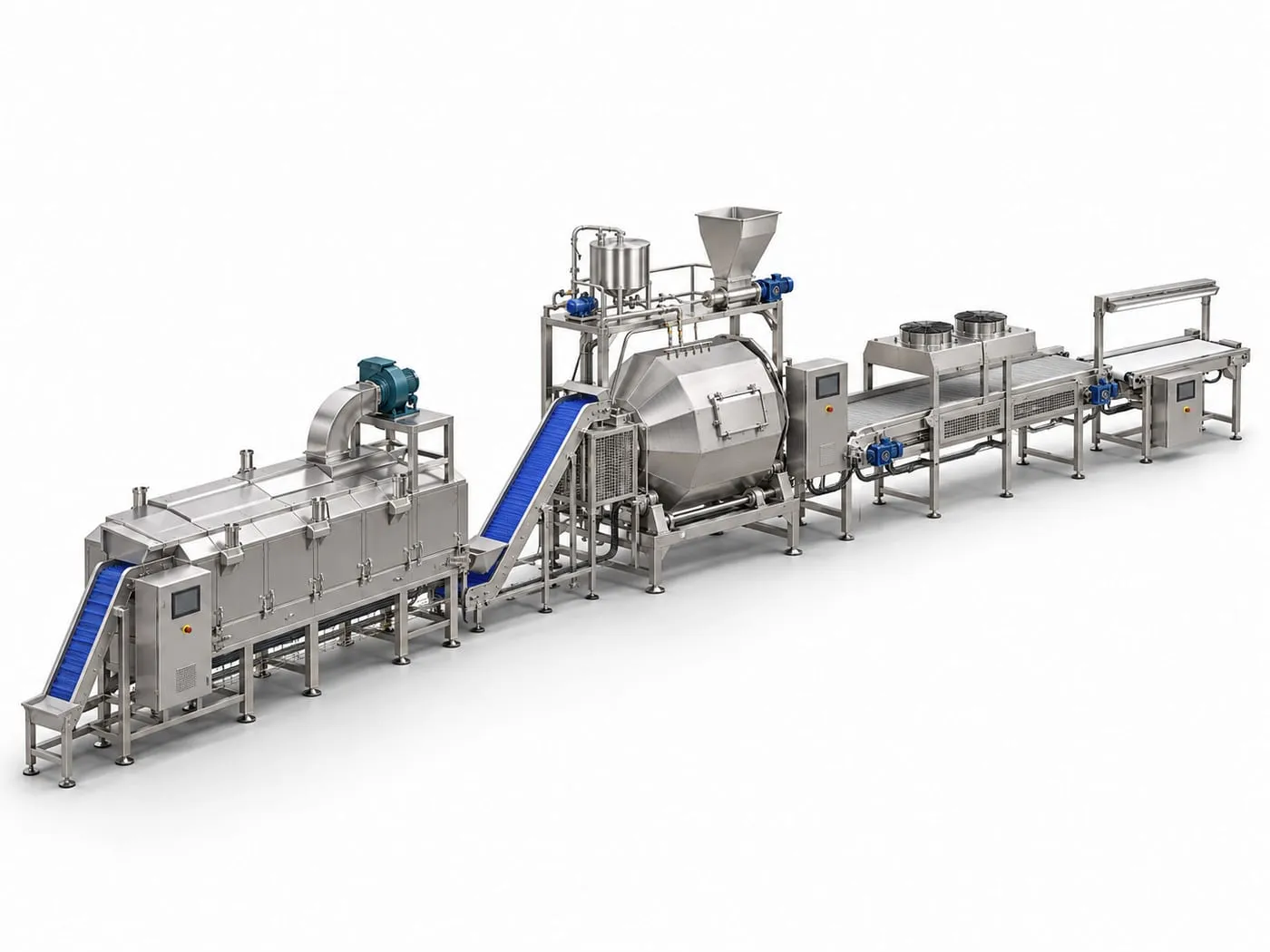
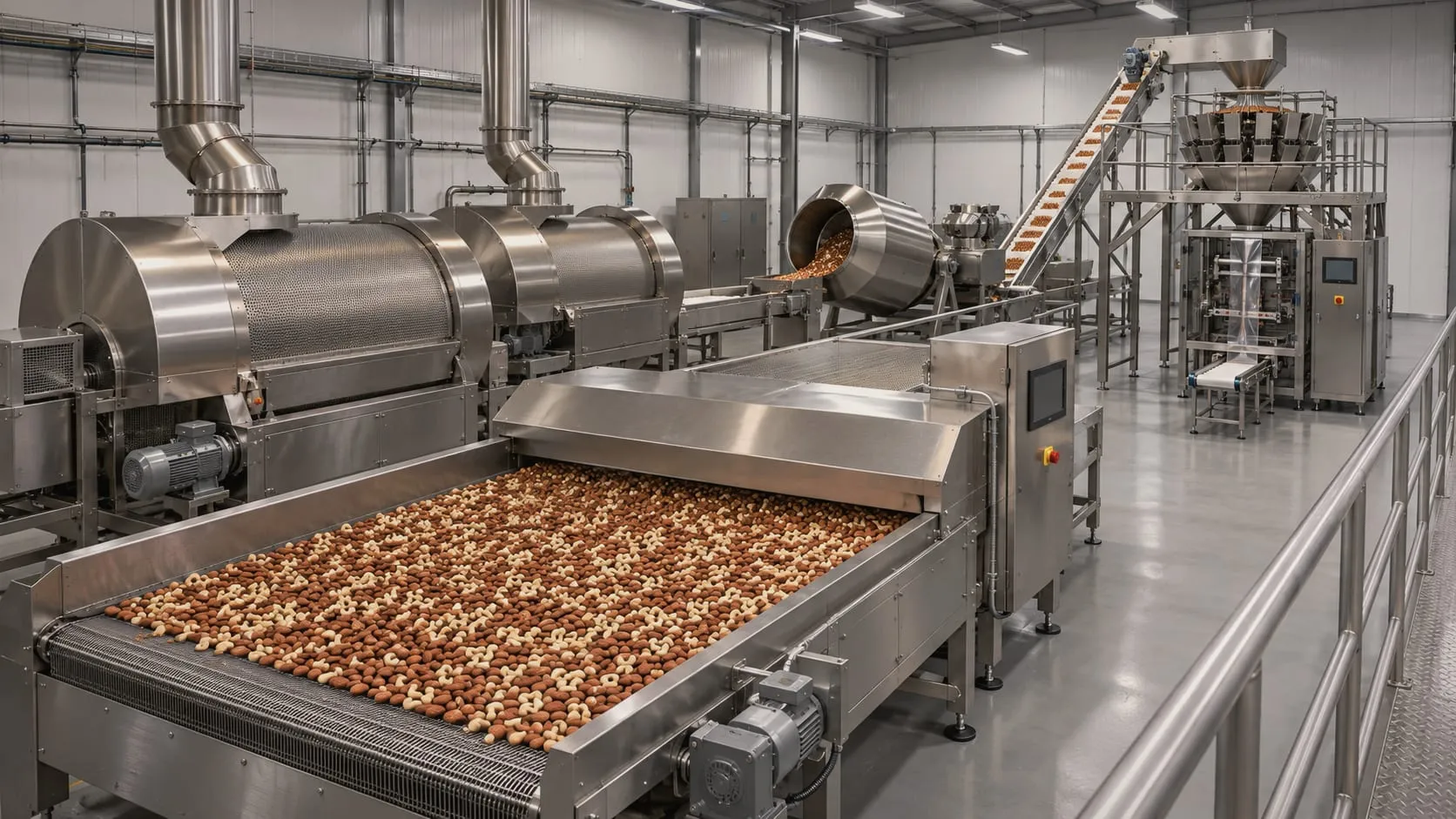
Short answer: A nut processing plant for roasted and seasoned nuts takes raw nuts through grading, shelling where needed, roasting, seasoning or coating, cooling, weighing and packing. The roaster sets the plant’s output, and the design depends on whether you buy in-shell nuts or kernels, how many nut types and flavours you run, and how strictly raw and roasted product must be kept apart.
This page looks at the whole plant: what it consists of, how it is sized and what to prepare before asking for prices. For single machines, see the nut roaster and nut seasoning line pages.
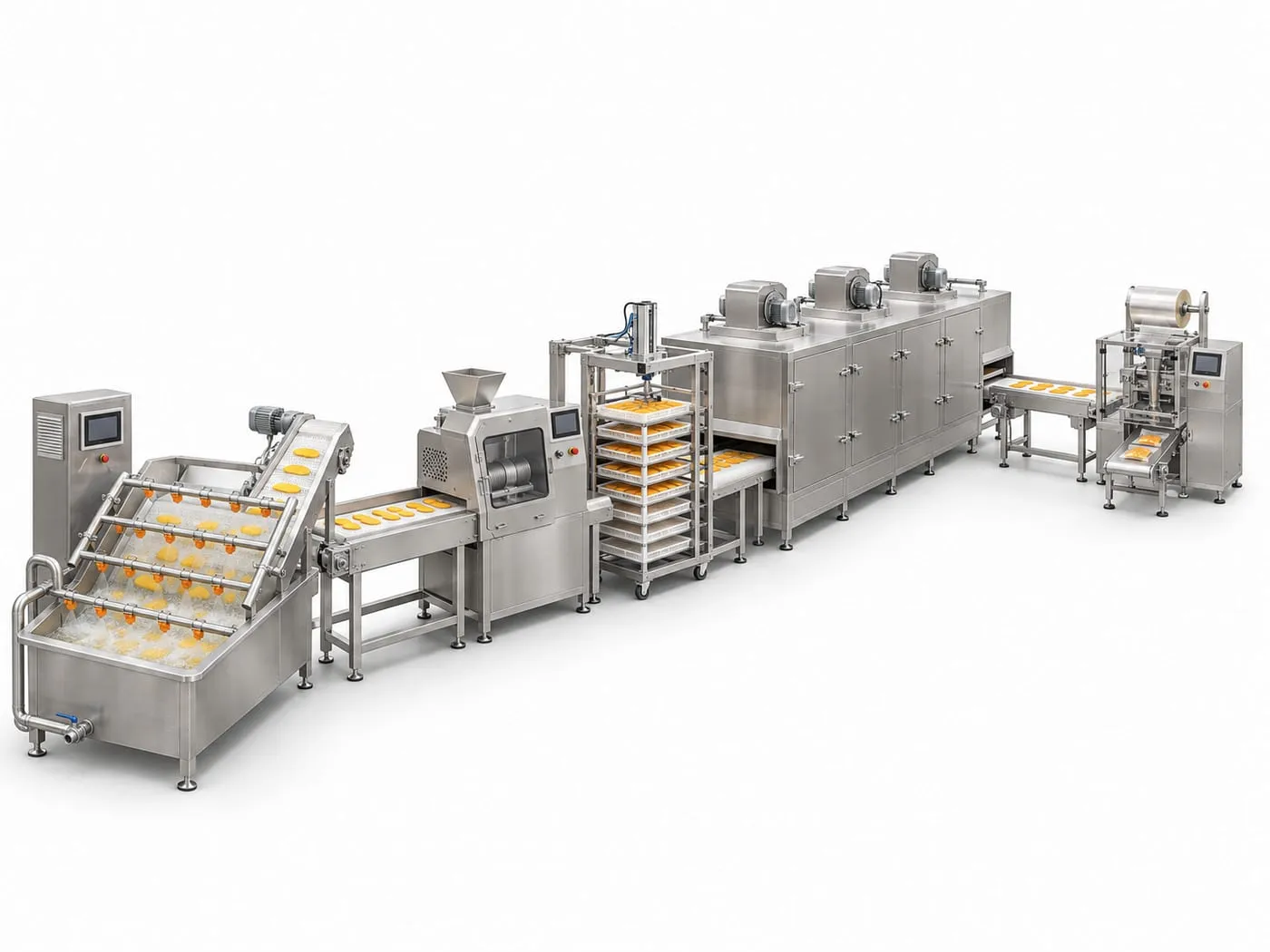
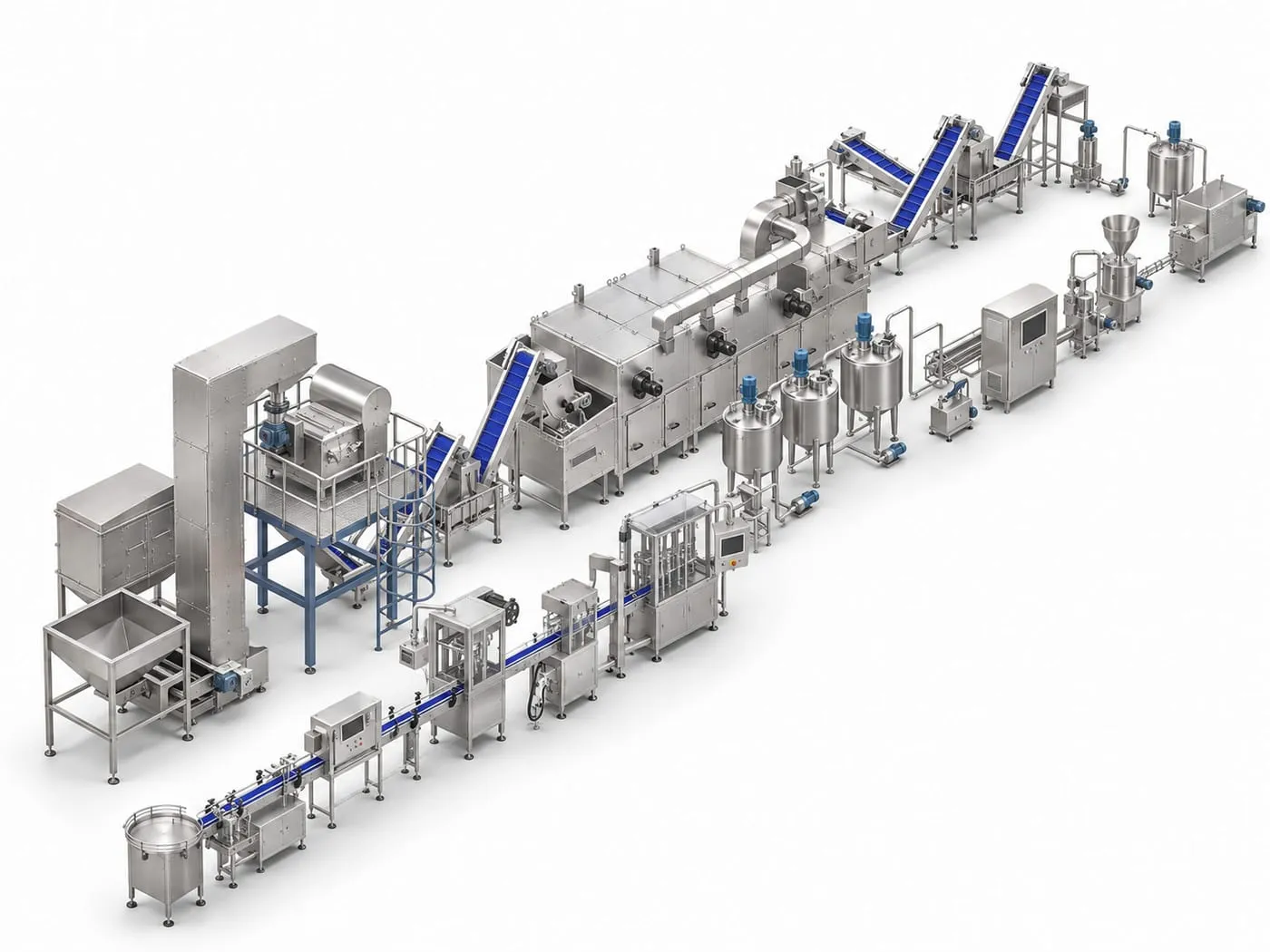
What a roasted nut plant consists of
- Raw nut receiving and cleaning: intake, pre-cleaning, removal of stones and foreign material, and size grading.
- Shelling and separation (only for in-shell nuts): cracking, separating shells from kernels, and kernel grading. Some nuts, such as peanuts, also need skin removal for blanched products.
- Roasting: dry roasting with hot air or oil roasting, followed by rapid cooling.
- Seasoning or coating: salt, spice, sugar, honey or batter coatings applied in a drum, sometimes followed by a second drying or roasting step.
- Cooling, inspection and packing: final sorting, weighing, bagging, metal detection and case packing.
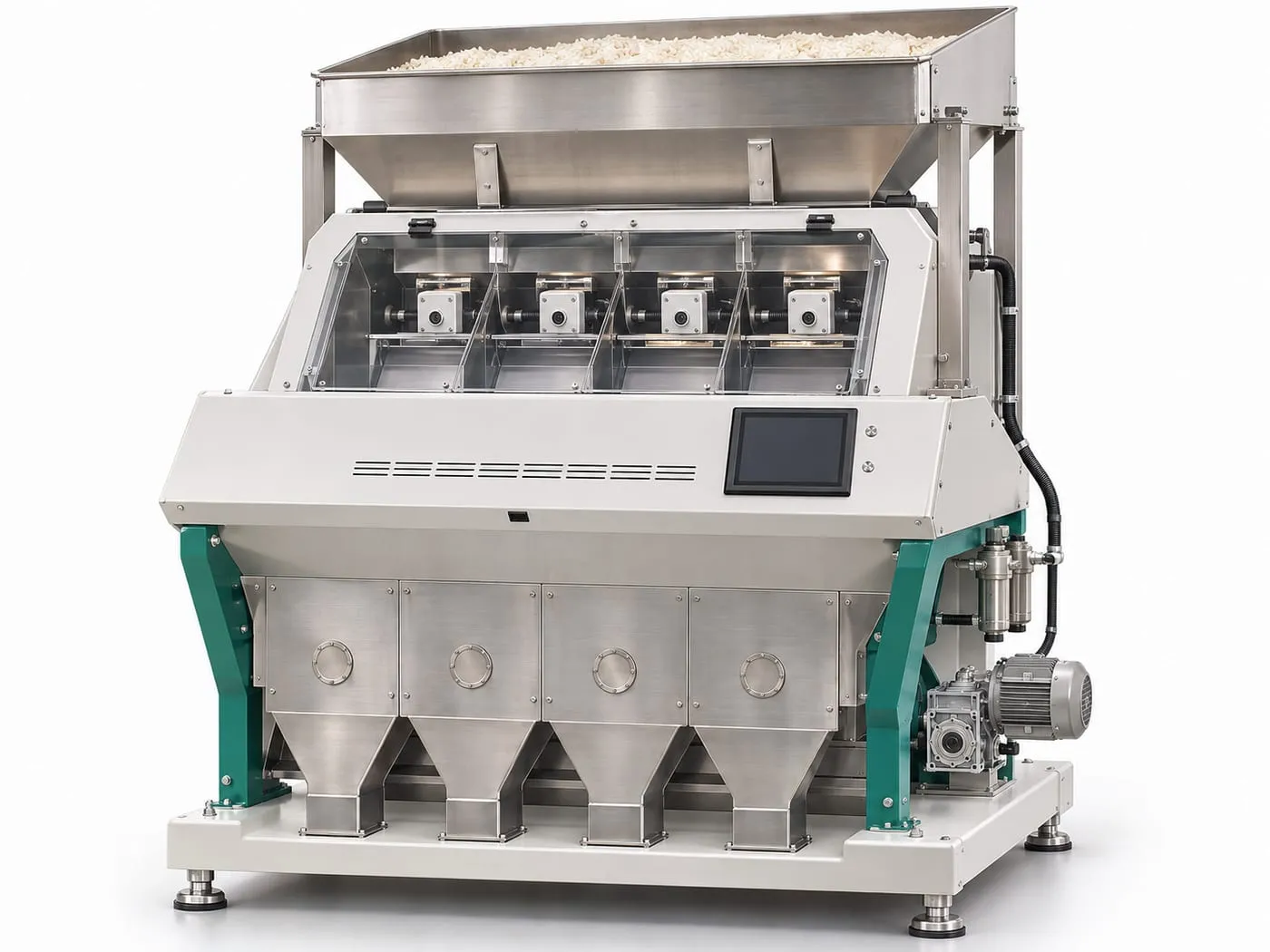
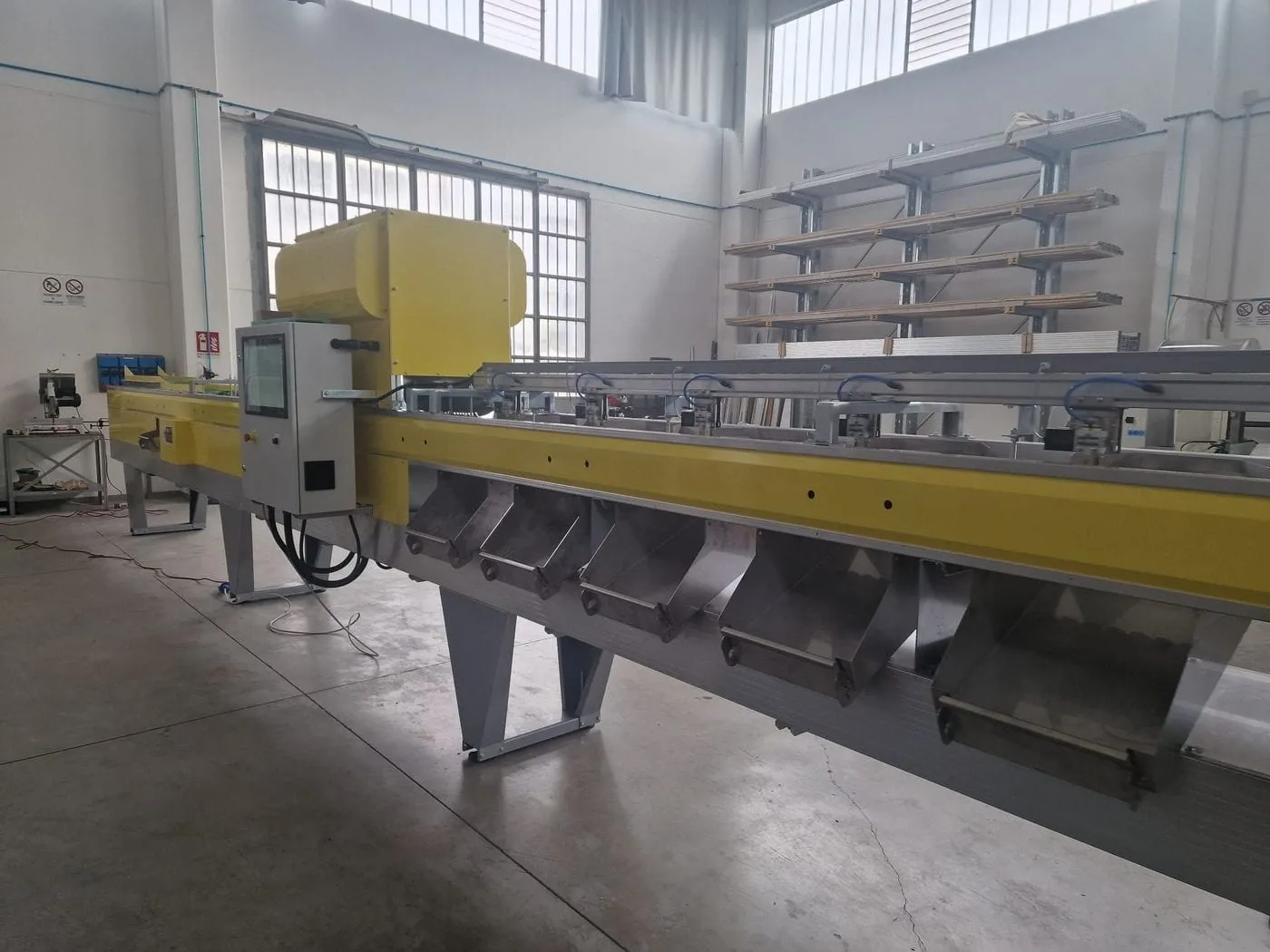
The IFT overview of tree nut processing describes how crops such as almonds are cracked and then cleaned with electronic sorters that remove shell pieces, foreign matter and defective kernels. That sorting step is what buyers judge you on, so it deserves as much attention as the roaster.
Process route and key machines
| Station | Purpose | Key machine |
|---|---|---|
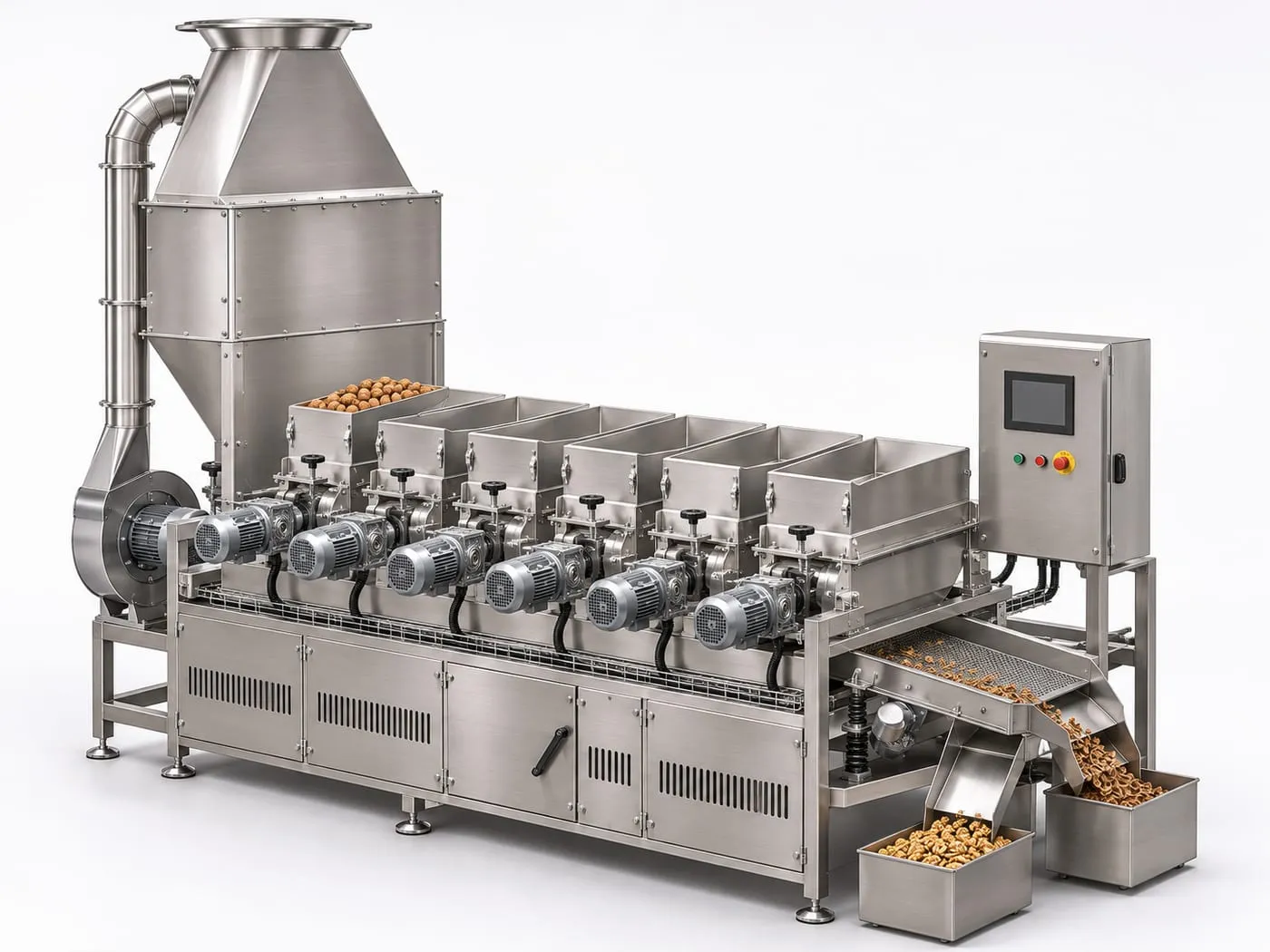
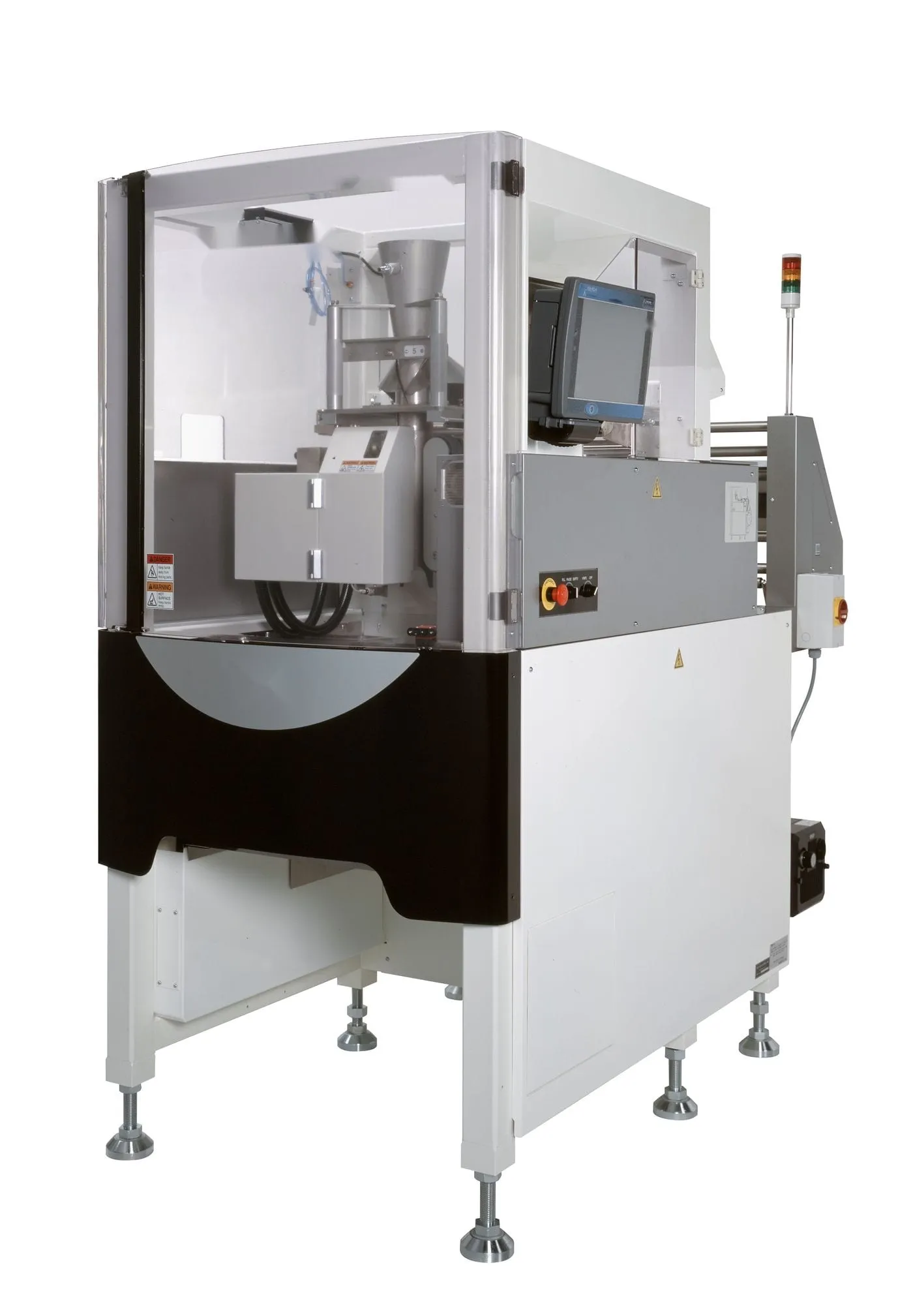
| Grading and pre-cleaning | Remove stones, dust and debris; split by size for even shelling and roasting | Grain optical sorter (also used for kernels) |
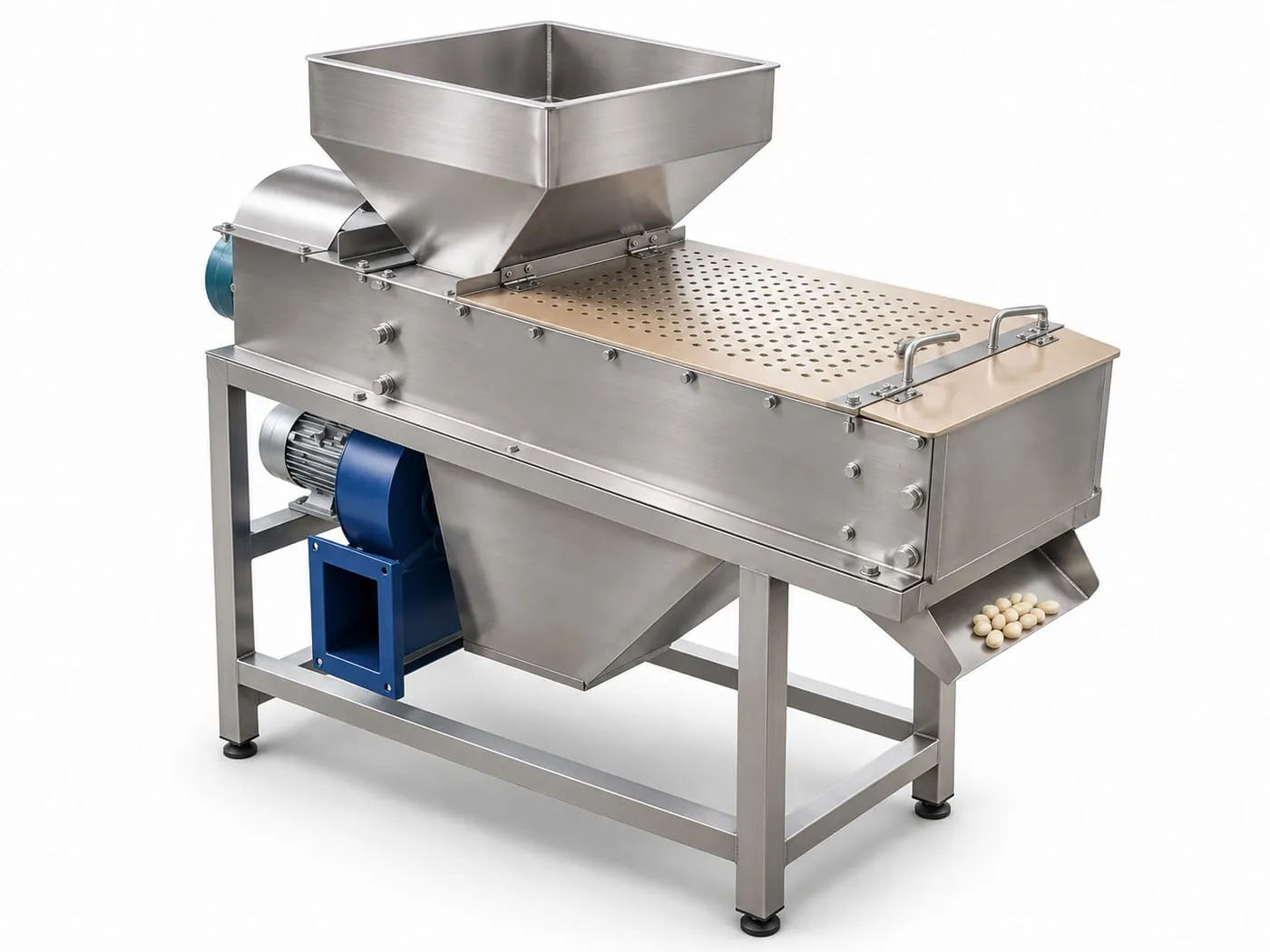
| Shelling | Crack shells and separate kernels | Nut shelling machine |
| Skin removal (optional) | Blanched peanuts or almonds | Nut skin peeling machine |
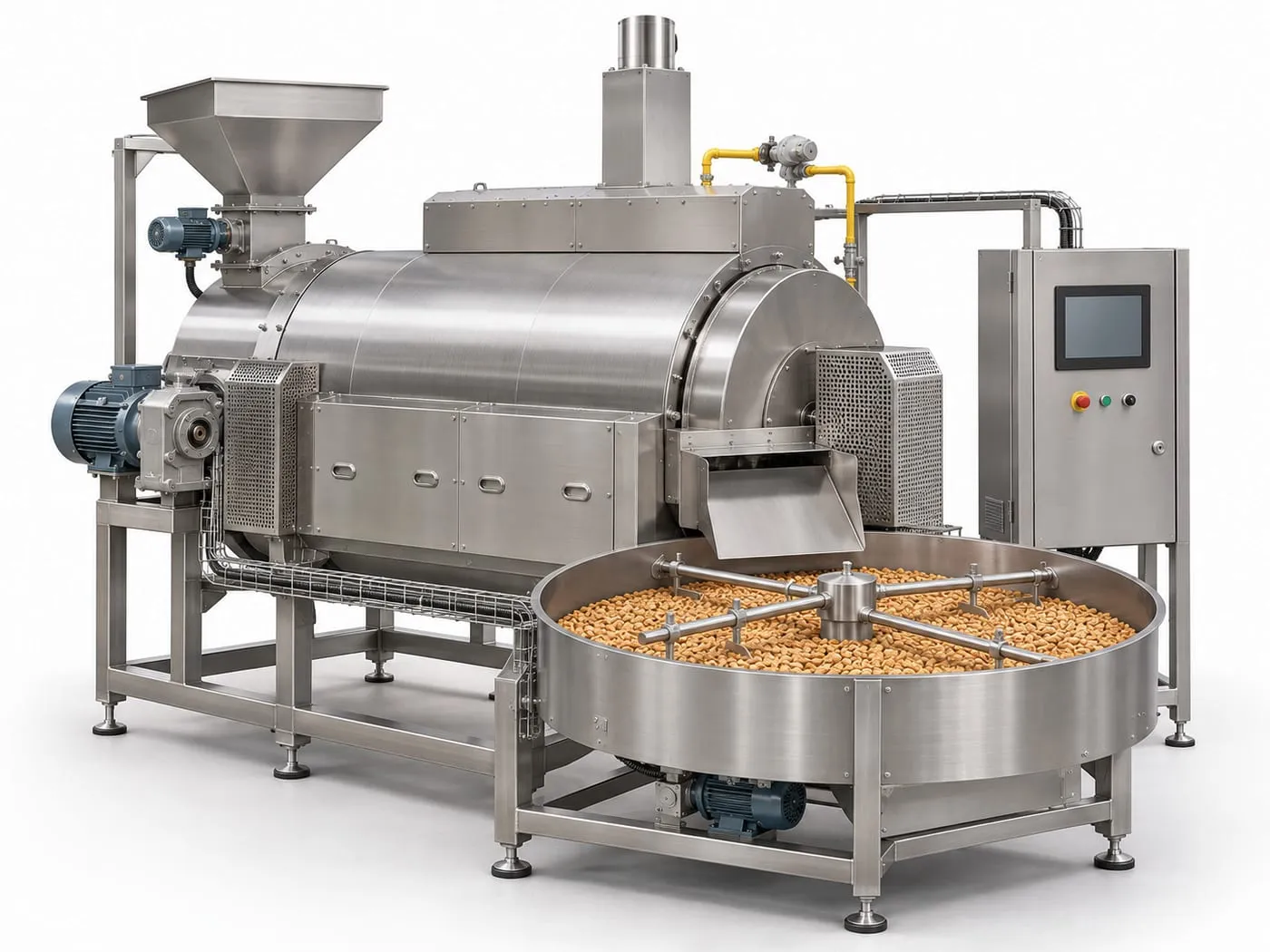
| Roasting and cooling | Develop colour and flavour; reduce microbial load | Nut roaster |
| Frying (optional) | Oil-roasted or fried coated nuts | Continuous fryer |
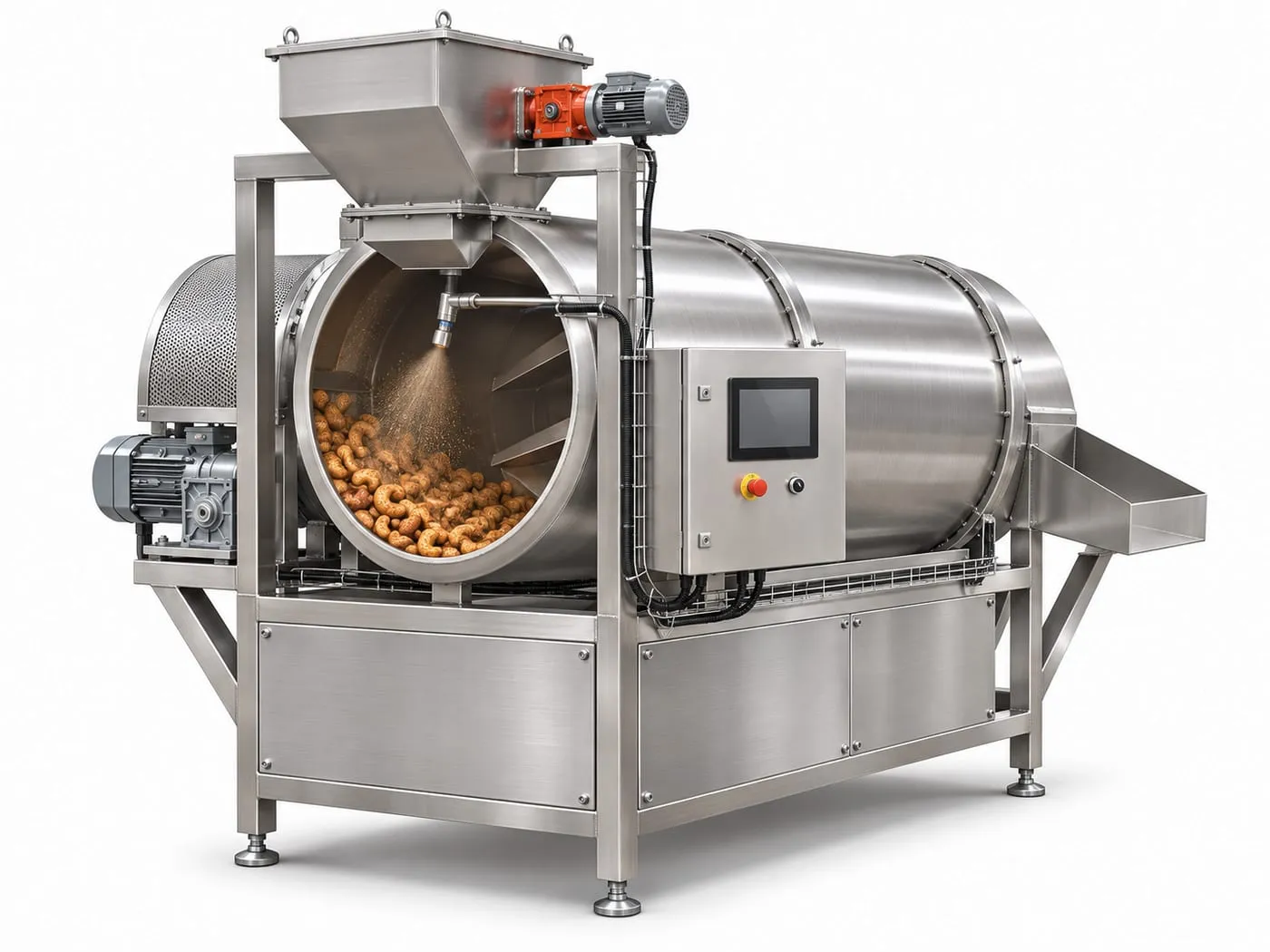
| Seasoning or coating | Salt, spice, sugar or batter coating | Nut seasoning line, rotary coating drum |
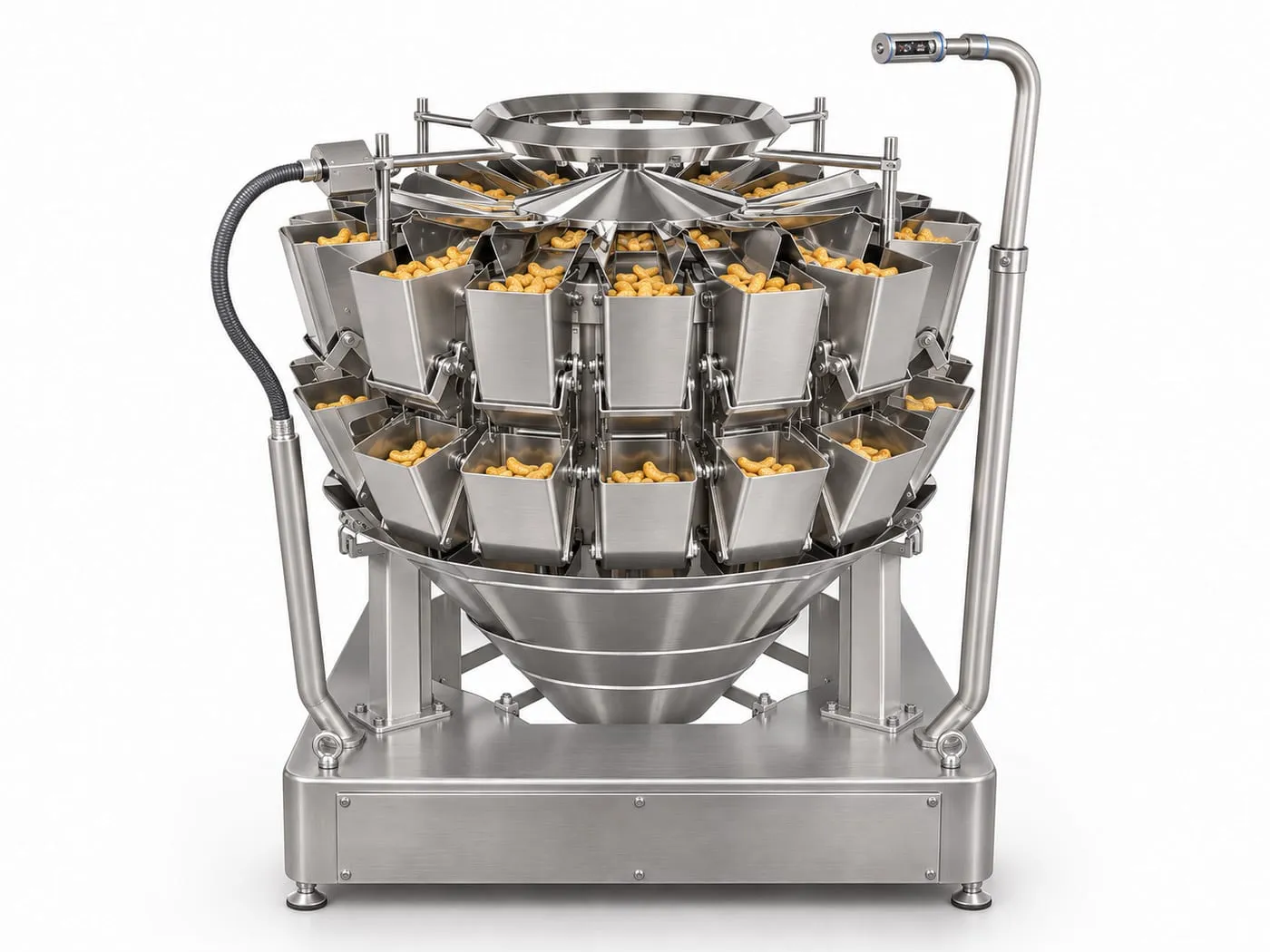
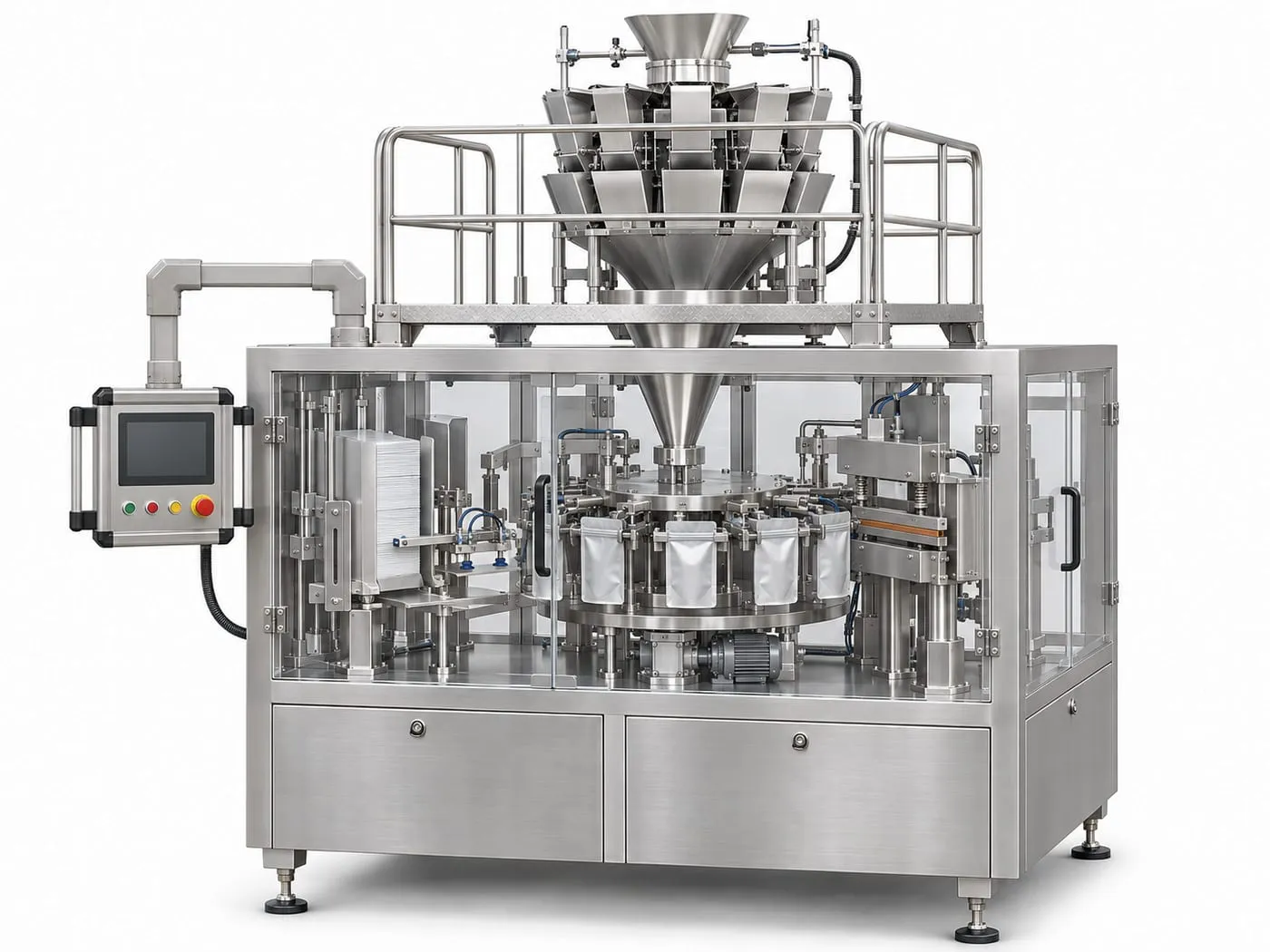
| Weighing and packing | Bags, pouches or jars | Multihead weigher, VFFS packaging machine |
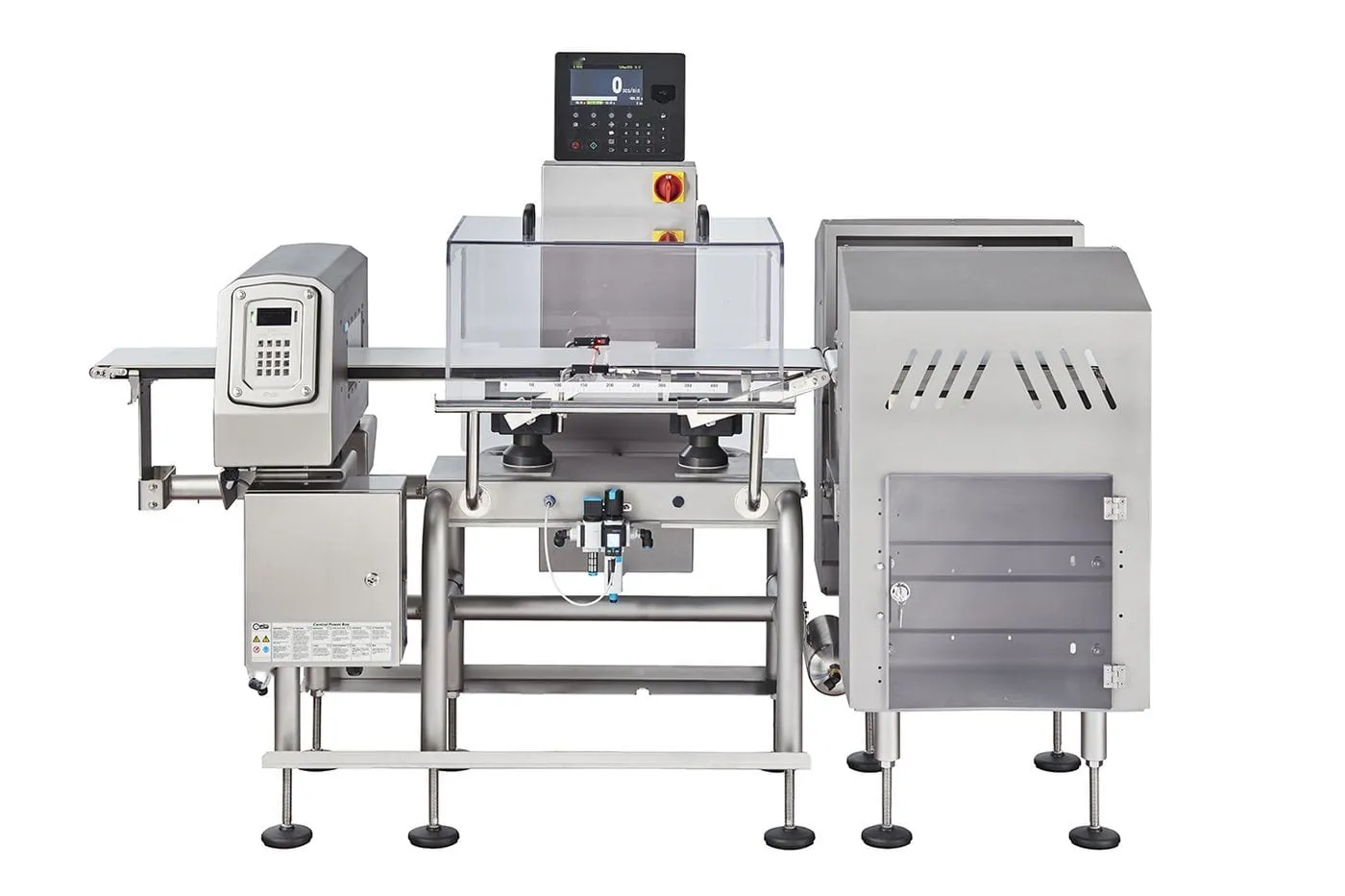
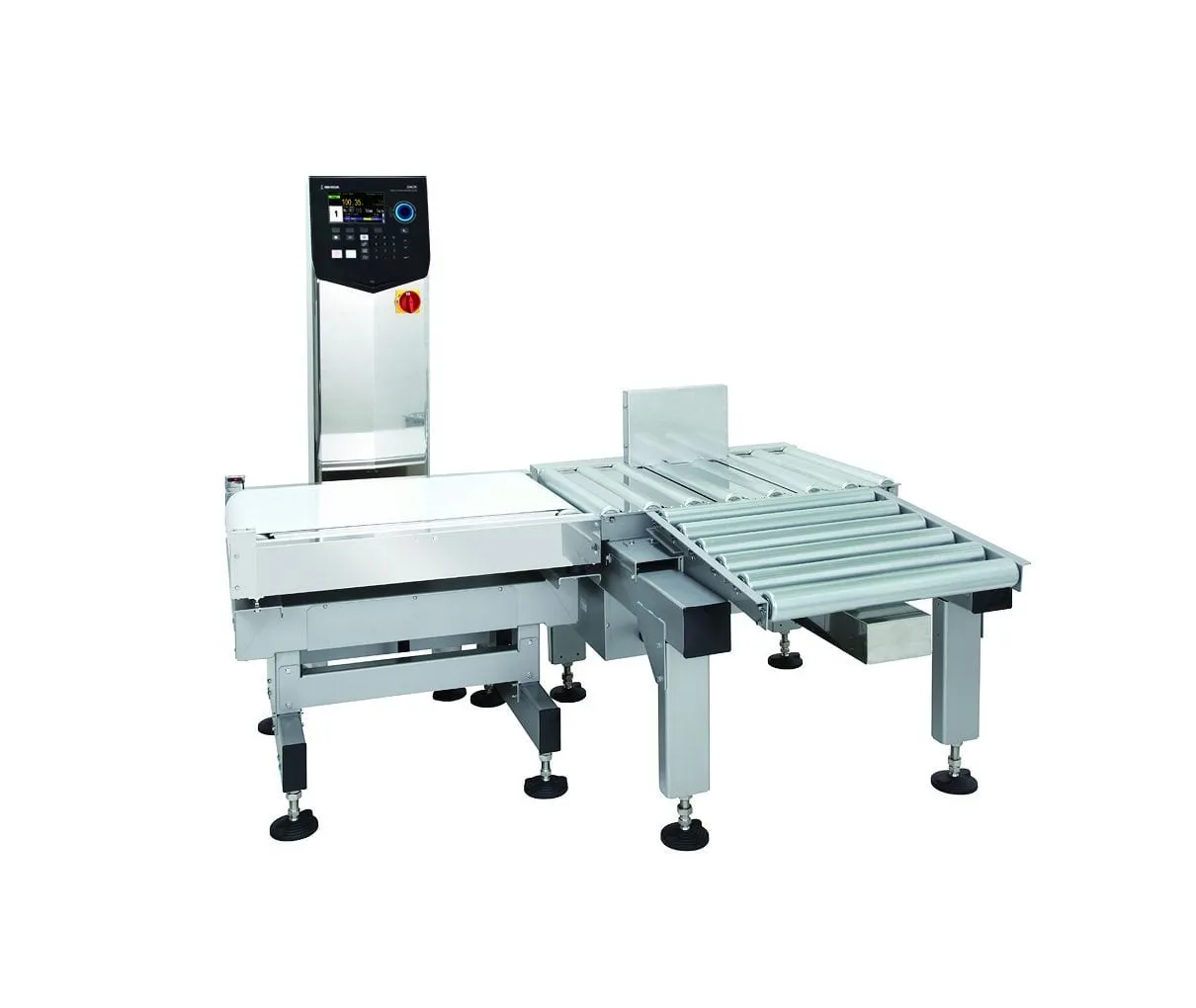
| Inspection | Metal and weight control | Food metal detector, in-line checkweigher |
How to size the plant
State the capacity on one basis and stick to it. In most nut plants that basis is kernel input to the roaster (kg/h), because:
- In-shell intake is much heavier than the kernel output; shell share varies widely by nut and grade.
- Roasting removes moisture, so roasted weight is lower than raw kernel weight.
- Seasoning and coatings add weight back, sometimes a lot for batter-coated nuts.
A practical sizing sequence:
- Decide finished products, pack sizes and expected daily sales volume.
- Convert to kernel input per hour using yields from trials (roasting loss, coating gain, rejects).
- Size the roaster for that input, including warm-up, colour checks and changeovers.
- Size shelling upstream to cover the roaster with a buffer, and packing downstream to keep up with the busiest product.
If you run many flavours, changeover time can cut real output by a large share. Sequencing products (plain before seasoned, light before dark, non-allergen before allergen) reduces cleaning.
Food safety and plant layout
Nuts are a low-moisture food, but Salmonella can survive in them. The IFT article on nut butters describes outbreaks traced to roasted nuts that were recontaminated after roasting, and lists the controls expected of processors: validated roasting, separation of raw and processed nuts, dry cleaning, pest control and environmental monitoring. Codex also publishes a code of hygienic practice for low-moisture foods, listed among its codes of practice.
For the layout this means:
- A physical barrier between the raw side (intake, shelling, grading) and the roasted side (cooling, seasoning, packing), with separate staff flows where possible.
- Dry cleaning by design: equipment that can be emptied, opened and brushed down without water.
- Dust extraction at shelling and seasoning.
- Allergen planning: if you run peanuts and tree nuts, decide early whether they share equipment and how cleaning is verified.
A worked sizing example
The figures below are assumptions that illustrate the method; your own nuts and trials replace them.
A company plans to pack 3 tonnes a day of salted roasted almonds. If roasting removes around 5 % of kernel weight and salt and oil add back about 2 %, the roaster must take roughly 3 ÷ 0.97 ≈ 3.1 tonnes of kernels a day, plus a margin for rejects. On two shifts with 14 effective hours, that is about 220 kg/h of kernel input to the roaster. If the company buys in-shell almonds, shelling must handle a much larger in-shell tonnage, because shells make up a large share of the weight; the exact share depends on the variety and comes from your supplier’s data or a test. Packing then handles 3 tonnes a day in the pack sizes you sell; for 200 g bags that is 15,000 bags a day, about 18 a minute.
Which business model fits
- Own-brand snack nut producers need flavour flexibility, retail packing and good sorting.
- Ingredient suppliers sell roasted or diced kernels in bulk to bakeries and confectioners; they need consistent roast colour and documented kill steps more than flavour variety.
- Origin processors near growing areas add shelling and roasting to sell higher-value products instead of raw nuts.
Supply levels
- Single machine: a roaster or a seasoning drum to add to an existing site.
- Section: for example, shelling and grading, or roasting through seasoning, with conveyors and controls inside the section.
- Complete line: layout, equipment list, line controls and test run.
- Turnkey project: the complete line plus installation, commissioning and training. Our turnkey projects page explains how the work is split.
What drives the cost
- In-shell versus kernel intake (shelling and separation add machines, space and dust handling)
- Batch or continuous roasting, and the heat source (electric, gas, thermal oil)
- Number of flavours and coatings, and how automated seasoning dosing is
- Level of sorting (manual tables versus optical sorters)
- Packing format: bulk cartons versus retail bags with nitrogen flushing
- Building work needed to separate raw and roasted zones
Common mistakes
- Sizing the plant on in-shell tonnage when the roaster is fed with kernels.
- Buying a large continuous roaster for a product range that changes every few hours.
- Placing raw nut intake and finished nut packing in the same open hall.
- Adding wet seasoning without planning a drying step, which leaves sticky product and short shelf life.
- Underestimating dust from shelling and seasoning.
What to send us for a quotation
- Nut types and form (in-shell, kernel, with or without skin), with photos or samples
- Finished products: plain roasted, salted, flavoured, coated; any reference products
- Target capacity, stated as kernel input (kg/h) or packed output, hours and shifts per day
- Roasting method you want (dry or oil) and available heat source
- Number of flavours and changeovers per day; allergen policy
- Packaging: bag type, net weight, nitrogen flushing, carton or jar
- Food safety requirements of your market or buyers (for example a validated kill step)
- Building plan and utilities: power, gas, compressed air
- Equipment you already own and want to keep
Our engineers will come back with a proposed route, roaster size and layout, and list any points that should be checked in trials.
Frequently asked questions
- Should I buy in-shell nuts or kernels?
- Kernels make a smaller, simpler plant because shelling, shell separation and dust handling drop out. In-shell nuts are cheaper per kilogram of nut and let you control kernel quality, but you need shelling equipment, shell disposal and more space. The local supply chain usually decides.
- Batch roaster or continuous roaster?
- Batch roasters suit plants with many products, small lots and frequent changes. Continuous roasters give more uniform roasting at steady high volume. Many growing plants start with batch roasters and add a continuous unit for their main product.
- How is a nut plant capacity measured?
- Usually on kernel input to the roaster in kg/h. Weight is lost in roasting, and seasoning adds weight back, so state whether your target is kernel input or packed finished product.
- Do roasted nuts need a kill step?
- Many buyers and regulators expect it. The IFT article on nut butters notes that a minimum 4-log reduction of Salmonella has been set as appropriate for almonds in North America. Roasting can serve as that step if it is validated for your product by a process authority. We design roasters to hold consistent time and temperature; validation remains the producer's responsibility.
Sources
- [1]Processing Tree Nuts — Institute of Food Technologists, Food Technology Magazine
- [2]Spread the Safety: Making Nut Butters — Institute of Food Technologists, Food Technology Magazine
- [3]Codex Alimentarius: codes of practice — FAO/WHO Codex Alimentarius Commission
HNFODA Applications Engineering
Line design, product trials and commissioning
Engineers who size, build and commission HNFODA food processing lines, writing from the questions buyers ask before a quotation. About HNFODA