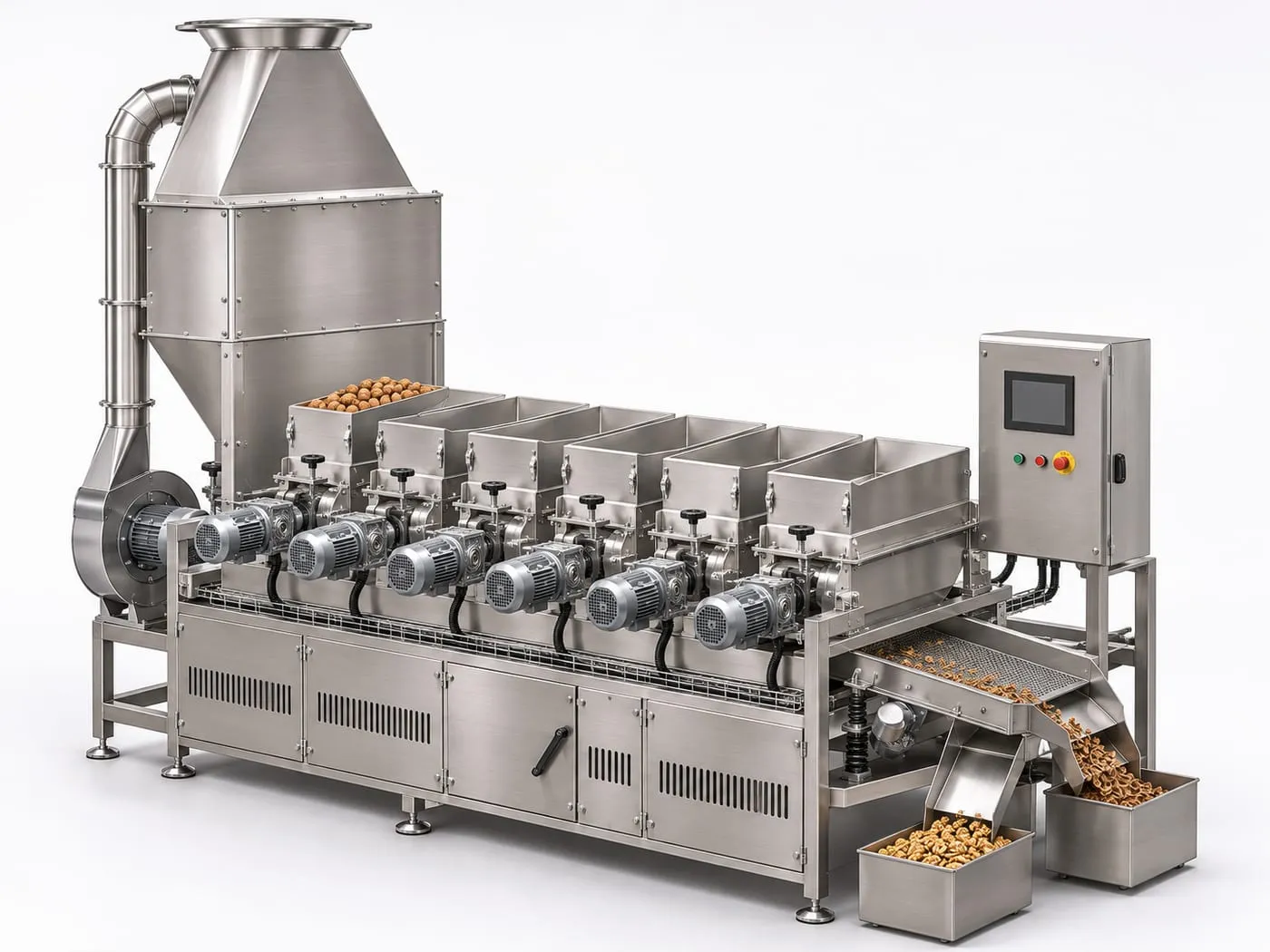
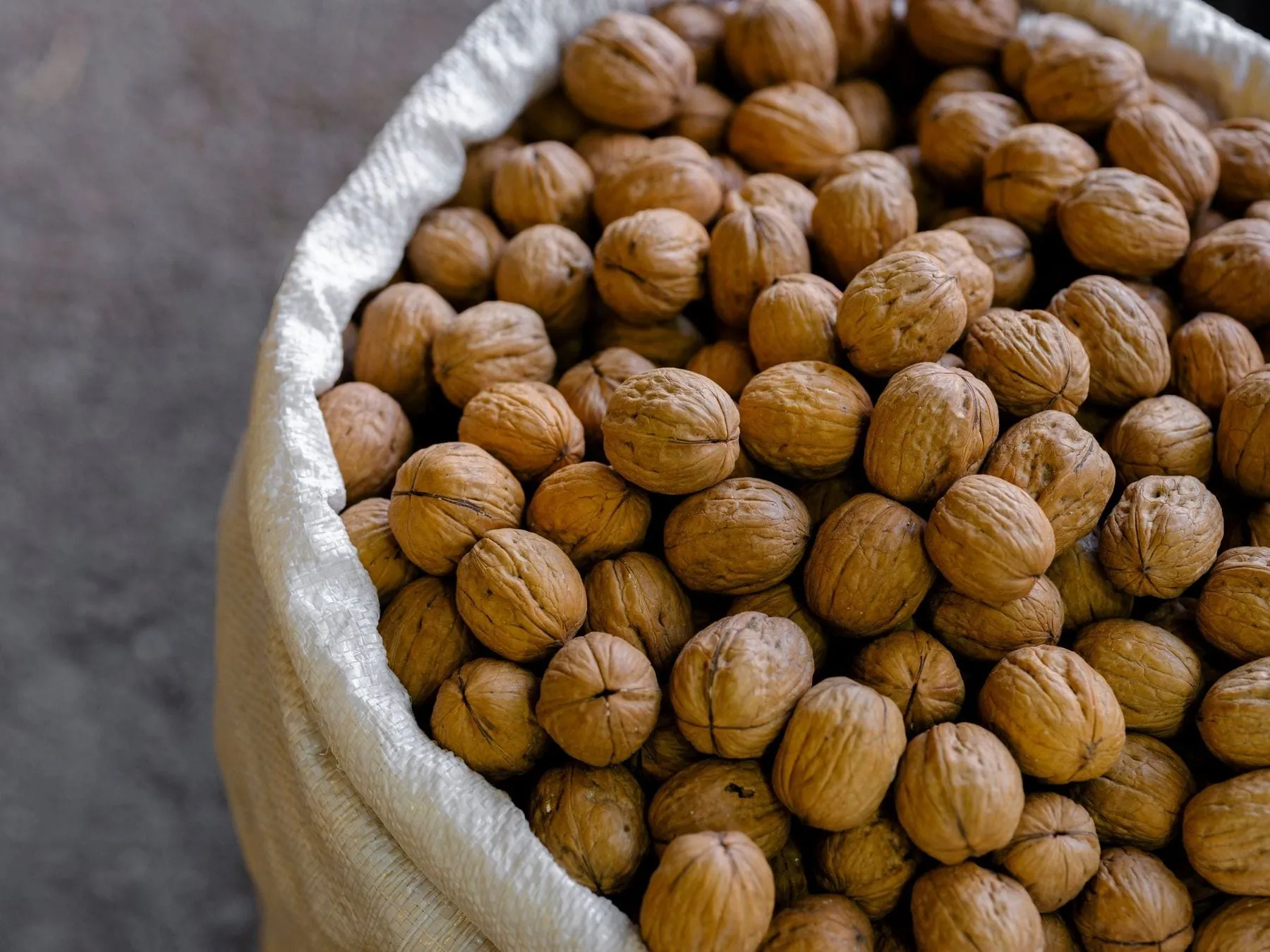
Short answer: A nut shelling machine cracks the hard shell of walnuts, almonds, peanuts, cashews and similar nuts and delivers a mix of shells and kernels for separation. The nut species, its moisture, and how carefully it has been size-graded decide the mechanism and the share of whole kernels you can achieve.
How it works
Nuts are fed from a hopper at a steady rate. In a roller cracker, they pass between two rollers set to a gap slightly smaller than the nut, which cracks the shell while trying to leave the kernel intact. In an impact sheller, a rotor throws the nuts against a ring or plate; the impact breaks the shell. Dedicated machines use cutting, pressing or splitting tools shaped for one nut type.
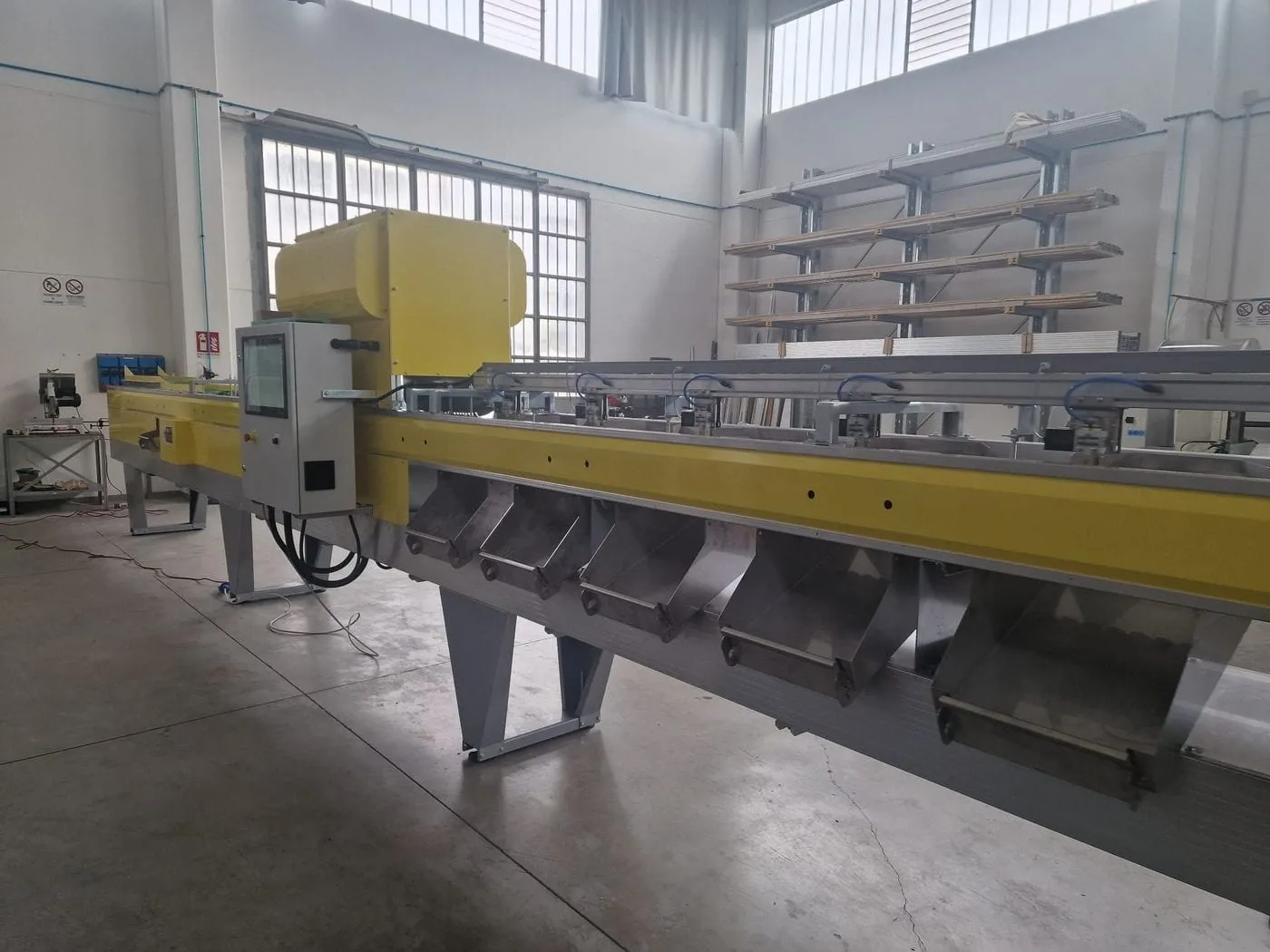
The output is a mix of shells, kernels and some uncracked nuts. Screens and an air aspirator remove most shell pieces; uncracked nuts can be returned to the sheller or to a second unit with a tighter setting. Final cleaning of kernels is often done on picking belts or with an optical sorter.
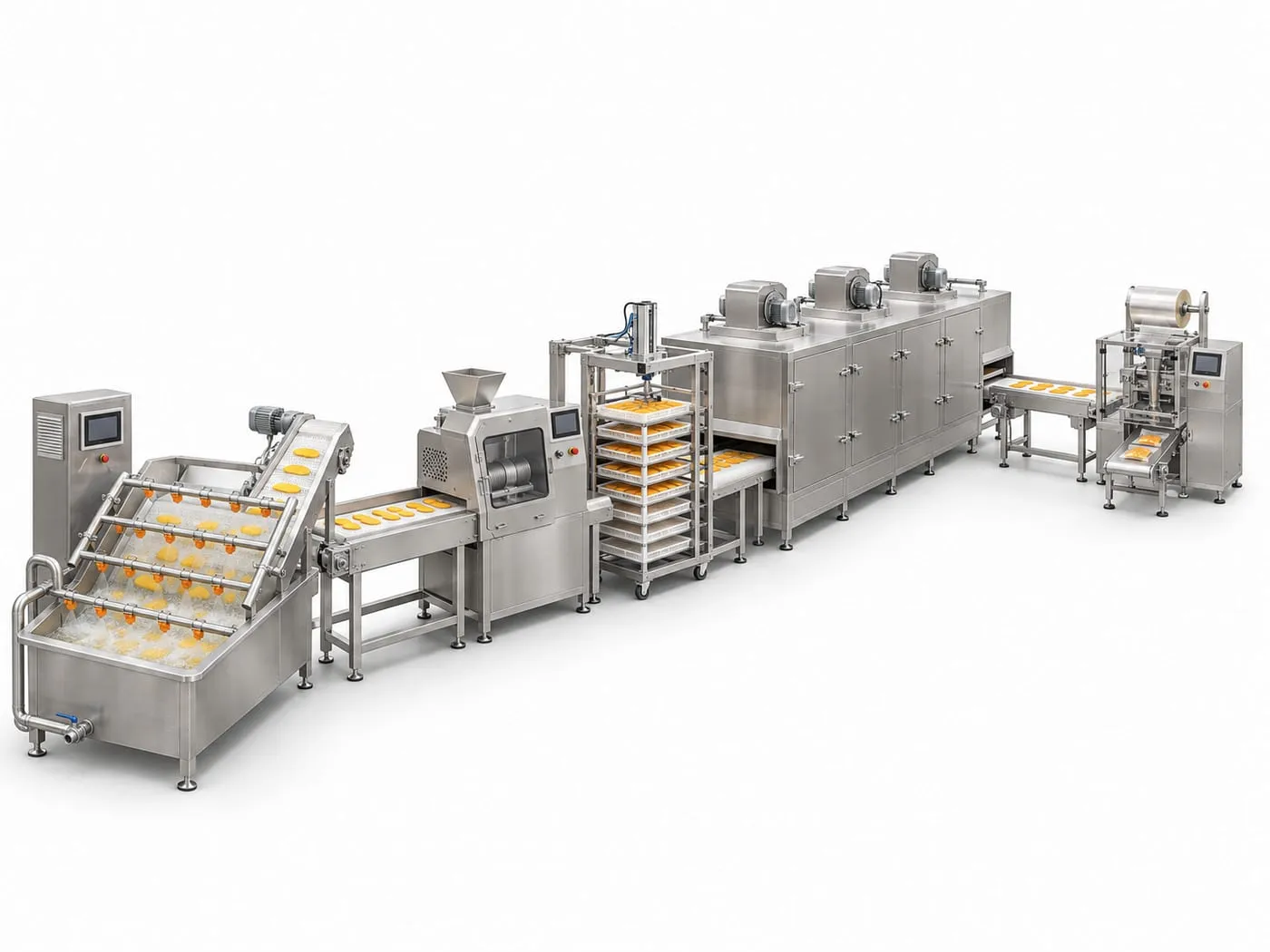
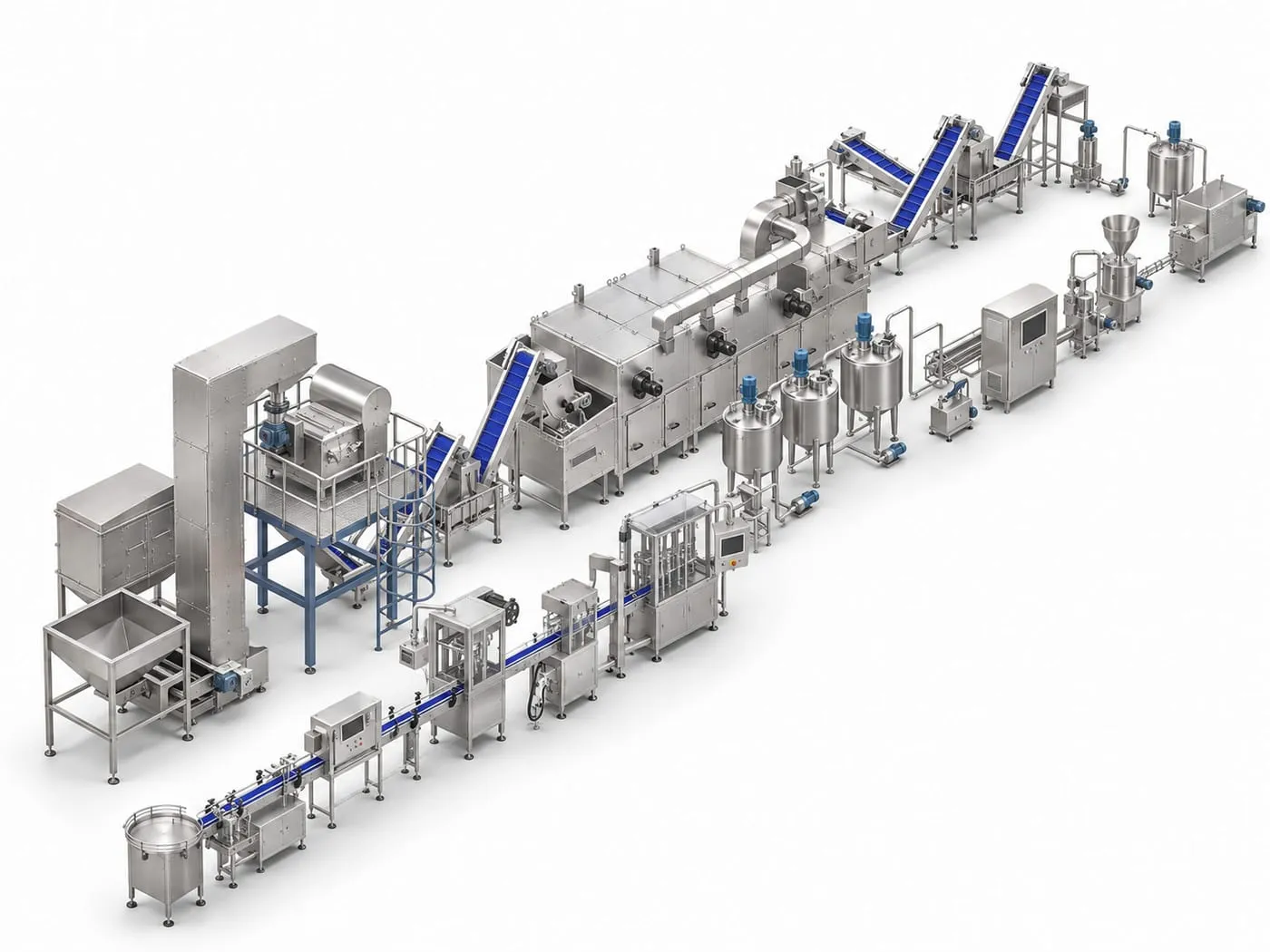
Cashews need their own cracking mechanism and careful handling of the caustic shell liquid (CNSL). HNFODA supplies dedicated cashew shelling configurations; for a full sequence from raw nut to graded kernel, see the cashew processing line.
Moisture is the setting buyers most often overlook. Shells that are too dry shatter into small fragments that are hard to separate, while kernels that are too moist bend instead of releasing cleanly. Some plants condition nuts with steam or water, or dry them, to bring them into the right range before shelling.
Which configuration fits
| Form |
Suits |
Watch out for |
| Roller cracker |
Peanuts, almonds, hazelnuts of uniform size |
Needs size grading; settings per grade |
| Impact sheller |
Hard-shelled almonds, apricot kernels |
More broken kernels if moisture is wrong |
| Dedicated mechanism |
Walnuts, pistachios, macadamia, pecans, cashews |
Single-purpose; tooling per nut type |
What we need from you to quote
- Nut species, variety and origin, with photos of nuts and kernels
- Moisture content at shelling and how nuts are stored
- Size range and whether you already grade them
- Target whole kernel share and acceptable unshelled rate
- Throughput measured on in-shell input (kg/h)
- What happens to kernels next: drying, roasting, packing, export
Where it sits in a line
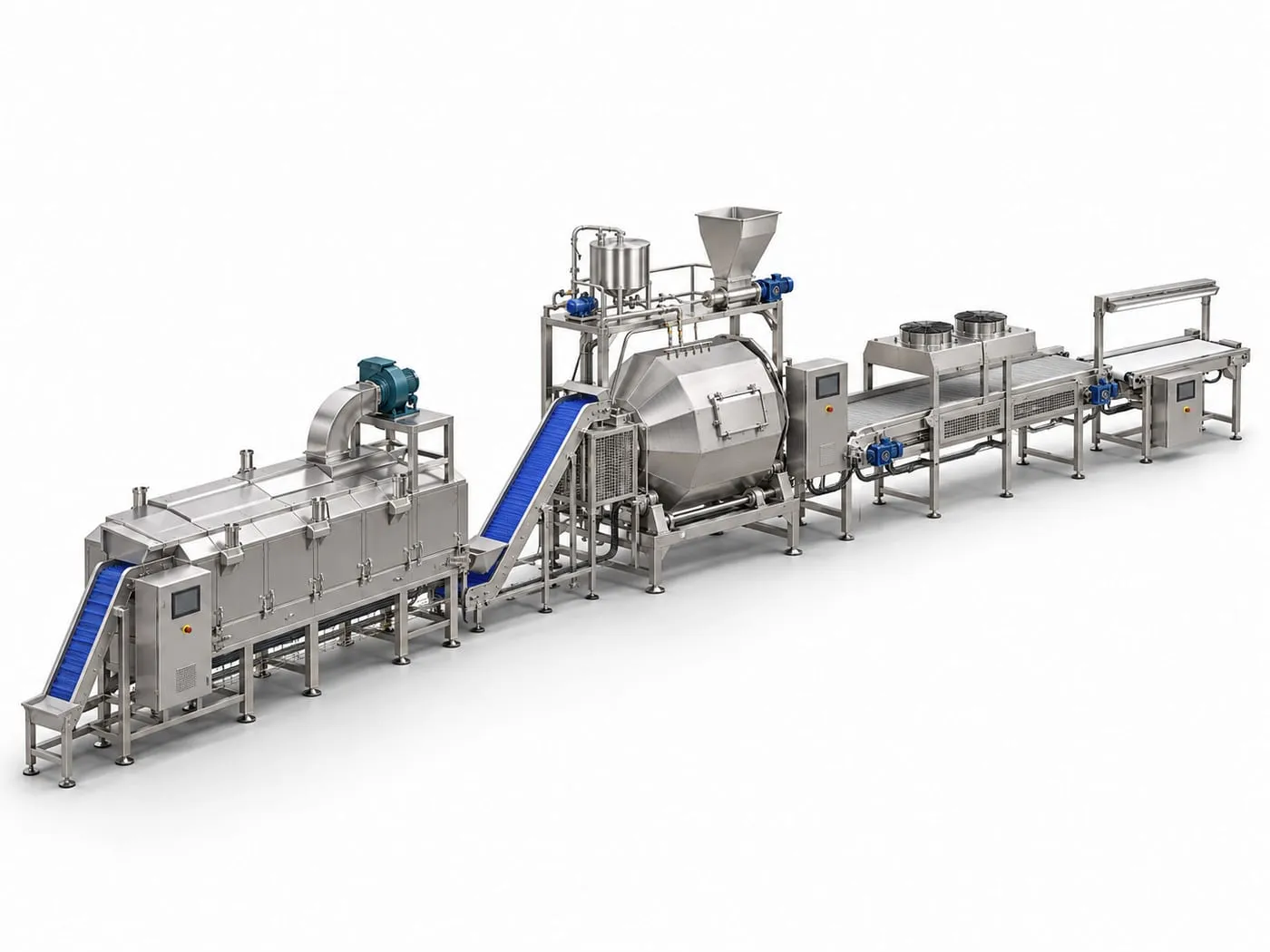
Before shelling, nuts are cleaned and graded; a sieve system similar to oilseed cleaning equipment can be used. After separation, kernels go to a grain optical sorter or picking belt, then to a nut roaster, nut skin peeling machine or packing.