Packaging & Inspection
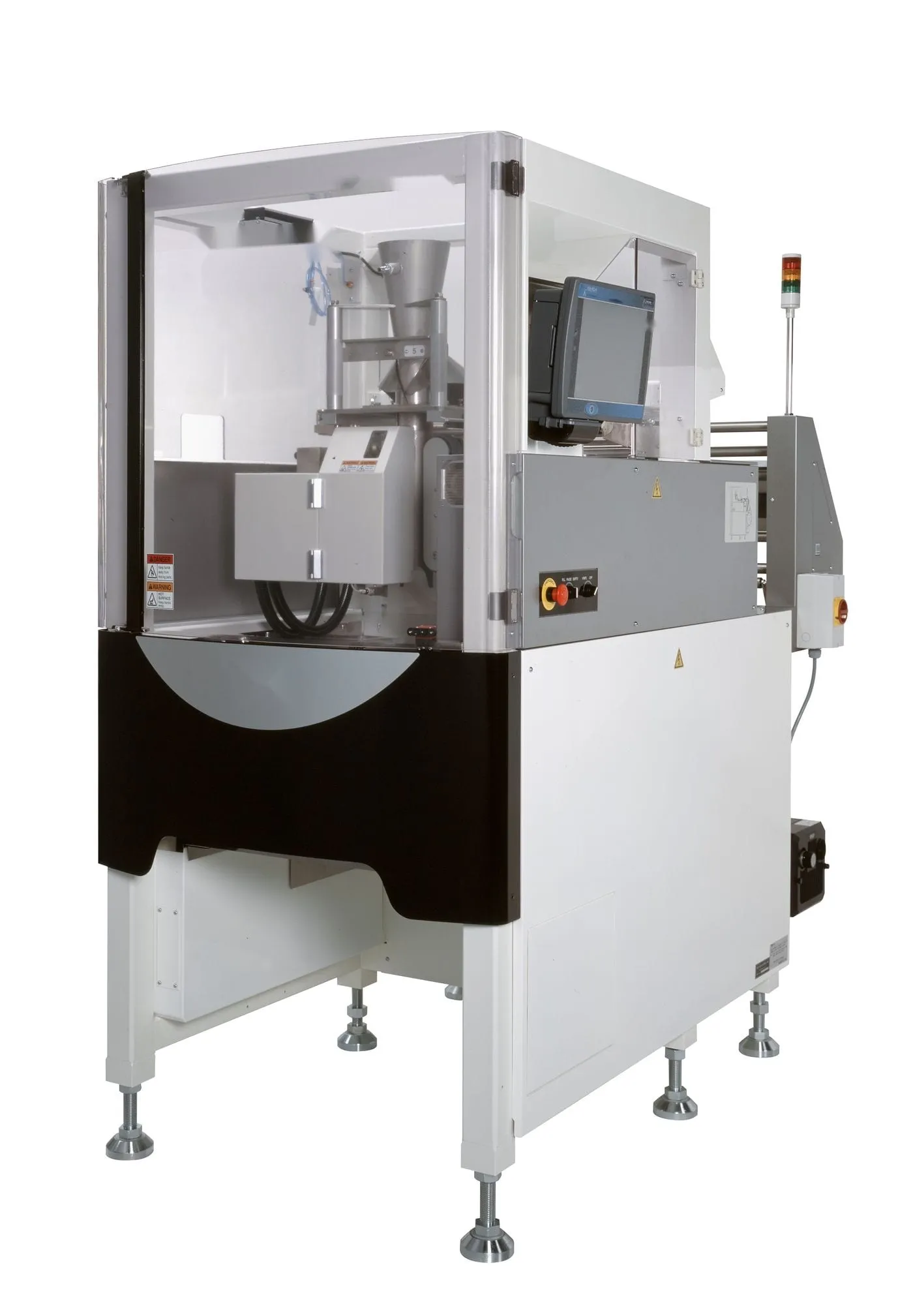
Vertical Form Fill Seal Machine
Snack, nut, frozen food, grain and powder producers moving from manual bagging to automatic packing.
Rated in finished bags per minute, set by bag length, fill weight and film


09 · Packaging & Inspection — Equipment
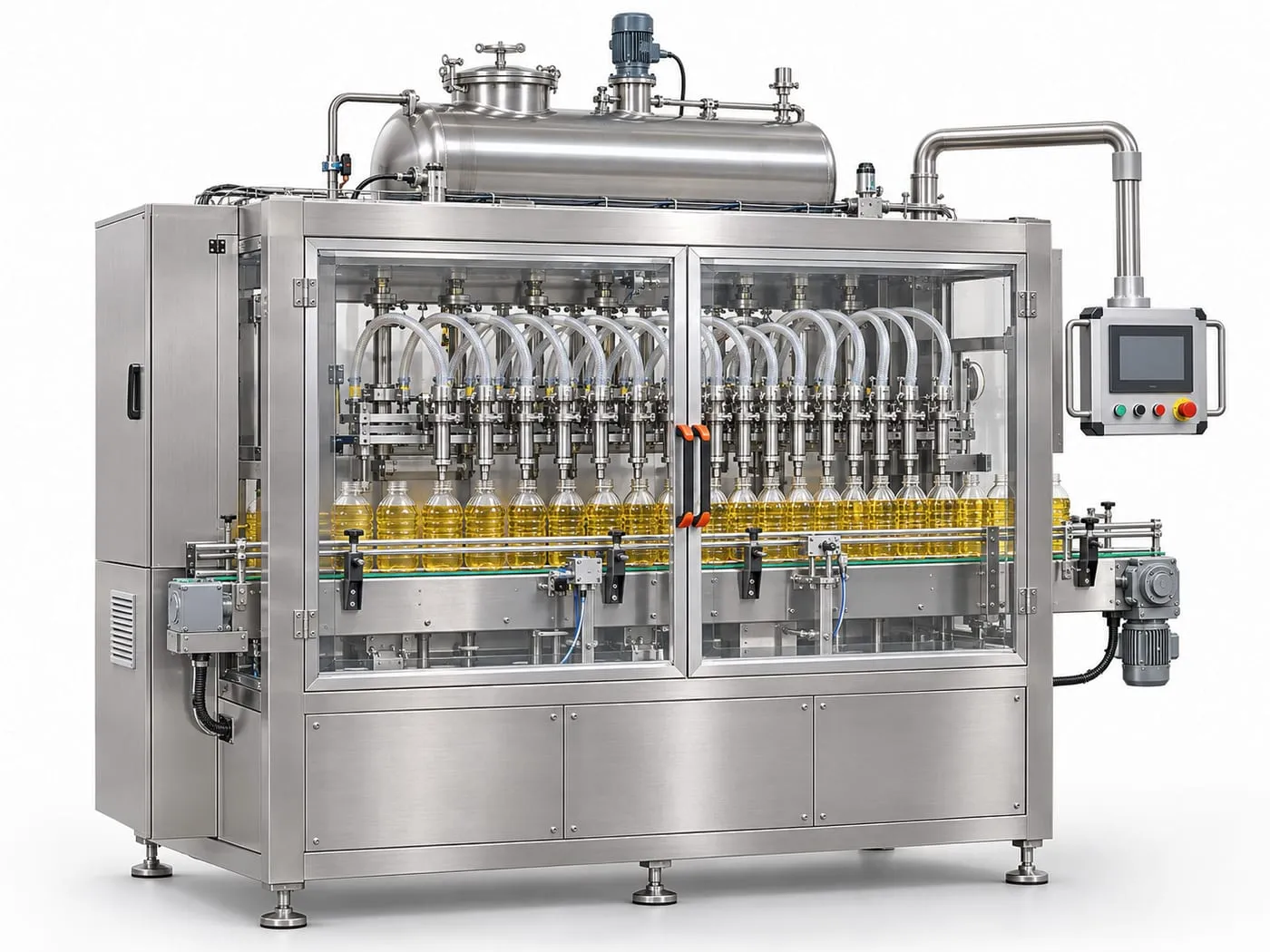
A filler that doses beverages, edible oil or sauces into bottles and jars, with the filling principle chosen by viscosity, particles and accuracy.
Short answer: A liquid filling machine doses a set volume or weight of product into bottles, jars or cans on a conveyor. The choice of filling principle — gravity, flow meter, piston or weighing — is decided mainly by viscosity, foaming, particles and the accuracy you need, followed by the container and whether the product is filled hot.
Containers enter on a conveyor and are positioned under the filling nozzles by a starwheel or gates. Product comes from a buffer tank. Depending on the principle, the nozzle opens for a set time at a set level (gravity), until a meter counts the target volume (flow meter), for one stroke of a piston (piston), or until a load cell reads the target weight (weigh filling). Nozzles may dive into the container to reduce foaming, then lift and shut off cleanly. Filled containers continue to capping, labelling and coding.
| Form | Suits | Watch out for |
|---|---|---|
| Gravity | Water, clear juices, thin liquids | Not for thick or particle products |
| Flow meter | Edible oil, thin liquids, frequent volume changes | Meter choice depends on product conductivity and type |
| Piston | Sauces, pastes, products with small particles | Seals wear; more parts to clean |
| Weigh filling | High-value products, large containers | Slower per nozzle |
Foam, temperature and particles all affect accuracy. Product sitting on the container neck can stop caps sealing properly.
The filler receives product from a juice processing line, sauce processing line or edible oil filter. A pasteurizer or jacketed cooking kettle often sits directly upstream, and a CIP cleaning system can clean tanks and filler pipework. After capping, an in-line checkweigher verifies fill.
Gravity
liquid flows from a tank by level; simple and gentle for thin, non-foaming products such as water or clear juice.
Flow meter
each nozzle meters volume electronically; suits edible oil and thin liquids where changeover between volumes is frequent.
Piston
a cylinder draws and pushes a set volume; handles thick sauces, pastes and products with small particles.
Weigh filling
each container sits on a load cell; used where fill weight must be precise or containers are large.
Our engineers check these points with you, so the quotation fits your site rather than a catalogue default.
Edible oil is commonly filled by flow meter or weigh filling, because both handle volume changes easily and are not affected by oil level in the tank. Temperature changes oil viscosity, so we ask about filling temperature as well.
Sometimes, but a filler is usually optimised for one viscosity range. A piston filler covers more ground, while gravity fillers only suit thin liquids. If you plan several products, list them all so we can find the best compromise.
Hot filling needs heat-resistant containers and parts that tolerate temperature. Aseptic filling is a much more controlled system involving sterilisation of product, containers and the filling zone. Tell us your shelf-life plan and we will advise on the right approach.
Tell us your raw material, finished product and target output. Our engineers reply with a matched configuration and quotation.
What to send with your inquiry
Email sales@hnfoda.com
What a small palm oil mill needs: sterilising, threshing, digesting, pressing, clarifying, utilities, sizing on fruit bunches and a quote checklist.
Plan a small milk plant: cooling, pasteurising, homogenising and filling equipment, sizing litres per day, cost drivers and a quote checklist.
Packaging & Inspection
Snack, nut, frozen food, grain and powder producers moving from manual bagging to automatic packing.
Rated in finished bags per minute, set by bag length, fill weight and film
Packaging & Inspection
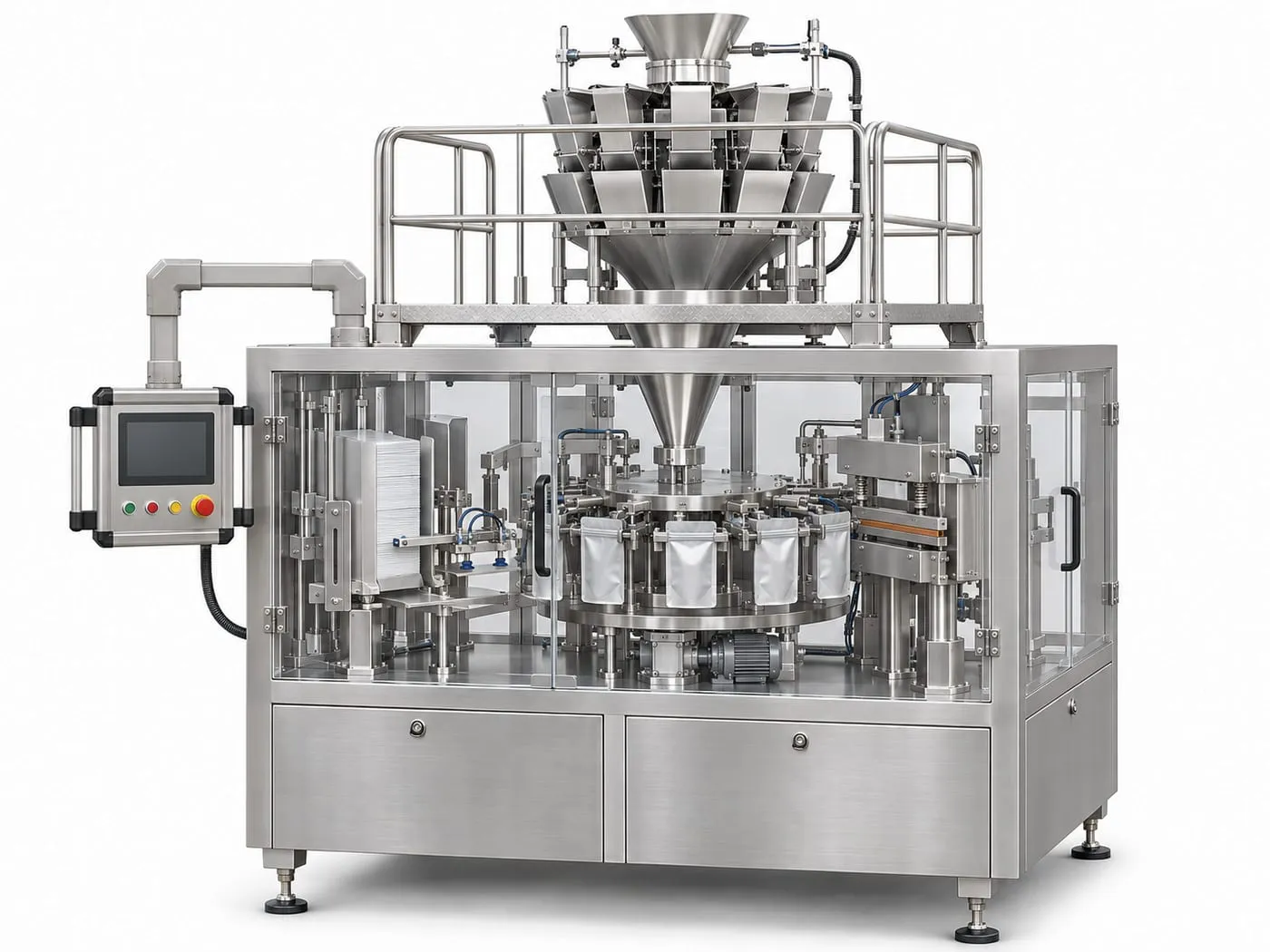
Brands and co-packers selling snacks, nuts, spices, sauces or pet food in stand-up and zipper pouches.
Rated in filled pouches per minute, set by pouch size, product and dosing
Packaging & Inspection
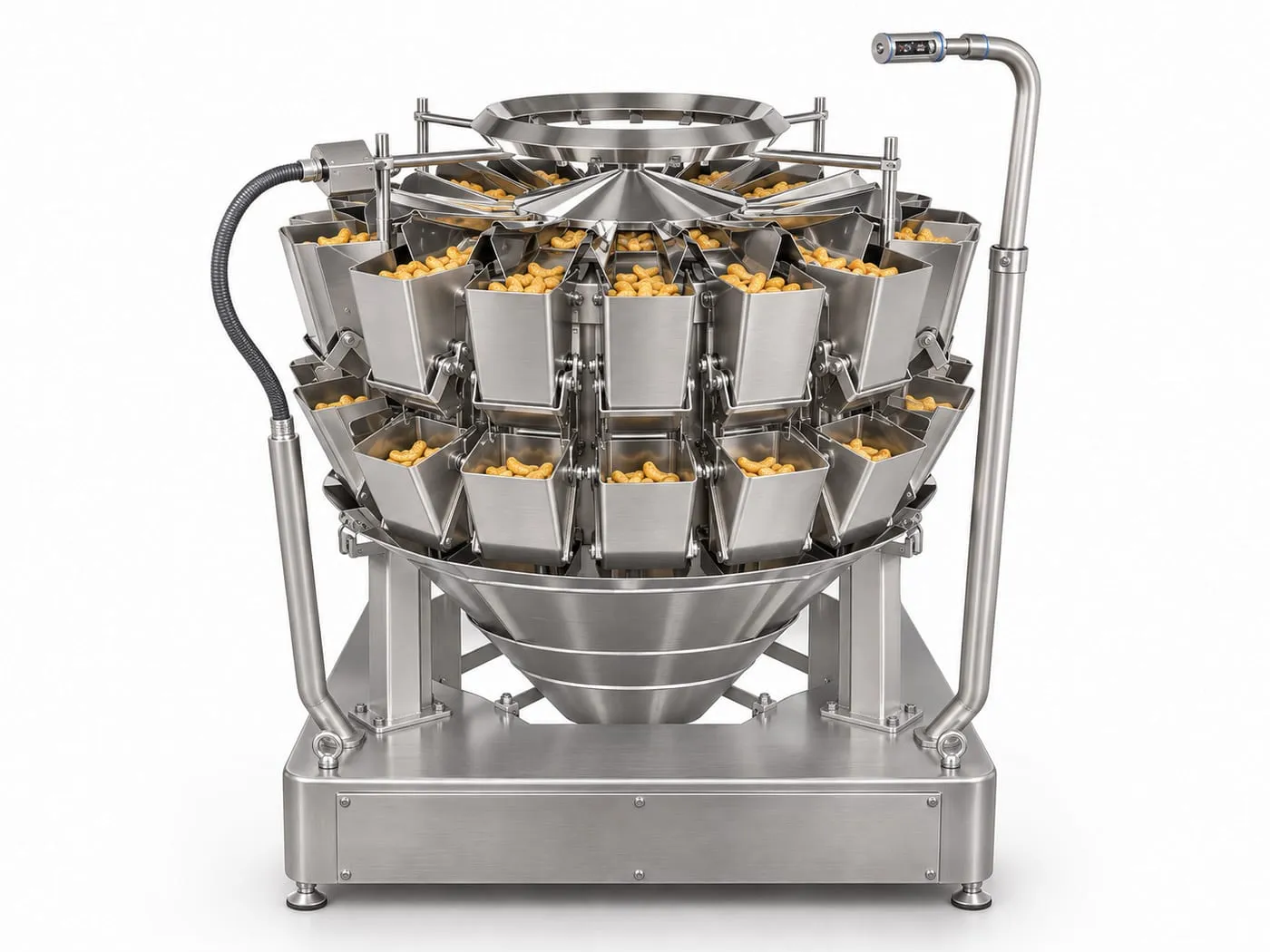
Snack, nut, confectionery, frozen and fresh food packers who need fast, accurate portions.
Rated in weighments per minute, matched to the packing machine
Packaging & Inspection
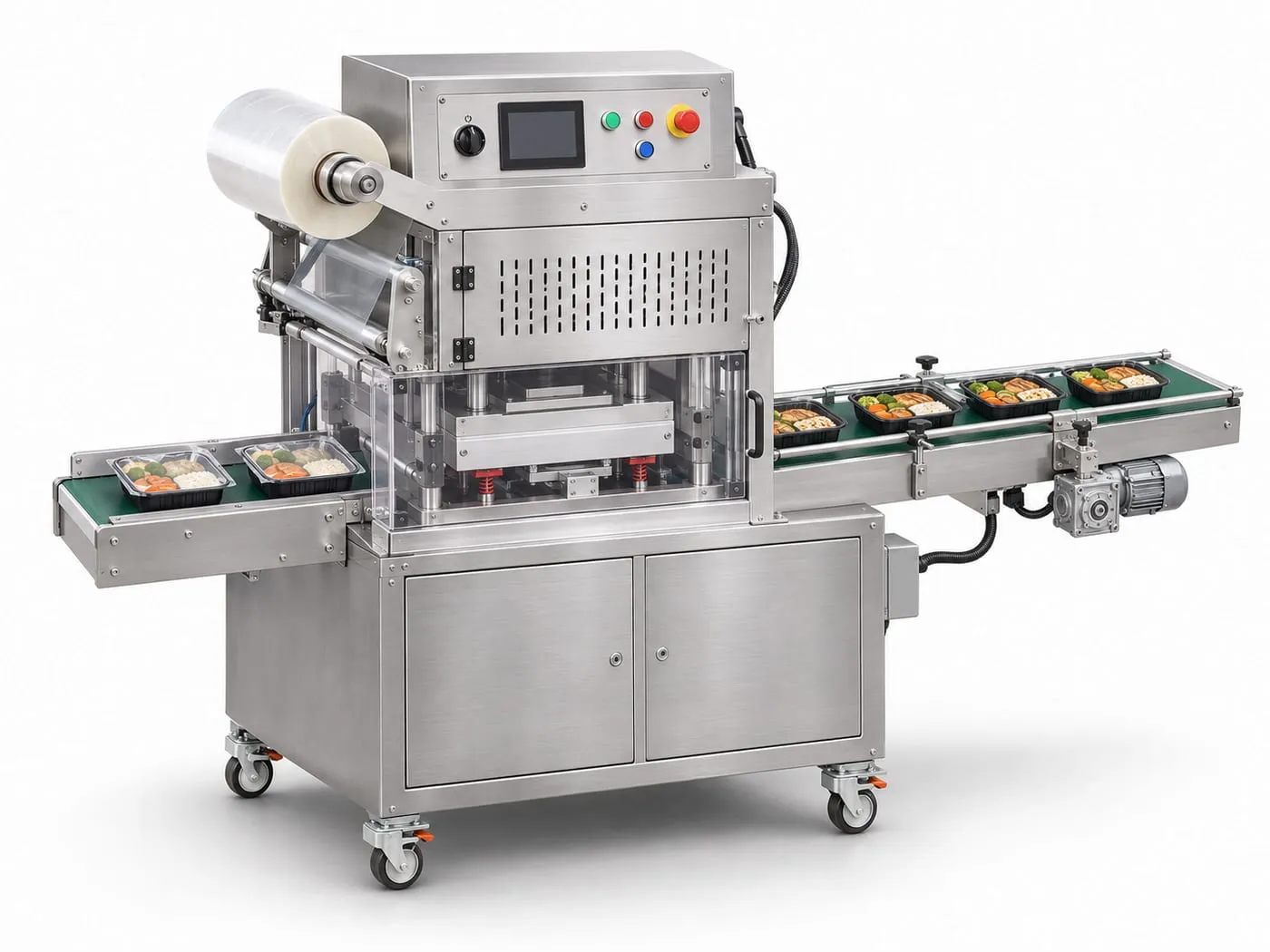
Ready meal, fresh-cut, meat and central kitchen operations packing in trays.
Rated in sealed trays per minute, set by tray size and sealing cycle