Guides
Small-Scale Milk Processing Plant: Cost, Equipment and Capacity Sizing
Plan a small milk plant: cooling, pasteurising, homogenising and filling equipment, sizing litres per day, cost drivers and a quote checklist.
- Prepared by
- HNFODA Applications Engineering
- Topic
- Guides
- Published
- Reading time
- 6 min read · 2 sources
On this page
- 01Why dairy is harder than other food businesses
- 02The process in six steps
- 03Batch or continuous: choose by volume
- 04Sizing: litres per day, not an average
- 05What drives the cost
- 06Planning notes for Kenya, India, Nigeria and the Philippines
- 07A sizing example
- 08What to prepare for a quotation
- 09Mistakes to avoid
Short answer: a small milk processing plant is more than a pasteuriser. It needs reception and cooling of raw milk, heat treatment, fast cooling afterwards, hygienic filling and a cold chain. Pasteurised milk keeps only a few days, so your market and delivery route decide success as much as the machines do. Size the plant in litres of raw milk per day (including seasonal peaks), start with batch pasteurising if volumes are small, and add a plate pasteuriser and homogeniser as the business grows.
Why dairy is harder than other food businesses
Practical Action’s briefs for small processors describe liquid milk as a difficult product for small enterprises: it demands careful control of hygiene, a relatively high capital outlay and short distribution channels, because the shelf life of pasteurised milk is only about 3 to 5 days. Milk is a low-acid food that contains all the nutrients bacteria need to grow, so hygiene is essential in all dairy processing. The same briefs list heating to 63 °C for 30 minutes as a way to pasteurise adequately, and note that higher temperatures and shorter times are used in larger commercial plants whose equipment is more expensive. Your national dairy authority may specify the time and temperature you must use, so confirm before you design the process.
The process in six steps
- Receive and test raw milk. Filter the milk, check quality and measure volume.
- Cool. The briefs say cooling slows the growth of bacteria but does not destroy them; they also note refrigerated coolers are expensive and often out of reach for very small processors, yet often essential for cottage or medium-scale plants.
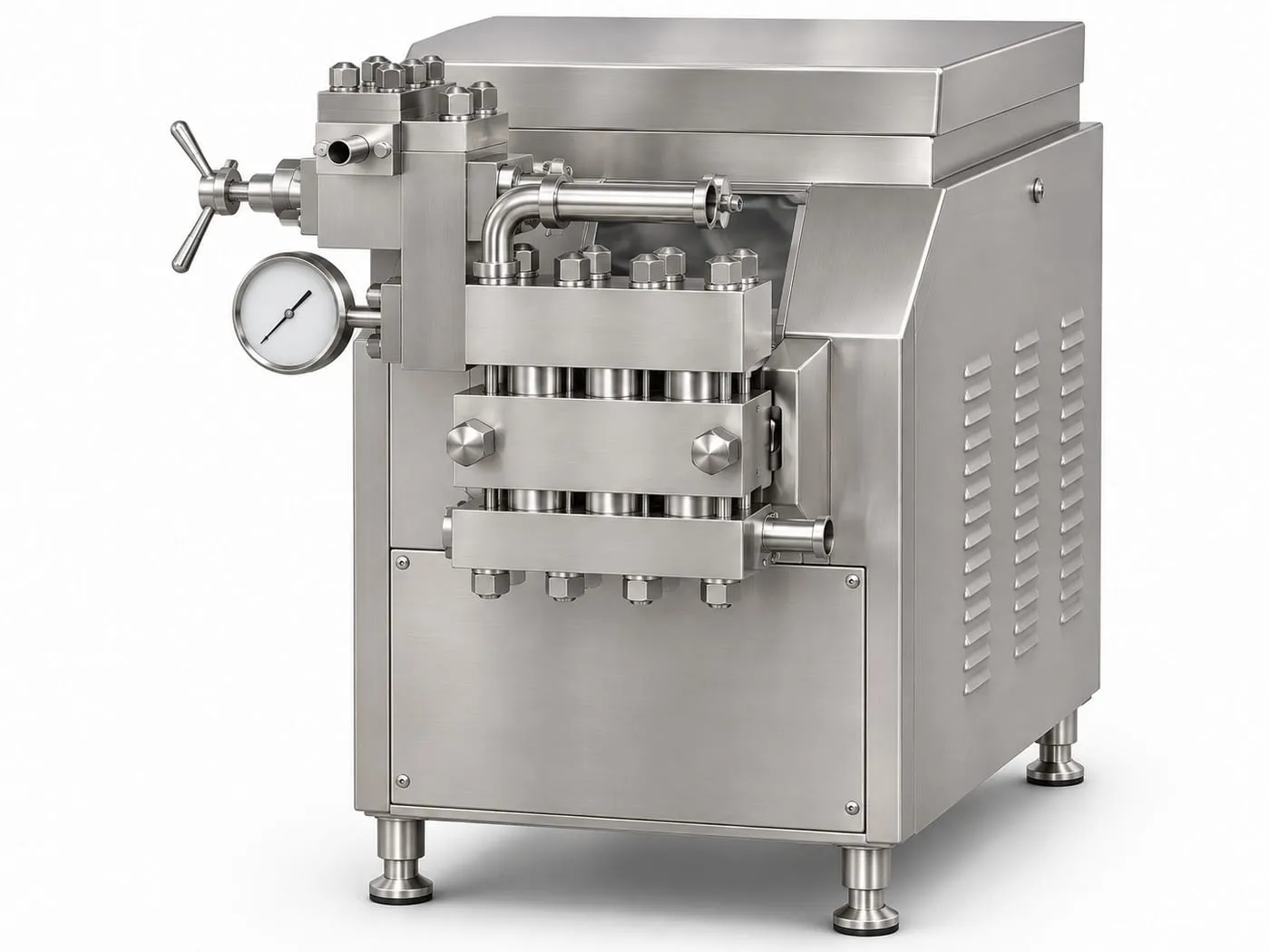
- Standardise and homogenise (optional). A food homogenizer gives a stable, uniform product.
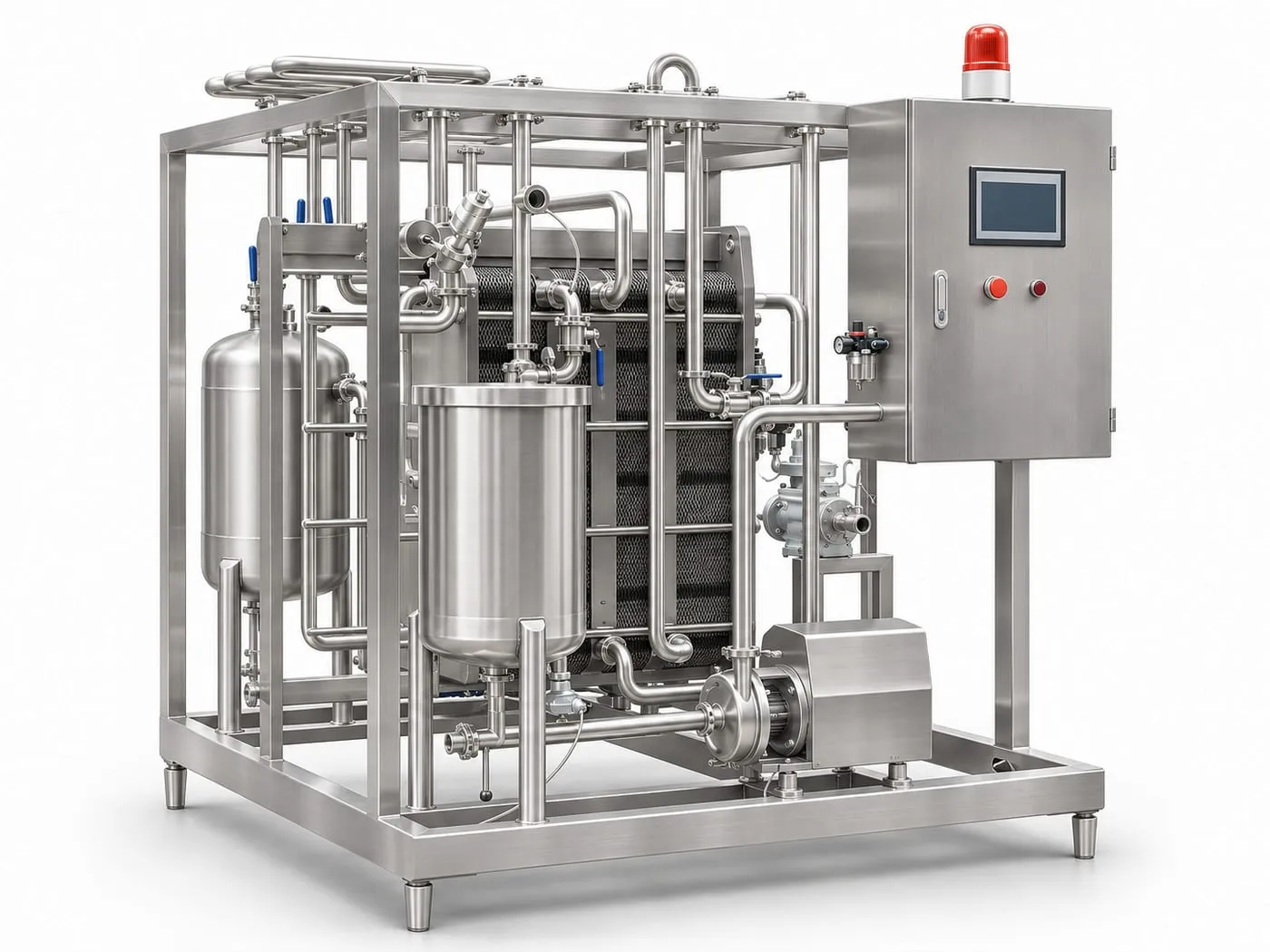
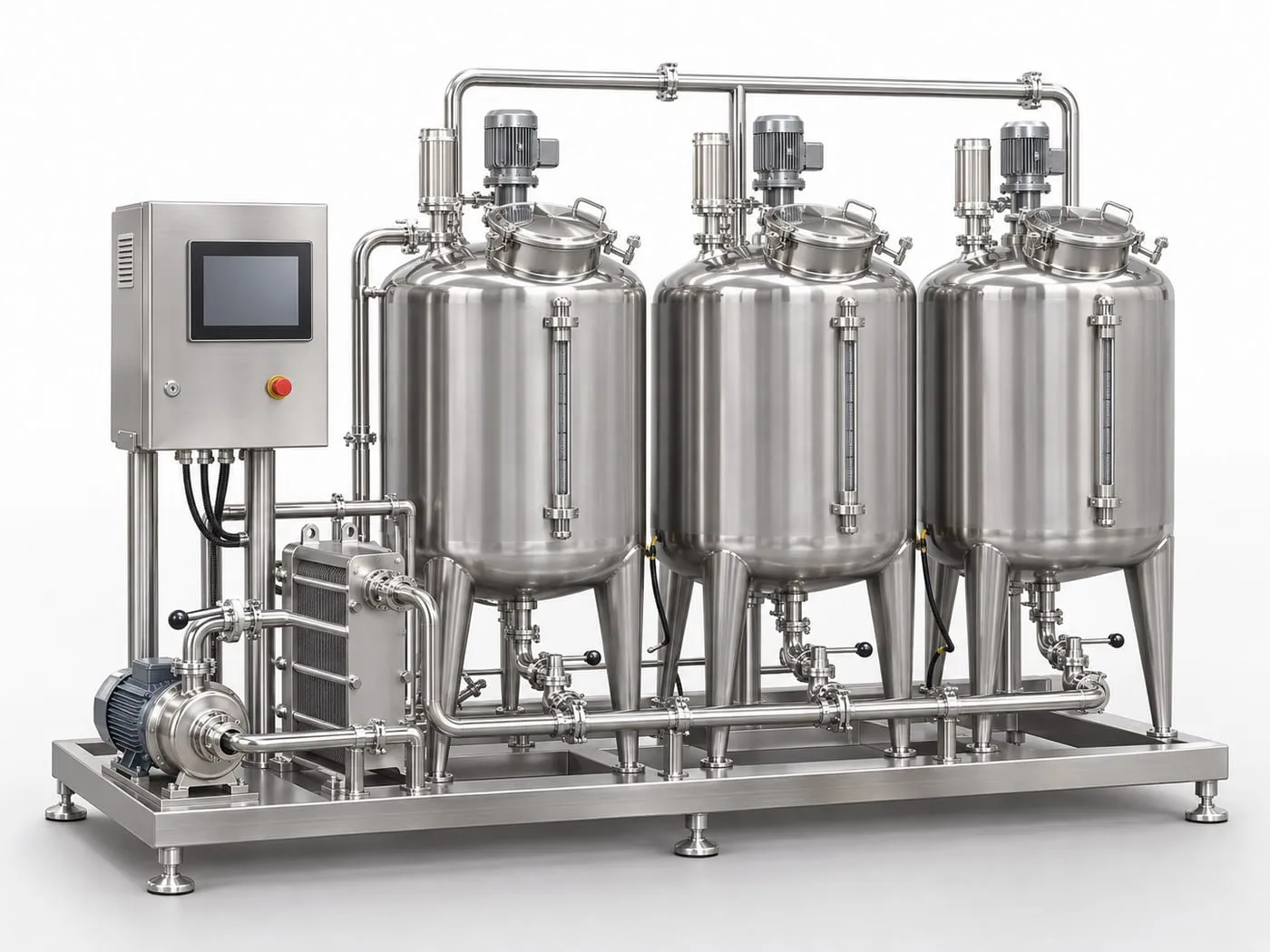
- Pasteurise. A pasteurizer heats the milk, holds it and cools it. Control of time and temperature is essential to get the expected shelf life.
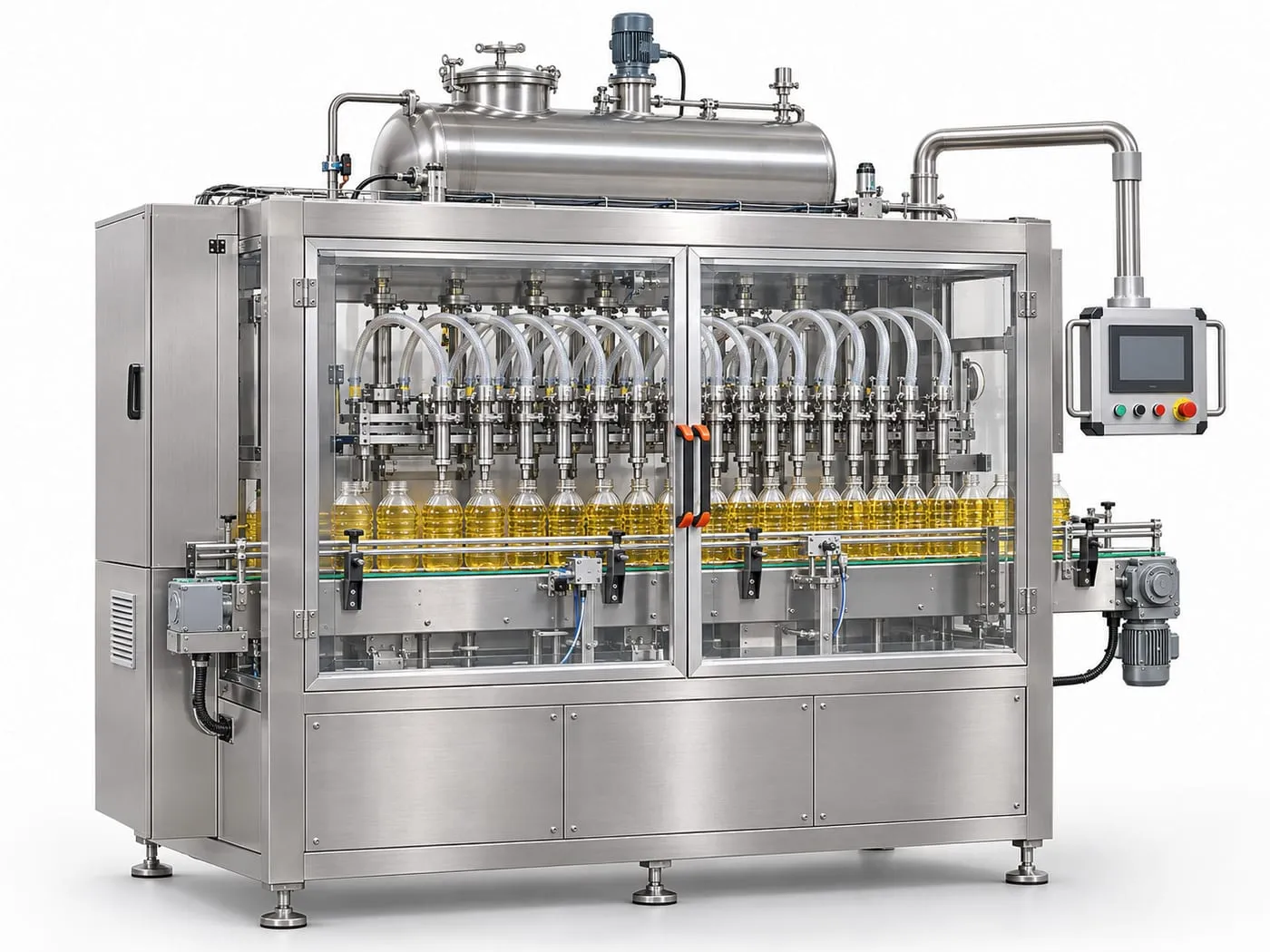
- Fill and seal. Bottles, pouches or cartons on a clean, sanitised filler. See liquid filling machine.
- Chill and distribute. Cold storage below 10 °C is advised in the Practical Action brief, with refrigerated transport on long routes.
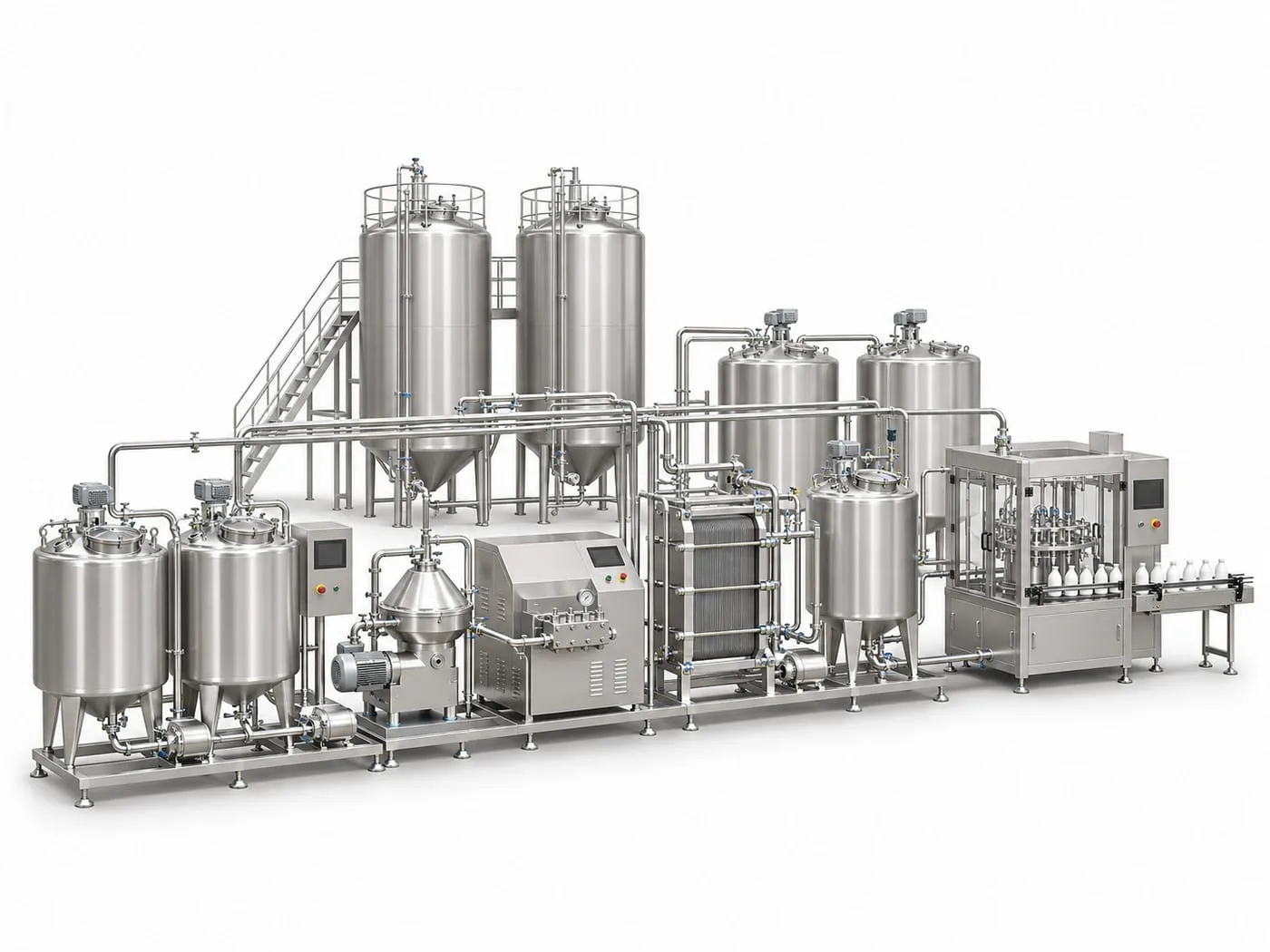
A line that includes all these stations is described on our dairy processing line page, with options for pasteurised milk, yoghurt and long-life milk. Clean-in-place equipment such as our CIP cleaning system keeps tanks and pipes hygienic as you grow.
Batch or continuous: choose by volume
| Option | How it works | Suits | Watch out for |
|---|---|---|---|
| Batch tank pasteuriser | Jacketed tank heats, holds and cools with stirring | Small volumes, several recipes, start-ups | Labour, longer cycles, cooling time |
| Plate pasteuriser | Continuous flow with heat recovery | Higher volumes of milk or similar liquids | Higher purchase price, needs steady supply |
| Pasteuriser plus homogeniser | Heat treatment plus fine fat dispersion | Flavoured milk, yoghurt, drinks | Extra cost, trained operator |
| In-pack heat treatment | Sealed packs heated in hot water | Special products, small batches | Slower, packaging must handle heat |
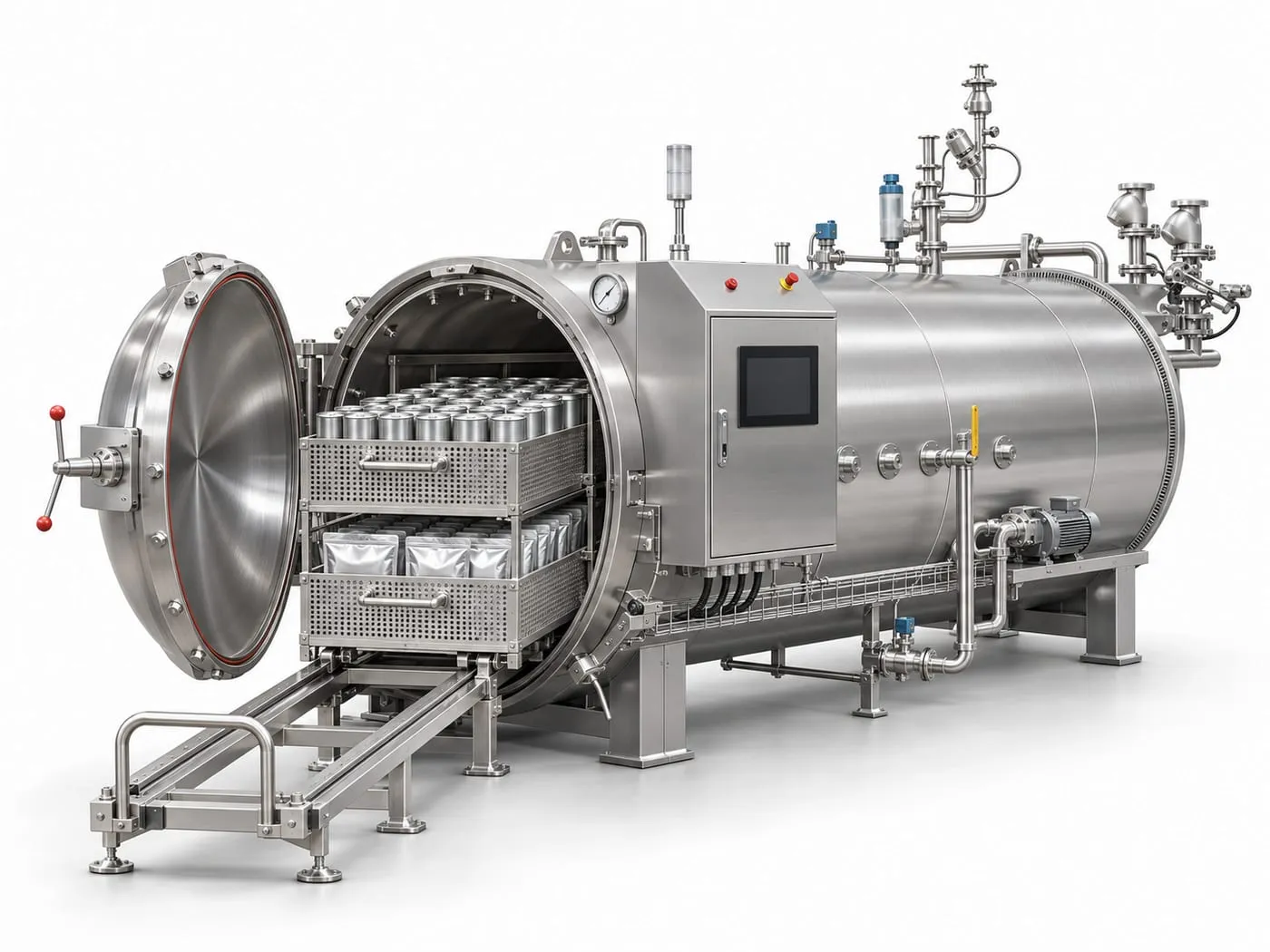
| Retort or UHT | Higher temperature for long shelf life | Ambient-stable milk and drinks | High capital and skills; see our food retort |
For a typical first plant, a batch pasteuriser with proper cooling and clean filling is a sensible starting point; a plate pasteuriser follows when volume and product range grow.
Sizing: litres per day, not an average
- Know your supply. How many litres per day arrive in the wet season and the dry season, and from how many suppliers?
- Know your sales. How many litres per day can you sell, and at what price and pack size?
- Pick the design day. Size the equipment to the busiest day you will actually process, and check it works at the lowest day.
- Include cooling. Cooling capacity and storage often limit a plant more than the pasteuriser does.
- Plan production hours. A batch-pasteurising dairy running several cycles per day needs trained staff and a cleaning window between batches.
- Plan growth. If you add yoghurt or cheese later, leave floor space and utilities.
What drives the cost
Public numbers for milk plants range from very small pasteurising units to large multi-million-dollar dairies, because they describe different plants. We do not publish prices; each plant is quoted to your volume and products. The main drivers are:
- Litres per day and the number of products.
- Cooling and cold storage. Chillers, ice-water systems and cold rooms are major items.
- Pasteuriser type and homogeniser.
- Filling and packaging. Bottles, pouches or cartons, and the packaging material cost.
- Cleaning and water. CIP systems, hot water and effluent handling.
- Utilities. Steam or hot water supply, power and a backup generator.
- Building and floors. Washable surfaces, drainage and separation of raw and finished areas.
- Laboratory and testing. Milk quality tests at reception and on the finished product.
- Working capital. Milk payments to suppliers, packaging, delivery vehicles and cold chain.
Planning notes for Kenya, India, Nigeria and the Philippines
- Milk collection. Many dairy areas rely on many small suppliers; plan reception, testing and payment systems.
- Seasonality. Supply swings between seasons; plan processing options (such as yoghurt) for peak months.
- Cold chain. Check roads, refrigerated transport and retail cooling before you promise a delivery radius.
- Regulation. Dairy is regulated in most countries; confirm licences, inspections and testing with your national authority.
- Hygiene. Water quality, sanitation, and staff training should be planned from day one.
A sizing example
Imagine a cooperative that collects 2,000 litres of milk per day in the wet season and 800 litres in the dry season, and expects to sell about 1,000 litres per day as pasteurised milk. A plant sized for 2,000 litres would sit mostly idle in the dry season, while a plant sized for 800 litres would waste surplus milk in the wet season unless the surplus has another use.
Options include sizing the pasteuriser for the sales target, buying more cooling and storage to hold surplus for a day, and adding a second product such as yoghurt so peak-season milk has a use. Another option is selling surplus milk to a larger processor. Each option changes the equipment list: cooling capacity, tank volume, the number of batches per day and the number of staff.
These numbers are an illustration of the method, not a recommendation for your cooperative. Collect real daily volumes for at least one full year if you can, and show the peaks and low points to your supplier. That data tells us more than a single daily average and lets us suggest a plant that suits your supply.
What to prepare for a quotation
- Products: pasteurised milk, flavoured milk, yoghurt, long-life milk or others.
- Litres of raw milk per day in the wet and dry seasons, and how milk is delivered.
- Target pack sizes and packaging type.
- Required pasteurising time and temperature under your rules.
- Available utilities: electricity (voltage, phases), water quality, steam or hot water, fuel.
- Site: building size, drainage and cold rooms.
- Cold chain and delivery plan.
- Delivery location and whether you need installation, training and CIP.
Send these through the contact page. For a complete dairy plant with building layout, ask about turnkey projects.
Mistakes to avoid
- Buying the pasteuriser first. Without cooling, filling and cold storage, the product spoils.
- Ignoring seasonal swings. Plants sized for the peak sit half-empty in the dry season.
- Poor cleaning plans. Dirty tanks and lines destroy shelf life.
- No market. Pasteurised milk needs customers within a short distribution window.
- Skipping local rules. Dairy licences and tests take time to obtain.
Frequently asked questions
- How much does a small milk processing plant cost?
- It depends on litres per day, whether you only pasteurise or also make yoghurt and long-life milk, the level of automation, and the building and cooling you need. Published figures range from very small units to multi-million projects, so we quote per project once we know your volume, products and site.
- What is the minimum equipment for pasteurised milk?
- Raw milk filtering, cooling, a pasteuriser (batch tank or plate), fast cooling after heating, filling and sealing into clean packs, and cold storage. Add a homogeniser if you want a stable, uniform product or cream line control.
- Batch or plate pasteuriser?
- Batch tanks heat, hold and cool in one jacketed vessel and suit small volumes and several recipes. Plate pasteurisers work continuously with heat recovery and suit higher volumes of one product. Choose by daily litres and variety of recipes.
- How long does pasteurised milk keep?
- A Practical Action brief for small processors gives a shelf life of about 3 to 5 days for pasteurised milk, kept cold. Your own results depend on hygiene, packaging and storage temperature, so test your product.
- Do I need a homogeniser?
- Not for basic pasteurised milk, but a homogeniser makes fat distribution uniform and improves stability for cream-line control, flavoured milk, yoghurt and drinks. We can advise once we know your products.
Sources
- [1]Pasteurised milk (Technical Brief) — Practical Action
- [2]Dairy Processing (Technical Brief) — Intermediate Technology Development Group (Practical Action)
HNFODA Applications Engineering
Line design, product trials and commissioning
Engineers who size, build and commission HNFODA food processing lines, writing from the questions buyers ask before a quotation. About HNFODA