Edible Oil Processing
Sesame Oil Production Line
Oil mills and food companies producing roasted sesame oil, cold-pressed sesame oil or traditional sesame aroma oil.
Sized to sesame seed input (kg/h or tonnes per day)

03 · Edible Oil Processing — Equipment
Removes suspended solids from crude oil after pressing so it is clear enough to sell, store or refine. Plate and frame, leaf, bag and polishing filters.
Short answer: An edible oil filter removes the fine solids that crude oil carries out of the press, so the oil can be sold as filtered pressed oil, stored, or sent to a refinery. The solids content, the oil viscosity at its working temperature, how fine the filtration must be and how you discharge the filter cake decide which filter suits you.
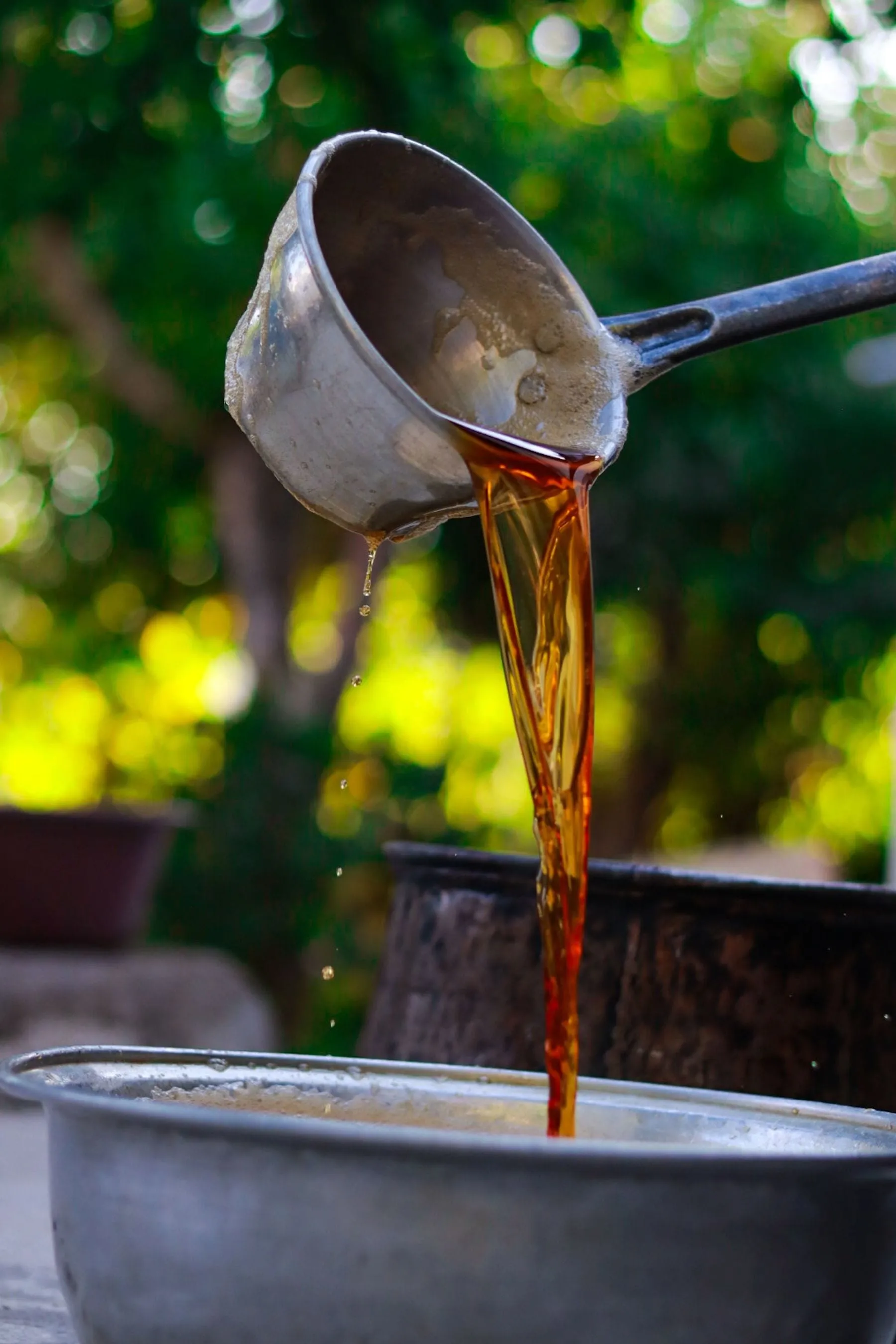
Crude oil from the press usually goes into a settling tank first, where heavier particles sink. The partly clarified oil is then pumped into the filter.
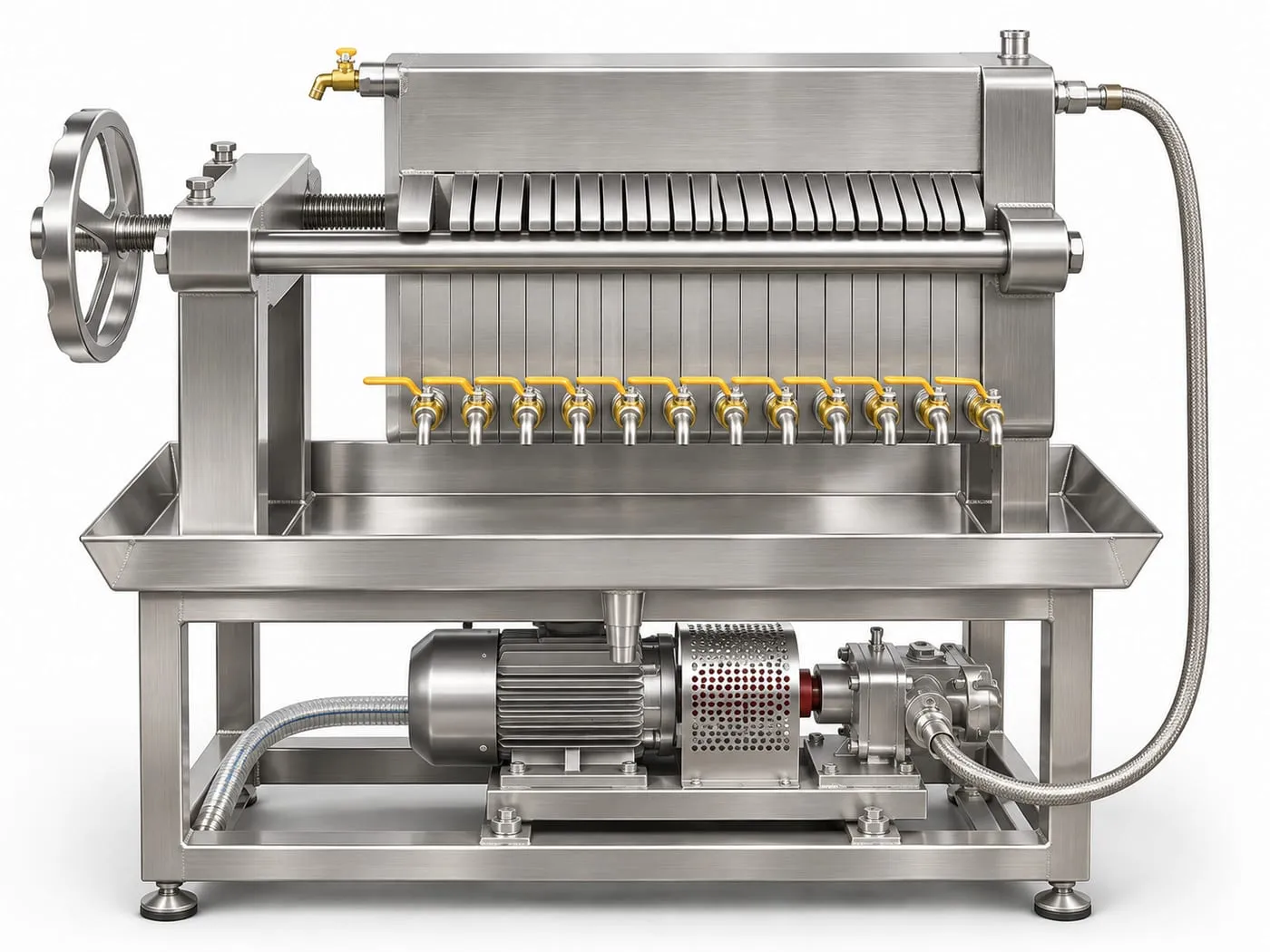
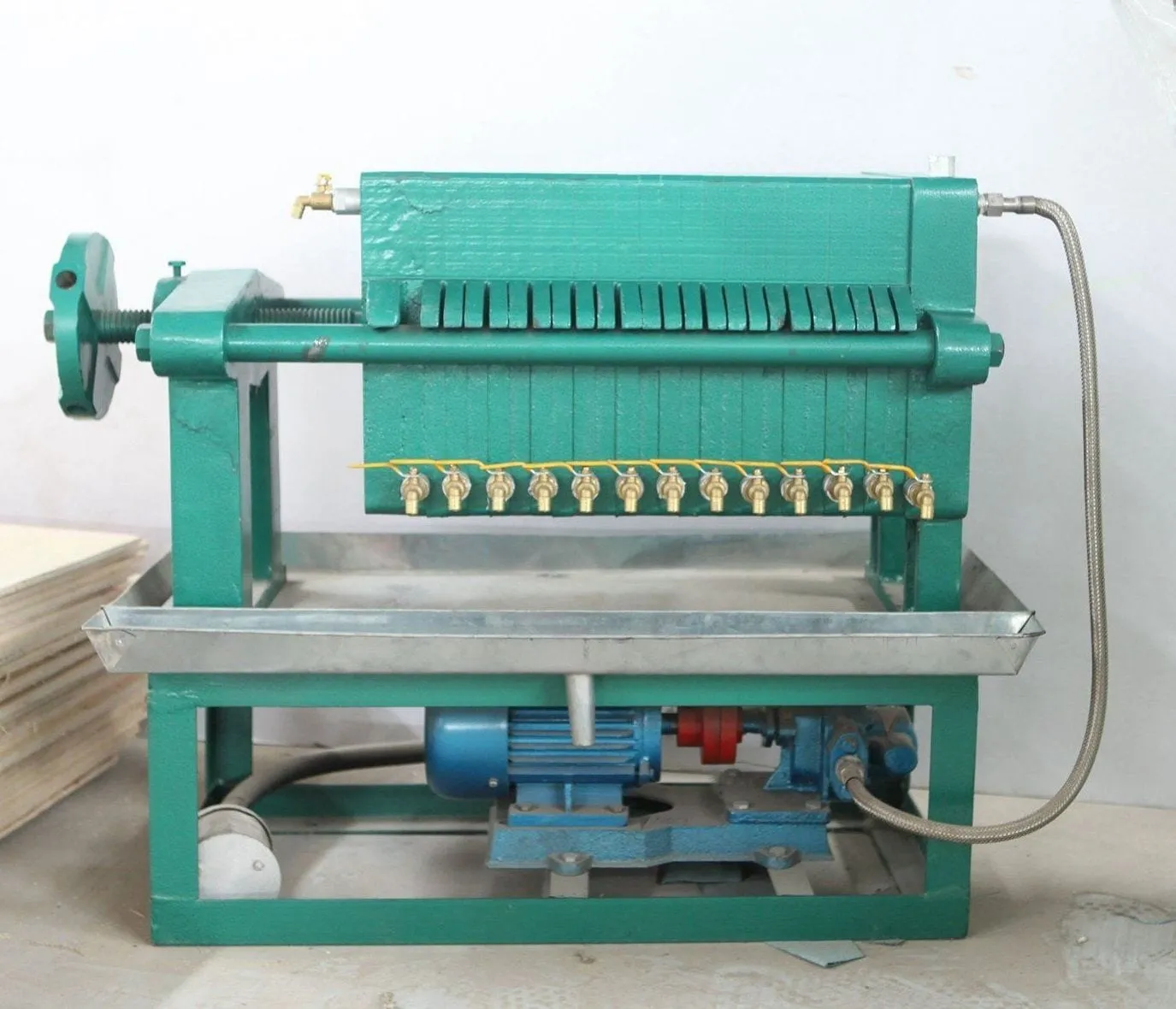
In a plate and frame filter, plates covered with filter cloth are clamped together; oil is pumped into the chambers between them, the solids build up as a cake on the cloth, and clear oil runs out through channels in the plates. When the cake fills the chambers, the press is opened and the cake removed. A leaf filter works on the same principle inside a closed vessel, with vertical leaves that can be cleaned by vibration or back-flushing. Bag and cartridge filters catch remaining fine particles in a replaceable element.
Pressure rises as the cake builds, so filter area and cleaning interval are sized together.
| Form | Suits | Watch out for |
|---|---|---|
| Plate and frame | Small and medium mills, mixed oils | Manual cake removal and cloth cleaning |
| Leaf filter | Larger, more automated plants | Higher purchase cost |
| Bag filter | Low solids, second stage | Bags blind quickly with heavy solids |
| Polishing combination | Bottled pressed oil needing high clarity | Two stages to maintain |
The filter follows a screw oil press or hydraulic oil press. Filtered oil is filled with a liquid filling machine or sent to an edible oil refining line. It is also part of a sesame oil production line.
Plate and frame
filter cloths between plates hold the solids; low cost and flexible, cleaned by hand.
Leaf filter
filter leaves in a closed vessel; less manual handling, solids discharged by vibration or flushing.
Bag filter
replaceable filter bags in a housing; simple for low solids or as a second stage.
Polishing filter combination
a coarse filter followed by a fine cartridge or bag for a bright, clear oil.
Our engineers check these points with you, so the quotation fits your site rather than a catalogue default.
Many small and medium mills use a plate and frame filter press after a settling tank, sometimes followed by a bag or cartridge filter for a brighter oil. Leaf filters suit larger, more automated plants.
Warm oil is thinner and filters faster, but too much heat speeds oxidation. The best temperature depends on the oil type; we recommend a range for your oil.
It still contains oil. Many mills return it to the press with fresh seed or mix it with press cake. Your plan for it affects the filter type and layout.
Tell us your raw material, finished product and target output. Our engineers reply with a matched configuration and quotation.
What to send with your inquiry
Email sales@hnfoda.com
Start a cooking oil business: choose pressing, filtering and refining equipment by scale, plus aflatoxin control, cost drivers and a quote checklist.
What a small palm oil mill needs: sterilising, threshing, digesting, pressing, clarifying, utilities, sizing on fruit bunches and a quote checklist.
Edible Oil Processing
Oil mills and food companies producing roasted sesame oil, cold-pressed sesame oil or traditional sesame aroma oil.
Sized to sesame seed input (kg/h or tonnes per day)
Edible Oil Processing
Oil mills and edible oil brands that buy or press crude oil and sell refined cooking oil.
Sized to crude oil input (tonnes per day)
Edible Oil Processing
Small and medium oil mills, cooperatives and edible oil brands pressing their own oil.
Sized to oilseed input (kg/h or tonnes per day)
Edible Oil Processing
Small oil workshops and specialty oil producers pressing sesame, walnut, cocoa or other high-value oils.
Sized to seed or paste charge per batch (kg) and cycles per hour