Guides
How to Start a Cooking Oil Business: Pressing, Filtering and Refining Equipment by Scale
Start a cooking oil business: choose pressing, filtering and refining equipment by scale, plus aflatoxin control, cost drivers and a quote checklist.
- Prepared by
- HNFODA Applications Engineering
- Topic
- Guides
- Published
- Reading time
- 6 min read · 2 sources
On this page
Short answer: most cooking oil businesses start small: seed cleaning, a screw press, settling and filtering, and bottling. Refining is a separate and much larger investment, so add it only when your market or your oil type demands it. Viability depends on three things before the machines: a reliable seed supply, enough working capital to stock seed through the year, and safe storage against mould and aflatoxin.
Step 1: choose the oil and check the market
Practical Action’s guide to small-scale oilseed processing says the most common seeds suitable at small scale are sunflower, sesame and mustard. It lists typical oil contents of about 25–40 percent for sunflower, 35–50 percent for sesame and 40–45 percent for rape or mustard seed, and notes that oils like these need little or no refining. It also stresses that many crude oils are not suitable to eat until refined, and that refining involves considerable extra equipment cost.
Questions to answer first:
- Which seed can you buy locally, at what price and in which months?
- Which oil do your customers already buy, and in what pack size?
- Do local rules require registration, labelling or analysis of oil and cake?
- Can you sell the cake (the press residue) as animal feed or another by-product?
The same guide notes that small plants make sense where bottled oil from large refineries does not reach remote areas, where transport raises prices, or where farmers sell seed and buy oil back without the cake. Check the local regulatory environment too, because oil processing can be a regulated sector in some countries.
Step 2: build the process around the seed
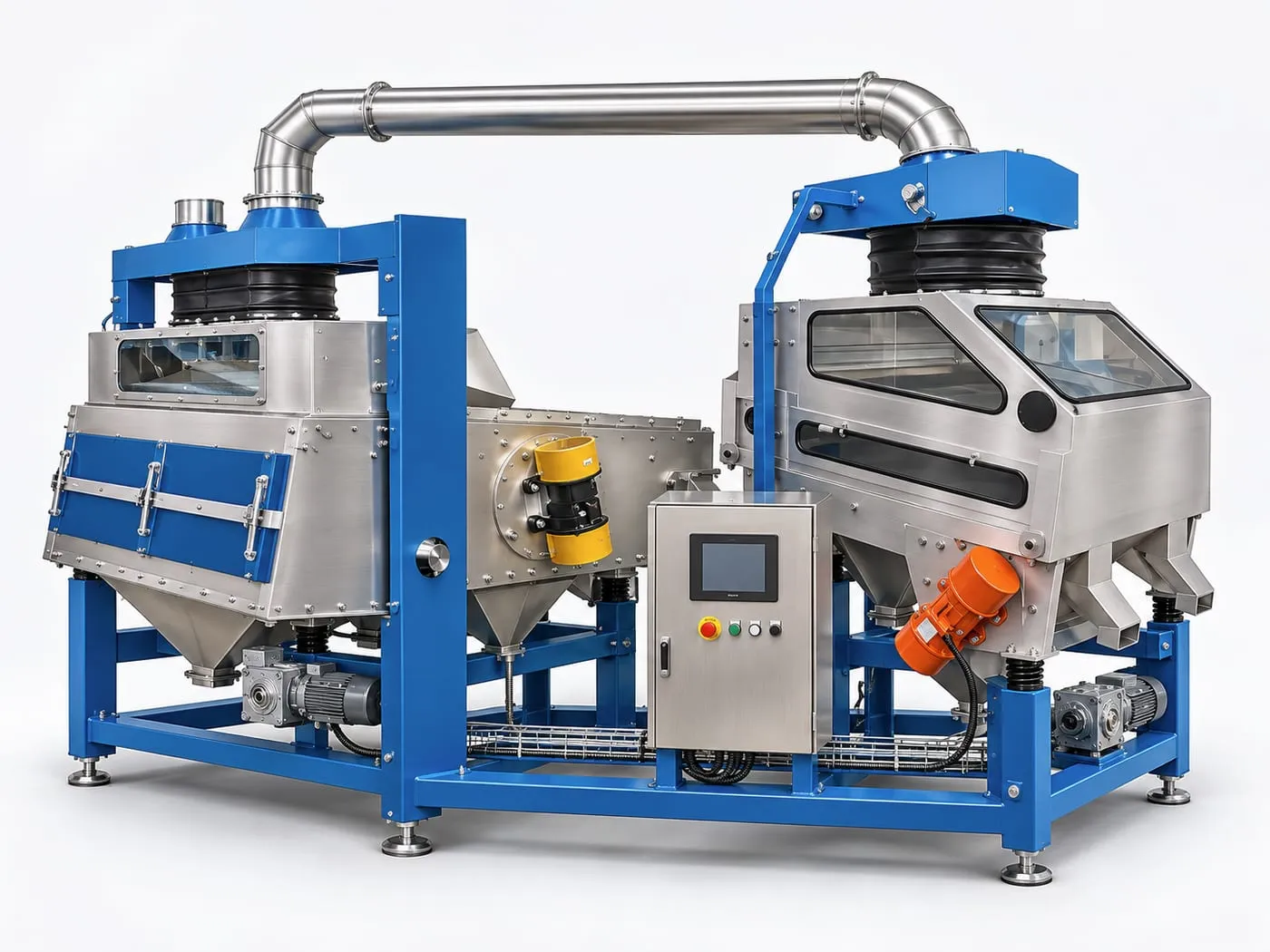
- Cleaning. Remove stones, soil, leaves and broken seed with oilseed cleaning equipment. Clean seed protects the press and the oil.
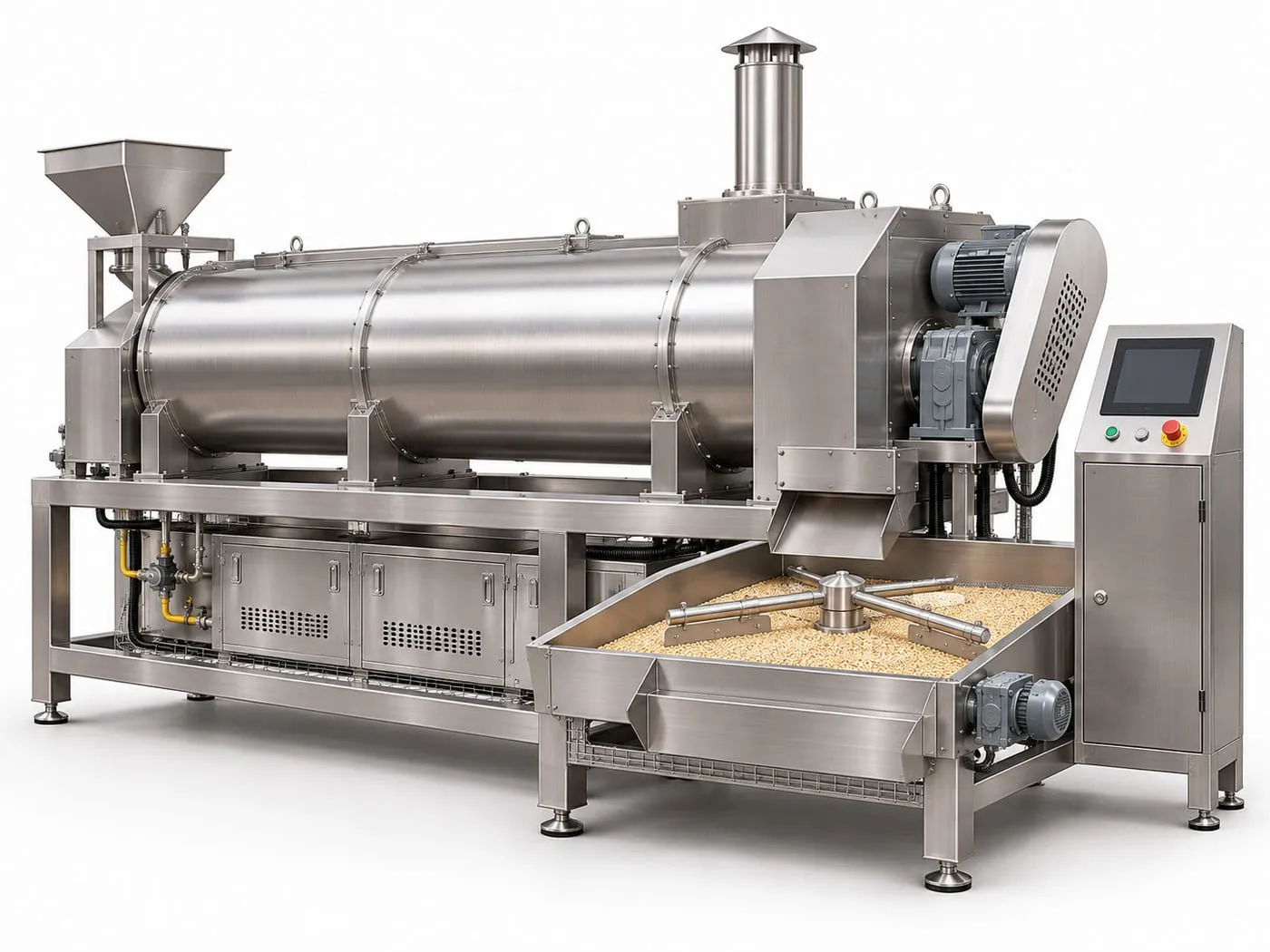
- Conditioning or roasting. Some seeds are heated before pressing; a roaster or cooker sets flavour and oil release. See the oilseed roaster.
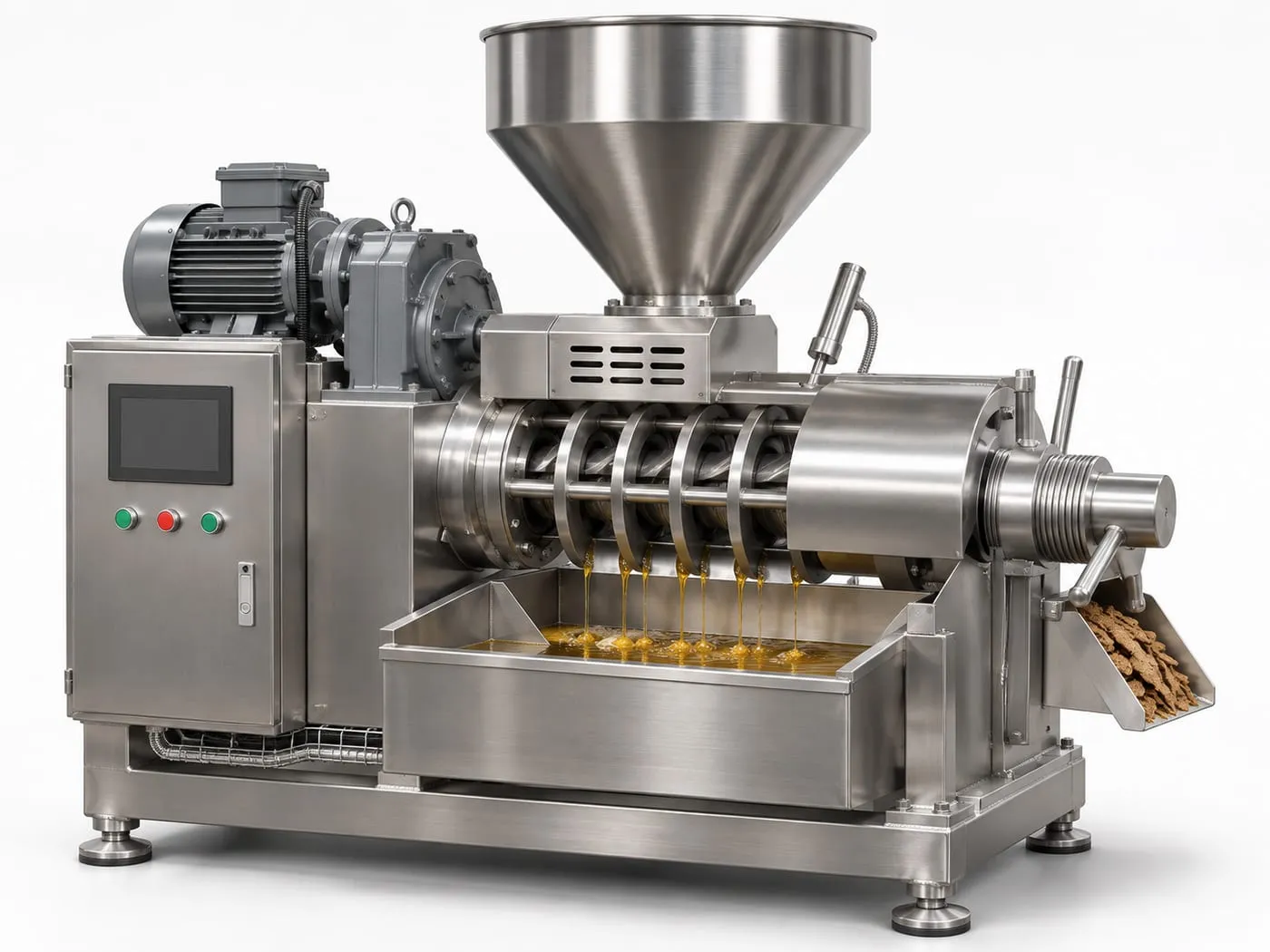
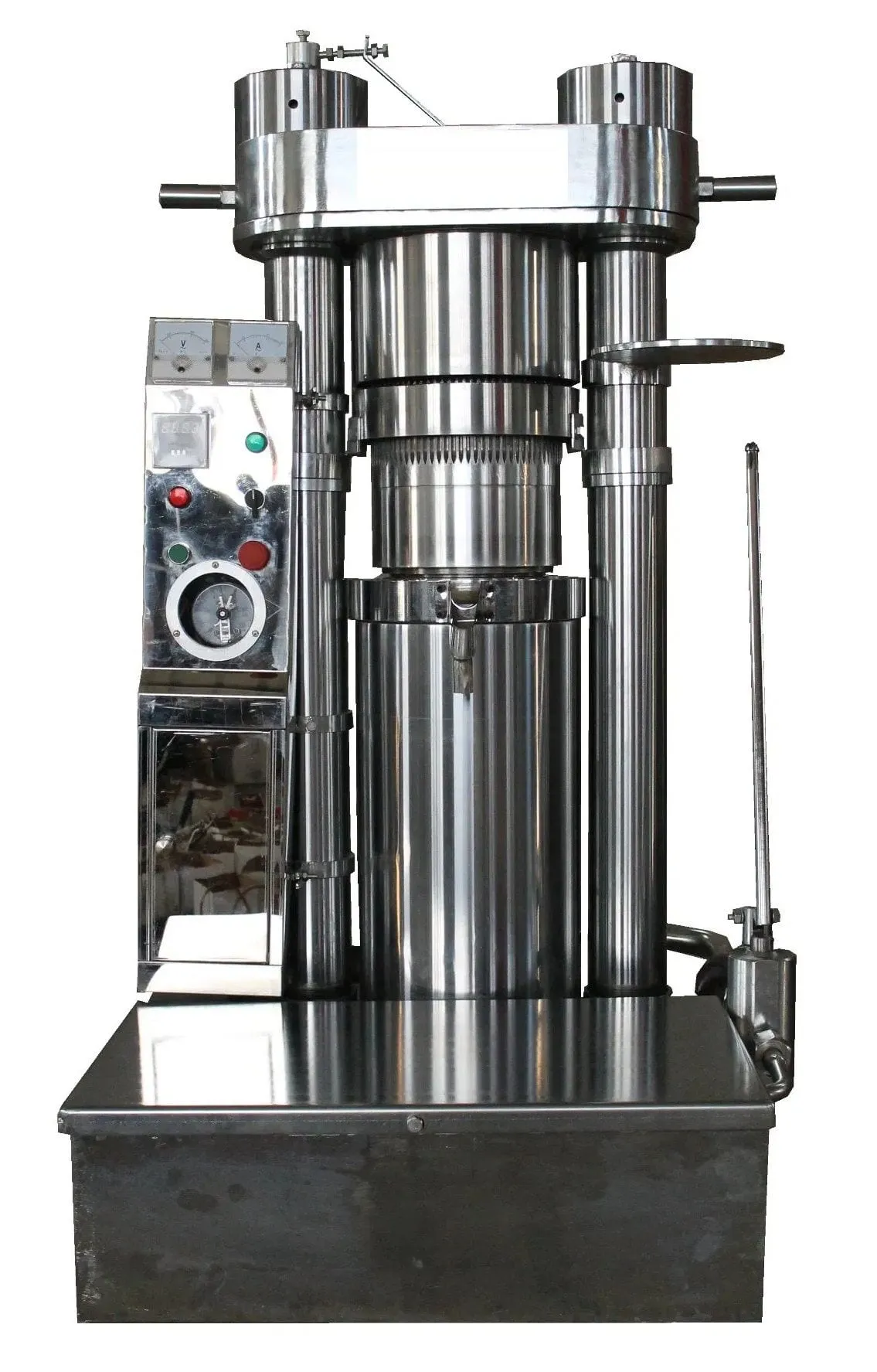
- Pressing. A screw oil press squeezes oil out continuously and leaves a cake. A hydraulic oil press works in batches and suits small-batch or premium oils.
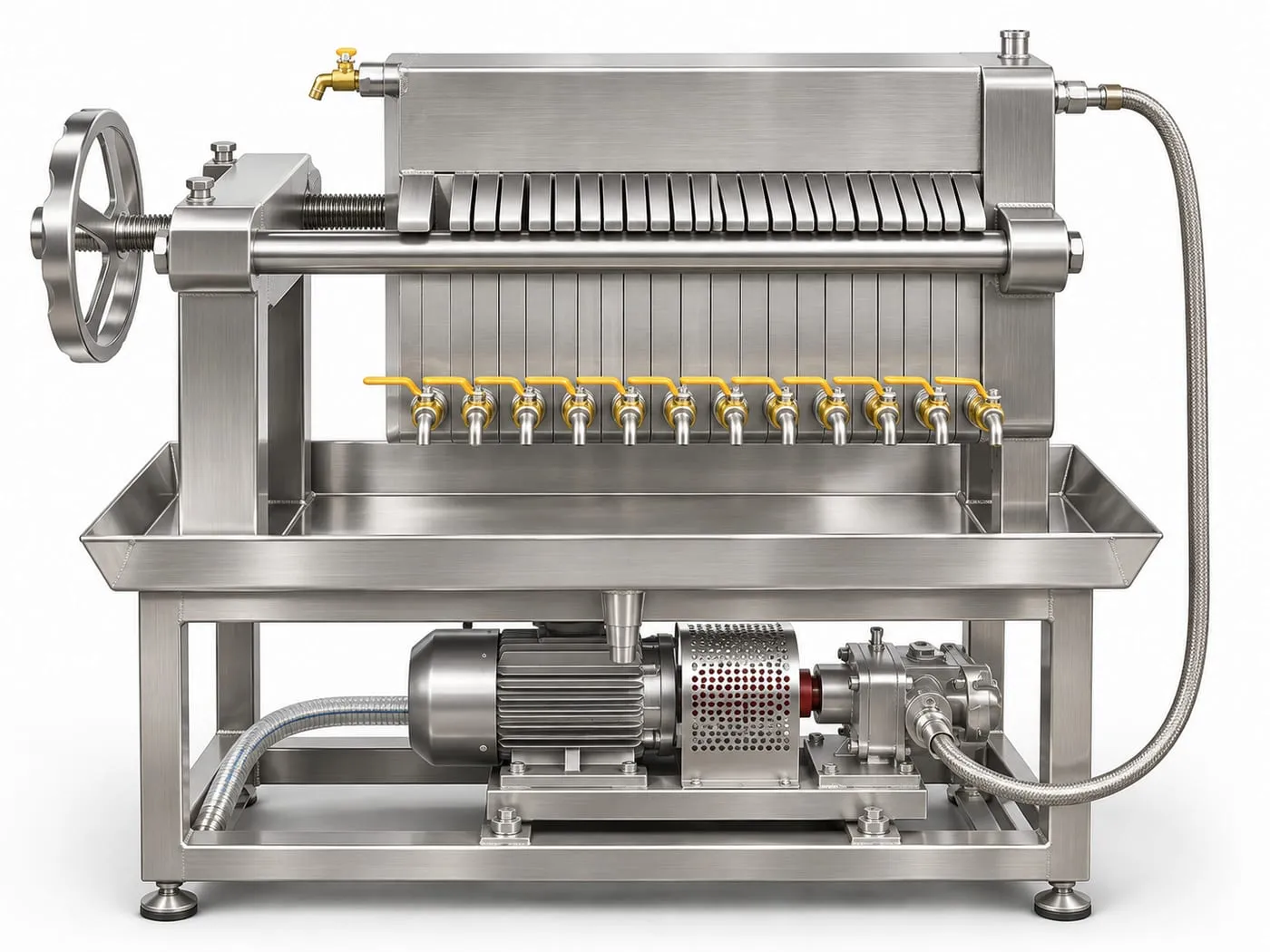
- Settling and filtering. Crude pressed oil contains solids. Gravity settling and cloth filtering is the simplest method; pumping through a filter press is better but costs more. See edible oil filter.
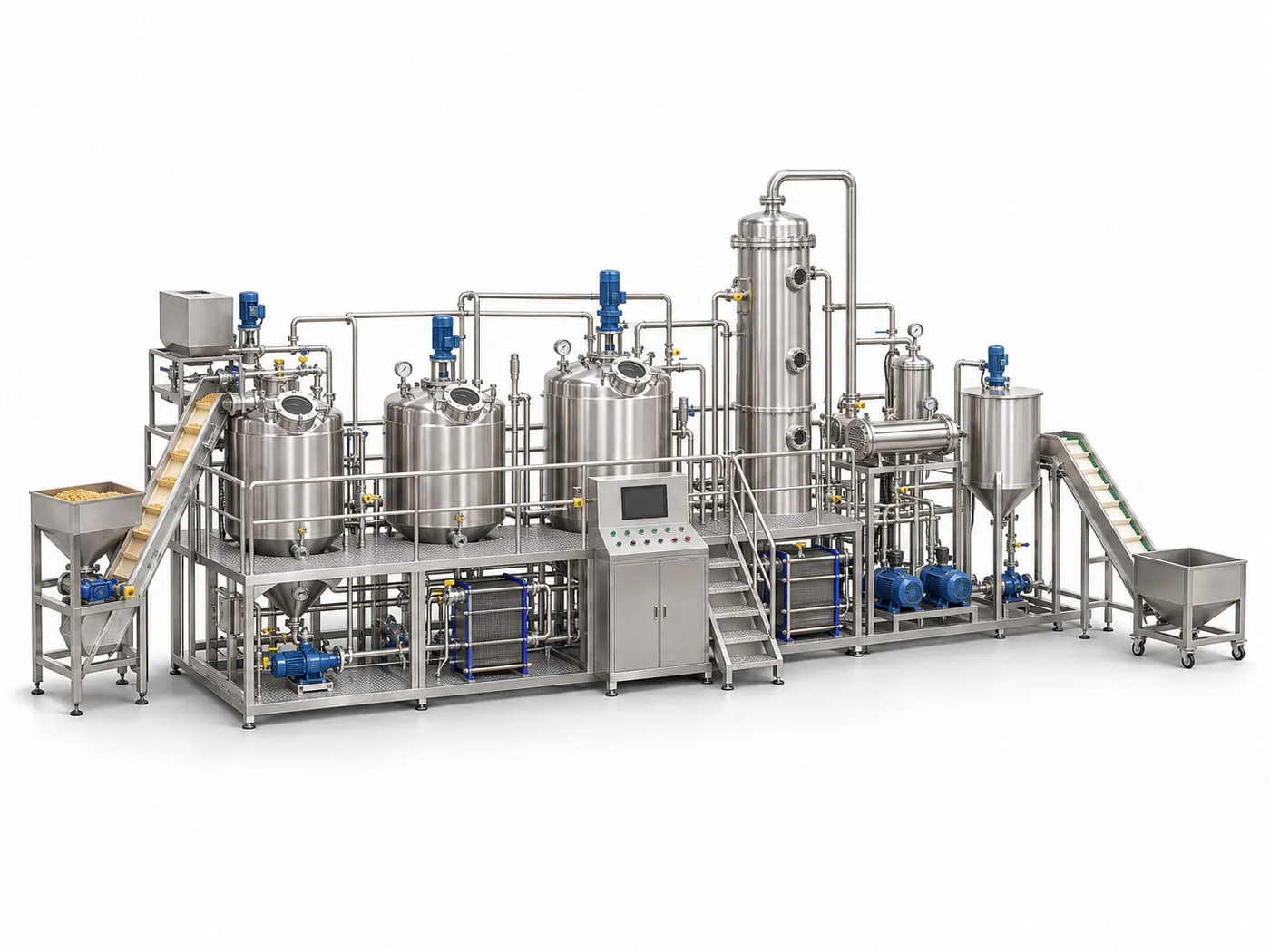
- Refining (optional). Degumming, neutralising, bleaching, wintering and deodorising remove gums, free fatty acids, colour, waxes and odours. An edible oil refining line combines these steps.
- Filling and packing. Retail bottles earn a better margin, but bottles and caps can be hard to buy and tie up capital. A simple piston filler can start you off, and a liquid filling machine suits larger volumes.
If you plan sesame oil specifically, see the sesame oil production line. For plant planning, read our edible oil plant guide.
Step 3: match equipment to scale
| Scale | Typical set-up | What to watch |
|---|---|---|
| Start-up | One small screw press, seed cleaner, settling tank, cloth or plate filter, hand or piston filler | Seed supply, clean storage, hygiene, a market for cake |
| Small mill | Cleaner, roaster or cooker, one or two screw presses, filter press, semi-automatic filling | Power supply, operator training, spare parts |
| Medium plant | Pre-press and press line, filter press, optional refining, automatic filling, labelling | Utilities (steam, water), waste, quality control |
| Refined oil plant | Pressing plus degumming, neutralising, bleaching and deodorising | Capital, skilled staff, effluent handling |
Your capacity is measured on seed input per hour or day, so quote seed type and moisture when you ask for prices.
Safety: aflatoxin and mould
Aflatoxins are natural poisons produced by certain moulds on seeds and nuts. The Practical Action guide says growth can be prevented by correct drying and by stopping moisture pickup in storage, and that if aflatoxin is present very little passes to the extracted oil; most remains in the cake, which is dangerous if used in livestock feed. For groundnuts, the AFLAH good-practice guide describes sorting before storage and again after shelling to keep mouldy kernels out of the process.
For your business:
- Test or inspect incoming seed, and reject mouldy lots.
- Store seed dry, ventilated and off the ground.
- Keep records of lots and batches.
- Ask your national food-safety authority which limits and analyses apply to oil and to cake.
What it costs: the drivers
We do not publish prices; every plant is quoted to the seed, the capacity and the packing format. The main cost drivers are:
- Press size and number. More seed per hour means more or larger presses.
- Pre-treatment equipment. Cleaners, roasters, cookers.
- Filtration level. A filter press costs more than cloth filtering but gives clearer oil.
- Refining. Often the largest single step in cost and staffing.
- Packing. Bottles, caps, labels and filling machines.
- Seed stock. Often the largest working capital item.
- Utilities and building. Power, water, steam if used, floors and drainage.
Request quotations that list each machine separately so you can add or remove steps.
A starter plan in four stages
Many small mills grow in stages instead of buying everything at once.
- Stage one: press and sell crude or filtered oil. One press, seed cleaning, settling and filtering, simple bottling. Learn the seed supply, the market price and the cake sales. Keep records of seed moisture, oil yield and rejects.
- Stage two: improve quality and pack. Add a better filter, a roaster or cooker if the oil needs it, and proper retail bottles and labels. Quality and presentation raise the price you can ask.
- Stage three: add capacity. Add a second press or a larger one when the first runs most of the day and you cannot meet orders.
- Stage four: consider refining or new oils. Add refining only if buyers ask for it and you can pay for the equipment, staff and effluent handling. Or add another oil such as sesame for a premium line.
Each stage should pay for the next. Work out the numbers before you start: seed price per kilogram, oil yield per kilogram of seed, cake price, running costs and the price per litre of oil in your market. If the margin only works at a very high price, rethink the plan. Our engineers can help you check the capacity side once you send your seed type and daily target.
What to prepare for a quotation
- Seed type (sunflower, sesame, groundnut, mustard or others), supply season, and samples if possible.
- Seed moisture and cleanliness at delivery.
- Seed input per hour or tonnes per day, and operating days per year.
- Oil type you want: unrefined, filtered, refined.
- Packaging: bottle size, jerrycan, bulk.
- Site: building, power supply (voltage and phases), water.
- By-product plan: cake use or sale.
- Delivery location and whether you need installation and training.
Send these to our team through the contact page. For an end-to-end plant, see turnkey projects.
Common mistakes
- Starting with refining. Press and filter first; add refining after the market tells you to.
- Poor seed storage. Wet seed spoils and can carry aflatoxin.
- No plan for cake. Unsold cake blocks the press line.
- Under-estimating working capital. Seed stock takes cash.
- Skipping the filter. Oil with solids spoils fast and sells badly.
Frequently asked questions
- What equipment do I need to start a small cooking oil business?
- A seed cleaner, a roaster or cooker if your seed needs heat treatment, a screw press, settling tanks and a filter, and a filling machine. Add refining equipment only if your market or your oil type requires it.
- Do I have to refine the oil?
- Not always. In many local markets unrefined oils are preferred for flavour, and oils such as sesame, sunflower and mustard need little or no refining. Export markets and some oils need refining. Check what your customers buy and what your national rules require.
- Which seeds are best for a small plant?
- Sunflower, sesame and mustard are the common choices at small scale, because they press well and need little refining. Groundnut, rapeseed and others are also pressed; confirm oil content, moisture and local supply before you choose.
- Screw press or hydraulic press?
- A screw press runs continuously and suits regular production; a hydraulic press works in batches and is often used for premium cold-pressed or small-batch oils. Throughput, labour and product style decide.
- How much seed do I need to buy?
- Enough to run through the year or the gap between harvests. That means a large stock and working capital. Calculate daily seed input times operating days, and plan storage that keeps seed dry.
Sources
- [1]Small scale oilseed processing (Technical Brief) — Practical Action
- [2]Guide to good practices for peanut processing (AFLAH project) — Université Laval, AFLAH project
HNFODA Applications Engineering
Line design, product trials and commissioning
Engineers who size, build and commission HNFODA food processing lines, writing from the questions buyers ask before a quotation. About HNFODA