Packaging & Inspection
Vertical Form Fill Seal Machine
Snack, nut, frozen food, grain and powder producers moving from manual bagging to automatic packing.
Rated in finished bags per minute, set by bag length, fill weight and film

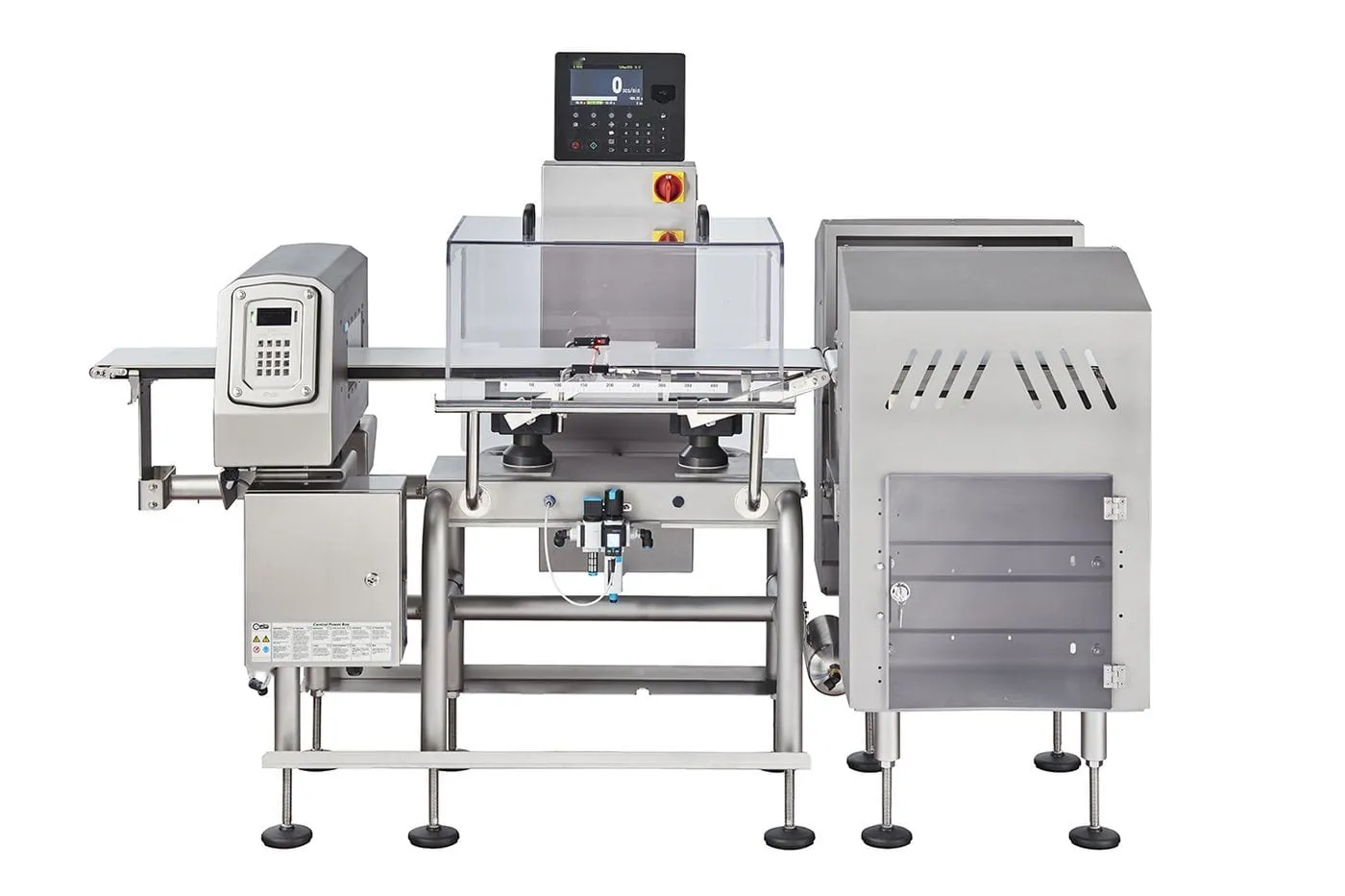

09 · Packaging & Inspection — Equipment
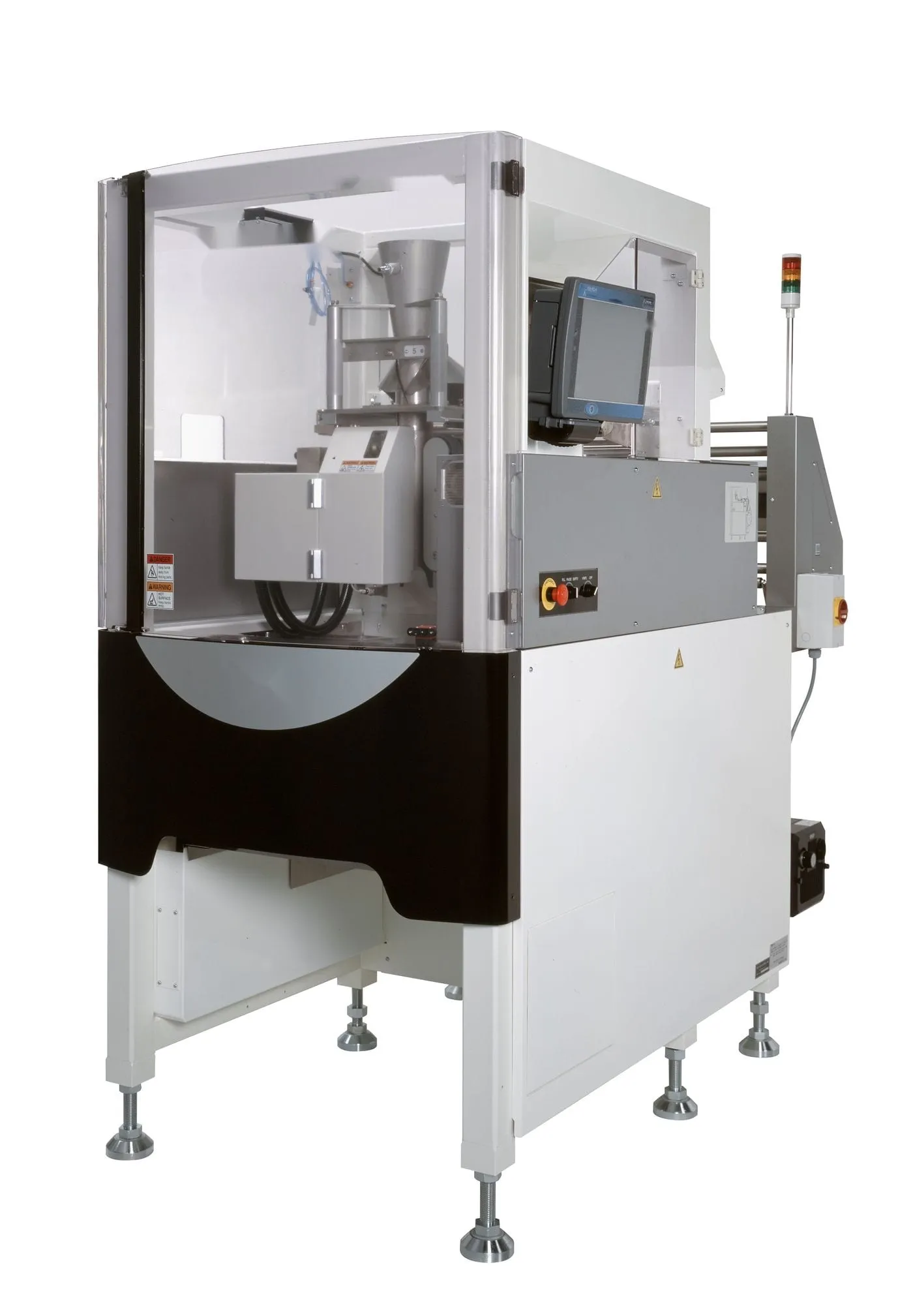
An inline metal detector that checks packed or loose food for metal contamination and automatically rejects affected product.
Short answer: A food metal detector senses metal fragments in products as they pass through an electromagnetic field, and a reject device removes the contaminated item from the line. The configuration is decided by how the product moves (packs on a belt, falling bulk or pumped through a pipe), by the product effect of wet or salty food, and by the packaging material.
The search head contains coils that create a balanced electromagnetic field. When a conductive or magnetic particle passes through, it disturbs that balance, and the electronics compare the signal with the learned signal of good product. If the disturbance exceeds the threshold, the controller times the reject: an air blast, pusher or retracting belt for packs, a flap for falling product, or a diverter valve for pipelines.
Wet, salty, warm or frozen foods produce their own signal, called product effect. The detector learns this signal so that it does not reject good product, which is why setup should be done with real product and packaging.
| Form | Suits | Watch out for |
|---|---|---|
| Conveyor | Packs, trays, loose pieces | Metallised film limits sensitivity |
| Gravity-fall | Powders, grains, snacks before bagging | Needs steady, free-flowing product |
| Pipeline | Sauces, liquids, meat masses | Pipe size and pump pressure must match |
The smaller the aperture relative to the product, the better the sensitivity, so the head is chosen as close to the pack size as handling allows.
Metal detectors are usually placed after packing, for example after a VFFS packaging machine or tray sealer, often combined with an in-line checkweigher. Gravity units can protect equipment such as a spice grinding machine. For foil packs or bone and glass risks, a food X-ray inspection system is the alternative.
Conveyor
packs or loose products pass on a belt through the detector head; the most common type for finished packs.
Gravity-fall
free-flowing powders, grains or snacks fall through a vertical tube, often just above a bagger.
Pipeline
pumped liquids, sauces and meat masses flow through a pipe in the detector, with a reject valve.
Our engineers check these points with you, so the quotation fits your site rather than a catalogue default.
Sensitivity depends on product effect (wet, salty or warm food behaves partly like metal), the aperture size, metal type and position in the pack. There is no single figure; we agree test pieces with you and set up the detector on your actual product.
Standard metal detectors struggle with aluminium foil or heavily metallised film. In that case, inspect before packing, or consider a food X-ray inspection system, which looks for density differences rather than conductivity.
Most plants pass certified test pieces through the detector at set intervals and record the result, checking that each piece is detected and actually rejected. We can include a reject confirmation sensor and a locked reject bin to support this routine.
Tell us your raw material, finished product and target output. Our engineers reply with a matched configuration and quotation.
What to send with your inquiry
Email sales@hnfoda.com
Plan a peanut butter business: equipment by stage, how to size capacity on nut input, aflatoxin control, cost drivers and a quotation checklist.
Packaging & Inspection
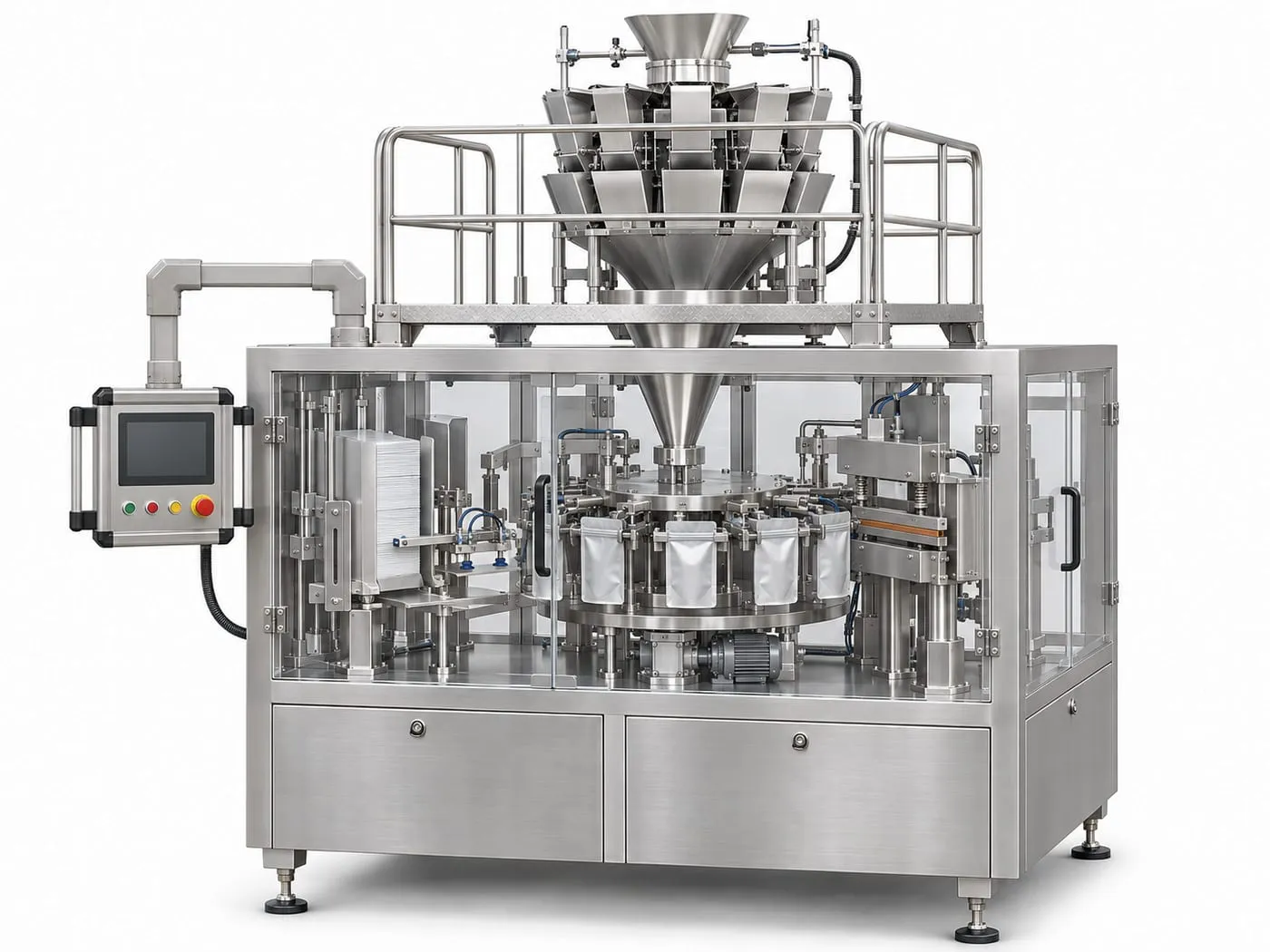
Snack, nut, frozen food, grain and powder producers moving from manual bagging to automatic packing.
Rated in finished bags per minute, set by bag length, fill weight and film
Packaging & Inspection
Brands and co-packers selling snacks, nuts, spices, sauces or pet food in stand-up and zipper pouches.
Rated in filled pouches per minute, set by pouch size, product and dosing
Packaging & Inspection
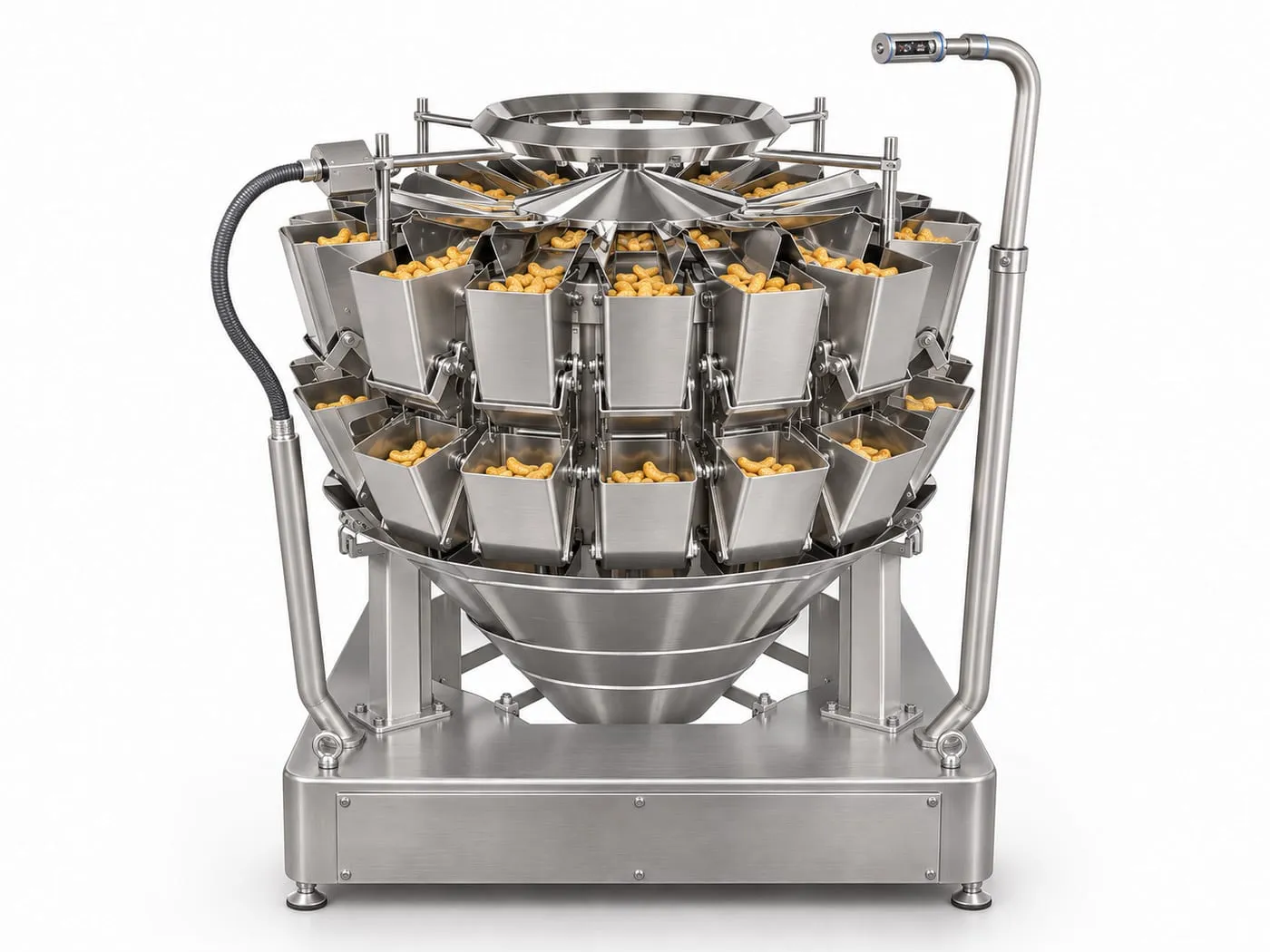
Snack, nut, confectionery, frozen and fresh food packers who need fast, accurate portions.
Rated in weighments per minute, matched to the packing machine
Packaging & Inspection
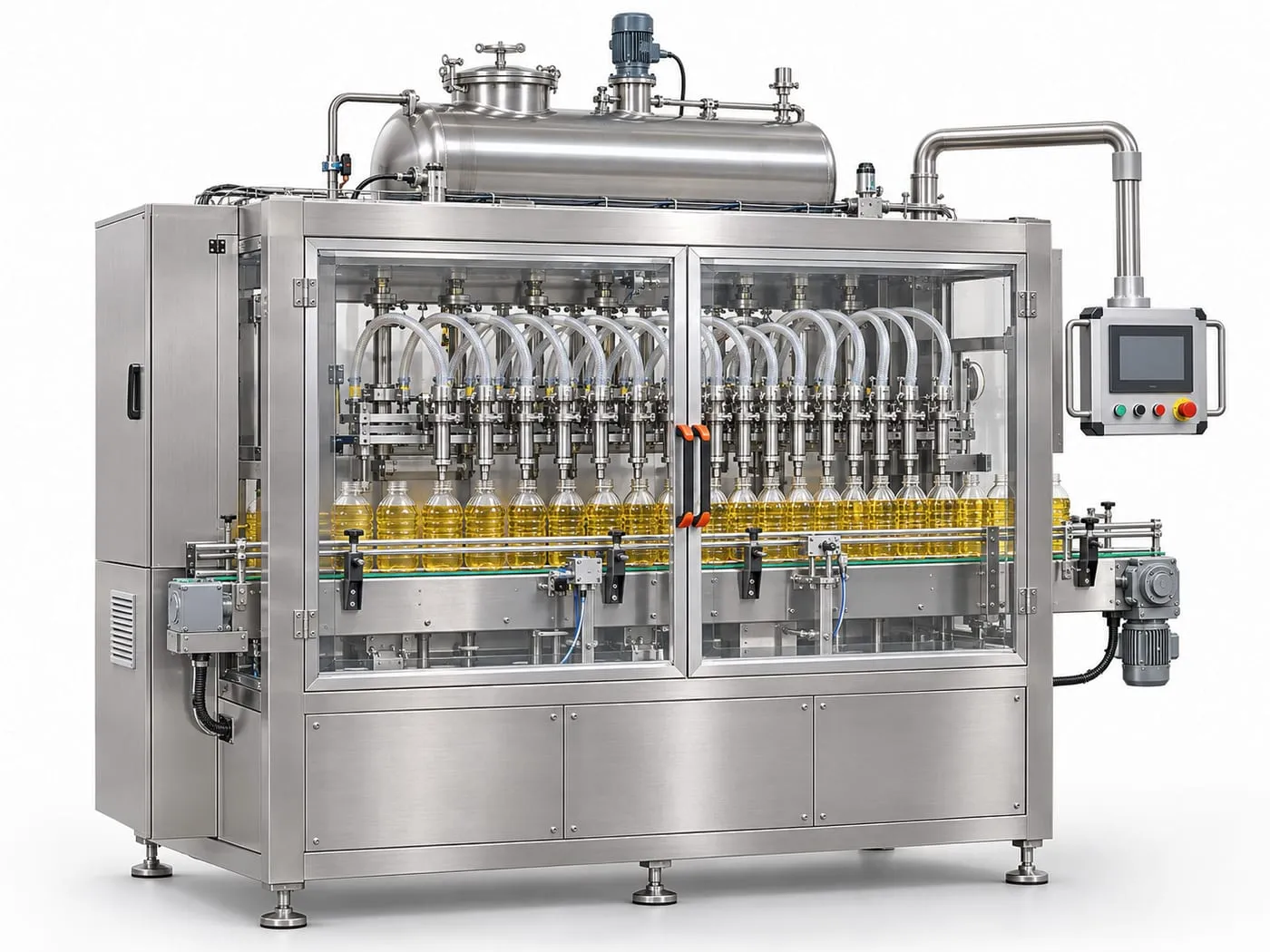
Beverage, edible oil, sauce and condiment producers filling bottles, jars or cans.
Rated in filled containers per hour, set by fill volume and container