Instant Noodle & Frozen Food
Instant Noodle Production Line
New and expanding noodle brands that need one supplier for the whole line, from dough mixing to packing.
Sized to finished noodle blocks per hour at a set block weight

04 · Instant Noodle & Frozen Food — Production line
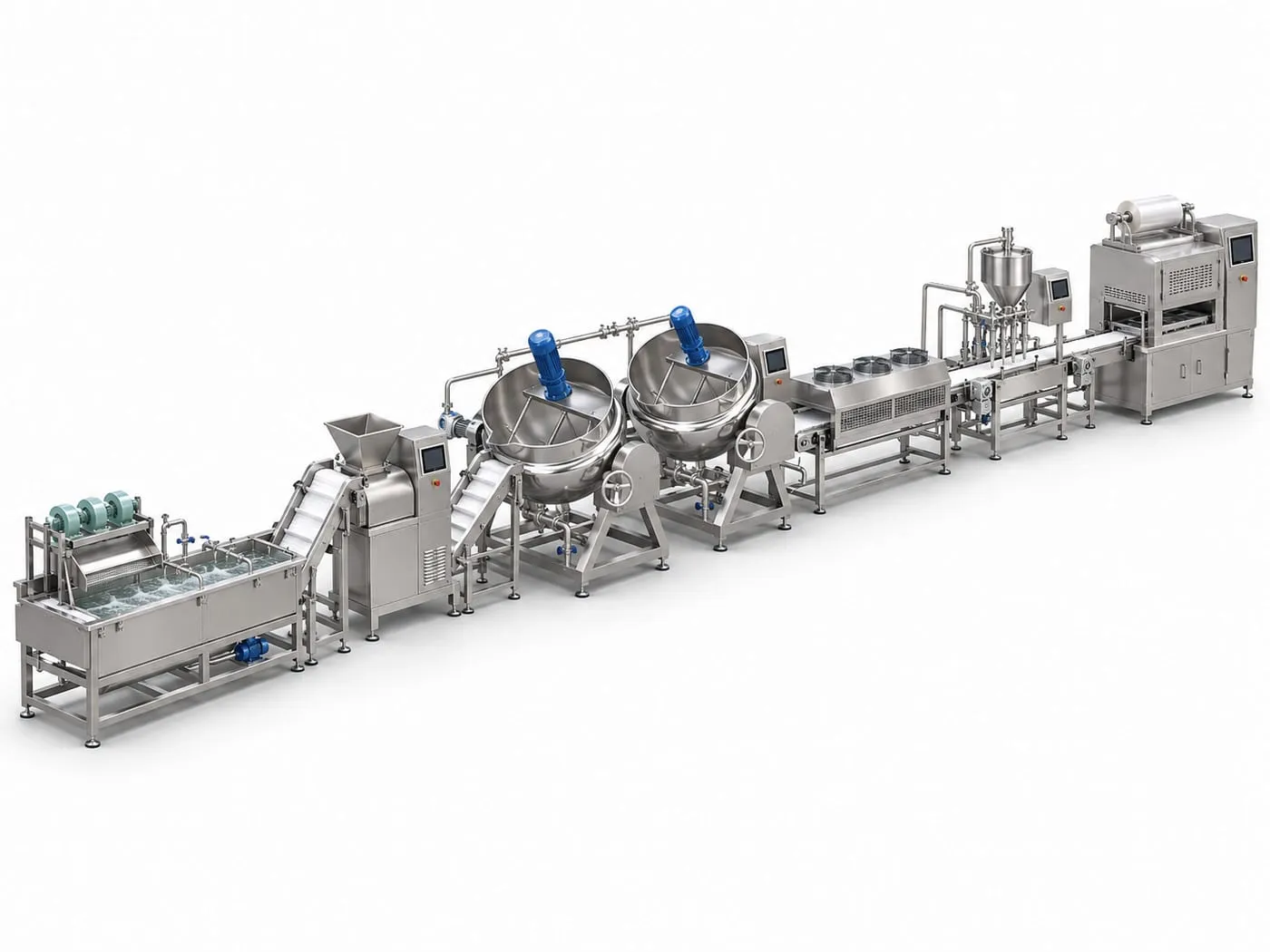
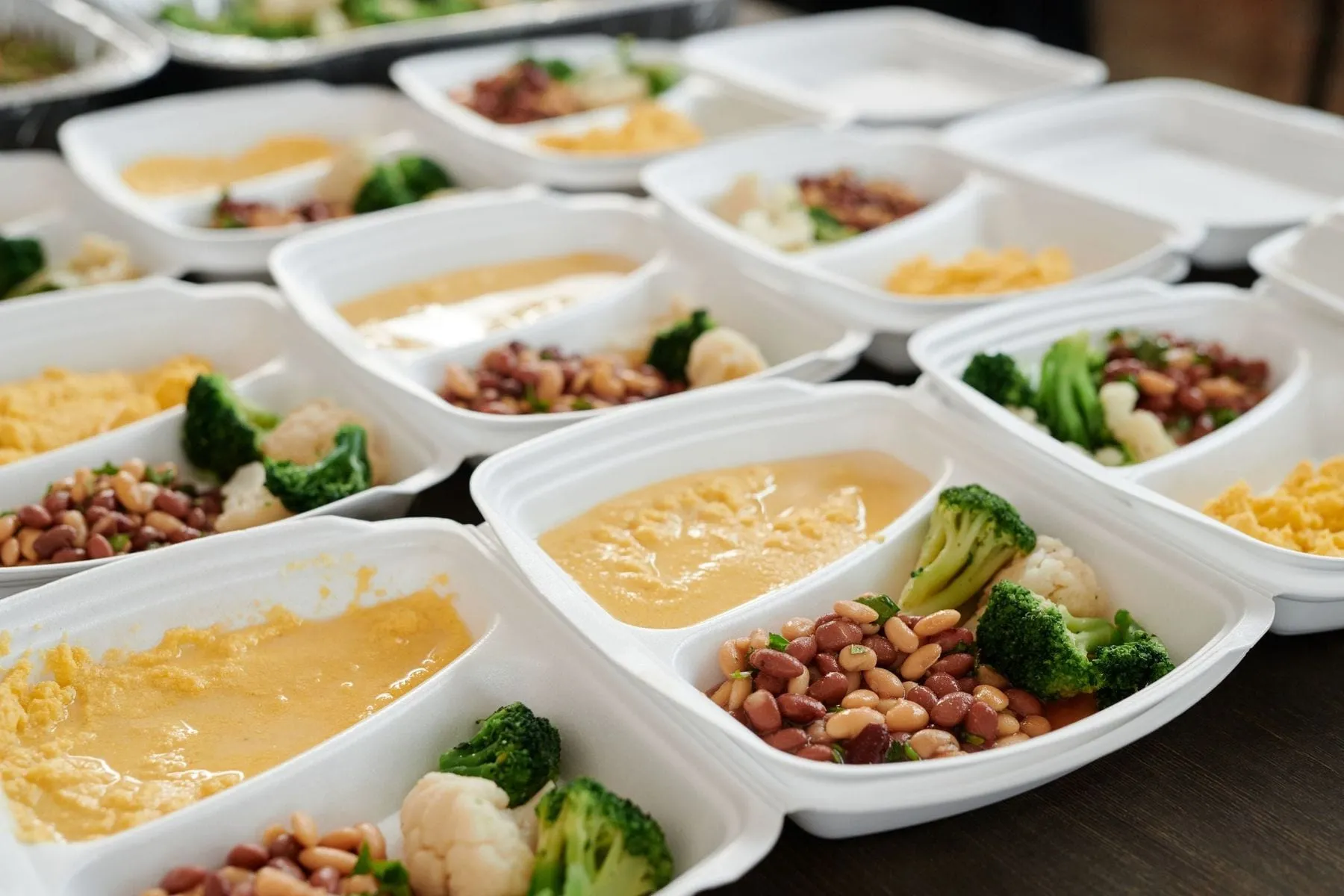
A planned line that links ingredient preparation, weighing, cooking or heat treatment, portioning and cooling for ready-to-heat meals.
Short answer: A prepared meal production line takes raw ingredients through washing and cutting, weighing, cooking or heat treatment, portioning into trays or pouches and cooling or freezing. The number of recipes you run and the shelf life you need decide how the line is laid out and which packaging and heat-treatment steps are included.
| Form | Suits | Watch out for |
|---|---|---|
| Chilled meal trays | Fresh retail meals, short distribution | Fast cooling and strict cold-chain control |
| Frozen dishes | Wider distribution, longer storage | Freezer capacity, texture after reheating |
| Pouch with heat treatment | Long shelf life, ambient or chilled | Process validation per recipe and pack |
Many plants run two routes side by side, for example chilled trays for local retail and frozen dishes for wider distribution. In that case cooking can be shared, while cooling, freezing and packing are planned as separate branches. The more recipes you run, the more the layout should favour flexible, easy-to-clean stations over one fast fixed line.
Preparation typically uses a fruit and vegetable washer, vegetable cutting machine and vacuum tumbler. Cooking runs in jacketed cooking kettles. Downstream come a tray sealer, a food retort for pouch products, a food vacuum cooler or food freezer, and inspection.
Chilled meal trays
cooked components are portioned into trays, sealed and chilled, for short shelf-life fresh products.
Frozen dishes
cooked or semi-cooked dishes are portioned, frozen and packed for a longer shelf life in the cold chain.
Pouch-packed heat-treated meals
food is filled into pouches and heat treated after sealing, for products that need a longer shelf life.
Our engineers check these points with you, so the quotation fits your site rather than a catalogue default.
It handles many ingredients and recipes rather than one product. The layout, cleaning between recipes and separation of raw and cooked areas matter as much as the speed of any single machine.
The food company owns its process and shelf-life validation. We design and supply the equipment to run the agreed cooking, cooling and packing steps, and we agree in the contract what trials are run at commissioning.
Yes. Many customers begin with cooking kettles, a cooler and a tray sealer, and add automatic portioning later. We plan space and connections so later machines fit.
Tell us your raw material, finished product and target output. Our engineers reply with a matched configuration and quotation.
What to send with your inquiry
Email sales@hnfoda.com
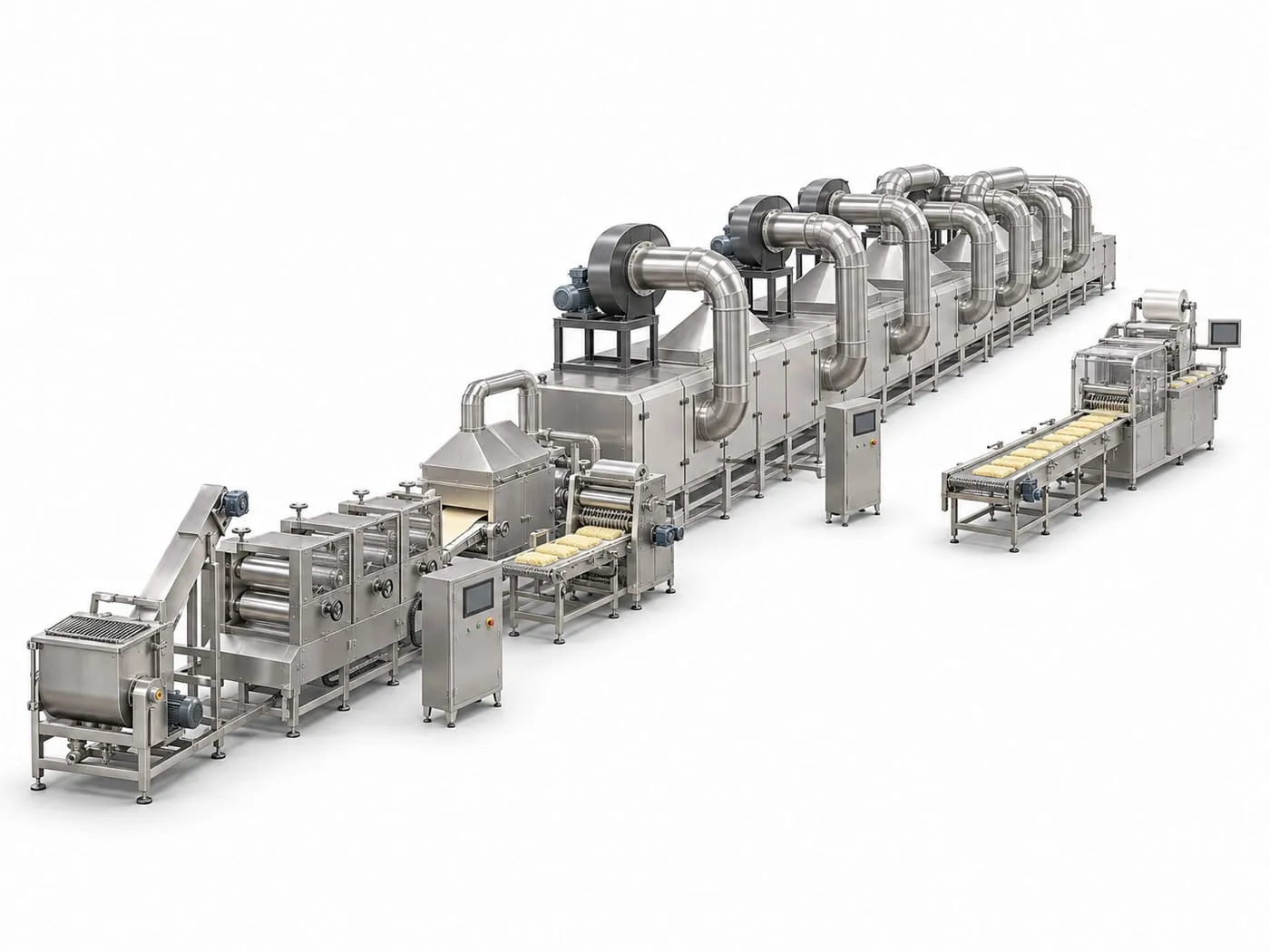
Instant Noodle & Frozen Food
New and expanding noodle brands that need one supplier for the whole line, from dough mixing to packing.
Sized to finished noodle blocks per hour at a set block weight
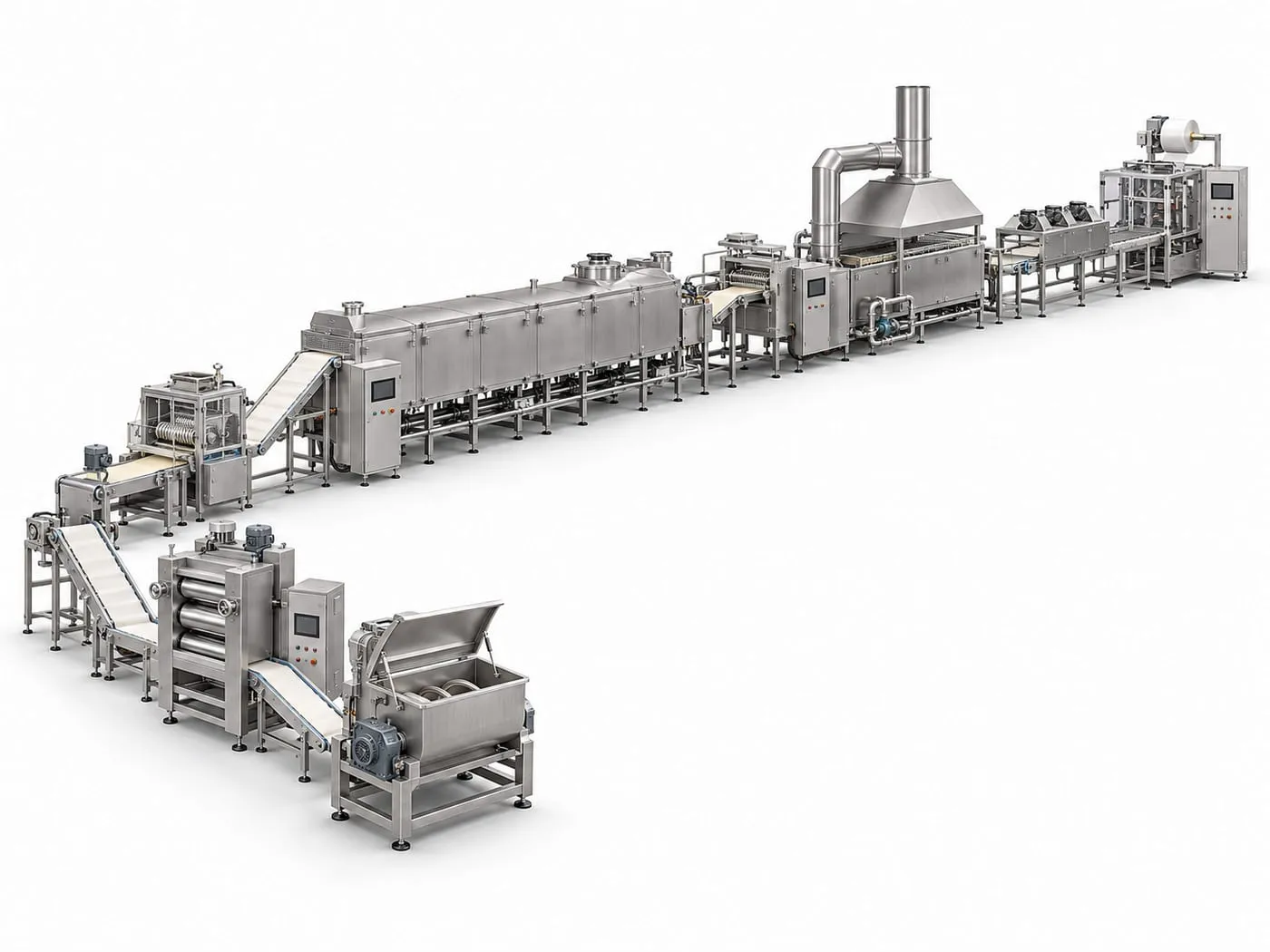
Instant Noodle & Frozen Food
Noodle makers adding an air-dried, lower-fat product or building a dedicated non-fried plant.
Sized to dried noodle blocks per hour at a set block weight
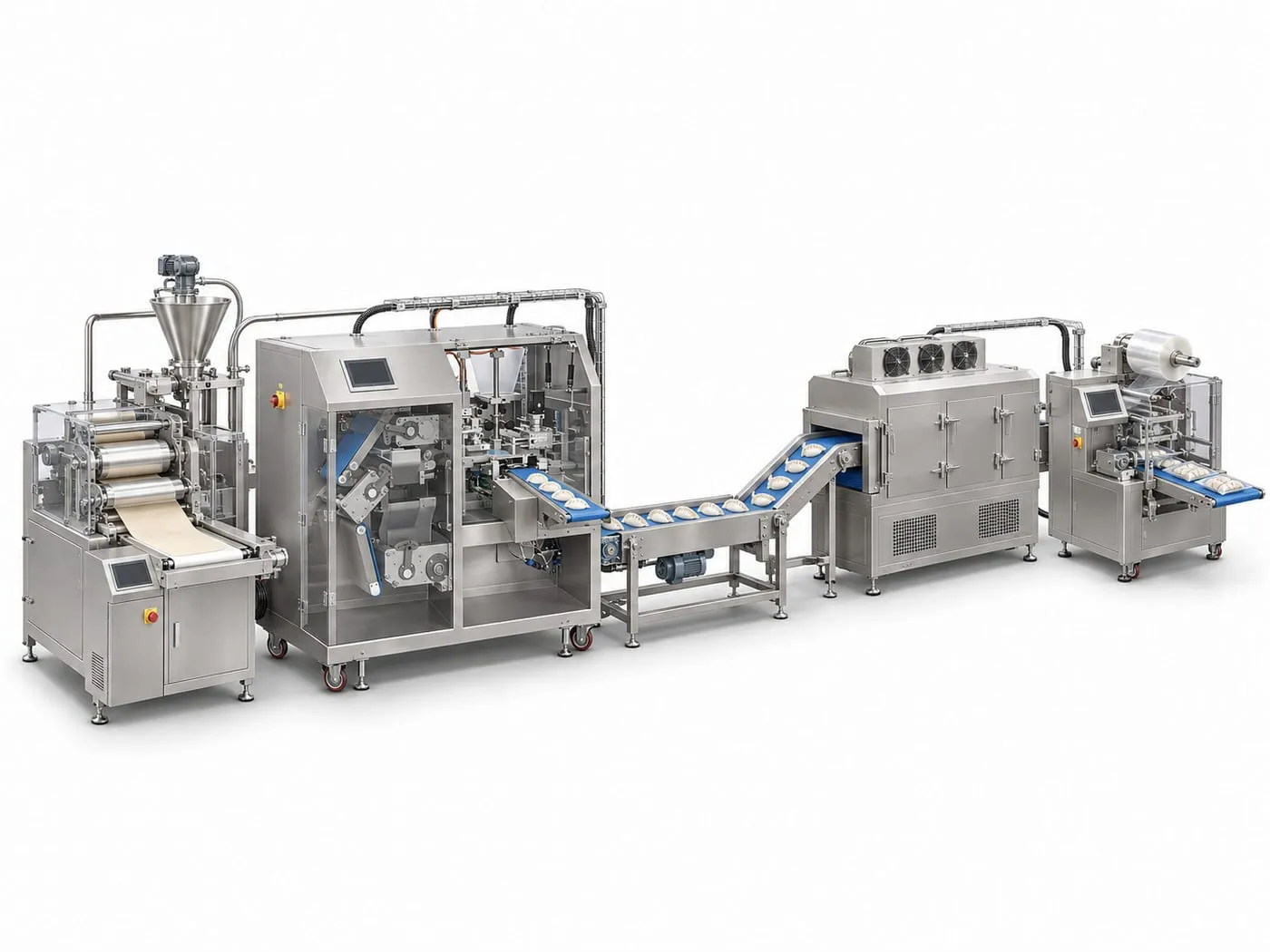
Instant Noodle & Frozen Food
Frozen food factories and new brands moving from hand-made or semi-automatic dumplings to steady machine output.
Sized to finished frozen dumplings per hour at a set piece weight
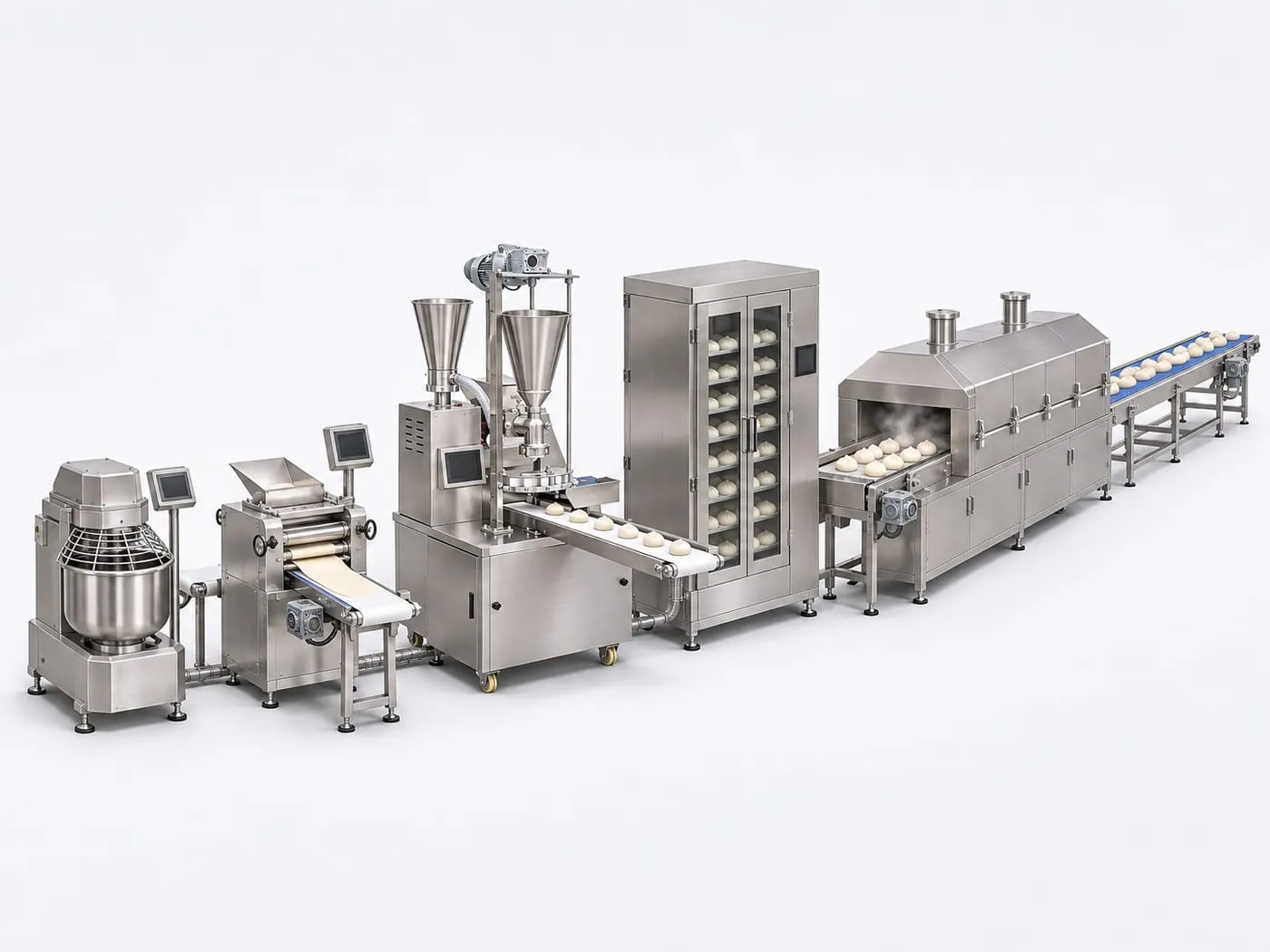
Instant Noodle & Frozen Food
Central kitchens, frozen food plants and bakeries scaling up plain or filled steamed buns.
Sized to finished buns per hour at a set piece weight