Freezing, CIP & Conveying
Industrial Food Freezer
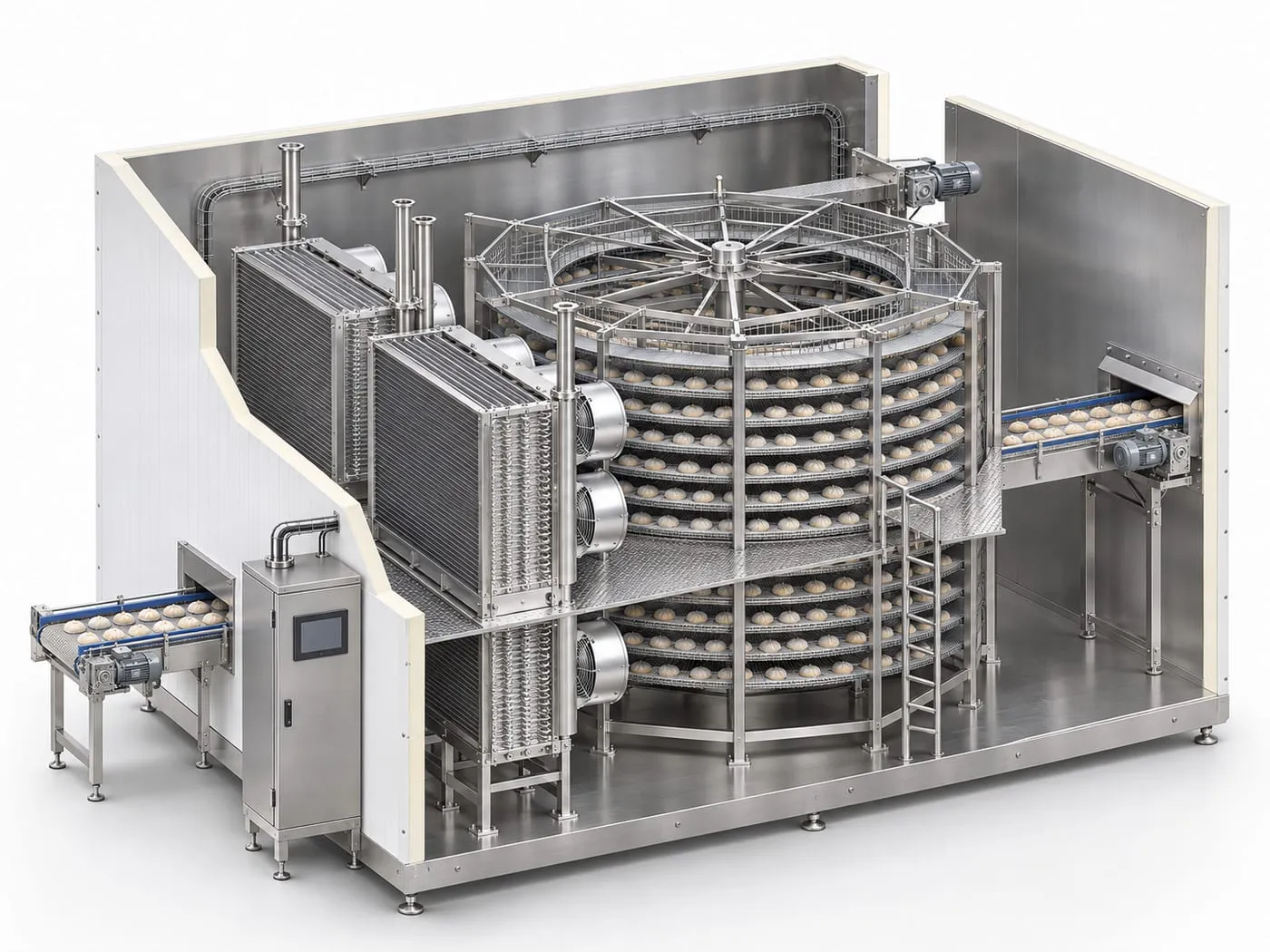
Frozen food, meat, seafood and fruit processors adding or expanding quick-freezing capacity.
Sized on product input (kg/h) at stated inlet and outlet temperatures

10 · Freezing, CIP & Conveying — Equipment
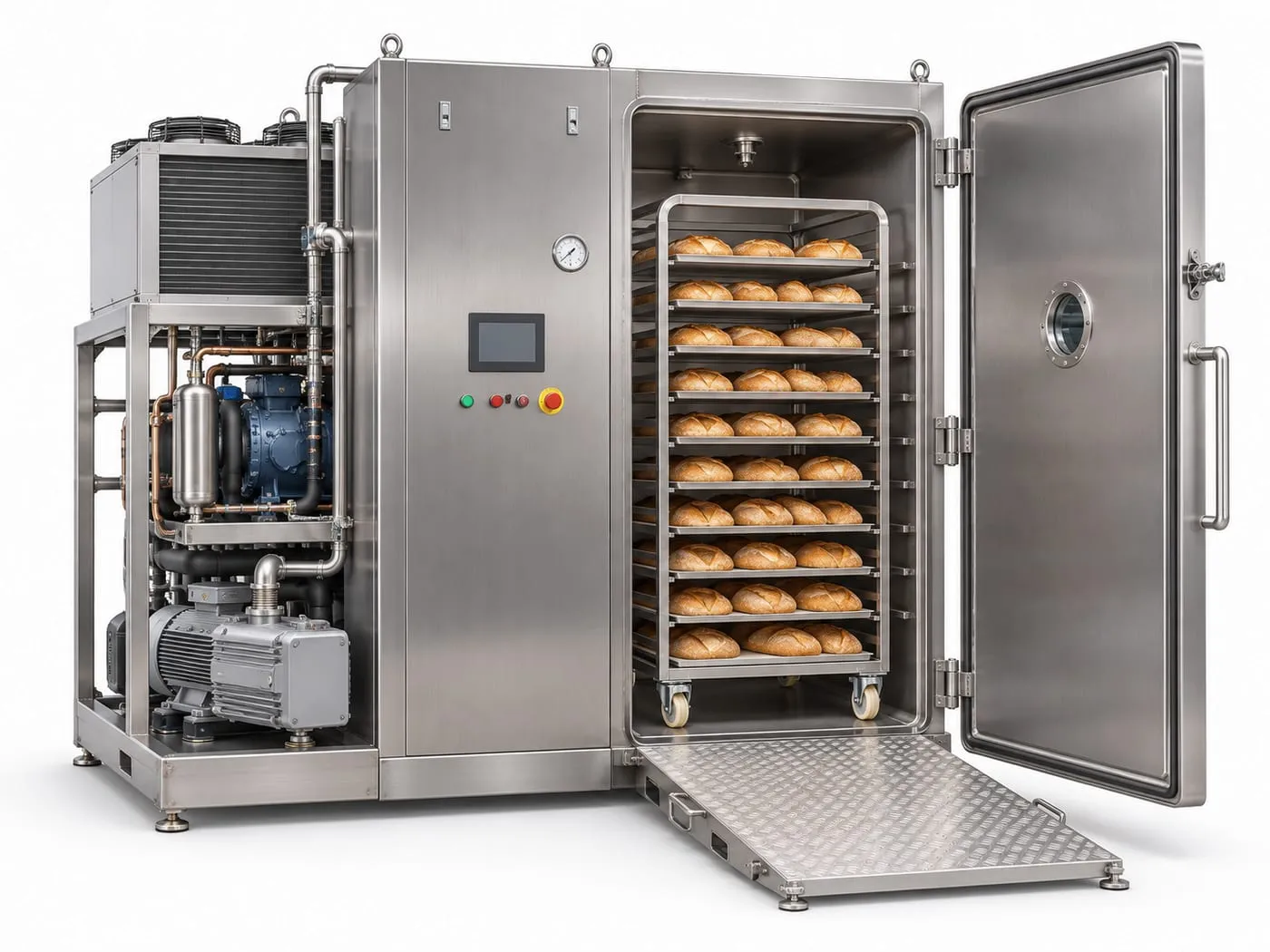
A vacuum cooling chamber that cools suitable cooked foods, baked goods and fresh produce in minutes by evaporating some of their own water.
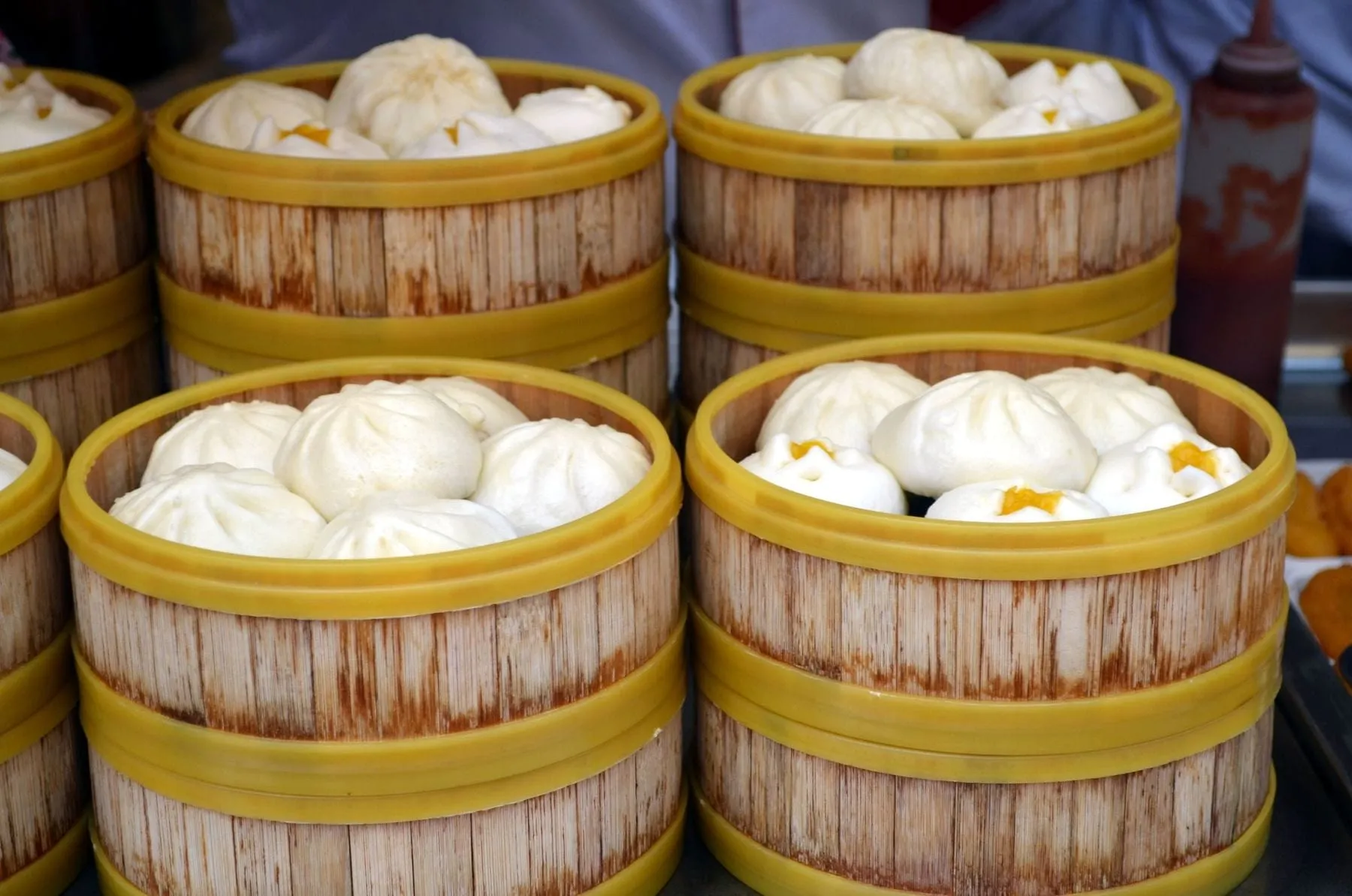
Short answer: A food vacuum cooler lowers the pressure around warm product so that part of its water boils off at low temperature, taking heat with it. It suits porous, moist products such as bread, steamed buns, cooked rice, many cooked dishes and leafy vegetables. The main factors in the configuration are product porosity and moisture, the weight loss you can accept and the batch size.
Warm product is loaded on trays, racks or trolleys into an airtight chamber and the door is closed. A vacuum pump removes air and the pressure falls. As pressure drops, the boiling point of water falls, so moisture inside the product evaporates and cools it from within. A refrigerated condenser, or cold trap, turns the vapour back into water so the pump does not have to handle it. When the target temperature is reached, the chamber is brought back to atmospheric pressure, preferably with filtered air, and product goes on to chilling, packing or storage.
Cooling is fast because heat leaves through the whole product rather than only through its surface.
| Form | Suits | Watch out for |
|---|---|---|
| Batch chamber | Bakeries, small central kitchens, varied products | Manual loading and unloading of trays |
| Trolley-loaded chamber | Rack-oven bakeries, ready meals, produce crates | Chamber and door sized to your trolleys |
Cycle time depends on the product, how much of it is loaded and the start and end temperatures; dense or tightly packed loads take longer.
The cooler sits after cooking or baking, for example after a steamed bun production line, tunnel oven or prepared meal production line. Cooled product then moves to a tray sealer for chilled meals or to a food freezer for frozen products.
Batch chamber
product on trays or racks is loaded into a fixed chamber; suits smaller batches and varied products.
Trolley-loaded chamber
whole trolleys or pallets roll in and out, matching rack ovens, cooking lines or harvest crates.
Our engineers check these points with you, so the quotation fits your site rather than a catalogue default.
Products that are porous and contain free water: bread and cakes, steamed buns, cooked rice, many cooked dishes, and leafy vegetables such as lettuce. Dense products such as large meat joints or liquids in sealed containers cool poorly or not at all by this method.
Yes, some water evaporates; that is how the cooling works. The loss depends on how far the temperature drops and on the product. Some processes compensate by adjusting cooking water or by misting. We ask for your acceptable loss when sizing the cycle.
Open containers of soups or sauces can be cooled with careful pressure control to avoid boiling over, but containers must not be filled to the top. Sealed packs and dense products are better cooled with other methods.
Tell us your raw material, finished product and target output. Our engineers reply with a matched configuration and quotation.
What to send with your inquiry
Email sales@hnfoda.com
Freezing, CIP & Conveying
Frozen food, meat, seafood and fruit processors adding or expanding quick-freezing capacity.
Sized on product input (kg/h) at stated inlet and outlet temperatures
Freezing, CIP & Conveying
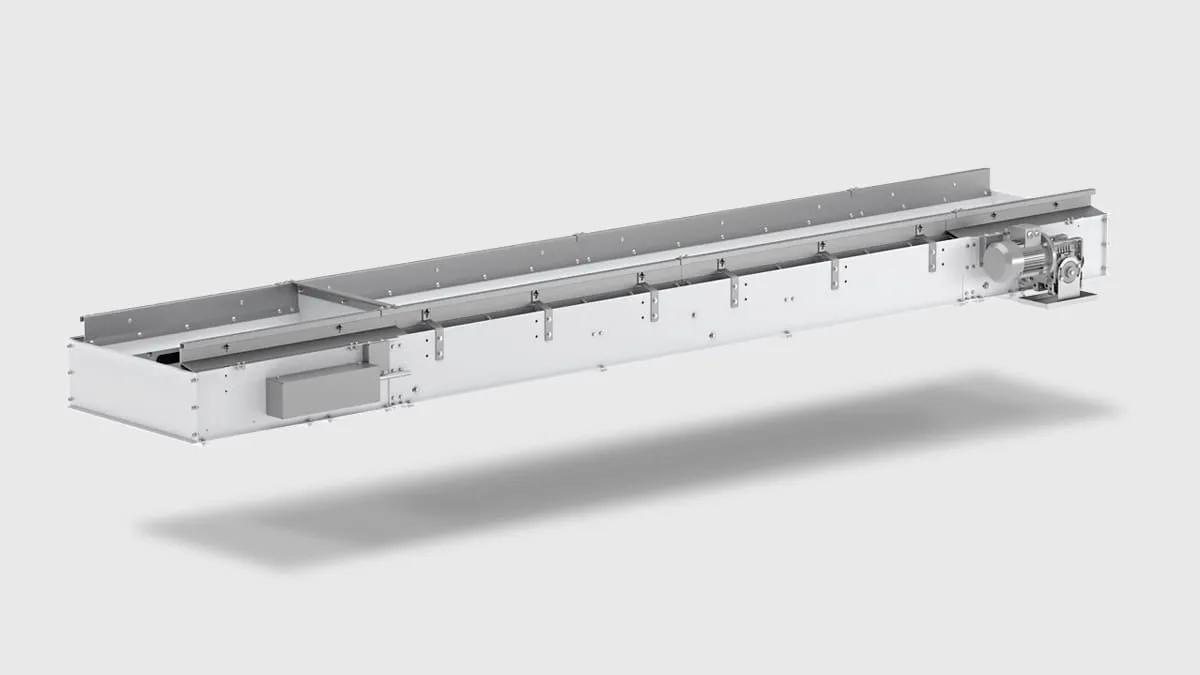
Plants connecting individual machines into a line, or replacing manual transfer between steps.
Sized to the throughput of the machines it links (kg/h or pieces/min)
Freezing, CIP & Conveying
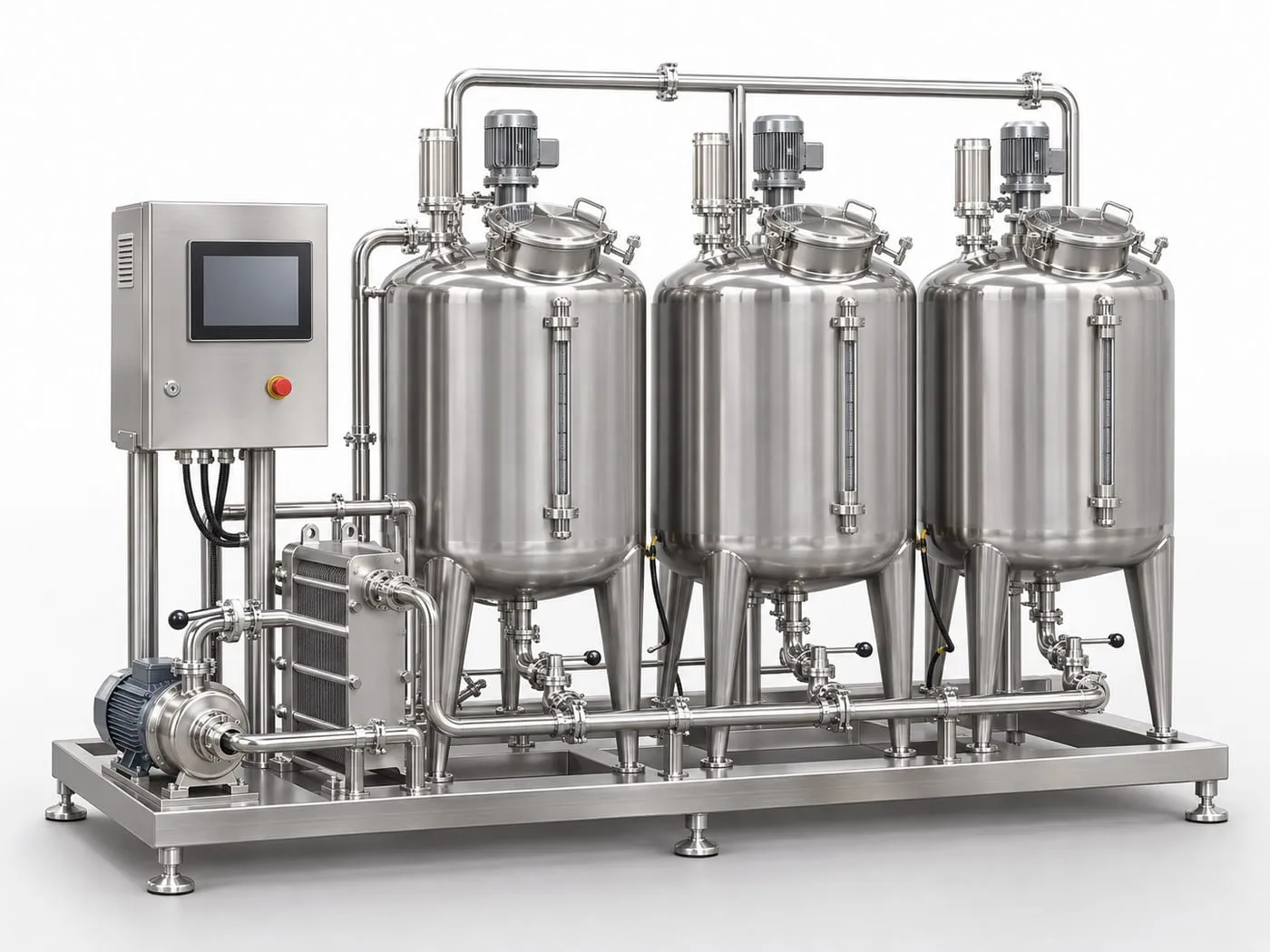
Beverage, dairy, sauce and liquid food plants with closed tanks and pipework.
Sized on circuit flow rate and circuit volume, set by pipe size and tank spray devices
Freezing, CIP & Conveying
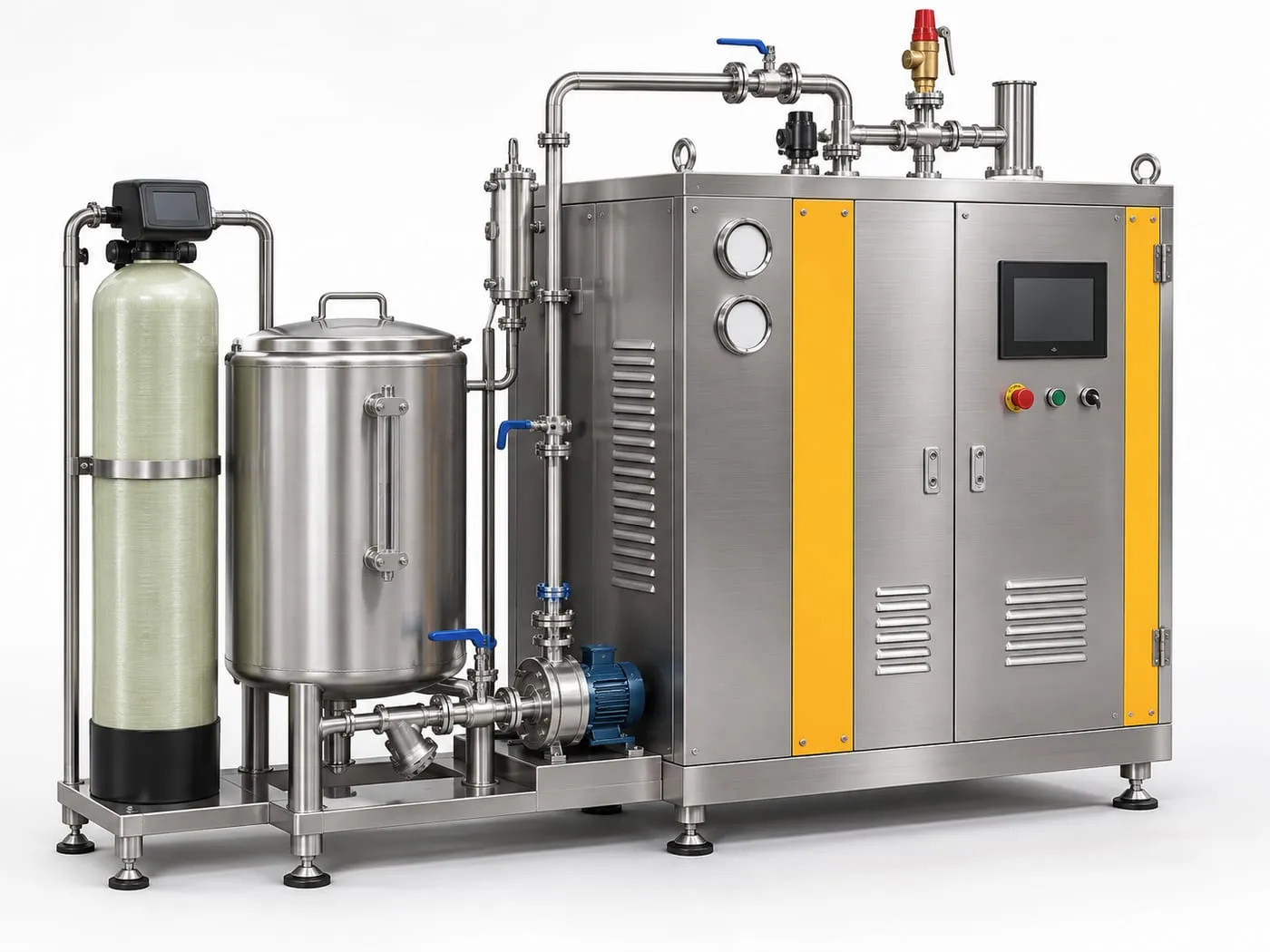
Food plants and kitchens adding steam-heated equipment without a large central boiler house.
Sized on steam output (kg/h) at the working pressure your equipment needs