Edible Oil Processing
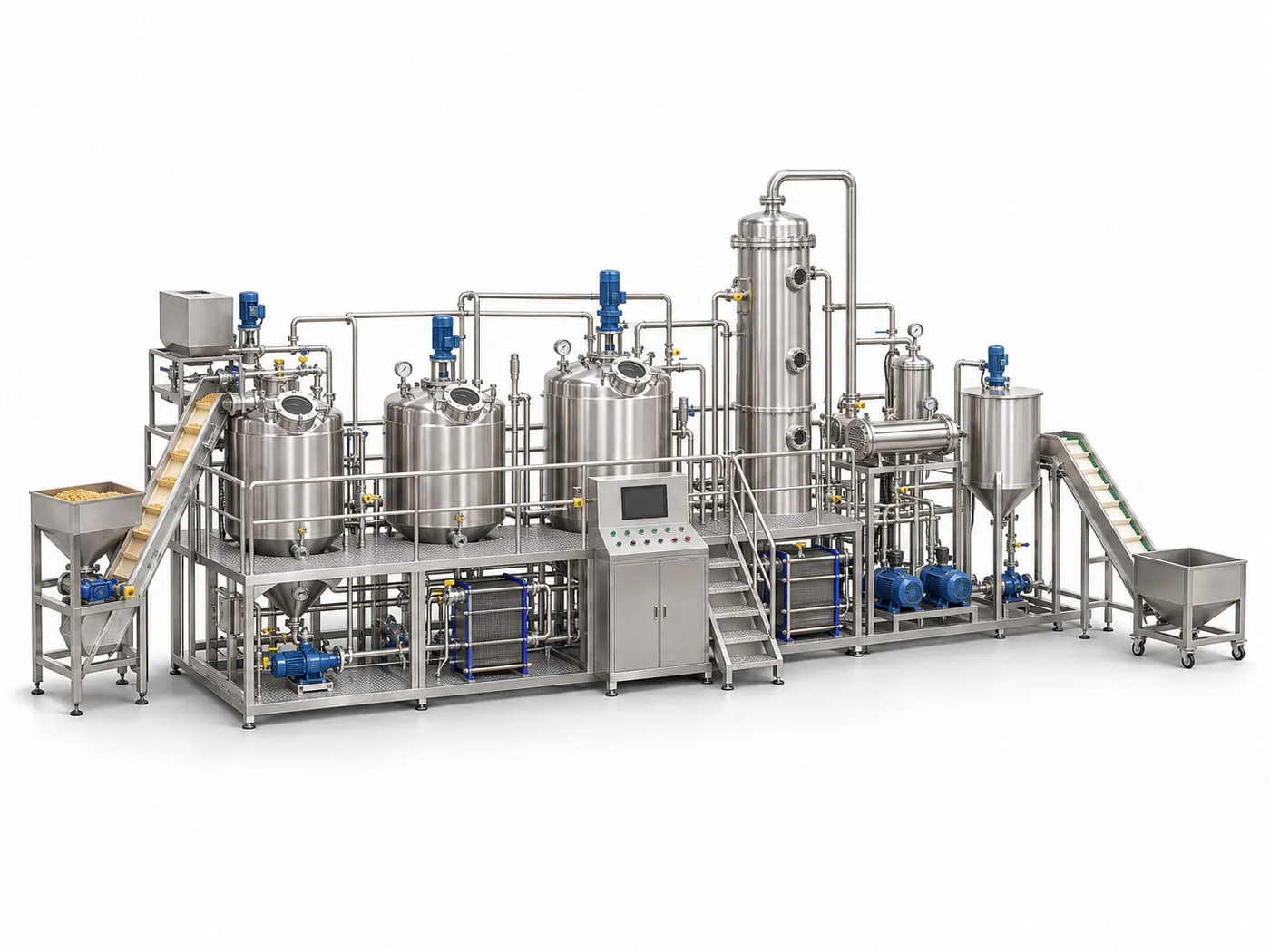
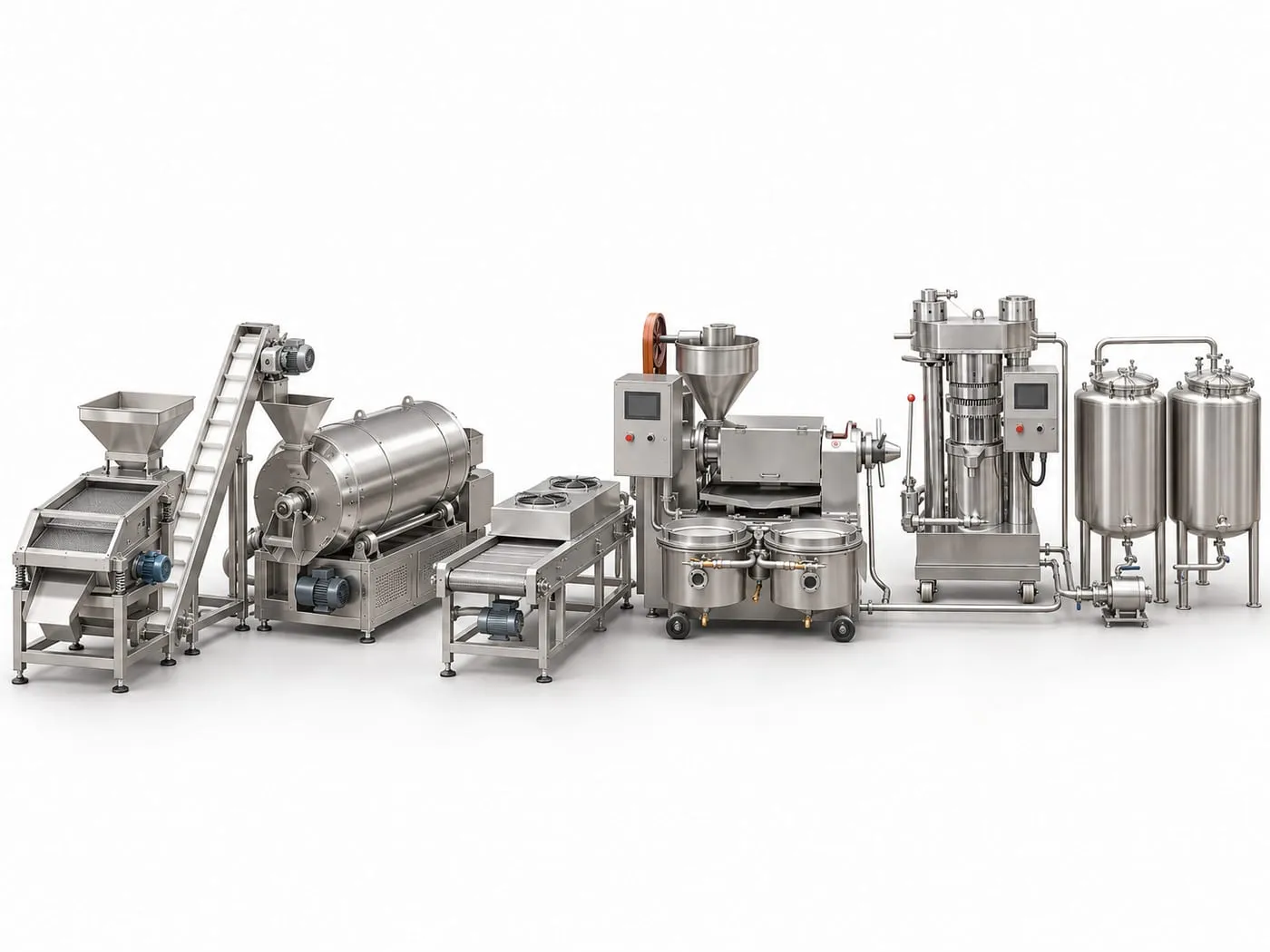
Sesame Oil Production Line
Oil mills and food companies producing roasted sesame oil, cold-pressed sesame oil or traditional sesame aroma oil.
Sized to sesame seed input (kg/h or tonnes per day)

03 · Edible Oil Processing — Production line
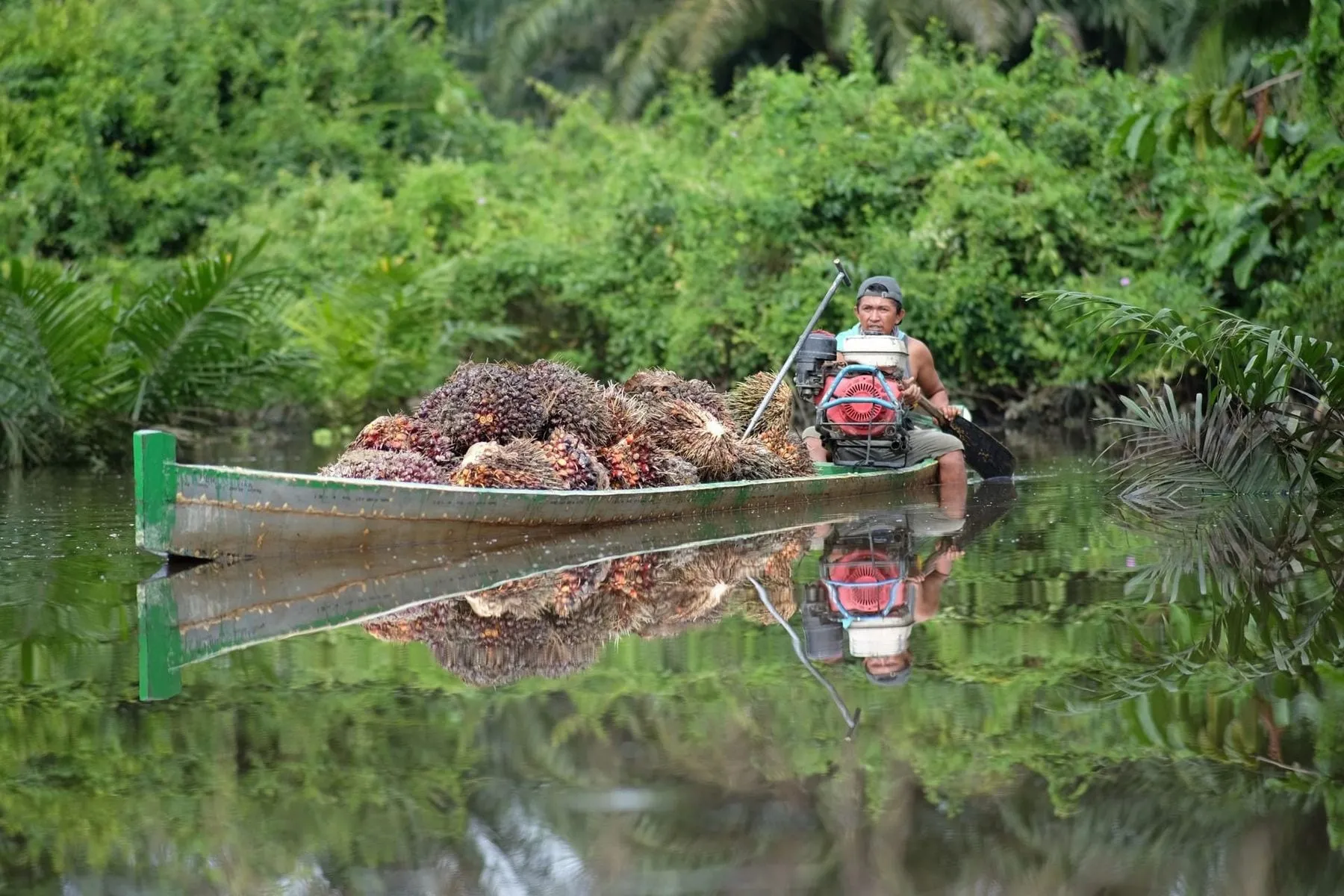
Processes fresh palm fruit bunches into crude palm oil: sterilising, threshing, digesting, pressing and clarifying, with optional palm kernel recovery.
Short answer: A palm oil processing line turns fresh fruit bunches into clarified crude palm oil by sterilising, threshing, digesting, pressing and settling. HNFODA supplies these lines; the fruit quantity per hour and the time from harvest to mill decide the scale and the steps.
Fibre and shell left after pressing are often burned in the boiler that makes the sterilising steam.
| Form | Suits | Watch out for |
|---|---|---|
| Small village press | Cooperatives, low daily volume | Limited steam and clarification; oil quality depends on operators |
| Continuous mid-size line | Estates and mills with steady fruit supply | Needs steady supply, steam and effluent handling |
| With clarification and kernel recovery | Mills selling crude oil and kernels | More equipment and utilities |
Capacity is counted on fresh fruit bunches, not on oil output, so please give us the bunch figure.
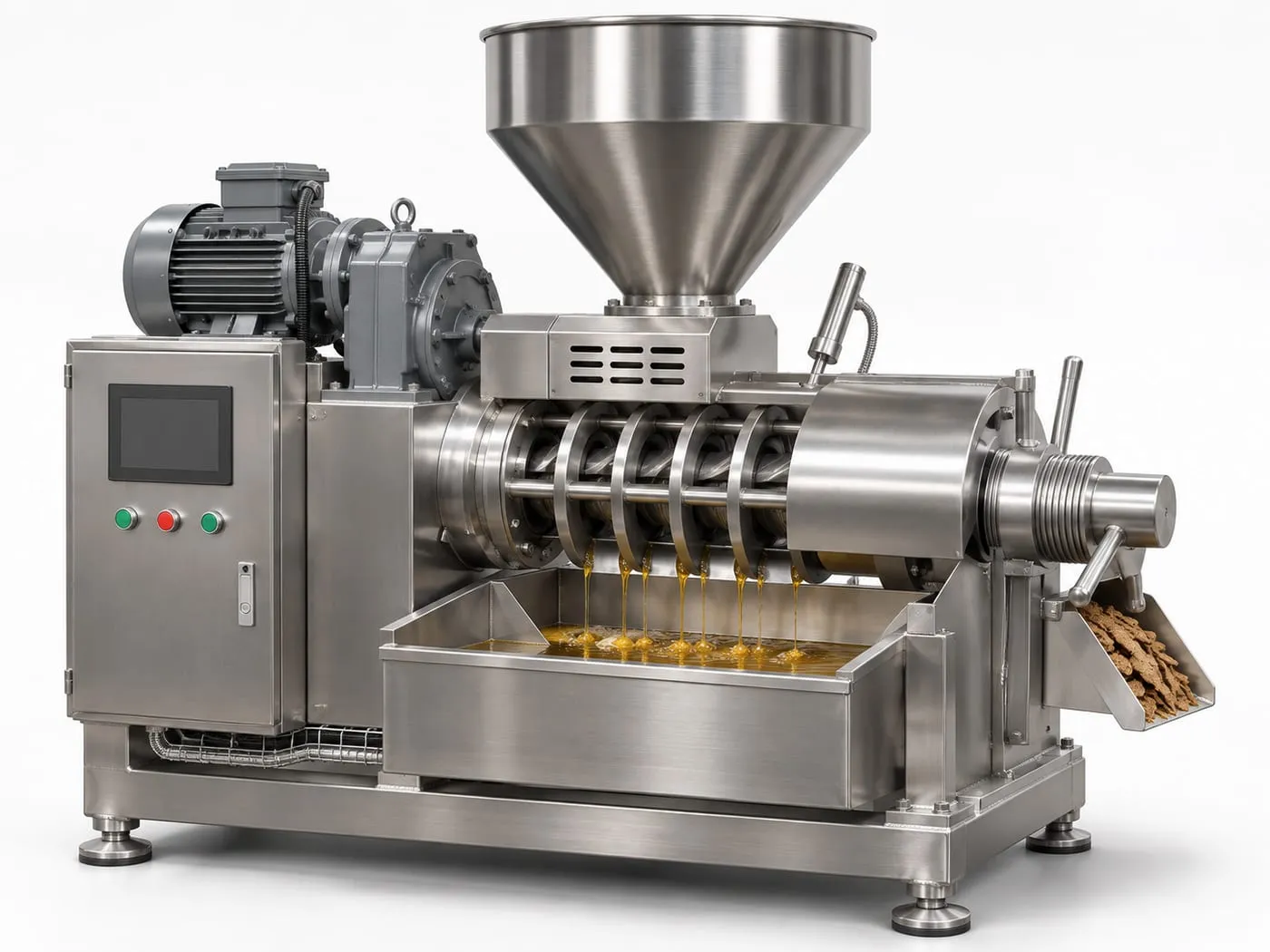
The pressing step uses a screw oil press. Crude oil can be polished with an edible oil filter, and mills that want refined oil can continue to an edible oil refining line. Kernels recovered from the nuts can be pressed or sold as they are.
Small village press
simple sterilising, threshing, digesting and pressing; suits a cooperative with limited volume and basic utilities.
Continuous mid-size line
bunches are cooked, stripped, digested and pressed in a linked flow for steady daily volume.
Line with clarification and kernel recovery
adds crude oil settling and filtering, and cracking of the nuts to recover palm kernels.
Our engineers check these points with you, so the quotation fits your site rather than a catalogue default.
Palm fruit oil quality drops when bunches wait too long before sterilising, because free fatty acids rise. The longer your delivery time, the more you should plan for steady, fast intake and sterilising capacity.
Steam or fuel for sterilising, water, a plan for effluent and empty bunches, and storage for crude oil. These utilities shape the line as much as the press does.
Yes, as an option. After pressing, the fibre and nuts are separated, nuts are cracked and kernels separated from shell. Whether this pays depends on your kernel market.
Tell us your raw material, finished product and target output. Our engineers reply with a matched configuration and quotation.
What to send with your inquiry
Email sales@hnfoda.com
What a small palm oil mill needs: sterilising, threshing, digesting, pressing, clarifying, utilities, sizing on fruit bunches and a quote checklist.
Edible Oil Processing
Oil mills and food companies producing roasted sesame oil, cold-pressed sesame oil or traditional sesame aroma oil.
Sized to sesame seed input (kg/h or tonnes per day)
Edible Oil Processing
Oil mills and edible oil brands that buy or press crude oil and sell refined cooking oil.
Sized to crude oil input (tonnes per day)
Edible Oil Processing
Small and medium oil mills, cooperatives and edible oil brands pressing their own oil.
Sized to oilseed input (kg/h or tonnes per day)
Edible Oil Processing
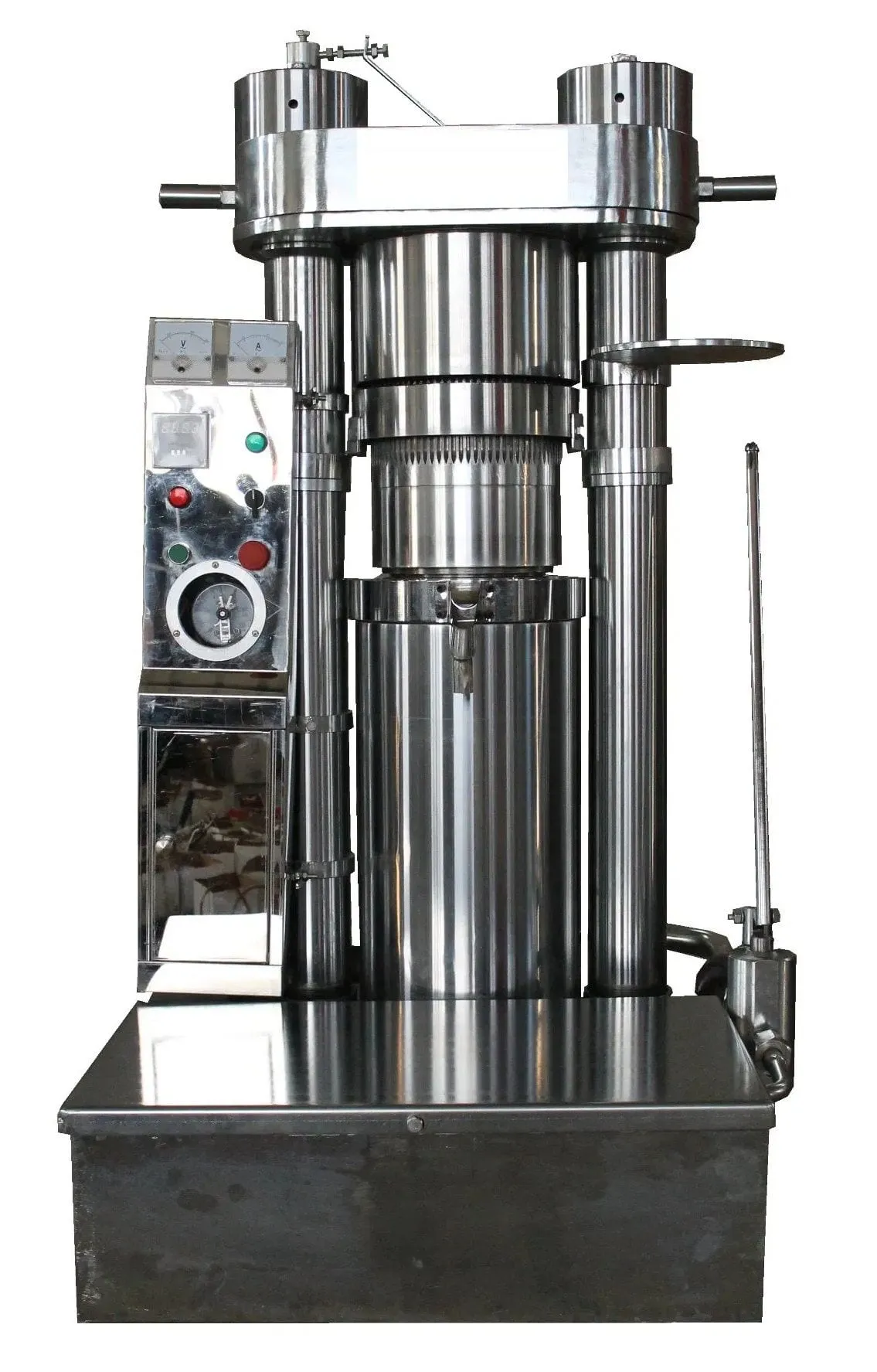
Small oil workshops and specialty oil producers pressing sesame, walnut, cocoa or other high-value oils.
Sized to seed or paste charge per batch (kg) and cycles per hour