Instant Noodle & Frozen Food
Instant Noodle Production Line
New and expanding noodle brands that need one supplier for the whole line, from dough mixing to packing.
Sized to finished noodle blocks per hour at a set block weight

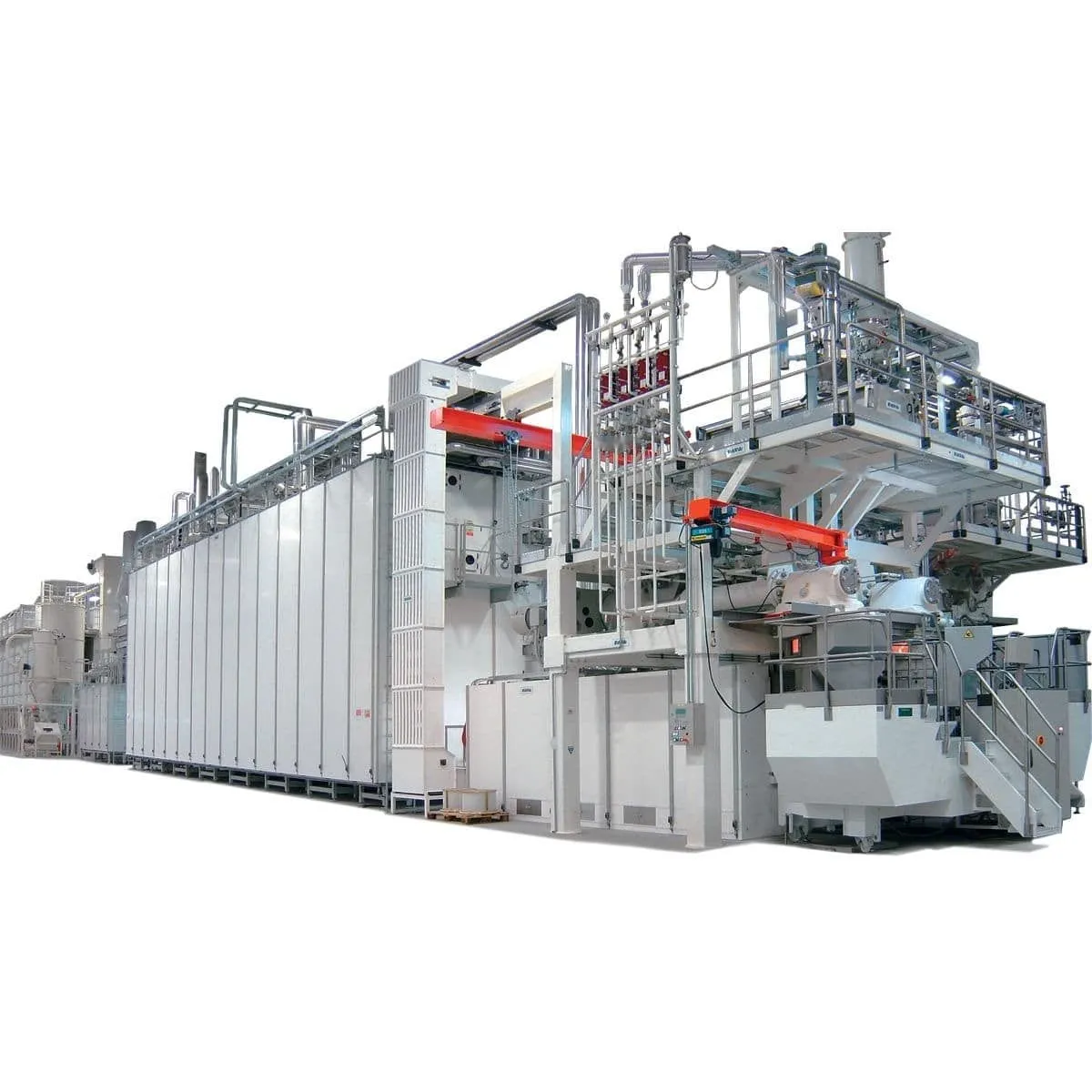
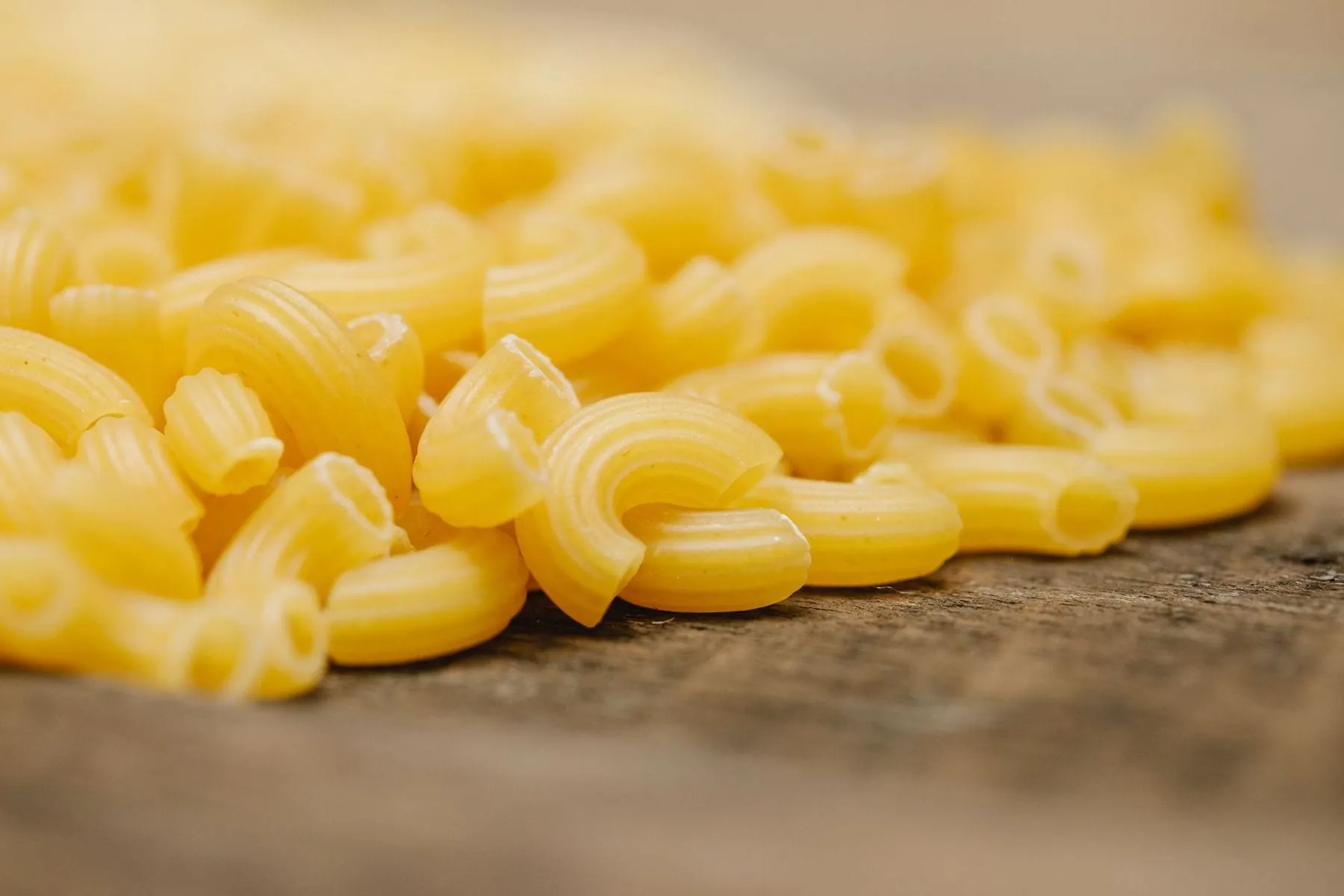
04 · Instant Noodle & Frozen Food — Production line
Mixes semolina or flour with water, extrudes it through shaped dies, cuts it into short pasta and dries it to a stable product.
Short answer: A macaroni and short-cut pasta line doses semolina or flour and water, mixes them into a crumbly dough, extrudes it through shaped dies, cuts it to length and dries it slowly to a stable moisture. Your raw material and the drying curve decide quality more than the extruder alone.
| Form | Suits | Watch out for |
|---|---|---|
| Screw extrusion | General short-cut shapes | Air bubbles and dull surface without vacuum |
| Vacuum mixing + extrusion | Premium appearance, denser pasta | Vacuum system maintenance |
| Short-cut dies | Several shapes from one press | Die change and cleaning time, die wear |
The drying section usually takes more space and engineering than the extruder. Thick-walled shapes such as large shells need gentler, longer drying than thin elbows, so if you plan a wide shape range we size the dryer for the most demanding shape rather than the most common one.
Flour can come from a grain milling line or from bulk storage. After drying, pasta is weighed on a multihead weigher, packed on a VFFS packaging machine and checked by a food metal detector and in-line checkweigher.
Screw extrusion
a screw presses the dough through the die, the basic route for most short-cut shapes.
Vacuum mixing and extrusion
air is removed before extrusion, giving a denser, smoother pasta with better colour and fewer white spots.
Short-cut dies
interchangeable dies and a rotary cutter set the shape and length, so one press can make several products.
Our engineers check these points with you, so the quotation fits your site rather than a catalogue default.
Durum wheat semolina gives the classic firm bite; soft wheat flour, blends and added ingredients such as egg or vegetable powder are also used. Protein level and gluten quality affect extrusion and cooking, so we ask for your raw material specification.
Cracks usually come from drying too fast, so the surface dries and shrinks before the inside. A staged drying curve with controlled humidity is the main remedy, together with correct dough moisture.
Long pasta needs a different spreading, cutting and drying section. The extruder can sometimes be shared, but this must be planned from the start.
Tell us your raw material, finished product and target output. Our engineers reply with a matched configuration and quotation.
What to send with your inquiry
Email sales@hnfoda.com
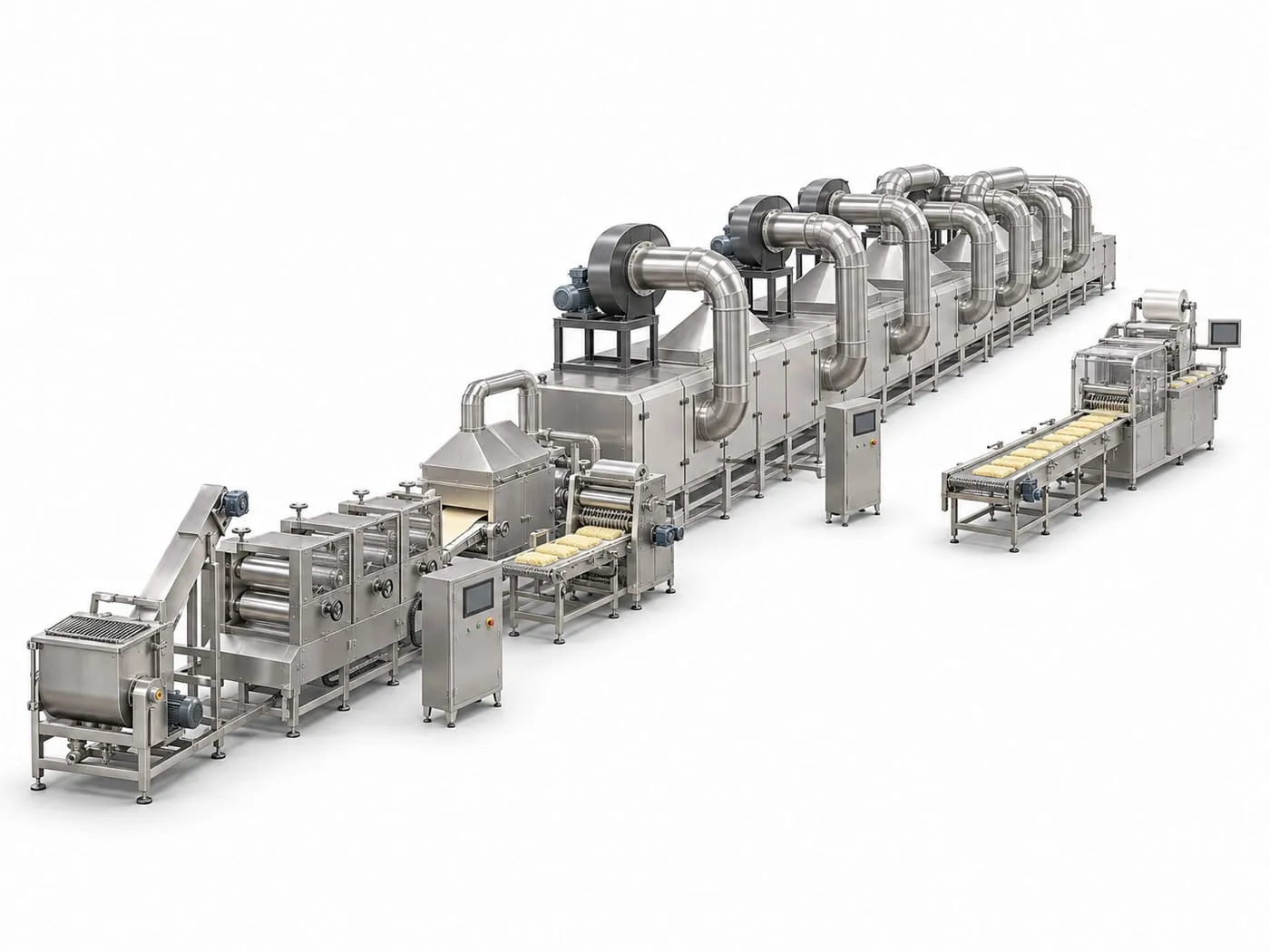
Instant Noodle & Frozen Food
New and expanding noodle brands that need one supplier for the whole line, from dough mixing to packing.
Sized to finished noodle blocks per hour at a set block weight
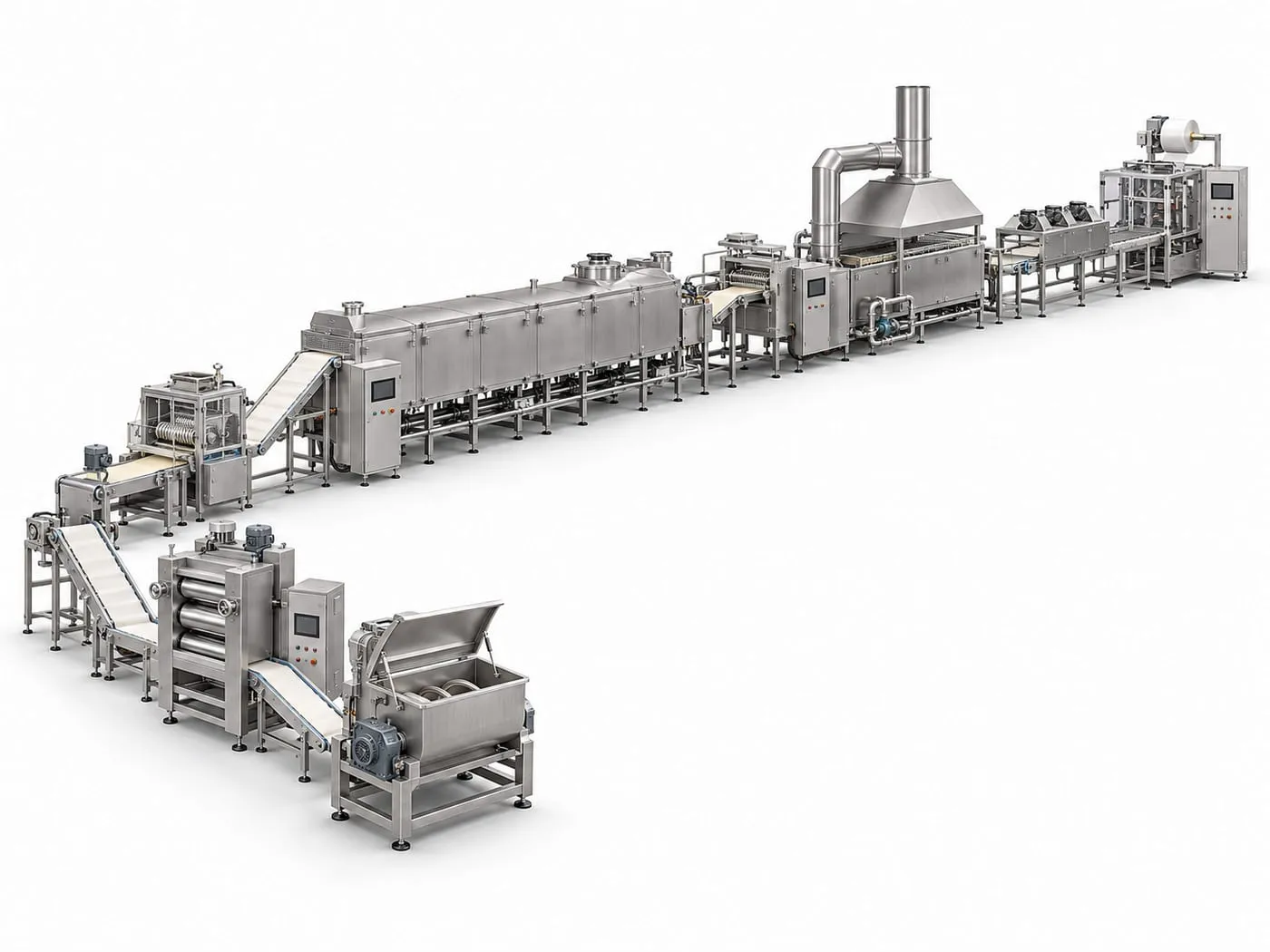
Instant Noodle & Frozen Food
Noodle makers adding an air-dried, lower-fat product or building a dedicated non-fried plant.
Sized to dried noodle blocks per hour at a set block weight
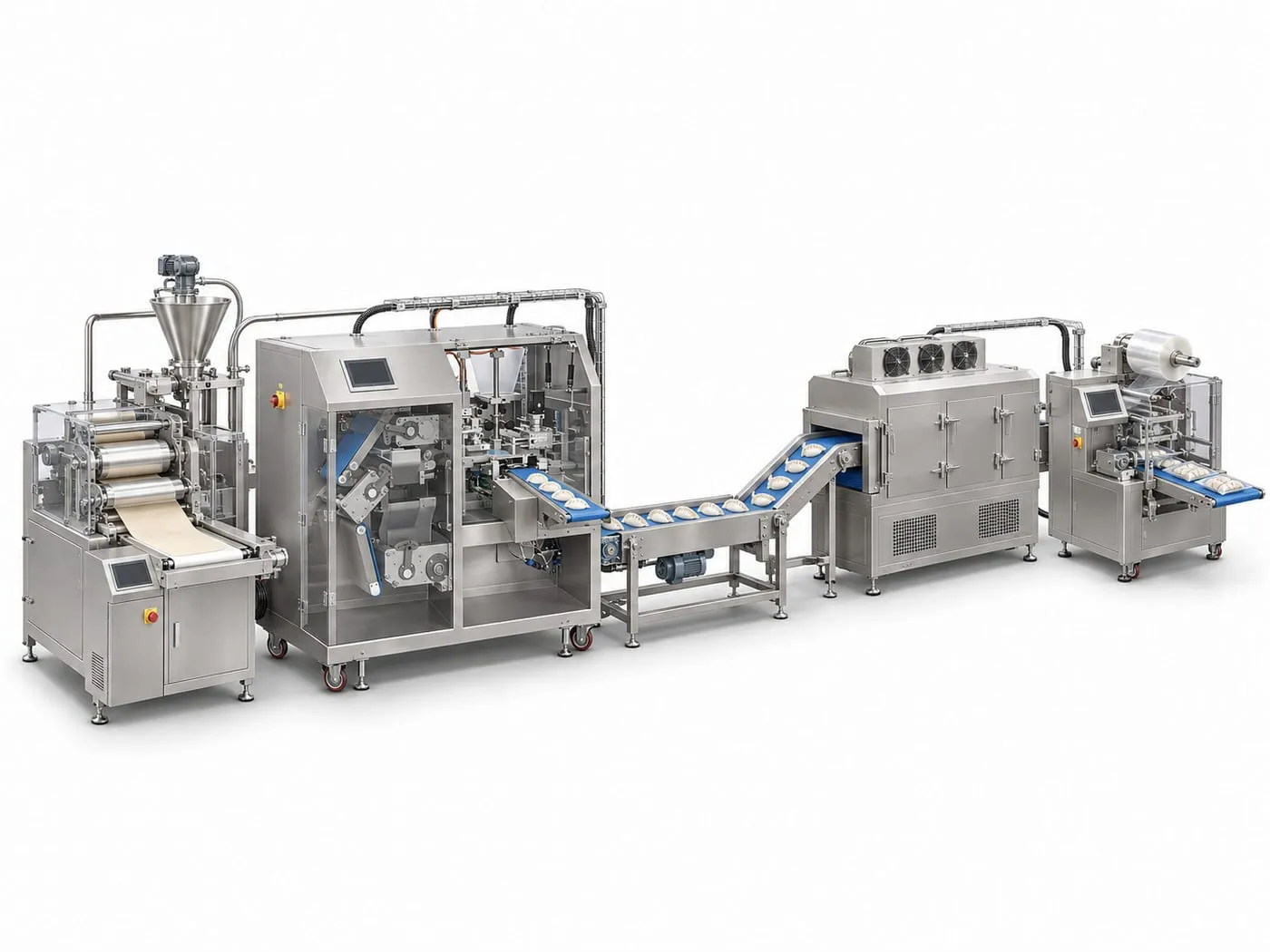
Instant Noodle & Frozen Food
Frozen food factories and new brands moving from hand-made or semi-automatic dumplings to steady machine output.
Sized to finished frozen dumplings per hour at a set piece weight
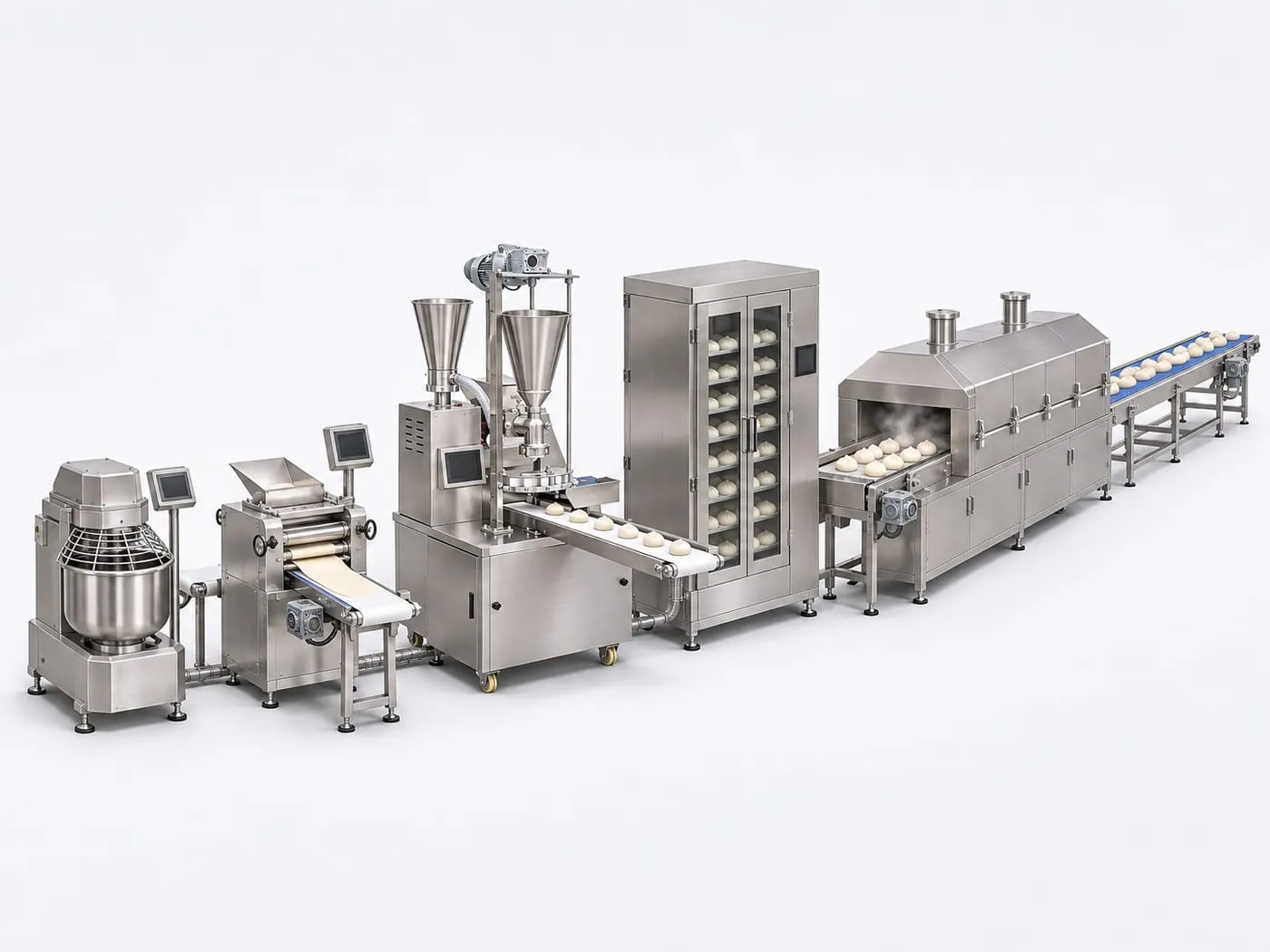
Instant Noodle & Frozen Food
Central kitchens, frozen food plants and bakeries scaling up plain or filled steamed buns.
Sized to finished buns per hour at a set piece weight