Bakery & Snack Food
Biscuit Production Line
Biscuit factories, private-label bakeries and investors entering packaged biscuits.
Sized to baked biscuits per hour (kg/h of finished product) for a given size and weight

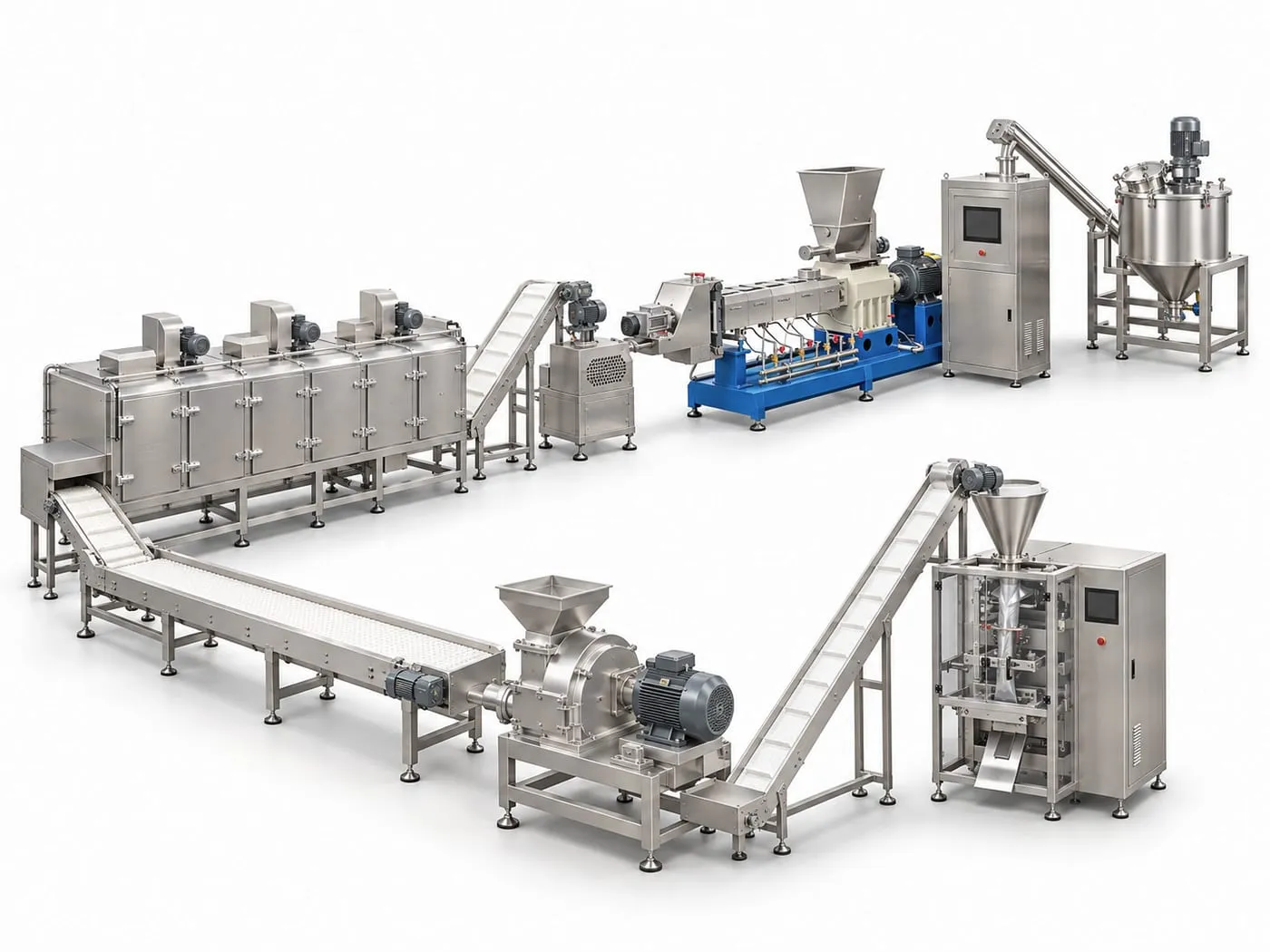
05 · Bakery & Snack Food — Production line
Prepares and cooks grains, then turns them into a dry instant porridge or a wet ready-to-eat porridge that is filled and heat treated.
Short answer: An instant porridge production line prepares and cooks grains, then either dries them into a mix that rehydrates with hot water or fills cooked porridge into cups or pouches that are sealed and heat treated. Whether you sell a dry or a wet product, and the rehydration time or shelf life you need, decide what sits after the cooking step.
| Form | Suits | Watch out for |
|---|---|---|
| Dry instant porridge | Ambient retail, export, low freight cost | Rehydration time, lumping, texture after mixing |
| Wet ready-to-eat | Convenience retail, vending, travel | Heat-treatment validation, container cost |
A dry line has more drying and blending equipment; a wet line has more filling, sealing and heat-treatment equipment. The grain preparation and cooking sections are similar.
Grain preparation may use a grain milling line and a grain optical sorter. Cooking runs in jacketed cooking kettles. Wet products use a liquid filling machine or premade pouch packing machine and a food retort. Dry products are often dried on a hot air dryer.
Dry instant porridge
grains are cooked, dried and blended so the consumer adds hot water or milk.
Wet ready-to-eat porridge
cooked porridge is filled into cups, cans or pouches and heat treated for shelf life.
Our engineers check these points with you, so the quotation fits your site rather than a catalogue default.
Dry porridge is light, ships at ambient temperature and is cheaper to transport. Ready-to-eat porridge is more convenient for the consumer, but needs filling, heat treatment and more packaging. The market and price point usually decide.
Through filling and sealing followed by a heat treatment matched to the product and container. The food company owns the process validation; we supply and commission the equipment to run the agreed process.
Yes. Beans often need separate soaking and cooking; nuts and dried fruit are usually prepared separately and dosed in. Tell us the full recipe so each ingredient is handled correctly.
Tell us your raw material, finished product and target output. Our engineers reply with a matched configuration and quotation.
What to send with your inquiry
Email sales@hnfoda.com
Bakery & Snack Food
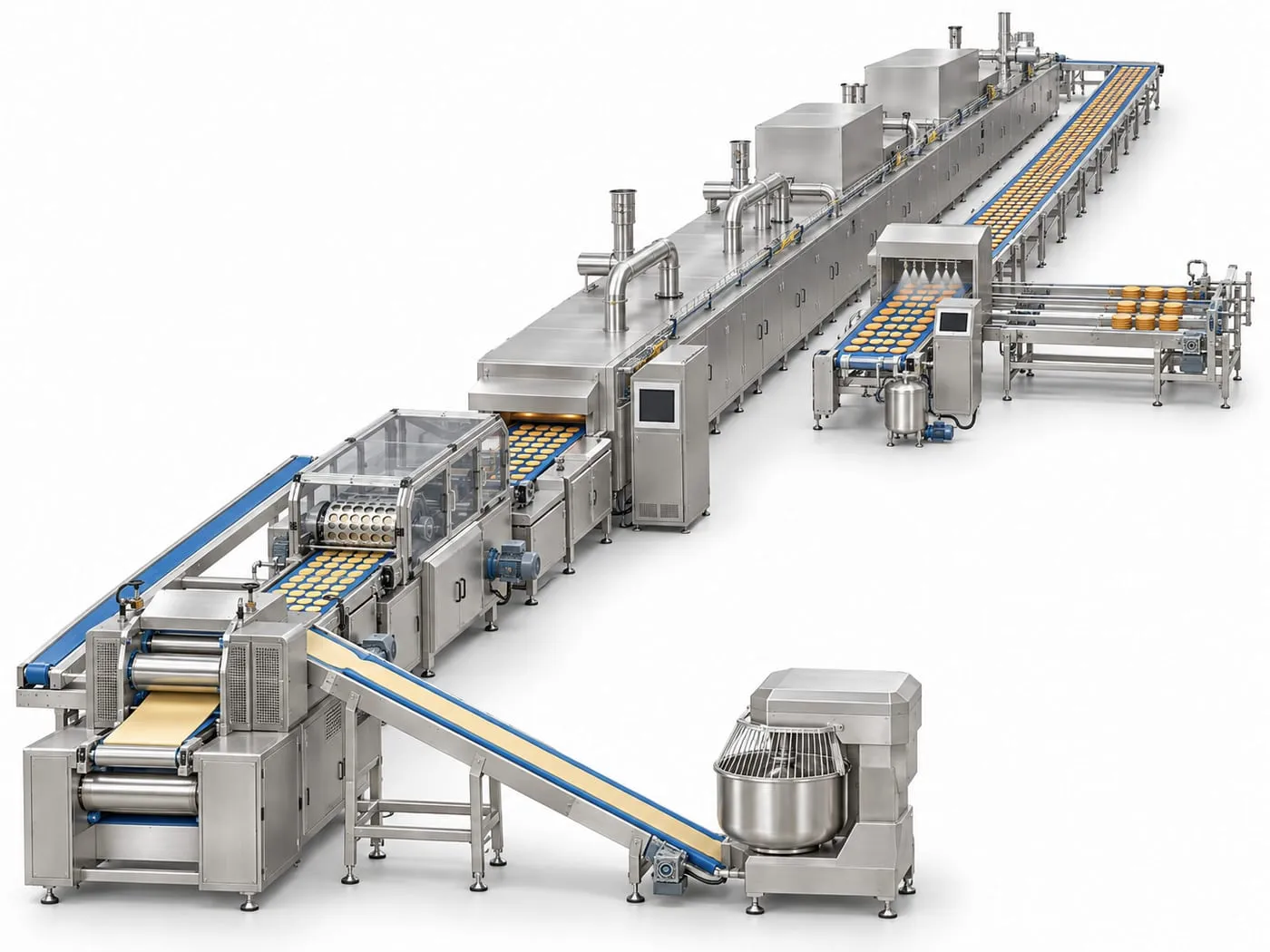
Biscuit factories, private-label bakeries and investors entering packaged biscuits.
Sized to baked biscuits per hour (kg/h of finished product) for a given size and weight
Bakery & Snack Food
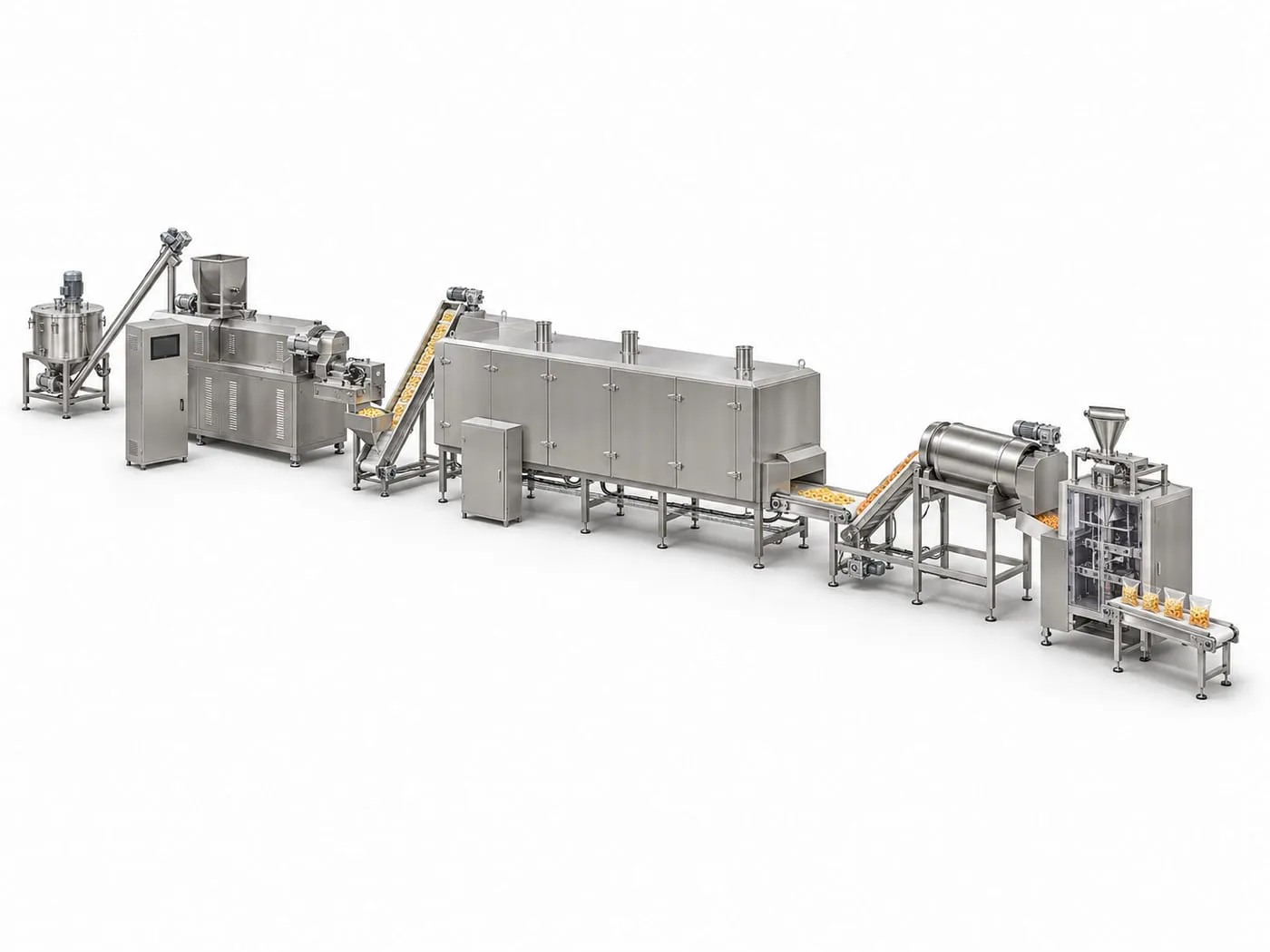
Snack brands and contract manufacturers making corn puffs, cereal shapes and snack pellets.
Sized to extruder throughput (kg/h of dry mix) with finished output stated separately
Bakery & Snack Food
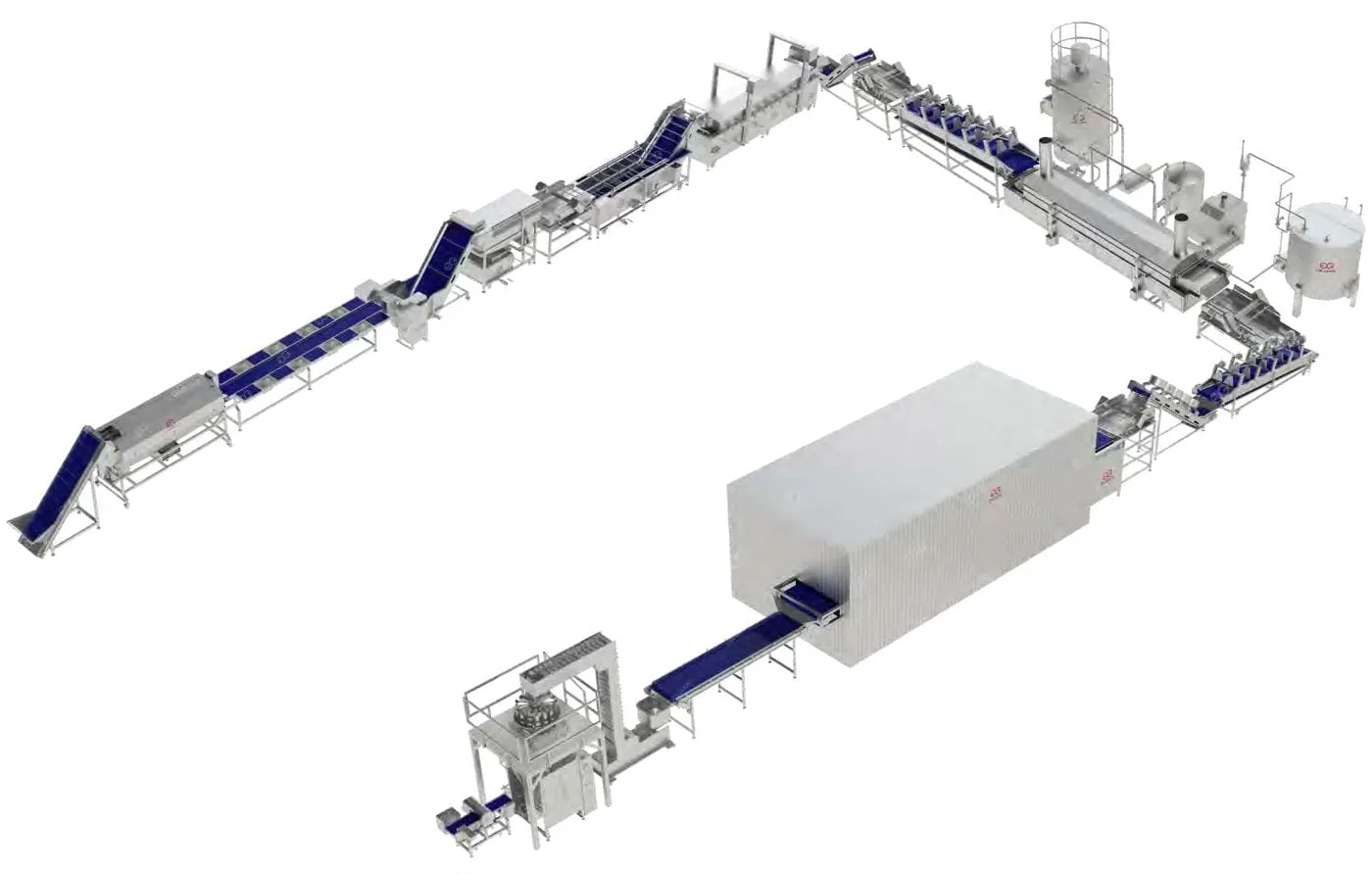
Potato snack brands, frozen fries producers and agricultural investors near potato growing areas.
Sized to fresh potato input (kg/h) with finished output stated separately
Bakery & Snack Food
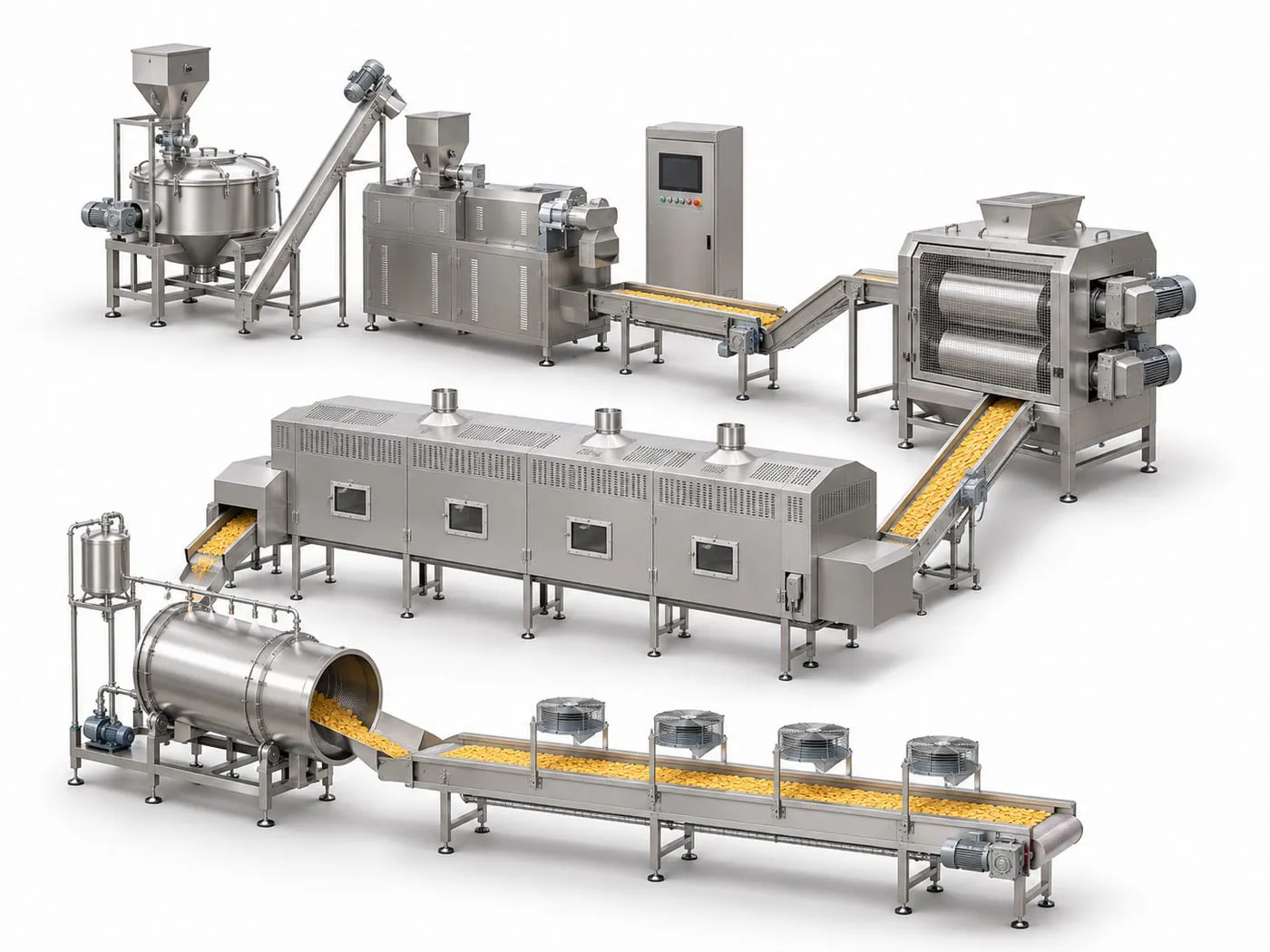
Breakfast cereal brands, private-label packers and snack plants adding corn flakes or coated cereals.
Sized to finished cereal output (kg/h) for a set flake thickness