Bakery & Snack Food
Biscuit Production Line
Biscuit factories, private-label bakeries and investors entering packaged biscuits.
Sized to baked biscuits per hour (kg/h of finished product) for a given size and weight

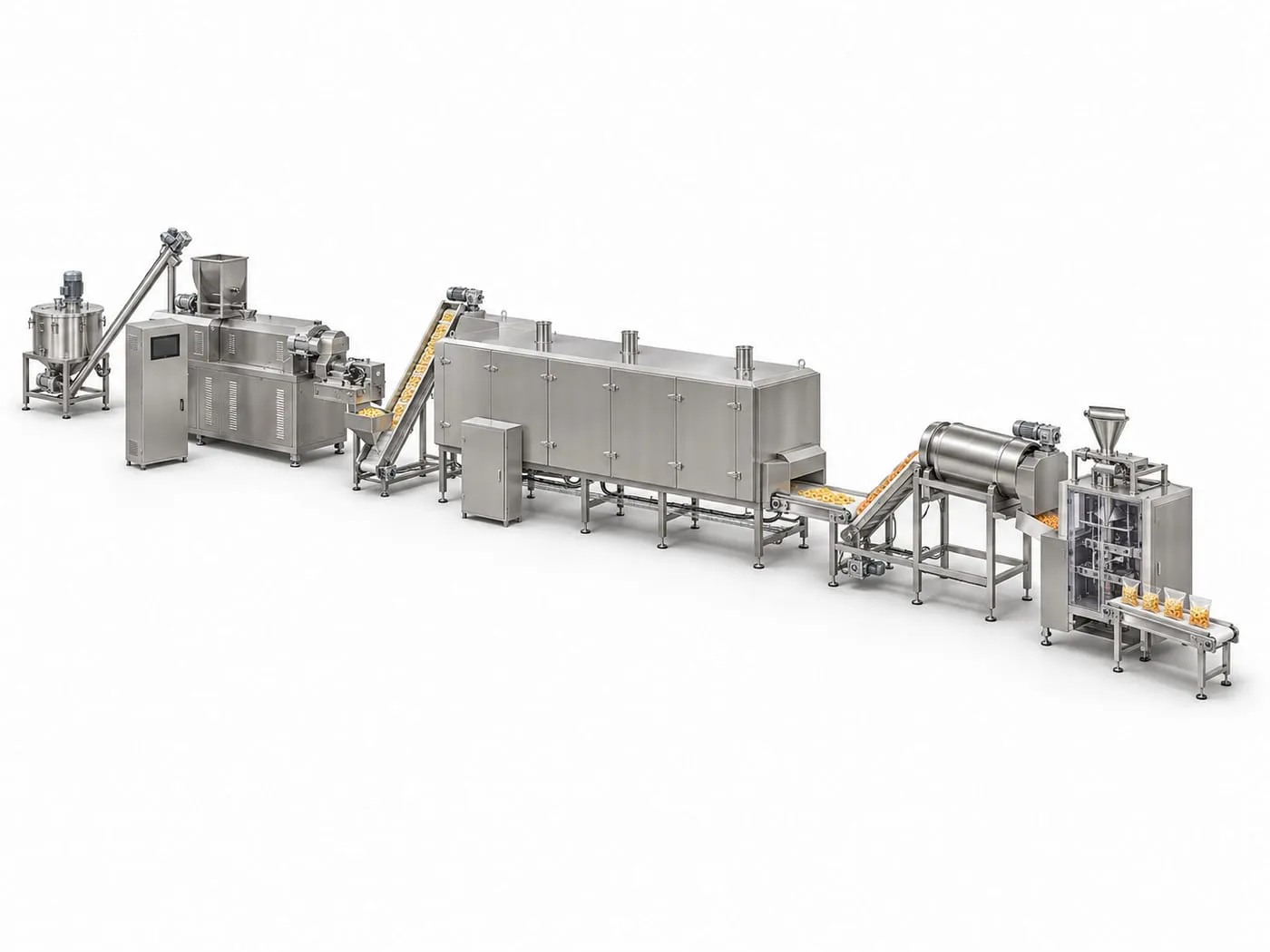

05 · Bakery & Snack Food — Production line
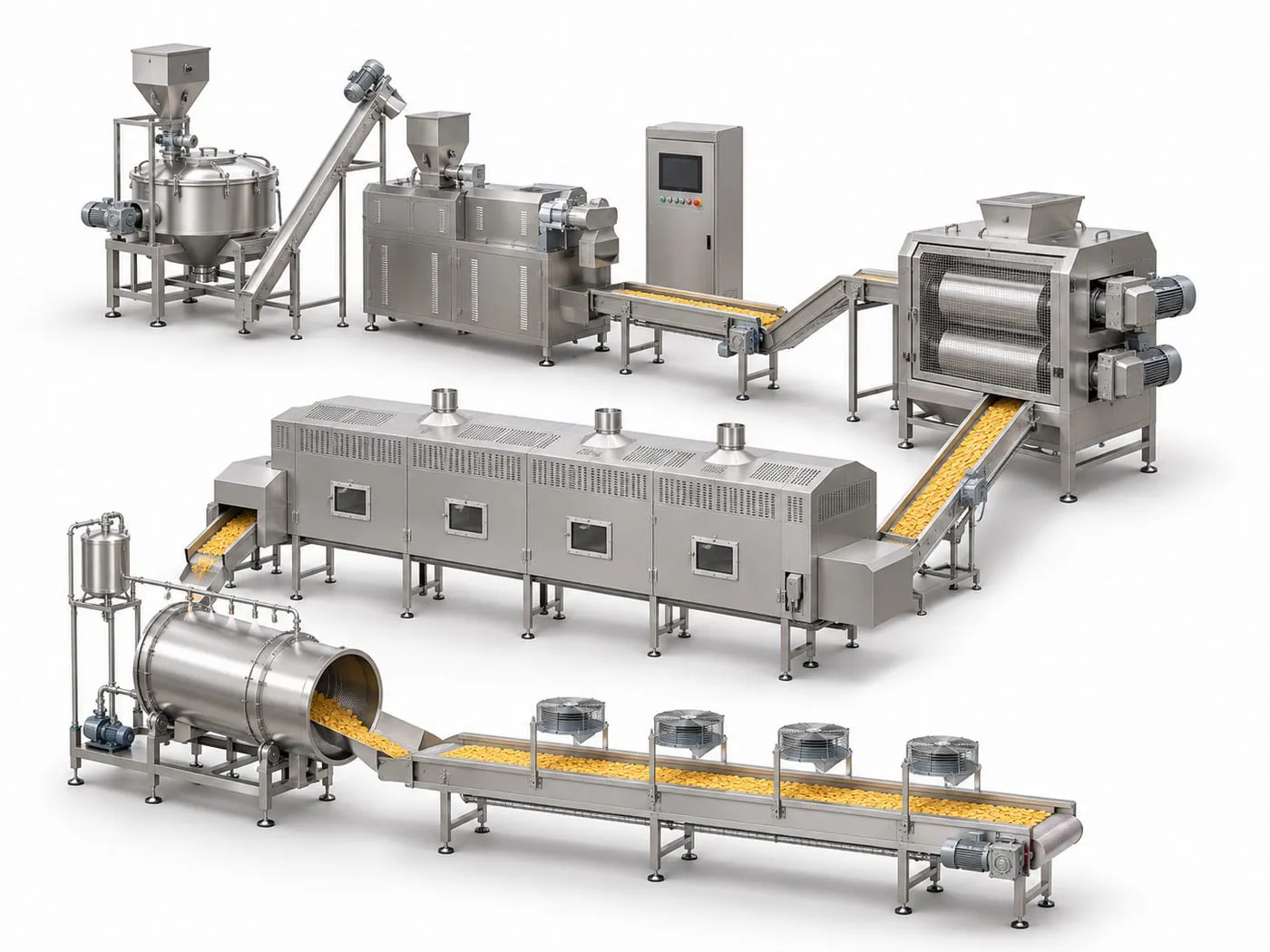
Mixes and extrudes grain-based recipes into puffed snacks or pellets, then dries or fries, seasons and packs them.
Short answer: An extruded snack production line mixes grain-based ingredients with water, cooks and shapes them in an extruder, then dries or fries, seasons and packs the snacks. The recipe moisture, the expansion you want and whether you make ready-to-eat puffs or pellets for later expansion decide the extruder type and the back end.
For pellets, after drying they are stored and later expanded by frying or hot air.
| Form | Suits | Watch out for |
|---|---|---|
| Single-screw | Basic corn puffs, limited recipes | Less tolerance for recipe changes |
| Twin-screw | Many recipes and shapes | Higher purchase cost, more training |
| Direct expansion | Ready-to-eat puffs, simpler line | Drying and seasoning set the end quality |
| Pellet line | Products expanded later or sold to other snack makers | Long, careful pellet drying |
For a first snack plant, a direct expansion line is the shorter route to market. A pellet line suits companies that want to ship a compact semi-product or supply other snack makers, since dried pellets store well and take little space before expansion.
Seasoning is applied in a rotary coating drum; pellets for frying go to a continuous fryer. Packing usually uses a multihead weigher and VFFS packaging machine, with a food metal detector. A related filled product is made on the co-extruded filled snack line.
Single-screw extruder
simpler and lower cost, suited to straightforward corn-based puffed snacks.
Twin-screw extruder
better mixing and control, handles more varied recipes and shapes and is easier to change over.
Direct expansion
the product puffs as it leaves the die, then is dried and seasoned, for ready-to-eat puffs.
Pellet (indirect expansion)
dense pellets are formed and dried, then expanded later by frying or hot air, often by another plant.
Our engineers check these points with you, so the quotation fits your site rather than a catalogue default.
Single-screw machines are simpler and cost less, and work well for basic corn puffs. Twin-screw machines handle wider recipes, more water and fat, and finer shapes, with more consistent quality. If you plan many products, twin-screw is usually the safer choice.
Puffed snacks expand at the die and are eaten after drying and seasoning. Pellets are dense, dried semi-products that expand later when fried or heated, so they can be shipped and expanded elsewhere.
The extruder is rated on what goes in. Finished output differs because water is added and removed and seasoning is added, so we state both figures for your product.
Tell us your raw material, finished product and target output. Our engineers reply with a matched configuration and quotation.
What to send with your inquiry
Email sales@hnfoda.com
Bakery & Snack Food
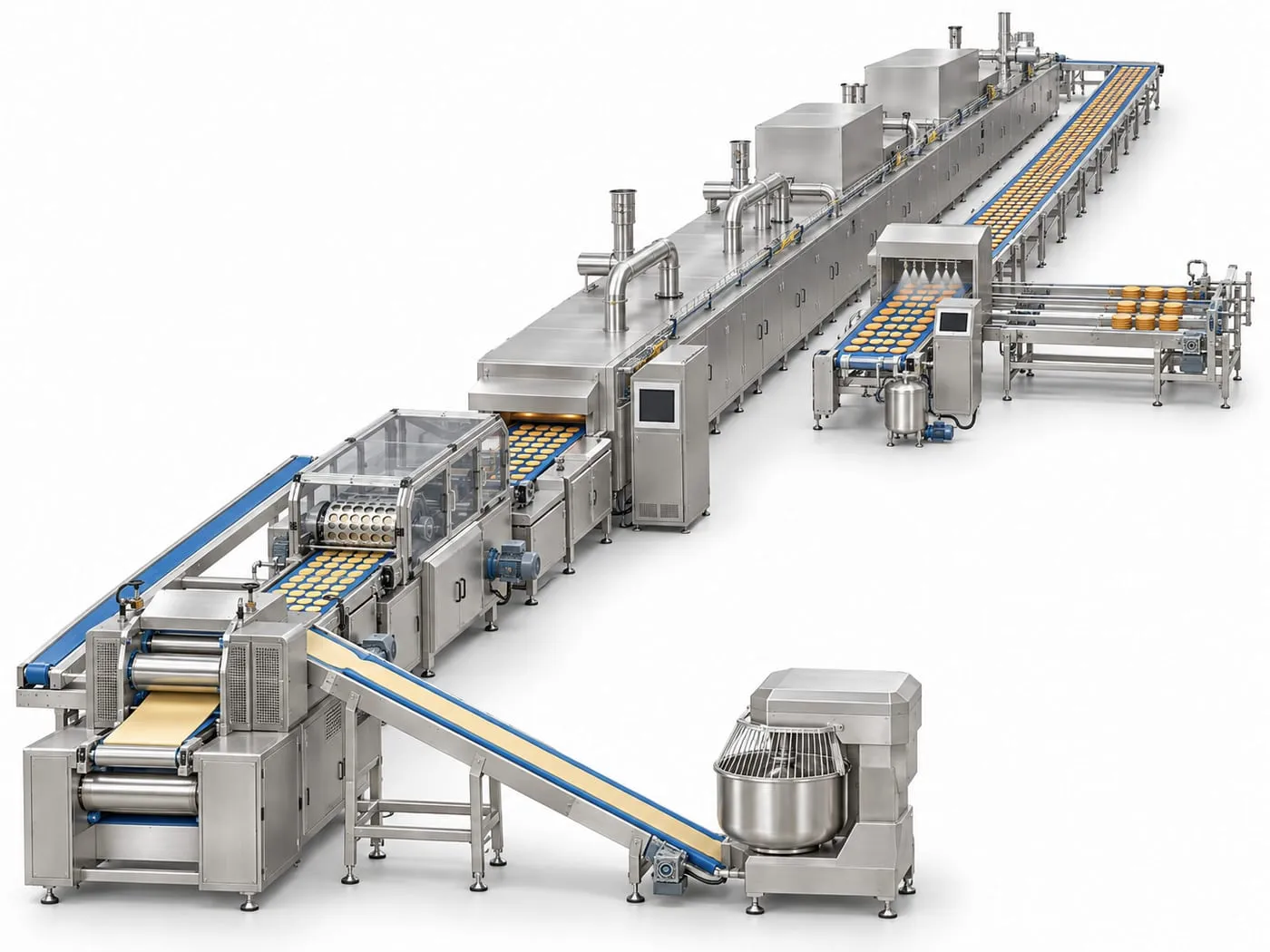
Biscuit factories, private-label bakeries and investors entering packaged biscuits.
Sized to baked biscuits per hour (kg/h of finished product) for a given size and weight
Bakery & Snack Food
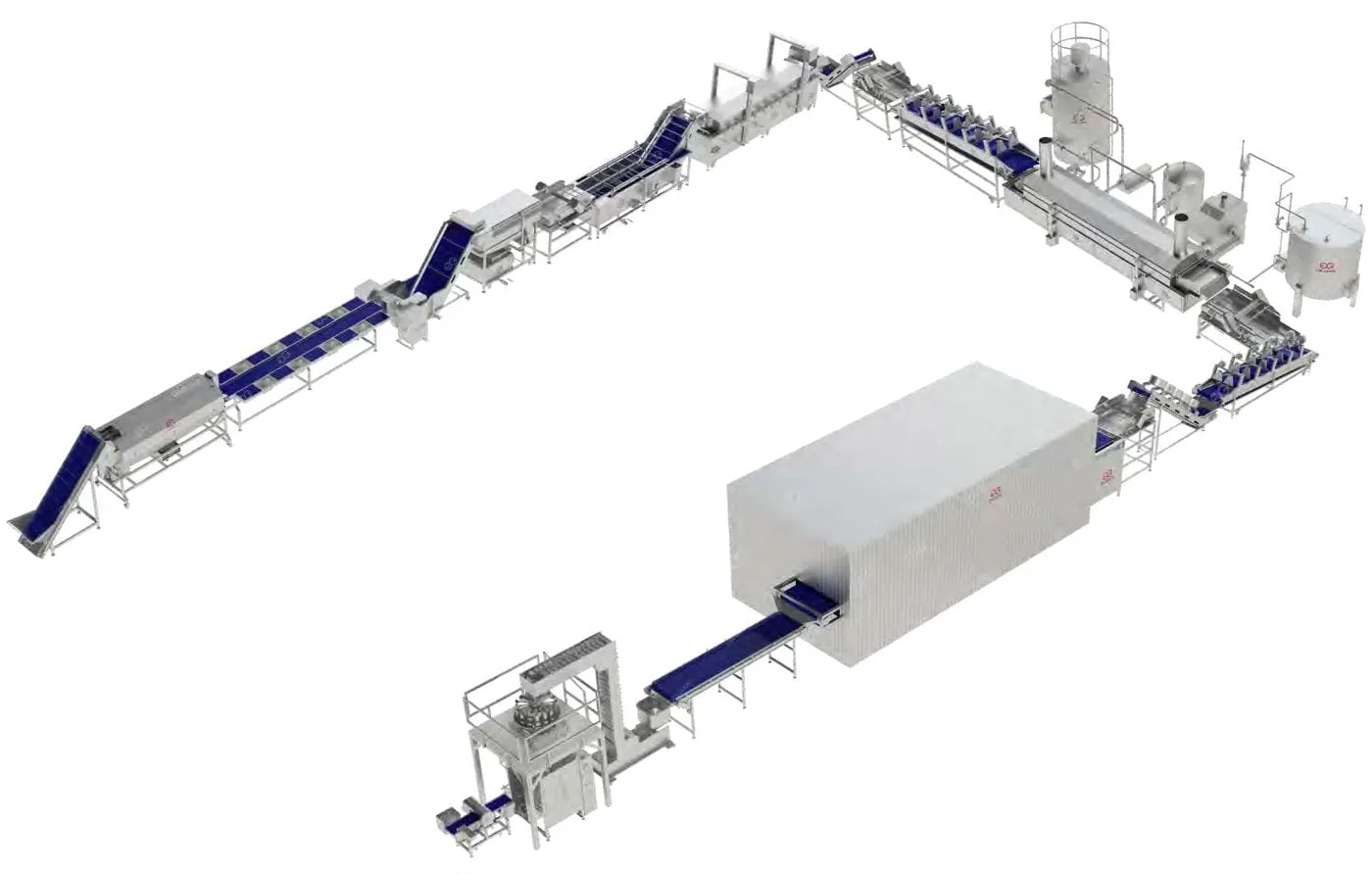
Potato snack brands, frozen fries producers and agricultural investors near potato growing areas.
Sized to fresh potato input (kg/h) with finished output stated separately
Bakery & Snack Food
Breakfast cereal brands, private-label packers and snack plants adding corn flakes or coated cereals.
Sized to finished cereal output (kg/h) for a set flake thickness
Bakery & Snack Food
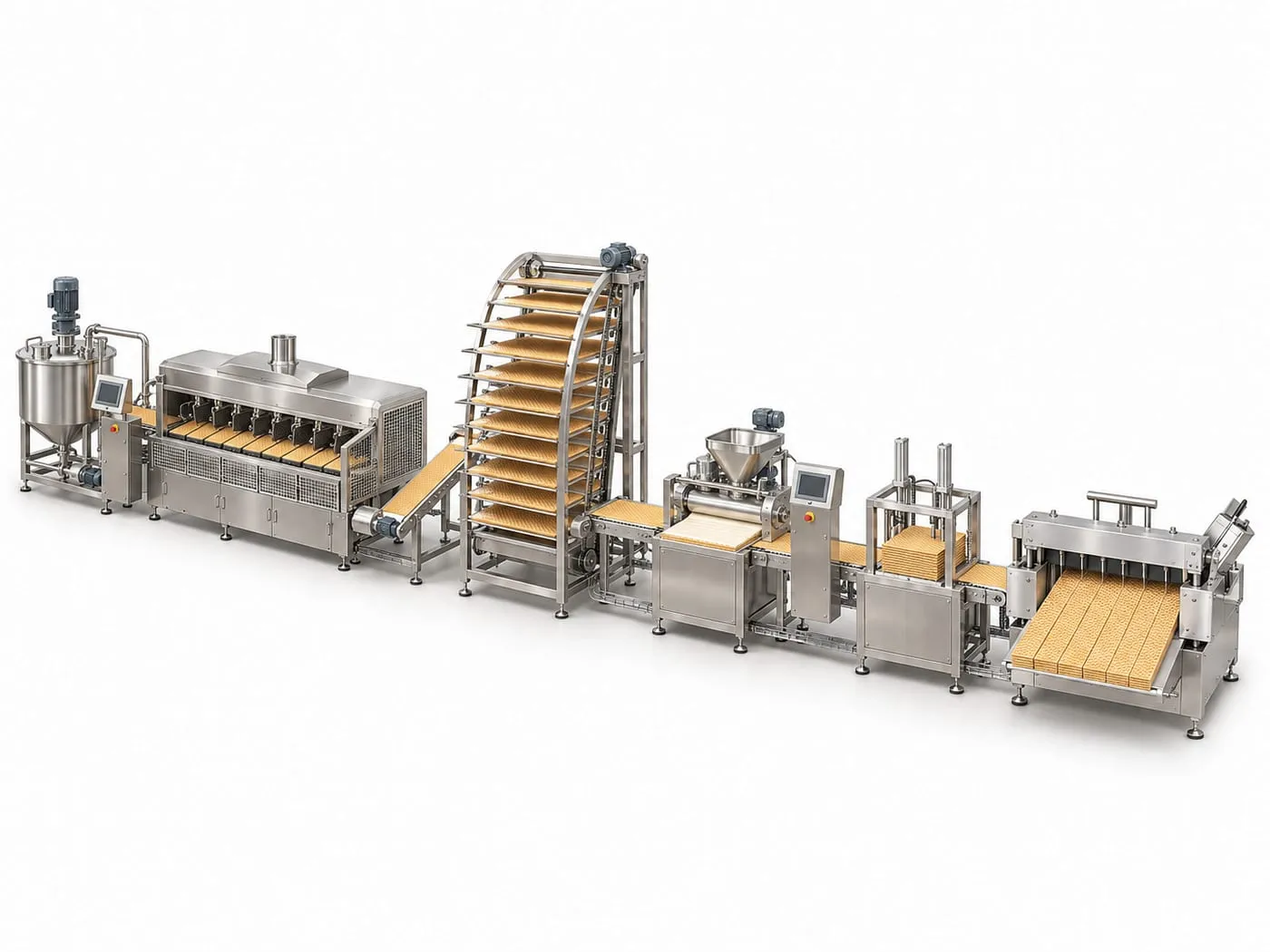
Confectionery and biscuit plants making cream wafers, wafer bars and coated wafer products.
Sized to baked wafer sheets per hour at a set sheet size