Bakery & Snack Food
Biscuit Production Line
Biscuit factories, private-label bakeries and investors entering packaged biscuits.
Sized to baked biscuits per hour (kg/h of finished product) for a given size and weight

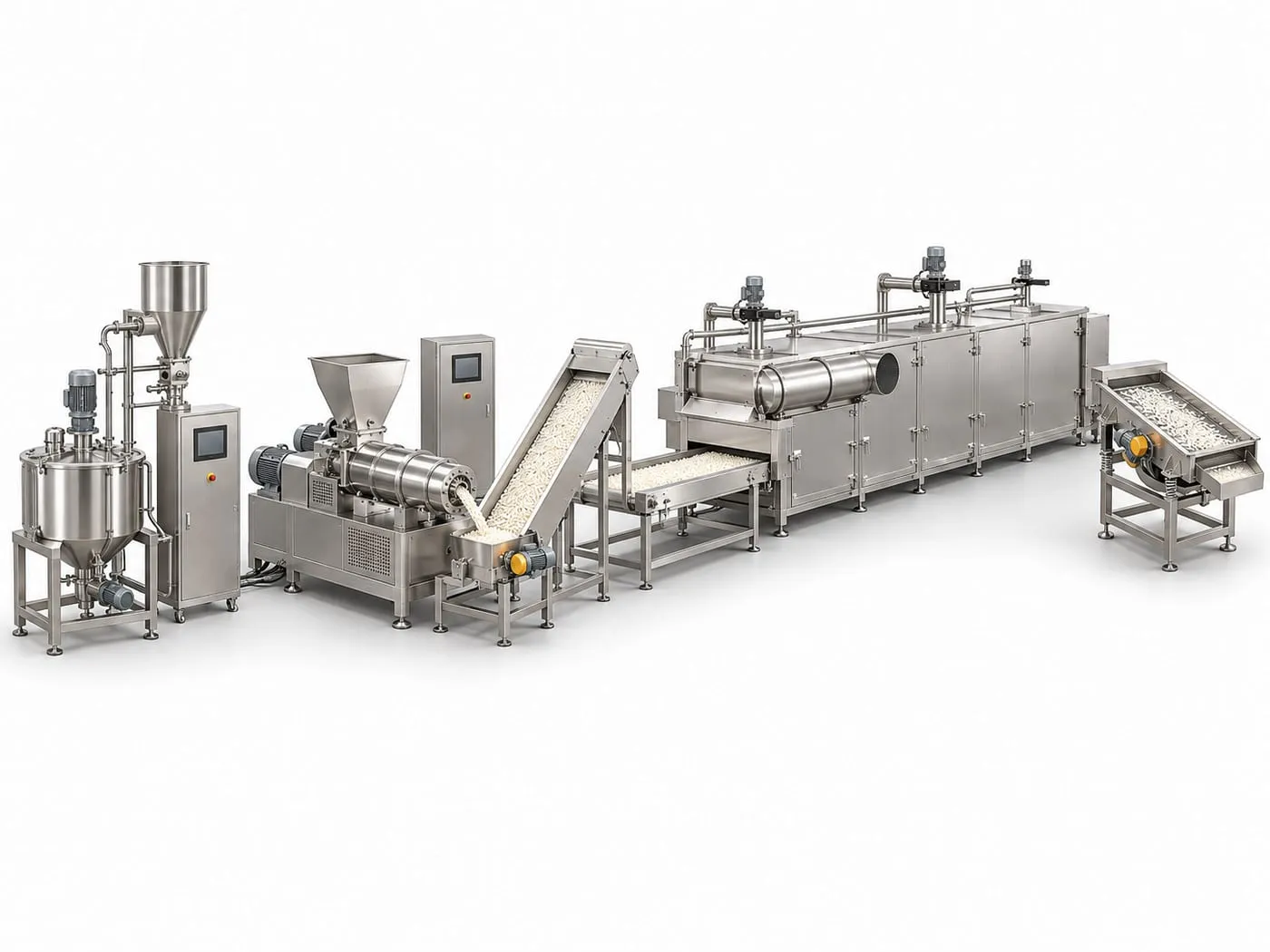
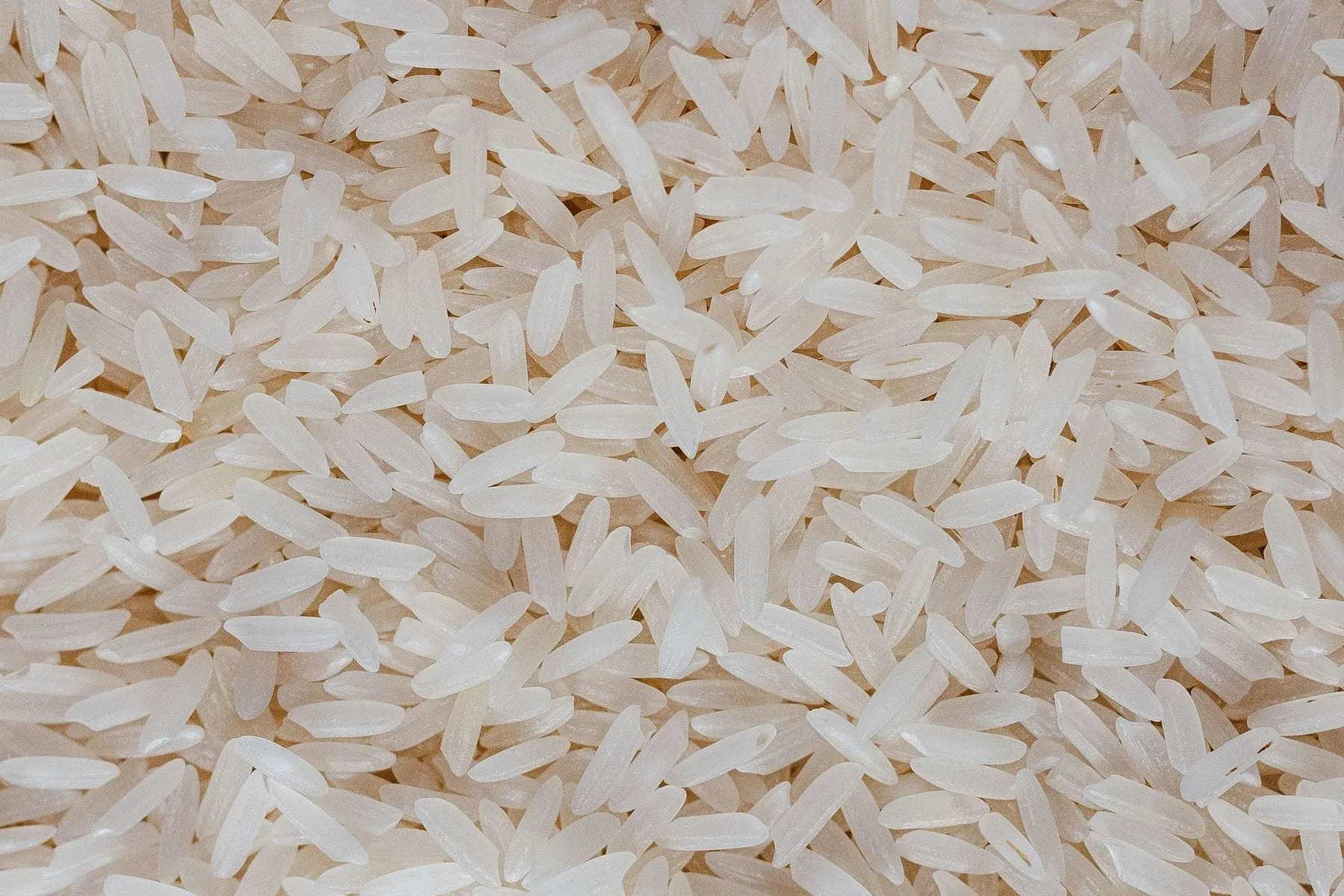
05 · Bakery & Snack Food — Production line
Mixes rice or other grain flour with nutrients, extrudes it into rice-shaped kernels, then dries and grades them for blending or direct sale.
Short answer: A fortified and reconstituted rice line mixes rice or other grain flour with water and a nutrient premix, extrudes it into kernels shaped like rice, then dries, cools and grades them. The fortification recipe, the kernel shape needed to blend with ordinary rice, and how the kernels must behave when cooked decide whether a cold-forming or cooked-extrusion route fits.
| Form | Suits | Watch out for |
|---|---|---|
| Low-temperature forming | Heat-sensitive nutrients | Softer kernels, more breakage when cooked |
| Cooked extrusion | Kernels that cook like normal rice | Some nutrient loss from heat; set premix overages accordingly |
| Fortified kernel line | Nutrition programmes, blend-in kernels | Blending accuracy and uniform mixing |
The route is usually chosen together with the premix supplier, because nutrient stability under heat varies. The same line can also make plain reconstituted rice without premix, for example from broken rice or mixed grains, which helps keep the equipment busy between fortification orders.
Flour is prepared on a grain milling line, often from broken rice from a rice milling line. Kernels can be cleaned with a grain optical sorter before blending. The extrusion principle is related to the extruded snack production line, and packing usually runs on a VFFS packaging machine.
Low-temperature forming
kernels are shaped with little cooking, keeping more heat-sensitive nutrients but giving a softer kernel.
Cooked extrusion
the flour is cooked in the extruder, giving firmer kernels that behave more like normal rice when cooked.
Fortified kernel line
kernels with a high nutrient content are produced to be mixed with ordinary rice at a fixed ratio.
Our engineers check these points with you, so the quotation fits your site rather than a catalogue default.
Broken rice flour is the most common base, often with other grain or legume flours and a vitamin and mineral premix. The premix is specified by the customer or their nutrition programme.
Fortified kernels are usually mixed with ordinary rice. If they look or cook differently, consumers may sort them out. Kernels are therefore shaped and sized to match the rice they are blended with.
The customer and the relevant food or nutrition authority define the fortification levels and the testing. We supply equipment to dose, mix, form and dry the kernels to that specification.
Tell us your raw material, finished product and target output. Our engineers reply with a matched configuration and quotation.
What to send with your inquiry
Email sales@hnfoda.com
Bakery & Snack Food
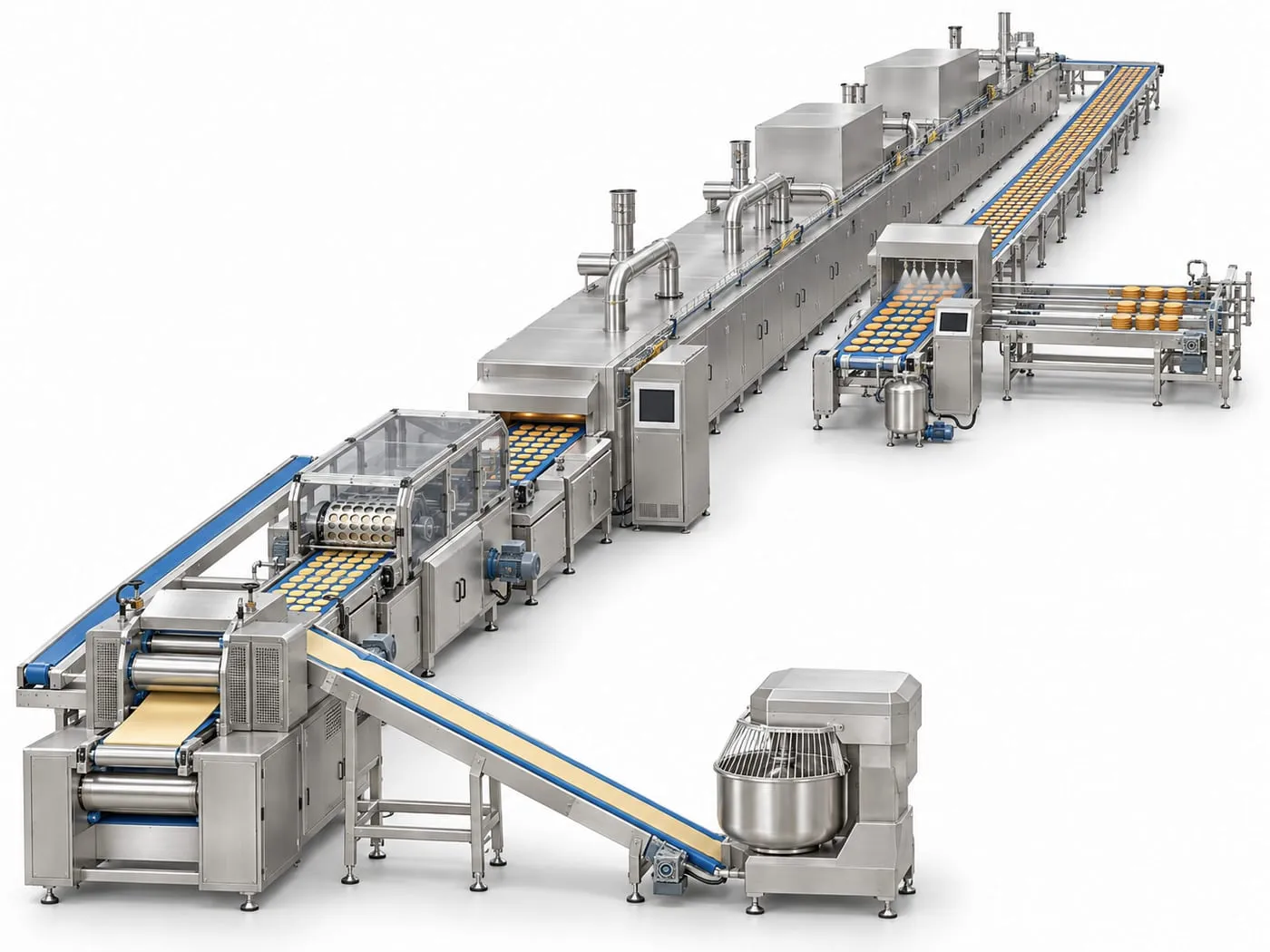
Biscuit factories, private-label bakeries and investors entering packaged biscuits.
Sized to baked biscuits per hour (kg/h of finished product) for a given size and weight
Bakery & Snack Food
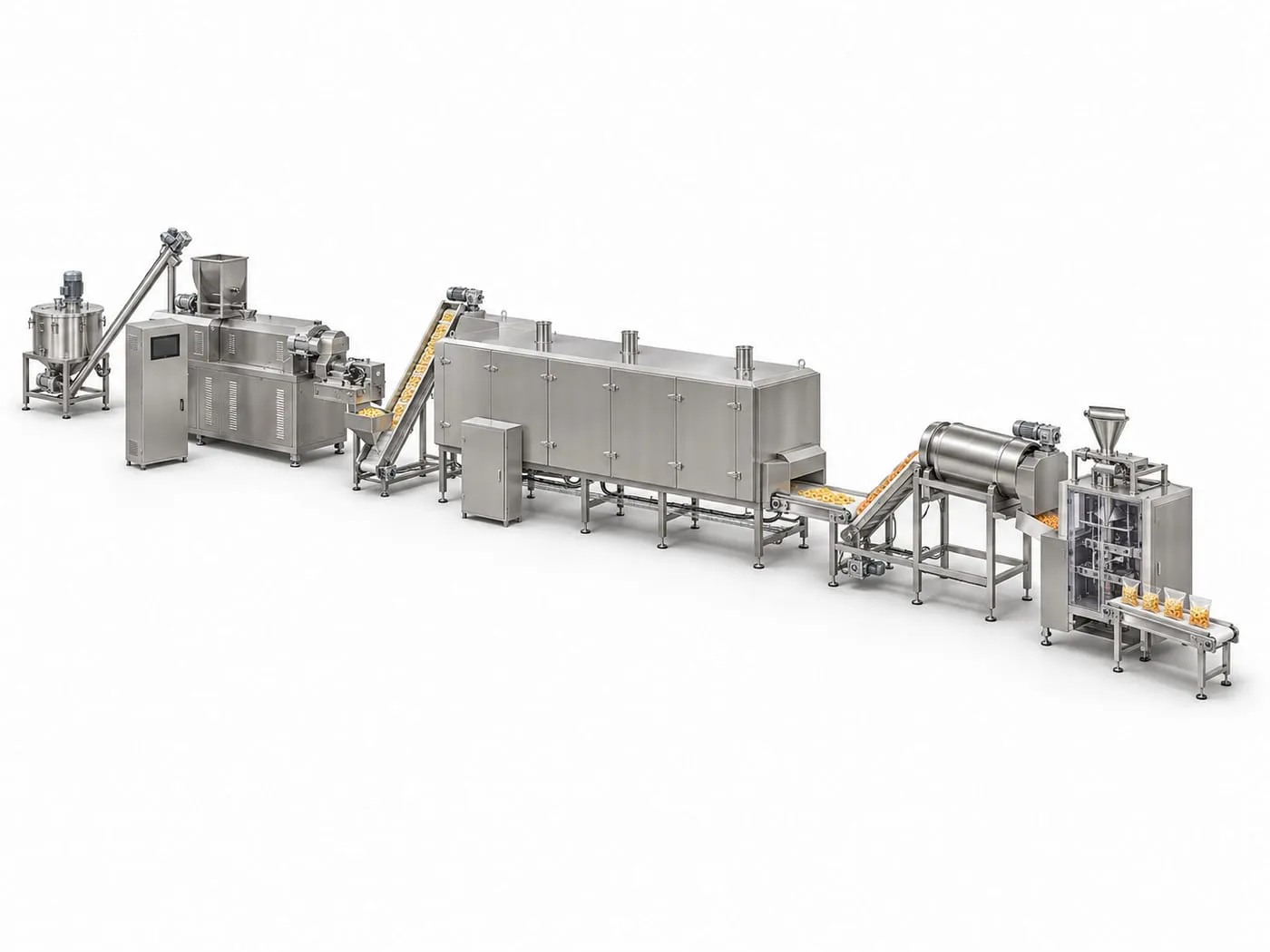
Snack brands and contract manufacturers making corn puffs, cereal shapes and snack pellets.
Sized to extruder throughput (kg/h of dry mix) with finished output stated separately
Bakery & Snack Food
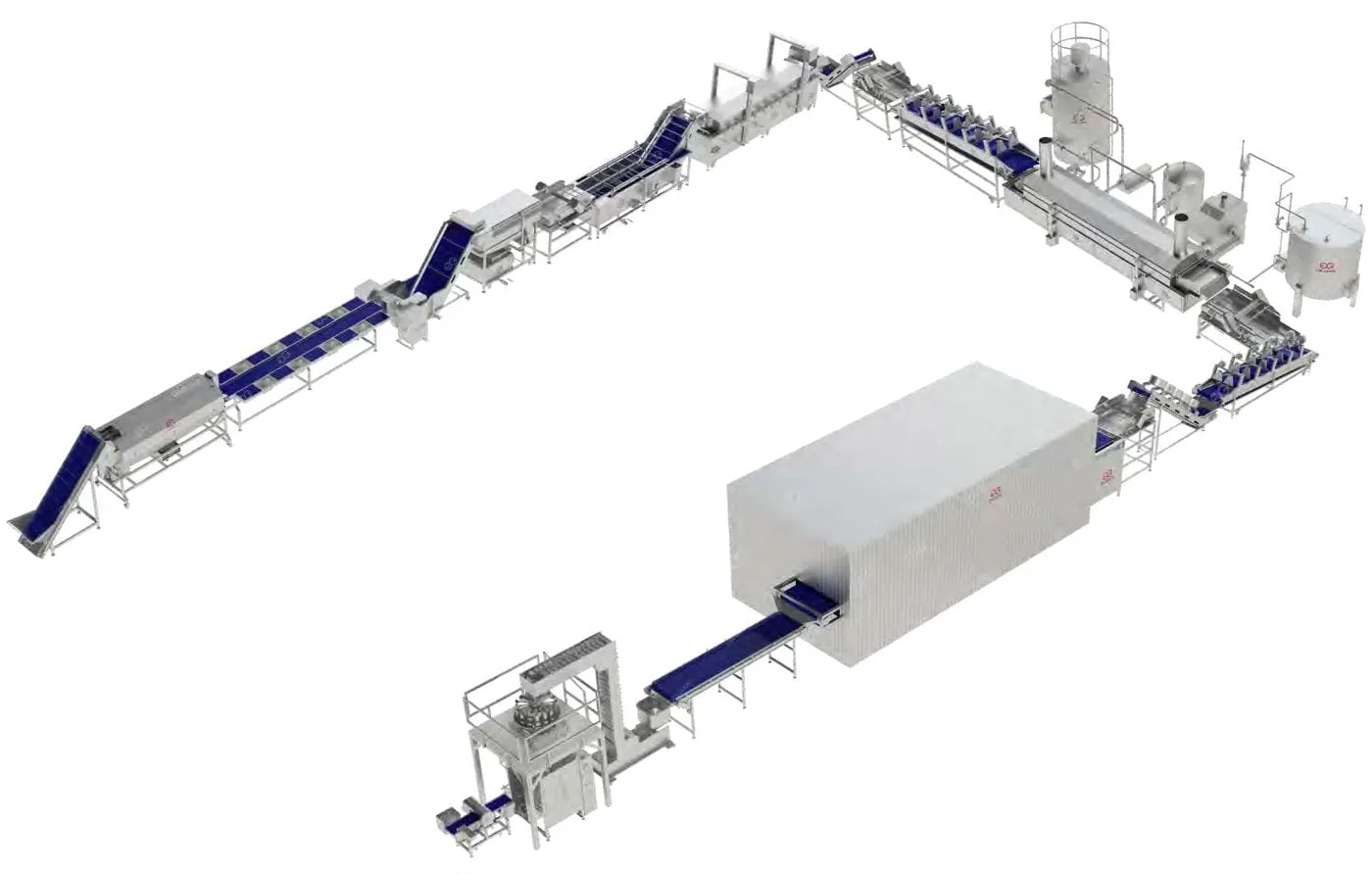
Potato snack brands, frozen fries producers and agricultural investors near potato growing areas.
Sized to fresh potato input (kg/h) with finished output stated separately
Bakery & Snack Food
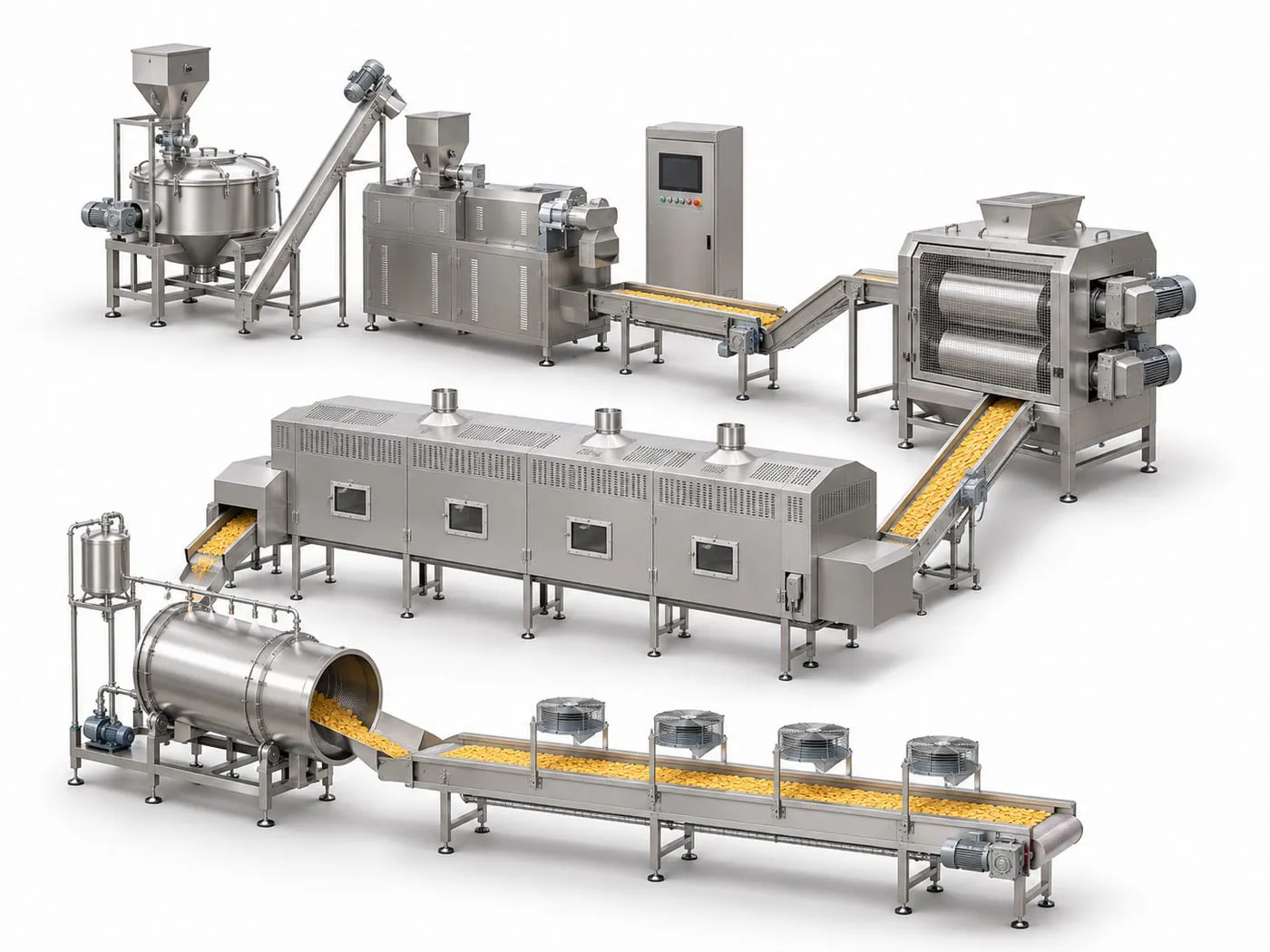
Breakfast cereal brands, private-label packers and snack plants adding corn flakes or coated cereals.
Sized to finished cereal output (kg/h) for a set flake thickness