Meat & Seafood Processing
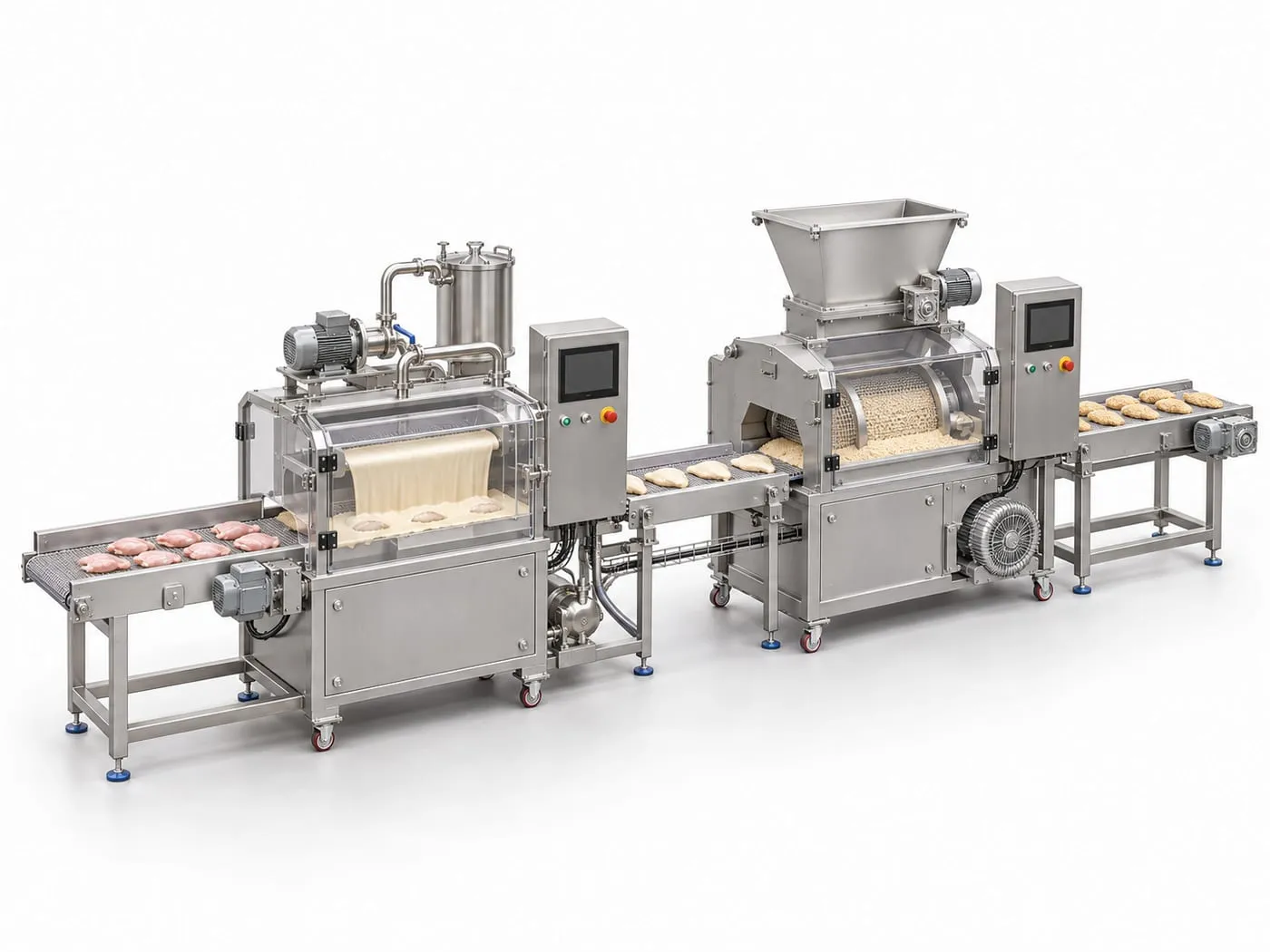
Coating and Breading Line
Factories making breaded chicken, fish fingers, coated vegetables or nuggets for frozen and food-service markets.
Sized to belt width and coated product output (kg/h of finished product)

06 · Meat & Seafood Processing — Equipment
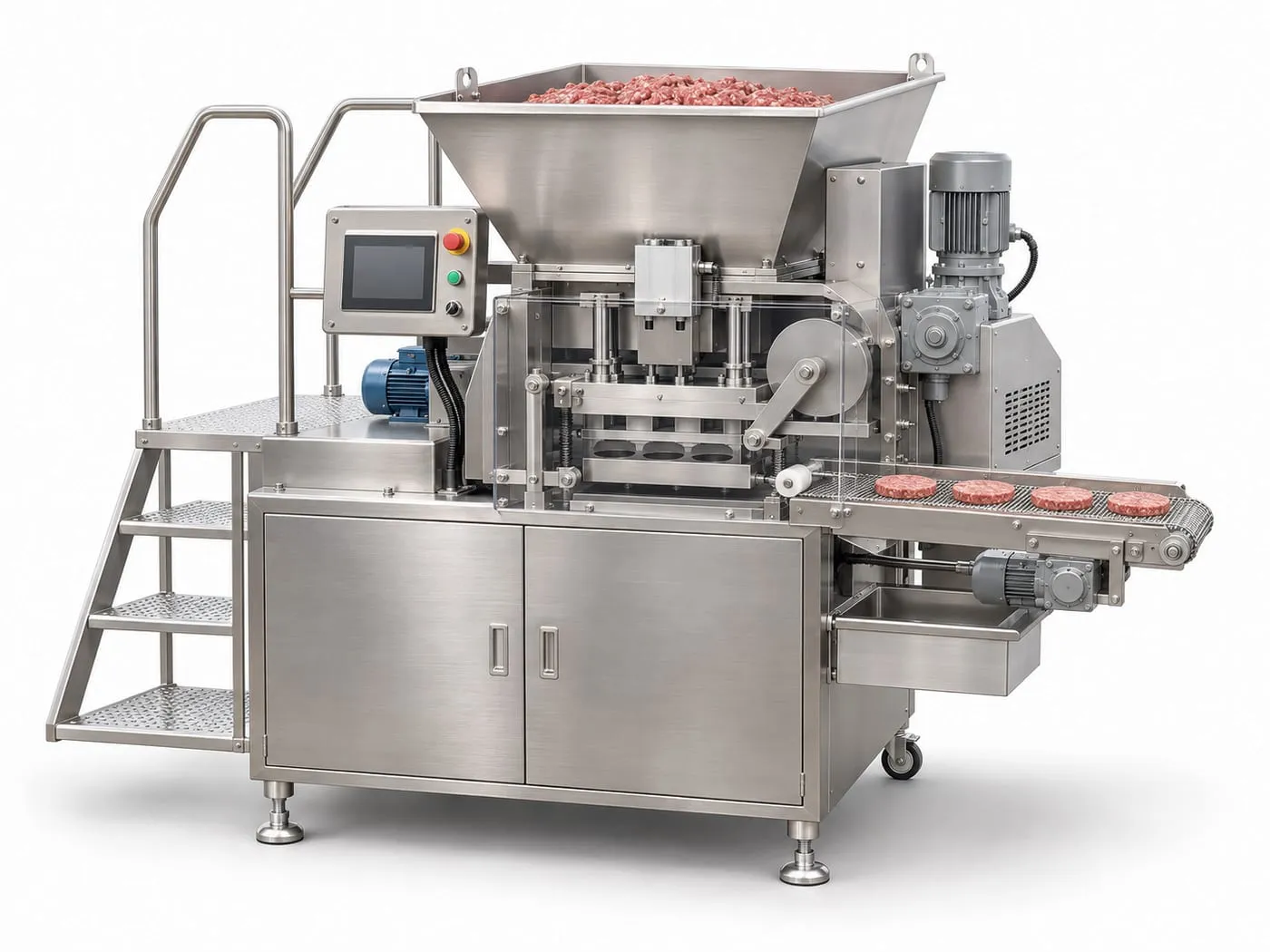
Portions and shapes minced meat, fish, vegetable or potato mixes into patties, nuggets and other pieces of consistent weight and shape.
Short answer: A food forming machine fills a mould cavity with a prepared mix and pushes out a piece of fixed shape and weight, such as a burger patty, a nugget or a fish cake. What decides the configuration is how your mix behaves (sticky, coarse, fibrous, soft) and how many shapes and weights you need to switch between.
The prepared mix goes into a hopper with a feed system, usually paddles or a feed screw, that presses it into the mould cavities at an even pressure. On a plate former, a mould plate moves forward to a knock-out position where punches push the pieces out onto a belt, then returns to refill. On a drum former, cavities on a rotating drum fill under the hopper and the pieces are released onto the belt by air or by the belt itself as the drum turns.
Piece weight is set by the cavity volume and the fill pressure. Thickness is fixed by the mould, and the outline by the cavity shape. Pieces can be dropped onto paper, onto a belt to a freezer, or straight into a coating line.
| Form | Suits | Watch out for |
|---|---|---|
| Reciprocating mould plate | Patties, nuggets, frequent shape changes | Very coarse or fibrous mixes can tear |
| Rotary drum | Long runs, coarse or whole-muscle mixes | Drum changes take longer than plate changes |
Small and mid-size plants that sell several products usually start with a plate former. A drum former is worth considering when one or two shapes run for most of the week.
Forming follows mix preparation on an industrial meat grinder and a bowl cutter or mixer. Formed pieces are commonly passed through a batter and breading line, cooked in a continuous fryer, frozen in a food freezer, and then weighed and packed.
Reciprocating mould plate
a plate slides between fill and knock-out positions; flexible on shape and thickness and the usual start for patties and nuggets.
Rotary drum
a drum with mould cavities turns continuously under the hopper; gentler on fibrous or coarse mixes and suited to long runs of one shape.
Our engineers check these points with you, so the quotation fits your site rather than a catalogue default.
Yes, by changing the mould plate or drum. Each shape and thickness needs its own mould, so list the products you plan to make in the first year and we include the moulds in the quote.
Usually because the mix changes: temperature drifts, fat content varies or air is trapped. Keeping the mix at a steady temperature and density does more for weight consistency than machine settings alone.
Often yes, but softer or stickier mixes may need a different feed system, mould surface or release paper. Send us a sample or recipe and we check how it behaves before confirming the configuration.
Tell us your raw material, finished product and target output. Our engineers reply with a matched configuration and quotation.
What to send with your inquiry
Email sales@hnfoda.com
Meat & Seafood Processing
Factories making breaded chicken, fish fingers, coated vegetables or nuggets for frozen and food-service markets.
Sized to belt width and coated product output (kg/h of finished product)
Meat & Seafood Processing
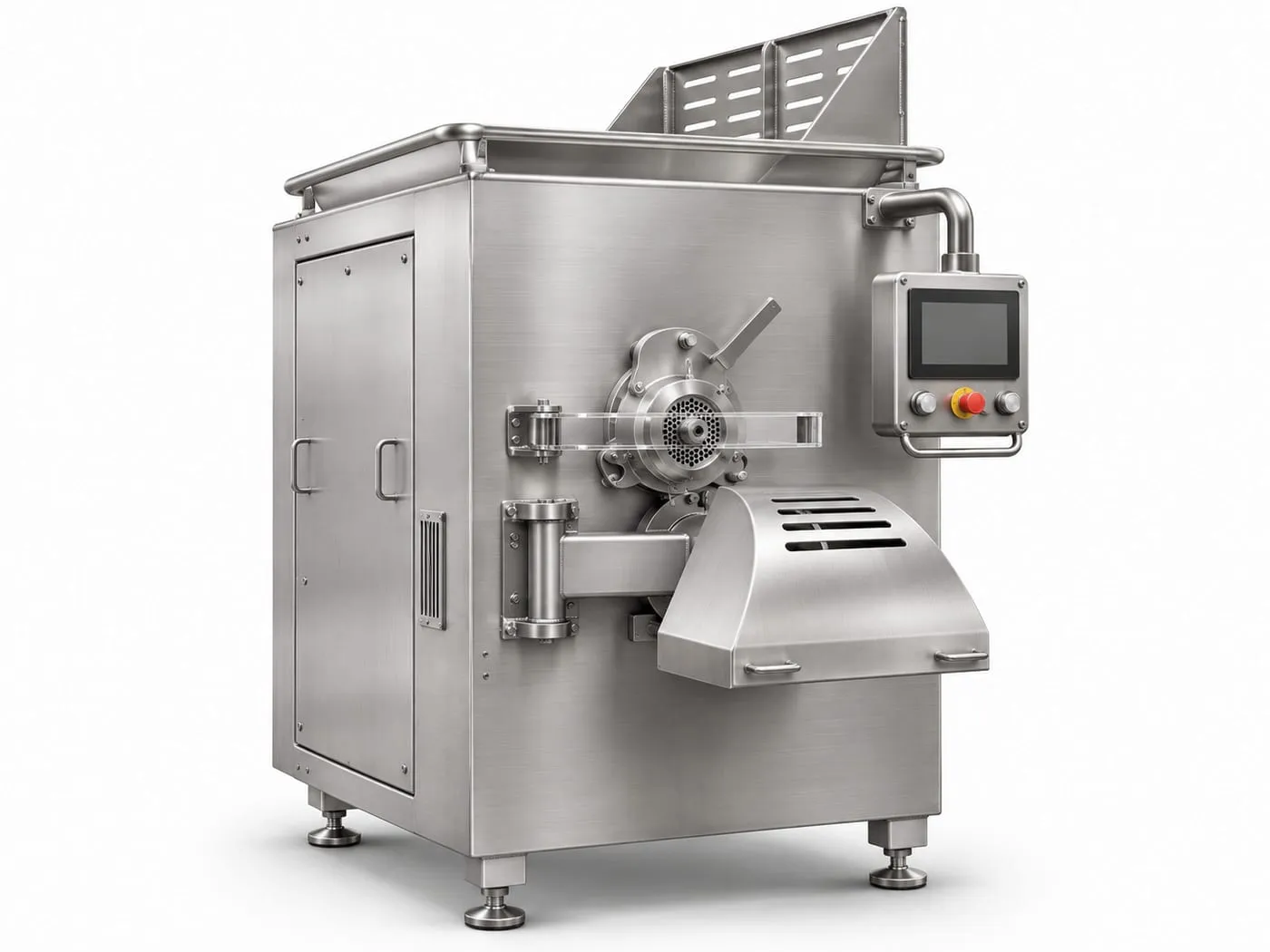
Meat plants and food factories making sausages, patties, dumpling fillings or minced products.
Sized to raw meat input (kg/h) at a stated feed temperature and plate size
Meat & Seafood Processing
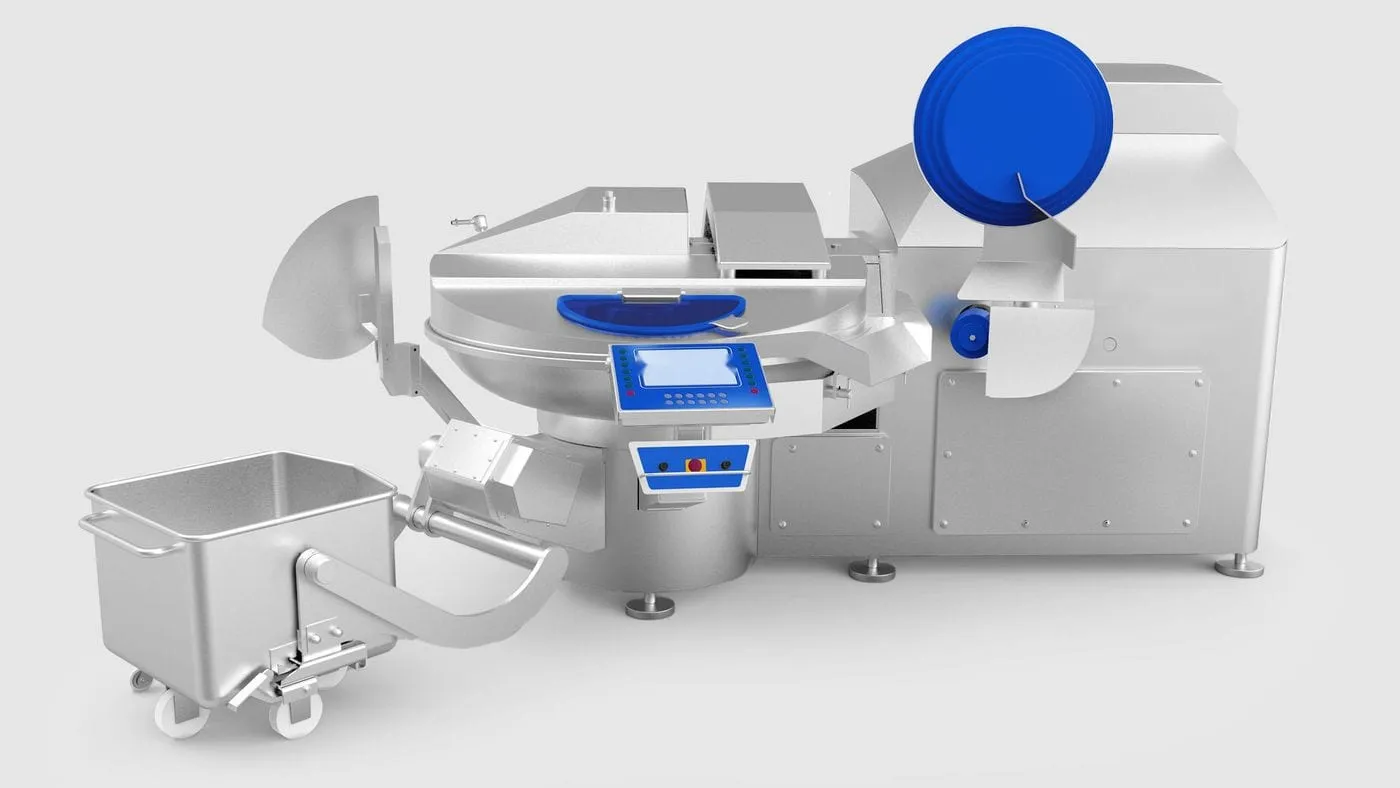
Sausage, meatball, fish ball and dumpling-filling producers who need fine or emulsified textures.
Sized to bowl volume and batch weight (kg per batch)
Meat & Seafood Processing
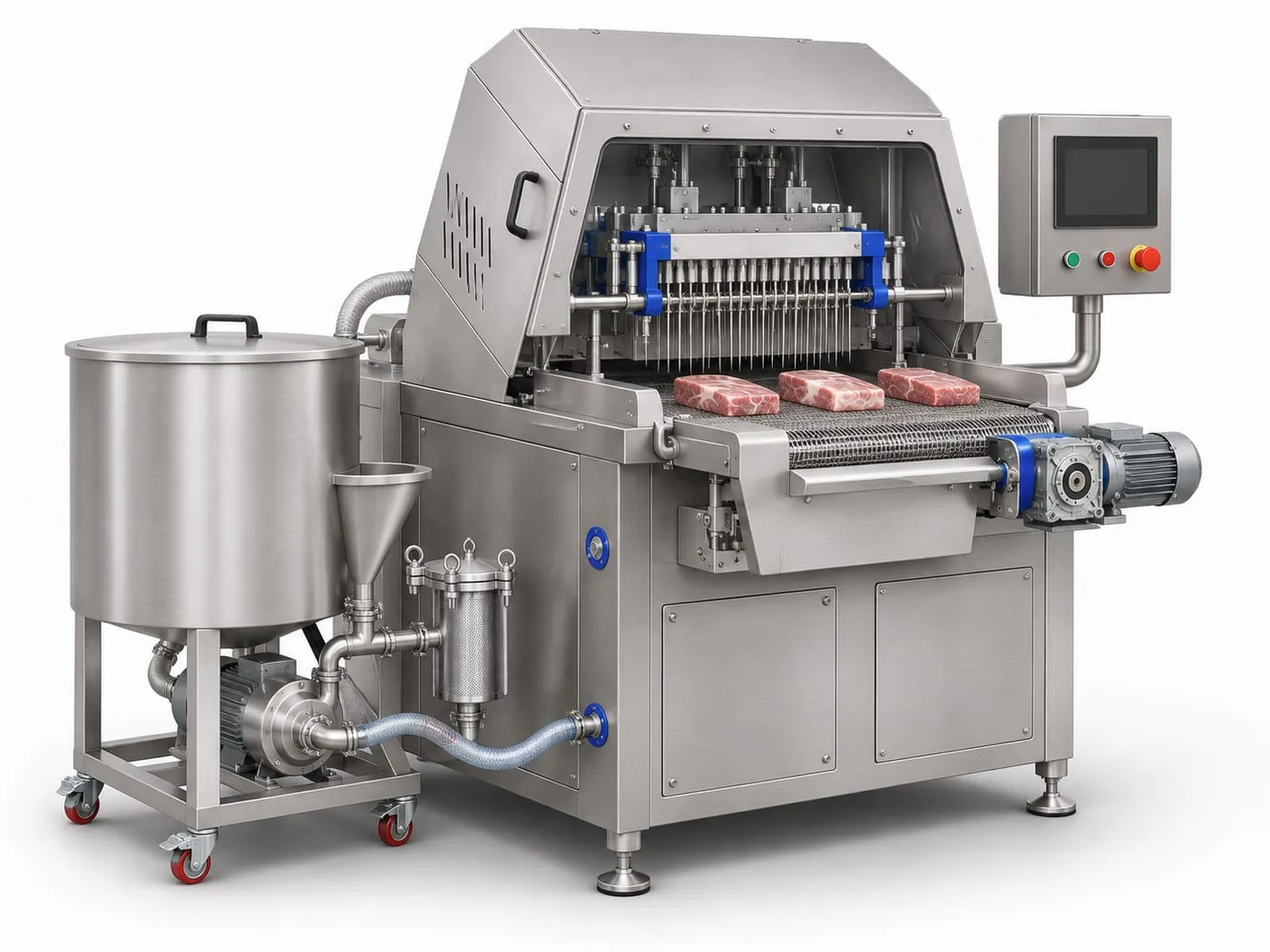
Processors making ham, bacon, cured cuts or marinated whole poultry and large cuts.
Sized to belt width and raw meat throughput (kg/h) at the target injection rate